Overview
1. Overview
School Learning Co-operative is a public (government-funded) school in Hurstbridge, Victoria, serving families in the local community with a cooperative learning approach that emphasises collaboration, inquiry and student voice. The school fosters an inclusive, supportive environment where students are encouraged to participate in shaping their learning and contribute to the wider school community.
The school is medium-sized, with class sizes typically in the low-to-mid 20s. This supports an atmosphere that is nurturing and student-centred, while maintaining high expectations for learning and participation across academic, sporting and cultural activities.
⸻
2. Academics & Learning
- Academic strengths: Strong focus on literacy and numeracy, with solid capabilities across STEM and English; opportunities to develop leadership skills and engagement with language studies through a broad curriculum.
- Special programs: Gifted & Talented/accelerated learning options, targeted extension activities, and integrated technology programs to foster inquiry and independent learning.
- NAPLAN trends: Public reporting indicates gradual improvements or stable performance in key areas (e.g., reading and numeracy) over recent years, with ongoing focus on sustaining progress and adjusting teaching strategies as needed.
- Student-teacher ratios: Approximately 1:14 to 1:18 in many year levels, supporting more individual attention within class settings.
- Support for diverse learners: Strong commitment to inclusive education with dedicated support for EAL learners and students with SEN, including targeted interventions, classroom adjustments and access to support staff.
⸻
3. Sports & Extracurricular Strengths
- Sports offered: A range of team and individual sports typical for a Victorian school (e.g., netball, basketball, football, cricket, soccer, athletics), with opportunities to participate in inter-school and district events.
- Strong teams or achievements: Regular participation in regional competitions and school-level programs, with emphasis on teamwork, skill development and sportsmanship.
- Music, arts, drama programs: Active involvement in music tuition, performing arts, and theatre opportunities to complement academic work.
- Clubs: Robotics, chess, coding, debating and other lunchtime or after-school clubs to build STEM and communication skills.
- Partnerships: Collaborations with local clubs, sporting bodies and community organisations to provide additional coaching, clinics and competition pathways.
⸻
4. Wellbeing & Pastoral Care
- Anti-bullying approach: Whole-school wellbeing framework with clear policies, student empowerment, restorative practices and ongoing education around respectful behaviour.
- House system: A house-based environment to foster belonging, leadership opportunities and friendly competition that supports wellbeing and community connection.
- Counsellors / wellbeing officers: Access to wellbeing staff and counsellors to support mental health, transition periods and ongoing personal development.
- Transition support for new students: Structured orientation, buddy programs and targeted supports to help new students settle in quickly and confidently.
⸻
5. Facilities
- Sports grounds: On-site facilities supporting a range of physical activities and PE programs.
- Libraries: Dedicated library spaces that support reading development, study areas and collaborative learning.
- Science labs: Modern science facilities tailored for practical experiments and inquiry-based learning.
- Music/performing arts centers: Spaces for music, drama and ensemble work.
- Tech/innovation labs: Practical spaces for coding, robotics, digital creativity and hands-on STEM projects.
- Cafeteria: On-site dining facilities with options for students.
- Updated playgrounds: Safe, inviting outdoor areas for recreation and social interaction.
⸻
6. School Values & Community Culture
- School values / mission: A focus on respect, responsibility, resilience, inclusivity and high standards of learning, embedded in daily practice and school life.
- Leadership style: Collaborative and participatory, with student leadership opportunities and teacher guidance that prioritises student voice.
- Behaviour expectations: Clear, consistent expectations across the school for conduct, responsibility and respectful interactions.
- Community reputation: Known for a welcoming, supportive environment with active family involvement and strong community connections.
- Diversity & inclusion: Committed to celebrating diversity and ensuring inclusive access to learning for all students.
⸻
7. School Logistics & Daily Operations
- School hours: Typically a morning-to-afternoon schedule with start around 9:00 am and finish around 3:30 pm; variations may occur by year level.
- Before/after school care: Availability of supervision or care programs before and after school to support families.
- Uniform requirements: Standard school uniform policy, with guidance on appropriate attire for daily wear and events.
- Transport (train/bus routes): Access to public transport and local bus services; school-wide travel arrangements and safety guidance provided as needed.
- Canteen availability: Canteen or snack facilities available during the school day.
- Fees (low/medium/high ranges): Public schools generally have low or no tuition; occasional costs for excursions, activities, materials or optional programs; uniforms and supplies may incur standard costs.
⸻
8. Enrolment & Admissions
11. What is the enrolment process and timeline?
- Submit an online or paper enrolment form within the local intake period.
- Provide required documents (proof of identity and address, immunisation records, and other school-specific materials).
- The school allocates places based on enrolment priorities, space availability and catchment rules, with confirmation or waiting guidance issued after review.
12. Is there a waiting list, and how does it work?
- Waiting lists may operate when year-level intakes are full. Applicants may be placed on a list and offered a place as vacancies arise, with ongoing communication from the school about status and next steps.
13. Are there any entry requirements, tests, or interviews?
- For public schools, entry typically does not involve selective testing. Some year levels or programs (e.g., EAL or SEN assessments) may require additional information or discussions to tailor supports. Most enrolment decisions are based on eligibility, documentation and capacity.
14. Does the school accept mid-year transfers?
- Yes, mid-year transfers are possible where spaces are available. Transfer requests are considered in line with current enrolment capacity, with appropriate documentation and transition planning.
⸻
9. Frequently Asked Questions
- Why Parents Choose This School?
- Many families value the inclusive, supportive culture, balanced focus on academics, wellbeing and community involvement, and opportunities for student leadership and participation in a broad range of activities.
- What type of student thrives at this school?
- Students who benefit from a collaborative, caring environment, with opportunities to excel in academics, arts, sports, and clubs, and who respond well to a strong wellbeing and inclusion focus.
- What opportunities are available for students to extend their skills (academics, sports, arts)?
- Extension programs in literacy, numeracy, STEM and languages; sport teams and clinics; music and drama ensembles; robotics, coding and debating clubs; and community partnerships for additional competitions and events.
- How does the school communicate with parents?
- Regular newsletters, email updates, parent portals, scheduled parent-teacher interviews, and a range of notices about events, performances and excursions.
- What is the school’s approach to teaching and learning?
- Student-centered, differentiated instruction that uses inquiry, collaboration, technology integration and ongoing assessment to guide learning.
- How does the school support students who need extra academic help?
- Targeted in-class supports, learning support staff, EAL and SEN services, small-group tutoring or intervention, and ongoing progress monitoring.
- What support is available for academic challenges?
- Access to learning support staff, tailored adjustments, and referral pathways to specialist services as needed.
- How does the school communicate with parents?
- See above; multiple channels used to keep families informed and engaged.
- What are the class sizes and how much individual attention do students receive?
- Class sizes are typically small-to-medium (roughly 20–28 students). Teachers provide regular feedback, with opportunities for individual or small-group support.
- What extracurricular and sports opportunities are available?
- A broad mix of sports, arts, music and drama, plus clubs such as robotics, chess, coding and debating; participation in district-level events and competitions where available.
- What facilities does the school offer (sports, science, arts)?
- Comprehensive facilities including sports grounds, libraries, science labs, music/performing arts spaces, tech/innovation labs and a canteen.
- What is the school’s approach to technology and digital learning?
- Technology-enabled learning with use of digital tools, coding and media production; emphasis on digital citizenship and safe online practice.
- What transport and accessibility options are available?
- Access to local public transport and bus routes; safe drop-off/pick-up arrangements and guidance for families on travel options.
- What are the typical school fees or additional costs?
- Public schools generally have low or no tuition; costs may include excursions, materials, uniforms, and optional programs.
⸻
10. Short Pros & Cons list
Pros
- Inclusive, supportive learning environment with strong student focus on wellbeing.
- Balanced emphasis on academics, arts, sport and clubs.
- Moderate class sizes enabling more teacher attention.
- Active student leadership and opportunities to engage with the wider community.
- Modern facilities supporting a wide range of learning experiences.
Cons
- As a public school, enrolment capacity can vary; some year levels may have limited spaces at particular times.
- Transport and travel options depend on local routes and public services.
- Fees for excursions, materials, and uniforms may represent additional costs for families.
⸻













 $800,000 - $850,000
House
$800,000 - $850,000
House
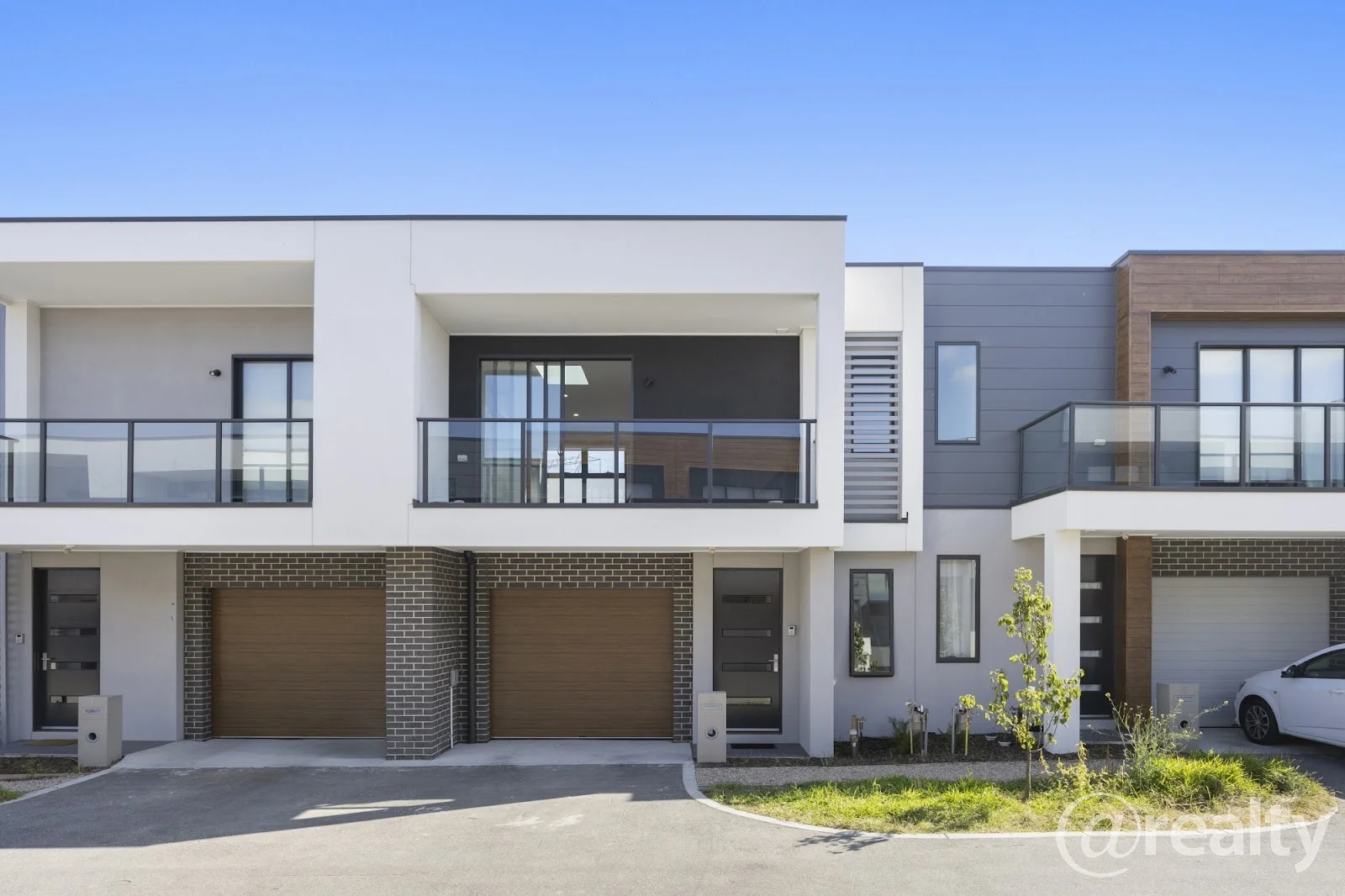 $510
Townhouse
$510
Townhouse
 $1,220,000 - $1,320,000
House
$1,220,000 - $1,320,000
House