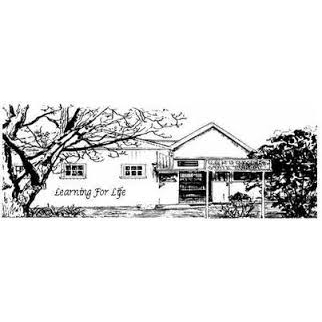
## 1. Overview
Leitchville Primary School is a small public primary school serving families in the local rural community. As a government school, it focuses on delivering a well-rounded Victorian Curriculum in a warm, inclusive setting that supports every child’s learning journey. The small size contributes to a close-knit atmosphere where students, families and staff know each other well and work together to create a positive school culture.
The school aims to balance strong academic foundations with a supportive, participate-at-every-step environment. Classrooms are designed to be welcoming and student-centred, with an emphasis on safety, encouragement and collaboration. The culture tends to be nurturing and community-minded, with opportunities for students to develop in sport, arts and leadership alongside core academics.
## 2. Academics & Learning
- Academic strengths: literacy and numeracy are foundational priorities, with hands-on, engaging learning across the Victorian Curriculum. The school supports critical thinking, writing skills and mathematical reasoning through practical activities and collaborative learning.
- Special programs: opportunities for differentiated learning within the classroom; integration of STEM, arts, and physical education to develop well-rounded skills. Gifted and talented pathways may be available within the year groups.
- NAPLAN / trends: rural schools often show stable performance with year-to-year variation. The school typically targets maintaining or improving performance in key areas such as reading, writing and numeracy, aligned with Victorian standards.
- Student-teacher ratios: small classes and close teacher contact help keep individual attention available; typical ratios are around the low-teens, enabling targeted support.
- Support for diverse learners: inclusive education with support for students who speak English as an Additional Language (EAL) and students with special needs (SEN), including targeted literacy/numeracy supports and individualised learning plans where appropriate.
## 3. Sports & Extracurricular Strengths
- Sports offered: common primary options such as netball, cricket, Australian rules football, athletics, and swimming; opportunities to participate in district events when available.
- Strong teams or achievements: participation in inter-school and district competitions is encouraged, with emphasis on participation, teamwork and personal bests.
- Music, arts, drama programs: school assemblies, performances and music opportunities; opportunities to showcase talents through concerts and family events.
- Clubs: robotics, coding, chess, debating and other interests are encouraged to help students apply learning in new ways.
- Partnerships: involvement with local community groups, sports clubs and regional inter-school competitions to broaden experiences and foster sportsmanship and teamwork.
## 4. Wellbeing & Pastoral Care
- Anti-bullying approach: whole-school wellbeing framework with clear anti-bullying policies and a supportive environment where students are encouraged to speak up and seek help.
- House system: a house-based structure to promote teamwork, leadership and school spirit in daily activities and events.
- Counsellors / wellbeing officers: access to wellbeing staff or designated support personnel who can assist students with social-emotional needs and resilience building.
- Transition support for new students: buddy systems, orientation activities and targeted supports to help new arrivals settle in and feel included.
## 5. Facilities
- Sports grounds: outdoor spaces suitable for daily activity and team sports.
- Libraries: a welcoming library space for reading, research and quiet study.
- Science labs: age-appropriate science resources and hands-on experiments.
- Music/performing arts centers: space for music classes, rehearsals and small productions.
- Tech/innovation labs: ICT resources and computer access to support digital learning.
- Cafeteria: a simple, healthy options program or canteen arrangements on selected days.
- Updated playgrounds: safe and engaging play areas that support active breaks and social interaction.
## 6. School Values & Community Culture
- School values / mission: guiding principles such as respect, responsibility, resilience, inclusion and a focus on student voice and achievement.
- Leadership style: collaborative and student-centred, with opportunities for leadership through class roles, student councils or house activities.
- Behaviour expectations: positive behaviour for learning framework, consistent routines and clear expectations to support a safe, respectful environment.
- Community reputation: a friendly, welcoming school community where families know staff and students feel connected.
- Diversity & inclusion: culture that welcomes students from diverse backgrounds and supports inclusive participation in all activities.
## 7. School Logistics & Daily Operations
- School hours: typical start and finish times aligned with Victorian primary schedules (e.g., roughly 9:00 am–3:30 pm), with morning arrival and organised transitions.
- Before/after school care: options may be available through local community providers or school-arranged programs; check locally for current arrangements.
- Uniform requirements: standard school uniform policy (dress code and logoed items as required) with hats for outdoor play in sun-safe seasons.
- Transport (bus routes): school-supported transport options may exist via regional bus services; inquire for current routes and eligibility.
- Canteen availability: canteen or snack facilities are usually available on select days or through school-approved arrangements.
- Fees (low/medium/high ranges): government primary schools typically have minimal standard fees with possible voluntary contributions or small levies for activities and materials.
## 8. Enrolment & Admissions
11. What is the enrolment process and timeline?
- Enrolment typically starts well before a child’s intended start year. Parents submit an application form, provide required documents (such as birth certificate and immunisation status), and complete any school-specific steps. The timeline can vary by year and space availability, with priority given to local families in many cases. Expect an intake process that includes confirmation of placement and welcome information from the school.
12. Is there a waiting list, and how does it work?
- If the school reaches capacity, a waiting list may operate. Spaces are usually filled in order of application date and specific program availability. Families on the waiting list are kept informed about expected timelines and any chances for earlier placement as vacancies arise.
13. Are there any entry requirements, tests, or interviews?
- Most primary enrolments do not require testing. An informal meeting or interview with a school leader or teacher may occur to understand the child’s needs and to discuss placement. Proof of immunisation and residency/billing details are commonly requested.
14. Does the school accept mid-year transfers?
- Mid-year transfers are often possible if there is space and alignment with class structures. Families seeking mid-year transfers should contact the school as early as possible to discuss availability and transition plans.
## 9. Frequently Asked Questions
- Why Parents Choose This School?
- A warm, inclusive community with small class sizes, strong pastoral care and a focus on well-rounded learning that balances academics with sport and the arts.
- What type of student thrives at this school?
- Students who enjoy a close-knit school environment, collaborative learning, and opportunities to participate in a range of activities beyond core academics.
- What opportunities are available for students to extend their skills (academics, sports, arts)?
- Extra-curricular clubs (robotics, coding, chess, debating), sport opportunities, performing arts events, and targeted classroom extensions within the Victorian Curriculum framework.
- How does the school communicate with parents?
- Regular updates through notices, newsletters, parent-teacher meetings, and digital platforms as available; open channels for feedback and queries.
- What is the school’s approach to teaching and learning?
- A student-centred approach within the Victorian Curriculum that emphasizes literacy, numeracy, critical thinking, collaboration and hands-on learning.
- How does the school support students who need extra academic help?
- targeted literacy/numeracy supports, small-group or one-on-one assistance, and planning within inclusive education provisions for EAL and SEN students.
- What support is available for academic challenges?
- Early identification, personalised learning plans, in-class accommodations and access to wellbeing and learning support staff.
- How does the school communicate with parents? (reiterated)
- See above: regular updates, meetings and digital communications as applicable.
- What are the class sizes and how much individual attention do students receive?
- Class sizes are small, allowing for higher levels of individual attention and responsive teaching within classroom time.
- What extracurricular and sports opportunities are available?
- Robotics, coding, chess, debating clubs; team sports such as netball, cricket, football and athletics; opportunities to participate in inter-school events and performances.
- What facilities does the school offer (sports, science, arts)?
- Sports grounds, library, science facilities, music/arts spaces, ICT/technology resources, canteen and updated play areas.
- What is the school’s approach to technology and digital learning?
- Integrated ICT use within learning, with access to computers and digital tools to support research, problem-solving and creative projects.
- What transport and accessibility options are available?
- Bus routes and regional transport options where available; discuss specific arrangements with the school.
- What are the typical school fees or additional costs?
- Fees are generally low with potential voluntary contributions or small levies for activities; families should check the current schedule at enrolment.
## 10. Short Pros & Cons list
- Pros
- Small class sizes and personalized attention
- Strong sense of community and belonging
- Balanced curriculum across academics, sport and the arts
- Inclusive environment with support for diverse learners
- Accessible facilities and active student wellbeing focus
- Cons
- Limited specialist facilities compared with larger urban schools
- Fewer on-site extra-curricular options than bigger campuses (depends on year)
- Travel times for families living outside the local area
- Availability of mid-year placements depends on space
If you’d like, I can tailor any of these sections with more specific details you provide (for example, exact uniform colors, current programs, or transport routes), or format this into a ready-to-publish page for Aroundschools.