1. Overview
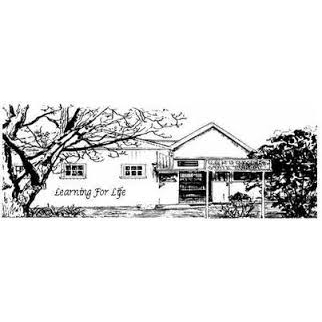
St Mary’s School, Cohuna is a Catholic, co-educational primary school that serves families in Cohuna and the surrounding region. The school emphasises faith-based education within a supportive, community-focused environment. As a small rural school, class sizes tend to be intimate, enabling strong teacher–student relationships and individualized support. The atmosphere is nurturing and inclusive, with a focus on developing respectful, responsible students who value service, learning and community.
2. Academics & Learning
- Academic strengths: literacy and numeracy are central, with a faith-informed approach to teaching and opportunities to develop ICT and creative thinking within everyday learning.
- Special programs: faith formation and sacraments as part of the religious education program, along with enrichment opportunities and leadership experiences for motivated students.
- NAPLAN / Ofsted trends: the school tracks progress over time and aims for steady growth in key areas such as reading and numeracy, with targeted support where needed.
- Student-teacher ratios: small class sizes support individualized attention and tailored feedback.
- Support for diverse learners: targeted support for diverse learners, including EAL and SEN programs and access to learning support staff.
3. Sports & Extracurricular Strengths
- Sports offered: a range of PE and inter-school activities including netball, football (Aussie rules), soccer, athletics and swimming, with opportunities to participate in regional events.
- Strong teams or achievements: emphasis on teamwork, participation, and personal bests in inter-school competitions.
- Music, arts, drama programs: school ensembles or choirs and regular performances or assemblies to showcase talent.
- Clubs: robotics, chess, coding, debating and other clubs where available, providing variety beyond core academics.
- Partnerships: connections with local clubs and regional competitions to broaden opportunities outside the classroom.
4. Wellbeing & Pastoral Care
- Anti-bullying approach: clear anti-bullying policies, positive behaviour frameworks and restorative practices to resolve conflicts.
- House system: house groups organise events and foster healthy camaraderie and school spirit.
- Counsellors / wellbeing officers: access to pastoral care staff to support students’ social and emotional wellbeing.
- Transition support for new students: orientation programs, buddy systems and welcoming activities to ease transition into the school community.
5. Facilities
- Sports grounds: outdoor spaces suitable for cricket, football, netball and PE activities.
- Libraries: well-stocked library supporting reading and research skills.
- Science labs: practical science spaces to stimulate curiosity and inquiry.
- Music/performing arts centers: dedicated areas for music, drama and performances.
- Tech/innovation labs: ICT facilities and spaces for project-based learning.
- Cafeteria: on-site canteen or dining area offering healthy options.
- Updated playgrounds: safe, well-maintained play spaces for breaks and recreation.
6. School Values & Community Culture
- School values / mission: Catholic ethos emphasising faith, respect, responsibility and service to others.
- Leadership style: collaborative leadership with opportunities for student voice through committees or student leadership roles.
- Behaviour expectations: clear norms around respect, courtesy, safety and responsible conduct.
- Community reputation: known for a warm, family-friendly and close-knit school community with active family involvement.
- Diversity & inclusion: welcoming environment that supports students from diverse backgrounds and abilities.
7. School Logistics & Daily Operations
- School hours: aligned with the Victorian primary school calendar and typical daily timetable.
- Before/after school care: available or arranged through approved providers to support families.
- Uniform requirements: school uniform expected, with guidelines on terms and seasonal variations.
- Transport (bus routes): local transport arrangements and bus routes where available for families.
- Canteen availability: canteen or healthy snack options on designated days.
- Fees (low/medium/high ranges): fees are typically in the mid-range for Catholic primary schools; eligible families may have access to guidance on payment plans and financial assistance.
8. Enrolment & Admissions
11. What is the enrolment process and timeline?
- Families typically express interest, submit an enrolment application, provide required documentation, and participate in any required interview or gathering of information with the principal or enrolments officer. A place offer is made if available, with the timeline varying by intake and year level.
12. Is there a waiting list, and how does it work?
- There is often a waiting list due to the school’s small size. The list is managed by date of application and availability of places; families are kept informed about likely timelines and next steps.
13. Are there any entry requirements, tests, or interviews?
- Entry usually involves an interview or meeting with families; there is typically no formal entrance exam for primary-level enrolment. Some schools may request documentation or discussion of any special requirements to support the student.
14. Does the school accept mid-year transfers?
- Mid-year transfers are considered subject to space availability and the ability to support the student’s adjustment; families should inquire early to understand options and timelines.
9. Frequently Asked Questions
- Why Parents Choose This School?
- A strong Catholic identity, small class sizes, a nurturing community, and close partnerships with families make St Mary’s Cohuna an appealing option for many.
- What type of student thrives at this school?
- Students who are engaged, collaborative, respectful, curious and who value a close-knit school community tend to thrive here.
- What opportunities are available for students to extend their skills (academics, sports, arts)?
- A blend of core academic programs with enriched learning opportunities in sport, music, drama, clubs (e.g., robotics, coding, chess, debating) and leadership activities.
- How does the school communicate with parents?
- Through regular newsletters, parent meetings, and school communications channels; updates and reports are shared to keep families informed.
- What is the school’s approach to teaching and learning?
- A student-centered, faith-informed approach that integrates core literacy and numeracy with creative and inquiry-based learning.
- How does the school support students who need extra academic help?
- Targeted learning support, small-group instruction, and access to learning support staff for EAL and SEN needs.
- What support is available for academic challenges?
- Early identification of learning needs, intervention programs and ongoing monitoring to help students progress.
- How does the school communicate with parents? (Duplicate Question)
- See above: regular updates via newsletters, meetings and digital communications.
- What are the class sizes and how much individual attention do students receive?
- Class sizes are small, enabling more individualized attention and closer teacher-student relationships.
- What extracurricular and sports opportunities are available?
- A range of sports (netball, football, soccer, athletics), arts (music/drama), and clubs (robotics, chess, coding, debating) where available.
- What facilities does the school offer (sports, science, arts)?
- Facilities include sports grounds, library, science labs, music/performing arts spaces, tech/innovation labs, a canteen, and well-maintained playgrounds.
- What is the school’s approach to technology and digital learning?
- Integration of ICT into learning with access to devices and digital literacy activities to prepare students for a tech-enabled world.
- What transport and accessibility options are available?
- Local transport options and school-supported arrangements where possible; proximity to community resources supports accessibility.
- What are the typical school fees or additional costs?
- Fees are typically moderate for Catholic primary schools, with information available from the school about what is included and any additional costs (e.g., excursions, uniforms).
10. Short Pros & Cons list
Pros
- Small, supportive, faith-based community
- Strong teacher–student relationships and individualized attention
- Broad range of extracurriculars and clubs
- Inclusive environment with a focus on values and service
- Local community connections and parental involvement
Cons
- Limited on-site specialist facilities due to rural location
- Smaller population may mean fewer elective options than larger urban schools
- Dependence on local transport accessibility for some families
Note: The above content is a general overview intended to help families understand typical features of St Mary’s School, Cohuna. For precise, up-to-date details (current programs, facilities, exact timings, and admissions steps), please refer to the school’s official materials and contact the school directly.