1. Overview
Loreto Mandeville Hall Toorak is an independent Catholic girls’ school offering a faith-based education that emphasises academic excellence, service to others, and leadership. The Toorak campus combines a nurturing, welcoming atmosphere with high expectations across academic and co-curricular life. The school is medium-to-large in size, with class sizes that typically sit in the mid-teens to mid-20s, fostering strong teacher-student relationships and personalised attention. The culture is inclusive, values-driven, and community-oriented, with a clear emphasis on girls’ empowerment within a supportive faith-based context.
⸻
2. Academics & Learning
- Academic strengths: English and literacy, humanities, STEM, and world languages, with a strong focus on developing critical thinking, communication, and leadership skills.
- Special programs: Gifted and Talented opportunities, accelerated learning pathways where appropriate, and senior-years preparation for the Victorian Certificate of Education (VCE/ATAR) alongside leadership and service-focused programs.
- NAPLAN trends: Public data from recent years indicate strong performance with positive trends in literacy and numeracy, generally above state averages in many cohorts.
- Student-teacher ratios: Typically low-to-moderate ratios that enable more targeted support, roughly in the vicinity of 1:9–1:12 depending on year level.
- Support for diverse learners: Dedicated learning support, EAL assistance, and SEN resources with clear pathways for individual learning plans and inclusive education.
⸻
3. Sports & Extracurricular Strengths
- Sports offered: Netball, Basketball, Hockey, Tennis, Athletics, Swimming, and other school-wide athletic programs through inter-house and inter-school competitions.
- Strong teams or achievements: Competitive inter-school teams across various sports with opportunities to participate in regional and state events.
- Music, arts, drama programs: Comprehensive music program including choirs and instrumental ensembles; drama productions and performing arts opportunities throughout the year.
- Clubs: Robotics, Chess, Coding, Debating, Public Speaking, and other academic and interests-based clubs.
- Partnerships: Participation in local and regional inter-school competitions and collaborations with community arts and science programs to extend student experiences.
⸻
4. Wellbeing & Pastoral Care
- Anti-bullying approach: Clear anti-bullying policies with reporting channels, student support, and targeted education to promote a respectful school climate.
- House system: House-based structure used to foster belonging, pastoral care, and healthy competition across activities.
- Counsellors / wellbeing officers: On-site counsellors and wellbeing staff to support student resilience, mental health, and personal development.
- Transition support for new students: Orientation programs, buddy systems, and dedicated transitions support to help newcomers settle in.
⸻
5. Facilities
- Sports grounds: Multiple courts and fields suitable for a range of sports and physical education.
- Libraries: Well-resourced libraries with quiet study spaces and research support.
- Science labs: Modern science laboratories for biology, chemistry, physics, and related STEAM activities.
- Music/performing arts centers: Facilities for music ensembles, rehearsals, and performances.
- Tech/innovation labs: Dedicated ICT/technology and innovation spaces to support digital learning and project work.
- Cafeteria: On-site canteen providing daily meal options.
- Updated playgrounds: Age-appropriate outdoor play and break spaces with modern amenities.
⸻
6. School Values & Community Culture
- School values / mission: Faith-based education grounded in Catholic values, service, leadership, and community contribution.
- Leadership style: Inclusive and student-centred with opportunities for student voice, leadership roles, and service learning.
- Behaviour expectations: Clear codes of conduct emphasising respect, responsibility, integrity, and kindness.
- Community reputation: Strong standing within Toorak and Melbourne’s independent school community, recognised for academic rigour and a commitment to girls’ education.
- Diversity & inclusion: Committed to inclusive practices and supporting students from diverse backgrounds.
⸻
7. School Logistics & Daily Operations
- School hours: Typical school days run through the core hours with variations between primary and secondary year levels.
- Before/after school care: Available to assist working families.
- Uniform requirements: Formal uniform with seasonal adjustments; standards outlined by the school.
- Transport (train/bus routes): Accessible by public transport with nearby bus/tram routes and reasonable commuting options; school may offer guidance on transport arrangements.
- Canteen availability: On-site canteen or approved meal arrangements for students.
- Fees (low/medium/high ranges): Fees are in the higher range for Melbourne independent Catholic schooling, with additional costs for camps, uniforms, and activities.
⸻
8. Enrolment & Admissions
11. What is the enrolment process and timeline?
- Inquiry and information session → online application form → submission of supporting documents (academic reports, character references, etc.) → assessment or interview where applicable → notification of outcome and offer of placement according to capacity and timetabling. Timelines vary by year level, with prep entry often featured annually and other year levels considered as space permits.
12. Is there a waiting list, and how does it work?
- Many year levels manage a waiting list when places are limited. Families can express interest and be placed on the list; offers are made as spaces become available, often influenced by progress and readiness considerations.
13. Are there any entry requirements, tests, or interviews?
- Entry typically includes an interview or information session for the student, and may require submission of past academic records, reports, and, where relevant, an assessment to determine readiness for the program and the school’s environment.
14. Does the school accept mid-year transfers?
- Mid-year transfers are considered where space and program alignment permit, subject to the school’s transfer policies and availability of places.
⸻
9. Frequently Asked Questions
- Why Parents Choose This School?
- A values-driven, faith-based environment that emphasises academic excellence, personal growth, and service to the community; strong focus on supporting girls’ leadership and confidence.
- What type of student thrives at this school?
- Motivated, engaged girls who value a rigorous academic program, broad co-curricular opportunities, and a community-oriented, inclusive culture.
- What opportunities are available for students to extend their skills (academics, sports, arts)?
- Access to advanced learning pathways, leadership and service programs, competitive sports teams, performing arts, music ensembles, debating, robotics, coding, and other clubs.
- How does the school communicate with parents?
- Regular newsletters, emails, parent information evenings, school portals, and meetings with teachers and coordinators.
- What is the school’s approach to teaching and learning?
- A student-centred approach balancing rigorous academics with holistic development, inquiry-based learning, and collaboration.
- How does the school support students who need extra academic help?
- Targeted learning support, differentiated instruction, EAL assistance where needed, and access to specialist staff for academic planning.
- What support is available for academic challenges?
- Tutoring options, personalised learning plans, and ongoing assessment to tailor interventions and track progress.
- How does the school communicate with parents? (Duplicate)
- See above: newsletters, portals, and parent-teacher meetings.
- What are the class sizes and how much individual attention do students receive?
- Class sizes typically range from around 20–25 students, with teacher-to-student contact and targeted support available through learning support and advisory options.
- What extracurricular and sports opportunities are available?
- A broad program including sports (netball, basketball, hockey, tennis, athletics, swimming), music ensembles, drama, and clubs such as robotics, chess, coding, and debating.
- What facilities does the school offer (sports, science, arts)?
- Modern sports facilities, libraries, science labs, music/performing arts spaces, technology and innovation labs, a canteen, and well-maintained outdoor spaces.
- What is the school’s approach to technology and digital learning?
- Integrated ICT across the curriculum with digital learning tools, collaborative platforms, and age-appropriate technology use to support learning.
- What transport and accessibility options are available?
- Access via public transport with nearby routes; guidance on travel options and family transport planning; parking arrangements as required.
- What are the typical school fees or additional costs?
- Fees are in the higher range for independent Catholic schooling, with additional costs for uniforms, camps, activities, and materials.
⸻
10. Short Pros & Cons list
Pros
- Values-driven, faith-based education with a focus on service and leadership
- Strong academic program with pathways for advanced learning
- Comprehensive co-curriculars across sports, arts, and clubs
- Supportive wellbeing and pastoral care structures
- Inclusive, community-focused school culture
Cons
- Higher tuition costs typical of independent schools
- Competitive entry environment may mean selective admissions
- Single-sex setting may not suit families seeking co-educational experiences
- Potential travel or transport considerations for families outside Toorak
⸻













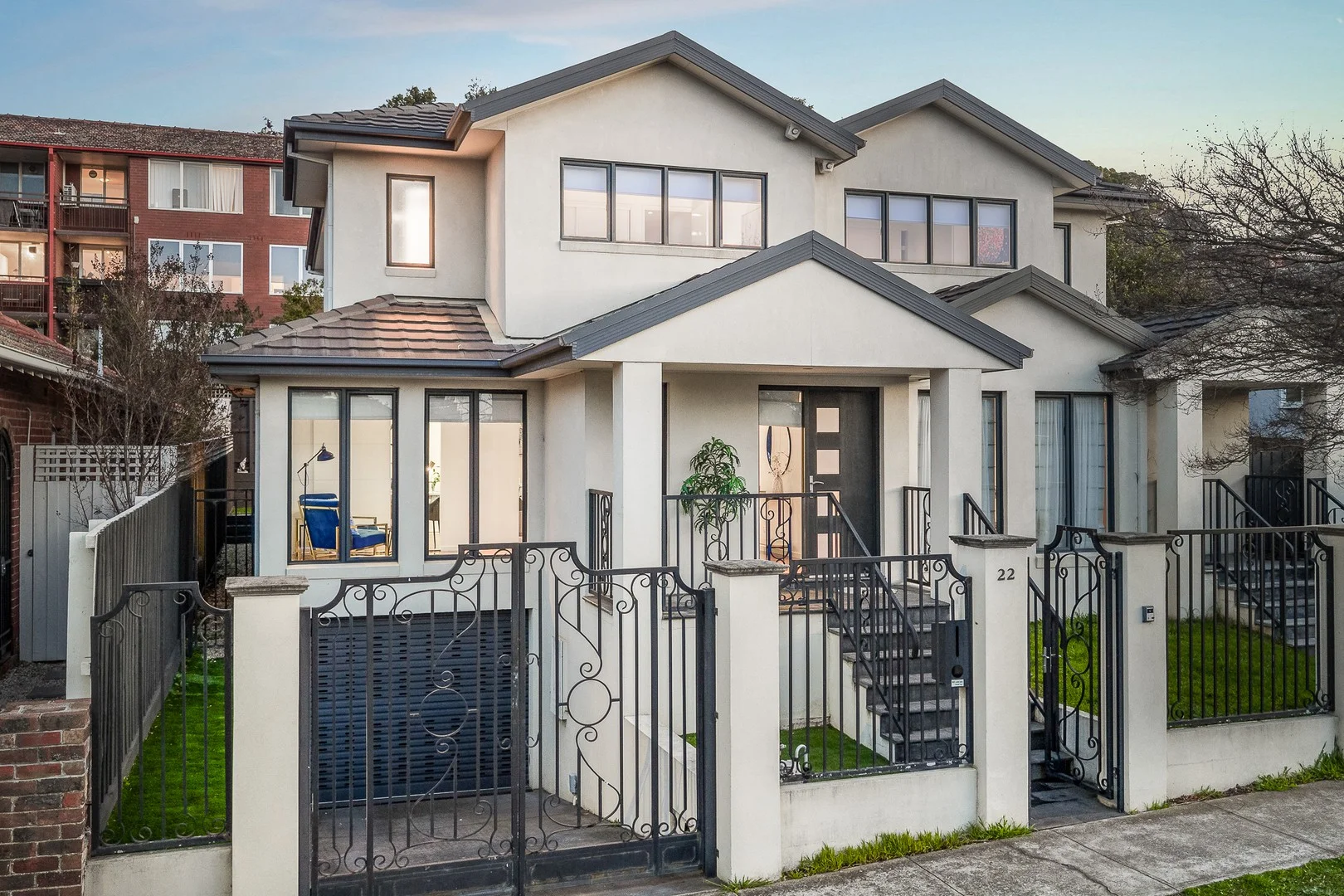 $2,390,000
Townhouse
$2,390,000
Townhouse
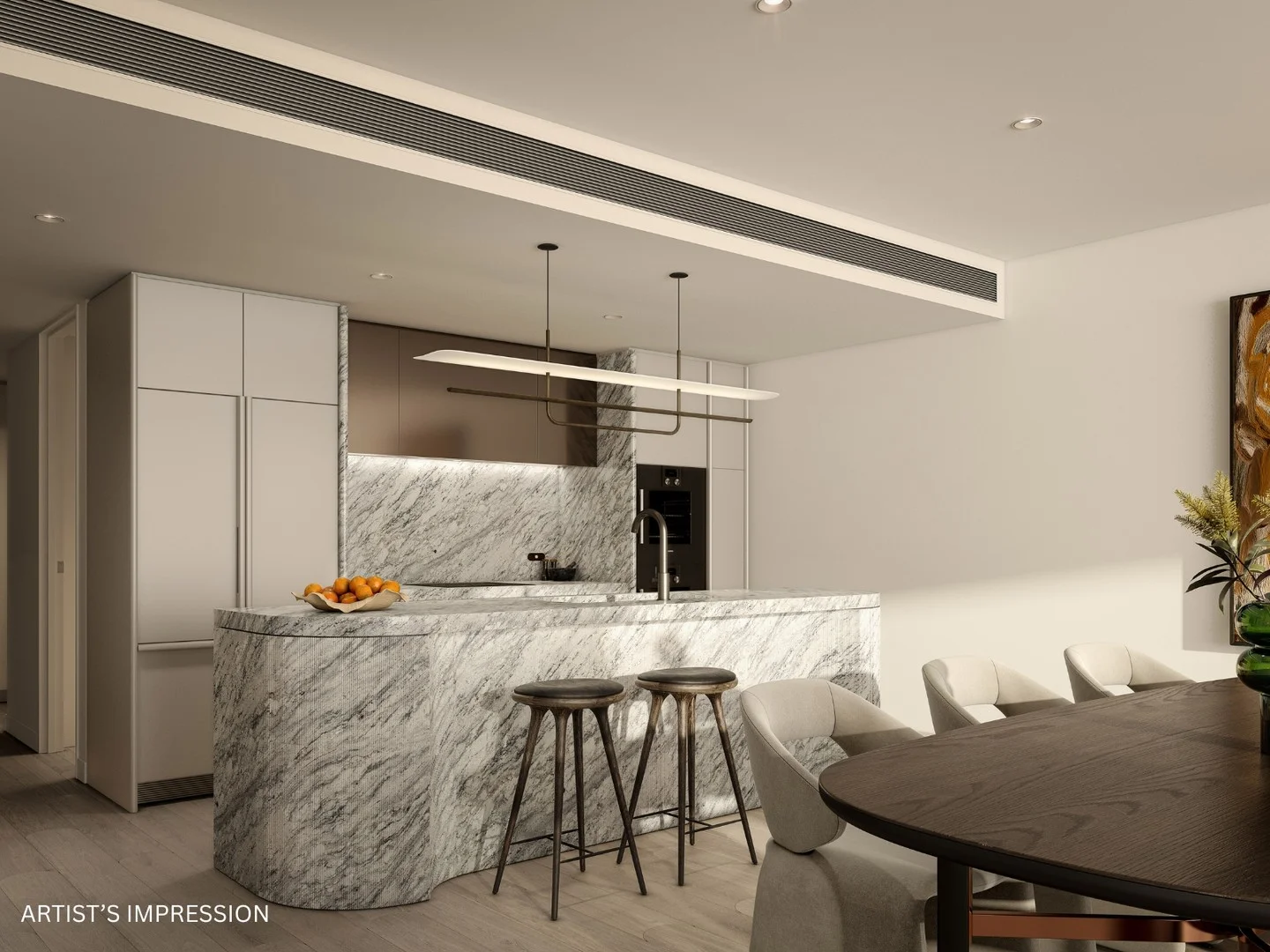 $2,900,000
Apartment / Unit / Flat
$2,900,000
Apartment / Unit / Flat
 $1,345,000
Apartment / Unit / Flat
$1,345,000
Apartment / Unit / Flat
 $1,640,000
Apartment / Unit / Flat
$1,640,000
Apartment / Unit / Flat
 $2,750,000
Apartment / Unit / Flat
$2,750,000
Apartment / Unit / Flat
 $480,000 - $520,000
Apartment / Unit / Flat
$480,000 - $520,000
Apartment / Unit / Flat
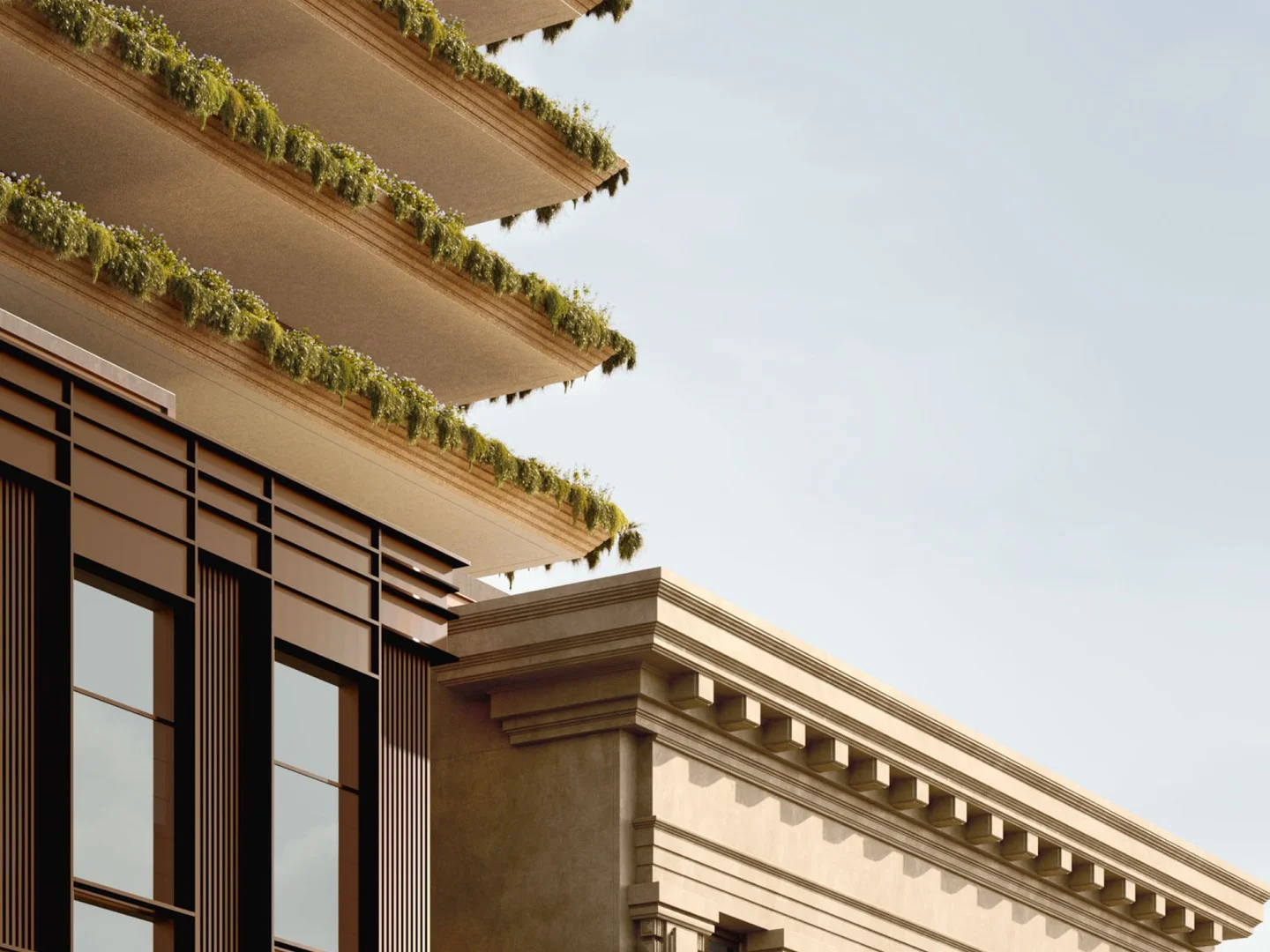 $820,000
propertyType.NEW APARTMENTS / OFF THE PLAN
$820,000
propertyType.NEW APARTMENTS / OFF THE PLAN
 $1,770,000
propertyType.NEW APARTMENTS / OFF THE PLAN
$1,770,000
propertyType.NEW APARTMENTS / OFF THE PLAN
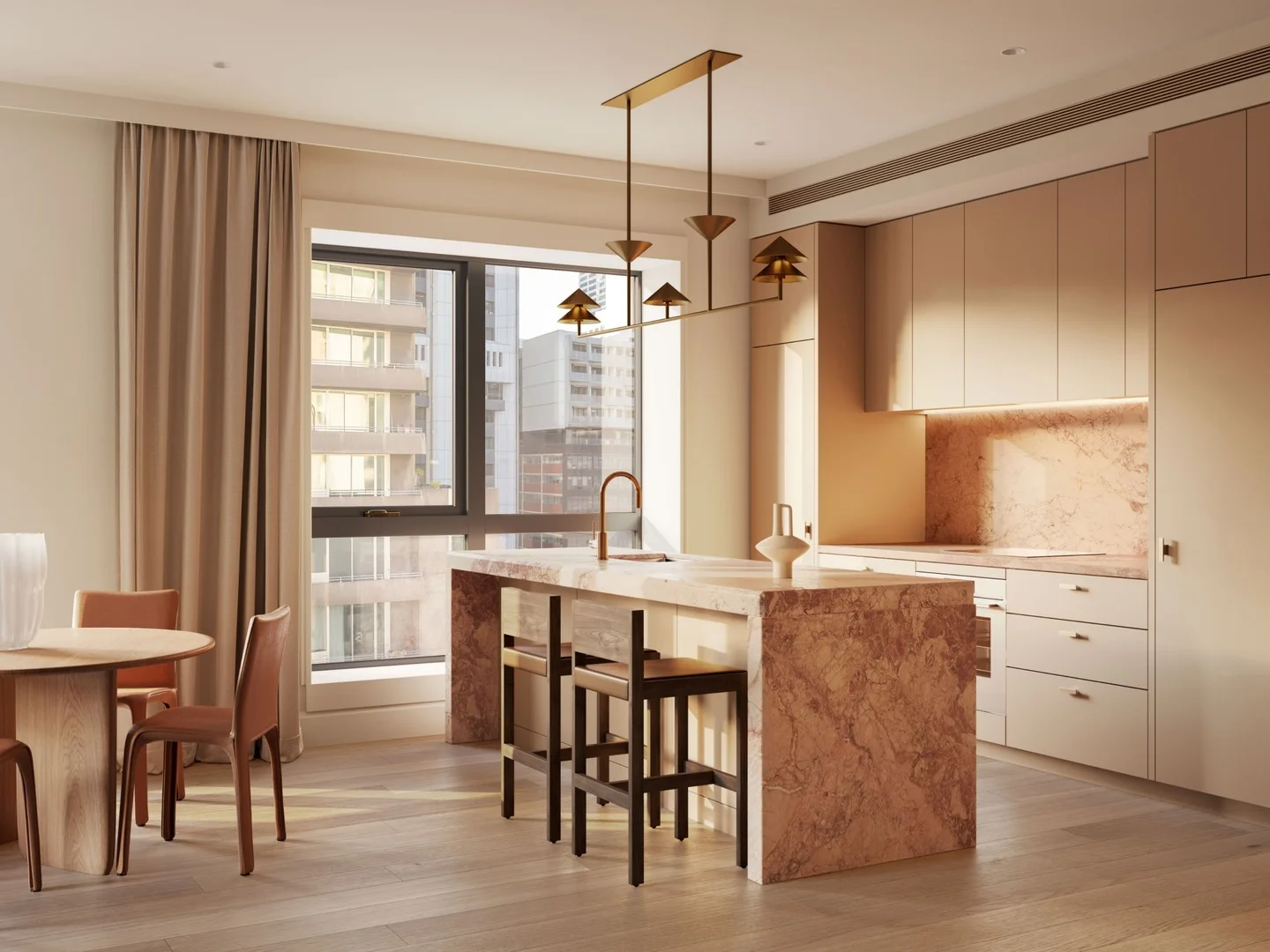 $1,760,000
propertyType.NEW APARTMENTS / OFF THE PLAN
$1,760,000
propertyType.NEW APARTMENTS / OFF THE PLAN


