## 1. Overview (1–2 paragraphs max)
The King David School is an independent, co-educational Jewish day school in Armadale, Melbourne, offering education from early years through to Year 12. The school combines a strong academic program with Jewish learning and values, fostering a close-knit, inclusive community. It operates as a medium-sized school, with class sizes typically around 18–22 students depending on year level and subject, supporting personalized attention within a vibrant, nurturing environment.
The atmosphere emphasizes character development, leadership, community involvement, and academic achievement. Students are encouraged to engage across academics, Jewish studies, arts, and sport within a diverse and inclusive culture that values respect, responsibility, and service.
---
## 2. Academics & Learning
- Academic strengths: Strong literacy and numeracy foundations, active engagement in STEM-related subjects, Hebrew language study, and robust Jewish studies programs. The school also prioritizes leadership development and well-rounded academic achievement across year levels.
- Special programs: Offers opportunities for accelerated or advanced learning within the Australian curriculum, along with enriched electives and a focus on Hebrew language and Judaic studies as part of the core program. Gifted and Talented pathways may be available where appropriate.
- NAPLAN / trends: NAPLAN data typically shows solid performance in literacy and numeracy with steady or improving trends over recent years, reflecting ongoing emphasis on foundational skills and higher-order learning.
- Student-teacher ratios: Generally around 1:12–1:16, with smaller classes in the primary years and stronger teacher availability for individual support in later years.
- Support for diverse learners: Strong support for EAL and SEN, including learning support staff, individualized learning plans, and inclusive teaching approaches to help diverse learners thrive.
---
## 3. Sports & Extracurricular Strengths
- Sports offered: Basketball, soccer, netball, cricket, tennis, swimming, athletics, and other inter-school activities across year groups.
- Strong teams or achievements: Active participation in interschool competitions with growing age-group teams and a track record of participation and success across sports programs.
- Music, arts, drama programs: Comprehensive music ensembles, choirs, and performing arts opportunities, along with drama productions and related arts activities.
- Clubs: Robotics, chess, coding, debating, and other STEM and humanities-focused clubs to stimulate curiosity and collaboration.
- Partnerships: Connections with local clubs, community organizations, and regional competitions to broaden exposure and opportunities beyond the classroom.
---
## 4. Wellbeing & Pastoral Care
- Anti-bullying approach: Clear anti-bullying policies and programs, with reporting pathways and a culture that promotes respectful interaction and student safety.
- House system: Implemented to foster community, teamwork, and mentorship through positive competition and collaboration.
- Counsellors / wellbeing officers: Dedicated counselling and wellbeing staff to support student mental health, resilience, and personal development.
- Transition support for new students: Orientation programs, buddy systems, and targeted transition support to help new students settle in smoothly.
---
## 5. Facilities
- Sports grounds: On-site or nearby facilities supporting physical education and team sports.
- Libraries: Well-equipped libraries with a range of print and digital resources.
- Science labs: Modern science laboratories to support practical learning and inquiry.
- Music/performing arts centers: Dedicated spaces for music, drama, and performance.
- Tech/innovation labs: Computer labs and spaces for digital learning and project work.
- Cafeteria: On-site canteen or cafeteria serving daily meals and snacks.
- Updated playgrounds: Age-appropriate and safe outdoor play spaces for younger students, with ongoing maintenance and upgrades.
---
## 6. School Values & Community Culture
- School values / mission: Strong emphasis on Jewish values, community service, respect, integrity, and academic excellence within a caring school culture.
- Leadership style: Collaborative and inclusive, with opportunities for student voice, leadership roles, and involvement in school decision-making processes.
- Behaviour expectations: Clear standards for conduct, responsibility, and respect, reinforced through positive behavior systems and consistent routines.
- Community reputation: Well-regarded within the Melbourne Jewish community and broader school networks for a welcoming, supportive atmosphere and a focus on holistic development.
- Diversity & inclusion: Committed to diversity and inclusion, welcoming families from varied backgrounds and fostering an environment where every student can participate fully.
---
## 7. School Logistics & Daily Operations
- School hours: Typical school day runs from morning start to afternoon finish with variations by year level.
- Before/after school care: Availability of before- and after-school care options to support families.
- Uniform requirements: School uniform policy in place, with guidelines for daily wear and any event-specific dress.
- Transport (train/bus routes): Access to public transport options and school-arranged or recommended bus services; details provided by the school.
- Canteen availability: Canteen or food service on-site offering daily meals or snacks.
- Fees (low/medium/high ranges): Fees fall into the private/independent school range, with tuition and additional costs depending on year level and activities; typically on the higher end relative to public schooling.
---
## 8. Enrolment & Admissions
- 11. What is the enrolment process and timeline?
Applications usually involve submitting an online form with supporting documents, followed by a family and student interview and possibly a short assessment. Intake timelines can vary by year level and may begin 12 months or more before the desired start date.
- 12. Is there a waiting list, and how does it work?
Yes, there is often a waiting list. Placement is typically determined by vacancy availability, year level needs, and sometimes sibling priority.
- 13. Are there any entry requirements, tests, or interviews?
Expect an entry process that includes interviews (family and student) and academic assessments or tasks to gauge readiness and fit with the program.
- 14. Does the school accept mid-year transfers?
Mid-year transfers are possible if vacancies exist and the student can integrate into the timetable and support structures; prior consideration and alignment with class loads may apply.
---
## 9. Frequently Asked Questions
- Why Parents Choose This School?
Families often choose for strong academic expectations, a values-based framework rooted in Jewish education, a warm and inclusive community, and a focus on holistic development.
- What type of student thrives at this school?
Students who are motivated to excel academically, participate in Jewish studies, engage in co-curriculars, and contribute to a caring school community.
- What opportunities are available for students to extend their skills (academics, sports, arts)?
Access to advanced coursework within the curriculum, STEM and language programs, sports teams, arts programs, music ensembles, and clubs like robotics, coding, debating, and chess.
- How does the school communicate with parents?
Regular newsletters, parent portals, email updates, meetings and parent-teacher interviews, and notifications via school apps or platforms.
- What is the school’s approach to teaching and learning?
A balanced approach combining inquiry-based learning, literacy and numeracy focus, subject-specific rigor, and Judaism-informed perspectives integrated across the curriculum.
- How does the school support students who need extra academic help?
Targeted learning support, small-group instruction, individualized learning plans, and access to specialists to assist students with diverse needs.
- What support is available for academic challenges?
Additional tutoring, coursework adjustments, and collaboration between teachers, families, and support staff to address learning barriers.
- How does the school communicate with parents?
See above; ongoing updates, meetings, and digital communication channels ensure parents stay informed.
- What are the class sizes and how much individual attention do students receive?
Class sizes are typically around 18–22 students, with stronger teacher access and opportunities for individual feedback, especially in primary years.
- What extracurricular and sports opportunities are available?
A broad range of sports, music and arts programs, and clubs such as robotics, coding, chess, and debating.
- What facilities does the school offer (sports, science, arts)?
Modern facilities across sports, science labs, library resources, performing arts spaces, and technology labs.
- What is the school’s approach to technology and digital learning?
Integration of digital learning tools, computer/tech labs, and age-appropriate use of devices to augment learning and collaboration.
- What transport and accessibility options are available?
Public transport access and school-supported transport options; details provided by the school to match family needs.
- What are the typical school fees or additional costs?
Fees reflect the independent school sector and vary by year level and programs; families should contact the school for a current fee schedule and any additional costs for excursions, camps, or materials.
---
## 10. Short Pros & Cons list
- Pros
- Independent, faith-based education with a strong community ethos
- Balanced focus on academics, Jewish studies, and character development
- Supportive wellbeing and transition programs for new students
- Broad range of co-curriculars (sports, arts, robotics, debating)
- Inclusive environment with resources for diverse learners
- Cons
- Tuition costs typical of private independent schools
- Large events and programs may require significant time/commitment from families
- Enrollment may involve waiting lists for popular year levels
- Transport and commute may be a consideration for families outside immediate suburbs










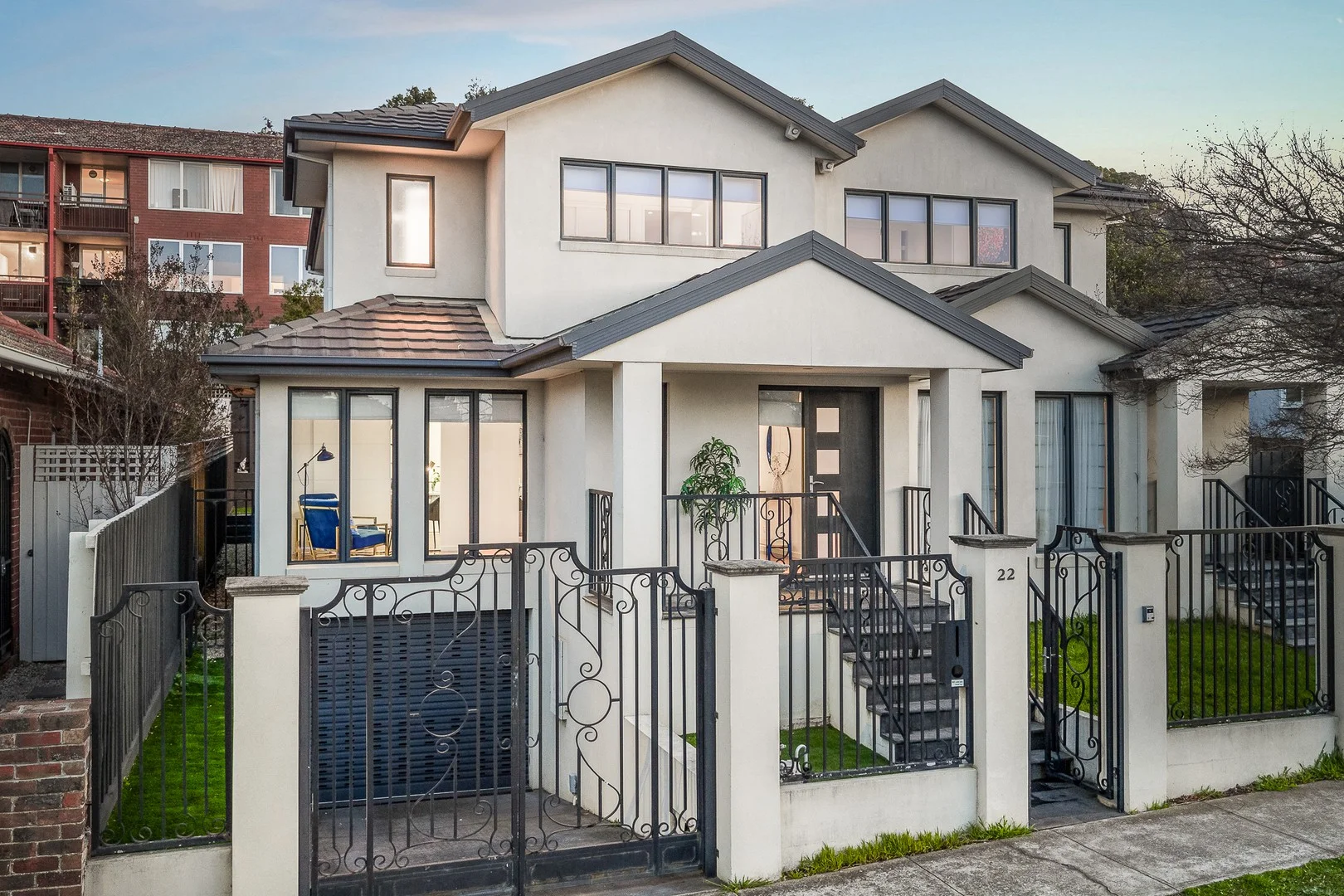 $2,390,000
Townhouse
$2,390,000
Townhouse
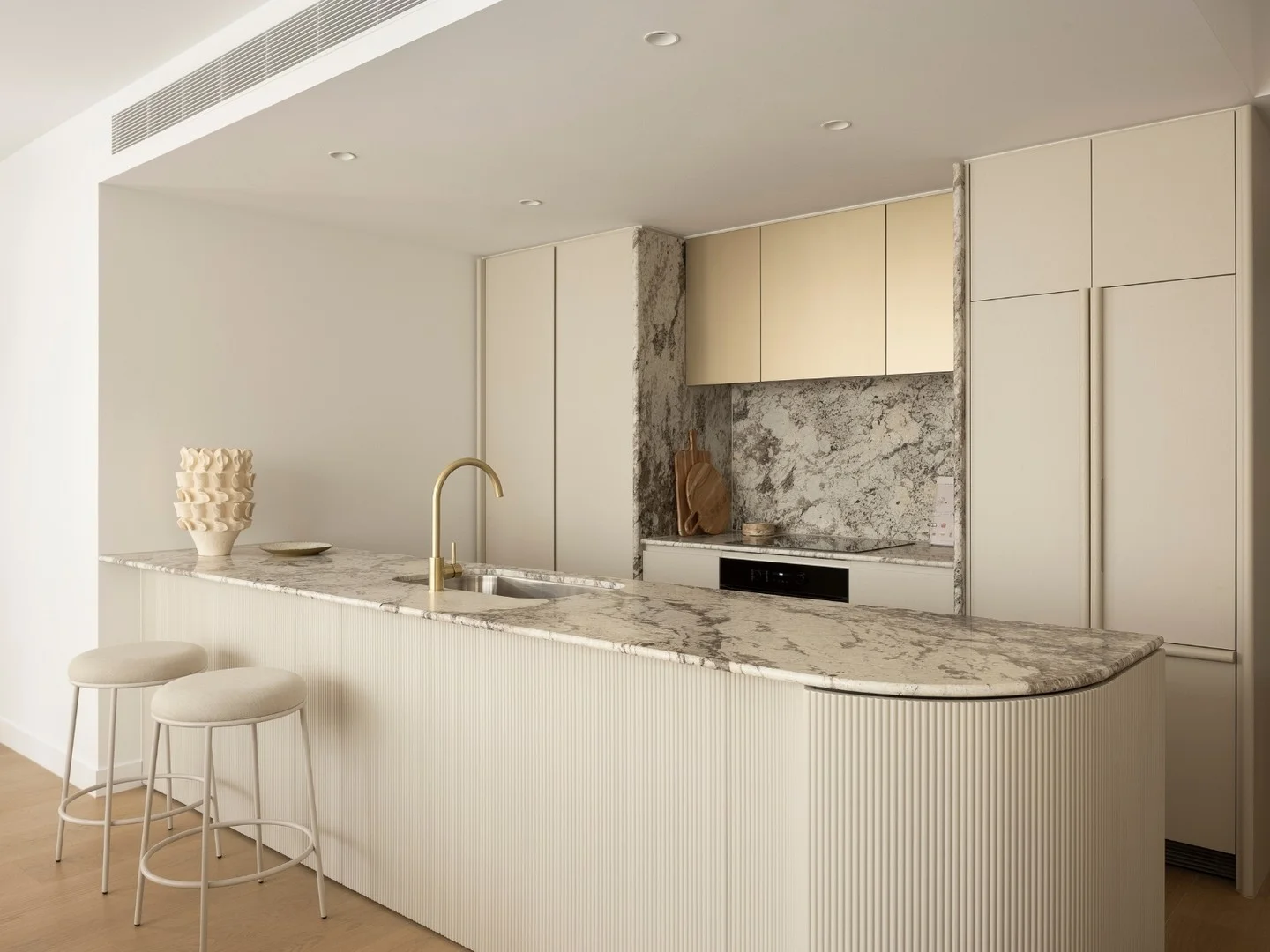 $1,345,000
Apartment / Unit / Flat
$1,345,000
Apartment / Unit / Flat
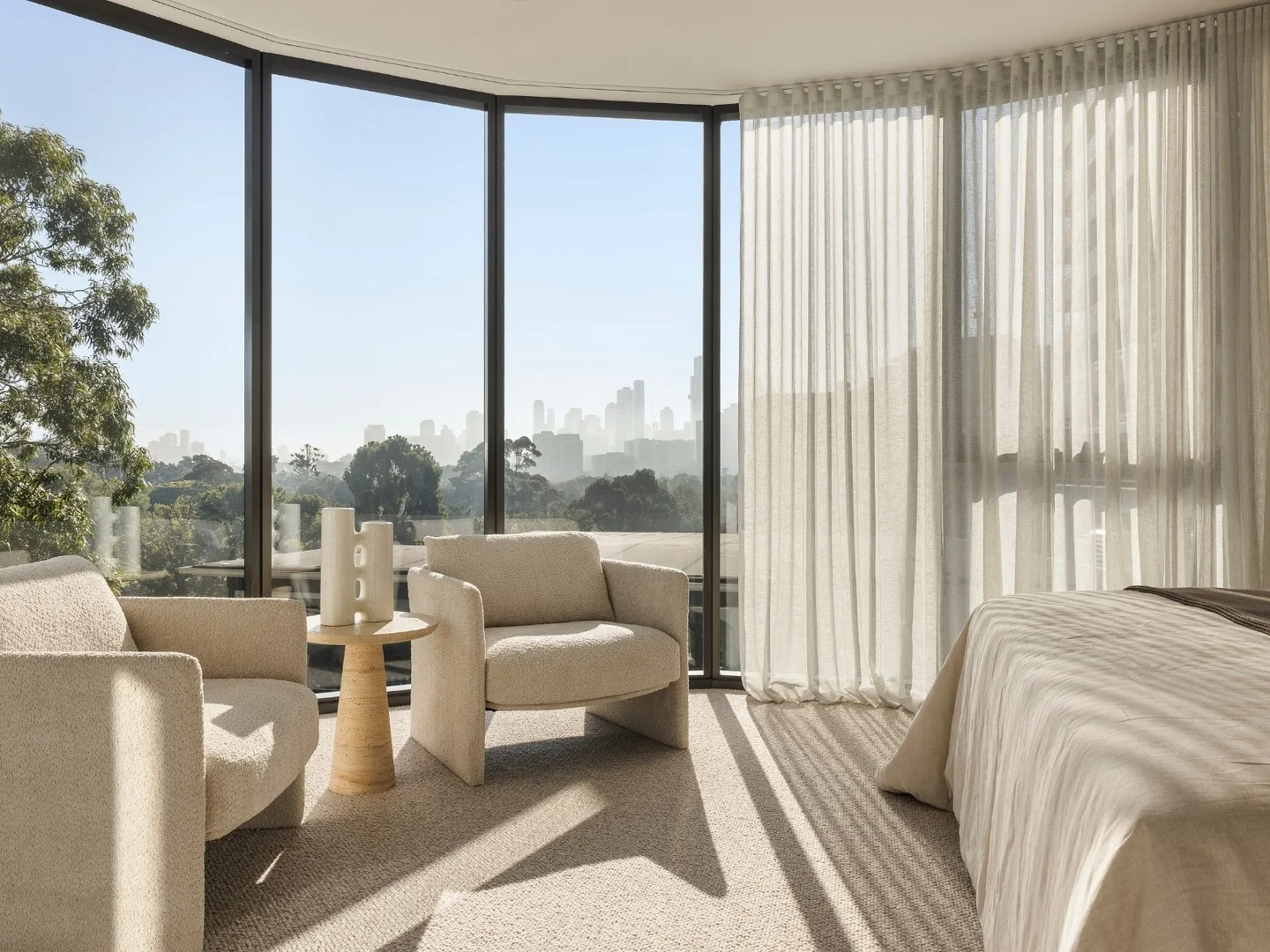 $2,750,000
Apartment / Unit / Flat
$2,750,000
Apartment / Unit / Flat
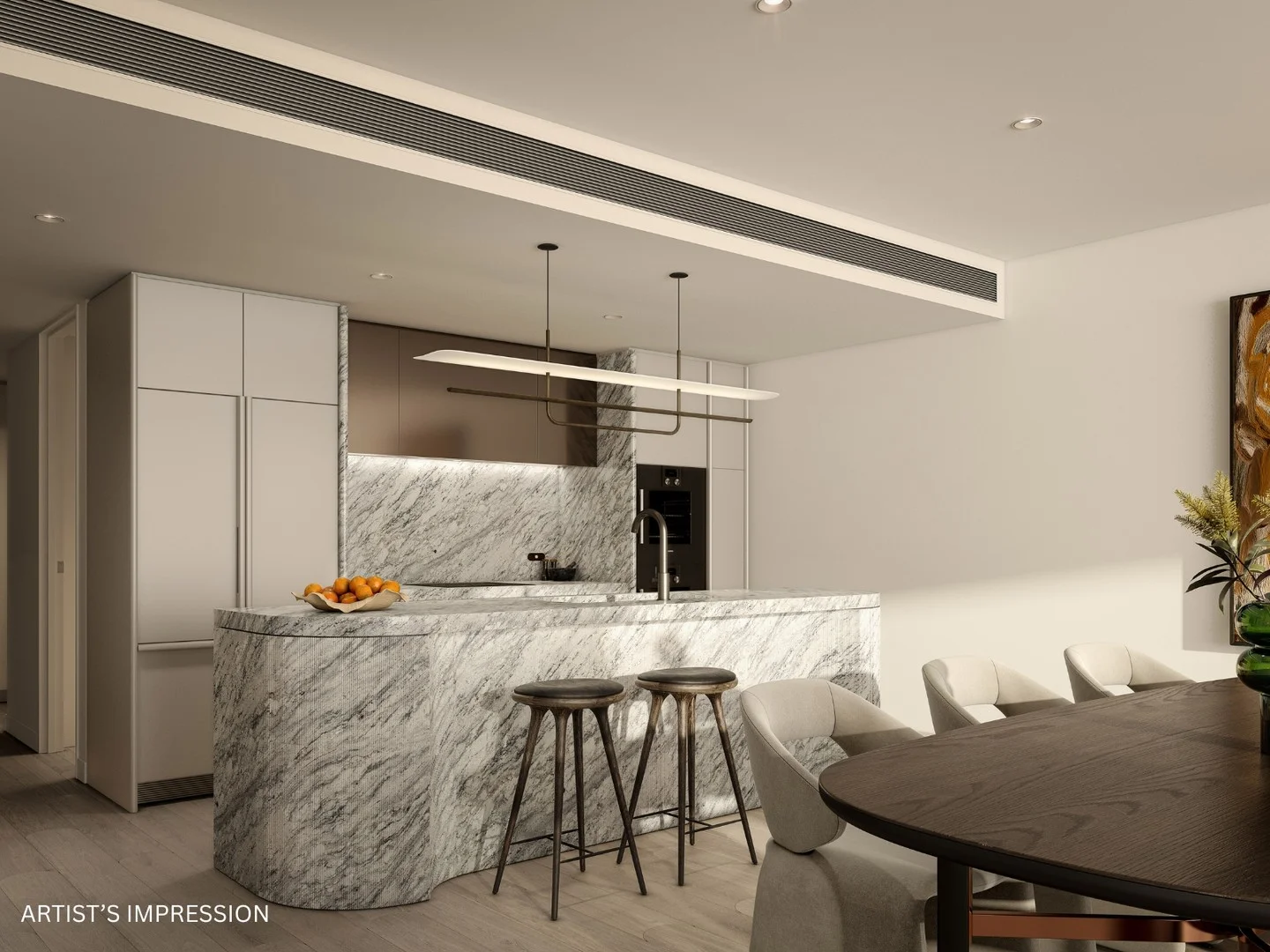 $2,900,000
Apartment / Unit / Flat
$2,900,000
Apartment / Unit / Flat
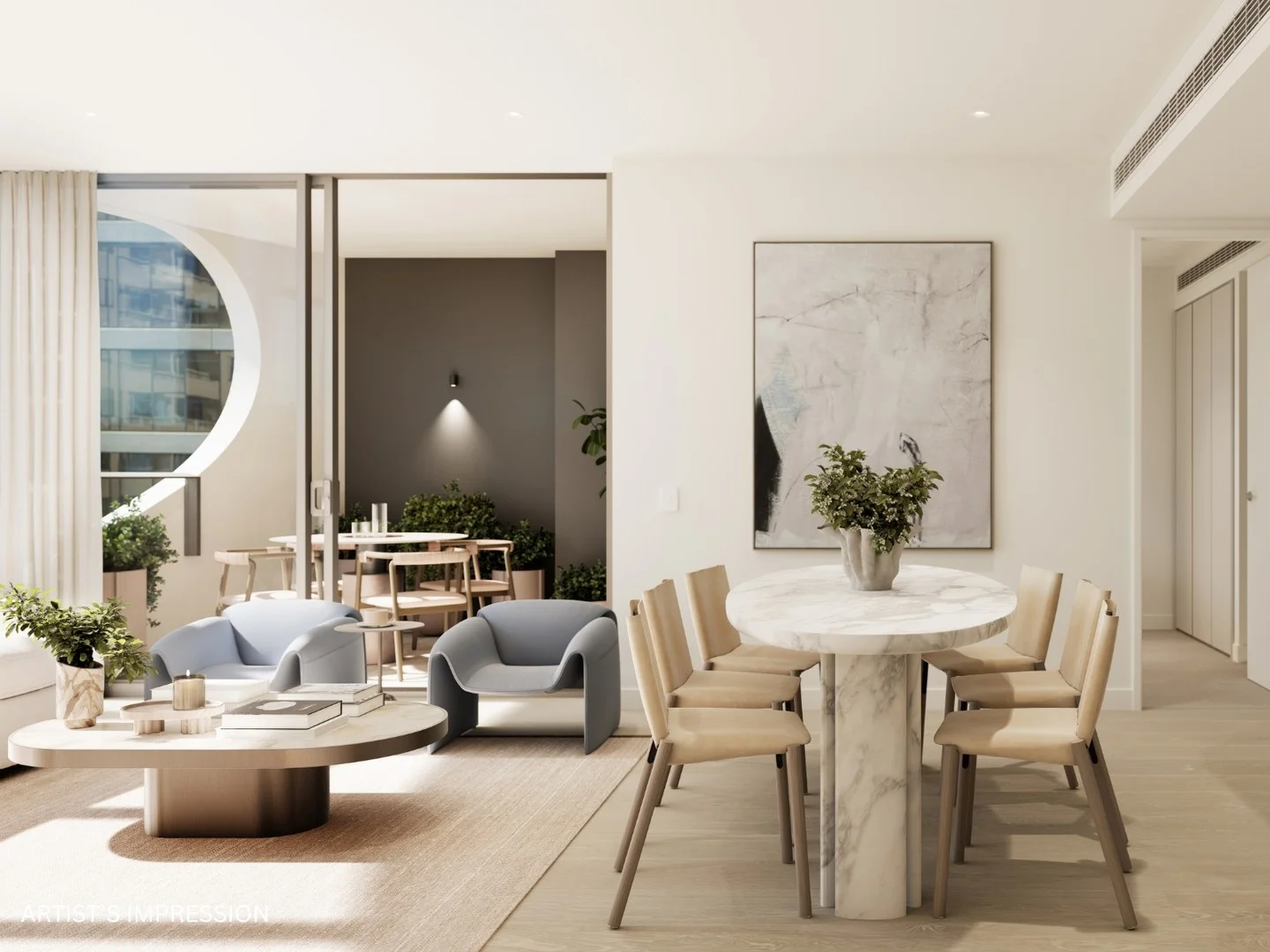 $1,640,000
Apartment / Unit / Flat
$1,640,000
Apartment / Unit / Flat
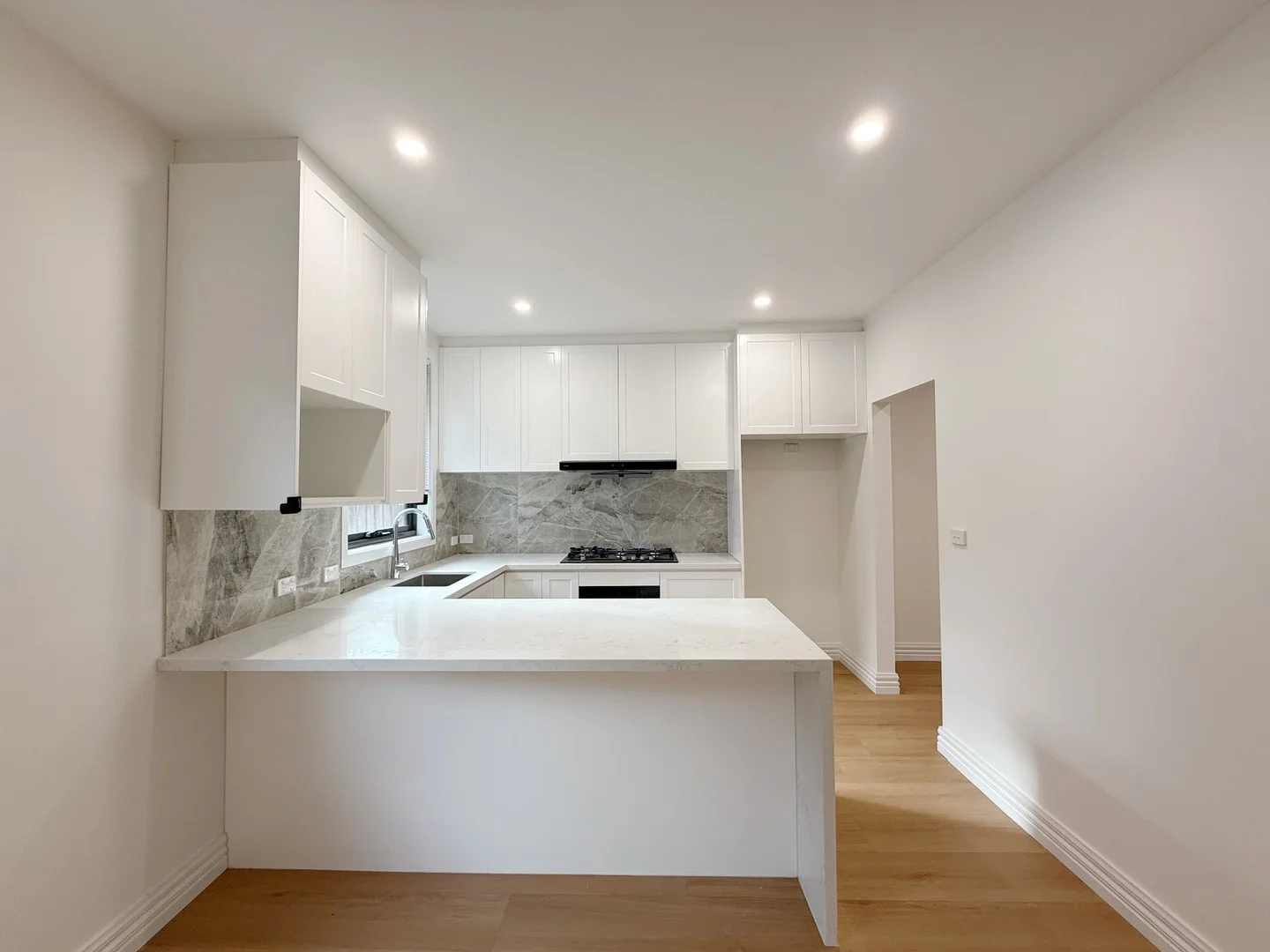 $1,280
House
$1,280
House
 $820,000
propertyType.NEW APARTMENTS / OFF THE PLAN
$820,000
propertyType.NEW APARTMENTS / OFF THE PLAN
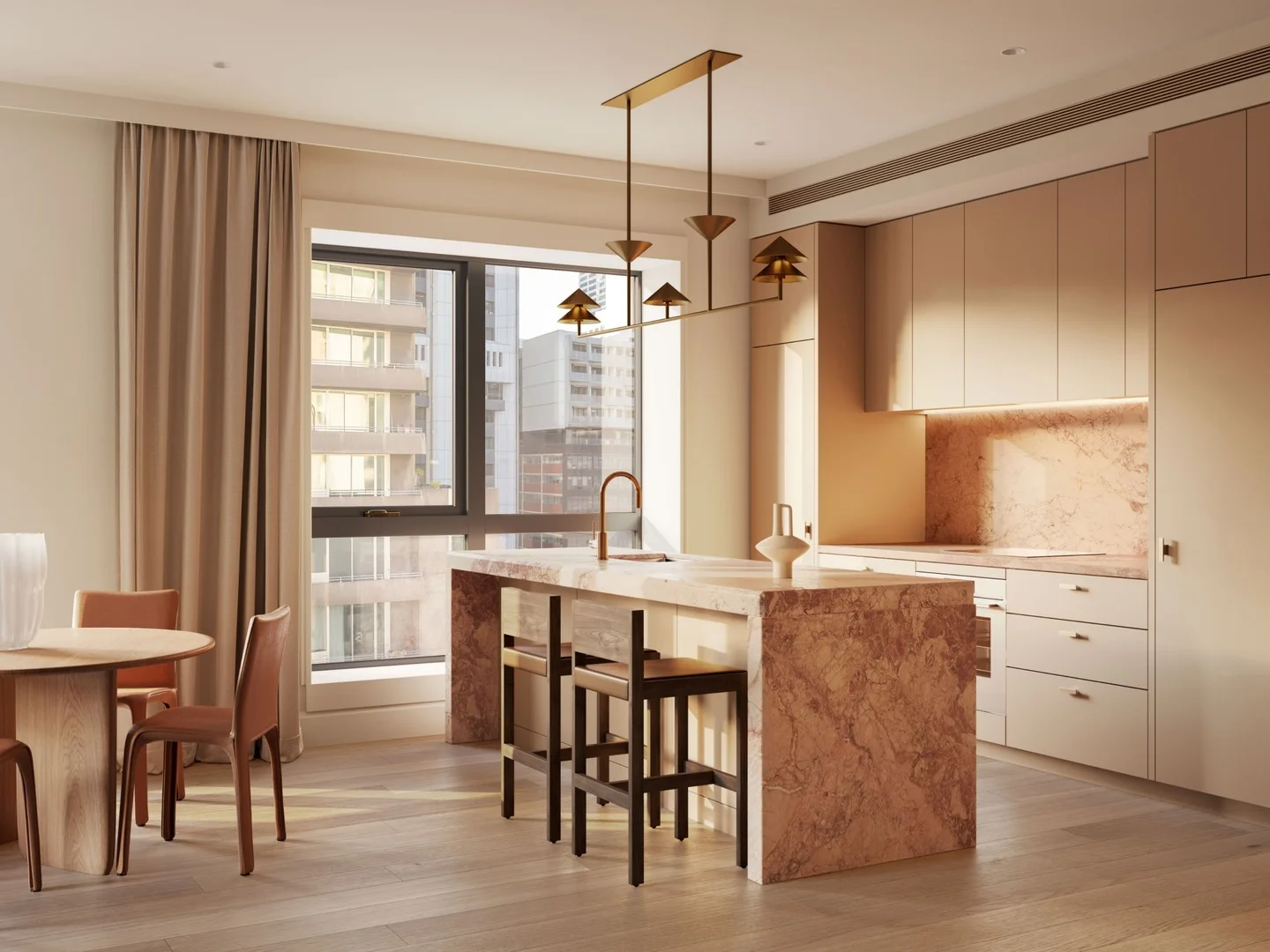 $1,760,000
propertyType.NEW APARTMENTS / OFF THE PLAN
$1,760,000
propertyType.NEW APARTMENTS / OFF THE PLAN
 $1,770,000
propertyType.NEW APARTMENTS / OFF THE PLAN
$1,770,000
propertyType.NEW APARTMENTS / OFF THE PLAN


