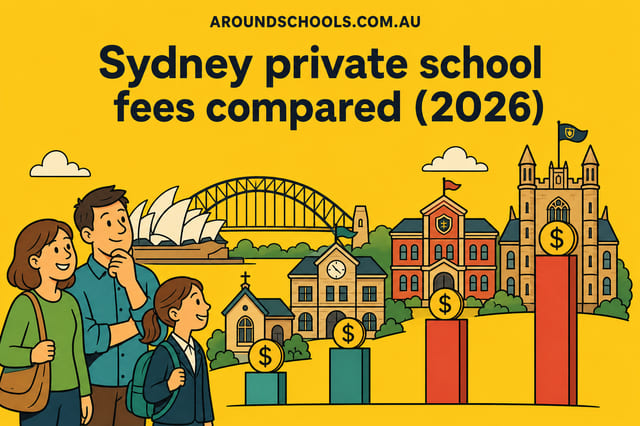
Overview
## 1. Overview
Lycée Condorcet Sydney – International French School NSW Maroubra is a private, independent international French school in Sydney’s eastern suburbs. It offers a bilingual French–English education with strong ties to the French national curriculum, catering to primary through secondary levels in a small-to-medium school community. Class sizes are generally mid-sized, with typical ranges that support individual attention.
The atmosphere is nurturing and academically rigorous, with a diverse, inclusive culture that emphasises language development, critical thinking and global citizenship. The school aims to create an engaging, supportive environment where students from different backgrounds can thrive together.
⸻
## 2. Academics & Learning
- Academic strengths: strong emphasis on bilingual education (French/English), languages, humanities, and sciences; emphasis on critical thinking and cross-cultural communication.
- Special programs: pathways toward the French Baccalauréat, with potential bilingual or international options; opportunities for accelerated or enhanced learning where available.
- NAPLAN / Ofsted trends: as a private international school, the school follows NSW requirements where applicable and tracks student progress through internal assessments; trends commonly show steady improvement across cohorts.
- Student-teacher ratios: typically around 1:9–1:15, varying by year level, with smaller groups in primary to support personalized learning.
- Support for diverse learners: dedicated EAL support, learning support plans, and access to specialised staff for students needing targeted interventions or accommodations.
⸻
## 3. Sports & Extracurricular Strengths
- Sports offered: football (soccer), basketball, rugby, swimming, athletics, cricket and other core school sports; opportunities to participate in inter-school leagues.
- Strong teams or achievements: competitive participation in local inter-school competitions with ongoing development of teams across age groups.
- Music, arts, drama programs: active music program, choir and drama productions; opportunities to perform and develop stage skills.
- Clubs: robotics, chess, coding, debating and other academic/tech clubs to extend learning beyond the classroom.
- Partnerships: collaborations with local clubs, academies and competitions to broaden experiences in sport, science and arts.
⸻
## 4. Wellbeing & Pastoral Care
- Anti-bullying approach: clear anti-bullying policies and proactive student welfare measures.
- House system: house-based pastoral structure to foster belonging, healthy competition, and mentorship.
- Counsellors / wellbeing officers: on-site support from counsellors or wellbeing staff to assist with social-emotional needs.
- Transition support for new students: orientation programs, buddy systems and targeted transition support to help new entrants settle in.
⸻
## 5. Facilities
- Sports grounds: on-site or nearby facilities for physical education and team sports.
- Libraries: well-resourced library spaces supporting reading and research.
- Science labs: dedicated science laboratories for practical work and experiments.
- Music/performing arts centers: spaces for music practice, rehearsals and performances.
- Tech/innovation labs: facilities for digital learning, coding and hands-on tech projects.
- Cafeteria: on-site dining facilities or a canteen offering healthy options.
- Updated playgrounds: modern playground or play areas for younger students.
⸻
## 6. School Values & Community Culture
- School values / mission: emphasis on excellence, integrity, respect, curiosity and global-mindedness.
- Leadership style: collaborative, student-involved leadership with teacher guidance; emphasis on responsible citizenship.
- Behaviour expectations: clear codes of conduct promoting respect, responsibility and safe learning.
- Community reputation: well-regarded within the French international and broader NSW school community for bilingual capability and inclusive culture.
- Diversity & inclusion: diverse student body and policies that support inclusion and equal opportunity for all students.
⸻
## 7. School Logistics & Daily Operations
- School hours: typical day runs from morning to mid-afternoon, with potential after-school care options.
- Before/after school care: available on-site or through partner programs.
- Uniform requirements: standard school uniform with possible sports kit provisions; details provided by the school.
- Transport (train/bus routes): accessible by public transport and school bus options in collaboration with local providers.
- Canteen availability: on-site canteen or lunch options offered daily.
- Fees (low/medium/high ranges): private school tuition and associated costs; fees are in the mid-to-high range relative to local options, with additional costs for uniforms, activities, and excursions.
⸻
## 8. Enrolment & Admissions
11. What is the enrolment process and timeline?
- Initial inquiry and school tour or information session.
- Online application submission, with required documents (progress reports, birth certificate, etc.).
- Shortlisting and invitation for assessment/interview (may include language or academic reviews).
- Offer of placement, acceptance, and payment of the initial deposit to secure the place; final enrolment completed by set deadlines.
12. Is there a waiting list, and how does it work?
- Where year-level demand exceeds places, a waiting list may operate. Placement on the list is typically by application date, with consideration given to priority factors (e.g., sibling applicants). Timelines depend on availability and cohort needs.
13. Are there any entry requirements, tests, or interviews?
- Yes. Entry may involve language assessments (especially for non-native French speakers), academic records review, and an interview to assess fit, motivation and language exposure.
14. Does the school accept mid-year transfers?
- Mid-year transfers may be possible if there is vacancy and curriculum alignment; eligibility for a mid-year transfer depends on the specific year level and assessment results.
⸻
## 9. Frequently Asked Questions
- Why Parents Choose This School?
- Parents are drawn to the strong bilingual program, French curriculum alignment, diverse international community, and opportunities for students to develop language skills, global perspectives and cross-cultural competence.
- What type of student thrives at this school?
- Students who are curious, motivated, and comfortable in an international, bilingual environment tend to thrive. Those who enjoy language learning, collaborative work and extracurricular involvement often do well.
- What opportunities are available for students to extend their skills (academics, sports, arts)?
- A combination of advanced language study, potential pathways to the French Baccalauréat, enriched humanities and sciences courses, sport teams, arts and drama programs, and clubs such as robotics, coding and debating.
- How does the school communicate with parents?
- Regular updates via newsletters, parent portals, emails, and scheduled parent-teacher meetings; information is shared about student progress, events and school news.
- What is the school’s approach to teaching and learning?
- A bilingual, inquiry-based approach emphasizing critical thinking, collaboration, and real-world applications of knowledge; a mix of class work, projects and assessments.
- How does the school support students who need extra academic help?
- Targeted tutoring, EAL support, learning support plans and access to specialists to assist with reading, writing, numeracy and language development.
- What support is available for academic challenges?
- Early identification, personalised interventions, and monitoring by teachers and support staff; additional time or accommodations as appropriate.
- How does the school communicate with parents? (duplicate)
- See above: newsletters, parent portal, conferences and reminders.
- What are the class sizes and how much individual attention do students receive?
- Class sizes are designed to be manageable (roughly 16–22 students in primary and similar ranges in secondary), enabling more individual feedback and teacher access.
- What extracurricular and sports opportunities are available?
- A broad offering including team sports, music, drama, and clubs such as robotics, chess, coding and debating.
- What facilities does the school offer (sports, science, arts)?
- Facilities include sports grounds, libraries, science labs, a performing arts/music center, tech/innovation labs, a canteen, and modern playgrounds.
- What is the school’s approach to technology and digital learning?
- Integrated digital learning with access to devices and platforms for research, collaboration, coding and digital literacy; emphasis on safe, responsible use.
- What transport and accessibility options are available?
- Public transport access and school-arranged transport options; campus accessibility designed to support students with varied needs.
- What are the typical school fees or additional costs?
- Tuition plus additional costs for uniforms, transport, activities and excursions; exact amounts vary by year level and program.
⸻
## 10. Short Pros & Cons list
- Pros
- Strong bilingual program with French curriculum alignment
- Diverse, international student community
- Small to mid-sized school with a focus on individual attention
- Wide range of clubs and extracurriculars
- Supportive wellbeing and transition programs
- Cons
- Private international school fees may be higher than local public options
- Availability of places can be limited in busy year levels
- Pathways and accreditation focused on French curriculum; may require additional planning for university destinations outside France
⸻










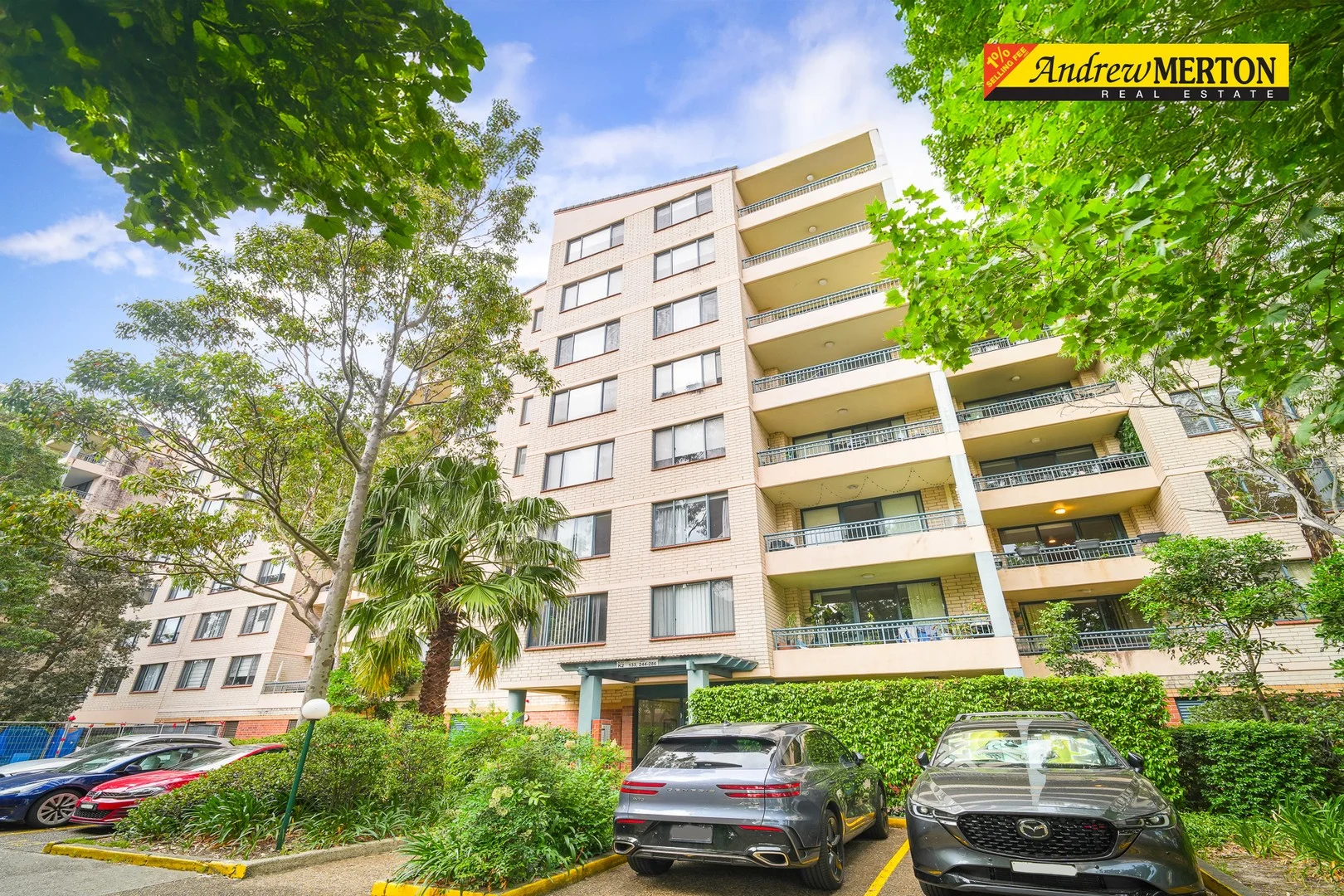 $933,000
Apartment / Unit / Flat
$933,000
Apartment / Unit / Flat
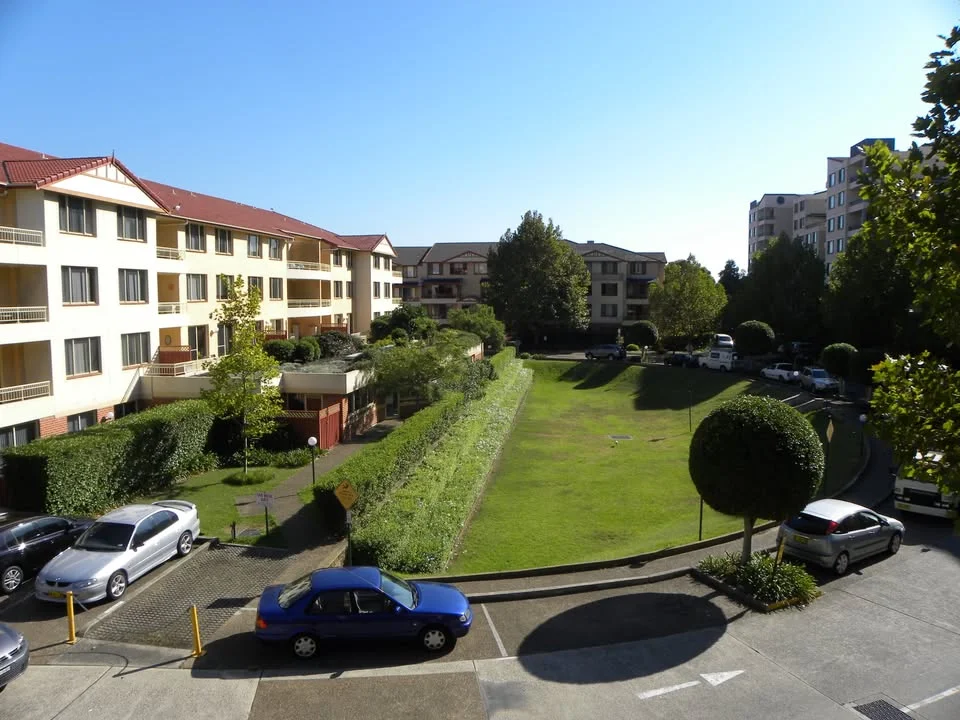 $990
Apartment / Unit / Flat
$990
Apartment / Unit / Flat
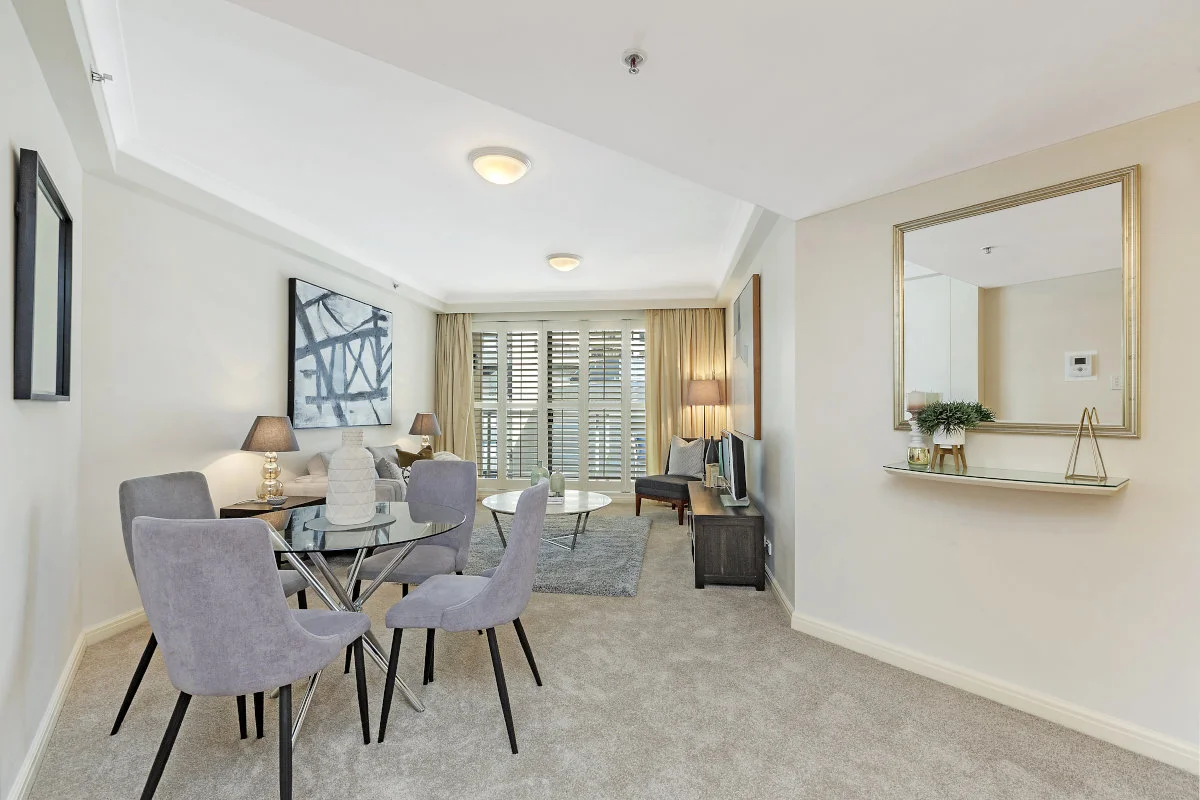 $660,000 - $725,000
Apartment / Unit / Flat
$660,000 - $725,000
Apartment / Unit / Flat
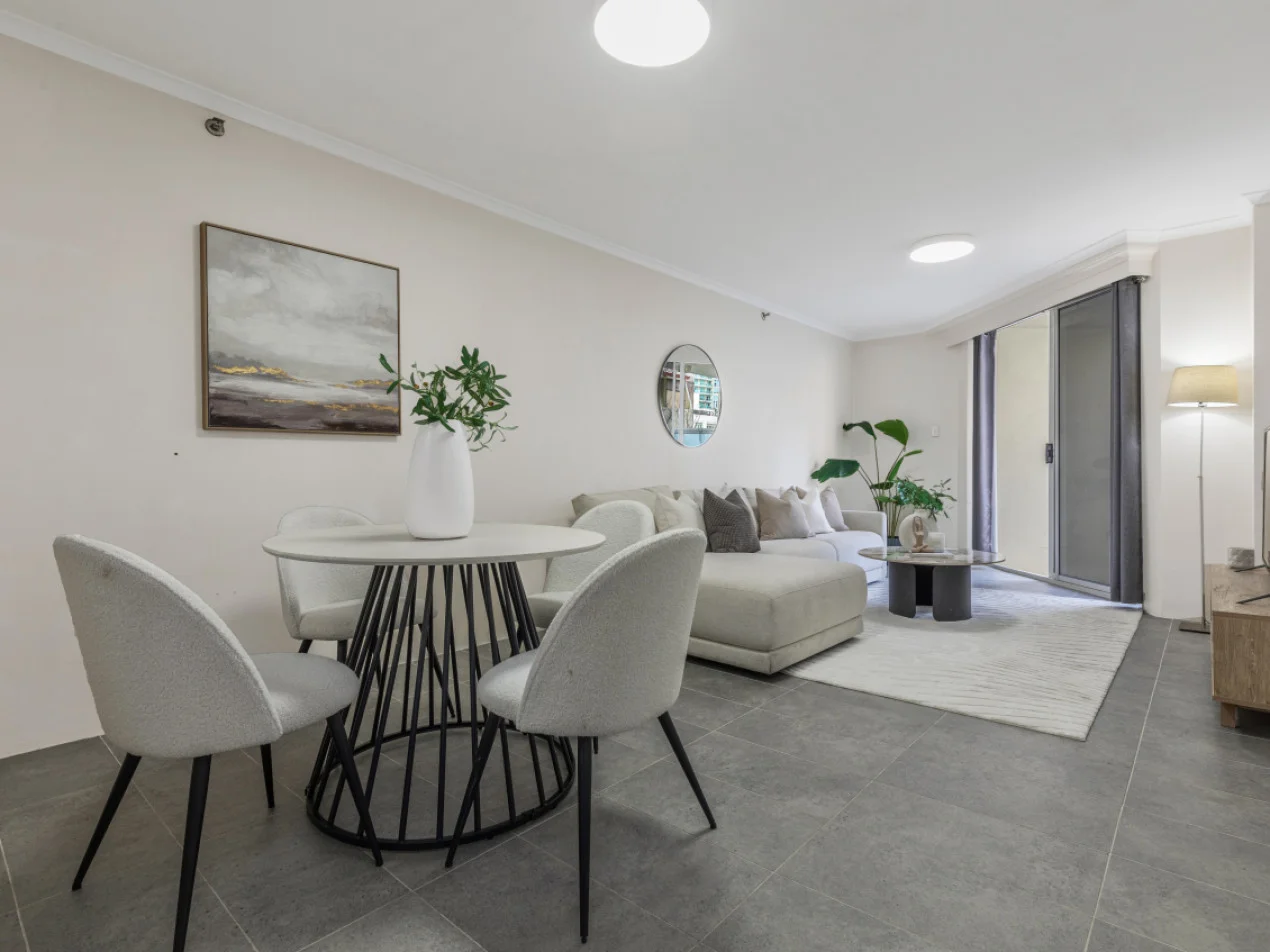 $640,000 - $675,000
Apartment / Unit / Flat
$640,000 - $675,000
Apartment / Unit / Flat
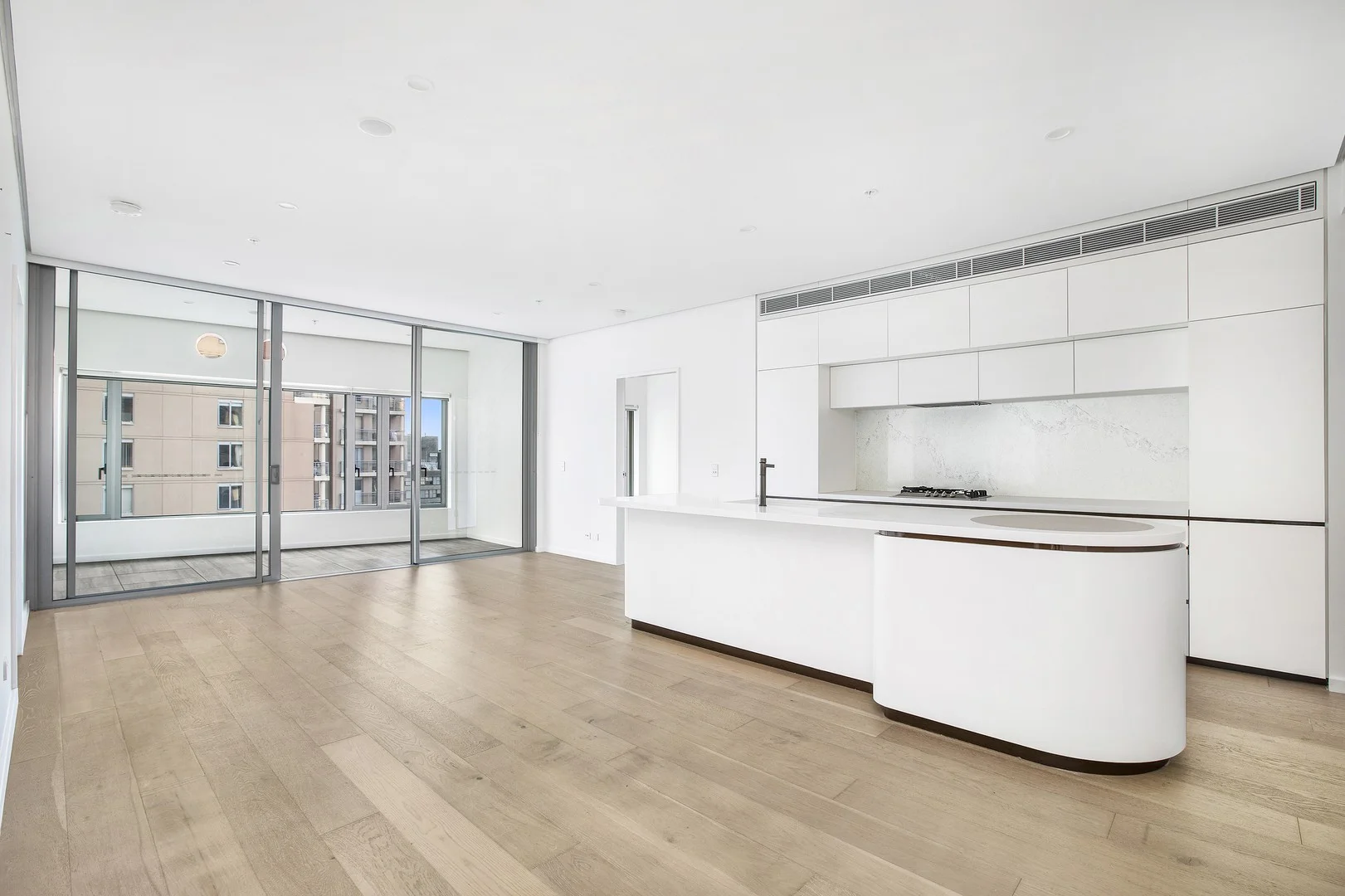 $2,250,000
Apartment / Unit / Flat
$2,250,000
Apartment / Unit / Flat
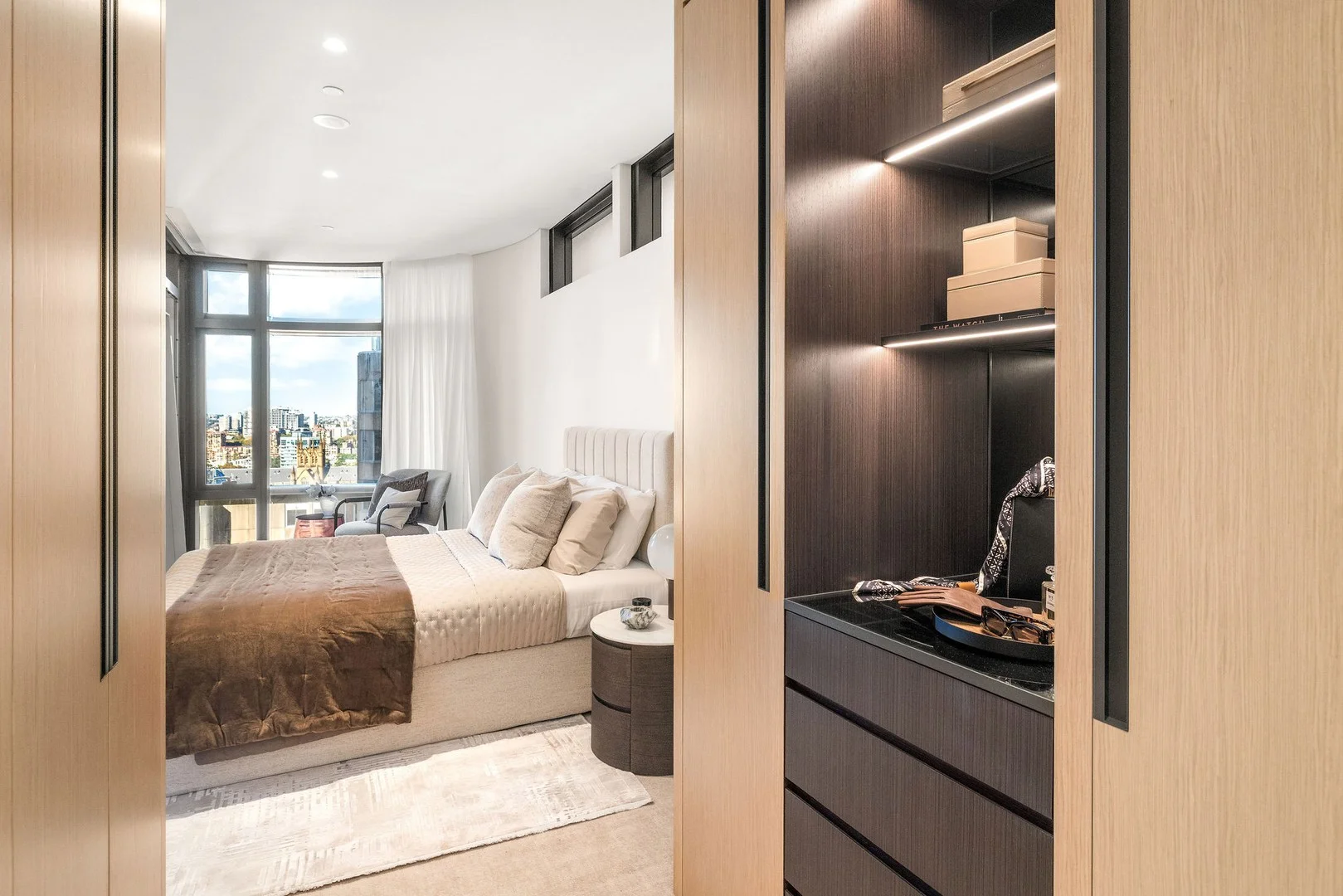 $2,745,000
propertyType.NEW APARTMENTS / OFF THE PLAN
$2,745,000
propertyType.NEW APARTMENTS / OFF THE PLAN
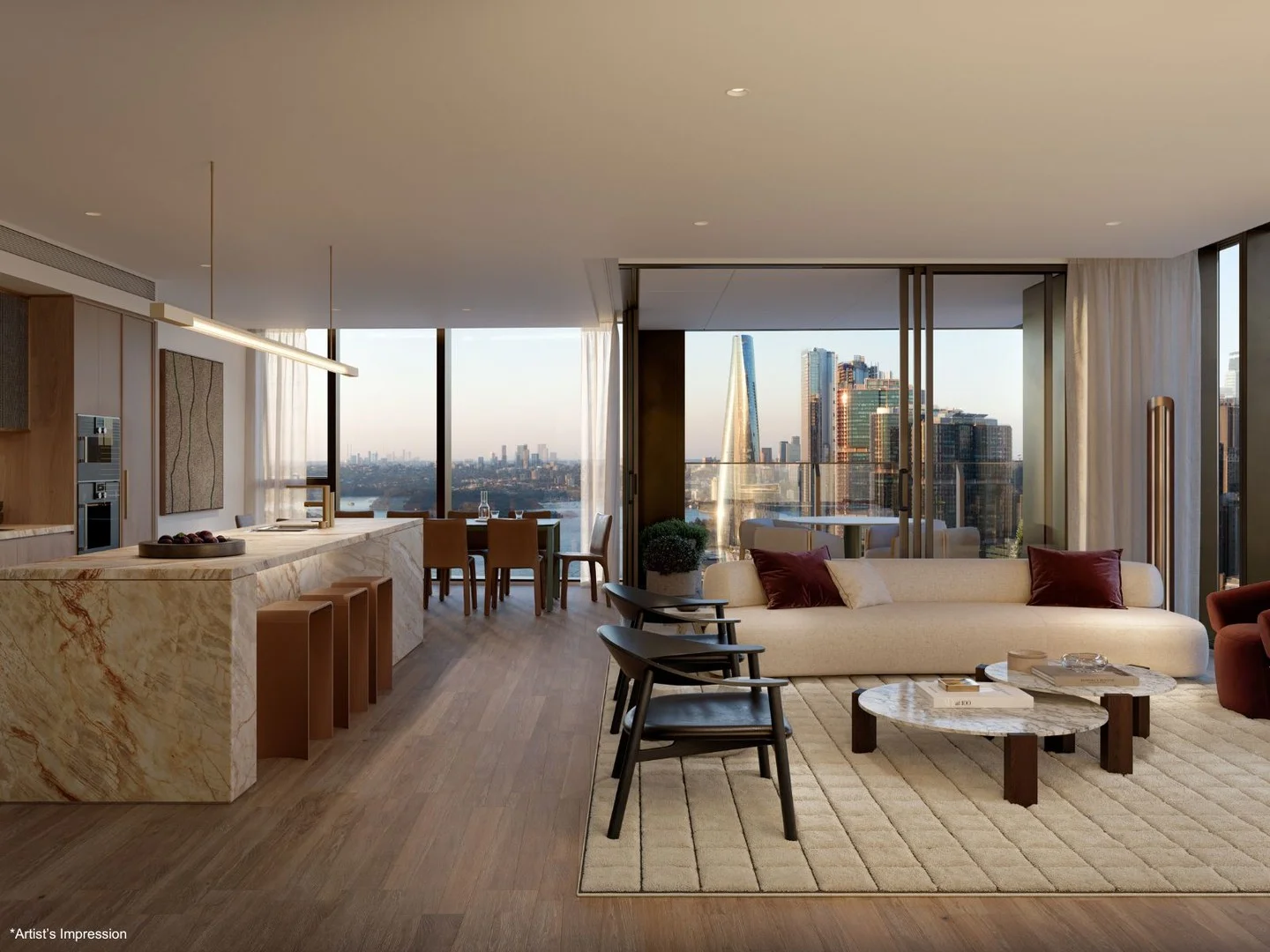 $12,980,000
propertyType.NEW APARTMENTS / OFF THE PLAN
$12,980,000
propertyType.NEW APARTMENTS / OFF THE PLAN
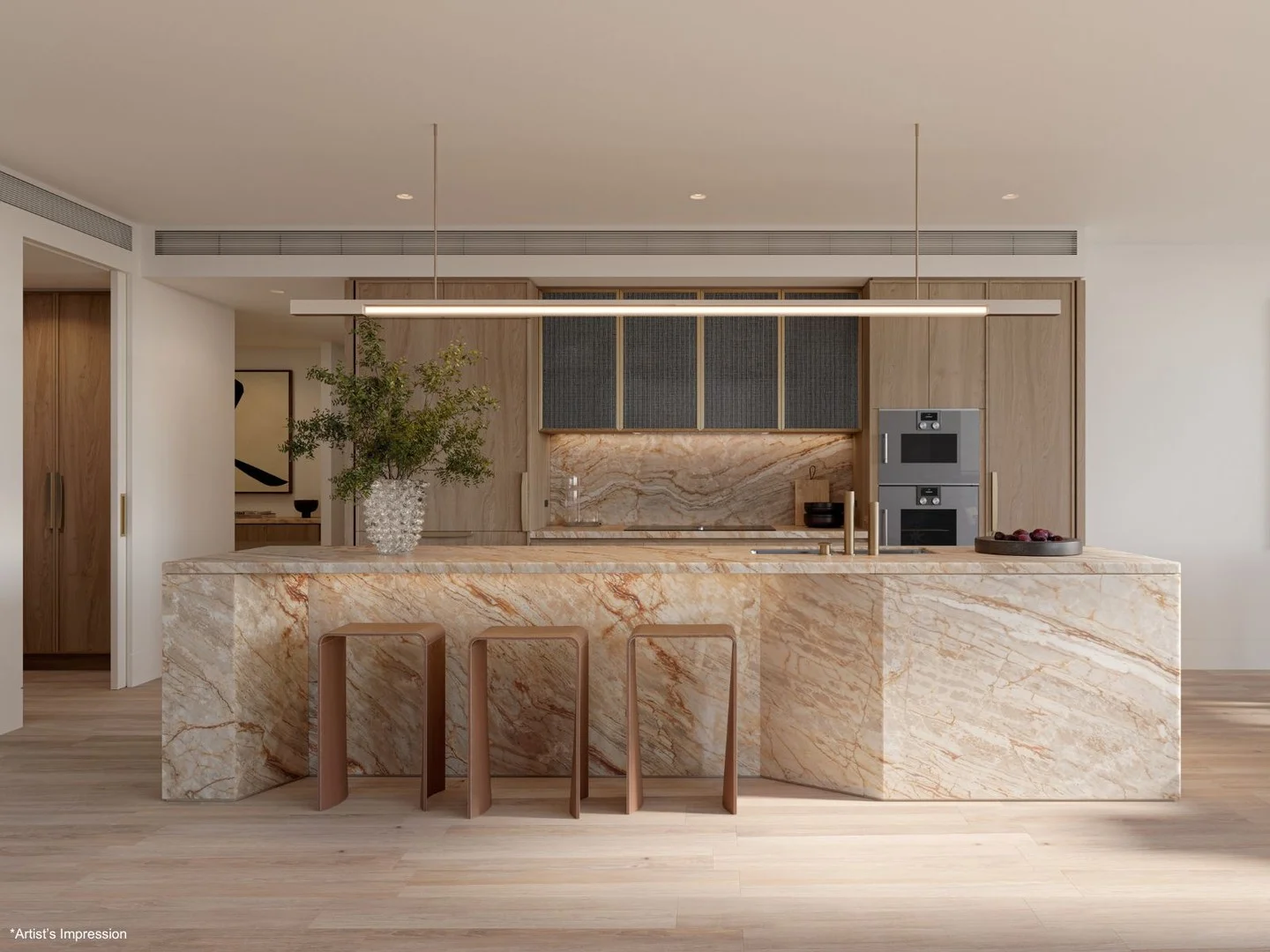 $6,225,000
propertyType.NEW APARTMENTS / OFF THE PLAN
$6,225,000
propertyType.NEW APARTMENTS / OFF THE PLAN
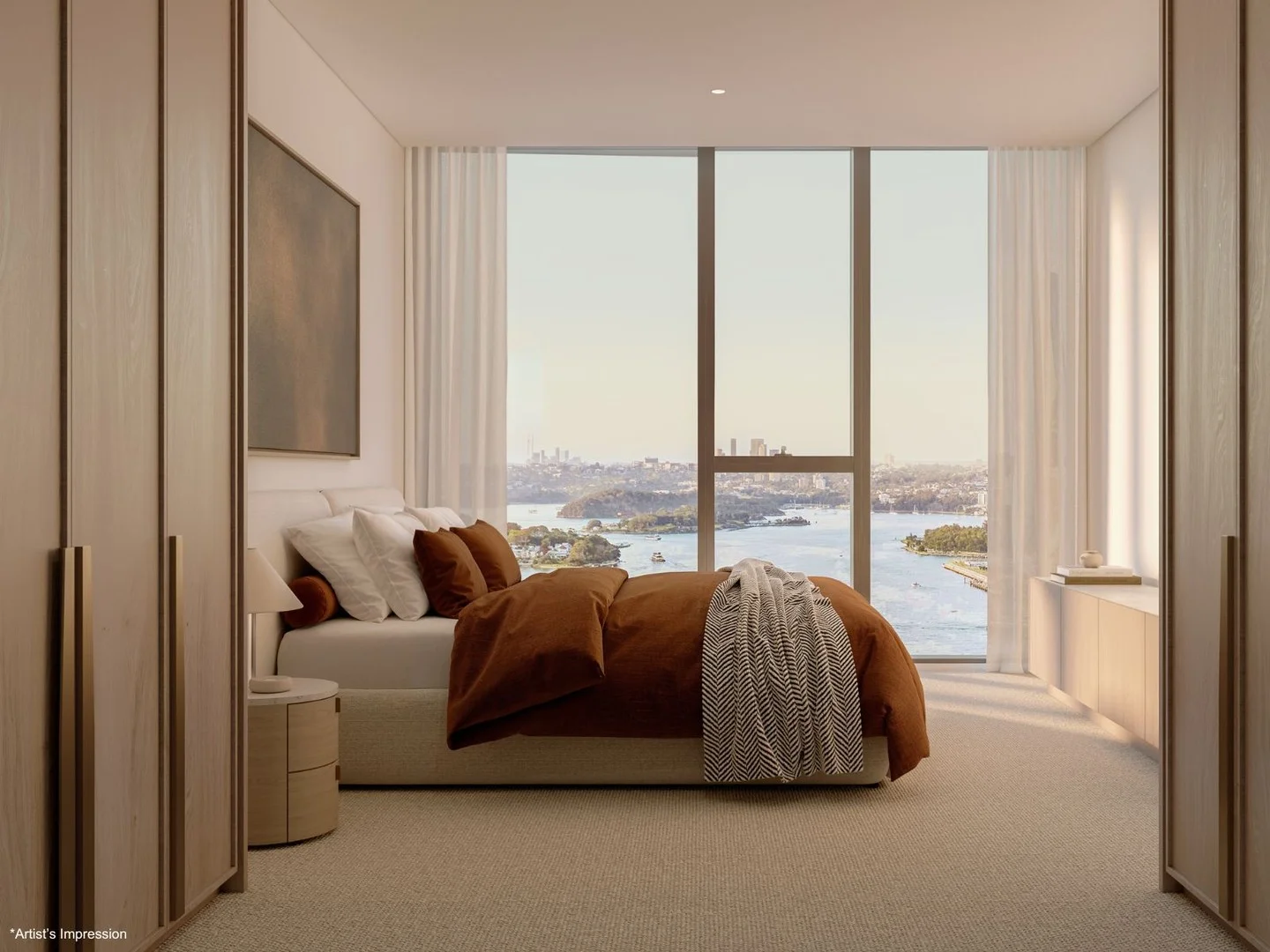 $8,630,000
propertyType.NEW APARTMENTS / OFF THE PLAN
$8,630,000
propertyType.NEW APARTMENTS / OFF THE PLAN