Overview
# 1. Overview
Lycée Condorcet Sydney is a private, independent international French school offering a bilingual education within New South Wales. It operates as an international French school serving families seeking a French-based curriculum and global-minded learning in Sydney.
- School type: Private/independent international French school
- School size: Medium
- Class size: Approximately 18–22 students per class
- Atmosphere/culture: Diverse, nurturing, inclusive, academically focused
# 2. Academics & Learning
- Academic strengths: Strong emphasis on languages (French and English) alongside robust programs in humanities and sciences. Curriculum integrates French national principles with international perspectives to support global competence.
- Special programs: International/bilingual options; opportunities for accelerated learning or targeted programs for high achievers; EAL support and inclusion for diverse learners; accessibility to international assessments and pathways (e.g., French Baccalauréat-style outcomes, where applicable).
- NAPLAN / Ofsted trends: As a private international school, formal NAPLAN reporting is not the primary benchmark. The school tracks progress and outcomes against international standards, with emphasis on language proficiency, critical thinking, and cross-curricular learning.
- Student-teacher ratios: Generally low-to-moderate ratios to support individualized attention (typical ranges seen in similar schools are around 1:8–1:15, varying by year level).
- Support for diverse learners: Dedicated EAL support, SEN services, and inclusion programs to help students access curriculum and participate fully in classroom and co-curricular activities.
# 3. Sports & Extracurricular Strengths
- Sports offered: Soccer (football), basketball, rugby, swimming, athletics, cricket, tennis, and fitness/physical education programs aligned with NSW practices.
- Strong teams or achievements: Active participation in inter-school competitions; school teams often compete in regional events and tournaments, with emphasis on teamwork and fair play.
- Music, arts, drama programs: Comprehensive performing arts program including music ensembles, drama productions, and school-wide arts initiatives.
- Clubs: Robotics, chess, coding, debating, STEM clubs, language clubs, and service/community activities.
- Partnerships: Collaborations with local clubs, community organizations, and regional competitions to provide authentic experiences in sports, robotics, coding, and debating.
Most parents skim this section, especially for ages 10–14, so the school highlights the breadth of activities and recent notable participations or achievements.
# 4. Wellbeing & Pastoral Care
- Anti-bullying approach: Clear anti-bullying policies, reporting channels, and proactive education on respectful behavior; emphasis on a safe, respectful school culture.
- House system: House structure fosters belonging, peer mentoring, leadership opportunities, and healthy competition.
- Counsellors / wellbeing officers: On-site wellbeing professionals and counselors to support academic stress, personal development, and social-emotional learning.
- Transition support for new students: Orientation programs, buddy systems, and targeted induction to help students settle in quickly and build connections.
# 5. Facilities
- Sports grounds: On-site or nearby dedicated spaces for outdoor sports and physical education.
- Libraries: Well-stocked library with quiet study zones and digital resources.
- Science labs: Modern laboratories for biology, chemistry, physics, and hands-on experimentation.
- Music/performing arts centers: Rehearsal rooms, performance spaces, and equipment for music and drama.
- Tech/innovation labs: Computer labs, maker spaces, and digital learning facilities.
- Cafeteria: On-site dining options and healthy meal choices.
- Updated playgrounds: Safe, age-appropriate outdoor play areas and recreational spaces.
# 6. School Values & Community Culture
- School values / mission: Commitment to bilingual, bicultural education, curiosity, respect, and academic excellence; preparing students for international mindedness and responsible citizenship.
- Leadership style: Collaborative, student-centered, with opportunities for student voice in councils and clubs.
- Behaviour expectations: Clear codes of conduct emphasizing respect, responsibility, integrity, and kindness.
- Community reputation: Inclusive, family-oriented community with a focus on international families and local Australian families seeking French education.
- Diversity & inclusion: Strong emphasis on inclusion, cultural diversity, and equal access to learning opportunities for all students.
# 7. School Logistics & Daily Operations
- School hours: Typical school day running hours with start in the morning and afternoon sessions; some programs may run into late afternoons.
- Before/after school care: Availability of supervised before- and after-school care or extension programs.
- Uniform requirements: School uniform policy with guidelines for daily wear and event-specific attire.
- Transport (train/bus routes): Public transport options and/or school-arranged transport solutions; information on nearest stops and routes is provided by the school.
- Canteen availability: On-site canteen or lunch program with healthy options; concessions for dietary requirements.
- Fees (low/medium/high ranges): Fees fall in the mid-to-high range for private international schooling, with clear breakdowns for tuition, materials, and any additional program charges.
# 8. Enrolment & Admissions
11. What is the enrolment process and timeline?
- Submit an online application with required documentation (transcripts, birth certificate, immunization records).
- Complete any language assessments or readiness evaluations as part of the intake process.
- Schedule and attend interviews or student assessments (may include a short French-language evaluation for non-native speakers).
- Review of documentation and enrollment offer; confirmation of place and payment of deposit to secure enrollment.
12. Is there a waiting list, and how does it work?
- Yes, there is often a waiting list for certain year groups depending on capacity. Availability is confirmed on a rolling basis; families are notified as spaces open.
13. Are there any entry requirements, tests, or interviews?
- Entry typically requires academic records, language proficiency assessments, and an interview (with or without a short French evaluation) to determine readiness and fit with bilingual aspects of the program.
14. Does the school accept mid-year transfers?
- Mid-year transfers are possible if space is available and the student can meet entry requirements; timing and availability vary by cohort and year level.
# 9. Frequently Ask Questions
- Why Parents Choose This School?
- For a bilingual French-English education, international mindset, and alignment with French curriculum while offering an Australian context.
- What type of student thrives at this school?
- Students who are curious, globally minded, motivated to learn languages, and comfortable in a bilingual environment.
- What opportunities are available for students to extend their skills (academics, sports, arts)?
- A broad range of advanced and enrichment programs in languages, sciences, arts, sports, music, robotics, coding, and debating; participation in regional competitions and performances.
- How does the school communicate with parents?
- Regular updates through emails, newsletters, parent portals, and formal meetings; events and showcases to engage families.
- What is the school’s approach to teaching and learning?
- Inquiry-based, bilingual instruction with differentiation to meet diverse learner needs; emphasis on critical thinking, collaboration, and real-world applications.
- How does the school support students who need extra academic help?
- EAL and SEN support, targeted intervention, and small-group or individualized learning plans.
- What support is available for academic challenges?
- Access to tutors, enrichment staff, and proactive monitoring (progress tracking and parent-teacher collaboration).
- How does the school communicate with parents? (Note: duplicate question; covered above)
- What are the class sizes and how much individual attention do students receive?
- Class sizes are designed for manageable, interactive learning; student-teacher ratios typically enable meaningful individual attention within the classroom.
- What extracurricular and sports opportunities are available?
- A wide range of sports, arts, clubs (robotics, chess, coding, debating), and performance opportunities; competitions and community partnerships enhance experiences.
- What facilities does the school offer (sports, science, arts)?
- Sports grounds, libraries, science labs, music/performing arts center, tech/innovation labs, canteen, and well-maintained playgrounds.
- What is the school’s approach to technology and digital learning?
- Integrated digital learning, updated ICT facilities, and programs that promote information literacy, responsible use, and 21st-century skills.
- What transport and accessibility options are available?
- Information on local transport options, school-provided or partner transport services, and accessibility accommodations for families.
- What are the typical school fees or additional costs?
- Fees vary by year level and program; the school provides a transparent breakdown of tuition, materials, and any extra-curricular or materials costs.
# 10. Short Pros & Cons list
- Pros
- Bilingual French-English program with international orientation
- Medium-sized, close-knit community; strong student support
- Diverse extracurriculars across sports, arts, robotics, coding, debating
- Focus on inclusion, language development, and global citizenship
- Clear transition support for new students and families
- Cons
- Private international school fees may be higher than local public options
- Availability can be limited in some year levels; potential waiting lists
- French-language environment may require additional language adjustment for some students
- Transport options may depend on location and availability of school-provided services
If you’d like, I can tailor these sections further with any specifics you provide (e.g., exact class sizes by year, confirmed facilities, or current enrolment policies) or adjust tone to match your site’s style.










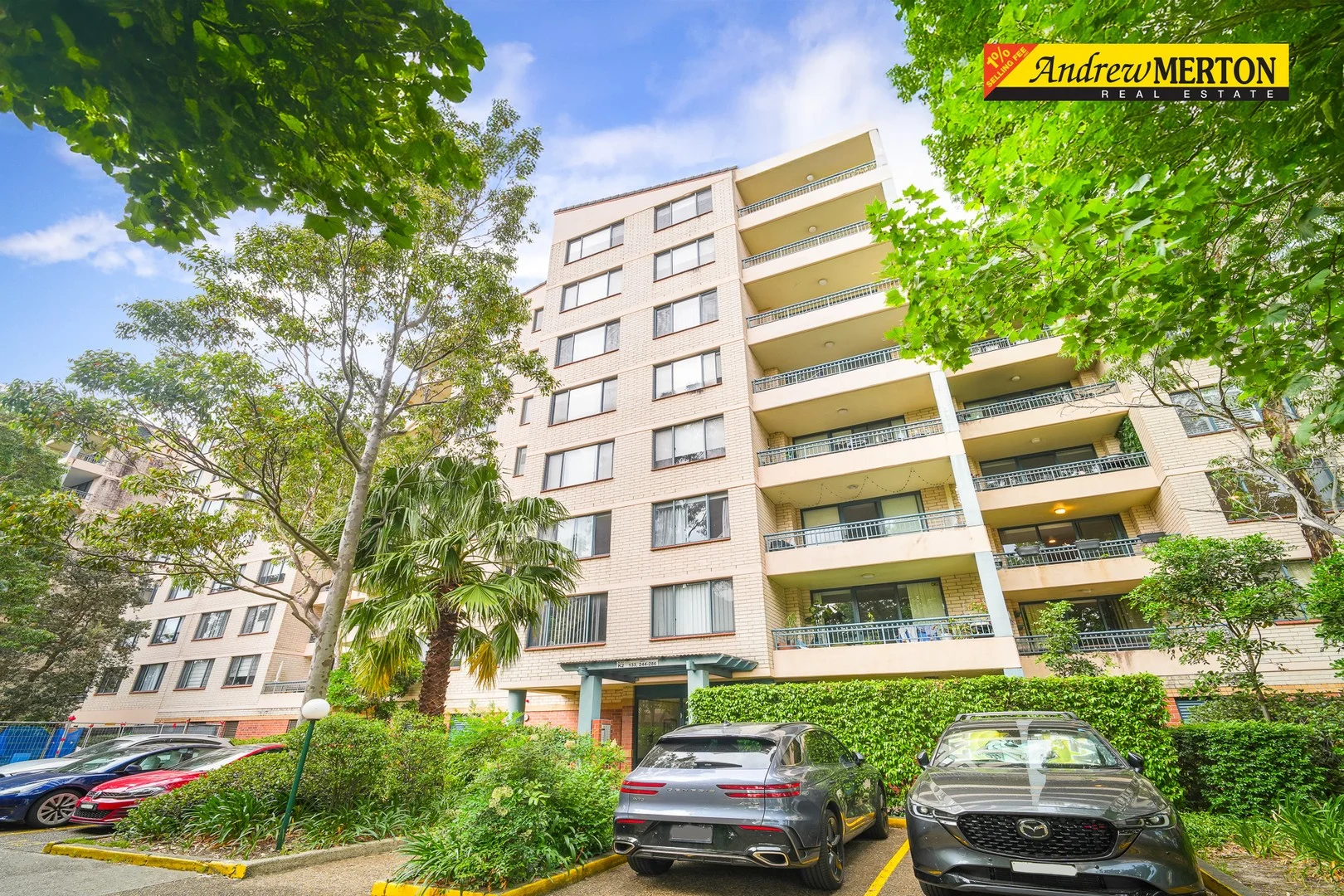 $933,000
Apartment / Unit / Flat
$933,000
Apartment / Unit / Flat
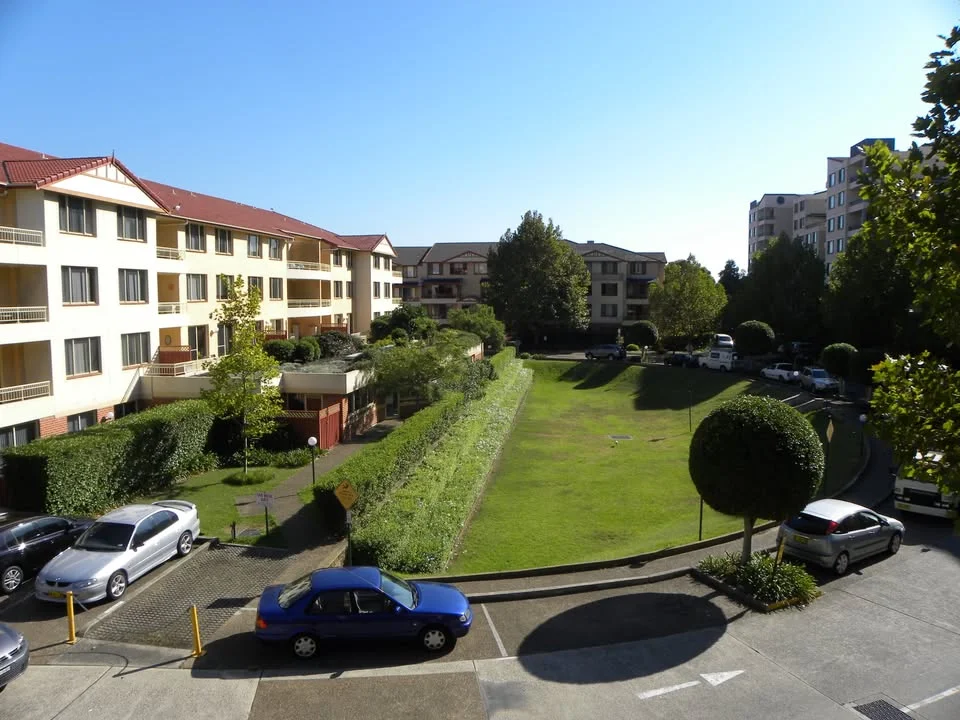 $990
Apartment / Unit / Flat
$990
Apartment / Unit / Flat
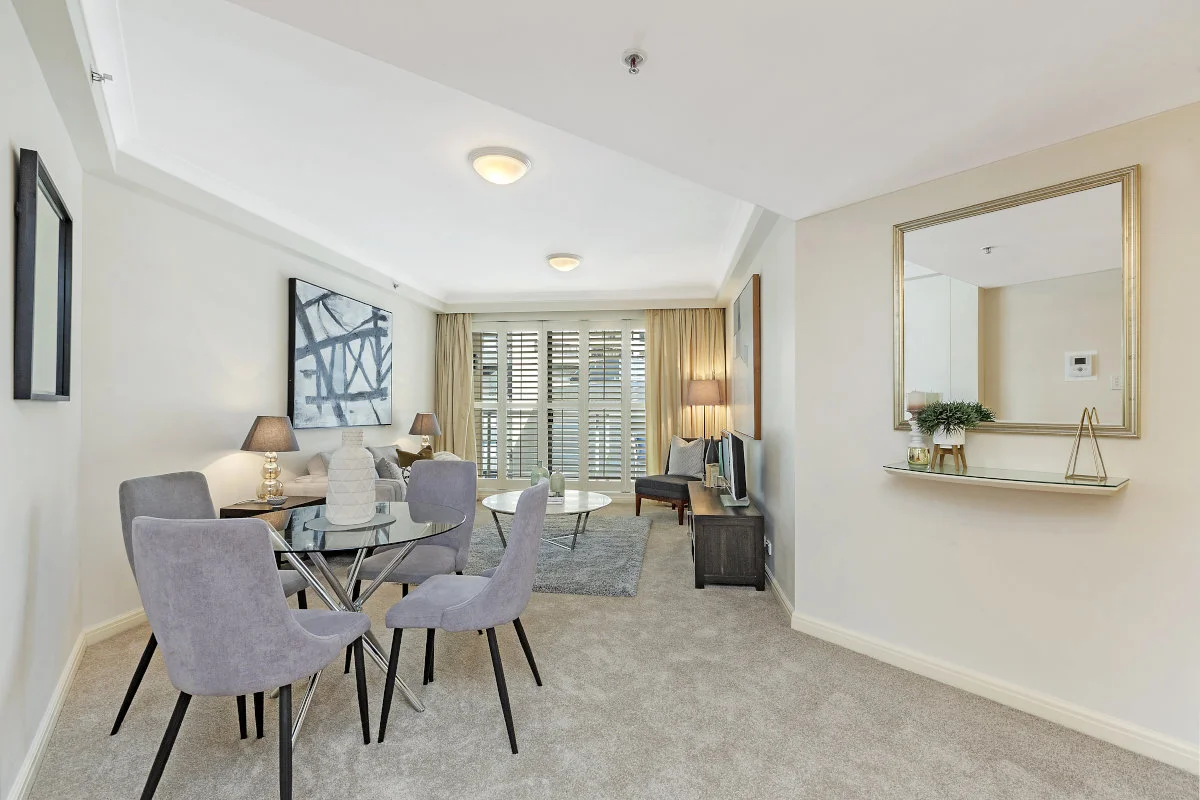 $660,000 - $725,000
Apartment / Unit / Flat
$660,000 - $725,000
Apartment / Unit / Flat
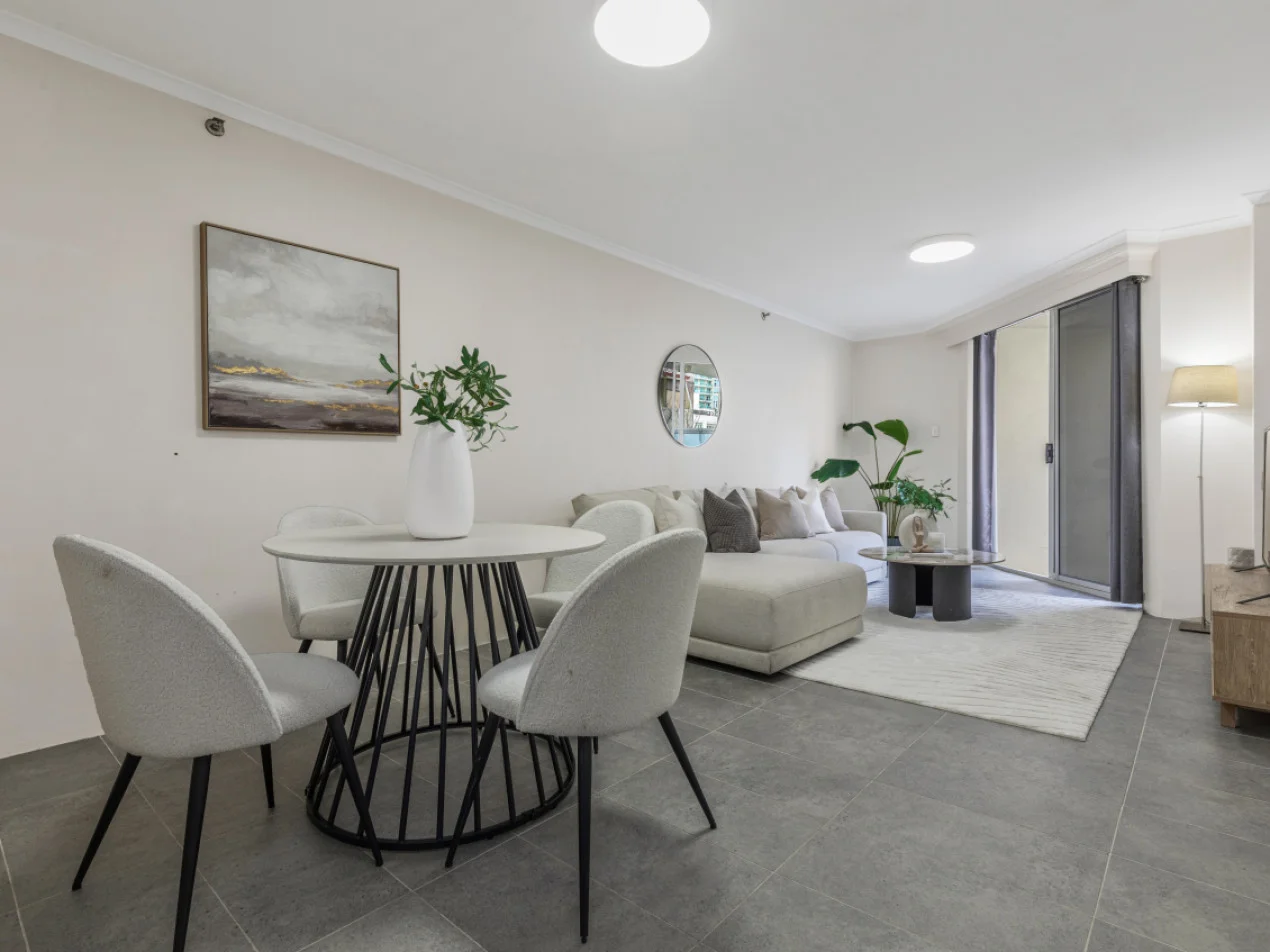 $640,000 - $675,000
Apartment / Unit / Flat
$640,000 - $675,000
Apartment / Unit / Flat
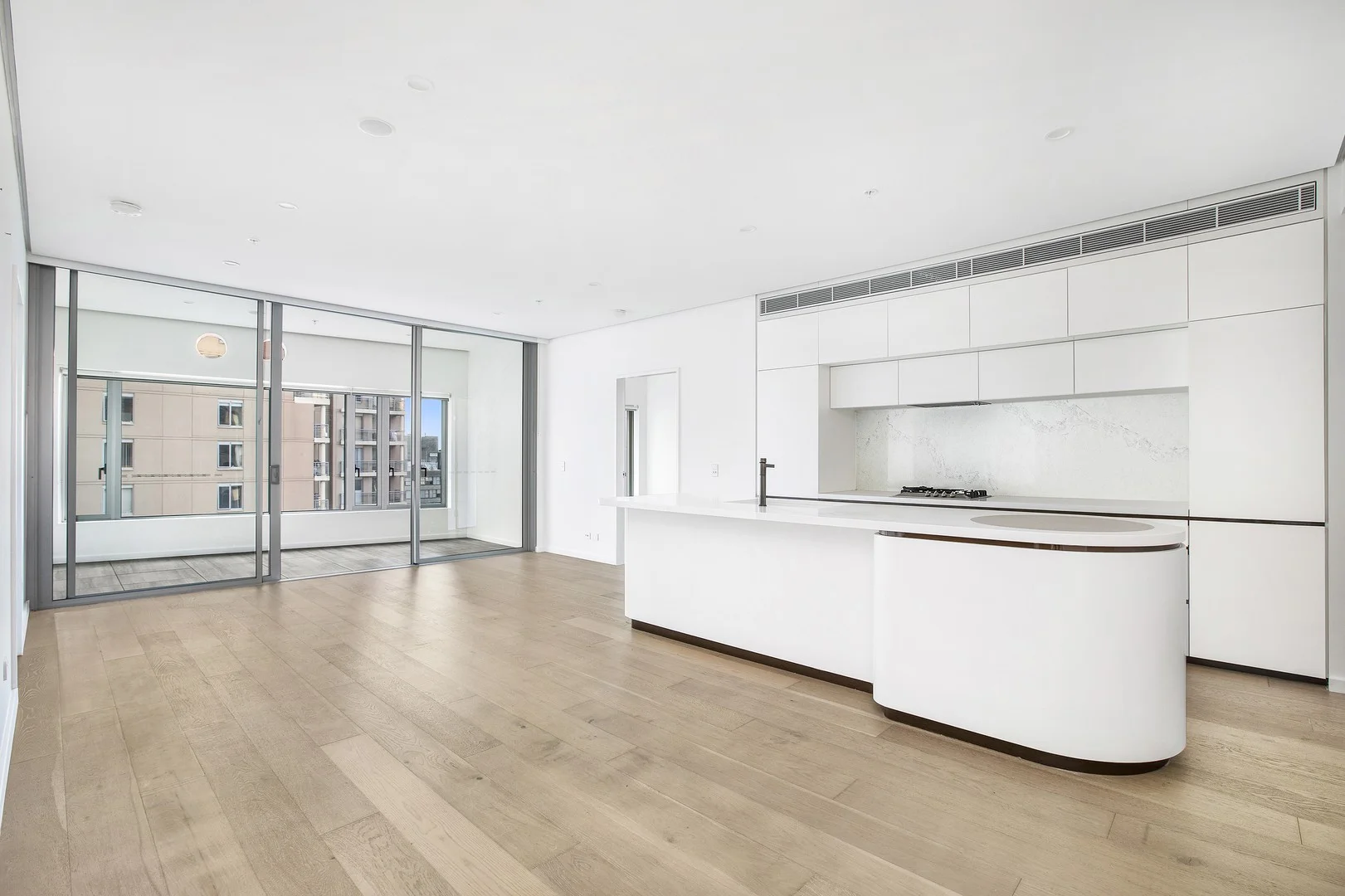 $2,250,000
Apartment / Unit / Flat
$2,250,000
Apartment / Unit / Flat
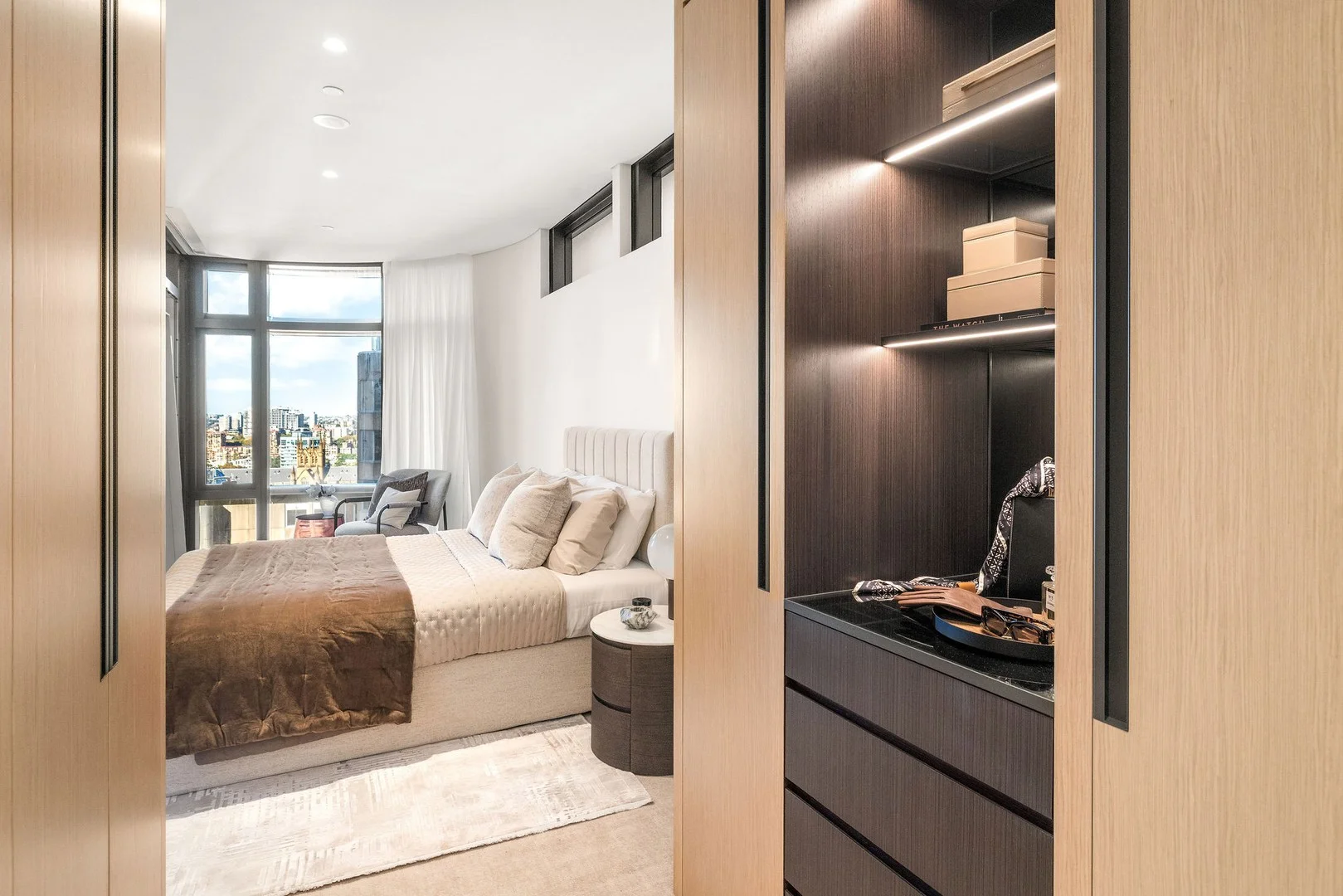 $2,745,000
propertyType.NEW APARTMENTS / OFF THE PLAN
$2,745,000
propertyType.NEW APARTMENTS / OFF THE PLAN
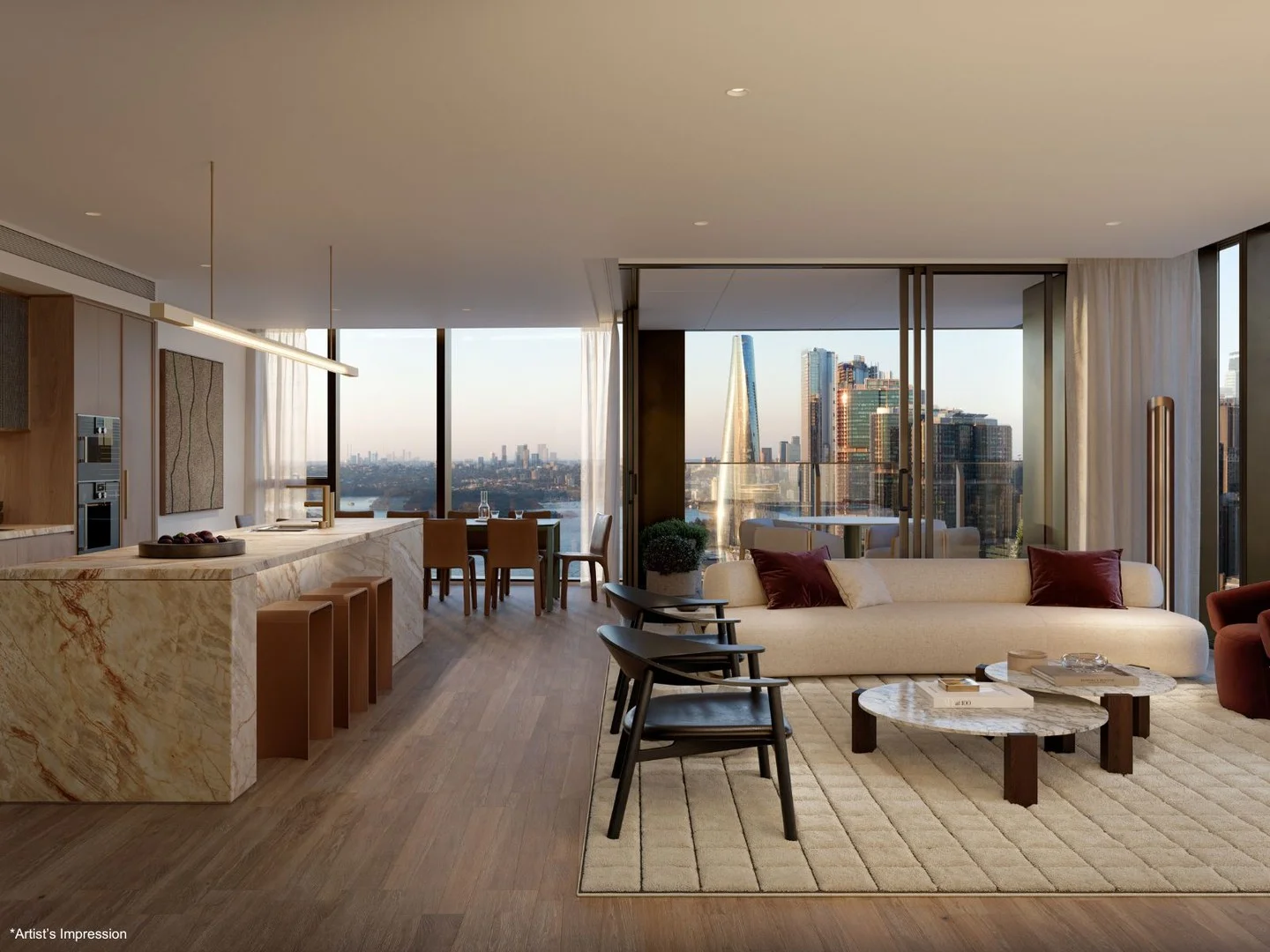 $12,980,000
propertyType.NEW APARTMENTS / OFF THE PLAN
$12,980,000
propertyType.NEW APARTMENTS / OFF THE PLAN
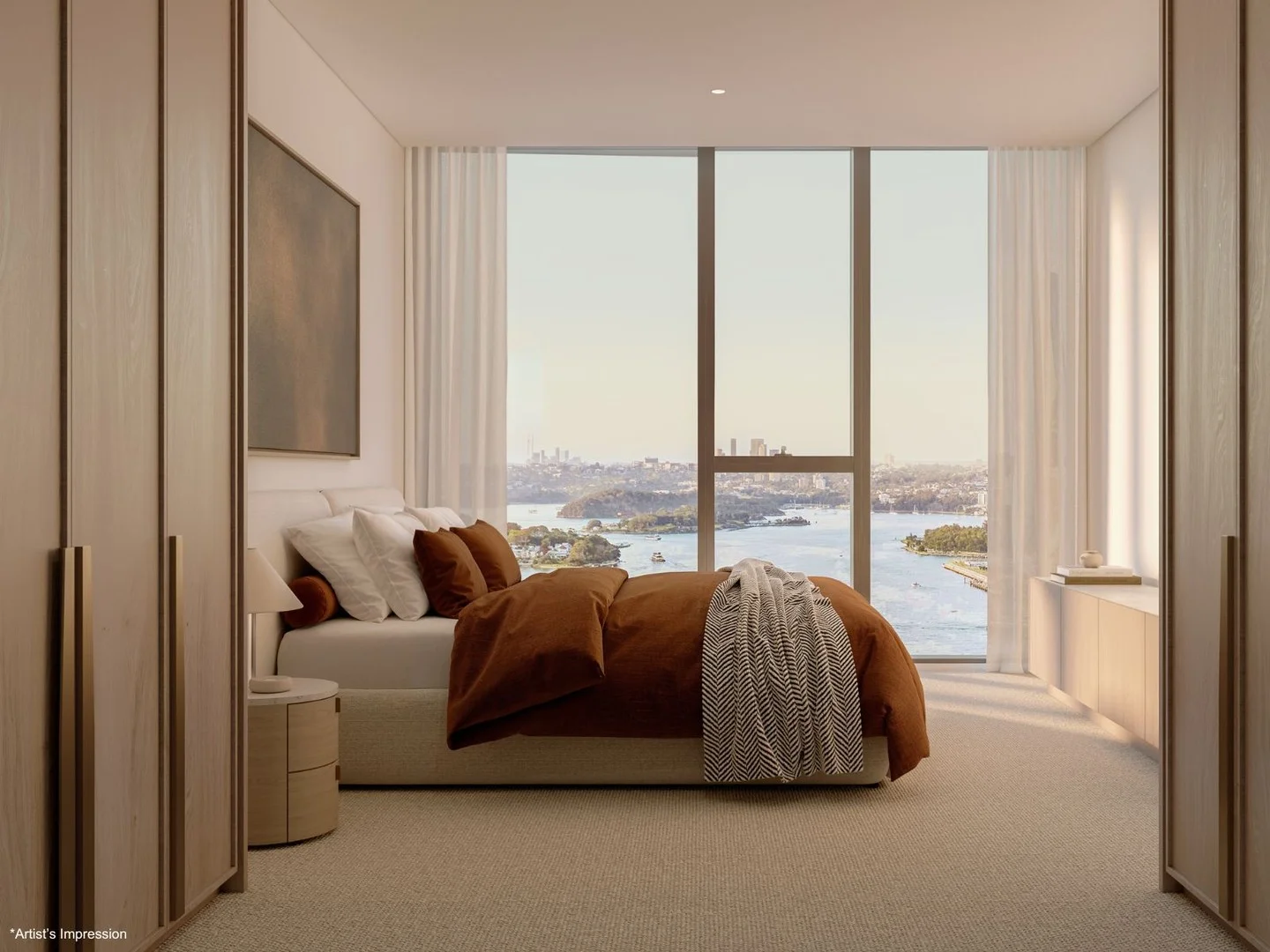 $8,630,000
propertyType.NEW APARTMENTS / OFF THE PLAN
$8,630,000
propertyType.NEW APARTMENTS / OFF THE PLAN
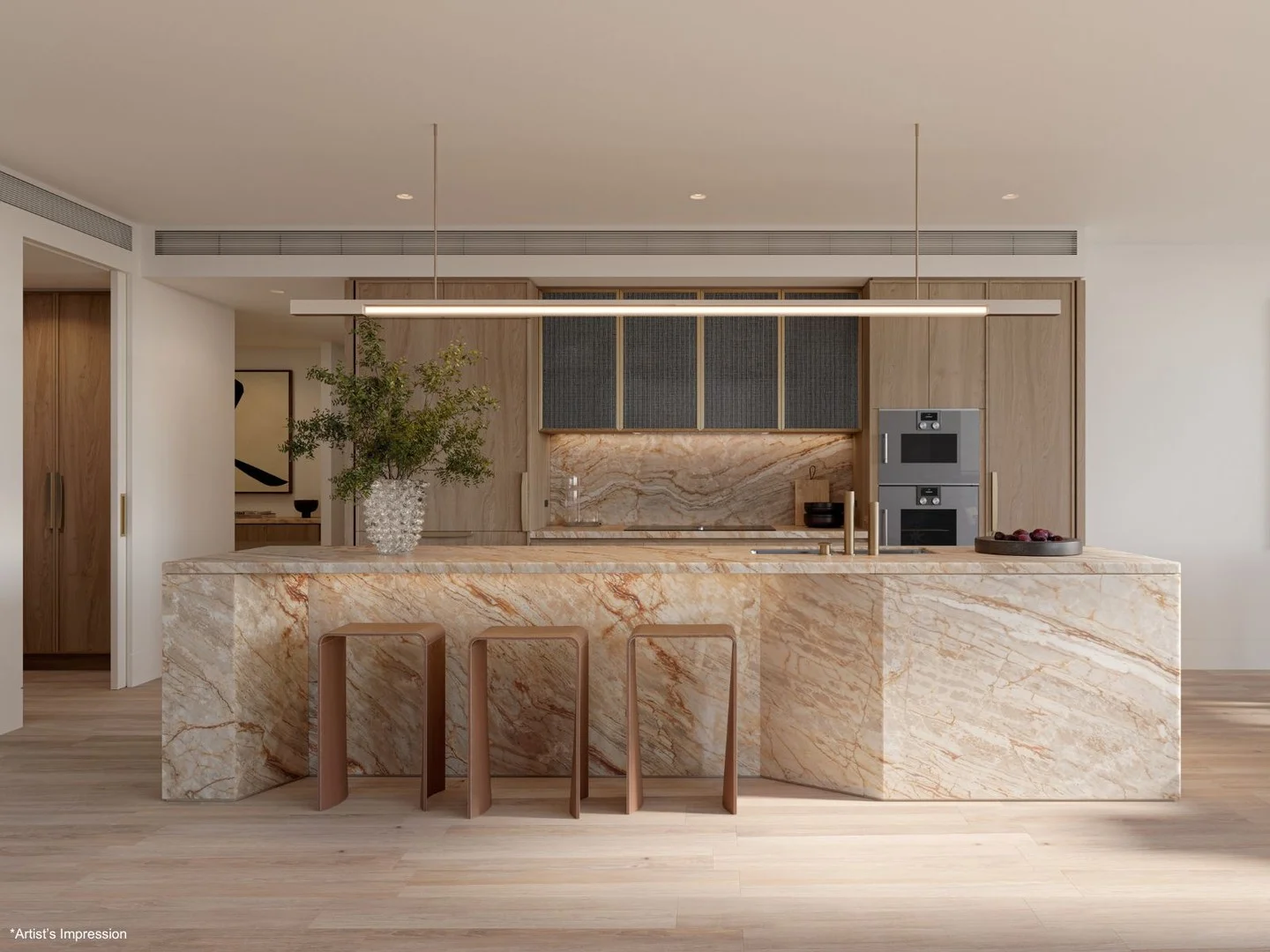 $6,225,000
propertyType.NEW APARTMENTS / OFF THE PLAN
$6,225,000
propertyType.NEW APARTMENTS / OFF THE PLAN