## 1. Overview
Mansfield State High School is a public, co-educational secondary school serving families in the Mansfield area of Brisbane. The school is large in size and aims to provide a broad, inclusive education that supports academic achievement, personal development, and community involvement. Class sizes are typically in the mid-20s, enabling more individual attention in a lively learning environment.
The atmosphere is diverse and inclusive, with a strong focus on academics, sport, and the arts. Students are encouraged to participate in a range of activities and to contribute to the school community through leadership roles and clubs.
---
## 2. Academics & Learning
- Academic strengths: The school emphasizes core academic areas such as STEM and English, with opportunities to develop languages and leadership skills. There is a focus on preparing students for post-school pathways through a well-rounded curriculum.
- Special programs: There are pathways for extension and enrichment, with opportunities for gifted and talented learners and accelerated or advanced learning where available.
- NAPLAN trends: Public reporting over recent years shows stable to improving literacy and numeracy performance relative to state trends, with ongoing focus on supporting students across year levels.
- Student-teacher ratios: Class sizes and teacher support are structured to enable meaningful teacher-student engagement; teachers are supported to provide responsive instruction.
- Support for diverse learners: The school offers inclusive practices for students requiring EAL (English as an Additional Language) support and SEN (Special Education Needs), with targeted assistance and appropriate adjustments where needed.
---
## 3. Sports & Extracurricular Strengths
- Sports offered: A wide range of sports is available, including rugby league, soccer, cricket, basketball, netball, athletics, tennis, and more, with opportunities to represent the school in district/zone competitions.
- Strong teams or achievements: Competitive school teams participate in local and regional events, with dedicated coaching and development programs to help students reach their potential.
- Music, arts, drama programs: A robust performing arts program supports instrumental music, choirs, theatre, and drama productions, fostering creative expression and collaboration.
- Clubs: Robotics, chess, coding, debating, and other clubs provide avenues for skill-building, problem solving, and peer learning.
- Partnerships: The school engages with local clubs, community groups, and competitions to broaden real-world learning and competitive opportunities.
---
## 4. Wellbeing & Pastoral Care
- Anti-bullying approach: The school maintains a proactive, whole-school approach to safety and respect, with clear anti-bullying policies and restorative practices.
- House system: A house-based structure supports belonging, leadership development, and friendly competition across grades.
- Counsellors / wellbeing officers: A team of guidance and wellbeing staff provides confidential support, career guidance, and mental health resources.
- Transition support for new students: Orientation and transition programs help new students settle in, build connections, and navigate school life smoothly.
---
## 5. Facilities
- Sports grounds: On-site sports facilities support a variety of physical activities and school-wide events.
- Libraries: The school provides libraries with study spaces and access to resources for learning and research.
- Science labs: Modern science laboratories support hands-on experiments and inquiry-based learning.
- Music/performing arts centers: Dedicated spaces for music and drama activities enable rehearsals and performances.
- Tech/innovation labs: Technology and makerspace-type facilities support design, coding, and digital learning.
- Cafeteria: An on-site canteen offers meals and snacks to students during the school day.
- Updated playgrounds: Play spaces and outdoor areas support active breaks and social interaction.
---
## 6. School Values & Community Culture
- School values / mission: The school emphasises core values such as respect, responsibility, integrity, and resilience, guiding student behavior and decision-making.
- Leadership style: Leadership is typically distributed across staff and student representatives, with opportunities for student voice in school improvement initiatives.
- Behaviour expectations: Clear expectations and restorative discipline practices are used to promote a safe and respectful learning environment.
- Community reputation: The school enjoys a supportive community network, with active parent involvement and partnerships within the broader local area.
- Diversity & inclusion: A conscious focus on diverse and inclusive practices helps create an environment where students from different backgrounds feel welcome and valued.
---
## 7. School Logistics & Daily Operations
- School hours: Typical school day runs from morning to afternoon with standard start and finish times; exact times are published by the school each year.
- Before/after school care: Some support may be available through school programs or community partners; check with the school for current arrangements.
- Uniform requirements: A full school uniform is required, with guidance on acceptable items and dress code provided by the school.
- Transport (train/bus routes): Public transport access is available via local bus routes and Brisbane rail services; families should check current timetables and school drop-off/pick-up guidance.
- Canteen availability: A canteen or cafeteria operates during the day, offering a range of healthy options.
- Fees (low/medium/high ranges): As a public school, there is no tuition, but there are material fees and voluntary contributions to cover extras; costs are generally in the low-to-medium range for public high schools.
---
## 8. Enrolment & Admissions
11. What is the enrolment process and timeline?
- Enrolment is coordinated through the Queensland Department of Education. Start the process by submitting the required documentation within the designated enrollment window, with timelines published annually. Parents should prepare proof of residence, student details, immunization records, and birth certificates as part of the process.
12. Is there a waiting list, and how does it work?
- In high-demand periods or for catchment-out considerations, places may fill quickly. If spaces become available, the school will advise accordingly. Applicants outside the catchment may be considered when space allows, subject to district policies.
13. Are there any entry requirements, tests, or interviews?
- For a public high school like Mansfield SHS, there are typically no entrance exams. Admission is mainly based on catchment eligibility, space, and documentation. Some specialist or selective pathways in other schools may involve tests, but this school generally uses standard enrollment processes.
14. Does the school accept mid-year transfers?
- Mid-year transfers may be possible if there is available space and alignment of year level requirements. Families should contact the school early to discuss space, transition plans, and required documentation.
---
## 9. Frequently Ask Questions
- Why Parents Choose This School?
- A welcoming, inclusive environment with a broad curriculum, strong support services, and opportunities across academics, sport, and the arts.
- What type of student thrives at this school?
- Students who are motivated, participate in a range of activities, and value a supportive community with diverse pathways to success.
- What opportunities are available for students to extend their skills (academics, sports, arts)?
- Extension programs and leadership opportunities in academics, competitive sports teams, performing arts ensembles, robotics and coding clubs, and debating societies.
- How does the school communicate with parents?
- Regular communications through newsletters, emails, the school website, and parent-teacher meetings; specific channels may vary by year level and program.
- What is the school’s approach to teaching and learning?
- A student-centered approach with emphasis on core literacy and numeracy, inquiry-based learning, and differentiated instruction to meet diverse needs.
- How does the school support students who need extra academic help?
- Targeted support through tutoring, EAL/SEN assistance, small-group interventions, and pastoral support as part of a holistic wellbeing approach.
- What support is available for academic challenges?
- Access to guidance counsellors, study resources, and targeted intervention programs designed to raise achievement and confidence.
- How does the school communicate with parents? (Duplicate)
- See above: multiple channels including newsletters, emails, and meetings.
- What are the class sizes and how much individual attention do students receive?
- Class sizes are typically in the mid-20s, with teacher support and smaller groups available for targeted interventions where needed.
- What extracurricular and sports opportunities are available?
- A wide range of sports (e.g., rugby league, soccer, cricket, basketball, netball, athletics), plus music, drama, robotics, chess, coding, debating, and other clubs.
- What facilities does the school offer (sports, science, arts)?
- Sports grounds, libraries, science labs, music/performing arts centers, tech/innovation labs, canteen, and updated playgrounds.
- What is the school’s approach to technology and digital learning?
- Integration of digital tools and resources to support learning, with access to computer labs, design spaces, and online platforms as part of the curriculum.
- What transport and accessibility options are available?
- Access via local bus routes and Brisbane trains; check current schedules and school drop-off options; provisions for accessibility are considered in school operations.
- What are the typical school fees or additional costs?
- Public school fees are generally modest and cover materials, activities, and contributions; additional costs may apply for some elective programs or excursions.
---
## 10. Short Pros & Cons list
- Pros
- Public, value-driven education with broad academic and extracurricular options
- Large, diverse community with ample pathways for students
- Strong wellbeing and pastoral care framework
- Wide range of facilities to support learning, sport, and the arts
- Cons
- Large school size may mean busier campuses and busier shared spaces
- Some specialty programs or spaces may have limited availability due to demand
- Fees for optional activities and certain resources can apply beyond standard materials
- Availability of mid-year transfers depends on space and district policies








 $1,475,000 - $2,090,000
propertyType.NEW APARTMENTS / OFF THE PLAN
$1,475,000 - $2,090,000
propertyType.NEW APARTMENTS / OFF THE PLAN
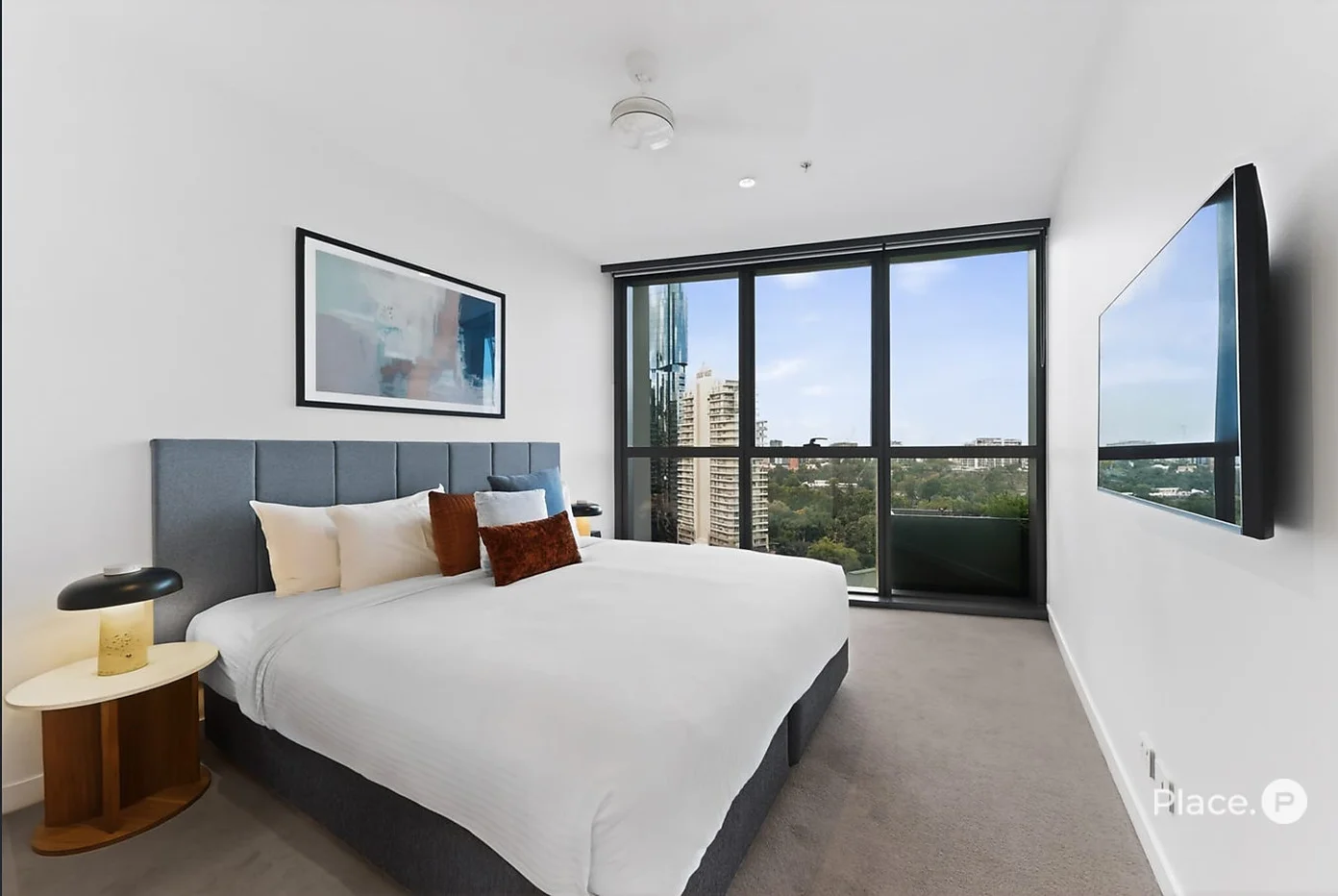 $770,000
Apartment / Unit / Flat
$770,000
Apartment / Unit / Flat
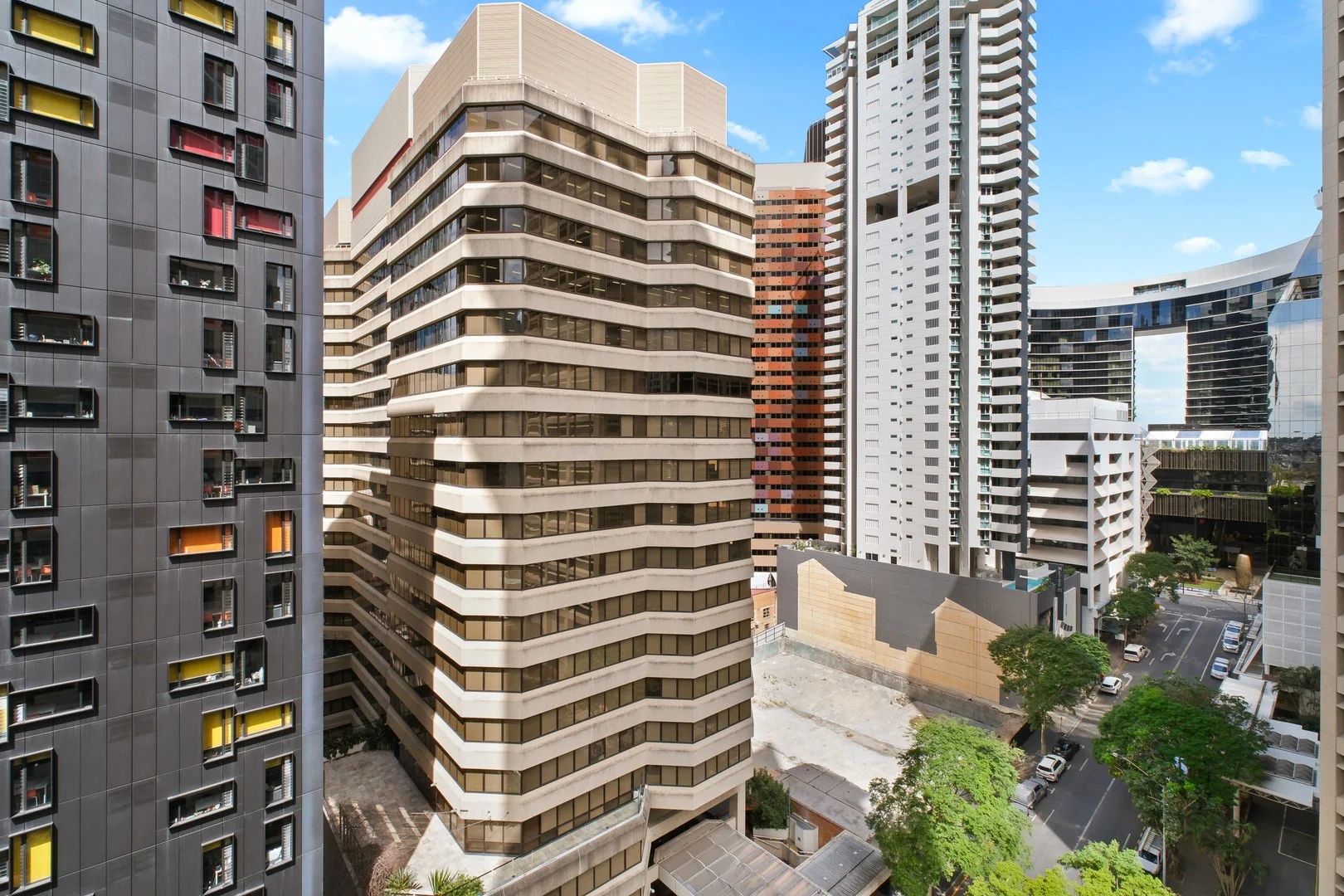 $550,000
Apartment / Unit / Flat
$550,000
Apartment / Unit / Flat
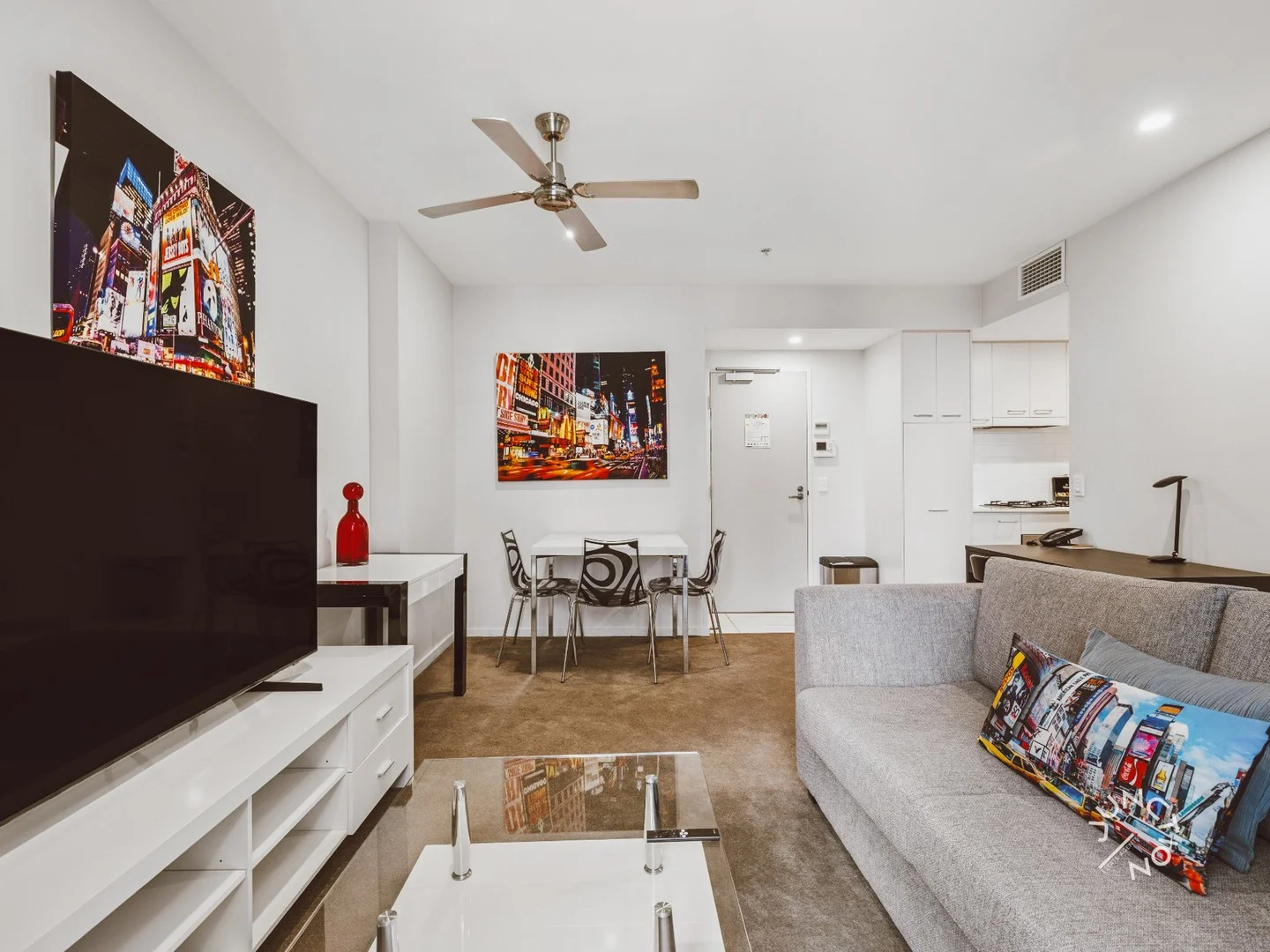 $523,200 - $566,800
Apartment / Unit / Flat
$523,200 - $566,800
Apartment / Unit / Flat
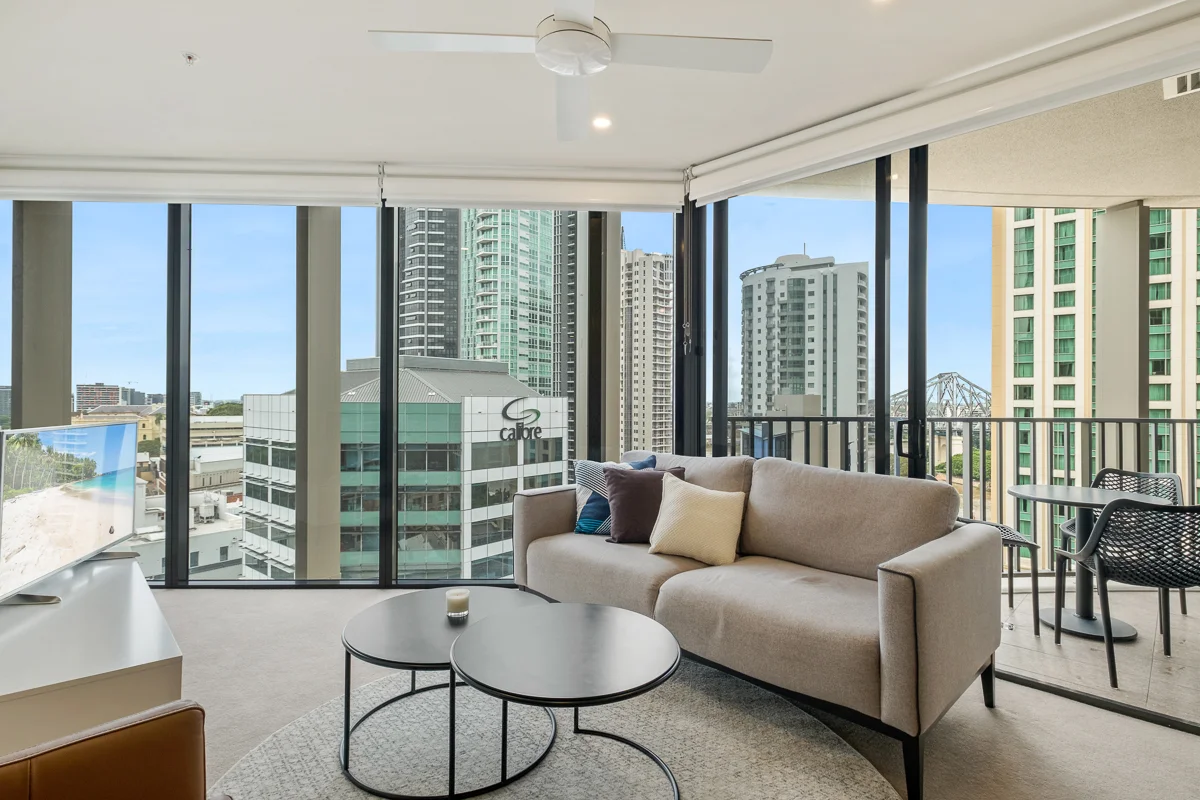 $950,000
Apartment / Unit / Flat
$950,000
Apartment / Unit / Flat