## 1. Overview
Citipointe Christian College is an independent private Christian school serving students in the Brisbane area, including the Carindale community. It offers co-educational schooling across primary and secondary years with a faith-based approach that emphasises character development, service, and leadership alongside academics. The school aims to provide a supportive, faith-informed learning environment where students can grow academically, spiritually, and socially.
- School type: Independent/private Christian school
- School size: Large
- Class size: Approximately 20–25 students per class (varies by year level)
- Atmosphere/culture: Nurturing, inclusive, faith-centered, academically focused
⸻
## 2. Academics & Learning
- Academic strengths: Emphasis on English and literacy, Mathematics, STEM-oriented subjects, and leadership development; a holistic approach to learning that integrates faith with academic growth.
- Special programs: Leadership development programs; academic extension and enrichment for high-achieving students; pathways that may include vocational or further education opportunities as part of senior study.
- NAPLAN trends: Consistent monitoring of literacy and numeracy progress with a track record of steady improvement over time and striving to meet or exceed state benchmarks. The school uses results to tailor teaching and intervention strategies.
- Student-teacher ratios: Favorable ratios that support targeted instruction and feedback; typical variations by year level but generally enable meaningful teacher-student interaction.
- Support for diverse learners: Services and supports for EAL and SEN, with access to learning support staff, targeted interventions, and individualized learning plans where needed.
⸻
## 3. Sports & Extracurricular Strengths
- Sports offered: A broad program including team and individual sports such as football (soccer), rugby, basketball, netball, cricket, swimming, athletics, and cross-country.
- Strong teams or achievements: Active inter-school participation with competitive teams and regional-level opportunities across sports.
- Music, arts, drama programs: Strong performing arts offerings including music ensembles, vocal programs, drama productions, and school productions.
- Clubs: Robotics, chess, coding, debating, and other STEM or academic clubs to extend learning beyond the classroom.
- Partnerships: Connections with local sporting academies and participation in regional competitions and arts events to broaden opportunities.
⸻
## 4. Wellbeing & Pastoral Care
- Anti-bullying approach: Proactive, whole-school anti-bullying framework with supportive processes and restorative practices.
- House system: House groups used to foster belonging, collaboration, and healthy competition across events and pastoral activities.
- Counsellors / wellbeing officers: Access to dedicated counsellors and wellbeing staff to support students’ emotional, social, and mental health.
- Transition support for new students: Orientation programs, buddy systems, and targeted transition activities to help new students settle in smoothly.
⸻
## 5. Facilities
- Sports grounds: Multiple outdoor sports fields and courts supporting physical education and team sports.
- Libraries: Well-stocked library spaces with study areas.
- Science labs: Modern science laboratories for Physics, Chemistry, Biology, and hands-on experiments.
- Music/performing arts centers: Dedicated music rooms and spaces for drama, rehearsals, and performances.
- Tech/innovation labs: Computer labs and makerspaces to support STEM and digital learning.
- Cafeteria: On-site canteen providing daily meals and snacks.
- Updated playgrounds: Modernised outdoor play and learning spaces for younger students.
⸻
## 6. School Values & Community Culture
- School values / mission: Christian faith-informed education with a focus on character, service to others, leadership, and academic excellence.
- Leadership style: Collaborative and distributed leadership, with teacher mentors and student leadership opportunities.
- Behaviour expectations: Clear behavioural standards built on respect, integrity, responsibility, and accountable conduct.
- Community reputation: Positive standing within the local Brisbane education community, emphasising family involvement and faith-based education.
- Diversity & inclusion: Welcoming environment that values diversity and strives to be inclusive and supportive of students from varied backgrounds.
⸻
## 7. School Logistics & Daily Operations
- School hours: Typical school day runs during morning to afternoon hours, with year-level variations.
- Before/after school care: Available to support families with before- and after-school supervision and activities.
- Uniform requirements: Mandatory school uniform (seasonal changes apply); clear guidelines on attire for daily wear and sport.
- Transport (train/bus routes): School-supported transport options including bus services from various suburbs; convenient access for families commuting from different areas.
- Canteen availability: On-site canteen providing daily meals and snacks.
- Fees (low/medium/high ranges): Fees are in the mid-to-high range for private independent schools in Queensland; additional costs may include uniforms, excursions, and format-specific resources.
⸻
## 8. Enrolment & Admissions
11. What is the enrolment process and timeline?
- Submit an application and supporting documents.
- Complete any required assessments or interviews.
- Receive an offer (subject to availability) and accept to secure a place.
- Complete enrolment confirmations and arrange start dates; the timeline varies by year level and demand.
12. Is there a waiting list, and how does it work?
- Yes, there is typically a waiting list when all places are filled. Priority may be given to siblings and, where applicable, by year level and capacity. Families can join the list and will be contacted when a place becomes available.
13. Are there any entry requirements, tests, or interviews?
- Most year levels involve some form of interview and/or placement assessment as part of the admissions process. The school may also review prior academic records and pastoral or character references as part of eligibility.
14. Does the school accept mid-year transfers?
- Mid-year transfers are considered where there are vacancies and suitability for the year level. Transfer timing and availability depend on current enrolments and space in the cohort.
⸻
## 9. Frequently Asked Questions
- Why Parents Choose This School?
- A faith-based, values-centered learning environment that combines strong academics with character development, supportive pastoral care, and broad co-curricular opportunities.
- What type of student thrives at this school?
- Students who value community, faith-based principles, academic effort, leadership opportunities, and active participation in sports, arts, and clubs.
- What opportunities are available for students to extend their skills (academics, sports, arts)?
- Access to leadership programs, academic extension, clubs (robotics, coding, debating), high-level sports opportunities, music ensembles, drama productions, and performing arts experiences.
- How does the school communicate with parents?
- Regular newsletters, parent portals, scheduled parent-teacher interviews, and digital updates via approved communication channels.
- What is the school’s approach to teaching and learning?
- A holistic, student-centered approach aligned with the Queensland Curriculum, integrating faith-informed values, differentiation, assessment for learning, and practical applications.
- How does the school support students who need extra academic help?
- Learning support services, EAL and SEN assistance, targeted tutoring, and small-group interventions as needed.
- What support is available for academic challenges?
- Dedicated support through learning staff, counsellors, and pastoral care; individualized plans and monitoring to help students progress.
- How does the school communicate with parents?
- See above: multiple channels including portals, emails, and interviews; emergency and important notices as needed.
- What are the class sizes and how much individual attention do students receive?
- Class sizes typically around 20–25 students, with teacher-friendly ratios and opportunities for individual feedback and support.
- What extracurricular and sports opportunities are available?
- A wide range of sports, music, drama, and clubs such as robotics, coding, chess, and debating; participation in inter-school events and competitions.
- What facilities does the school offer (sports, science, arts)?
- Modern sports grounds, libraries, science labs, music/performing arts facilities, tech/innovation labs, canteen, and updated outdoor spaces.
- What is the school’s approach to technology and digital learning?
- Integrated digital learning with access to computer labs and appropriate learning platforms; emphasis on digital citizenship and safe online practices.
- What transport and accessibility options are available?
- School-provided bus services and access to public transport; inclusive facilities and accessibility considerations for students with diverse needs.
- What are the typical school fees or additional costs?
- Fees fall in the mid-to-high range for private independent schooling; additional costs may include uniforms, excursions, and optional programs.
⸻
## 10. Short Pros & Cons list
- Pros
- Strong faith-based values paired with academics and broad co-curriculars
- Supportive wellbeing and pastoral care
- Competitive sports and performing arts opportunities
- Solid facilities supporting science, technology, and creative programs
- Positive community culture and inclusive environment
- Cons
- Higher tuition compared with public options
- Large campus can feel overwhelming for some students
- Uniforms and associated costs add to overall expenses
- Commute or transport arrangements may be required for some families
- Religious affiliation may not suit every family or student
⸻






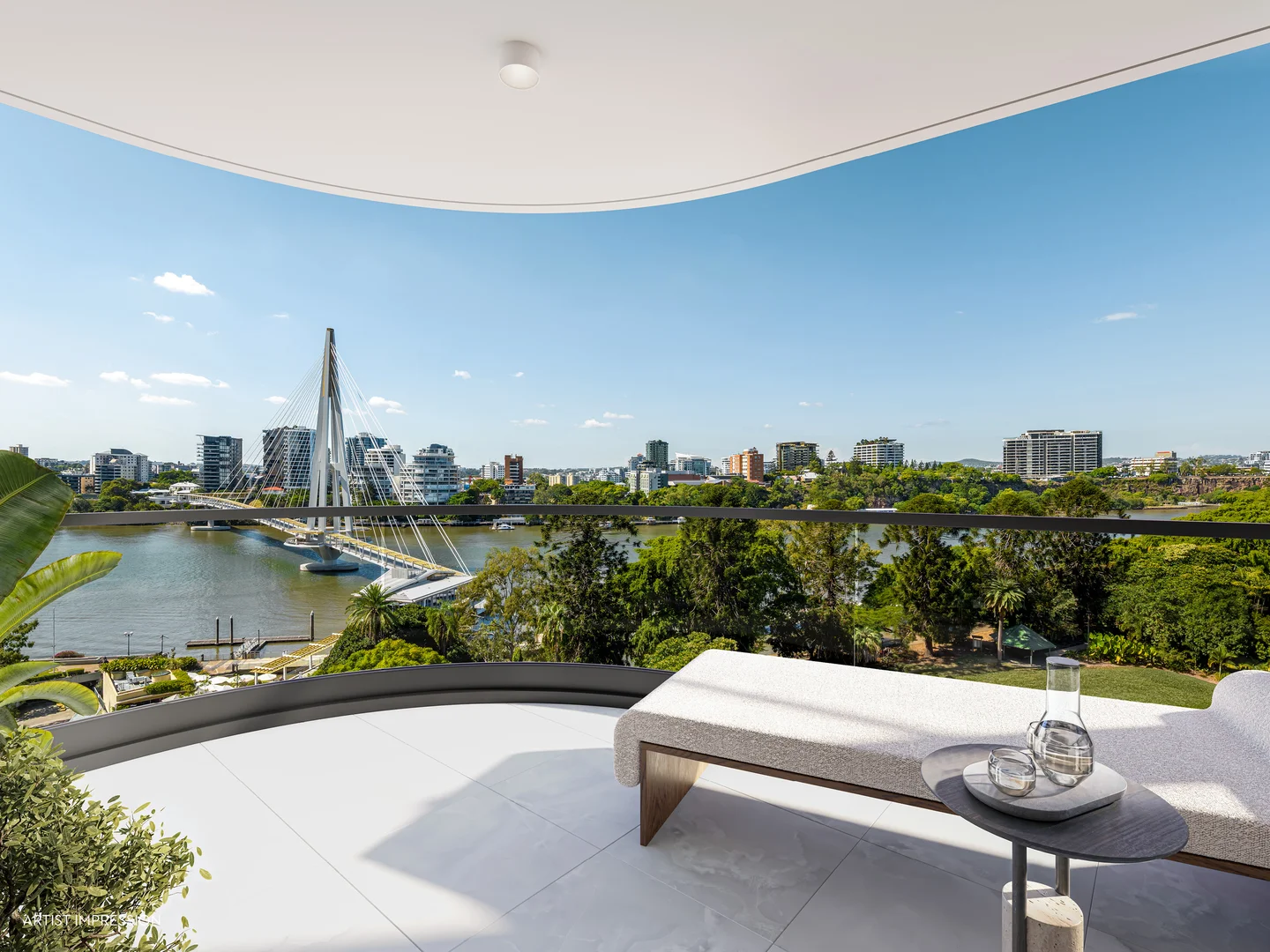 $1,475,000 - $2,090,000
propertyType.NEW APARTMENTS / OFF THE PLAN
$1,475,000 - $2,090,000
propertyType.NEW APARTMENTS / OFF THE PLAN
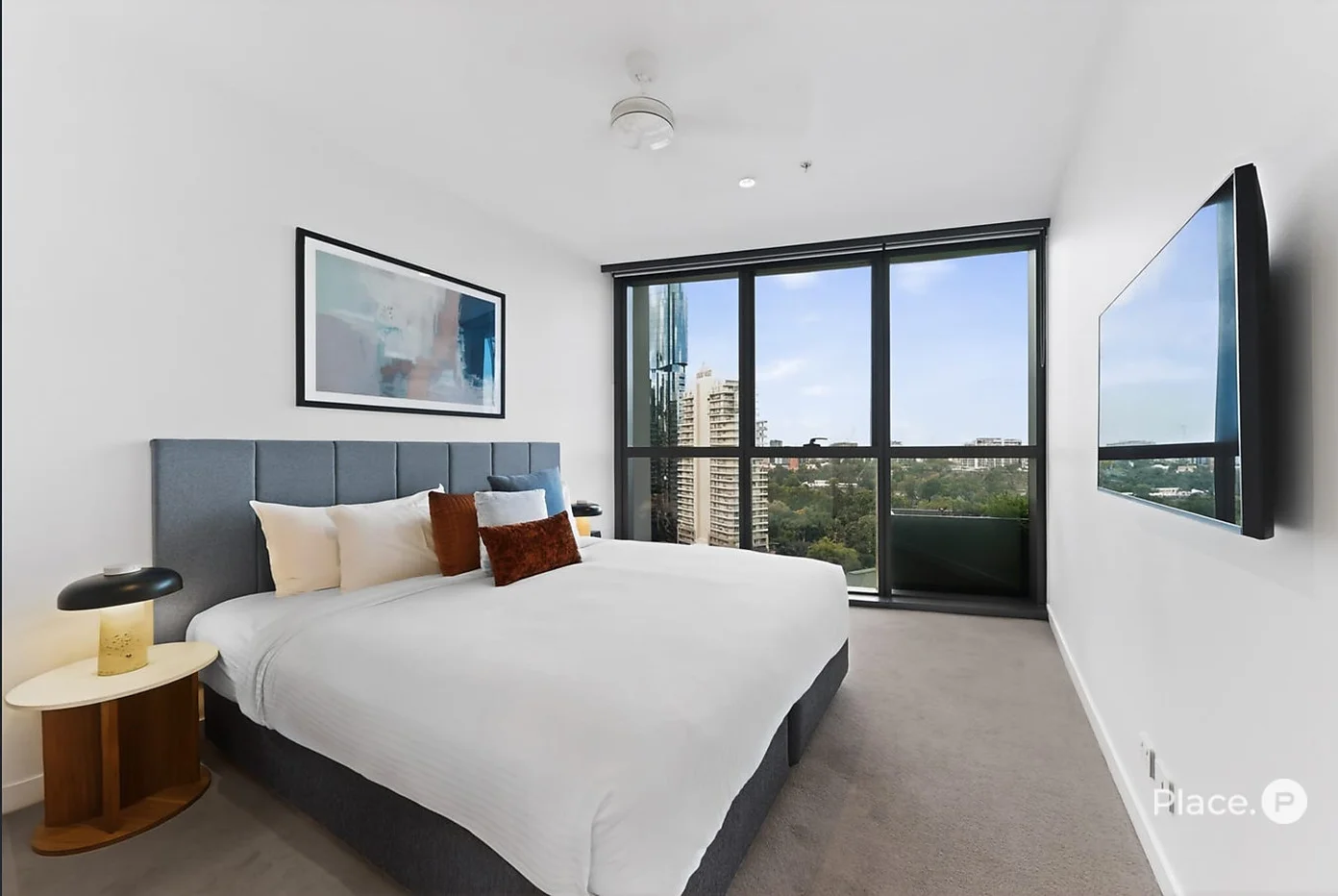 $770,000
Apartment / Unit / Flat
$770,000
Apartment / Unit / Flat
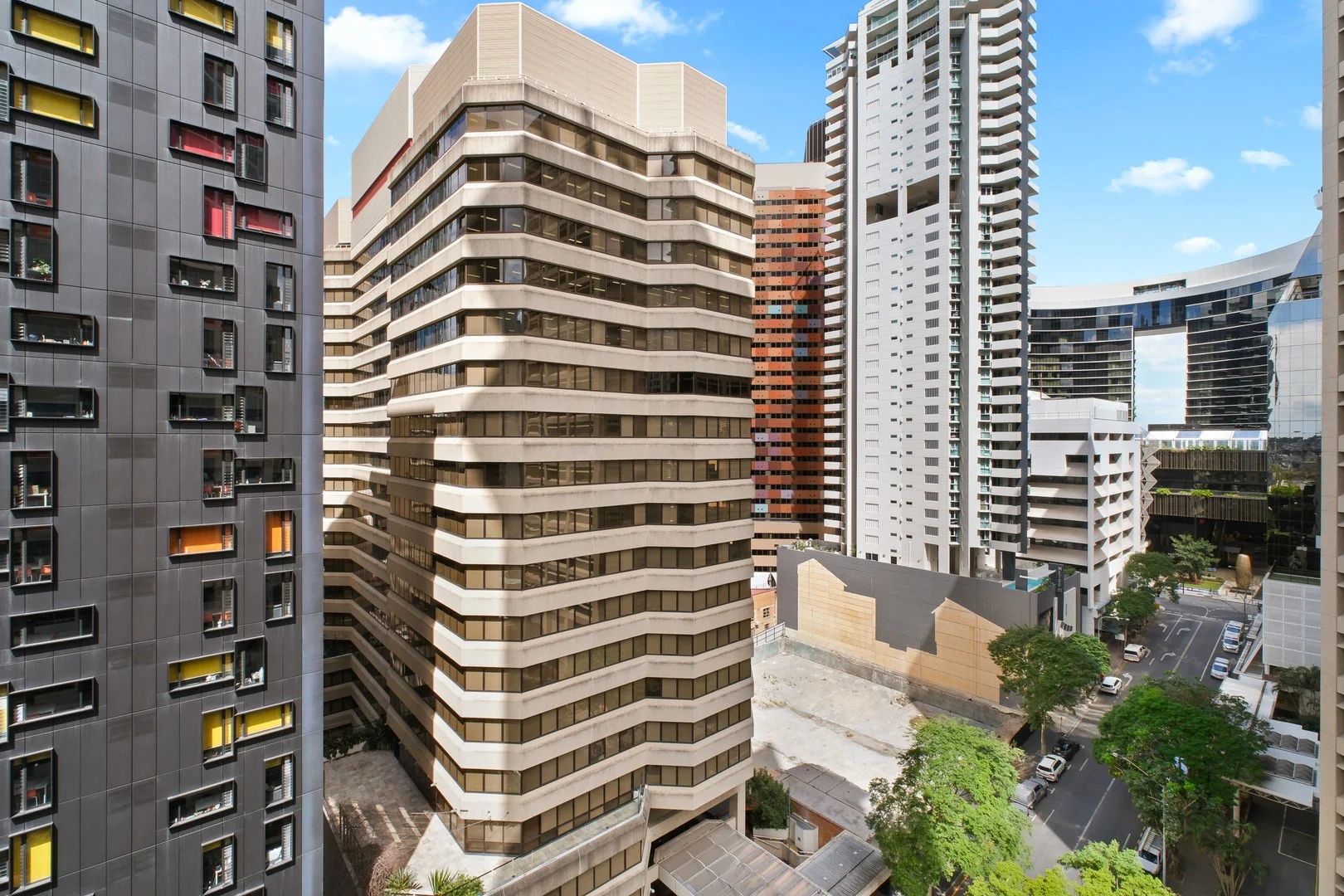 $550,000
Apartment / Unit / Flat
$550,000
Apartment / Unit / Flat
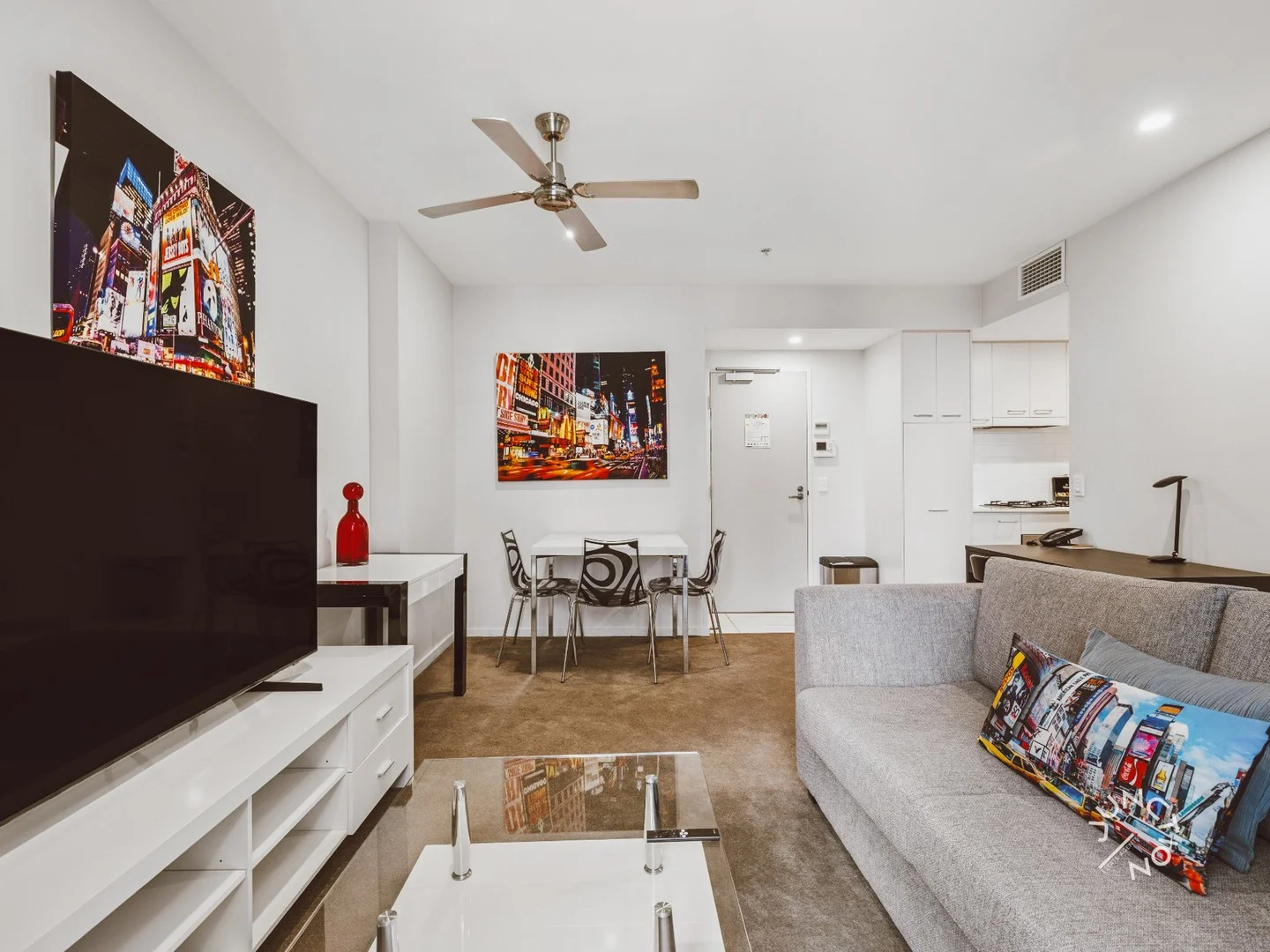 $523,200 - $566,800
Apartment / Unit / Flat
$523,200 - $566,800
Apartment / Unit / Flat
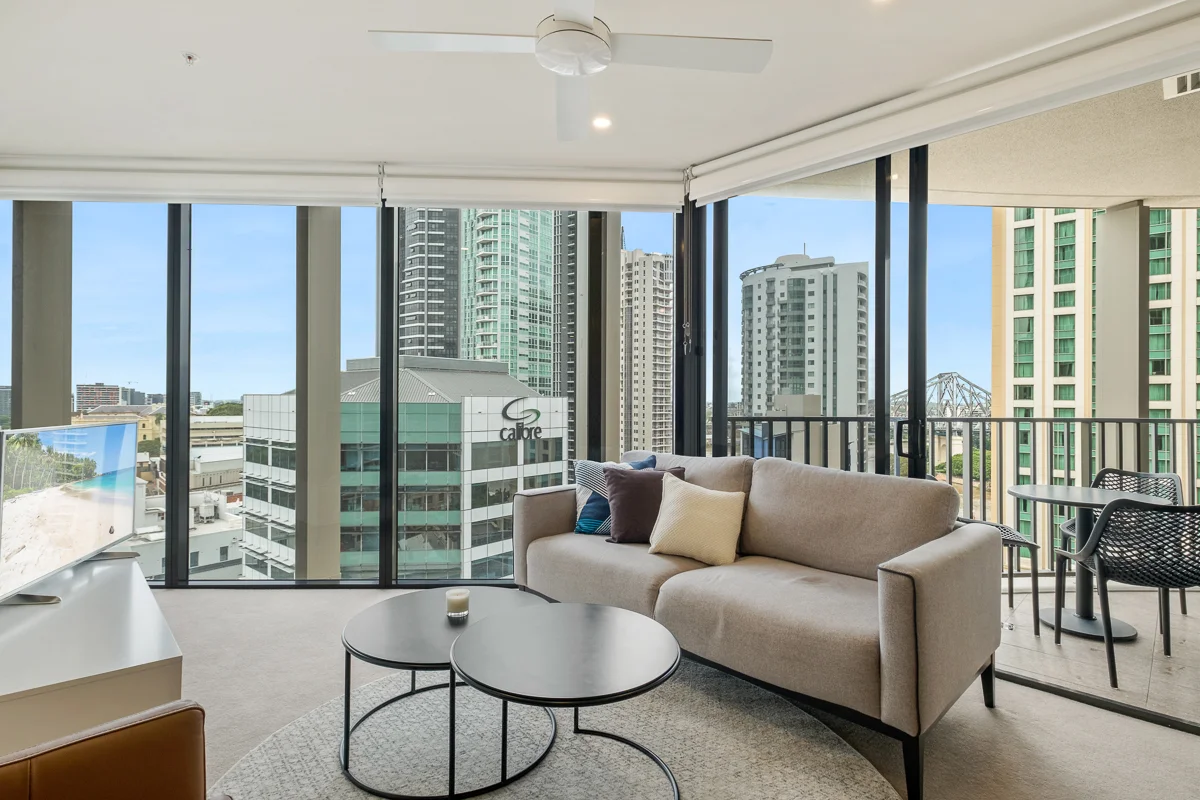 $950,000
Apartment / Unit / Flat
$950,000
Apartment / Unit / Flat


