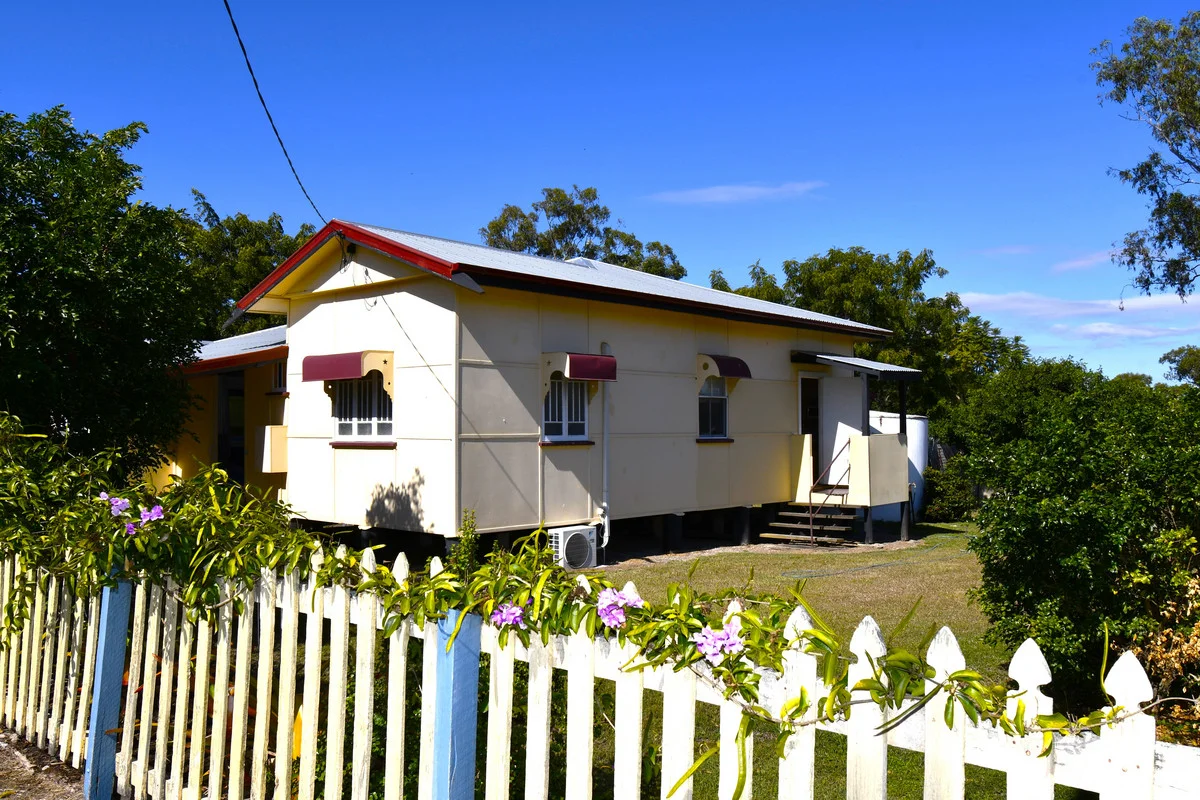
## Overview
- School type: Public (state) primary school
- School size: Small
- Class size: Typically around 18–22 students per class
- Atmosphere/culture: Nurturing, inclusive, community-focused
⸻
## Academics & Learning
- Academic strengths: Strong literacy and numeracy foundations with hands-on STEM activities; emphasis on student leadership and positive learning habits
- Special programs: Gifted and Talented or accelerated learning opportunities may be available where eligible; pathways for academic extension and enrichment
- NAPLAN / trends: NAPLAN trends at smaller rural schools often show stable results with gradual improvements over time and some year-to-year variation due to cohort size
- Student-teacher ratios: Generally around 1:12 to 1:20, depending on year level and staffing
- Support for diverse learners: EAL/D and SEN support with classroom aides and referrals to additional support as needed; inclusive education practices and individual learning plans
⸻
## Sports & Extracurricular Strengths
- Sports offered: Range of team and individual sports (e.g., cricket, rugby/footy, netball, athletics, swimming, cross-country) with participation in inter-school events
- Strong teams or achievements: Participation in regional inter-school competitions; emphasis on teamwork, sportsmanship and personal bests
- Music, arts, drama programs: School-wide performances, music activities and opportunities to participate in arts events
- Clubs: Robotics, chess, coding, debating, and other interest clubs
- Partnerships: Local community clubs and regional competitions linked to the school; opportunities to engage in external events and activities
⸻
## Wellbeing & Pastoral Care
- Anti-bullying approach: Whole-school anti-bullying policy, buddy systems and clear behaviour expectations to foster a safe environment
- House system: House-based activities and events to build belonging and healthy competition
- Counsellors / wellbeing officers: Access to school wellbeing staff; referrals to external supports as needed
- Transition support for new students: Orientation programs, buddy systems, and transitional support to help new students settle in smoothly
⸻
## Facilities
- Sports grounds
- Libraries
- Science labs (learning spaces for science activities)
- Music/performing arts centers
- Tech/innovation labs
- Cafeteria
- Updated playgrounds
⸻
## School Values & Community Culture
- School values / mission: Values-driven environment emphasizing respect, responsibility, collaboration and excellence
- Leadership style: Shared leadership opportunities for students; collaborative planning with staff; emphasis on student voice
- Behaviour expectations: Clear positive-behaviour standards with consistent reinforcement and rewards
- Community reputation: Friendly, supportive, close-knit school community with strong family involvement
- Diversity & inclusion: Welcomes families from diverse backgrounds; actively supports inclusive education practices
⸻
## School Logistics & Daily Operations
- School hours: Typical school day runs during standard daytime hours; detailed times published by the school
- Before/after school care: Before and after school care options may be available
- Uniform requirements: School uniform required; specifics provided by the school
- Transport (train/bus routes): Bus routes and transport arrangements available to eligible students
- Canteen availability: Canteen or lunch-order options may be available
- Fees (low/medium/high ranges): Low to moderate cost structure typical for Queensland state primary schools (no tuition; possible contributions for excursions and activities)
⸻
## Enrolment & Admissions
- 11. What is the enrolment process and timeline?
- Submit the enrolment application with required documentation (proof of residency/catchment where applicable), follow up with any assessments or interviews if requested, and complete orientation steps as advised by the school.
- 12. Is there a waiting list, and how does it work?
- Waiting lists may apply depending on capacity; the school will outline the process (priority for catchment families, estimated wait times, and how to inquire about status).
- 13. Are there any entry requirements, tests, or interviews?
- Typically no entry tests for standard enrolments; some schools may conduct interviews or information sessions for new families or for out-of-area enrollments.
- 14. Does the school accept mid-year transfers?
- Mid-year transfers are possible if space is available; families should contact the school early to discuss suitability and required documentation.
⸻
## Frequently Asked Questions
- Why Parents Choose This School?
- Because of the small, supportive community, strong focus on core literacy and numeracy, approachable staff, and opportunities for every student to participate and belong.
- What type of student thrives at this school?
- Students who value close teacher support, collaborative learning, inclusive practices, and active participation in both academics and activities.
- What opportunities are available for students to extend their skills (academics, sports, arts)?
- Enrichment in literacy/numeracy, STEM activities, leadership opportunities, sports teams, music and drama, and clubs such as robotics, coding, chess, and debating.
- How does the school communicate with parents?
- Through regular newsletters, email updates, phone calls, the school app or portal, and parent-teacher interviews.
- What is the school’s approach to teaching and learning?
- Student-centered and differentiated instruction focused on building foundational skills, curiosity, and real-world application; emphasis on personal improvement and teamwork.
- How does the school support students who need extra academic help?
- Targeted intervention, classroom aides, learning support plans, and pathways to external specialists as needed.
- What support is available for academic challenges?
- Ongoing assessment, learning support services, and timely adjustments to teaching strategies to assist each student.
- How does the school communicate with parents?
- (Same as above) Regular updates and opportunities for direct conversation with teachers and leadership.
- What are the class sizes and how much individual attention do students receive?
- Class sizes are small to medium (roughly 18–22 students) with opportunities for individual feedback, targeted support, and teacher availability.
- What extracurricular and sports opportunities are available?
- A range of sports, music and arts programs, and clubs such as robotics, chess, coding and debating; participation in local and regional events.
- What facilities does the school offer (sports, science, arts)?
- Modern facilities including sports grounds, libraries, science labs, performing arts spaces, tech/innovation labs and a canteen/or lunch options.
- What is the school’s approach to technology and digital learning?
- Integration of digital tools and resources to support learning, with access to devices and online learning platforms as appropriate.
- What transport and accessibility options are available?
- Bus routes and transport arrangements exist for eligible students; school facilities are designed to support accessibility for students and families.
- What are the typical school fees or additional costs?
- Uniforms and approved excursions or camps may incur costs; overall fees are in line with typical state primary schools, with no tuition.
⸻
## Short Pros & Cons list
- Pros
- Small, supportive community with approachable staff
- Small to mid class sizes enabling more individual attention
- Strong focus on foundational skills and inclusive education
- Wide range of extracurriculars (sports, arts, clubs)
- Structured wellbeing and pastoral care
- Cons
- Fewer specialist programs than larger urban schools
- Limited year-to-year availability for some enrichment activities due to small cohorts
- Transport may require longer travel for families living outside catchment
- Budget constraints typical of small rural schools can affect some facilities or programs
⸻