## Overview
Bouldercombe State School is a public primary school serving the Bouldercombe community in Queensland. As a small, rural government school (Prep to Year 6), it focuses on building a welcoming, inclusive environment where every child is known and supported. Class sizes are typically small to medium, enabling teachers to tailor learning and provide individual attention. The atmosphere is family‑oriented, with a culture that values community involvement, student well‑being, and respectful, resilient learners.
This combination supports strong relationships among staff, students and families, and a learning environment where students are encouraged to contribute and grow across academics, sport and the arts.
⸻
## Academics & Learning
- Academic strengths: literacy and numeracy foundations are prioritised, with strong emphasis on STEM awareness, digital technologies, and developing leadership and literacy skills across-year levels.
- Special programs: opportunities for differentiated learning, leadership experiences, and participation in targeted learning activities; support for gifted and talented students where available; emphasis on reading, writing and numeracy growth.
- NAPLAN trends: ongoing focus on monitoring progress with a view to steady improvement over time in key areas such as reading, writing and numeracy; school reports typically highlight year‑to‑year trend improvements rather than absolute scores.
- Student-teacher ratios: small to medium class sizes that support close teacher attention and personalized learning.
- Support for diverse learners: dedicated support for diverse learners including EAL (if applicable locally), and SEN, with in‑class and targeted interventions to assist literacy, numeracy and learning needs.
⸻
## Sports & Extracurricular Strengths
- Sports offered: athletics, cricket, football (soccer), netball, and other local or regional activities through interschool competitions.
- Strong teams or achievements: participation in district events with opportunities to represent the school in various sports; emphasis on teamwork, discipline and healthy competition.
- Music, arts, drama programs: school‑level music programs, choir or instruments, and opportunities to engage in drama and performing arts.
- Clubs: robotics, coding, chess, debating, and other interest groups to extend learning beyond the classroom.
- Partnerships: collaborations with local clubs, community groups and regional competitions that provide coaching, mentorship and access to broader opportunities.
⸻
## Wellbeing & Pastoral Care
- Anti-bullying approach: whole‑school commitment to a safe and respectful environment with clear anti-bullying policies and student support.
- House system: house groups used to foster belonging, leadership and friendly competition in school events.
- Counsellors / wellbeing officers: access to wellbeing staff or guidance personnel to support student welfare and mental health.
- Transition support for new students: orientation experiences, buddy programs and family engagement to help new students settle in smoothly.
⸻
## Facilities
- Sports grounds: dedicated outdoor spaces for PE, games and sports activities.
- Libraries: an on‑site library supporting reading and inquiry across year levels.
- Science labs: equipped spaces for hands‑on science learning.
- Music/performing arts centers: facilities to support music education and drama activities.
- Tech/innovation labs: ICT and design‑based learning spaces to explore coding, robotics and digital projects.
- Cafeteria: on‑site or nearby canteen facilities for student meals and snacks.
- Updated playgrounds: safe, modern play areas that support active breaks and physical development.
⸻
## School Values & Community Culture
- School values / mission: a clear focus on respect, responsibility, resilience and safety, with an emphasis on developing well‑rounded, ethical learners.
- Leadership style: distributed leadership with opportunities for student voice and staff collaboration; emphasis on positive role models and shared decision‑making.
- Behaviour expectations: a well‑communicated code of conduct promoting respectful behaviour, accountability and courtesy.
- Community reputation: known for a friendly, supportive environment and strong connections with families and the local community.
- Diversity & inclusion: welcoming for students from diverse backgrounds; inclusive practices to support participation and belonging.
⸻
## School Logistics & Daily Operations
- School hours: typical day runs during school hours with a structured timetable; exact times may vary by year level.
- Before/after school care: before/after school programs may be offered through local providers or OSHC arrangements; confirm availability with the school.
- Uniform requirements: school uniform compulsory (summer and winter options); details and guidance typically available through the school uniform shop or administration.
- Transport (train/bus routes): bus services may be available for eligible rural families; car drop-off/pick-up common; families should check local transport arrangements.
- Canteen availability: canteen or lunch facilities offered on certain days; lunch orders may be available.
- Fees (low/medium/high ranges): as a public school, tuition is not charged; there are mandatory materials/levies and optional contributions; uniform and activities may incur costs.
⸻
## Enrolment & Admissions
11. What is the enrolment process and timeline?
- Submit an enrolment application through the school; provide required documents (e.g., proof of identity, immunisation status, address and family details). Timeline typically aligns with the school year calendar; families are advised to apply early to secure a place, especially in popular intake periods.
12. Is there a waiting list, and how does it work?
- Some intakes may have a waiting list based on capacity. When a place becomes available, the school will contact the family in priority order and following local policy.
13. Are there any entry requirements, tests, or interviews?
- Public primary enrolments usually do not require entrance tests. Entry is based on eligibility (residency/attendance) and documentation. Some cases (e.g., language support needs) may involve information sharing to plan support; interviews are not typical for standard enrolments.
14. Does the school accept mid-year transfers?
- Yes, mid-year transfers are considered. Families should contact the school as soon as possible to arrange documentation and a smooth transition plan.
⸻
## Frequently Asked Questions
- Why Parents Choose This School?
- A close‑knit, supportive community with small class sizes, strong teacher‑student connections and a focus on well‑being alongside academics.
- What type of student thrives at this school?
- Students who benefit from a caring, inclusive environment, regular teacher support and opportunities to participate in a range of activities across academics, sport and the arts.
- What opportunities are available for students to extend their skills (academics, sports, arts)?
- Access to differentiated learning, leadership experiences, STEM and technology activities, arts and music programs, and district sport opportunities; clubs such as robotics, coding, chess and debating.
- How does the school communicate with parents?
- Through newsletters, email, a school app or portal, phone calls and regular parent–teacher meetings to share progress and school news.
- What is the school’s approach to teaching and learning?
- Student‑centred, with differentiated instruction, formative assessment, and integration of digital technologies to support active learning and real‑world applications.
- How does the school support students who need extra academic help?
- Targeted interventions, small‑group support, access to learning support staff, and in‑class accommodations to help students reach their individual goals.
- What support is available for academic challenges?
- Early identification, targeted teaching strategies, and partnerships with families to create effective learning plans and progress monitoring.
- How does the school communicate with parents? (Repeated)
- See above for typical channels and formats used.
- What are the class sizes and how much individual attention do students receive?
- Class sizes are small to medium, allowing teachers to provide more individualized attention and tailored support within the classroom.
- What extracurricular and sports opportunities are available?
- A range of sports, music and arts programs, and clubs such as robotics, coding, chess and debating; participation in district events where possible.
- What facilities does the school offer (sports, science, arts)?
- Sports grounds, library, science labs, music/performing arts spaces, tech/innovation labs, canteen and updated playgrounds.
- What is the school’s approach to technology and digital learning?
- Integration of digital technologies, coding and ICT education as part of the curriculum, with safe and responsible use guidelines.
- What transport and accessibility options are available?
- Local transport options may include bus services and car access; accessibility considerations are addressed as part of the enrolment and transition process.
- What are the typical school fees or additional costs?
- Public schools generally have minimal tuition; there are materials/levies and uniform costs, with optional contributions for activities and programs.
⸻
## Short Pros & Cons list
- Pros
- Small to medium class sizes enabling individualized attention
- Nurturing, inclusive culture with strong community links
- Broad range of academic, sporting and arts opportunities
- Support for diverse learners and well‑being focused programs
- Safe facilities and updated spaces for science, tech and music
- Cons
- Limited on‑site facilities compared to larger urban schools
- Rural location may mean fewer on‑site specialist staff or certain programs
- Transport options may vary by family location; some travel required
- Fee discussions mainly around uniforms and optional programs rather than tuition, which may still involve uniform and activity costs
⸻

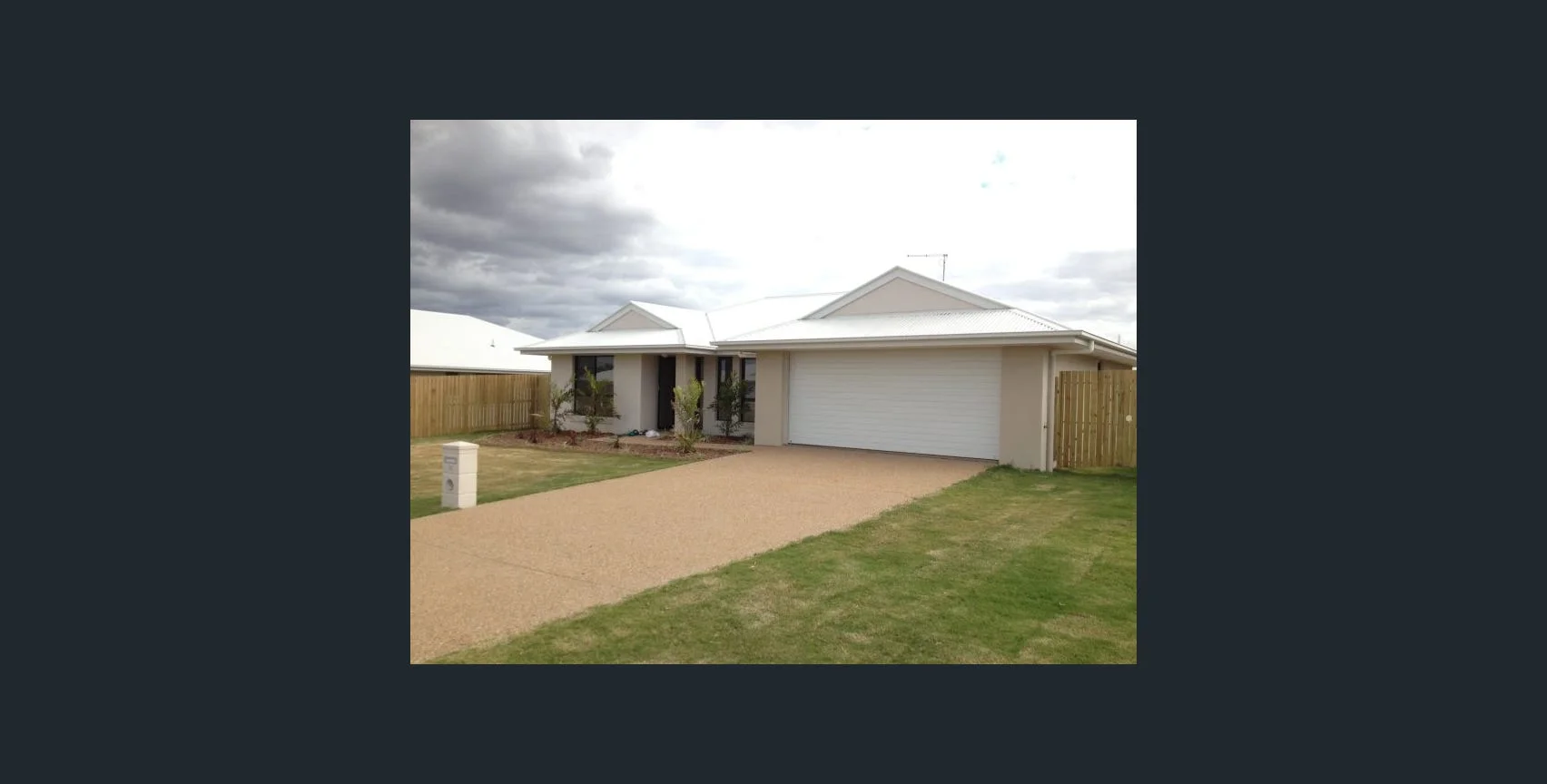 $550
House
$550
House
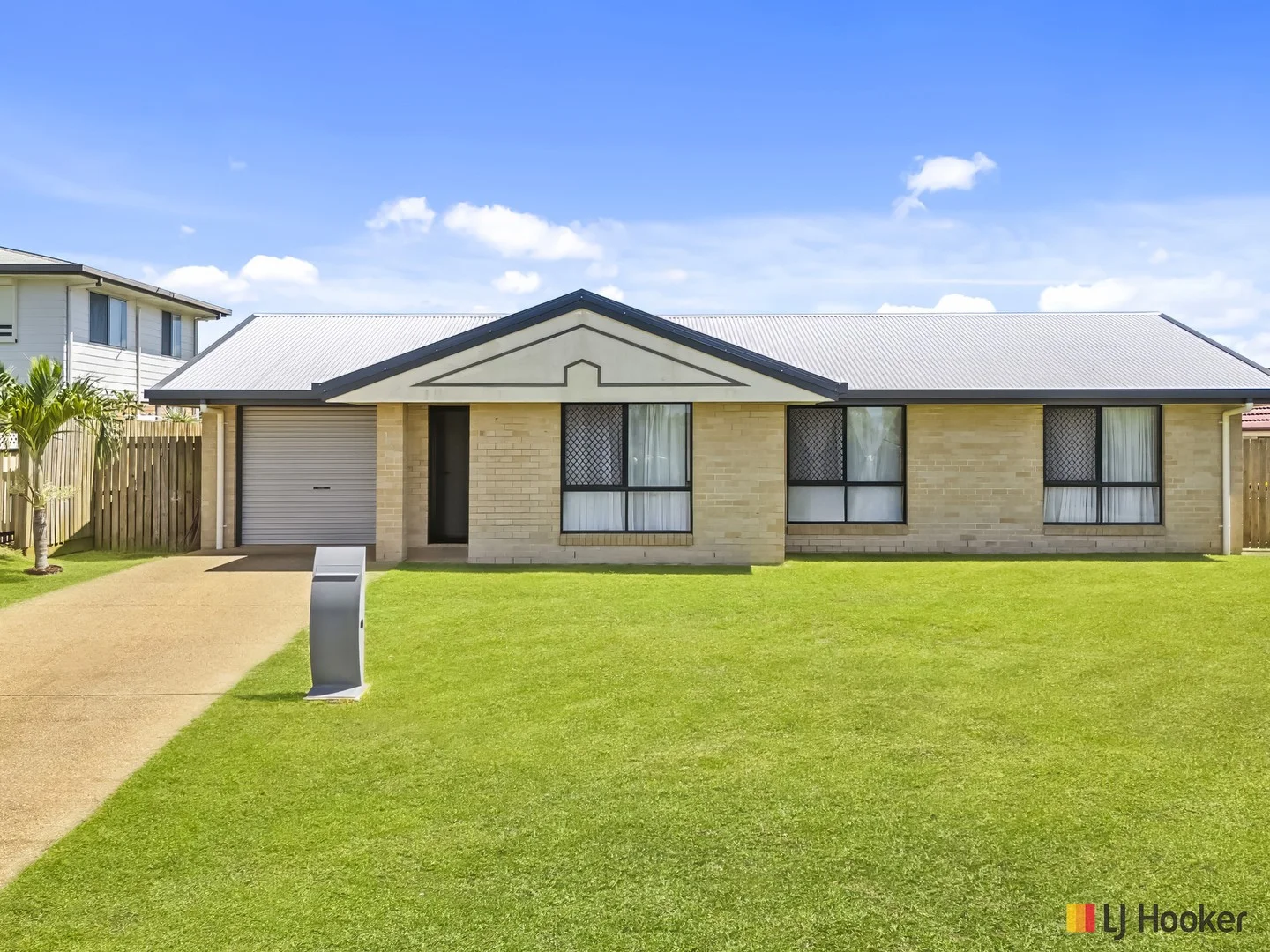 $517,750
House
$517,750
House
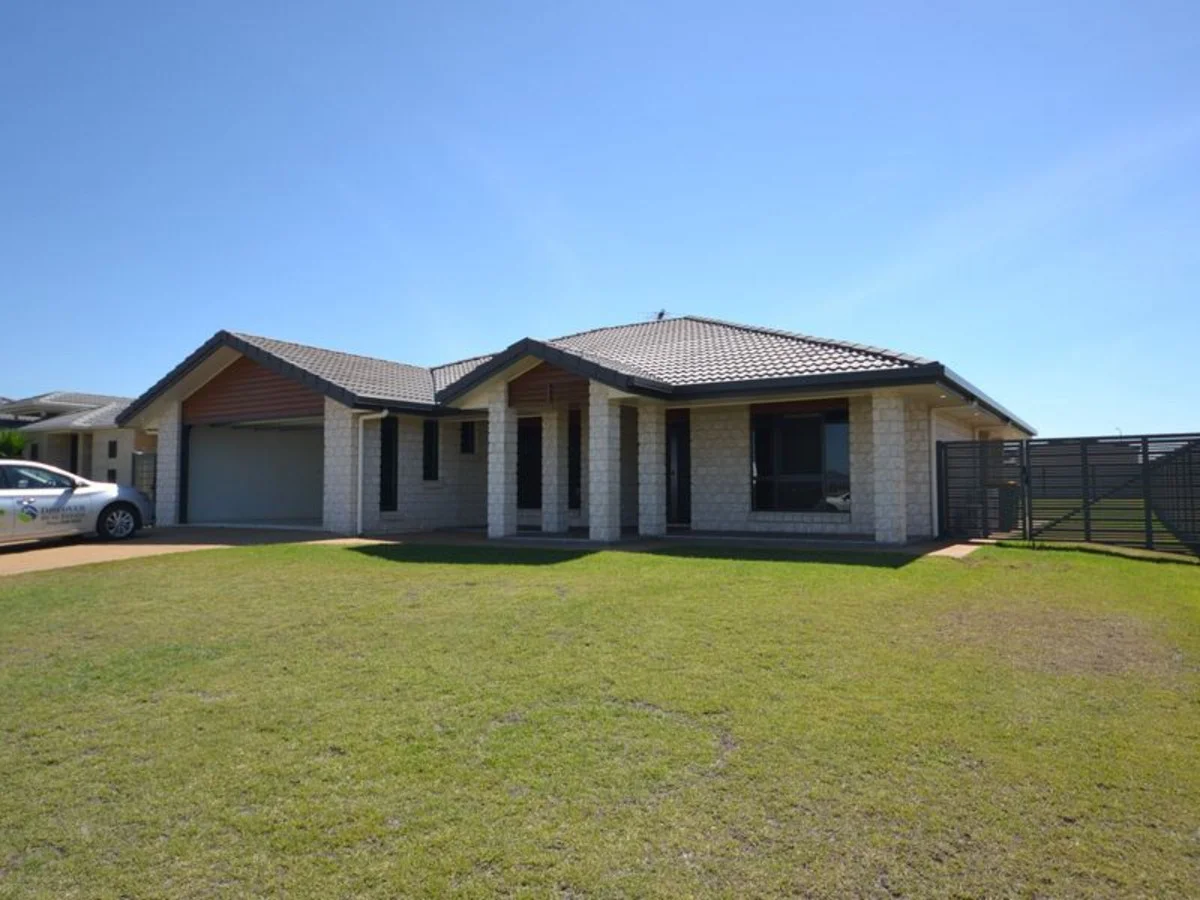 $680
House
$680
House
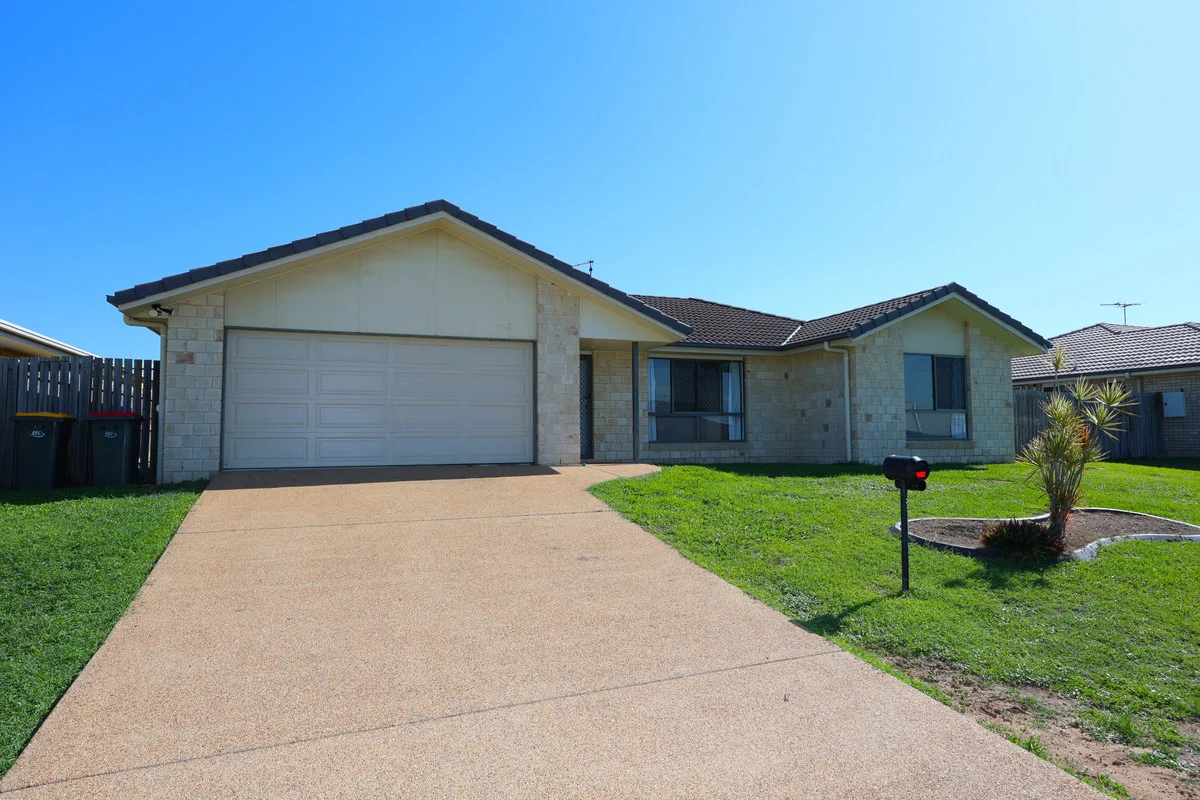 $680
House
$680
House
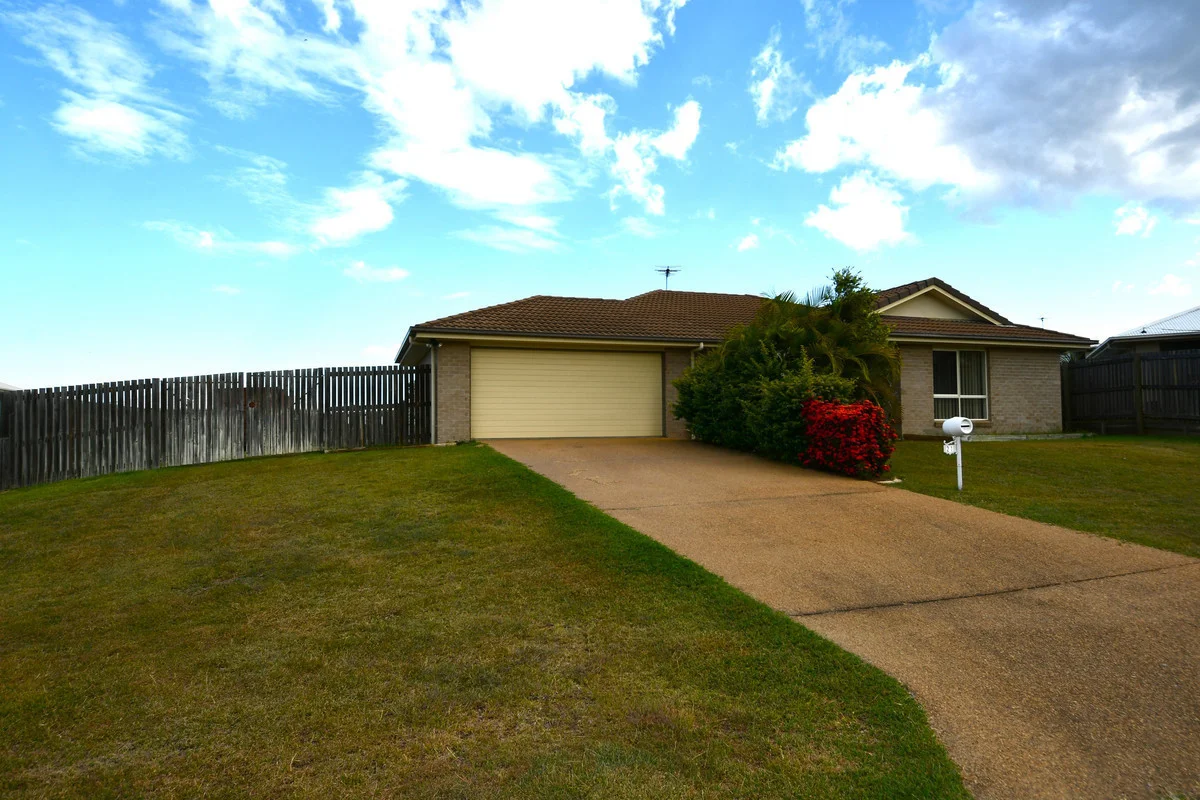 $530
House
$530
House
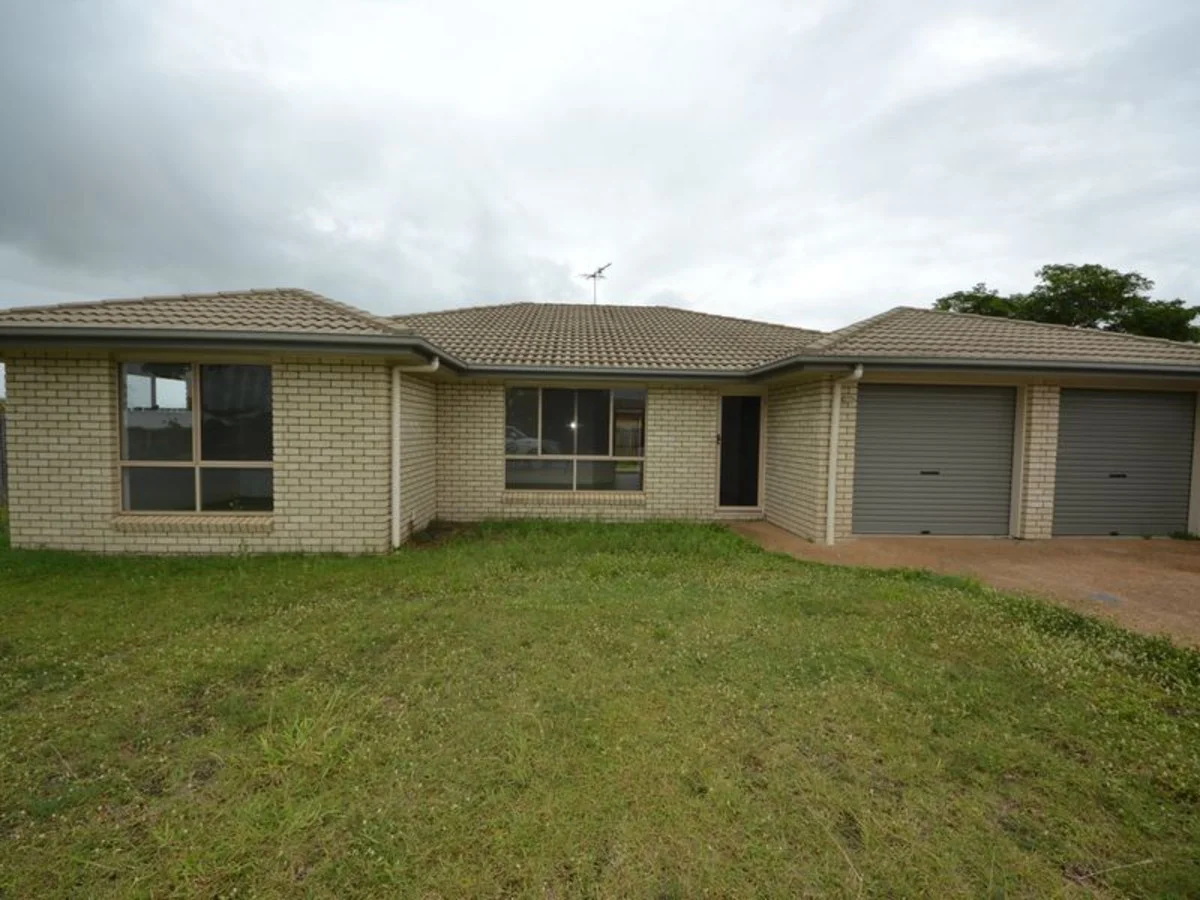 $640
House
$640
House
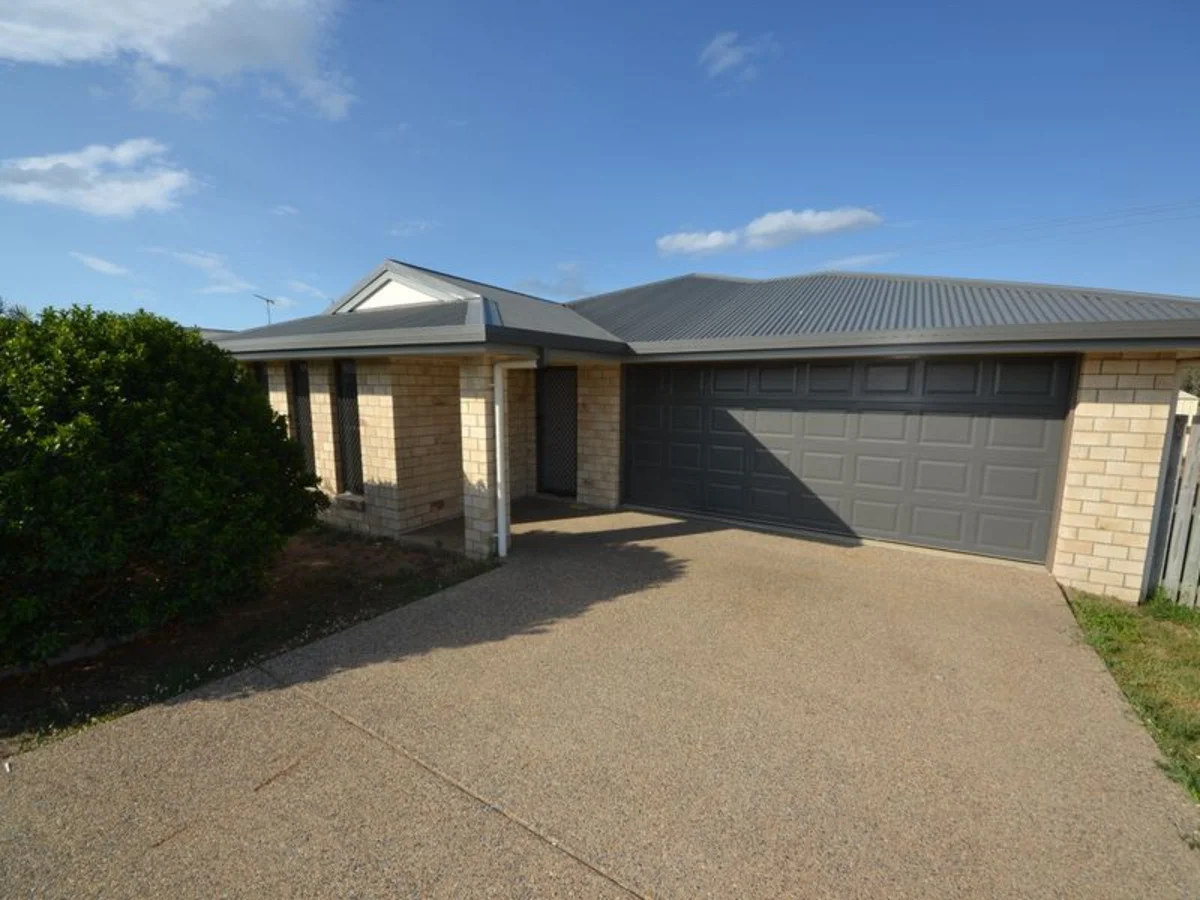 $530
House
$530
House
 $570
House
$570
House
 $680,000
Vacant Land
$680,000
Vacant Land