## 1. Overview
Maryland Public School is a public primary school serving students from kindergarten through to Year 6. The school is a medium-sized community focused on providing a welcoming, inclusive learning environment where students are known, supported and challenged to grow.
Class sizes are typically around 20–25 students, with additional targeted support available for students who need it. The atmosphere is nurturing and collaborative, with a strong emphasis on student wellbeing, positive relationships, and a sense of belonging within the school community.
⸻
## 2. Academics & Learning
- Academic strengths: Strong focus on literacy and numeracy, with solid program provisions in STEM and digital technologies. The school also supports language development and rich literacy experiences across the curriculum.
- Special programs: Gifted and Talented (GT) opportunities, coding and robotics clubs, and inclusive arts programs (visual and performing arts).
- NAPLAN trends: Over recent years, trends show steady improvement in literacy and numeracy with outcomes commonly aligning with or above local/ state averages.
- Student-teacher ratios: Typical class environments around 1:18 or similar, with additional teacher aide support and small-group instruction as needed.
- Support for diverse learners: Dedicated Learning and Support Team, EAL (English as an Additional Language) assistance, and targeted interventions for students with SEN (Special Educational Needs).
⸻
## 3. Sports & Extracurricular Strengths
- Sports offered: Soccer, netball, rugby league, cricket, basketball, athletics, swimming and cross-country participation within district competitions.
- Strong teams or achievements: Active involvement in inter-school and district events, with opportunities to contribute to school teams and reps.
- Music, arts, drama programs: Regular music sessions, choir, school concerts, and opportunities to participate in drama and performing arts productions.
- Clubs: Robotics, chess, coding, debating, book club and other student-led interest groups.
- Partnerships: Connections with local clubs and community organizations for coaching, competitions and enrichment activities (e.g., local sport bodies and coding partnerships).
⸻
## 4. Wellbeing & Pastoral Care
- Anti-bullying approach: Proactive, whole-school anti-bullying policies, regular wellbeing activities and a clear reporting pathway for concerns.
- House system: House groups are used to foster belonging, healthy competition and teamwork across year levels.
- Counsellors / wellbeing officers: Access to school counsellors or wellbeing staff to support emotional and social development.
- Transition support for new students: Orientation sessions, buddy programs, and targeted transition activities to help new students settle in smoothly.
⸻
## 5. Facilities
- Sports grounds: On-site playing fields and courts suitable for PE and inter-school events.
- Libraries: Well-stocked library with reading programs and study spaces.
- Science labs: Dedicated spaces for practical science activities and investigations.
- Music/performing arts centers: Areas for music sessions, rehearsals and performances.
- Tech/innovation labs: Access to digital technology, coding and maker-type spaces.
- Cafeteria: On-site canteen or food service offering healthy meal options.
- Updated playgrounds: Safe, well-maintained playground equipment for break times.
⸻
## 6. School Values & Community Culture
- School values / mission: Focus on respect, responsibility, resilience and inclusion; a mission centered on student growth and wellbeing.
- Leadership style: Collaborative leadership with opportunities for student voice through councils or leadership roles; open communication with families.
- Behaviour expectations: Positive behaviour framework that emphasizes respectful, safe and inclusive conduct.
- Community reputation: Strong connections with families and local community; supportive and engaged parent involvement.
- Diversity & inclusion: Commitment to inclusive practices that welcome students from diverse backgrounds and learning needs.
⸻
## 7. School Logistics & Daily Operations
- School hours: Typical day runs from 9:00 am to 3:00 pm, with care options available around those times.
- Before/after school care: OSHC or comparable before/after school care arrangements available.
- Uniform requirements: School uniform policy in place; appropriate hats and footwear for outdoor activities.
- Transport (bus routes): Local bus routes and public transport access to assist with commuting; drop-off/pick-up zones designed for safety.
- Canteen availability: On-site canteen or planned meal program offering healthy options.
- Fees (low/medium/high ranges): As a public school, costs are generally low, with only modest voluntary contributions and occasional charges for excursions or optional activities.
⸻
## 8. Enrolment & Admissions
11. What is the enrolment process and timeline?
- Check catchment eligibility and available year levels.
- Prepare required documents (birth certificate, immunisation records, proof of address, etc.).
- Submit enrolment through the NSW Department of Education process (local school intake may provide guidance).
- Await placement information and complete any orientation steps if offered.
- Receive notification of enrollment and attend any required transition activities.
12. Is there a waiting list, and how does it work?
- A waiting list may operate when year levels are full. Priority typically follows catchment guidelines and placement availability. Families are contacted if a place becomes available, and the enrolment timeline will align with the school’s admission cycle.
13. Are there any entry requirements, tests, or interviews?
- For standard enrolment, there are usually no entrance tests for primary education. Some programs (e.g., GT or special programs) may involve eligibility checks or short interviews as part of the program placement process.
14. Does the school accept mid-year transfers?
- Yes, subject to vacancy availability. Prospective mid-year transfers should contact the school early to discuss spaces, transition support, and any required documentation.
⸻
## 9. Frequently Asked Questions
- Why Parents Choose This School?
- A welcoming, inclusive community with strong literacy/numeracy foundations, broad extracurricular opportunities, and a focus on wellbeing and belonging.
- What type of student thrives at this school?
- Curious, respectful, collaborative students who enjoy learning across core subjects and participating in sports, arts and clubs.
- What opportunities are available for students to extend their skills (academics, sports, arts)?
- Access to GT opportunities, coding and robotics clubs, enrichment in STEM and arts, school teams in sports, and performance opportunities in music and drama.
- How does the school communicate with parents?
- Regular newsletters and emails, a school portal or messaging app, parent-teacher conferences, and notice boards for upcoming events.
- What is the school’s approach to teaching and learning?
- Student-centered, evidence-based teaching with differentiation to meet diverse needs; emphasis on active learning, reading development and numeracy mastery.
- How does the school support students who need extra academic help?
- Learning and Support Team, targeted interventions, EAL support, and access to classroom aides as needed.
- What support is available for academic challenges?
- Early identification, targeted interventions, tutoring options within the school or through community programs, and regular progress reviews with families.
- How does the school communicate with parents? (duplication)
- See above: newsletters, portals, conferences, and timely updates about student progress and events.
- What are the class sizes and how much individual attention do students receive?
- Typical classes around 20–25 students; additional targeted support and small-group instruction are available to provide more individualized attention.
- What extracurricular and sports opportunities are available?
- A broad range of sports (team and individual), music and drama programs, robotics, chess, coding and debating clubs, and inter-school activities.
- What facilities does the school offer (sports, science, arts)?
- Sports grounds, libraries, science labs, music/performing arts spaces, technology/innovation labs, a canteen, and well-equipped playgrounds.
- What is the school’s approach to technology and digital learning?
- Integrated digital learning across the curriculum, with access to devices, coding and robotics programs, and online resources to support learning.
- What transport and accessibility options are available?
- Local bus routes and other transport options to support access, with safe drop-off/pick-up zones and accessible facilities.
- What are the typical school fees or additional costs?
- Public school fees are generally low; there are voluntary contributions and small charges for certain excursions or optional activities.
⸻
## 10. Short Pros & Cons list
- Pros
- Inclusive, supportive learning environment with strong wellbeing support
- Solid literacy and numeracy foundations and ongoing focus on STEM and technology
- Broad range of extracurriculars (sports, arts, clubs)
- Engaged community and clear communication with families
- Moderate class sizes and targeted support for diverse learners
- Cons
- As a public primary school, may have fewer specialized programs than private schools
- Availability of some programs or spaces may depend on enrolment and timetable
- Transport options may vary by location and can affect after-school travel for some families
⸻





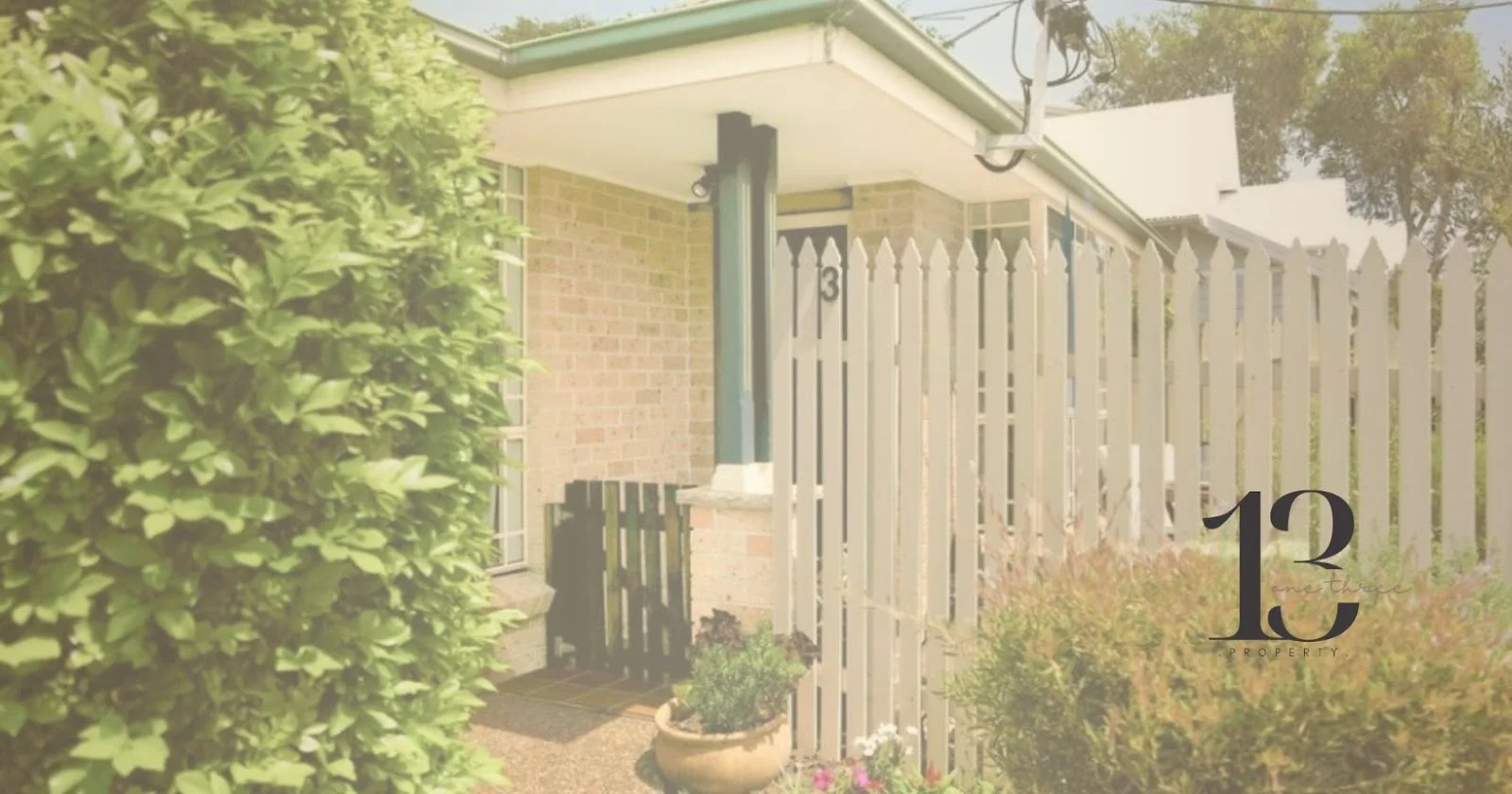 $795,000
Townhouse
$795,000
Townhouse
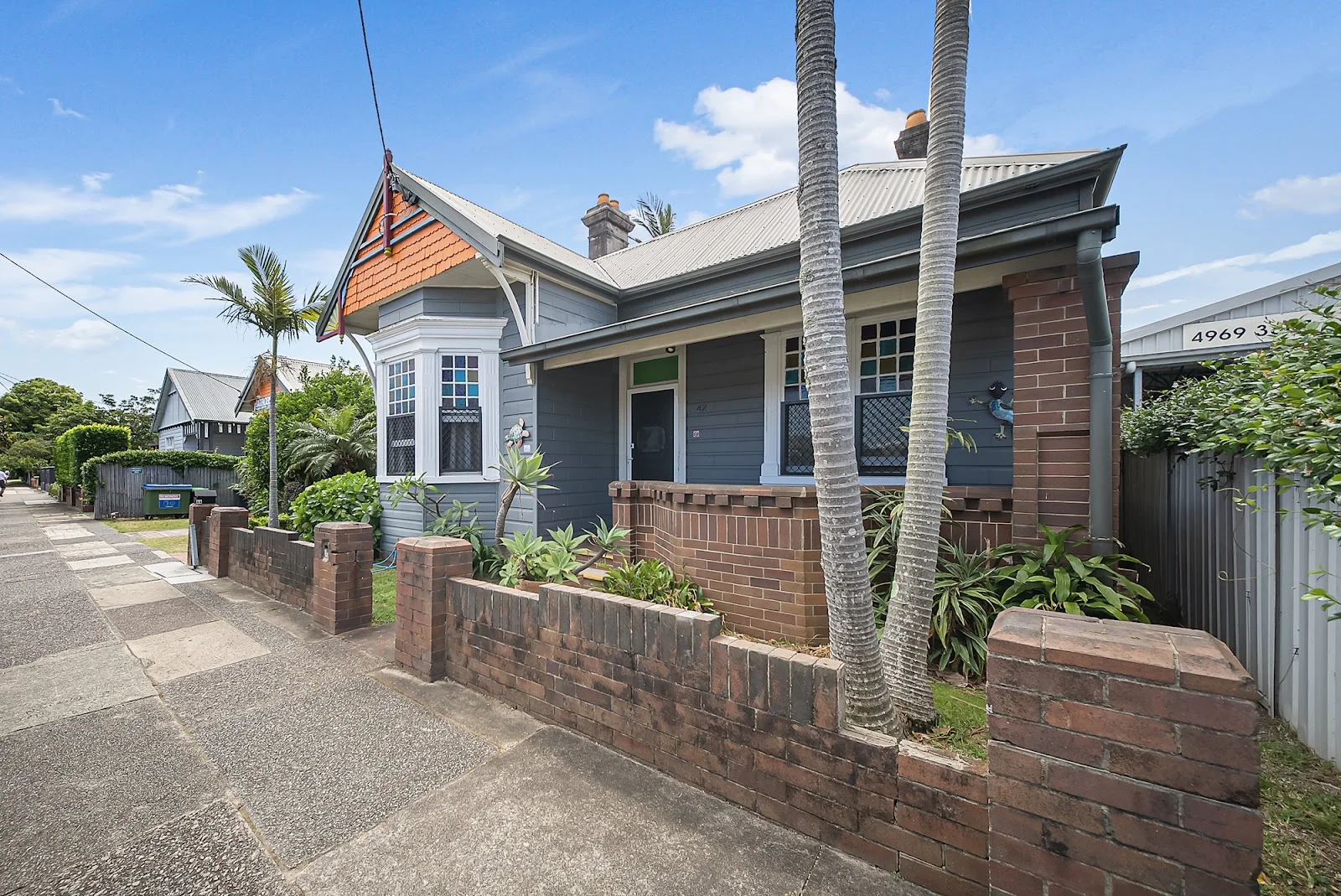 $2,000,000
propertyType.BLOCK OF UNITS
$2,000,000
propertyType.BLOCK OF UNITS
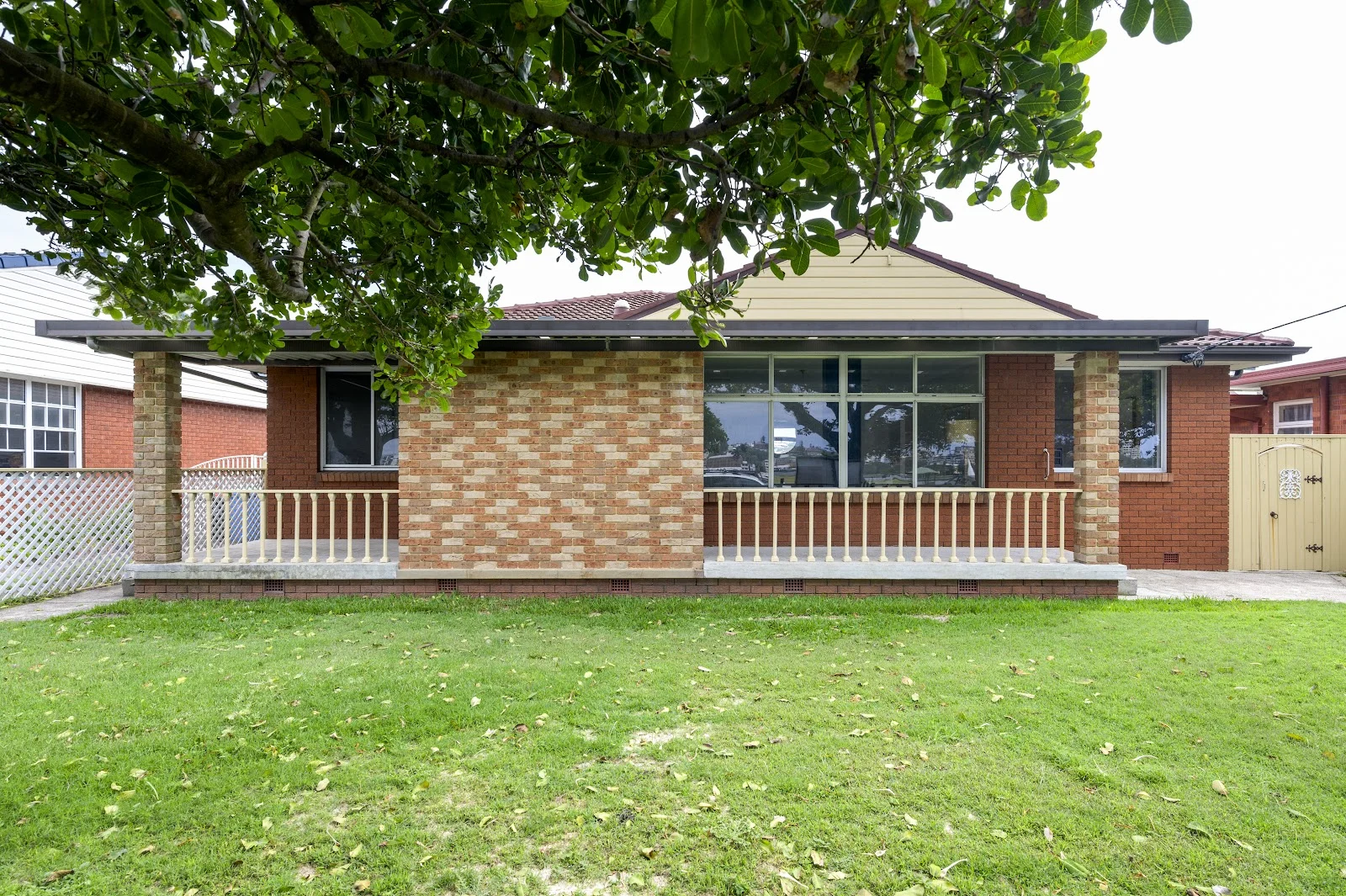 $2,500,000
House
$2,500,000
House
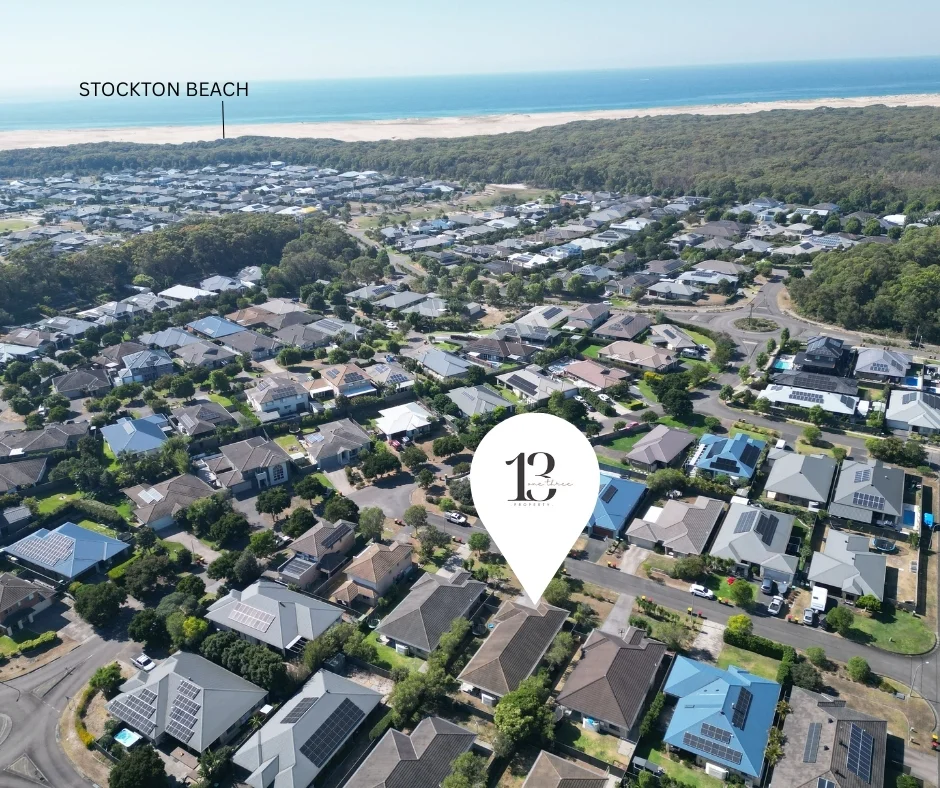 $900,000 - $990,000
House
$900,000 - $990,000
House


