## Overview
Plattsburg Public School is a public primary school serving families in the Wallsend area. It focuses on providing a supportive, inclusive learning environment where students develop essential literacy, numeracy and social skills through a balanced program.
The school is medium-sized, offering a friendly, close-knit atmosphere with classroom experiences designed to nurture curiosity and resilience. Class sizes are typical for NSW public primary schools, generally in the 20–25 student range, and the campus supports a broad range of student abilities and interests.
⸻
## Academics & Learning
- Academic strengths: Strong emphasis on literacy and numeracy, with opportunities to engage in STEM activities, practical science, and hands-on learning. The school also supports literacy across subjects and offers leadership and project-based activities to develop higher-order thinking.
- Special programs: Gifted & Talented opportunities and accelerated learning options may be available; targeted programs and enrichment activities are offered to extend capable students. Leadership and student agency programs are encouraged.
- NAPLAN trends: NSW public schools track year-to-year trends; the school participates in NAPLAN and provides families with ongoing performance context and progress over time.
- Student-teacher ratios: Typical NSW primary ratios; classes are led by qualified teachers with support staff as needed to maintain engaging, inclusive learning experiences.
- Support for diverse learners: EAL/ESL support and a dedicated focus on inclusive education, with school-based support staff (e.g., SLSOs) to assist students with additional learning needs.
⸻
## Sports & Extracurricular Strengths
- Sports offered: A range of ball sports, athletics, swimming, and general fitness activities commonly available in primary settings.
- Strong teams or achievements: The school participates in local and district-level competitions and events, celebrating teamwork, sportsmanship and schools’ achievements.
- Music, arts, drama programs: Regular opportunities to engage in pupils’ music and performing arts, including choir, school concerts and theatre-style experiences.
- Clubs: Robotics, coding, chess, debating and other enrichment clubs are commonly offered to extend student interests beyond the classroom.
- Partnerships: Connections with local clubs, community sport programs, and inter-school activities provide additional competitive and learning opportunities.
⸻
## Wellbeing & Pastoral Care
- Anti-bullying approach: Clear anti-bullying policies, student wellbeing initiatives, buddy programs and restorative practices to foster a safe environment.
- House system: A house-based structure is used to build belonging, friendly competition and teamwork across year levels.
- Counsellors / wellbeing officers: Access to school wellbeing staff and support services to help students manage social, emotional or academic challenges.
- Transition support for new students: Orientation activities, buddy systems and targeted onboarding to help new students settle in smoothly.
⸻
## Facilities
- Sports grounds: Open spaces and athletic facilities for outdoor activities and sport.
- Libraries: On-site library resources supporting reading, research and digital learning.
- Science labs: Practical space for science experiments and inquiry-based learning.
- Music/performing arts centers: Areas dedicated to music, drama and performance activities.
- Tech/innovation labs: Spaces for coding, robotics anddigital projects.
- Cafeteria: On-site canteen or dining facilities supporting healthy eating during the school day.
- Updated playgrounds: Modern, safe outdoor play areas for recreation and physical activity.
⸻
## School Values & Community Culture
- School values / mission: A culture built on respect, responsibility, resilience and cooperation, with a focus on developing well-rounded individuals.
- Leadership style: Collaborative and inclusive, encouraging student voice and leadership through councils and role-model programs.
- Behaviour expectations: Clear code of conduct with consistent, fair expectations and positive reinforcement.
- Community reputation: A welcoming school community with strong partnerships between staff, families and local organisations.
- Diversity & inclusion: Commitment to an inclusive environment that supports students from diverse backgrounds and with varying learning needs.
⸻
## School Logistics & Daily Operations
- School hours: Typical day runs mornings to mid-afternoon, with start and finish times aligned to NSW public school schedules.
- Before/after school care: After-school care or supervision programs may be available (OSHC or similar) to support families.
- Uniform requirements: School uniform policy is followed; details provided by the school.
- Transport (train/bus routes): NSW transport options are available in the local area; the school can advise on service routes and accessibility.
- Canteen availability: On-site canteen or food service options are available to support student meals and snacks.
- Fees (low/medium/high ranges): Public schools do not charge tuition; there are voluntary contributions and optional extras, with costs typically in the low-to-medium range.
⸻
## Enrolment & Admissions
11. What is the enrolment process and timeline?
- Check local catchment eligibility and preferences for enrolment.
- Submit an enrolment application through the school (or NSW Department of Education process) with required documents.
- Provide proof of identity and residence, immunisation records, and any prior school information.
- The school processes applications according to NSW guidelines and communicates timelines for acceptance, orientation and commencement.
12. Is there a waiting list, and how does it work?
- If the school is oversubscribed, enrolments are prioritised by catchment status and special circumstances.
- Where space allows, applicants may be placed on a waitlist and contacted as vacancies arise.
- Parents can stay in touch with the school to monitor status and any required steps.
13. Are there any entry requirements, tests, or interviews?
- Generally, NSW public primary schools do not require entrance tests or formal interviews for enrolment.
- Some programs or support services may involve assessments or discussions to determine appropriate support needs, but these are typically focused on planning and inclusivity rather than selection.
14. Does the school accept mid-year transfers?
- Mid-year transfers are possible based on available space and alignment with NSW enrolment policies.
- Prospective families should contact the school early, supply latest academic records and relevant documents, and complete the transfer process as directed.
⸻
## Frequently Ask Questions
- Why Parents Choose This School?
- A supportive, inclusive environment with a focus on wellbeing, solid literacy/numeracy foundations and opportunities to explore STEM, arts and sport.
- What type of student thrives at this school?
- Curious, cooperative learners who value a balanced approach to academics, sport and creative arts; students who respond well to a collaborative, supportive community.
- What opportunities are available for students to extend their skills (academics, sports, arts)?
- Enrichment programs, leadership opportunities, clubs (robotics, coding, chess, debating), music and performing arts activities, and regular participation in local sport events.
- How does the school communicate with parents?
- Regular updates through newsletters, notes, parent portals or apps, along with reports and opportunities to attend school events and meetings.
- What is the school’s approach to teaching and learning?
- Client-centered, inclusive teaching with a focus on foundational skills, critical thinking, problem-solving and real-world connections.
- How does the school support students who need extra academic help?
- Targeted support from teachers and learning support staff, EAL/ESL assistance, intervention programs and access to appropriate resources.
- What support is available for academic challenges?
- Additional tutoring, small-group instruction and individualized plans where needed to help students meet learning goals.
- How does the school communicate with parents? (Repeated)
- Ongoing, transparent communication through multiple channels, including updates from teachers, announcements and scheduled meetings.
- What are the class sizes and how much individual attention do students receive?
- Class sizes typically range around 20–25 students, with teachers providing differentiated instruction and targeted support to meet individual student needs.
- What extracurricular and sports opportunities are available?
- A variety of sports, music/arts programs, and clubs such as robotics, coding, chess and debating, with opportunities to compete in local events.
- What facilities does the school offer (sports, science, arts)?
- Sports grounds, library, science labs, music/performing arts spaces, tech/innovation labs, canteen, and updated playgrounds.
- What is the school’s approach to technology and digital learning?
- Integration of digital tools to support learning, coding and responsible use of technology, with opportunities for students to develop computational thinking and digital literacy.
- What transport and accessibility options are available?
- Access to public transport options and school information on routes and accessibility; support is available to help families plan travel to and from school.
- What are the typical school fees or additional costs?
- As a public school, there is no tuition, with potential voluntary contributions and optional extras for activities and resources.
⸻
## Short Pros & Cons list
- Pros
- Supportive, inclusive community with strong focus on wellbeing
- Balanced academic program with literacy, numeracy, STEM and arts
- Wide range of extracurricular activities and clubs
- Positive emphasis on student leadership and belonging (house system)
- Accessible facilities and active engagement with families
- Cons
- Large or growing catchment areas can mean wait times for enrolment during peak periods
- Availability of some specialist programs may vary year to year
- Transport options depend on local services and may require planning for some families
⸻
If you’d like, I can tailor any section to include more specific, up-to-date details you provide or help compare Plattsburg Public School with nearby options.




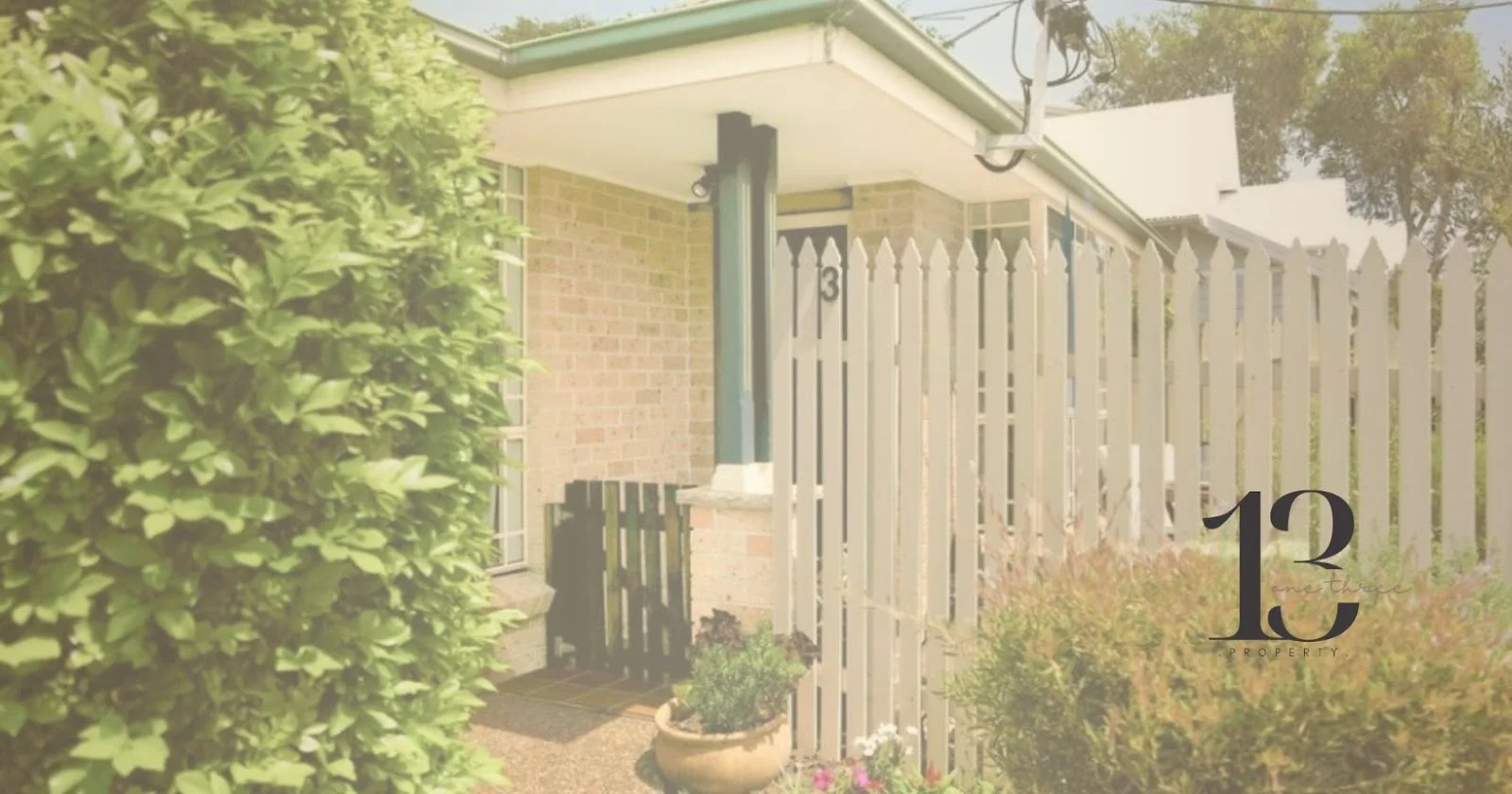 $795,000
Townhouse
$795,000
Townhouse
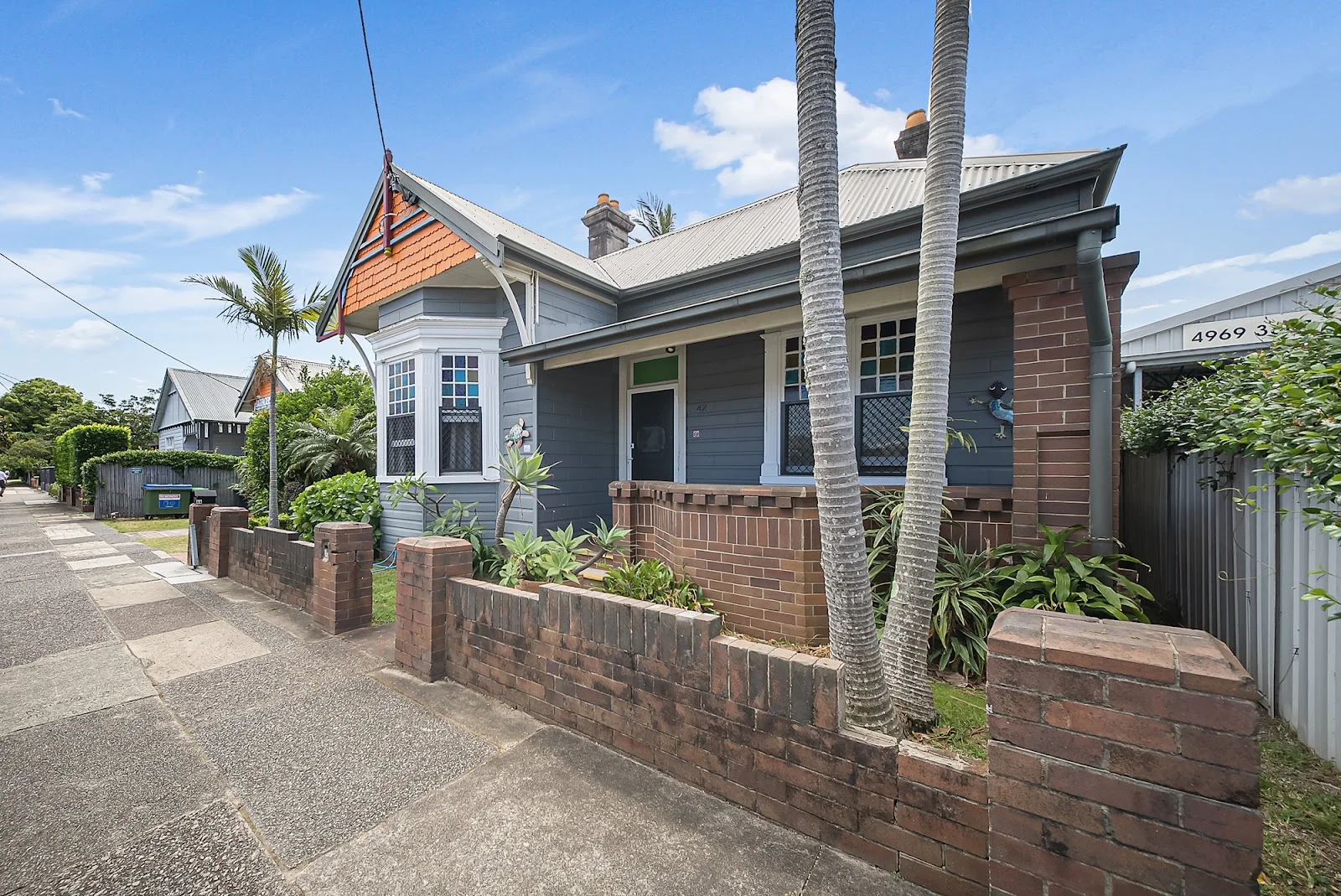 $2,000,000
propertyType.BLOCK OF UNITS
$2,000,000
propertyType.BLOCK OF UNITS
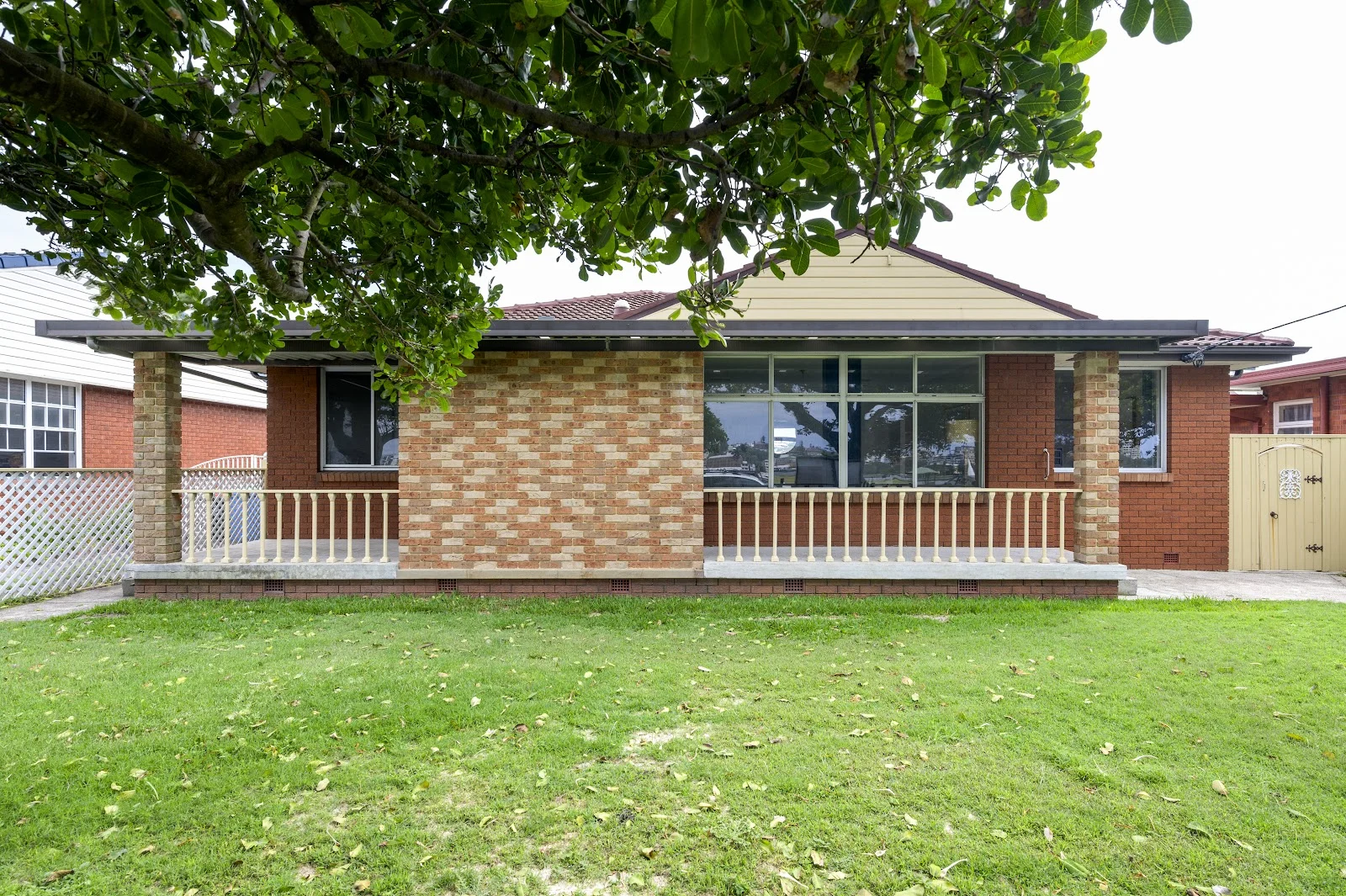 $2,500,000
House
$2,500,000
House
 $900,000 - $990,000
House
$900,000 - $990,000
House


