1. Overview
St Patrick’s Primary School – Wallsend is a Catholic, community-focused primary school serving families in Wallsend, NSW. As a Catholic school within the systemic network, it prioritises faith-based learning, care, and student wellbeing within a small-to-medium school setting. The school aims to create a nurturing, inclusive atmosphere where students feel valued and supported both academically and socially.
- School type: Catholic
- School size: Medium
- Class size: Approximately 20–25 students per class
- Atmosphere/culture: Nurturing, inclusive, faith-driven, with a balanced emphasis on academics and wellbeing
⸻
2. Academics & Learning
St Patrick’s emphasises strong literacy and numeracy foundations alongside religious education and character development. The school supports students to grow in confidence, critical thinking, and collaboration through differentiated teaching and engaging learning experiences.
- Academic strengths: English and Maths focus, science exploration, and robust Religious Education; emphasis on literacy and numeracy across the curriculum; opportunities for leadership within classrooms and school activities
- Special programs: Leadership opportunities for students; potential gifted/talented extension in targeted areas; digital learning and hands-on STEM activities
- NAPLAN trends: Historical trends show stable to improving performance in reading and numeracy over recent years; ongoing focus on literacy and numeracy improvements
- Student-teacher ratios: Approximately 1:20–1:22
- Support for diverse learners: EAL/D support; targeted assistance and inclusive education for students with additional learning needs (SEN)
⸻
3. Sports & Extracurricular Strengths
A broad mix of sport, arts, and clubs helps students develop teamwork, discipline, and creativity.
- Sports offered: Rugby league, soccer, cricket, netball, athletics, and general fitness activities
- Strong teams or achievements: Participation in local and diocesan-level school sports events; competitive contribution to regional school sport programs
- Music, arts, drama programs: School choir and music activities; opportunities to participate in drama and school productions
- Clubs: Robotics, coding, chess, debating, and other interest-based clubs
- Partnerships: Connections with local community clubs and diocesan events/competitions to broaden opportunities
⸻
4. Wellbeing & Pastoral Care
Wellbeing and pastoral care are central to the school culture, with structures to support every student’s sense of safety and belonging.
- Anti-bullying approach: Positive behaviour policies, anti-bullying programs, and respectful relationships education; level-appropriate interventions and student support
- House system: House-based activities that foster belonging, teamwork, and healthy competition
- Counsellors / wellbeing officers: Access to school wellbeing staff and support services for students and families
- Transition support for new students: Orientation experiences, buddy programs, and gradual integration processes to help new students settle
⸻
5. Facilities
The school provides a welcoming, well-equipped environment to support learning and activities.
- Sports grounds
- Libraries
- Science labs
- Music/performing arts centers
- Tech/innovation labs
- Cafeteria
- Updated playgrounds
⸻
6. School Values & Community Culture
St Patrick’s promotes a strong Catholic values framework alongside a respectful, inclusive school culture.
- School values / mission: Catholic ethos emphasizing faith, service, respect, responsibility, and compassion
- Leadership style: Collaborative, with opportunities for student voice and leadership in classroom and school activities
- Behaviour expectations: Clear expectations grounded in the school’s values; consistent routines and positive reinforcement
- Community reputation: Viewed by families as a supportive, faith-centered learning community
- Diversity & inclusion: Commitment to equity and inclusion; supportive environment for students from diverse backgrounds
⸻
7. School Logistics & Daily Operations
Important day-to-day information to help families plan and participate.
- School hours: Typical primary school schedule (start in the morning, finish in the afternoon); exact times available on request
- Before/after school care: OSHC or similar after-school programs commonly available
- Uniform requirements: School uniform required, with stipulations for hats and other standard apparel
- Transport (train/bus routes): Local bus routes and public transport options accessible; school pickup/drop-off zones in place
- Canteen availability: Canteen services during lunch breaks or canteen days
- Fees (low/medium/high ranges): Catholic primary schools generally fall in the low-to-mid range for fees; specific amounts available on request
⸻
8. Enrolment & Admissions
11. What is the enrolment process and timeline?
- Typical process involves submitting an application, providing required documents, and near-term communication about eligibility and next steps. Open days or information sessions are usually offered; families are advised to check the official enrolment page for exact timelines.
12. Is there a waiting list, and how does it work?
- Yes, there may be a waiting list. Priorities often include siblings and alignment with diocesan admissions guidelines; vacancies are offered as they arise.
13. Are there any entry requirements, tests, or interviews?
- Generally, enrolment for primary years does not involve external testing. An interview or readiness discussion may occur, along with standard documentation and age requirements.
14. Does the school accept mid-year transfers?
- Mid-year transfers are considered subject to vacancy, placement needs, and alignment with the school’s intake processes.
⸻
9. Frequently Asked Questions
- Why Parents Choose This School?
- A Catholic, values-driven community with strong pastoral care, supportive staff, small-to-medium class sizes, and a balanced focus on academics, faith formation, and wellbeing.
- What type of student thrives at this school?
- Students who value a faith-informed community, inclusive environment, collaborative learning, and participation in sport, arts, and clubs.
- What opportunities are available for students to extend their skills (academics, sports, arts)?
- Leadership roles, gifted/talented extension where available, sports teams, music/drama activities, robotics and coding clubs, and opportunities to participate in community and diocesan events.
- How does the school communicate with parents?
- Regular newsletters, parent portals or apps, teacher conferences, and community information sessions.
- What is the school’s approach to teaching and learning?
- Differentiated, student-centered planning with emphasis on literacy and numeracy, religious education, and cross-curricular learning; focus on building skills, resilience, and critical thinking.
- How does the school support students who need extra academic help?
- Targeted learning support, classroom differentiation, and access to learning support staff and resources.
- What support is available for academic challenges?
- Additional tutoring or intervention plans, access to wellbeing staff, and collaboration with families to set goals.
- How does the school communicate with parents?
- See above; through multiple channels including newsletters, portals, and meetings.
- What are the class sizes and how much individual attention do students receive?
- Class sizes typically around 20–25 students, with a focus on providing teacher-led instruction and targeted support where needed.
- What extracurricular and sports opportunities are available?
- A range of sports (coded in section 3), plus clubs like robotics, coding, chess, debating, and arts programs.
- What facilities does the school offer (sports, science, arts)?
- Comprehensive facilities including sports grounds, libraries, science labs, music/performing arts spaces, tech/innovation labs, and a canteen.
- What is the school’s approach to technology and digital learning?
- Emphasis on digital literacy and safe, responsible use of technology; use of computer labs or devices as part of classroom learning.
- What transport and accessibility options are available?
- Local bus routes and public transport access; established drop-off/pick-up arrangements and accessibility considerations as needed.
- What are the typical school fees or additional costs?
- Fees fall in the low-to-mid range for NSW Catholic primary schools; additional costs may include excursions, uniforms, and voluntary contributions.
⸻
10. Short Pros & Cons list
- Pros
- Catholic ethos with a strong sense of community and support
- Nurturing, inclusive environment with small-to-medium class sizes
- Focus on literacy and numeracy alongside wellbeing and values education
- Broad range of extracurriculars (sport, arts, clubs, leadership)
- Active pastoral care, transition support, and family engagement
- Cons
- As a faith-based school, emphasis on Catholic values; may be less suitable for families seeking a secular environment
- Some programs and facilities may be more generalized than specialist independent schools
- Fees are applicable and may be a consideration for families comparing options
- Availability of mid-year transfers depends on vacancies and intake capacity





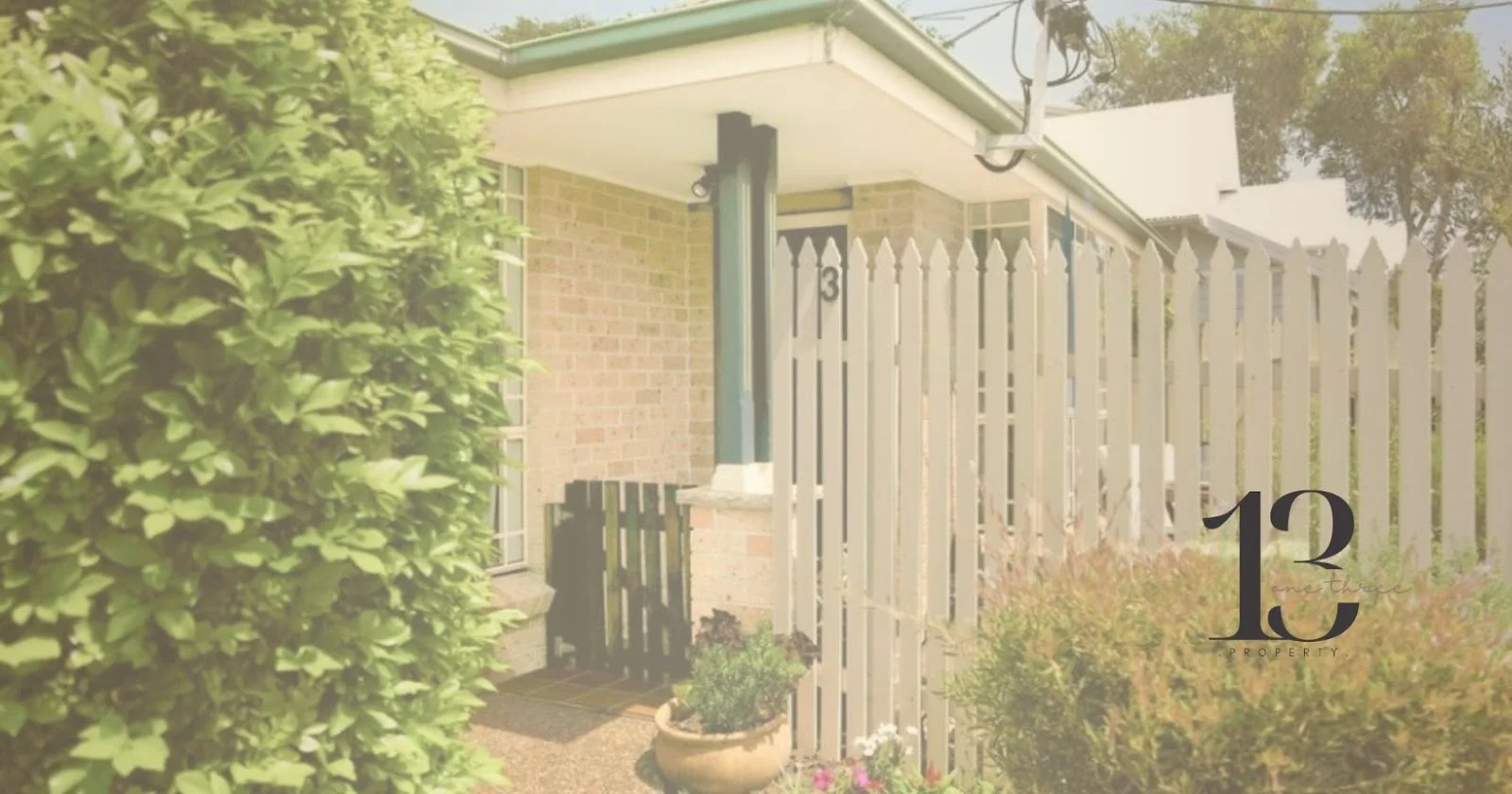 $795,000
Townhouse
$795,000
Townhouse
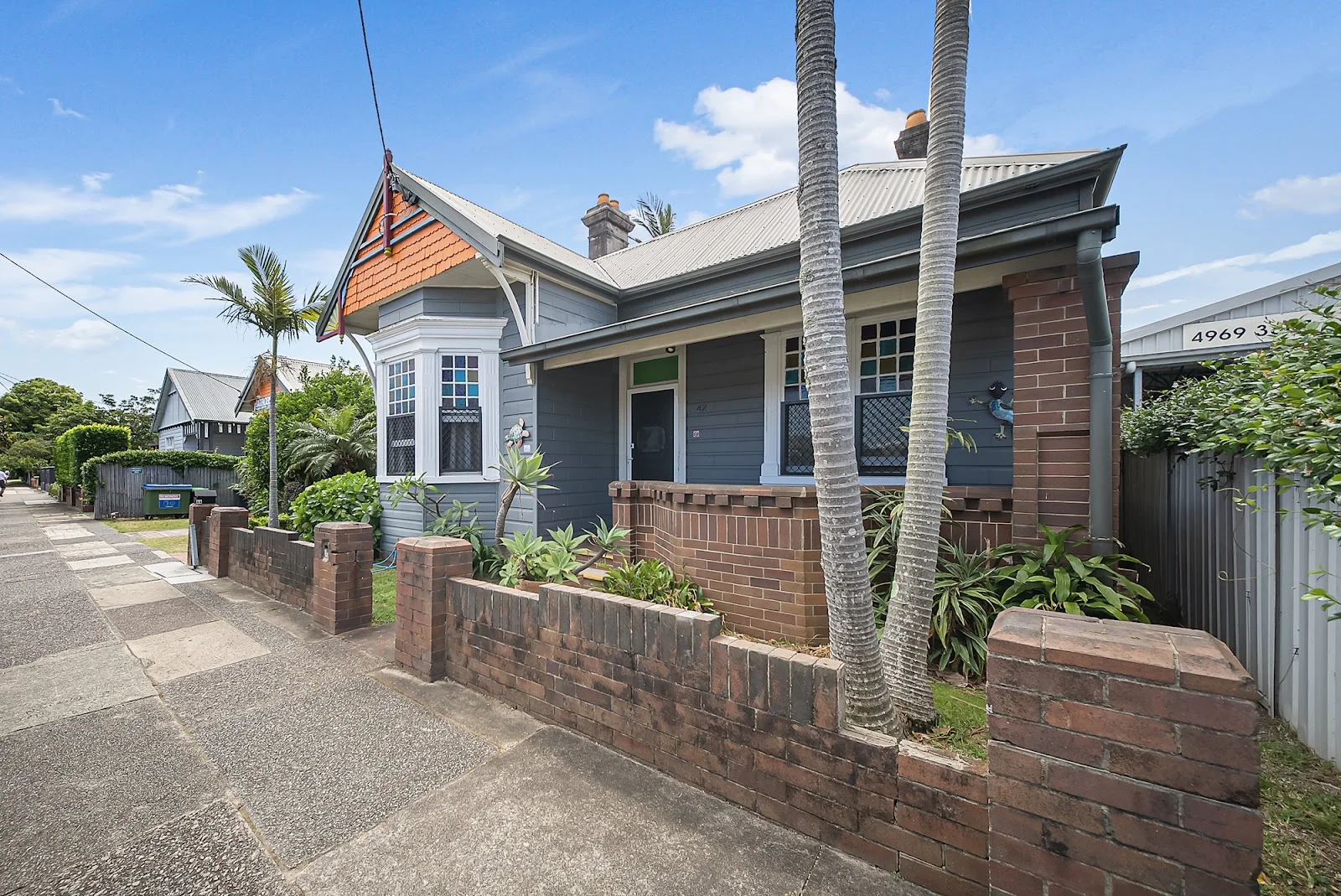 $2,000,000
propertyType.BLOCK OF UNITS
$2,000,000
propertyType.BLOCK OF UNITS
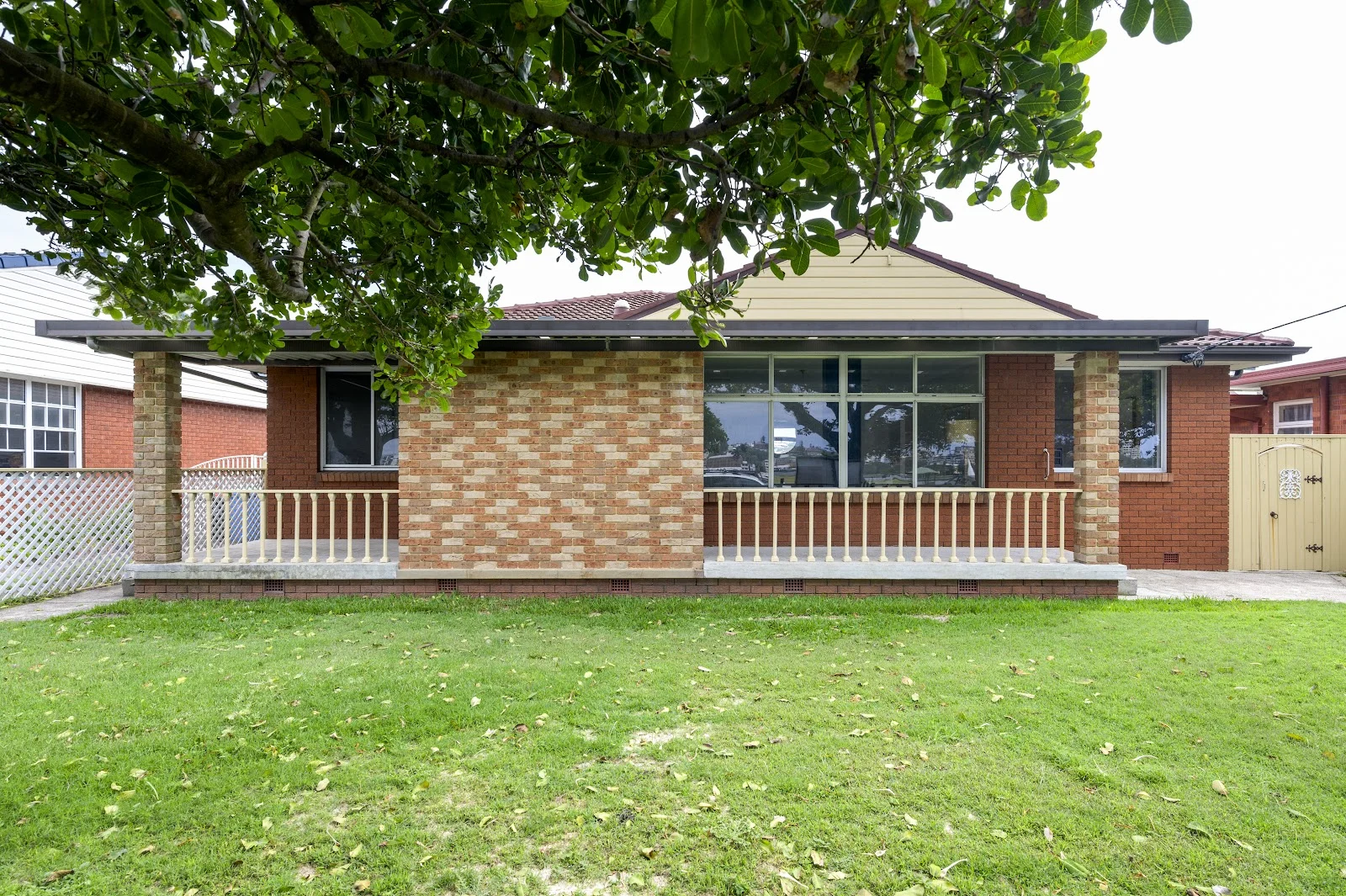 $2,500,000
House
$2,500,000
House
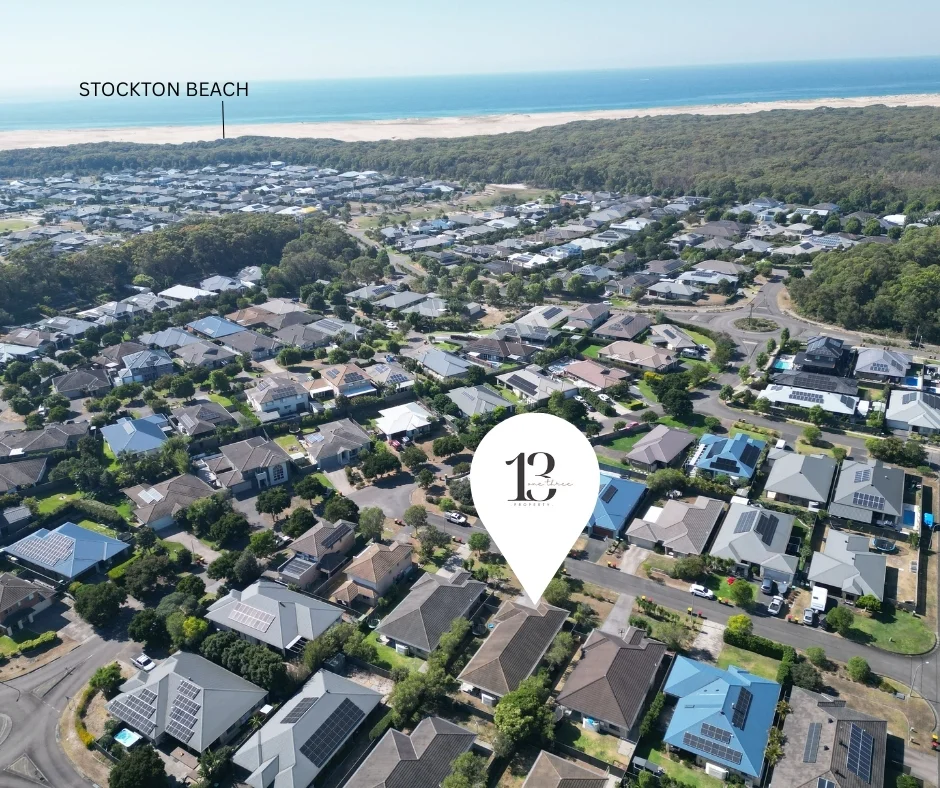 $900,000 - $990,000
House
$900,000 - $990,000
House


