Overview
## Overview
Private/independent Montessori school located in Brighton East. The college emphasises a child-centered, Montessori approach that fosters independence, curiosity and a collaborative learning culture. Classrooms are designed for small-group work and hands-on explorations, helping students develop confidence and responsibility.
Size: Medium. Class sizes typically range from 12–16 students per class. Atmosphere: Nurturing, inclusive and focused on personal growth, with an emphasis on academic enquiry, social development and a respectful school community.
⸻
## Academics & Learning
- Academic strengths: Strong literacy and numeracy foundations through Montessori materials, with emphasis on STEM inquiry, problem-solving and practical life skills. Languages and cultural studies are integrated to broaden communication and global awareness.
- Special programs: Montessori-based learning continuum with enrichment options; gifted and talented or extension opportunities may be available for students demonstrating advanced readiness.
- NAPLAN / trends: Positive progress shown across cohorts, with sustained growth in reading and numeracy and alignment with or above state averages over time.
- Student-teacher ratios: Approximately 1:8 to 1:12, supporting individualized attention and tailored learning pathways.
- Support for diverse learners: EAL support where needed; strongly inclusive approach with SEN supports and Individual Learning Plans to help every student participate fully.
⸻
## Sports & Extracurricular Strengths
- Sports offered: Soccer, netball, basketball, cricket, athletics and general fitness activities; strong emphasis on participation and skill development.
- Strong teams or achievements: Participation in inter-school events and regional competitions; focus on teamwork, resilience and sportsmanship.
- Music, arts, drama programs: Regular music lessons, school concerts, drama productions and performing arts opportunities to showcase creativity.
- Clubs: Robotics, chess, coding, debating and other enrichment clubs to extend learning beyond core subjects.
- Partnerships: Collaborations with local community clubs, robotics/tech partners and regional competitions to broaden opportunities beyond the classroom.
⸻
## Wellbeing & Pastoral Care
- Anti-bullying approach: Comprehensive anti-bullying policy with preventative education and restorative approaches to conflicts.
- House system: House-based activities and competitions to foster belonging and healthy peer relationships.
- Counsellors / wellbeing officers: Access to school counsellors and wellbeing staff to support social-emotional health.
- Transition support for new students: Welcome programs, buddy systems and transition orientations to help students settle in smoothly.
⸻
## Facilities
- Sports grounds: On-site play and athletic spaces suitable for a range of physical activities.
- Libraries: Resource-rich libraries with quiet reading areas and learning zones.
- Science labs: Dedicated spaces for hands-on experiments and inquiry-based learning.
- Music/performing arts centers: Facilities for music practice, performances and drama activities.
- Tech/innovation labs: Makerspaces and ICT facilities to explore coding, robotics and design.
- Cafeteria: On-site dining options with healthy choices and social spaces.
- Updated playgrounds: Modern, safe play areas designed to support active learning.
⸻
## School Values & Community Culture
- School values / mission: Emphasis on respect, curiosity, resilience, inclusivity and responsible citizenship; student leadership is encouraged.
- Leadership style: Collaborative and inclusive, with opportunities for student voice and teacher leadership in daily practice.
- Behaviour expectations: Clear positive-behaviour framework, focus on restorative practices and respectful interactions.
- Community reputation: Known for a family-friendly, supportive environment with strong parent involvement and constructive community engagement.
- Diversity & inclusion: Culturally aware and inclusive, with activities and programs that celebrate diversity and promote belonging.
⸻
## School Logistics & Daily Operations
- School hours: Typically a morning-to-mid-afternoon schedule (e.g., 9:00 am–3:30 pm) with some flexibility for after-care.
- Before/after school care: Available or arranged via on-site or partner programs to support working families.
- Uniform requirements: Standard school uniform policy with designated polo or shirt, bottoms/skirt, and seasonal adjustments.
- Transport (train/bus routes): Accessible by local bus routes and public transport; convenient drop-off and pick-up zones; information provided to families about transport options.
- Canteen availability: On-site canteen or lunch-order system offering healthy options.
- Fees (low/medium/high ranges): Mid to high range for private Montessori education, with potential variations by year level and program inclusions.
⸻
## Enrolment & Admissions
11. What is the enrolment process and timeline?
- Inquiries and information session to understand the Montessori program and school fit.
- Submit an application with required documents (birth certificate, immunization records, past reports if applicable).
- Enrolment review by the admissions team, followed by a family interview and, where appropriate, a student observation day in a Montessori setting.
- Offer of place, acceptance by family, and enrollment confirmation (including any deposit and timetable details).
12. Is there a waiting list, and how does it work?
- A waiting list operates when intake capacity is limited. Places are allocated based on availability, year level, and siblings where applicable. Timelines vary by cohort and year level; prospective families are kept informed about expected wait times.
13. Are there any entry requirements, tests, or interviews?
- Entry typically involves a family interview and student observation rather than high-stakes testing. Readiness for Montessori environments (e.g., independence, ability to engage in hands-on tasks) is considered. Documentation such as immunisation and age eligibility is required.
14. Does the school accept mid-year transfers?
- Yes, subject to space and suitability of the program fit. Mid-year transfers require a placement assessment, documentation, and coordination with the admissions team to ensure a smooth transition.
⸻
## Frequently Asked Questions
- Why Parents Choose This School?
- Parents value the Montessori approach, small class sizes, and a nurturing, academically rigorous environment that supports independence and curiosity.
- What type of student thrives at this school?
- Students who enjoy hands-on learning, collaborative projects, and a community-oriented setting where they can progress at their own pace.
- What opportunities are available for students to extend their skills (academics, sports, arts)?
- Enrichment through Montessori-led studies, STEM exploration, arts and drama productions, music lessons, coding and robotics clubs, and inter-school competition participation.
- How does the school communicate with parents?
- Regular updates via newsletters, a parent portal, informal progress checks, parent-teacher conferences, and information sessions.
- What is the school’s approach to teaching and learning?
- Student-centered, inquiry-driven learning built on Montessori materials and hands-on experiences, with differentiation to meet diverse needs.
- How does the school support students who need extra academic help?
- Targeted support through small-group or one-on-one sessions, EAL and SEN accommodations, and individualized learning plans where appropriate.
- What support is available for academic challenges?
- Access to specialists (reading, writing, numeracy) and tailored strategies within the classroom and in after-school or extended-care settings.
- How does the school communicate with parents? (Repeated)
- See above: regular updates, portals, and meetings; open channels for questions and feedback.
- What are the class sizes and how much individual attention do students receive?
- Class sizes 12–16 students per class, with a high level of teacher accessibility and tailored guidance.
- What extracurricular and sports opportunities are available?
- Robotics, chess, coding, debating, music, drama and a range of team sports; participation in inter-school events and local competitions.
- What facilities does the school offer (sports, science, arts)?
- Sports grounds, libraries, science labs, music/performing arts facilities, tech/innovation labs, canteen and modern playgrounds.
- What is the school’s approach to technology and digital learning?
- Integrated ICT and digital-literacy elements within a Montessori framework; emphasis on responsible use, critical thinking and hands-on experimentation.
- What transport and accessibility options are available?
- Access to public transport options and local bus routes; clear drop-off/pick-up arrangements and accessibility considerations.
- What are the typical school fees or additional costs?
- Fees fall in the mid-to-high range for independent Montessori education, with potential additional costs for activities, excursions or specific programs.
⸻
## Short Pros & Cons list
- Pros
- Montessori-based, child-centered learning with small class sizes.
- Nurturing, inclusive environment and strong wellbeing supports.
- Rich extracurriculars across academics, arts, and sports.
- Clear pathways for parent involvement and communication.
- Cons
- Private school fees may be higher than local public options.
- Competitive intake cycles can mean waiting periods for some year levels.
- Admissions processes may require observation and interviews rather than standard testing.







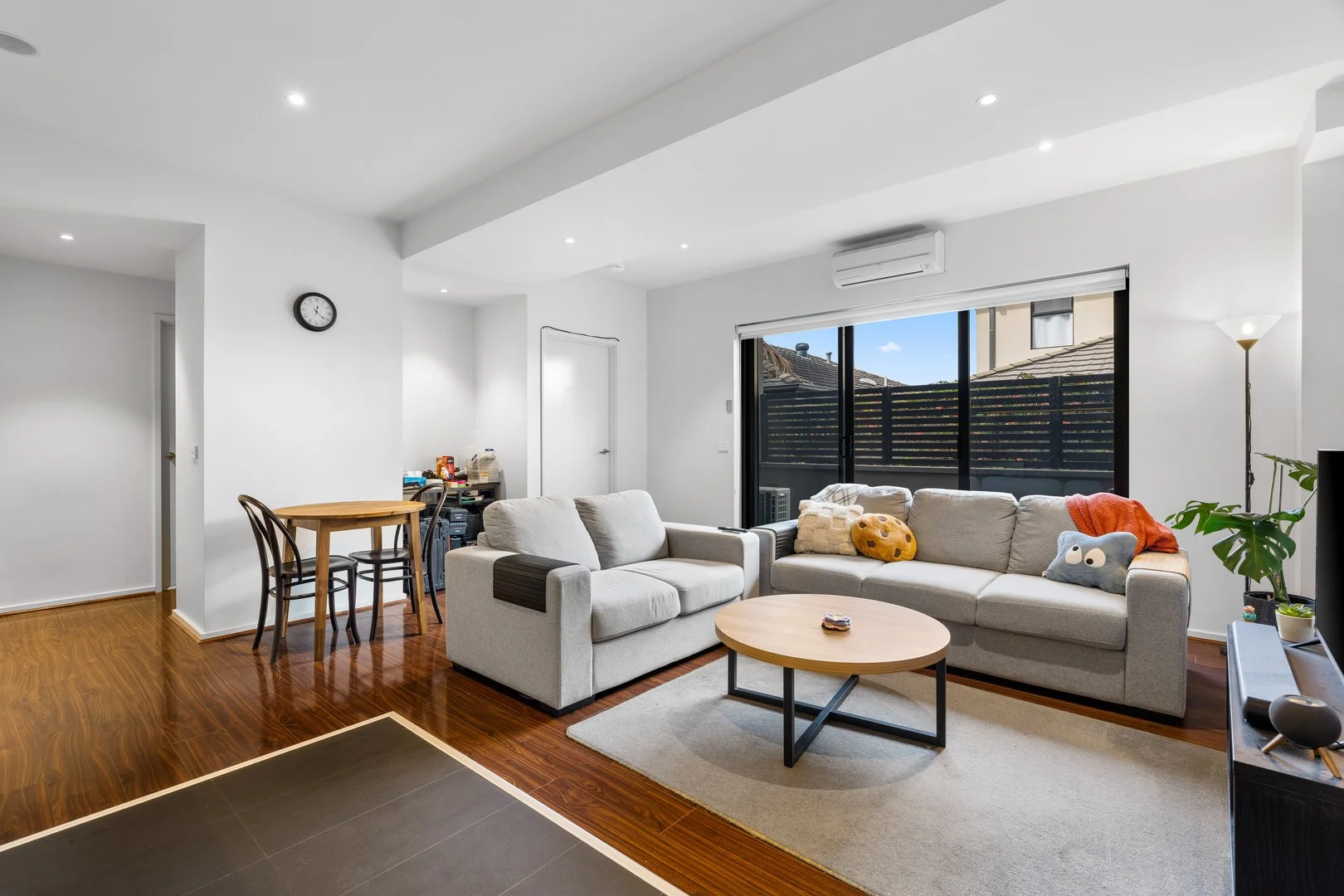 $385,000 - $410,000
Apartment / Unit / Flat
$385,000 - $410,000
Apartment / Unit / Flat
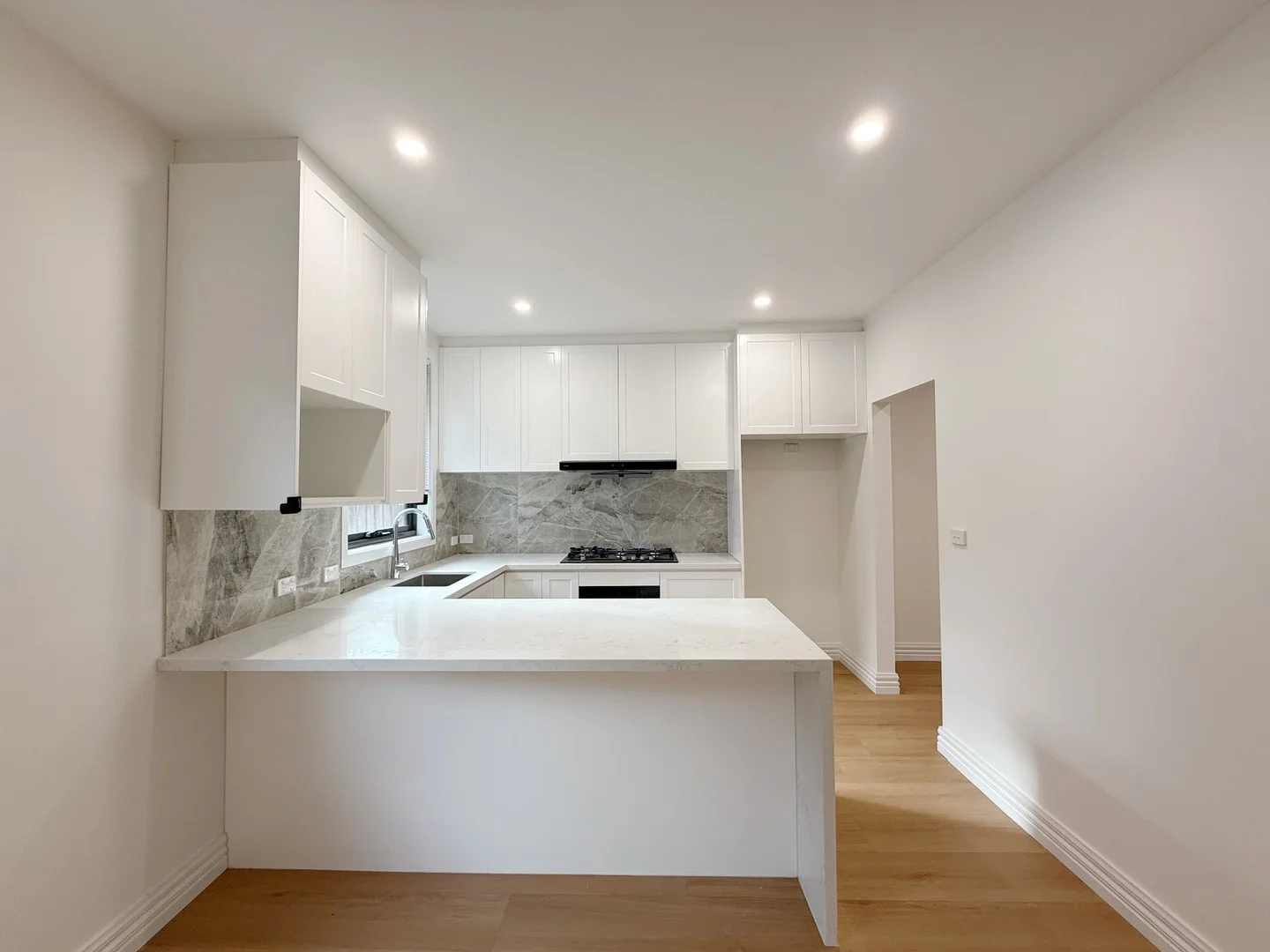 $1,280
House
$1,280
House
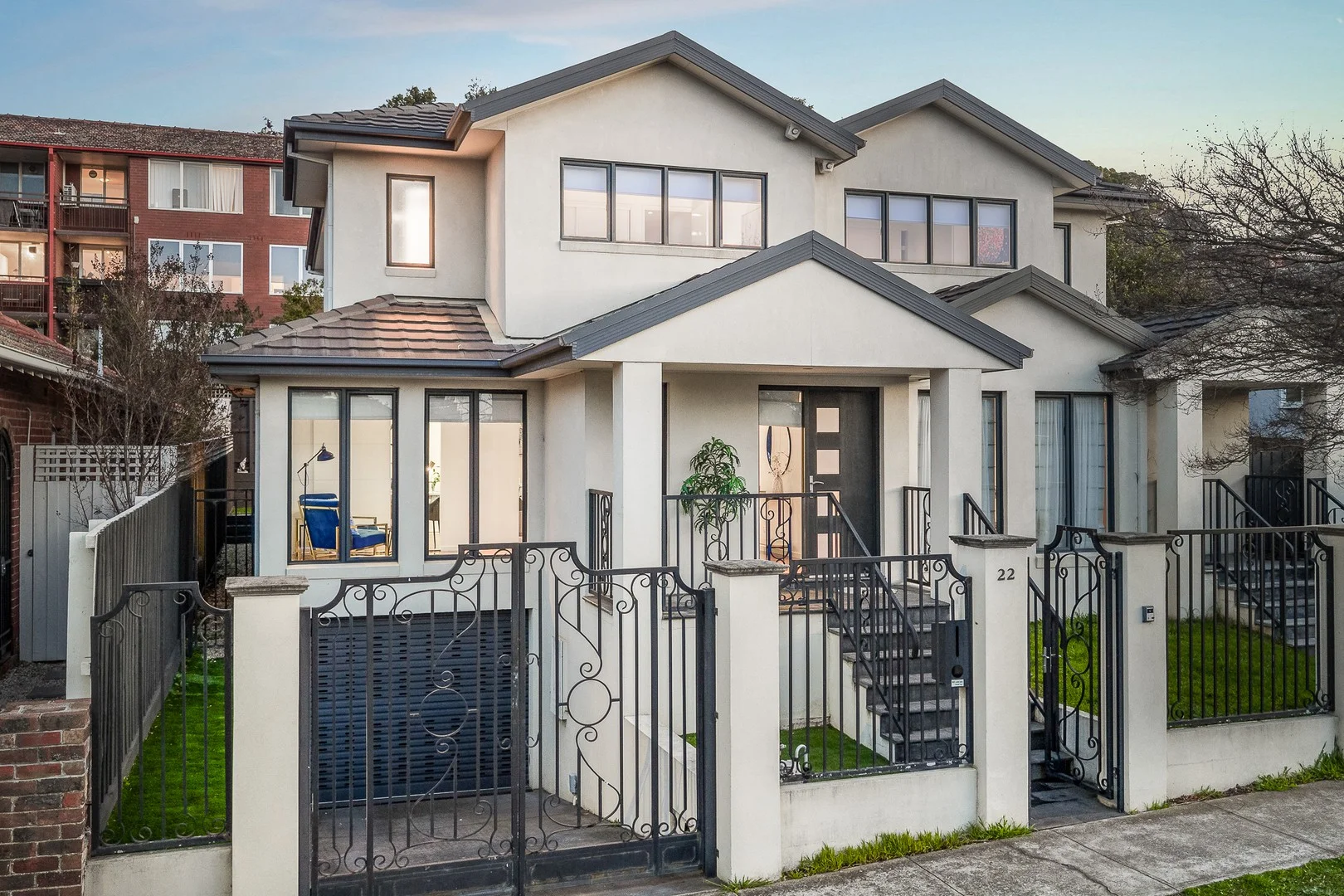 $2,390,000
Townhouse
$2,390,000
Townhouse
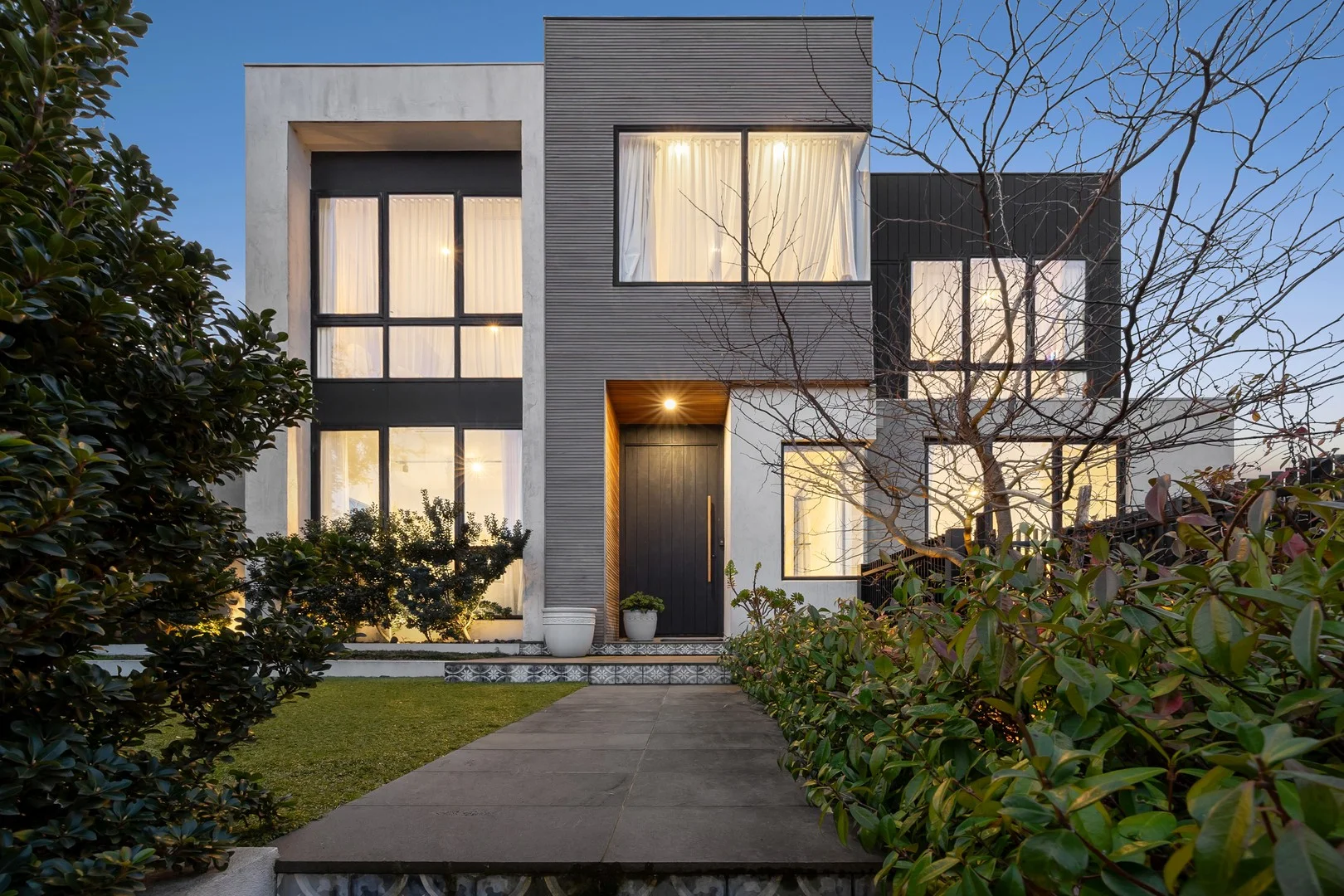 $4,200,000
House
$4,200,000
House
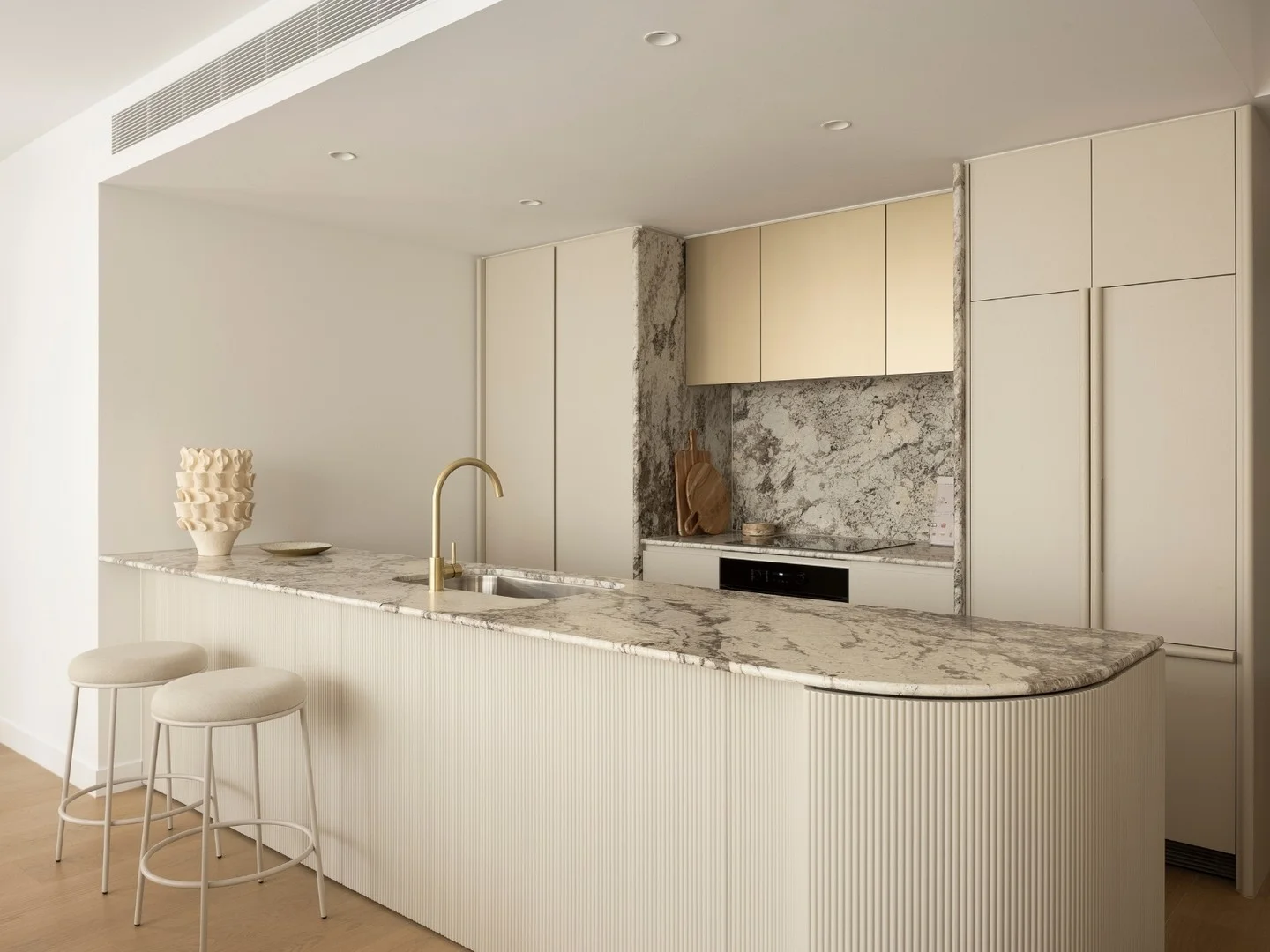 $1,345,000
Apartment / Unit / Flat
$1,345,000
Apartment / Unit / Flat
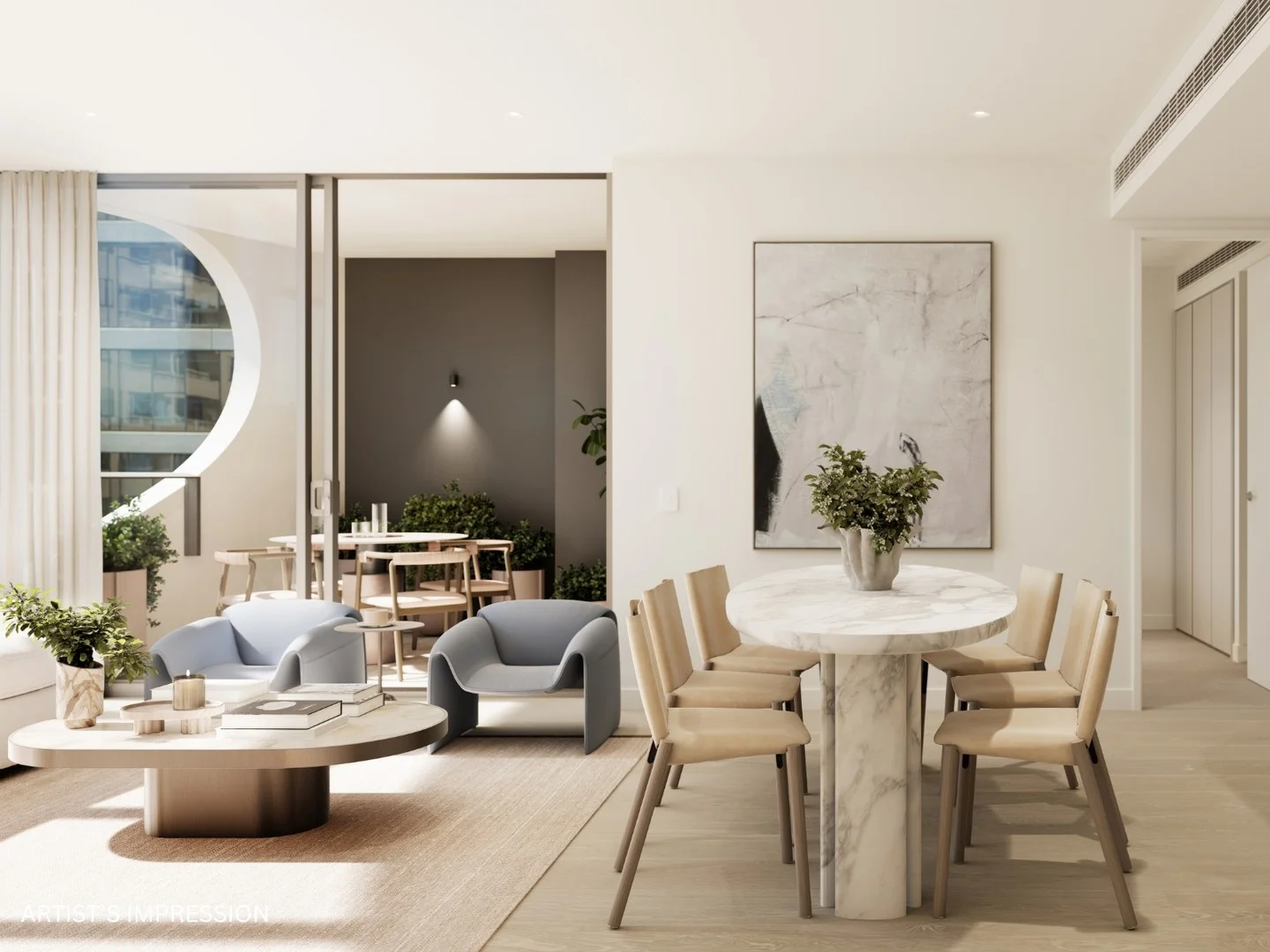 $1,640,000
Apartment / Unit / Flat
$1,640,000
Apartment / Unit / Flat
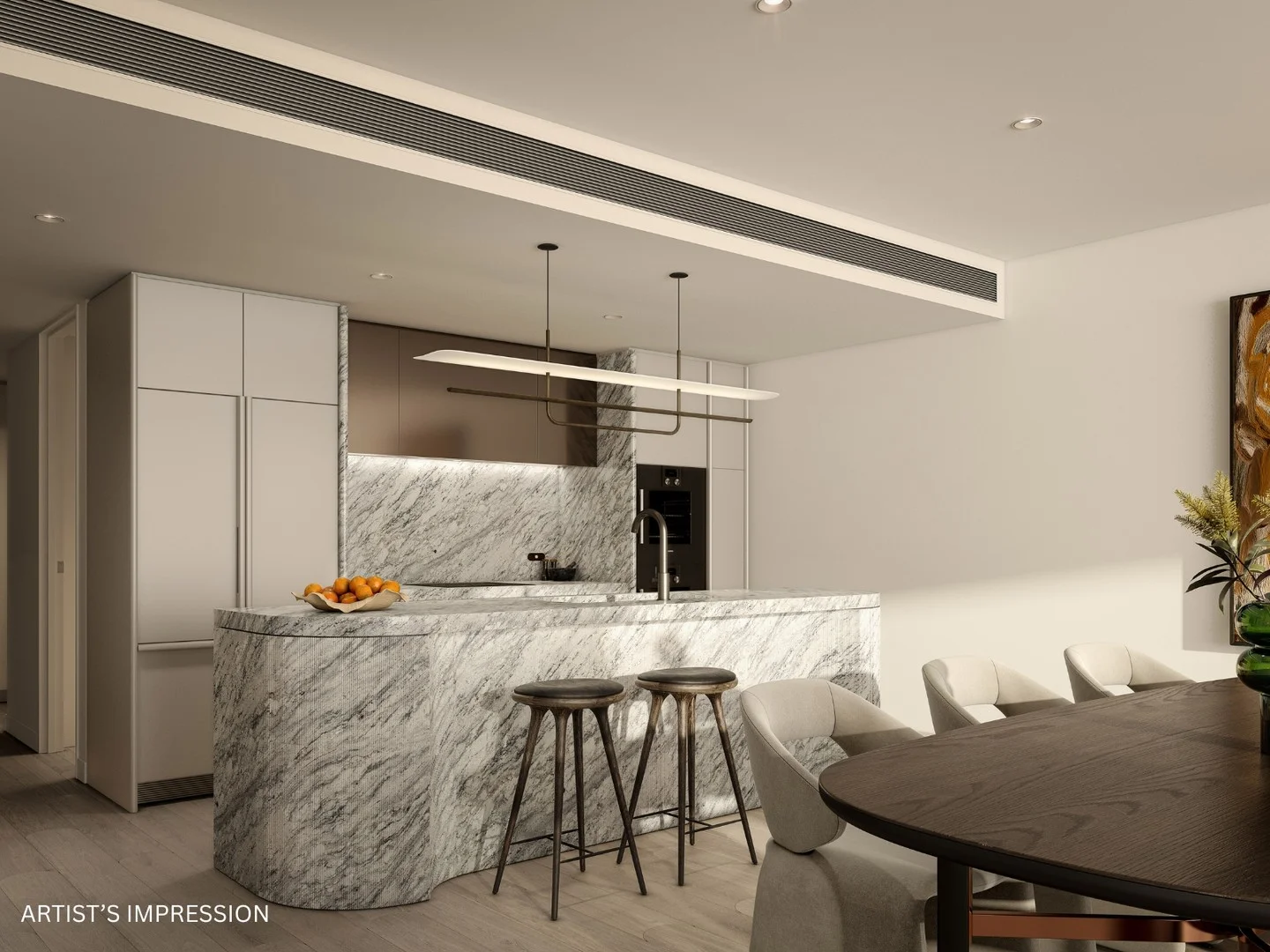 $2,900,000
Apartment / Unit / Flat
$2,900,000
Apartment / Unit / Flat
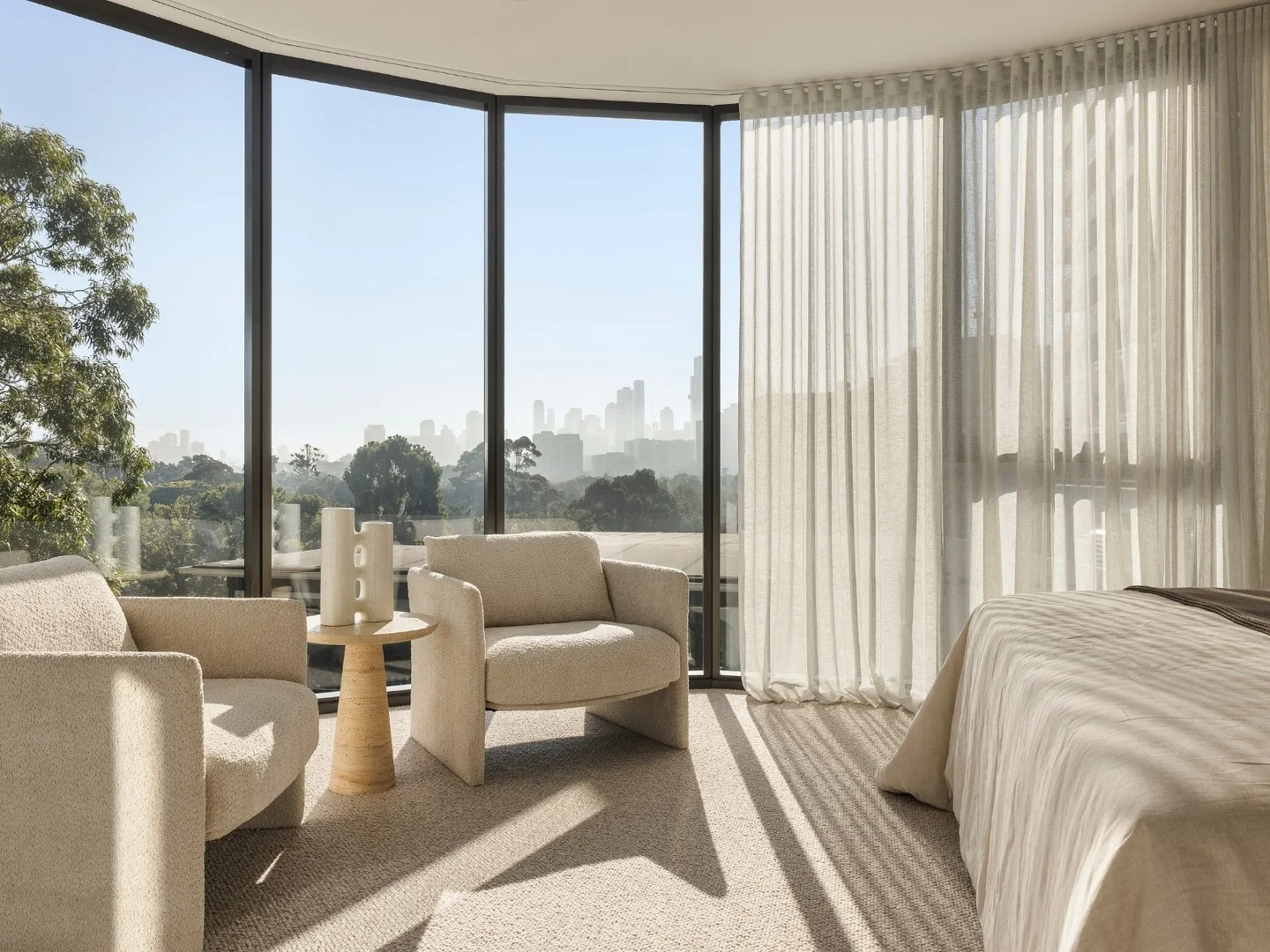 $2,750,000
Apartment / Unit / Flat
$2,750,000
Apartment / Unit / Flat
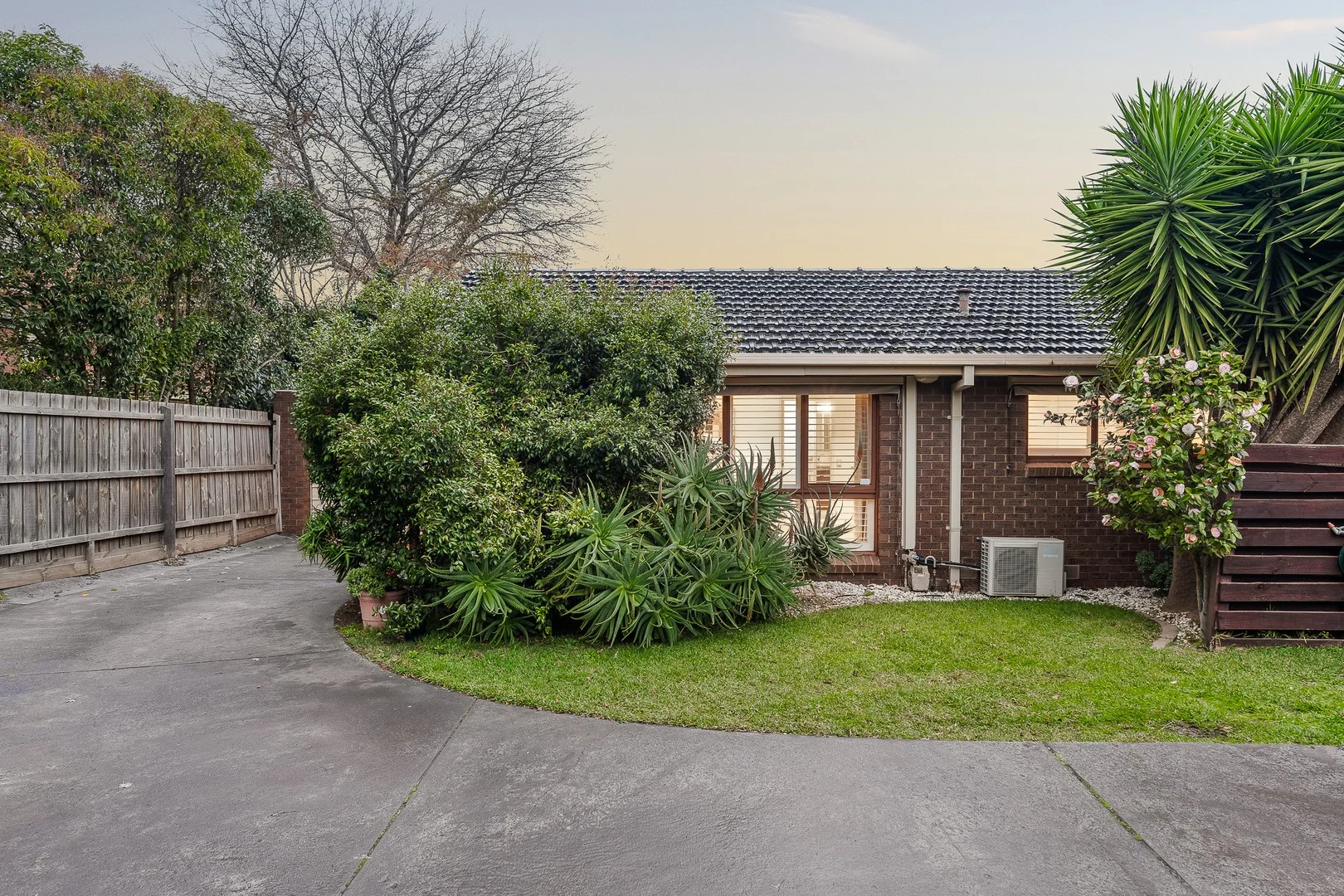 $770,000 - $820,000
Apartment / Unit / Flat
$770,000 - $820,000
Apartment / Unit / Flat