# 1. Overview
McKinnon Secondary College is a public, coeducational secondary school serving students in the McKinnon area of Victoria. As a medium-sized government school, it focuses on providing a balanced educational experience that supports academic development, wellbeing, and community involvement. Class sizes are typical for Victorian public high schools, enabling personalised attention within a high-energy, inclusive learning environment.
The atmosphere is collaborative and inclusive, with a culture that emphasises student wellbeing, solid academic achievement, and participation in a wide range of extracurricular activities. The college aims to foster resilience, curiosity, and leadership among students while preparing them for life beyond school.
⸻
# 2. Academics & Learning
- Academic strengths: The college emphasises core literacy and numeracy, with strong programs in STEM areas, English, and a broad range of elective subjects across humanities, arts, and languages. There is a focus on developing critical thinking, problem solving, and communication skills.
- Special programs: Victoria-wide pathways are typically available, including VCE (and associated pathways). The school supports accelerated or extended learning where appropriate and provides access to enrichment opportunities within its timetable.
- NAPLAN / Ofsted trends: Victorian public schools typically report trend data across literacy and numeracy; expect reporting that tracks year-to-year progress and rising proficiency in key areas, rather than standalone scores.
- Student-teacher ratios: Class sizes and staffing aim to provide solid student-teacher interaction, with core subjects generally operating in the low- to mid-20s per class, and elective classes varying by subject.
- Support for diverse learners: Strong supports for diverse learners, including EAL (English as an Additional Language) assistance and SEN (special educational needs) planning, with tailored supports to help students progress.
⸻
# 3. Sports & Extracurricular Strengths
- Sports offered: A broad range of team and individual sports commonly available, including basketball, soccer, football, cricket, netball, volleyball, athletics, and swimming.
- Strong teams or achievements: The college supports competitive school teams and participates in regional events and inter-school competitions.
- Music, arts, drama programs: Active performing arts and music programs, including ensembles or bands, choir, and theatre/Drama opportunities.
- Clubs: Robotics, chess, coding, debating, and other interest clubs are typically offered to broaden student skills beyond the classroom.
- Partnerships: Students may have opportunities to engage with local clubs, community academies, and regional competitions to extend learning and competition experience.
⸻
# 4. Wellbeing & Pastoral Care
- Anti-bullying approach: Commitment to a safe, respectful school environment with clear anti-bullying policies and support for students who experience or witness bullying.
- House system: A house or pastoral care structure is used to build community, foster belonging, and support student wellbeing through peer connections.
- Counsellors / wellbeing officers: Access to wellbeing staff and school counsellors to assist with social, emotional, and academic needs.
- Transition support for new students: Orientation programs, buddy systems, and targeted transition support help new students settle in smoothly.
⸻
# 5. Facilities
- Sports grounds: On-site sports facilities suitable for daily PE and inter-school activities.
- Libraries: A functional library with study spaces and resources.
- Science labs: Well-equipped laboratories for chemistry, physics, biology and related STEM activities.
- Music/performing arts centers: Spaces dedicated to music, drama, and performance work.
- Tech/innovation labs: Practical spaces for design, technology, and digital projects.
- Cafeteria: On-site canteen providing meals and snacks.
- Updated playgrounds: Maintained outdoor spaces for recreation and social activity.
⸻
# 6. School Values & Community Culture
- School values / mission: A clear emphasis on respect, integrity, resilience, and collaborative learning, with a mission to develop capable and responsible young adults.
- Leadership style: A collegial, student-centred leadership approach that encourages student voice within school life and decision-making processes.
- Behaviour expectations: Positive behaviour expectations supported by consistent routines and restorative approaches to discipline.
- Community reputation: Strong ties within the local community, with a reputation for a safe, inclusive environment and active parental involvement.
- Diversity & inclusion: Commitment to diversity and inclusive practices, ensuring equitable opportunities for all students.
⸻
# 7. School Logistics & Daily Operations
- School hours: Typically a day starting mid-morning and finishing in the mid/late afternoon, aligned with Victorian public school timetables.
- Before/after school care: Availability varies; some schools offer on-site or partnered programs, with additional options through community providers.
- Uniform requirements: School uniform required, with details and approved suppliers available through the college.
- Transport (train/bus routes): Public transport access via local bus services and nearby train routes; information on travel options and fare arrangements is provided by the school.
- Canteen availability: On-site canteen or food service options are available.
- Fees (low/medium/high ranges): As a public school, fees are modest and focused on essential levies for materials, activities, and programs.
⸻
# 8. Enrolment & Admissions
11. What is the enrolment process and timeline?
- Check catchment and eligibility: Confirm whether you are in-zone and review any enrolment guidelines published by the college.
- Submit application: Complete the school’s enrolment application with required documents (proof of identity, address, and other commonly requested materials).
- Offer and placement: The college will review applications and issue offers as space allows; timelines vary by year and intake.
- Orientation: Accepted students typically participate in orientation or transition activities before starting.
12. Is there a waiting list, and how does it work?
- Waiting list: Out-of-zone or late applications may have a waitlist depending on space availability. Placement from the waitlist is determined by space and priority rules set by the school and the Department of Education.
13. Are there any entry requirements, tests, or interviews?
- Entry requirements: Enrollment is generally based on application and in-zone status; there is usually no compulsory entrance exam.
- Tests/interviews: An interview or discussion is not typical for Year 7 intake, but some situations may involve brief meetings or information gathering as part of the process.
14. Does the school accept mid-year transfers?
- Mid-year transfers: May be possible if space is available and all enrolment requirements are met; families should contact the enrolments office promptly to discuss options and required documentation.
⸻
# 9. Frequently Asked Questions
- Why Parents Choose This School?
- A supportive, inclusive environment with a focus on wellbeing and strong academic pathways, plus broad extracurricular options that help students grow in multiple areas.
- What type of student thrives at this school?
- Students who are motivated, curious, and who appreciate a balanced program of academics, sport, arts, and wellbeing support tend to thrive.
- What opportunities are available for students to extend their skills (academics, sports, arts)?
- A range of electives, STEM & arts programs, competitive sport teams, music and performing arts, robotics, debating, and leadership opportunities.
- How does the school communicate with parents?
- Regular newsletters, emails, parent portals, and school socials or information nights are used to keep families updated.
- What is the school’s approach to teaching and learning?
- A student-centred approach that combines core literacy and numeracy with inquiry, collaboration, and practical, hands-on learning.
- How does the school support students who need extra academic help?
- Targeted learning supports, EAL and SEN services, tutoring options, and personalised learning plans where appropriate.
- What support is available for academic challenges?
- Access to counsellors, learning support staff, and tailored interventions to address gaps and build confidence.
- How does the school communicate with parents? (duplicate)
- As above: newsletters, portals, emails, and events to keep families informed about progress and opportunities.
- What are the class sizes and how much individual attention do students receive?
- Core classes typically run in the low- to mid-20s per class, with additional teacher support in targeted subjects or through small-group interventions.
- What extracurricular and sports opportunities are available?
- A wide range of clubs and teams, including sports, robotics, coding, chess, debating, music ensembles, and drama.
- What facilities does the school offer (sports, science, arts)?
- Sports grounds, libraries, science labs, music/performing arts spaces, tech/innovation labs, a canteen, and updated outdoor spaces.
- What is the school’s approach to technology and digital learning?
- Integrated digital learning with access to devices and software to support research, collaboration, and project-based learning.
- What transport and accessibility options are available?
- Public transport routes and options for students, along with parking and accessibility considerations; details provided by the school.
- What are the typical school fees or additional costs?
- Minimal fees focused on essential materials, activities, and required resources; schools typically provide a breakdown of compulsory and voluntary contributions.
⸻
# 10. Short Pros & Cons list
- Pros
- Supportive, inclusive culture with strong wellbeing and pastoral care
- Broad curriculum with academic and enrichment options
- Wide range of sports, arts, and clubs
- Solid facilities for science, technology, arts, and practical learning
- Active communication with families and clear transition supports
- Cons
- As a medium-to-large public school, some students may experience busier environments
- Space constraints can influence waiting lists for out-of-zone enrolments
- Uniform costs and incidental levies are part of school life
- Transport and parking logistics can vary depending on location and route

 $25+
$25+










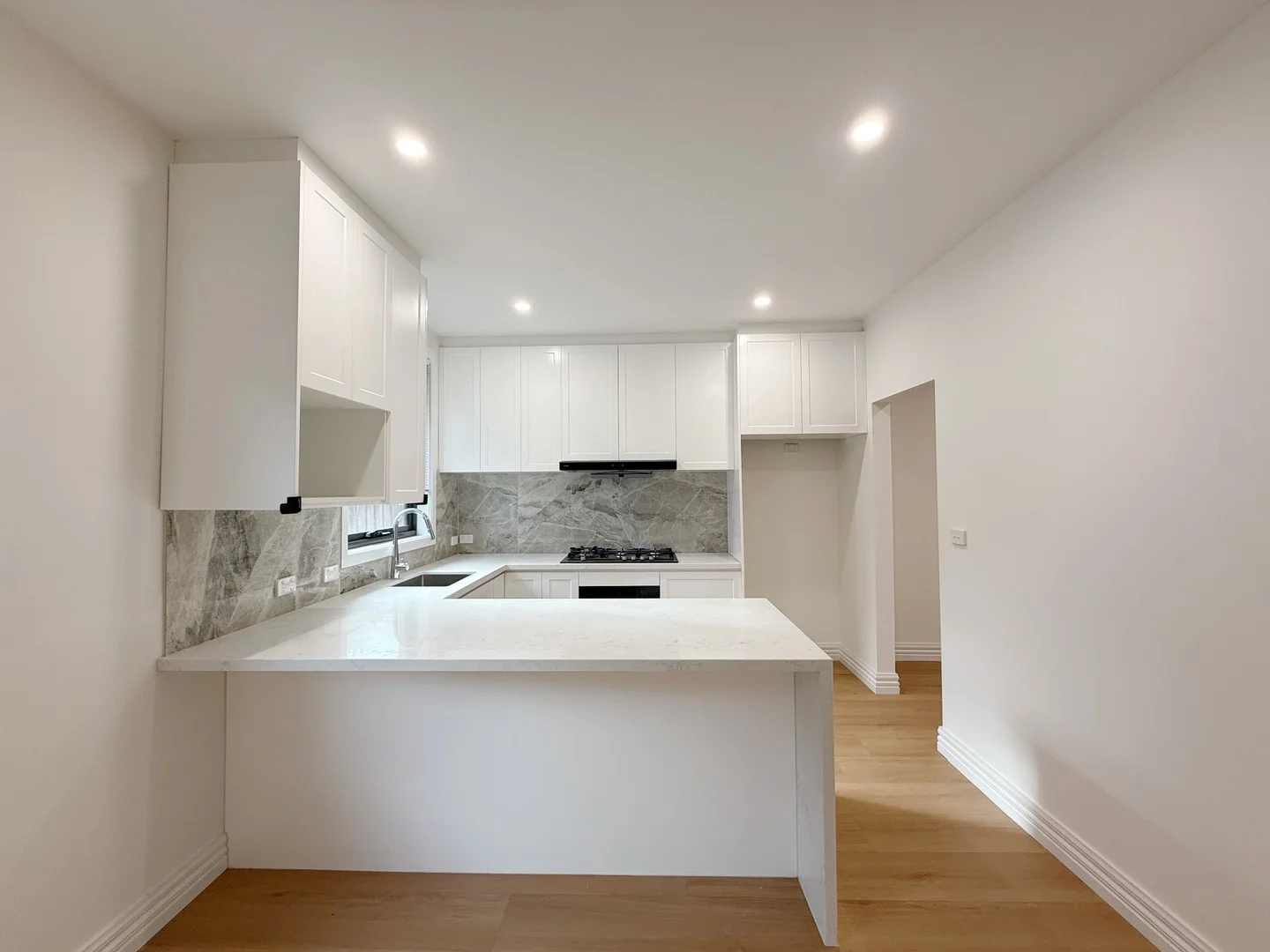 $1,280
House
$1,280
House
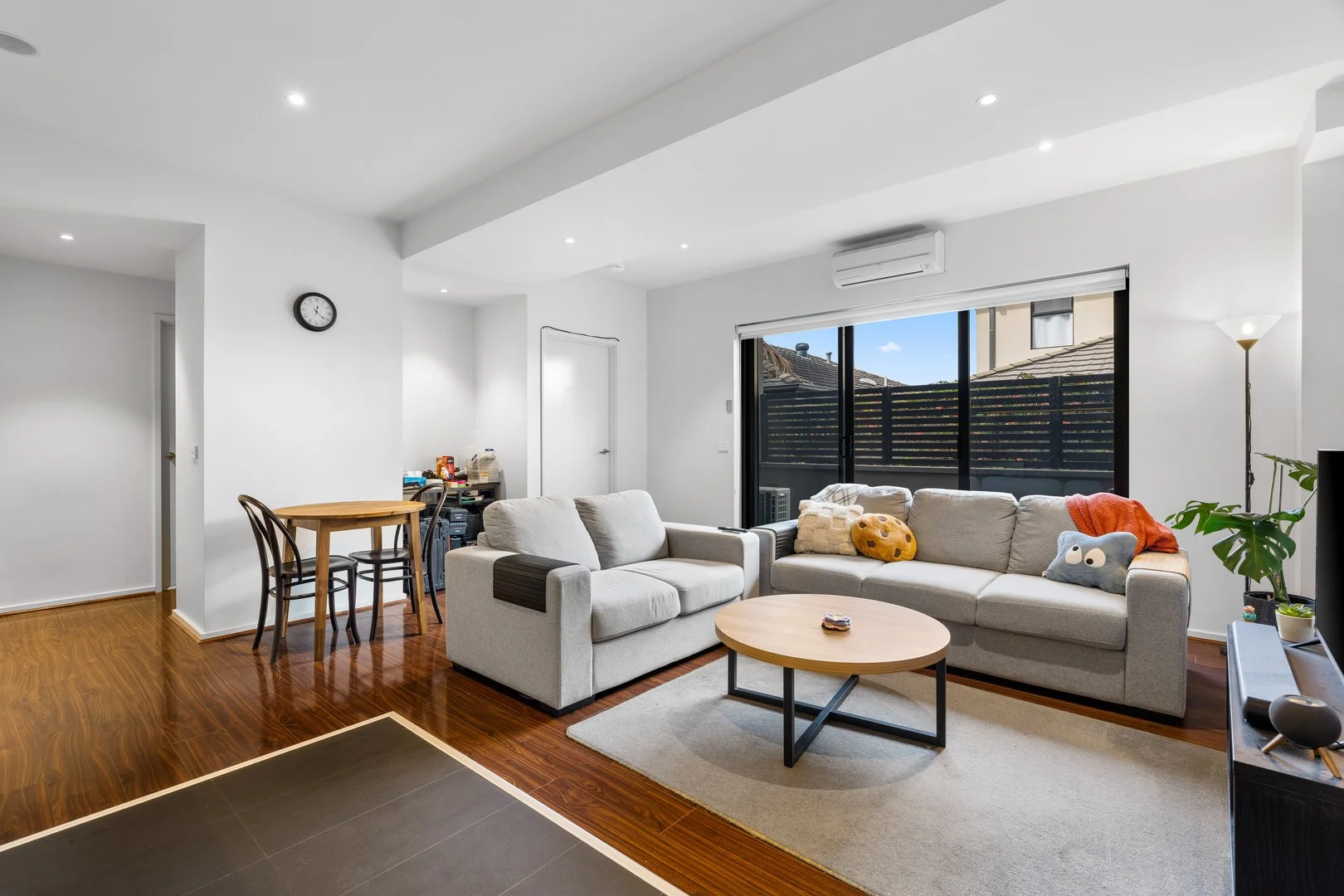 $385,000 - $410,000
Apartment / Unit / Flat
$385,000 - $410,000
Apartment / Unit / Flat
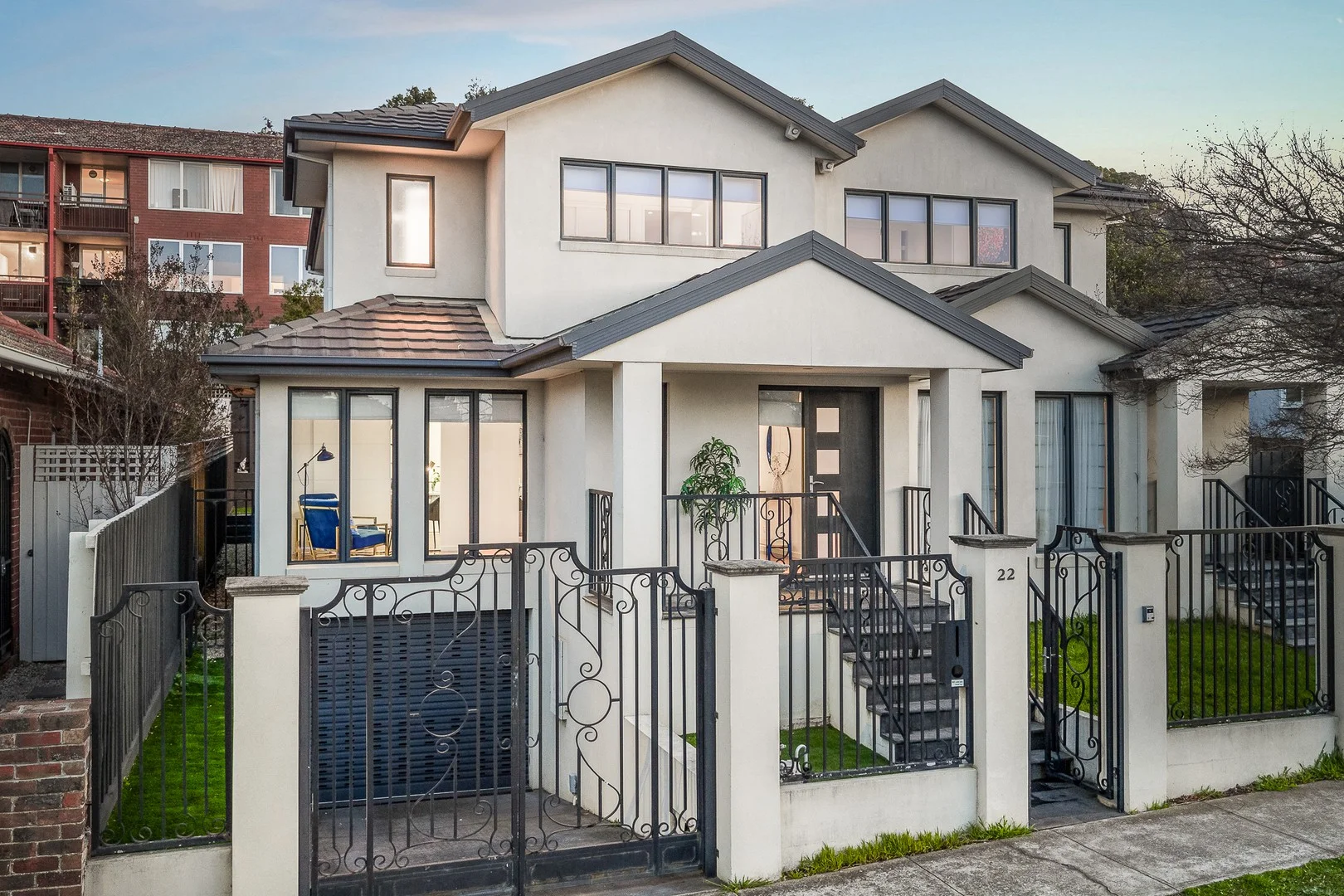 $2,100,000
Townhouse
$2,100,000
Townhouse
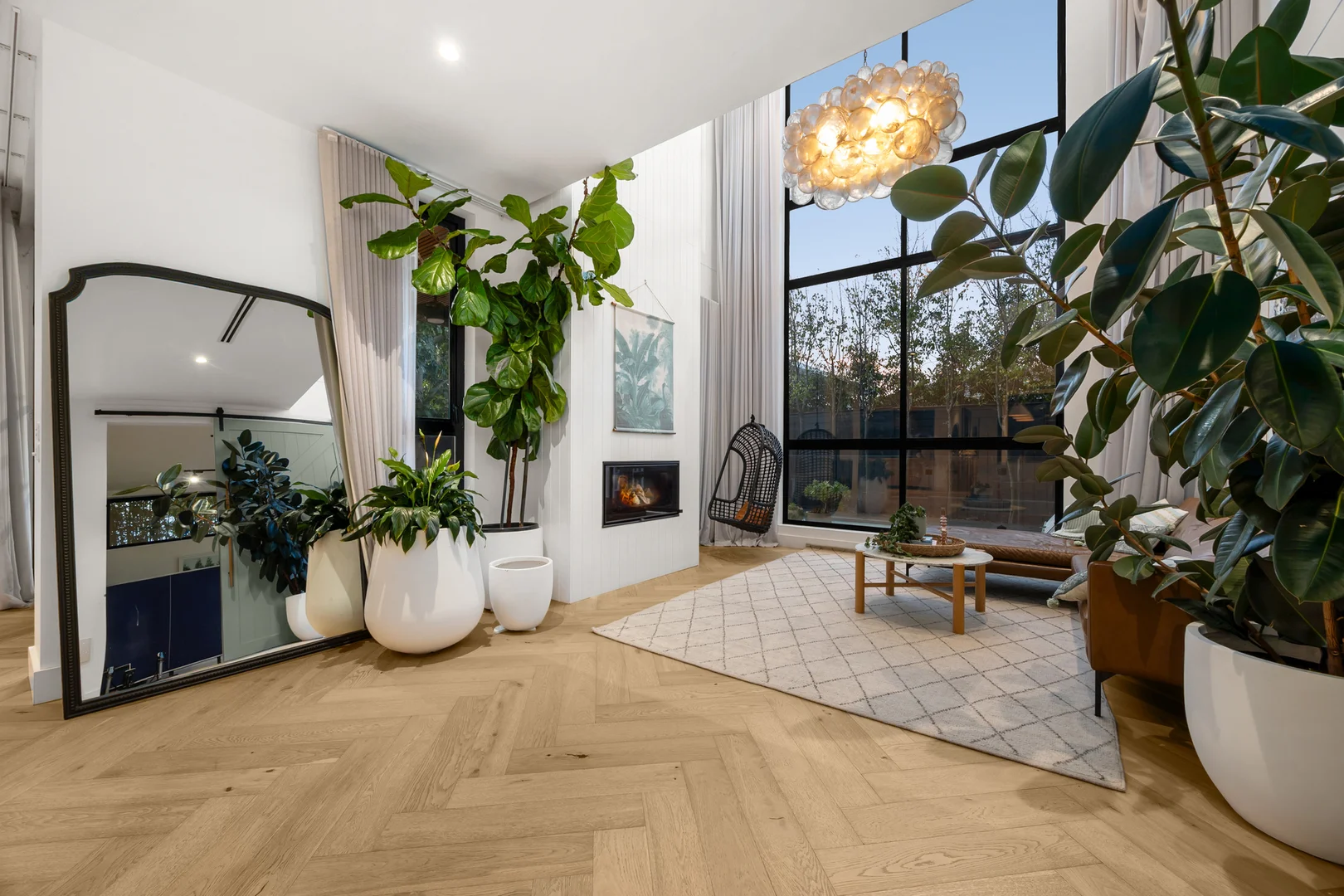 $3,300,000
House
$3,300,000
House
 $1,640,000
Apartment / Unit / Flat
$1,640,000
Apartment / Unit / Flat
 $2,900,000
Apartment / Unit / Flat
$2,900,000
Apartment / Unit / Flat
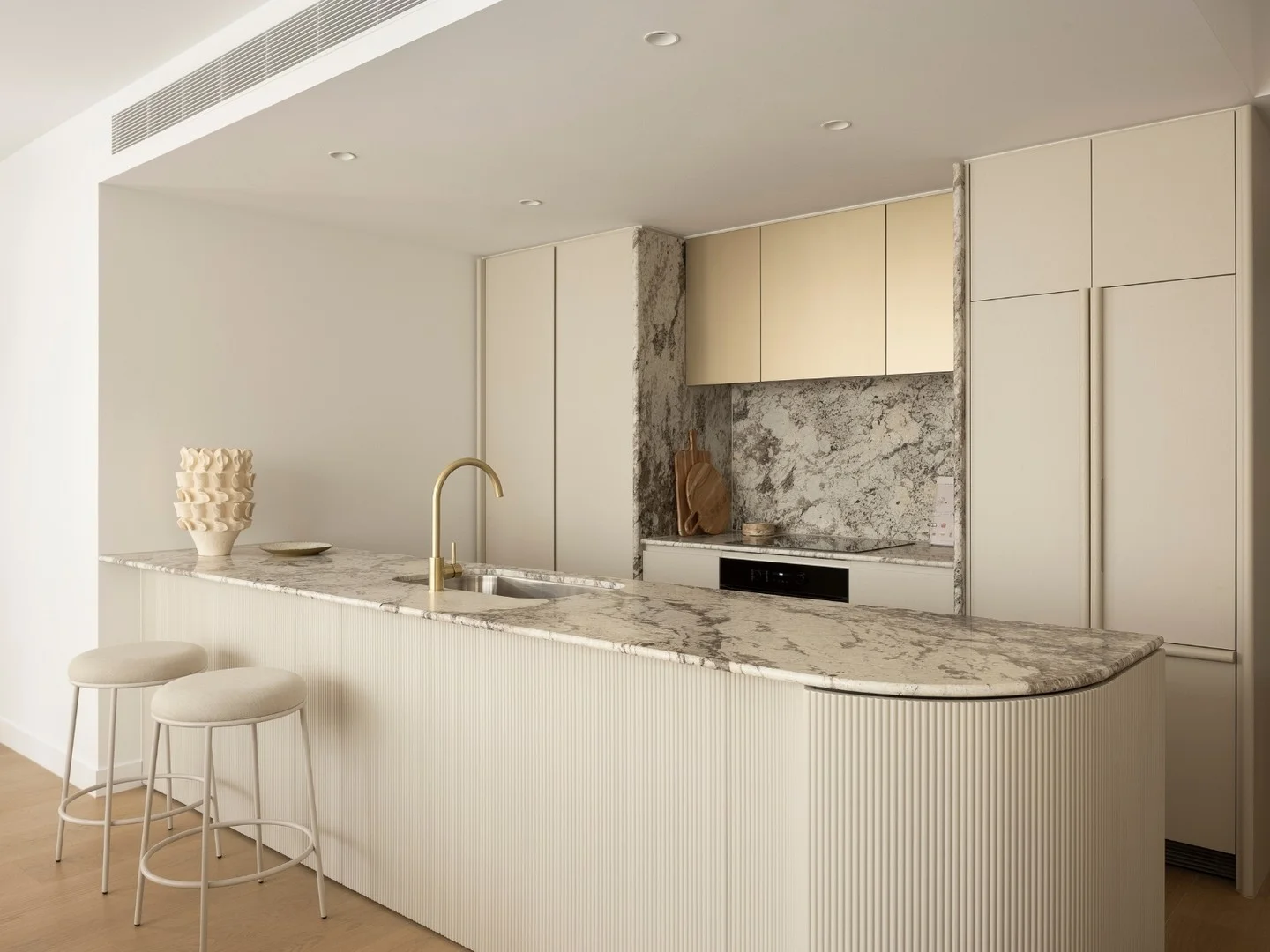 $1,345,000
Apartment / Unit / Flat
$1,345,000
Apartment / Unit / Flat
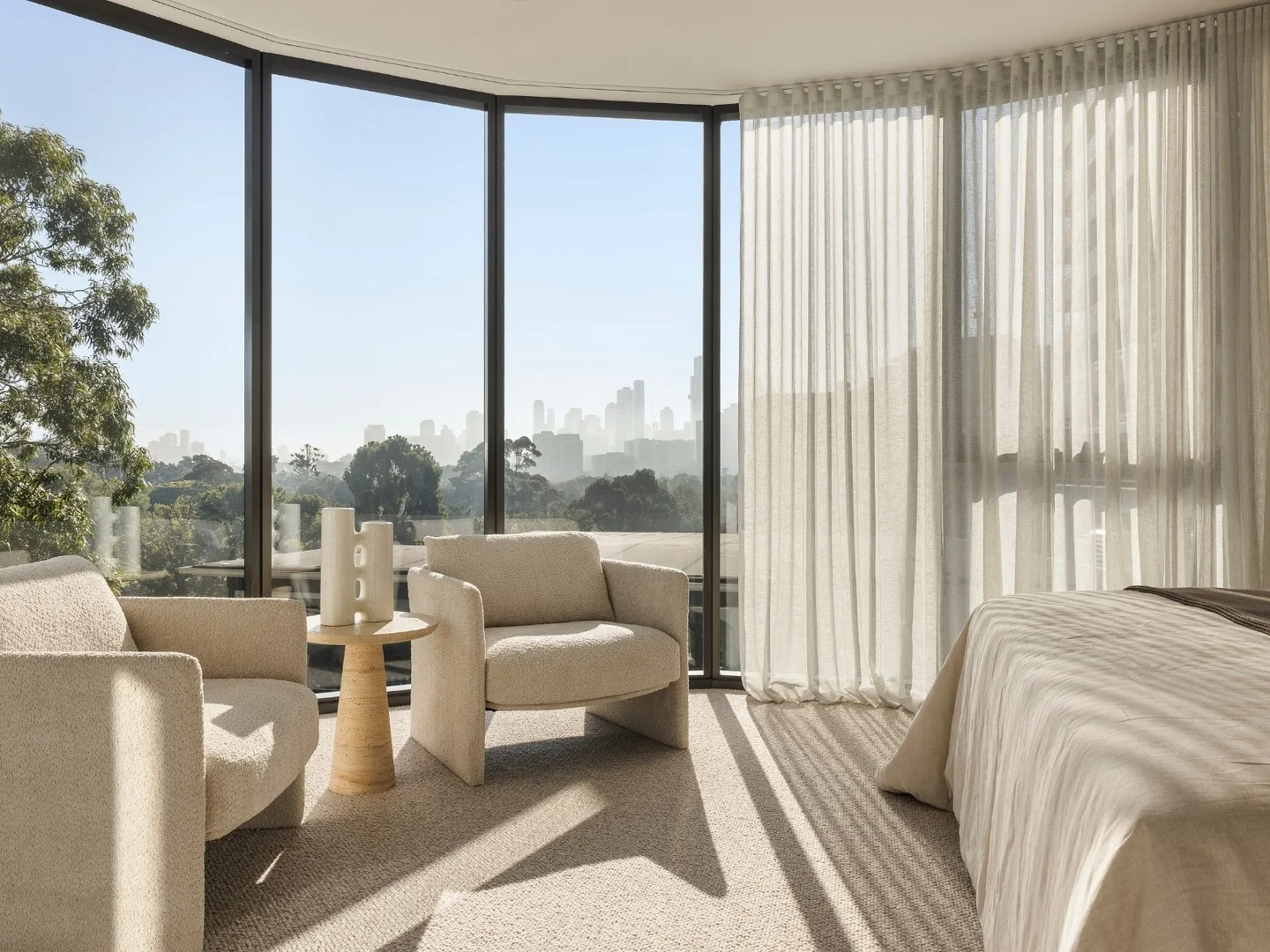 $2,750,000
Apartment / Unit / Flat
$2,750,000
Apartment / Unit / Flat
 $1,200,000
House
$1,200,000
House


