## 1. Overview
Melville Senior High School is a public, co-educational high school serving students in Year 7 through Year 12. Located in Melville, WA, the school supports a broad range of academic, practical and wellbeing programs within Western Australia’s public education system. The school typically enrols a medium-to-large cohort, with class sizes that align with WA public secondary standards, fostering a balanced and inclusive learning environment.
The atmosphere is collaborative and student-centered, with a culture that emphasises academic achievement, leadership development and community involvement. The school aims to be welcoming and supportive, offering pathways that help students pursue their interests and prepare for life after school.
⸻
## 2. Academics & Learning
- Academic strengths: Strong focus in STEM subjects, English, and the arts, with opportunities to engage in leadership programs and language study.
- Special programs: SACE/ATAR pathways, VET and school-based apprenticeships, and options for gifted/talented education within a broader curriculum.
- NAPLAN trends: Historically stable to improving literacy and numeracy performance across cohorts, with ongoing emphasis on literacy, numeracy and problem-solving skills.
- Student-teacher ratios: Class sizes typically around the mid-20s, with a student-teacher ratio that aligns with WA public secondary benchmarks to support accessible learning and supports for students.
- Support for diverse learners: English as an Additional Language (EAL) support, inclusive education for students with additional needs (SEN), and targeted Learning Support to help all students succeed.
⸻
## 3. Sports & Extracurricular Strengths
- Sports offered: Basketball, netball, football (soccer), cricket, athletics, swimming, tennis and other team and individual sports common to WA high schools.
- Strong teams or achievements: Active participation in inter-school and district-level competitions with dedicated coaching, talent development and competitive programs.
- Music, arts, drama programs: Active music ensembles, choir, drama productions and performing arts opportunities that enrich the school culture.
- Clubs: Robotics, chess, coding, debating and other hobby/competition-based clubs are encouraged to foster inquiry and teamwork.
- Partnerships: Partnerships with local clubs and community organizations to support competitions, events and enrichment activities.
⸻
## 4. Wellbeing & Pastoral Care
- Anti-bullying approach: Clear anti-bullying policies and proactive programs to create a safe, respectful environment for every student.
- House system: House-based activities and competitions that build belonging and school spirit.
- Counsellors / wellbeing officers: Access to school counsellors and wellbeing staff to support mental health, resilience and personal development.
- Transition support for new students: Orientation, buddy programs and targeted transition support to help new students settle in smoothly.
⸻
## 5. Facilities
- Sports grounds: On-site sports facilities suitable for a range of physical education activities.
- Libraries: Well-equipped library spaces for study, research and reading for pleasure.
- Science labs: Modern science laboratories for experiments and practical work.
- Music/performing arts centers: Facilities to support music ensembles, drama and school performances.
- Tech/innovation labs: Dedicated spaces for technology, coding and project-based learning.
- Cafeteria: On-site canteen or cafeteria providing meals and snacks.
- Updated playgrounds: Welcoming outdoor spaces for recreation and informal learning.
⸻
## 6. School Values & Community Culture
- School values / mission: Values that emphasise respect, responsibility, inclusion and excellence within a community-focused education.
- Leadership style: Collaborative and student-inclusive leadership, with opportunities for student voice and leadership roles.
- Behaviour expectations: Clear codes of conduct and consistent expectations to support a safe and positive learning environment.
- Community reputation: A positive reputation within the local community for supporting student development and inclusive education.
- Diversity & inclusion: Commitment to diversity and an inclusive culture that welcomes students from varied backgrounds.
⸻
## 7. School Logistics & Daily Operations
- School hours: Typical WA high school hours, commonly around 8:30 am to 3:00 pm, with variations by year level or timetable.
- Before/after school care: Availability may vary; some arrangements may be through school-approved providers or local community services.
- Uniform requirements: School uniform is required, with guidelines on acceptable attire for all students.
- Transport (train/bus routes): Accessible by public transport with bus routes and nearby train services; convenient for many families in the area.
- Canteen availability: On-site or school-operated canteen providing meals and snacks.
- Fees (low/medium/high ranges): Public high schools in WA typically have low to medium voluntary contributions and additional costs for materials or activities; details vary by year and program.
⸻
## 8. Enrolment & Admissions
- 11. What is the enrolment process and timeline?: Enrolment is handled through the WA Department of Education admissions process. Families usually apply for the appropriate intake year (including Year 7 and other year levels as spaces permit). Timelines depend on the intake year and space availability, with notification of offers issued through the department system.
- 12. Is there a waiting list, and how does it work?: Waiting lists can occur when applications exceed available places. The department manages allocations, prioritising enrolments by catchment and space, with offers issued when places become available.
- 13. Are there any entry requirements, tests, or interviews?: For most general enrolments there are no entrance tests or interviews. Some specialist programs or selective options may require auditions, interviews or additional information, but this varies by year and program.
- 14. Does the school accept mid-year transfers?: Mid-year transfers are possible subject to space availability and the standard transfer procedures through the Department of Education. Prospective transferees should contact the school early to confirm options.
⸻
## 9. Frequently Asked Questions
- Why Parents Choose This School?
- A public, inclusive environment with a broad range of pathways (ATAR and VET), strong support for diverse learners, and a focus on wellbeing and leadership.
- What type of student thrives at this school?
- Students who are motivated to engage across academics, sports, arts and clubs; those who value a supportive community and varied pathway options.
- What opportunities are available for students to extend their skills (academics, sports, arts)?
- A mix of ATAR/ATAR-equivalent courses, VET pathways, leadership opportunities, sports teams, music and drama programs, and clubs like robotics and debating.
- How does the school communicate with parents?
- Regular updates through school communications, newsletters, parent portals and scheduled meetings; channels are designed to keep families informed about progress and events.
- What is the school’s approach to teaching and learning?
- A balanced, student-centered approach with a mix of teacher-led instruction, project-based learning, and support for diverse learners.
- How does the school support students who need extra academic help?
- Targeted literacy and numeracy supports, EAL assistance, SEN services and Learning Support programs to help students achieve their goals.
- What support is available for academic challenges?
- Access to counsellors, learning support staff and targeted interventions; opportunities for extended time, tutoring or tailored schooling plans where appropriate.
- How does the school communicate with parents? (Duplicate)
- See above; multiple channels to ensure ongoing dialogue with families.
- What are the class sizes and how much individual attention do students receive?
- Class sizes typically in the mid-20s, with teacher attention aligned to WA secondary benchmarks; additional support is available through learning support services.
- What extracurricular and sports opportunities are available?
- A wide range of sports and physical education options, plus clubs such as robotics, chess, coding and debating, along with music and drama programs.
- What facilities does the school offer (sports, science, arts)?
- Sports grounds, libraries, science labs, performing arts spaces, tech/innovation labs and on-site canteen facilities.
- What is the school’s approach to technology and digital learning?
- Integration of technology across the curriculum, with access to digital tools and resources to enhance learning and creativity.
- What transport and accessibility options are available?
- Public transport access via bus routes and nearby train services; the school is connected to local transport networks.
- What are the typical school fees or additional costs?
- Fees are generally low to medium given the public school setting, with possible charges for materials, electives or activities.
⸻
## 10. Short Pros & Cons list
- Pros
- Public, inclusive environment with diverse pathways (ATAR and VET), strong wellbeing support, and broad extracurriculars.
- Balanced focus on academics, sports, arts and leadership development.
- Solid facility mix (libraries, science labs, performing arts spaces, tech labs) and accessible transport options.
- Cons
- Being a larger public school can mean busy environments and larger class groups in some subjects.
- Some programs or specialists may have limited seats; competition for certain pathways or clubs.
- Uniforms and fees for materials or activities are standard for public schools and may be recurring expenses.










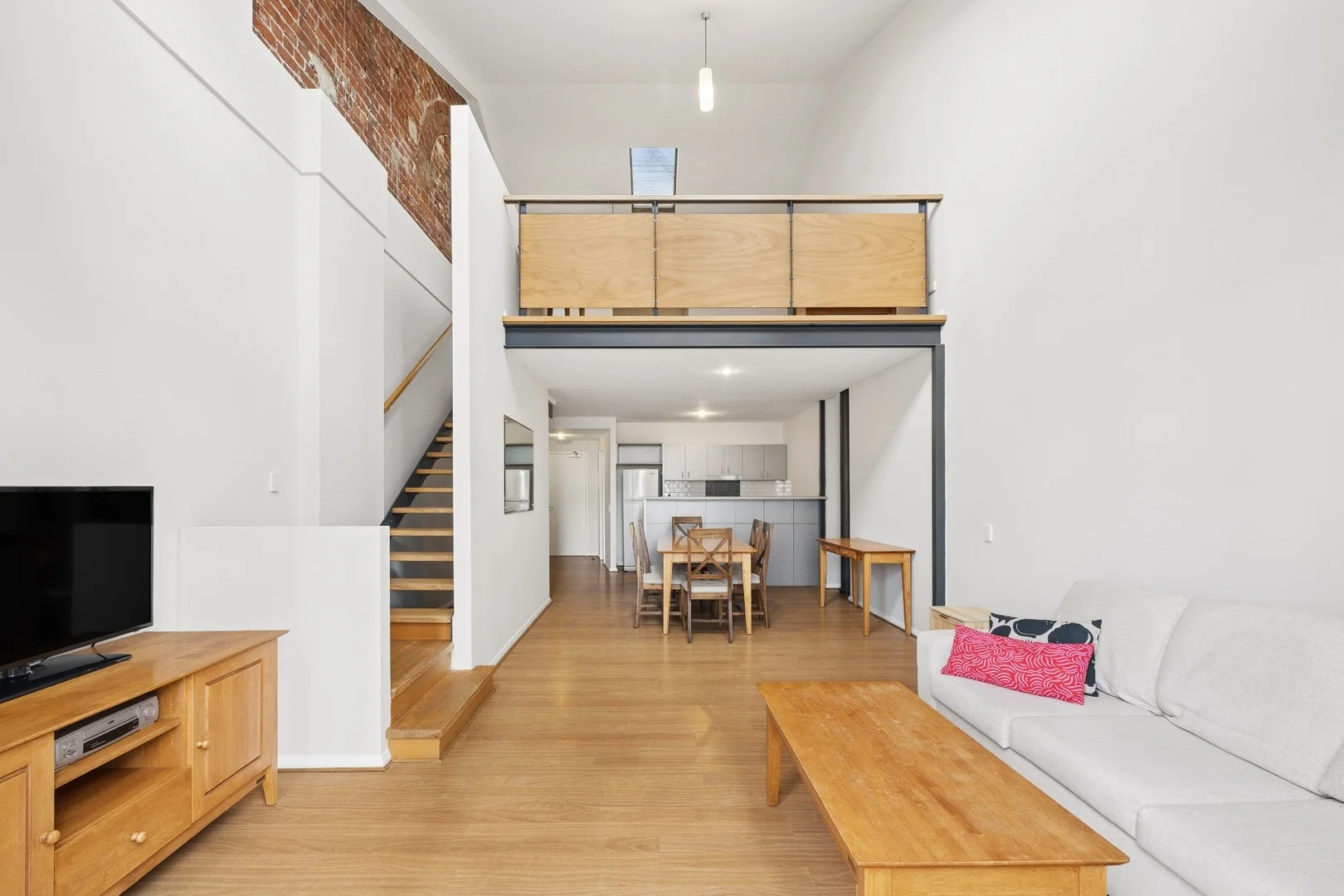 $549,000
Apartment / Unit / Flat
$549,000
Apartment / Unit / Flat
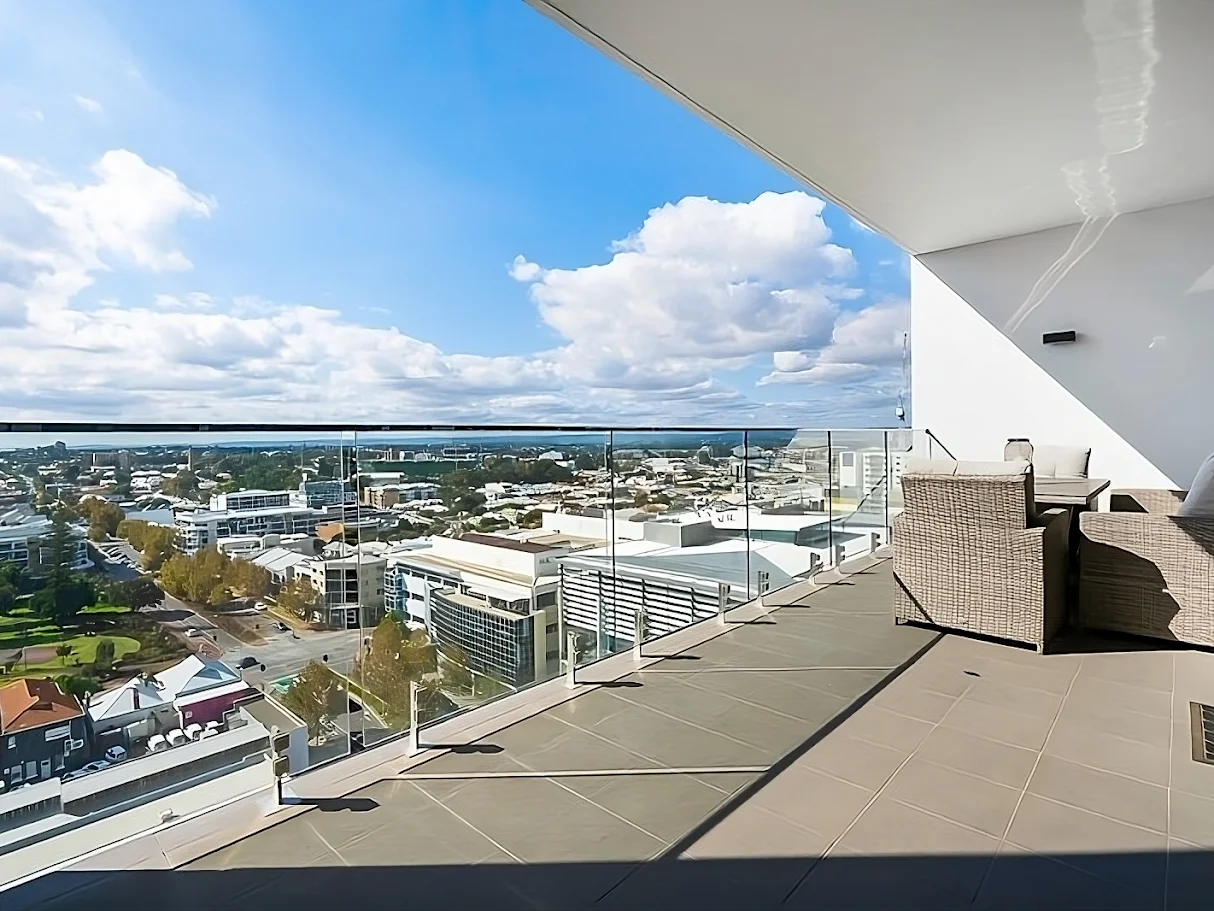 $580,000
Apartment / Unit / Flat
$580,000
Apartment / Unit / Flat
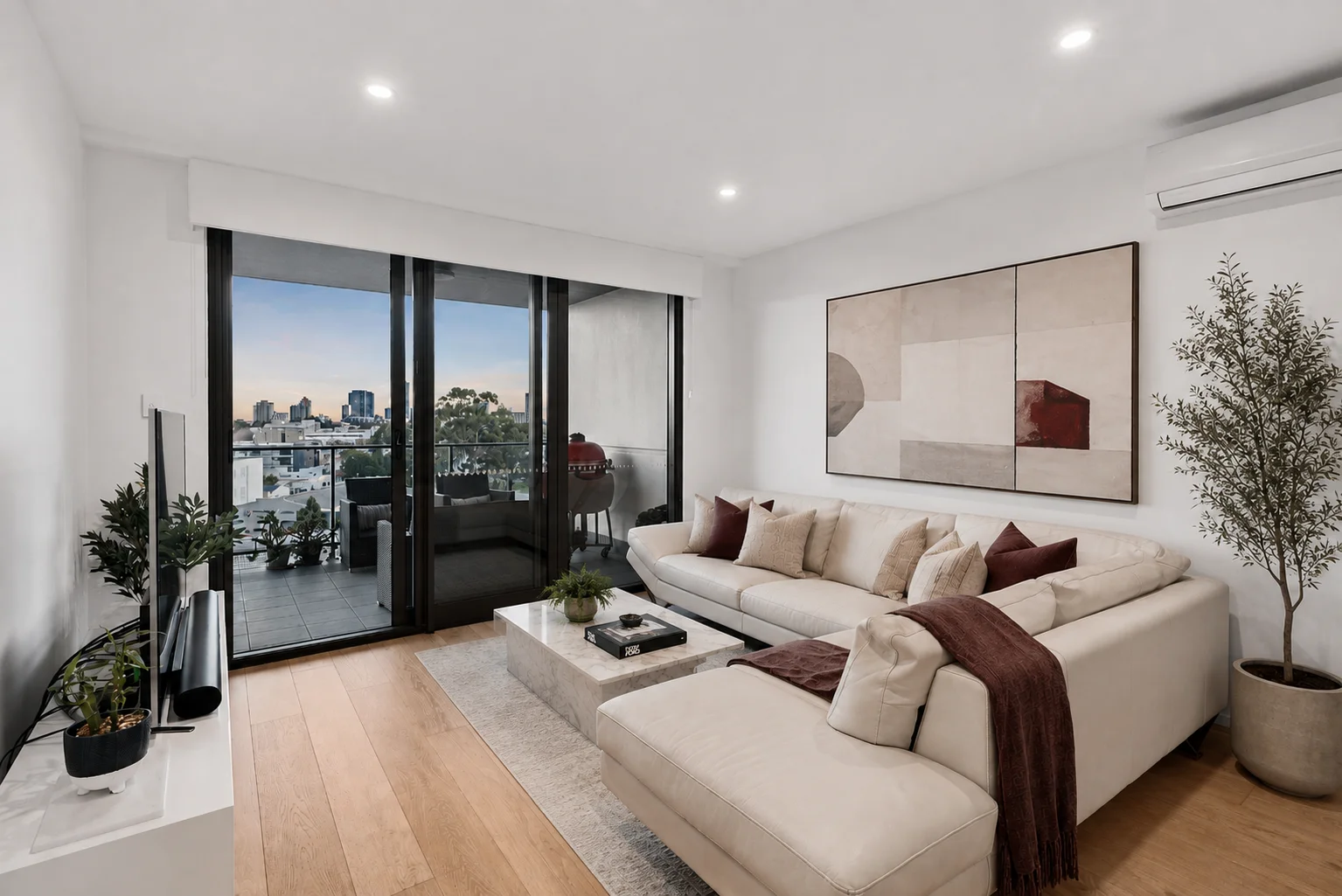 $700,000
Apartment / Unit / Flat
$700,000
Apartment / Unit / Flat