## 1. Overview
Moreton Bay Boys College is a private, independent boys’ school offering Prep through Year 12. The school emphasizes a well-rounded education that combines strong academics, leadership development, and participation in sport and culture within a nurturing, inclusive community. Class sizes are kept deliberately small to support individual attention, and the atmosphere is known for being supportive, disciplined, and focused on personal growth. The school fosters a culture that blends academic rigor with opportunities for sports, arts, and leadership, helping boys develop confidence and resilience.
The school aims to balance high expectations with a welcoming, family-like environment. Students are encouraged to think critically, work collaboratively, and contribute positively to the school and wider community, with particular emphasis on character, responsibility, and teamwork.
---
## 2. Academics & Learning
- Academic strengths: STEM, English, leadership development, and languages form core strengths, supported by a robust curriculum and opportunities to apply knowledge in real-world contexts.
- Special programs: Accelerated learning options and gifted/talented pathways are available, with pathways to secondary and university-level thinking and inquiry.
- NAPLAN trends: Recent years show steady, positive trends across core literacy and numeracy domains, reflecting ongoing instructional improvements and targeted support.
- Student-teacher ratios: Class sizes are designed to be small to medium, promoting frequent teacher interaction and personalized feedback.
- Support for diverse learners: EAL and SEN support staff are available, along with targeted interventions and learning adjustments to help all students succeed.
---
## 3. Sports & Extracurricular Strengths
- Sports offered: Rugby, cricket, football (soccer), basketball, swimming, athletics, tennis, and other recreational activities.
- Strong teams or achievements: Competitive school teams across major sports with regular participation in inter-school and regional competitions; emphasis on teamwork, discipline, and sportsmanship.
- Music, arts, drama programs: Active music ensembles, choir, drama productions, and arts opportunities complement the academic program.
- Clubs: Robotics, chess, coding, debating, and other interest-based clubs support varied student passions.
- Partnerships: Local and regional partnerships with clubs and competitions help students extend their talents beyond the classroom, including robotics and STEM competitions and inter-school events.
Most parents reading this section are looking for a balance between sport, academics, and creative pursuits for boys aged about 10–14.
---
## 4. Wellbeing & Pastoral Care
- Anti-bullying approach: Proactive, clear anti-bullying policies with ongoing education, reporting channels, and support for affected students.
- House system: A house structure supports leadership, mentoring, and friendly competition across events and activities.
- Counsellors / wellbeing officers: Onsite counsellors and wellbeing staff provide ongoing support for emotional, social, and mental health needs.
- Transition support for new students: Orientation programs, buddy systems, and targeted transitions help new students settle in smoothly.
This section is designed to build trust with families by highlighting a strong safety net and supportive culture.
---
## 5. Facilities
- Sports grounds: Well-maintained outdoor sports facilities suitable for a range of activities.
- Libraries: Comfortable, resource-rich library spaces with access to print and digital materials.
- Science labs: Modern science laboratories for chemistry, biology, physics, and hands-on experiments.
- Music/performing arts centers: Dedicated spaces for music ensembles, drama productions, and rehearsals.
- Tech/innovation labs: Dedicated STEM and technology spaces for coding, robotics, and digital projects.
- Cafeteria: On-site dining options supporting healthy choices.
- Updated playgrounds: Age-appropriate, safe play areas and outdoor learning spaces.
The layout emphasizes visual appeal and easy navigation to keep students engaged.
---
## 6. School Values & Community Culture
- School values / mission: A clear focus on integrity, respect, excellence, and responsibility guides daily decisions and student conduct.
- Leadership style: Distributed leadership with opportunities for student voice, house leadership, and peer mentoring.
- Behaviour expectations: Positive behaviour framework with clear expectations, consistency, and restorative practices.
- Community reputation: A strong, family-oriented community with active parent involvement and collaborative school culture.
- Diversity & inclusion: Commitment to inclusive education and celebrating cultural diversity within the school community.
---
## 7. School Logistics & Daily Operations
- School hours: Typically a full school day with start and finish times aligned to year level schedules.
- Before/after school care: On-site or affiliated programs available to support working families.
- Uniform requirements: Clear uniform policies, including daily and sport/casual uniforms; guidance provided on purchasing.
- Transport: Access to school bus routes and public transport; convenient drop-off/pick-up arrangements with safe procedures.
- Canteen availability: Canteen or meal service offering healthy options.
- Fees: Fees fall in the mid-to-upper range for private Brisbane schools, with additional costs for activities, camps, and materials.
---
## 8. Enrolment & Admissions
### 11. What is the enrolment process and timeline?
- Submit an online application with required documentation.
- Review by admissions team; may include assessments or screenings.
- Interview with key staff and possible parent session.
- Offer of place and acceptance; payment of fees; confirmation of start date.
### 12. Is there a waiting list, and how does it work?
- Yes, there is a waiting list when vacancies are limited.
- Priority may be given to siblings and then proportional to timing of application and space availability.
- Families on the waiting list are kept informed about timelines and any changes.
### 13. Are there any entry requirements, tests, or interviews?
- Entrance assessments or placement tasks to gauge academic level.
- Interviews with students and parents.
- In some cases, auditions or additional information for music or language programs.
- Documentation requirements (birth certificate, immunisation records, previous school reports).
### 14. Does the school accept mid-year transfers?
- Mid-year transfers can be possible if space and staffing allow.
- Applicants typically need to provide current report cards or transcripts and undergo the admissions process similar to new students.
---
## 9. Frequently Asked Questions
- Why do parents choose this school?
- A balanced emphasis on strong academics, character development, pastoral care, and a supportive community. Parents value the focus on leadership, sport, arts, and well-being within a safe environment.
- What type of student thrives at this school?
- Motivated, curious, and cooperative students who value a structured setting, leadership opportunities, and a supportive peer network tend to thrive.
- What opportunities are available for students to extend their skills (academics, sports, arts)?
- Advanced coursework and pathways in academics, strong sports programs, music ensembles, drama productions, robotics and coding clubs, debating, and leadership opportunities.
- How does the school communicate with parents?
- Regular newsletters, parent portals, emails, school app updates, and parent-teacher meetings; proactive communication about student progress and school events.
- What is the school’s approach to teaching and learning?
- Student-centered and differentiated instruction, inquiry-based learning, and a blend of traditional and modern approaches, with a focus on critical thinking and digital literacy.
- How does the school support students who need extra academic help?
- Targeted interventions, learning support staff, tutoring options, EAL and SEN services, and ongoing progress monitoring.
- What support is available for academic challenges?
- Access to teachers, tutors, and specialist staff; personalized plans to address gaps; regular progress reviews and adjustments.
- How does the school communicate with parents? (repeated)
- See above: newsletters, portals, emails, meetings, and events.
- What are the class sizes and how much individual attention do students receive?
- Class sizes are small to medium, designed to maximize teacher access and personalized feedback, with targeted support as needed.
- What extracurricular and sports opportunities are available?
- A broad program including rugby, cricket, football, basketball, swimming, athletics, tennis, music, drama, robotics, chess, coding, debating, and other clubs.
- What facilities does the school offer (sports, science, arts)?
- Comprehensive facilities across sports grounds, libraries, science labs, performing arts spaces, tech/innovation labs, canteen, and well-maintained play areas.
- What is the school’s approach to technology and digital learning?
- Emphasis on digital literacy, coding, and integrated technology in learning, with dedicated tech spaces and devices as part of the curriculum.
- What transport and accessibility options are available?
- Access to school bus routes and public transportation options; convenient drop-off/pick-up arrangements and supportive accessibility measures.
- What are typical school fees or additional costs?
- Fees align with private-day school ranges in the area, with additional costs for activities, camps, uniforms, and optional programs.
---
## 10. Short Pros & Cons list
- Pros
- Private, independent setting with a focus on academics, leadership, and sport
- Small to medium class sizes enabling individualized attention
- Strong wellbeing and pastoral care, with a house system and dedicated staff
- Broad extracurricular offerings across sports, arts, and clubs
- Support for diverse learners (EAL, SEN) and committed parent community
- Cons
- Higher tuition compared to public schools
- Competition for selective programs and limited places may mean a waiting list
- Travel time may be a consideration for families living outside the immediate area
- Some specialized programs or arts might require audition or additional fees
- Busy timetable with many activities; may require strong time-management from students and families






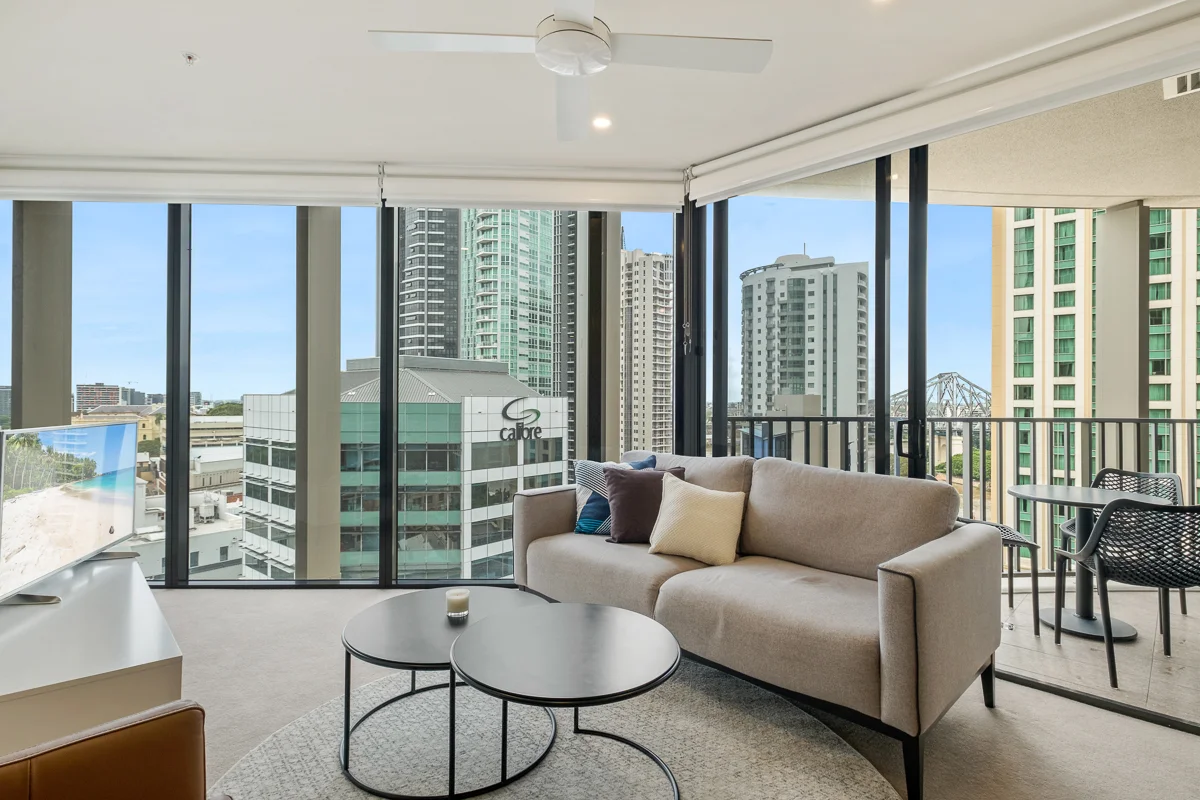 $950,000
Apartment / Unit / Flat
$950,000
Apartment / Unit / Flat
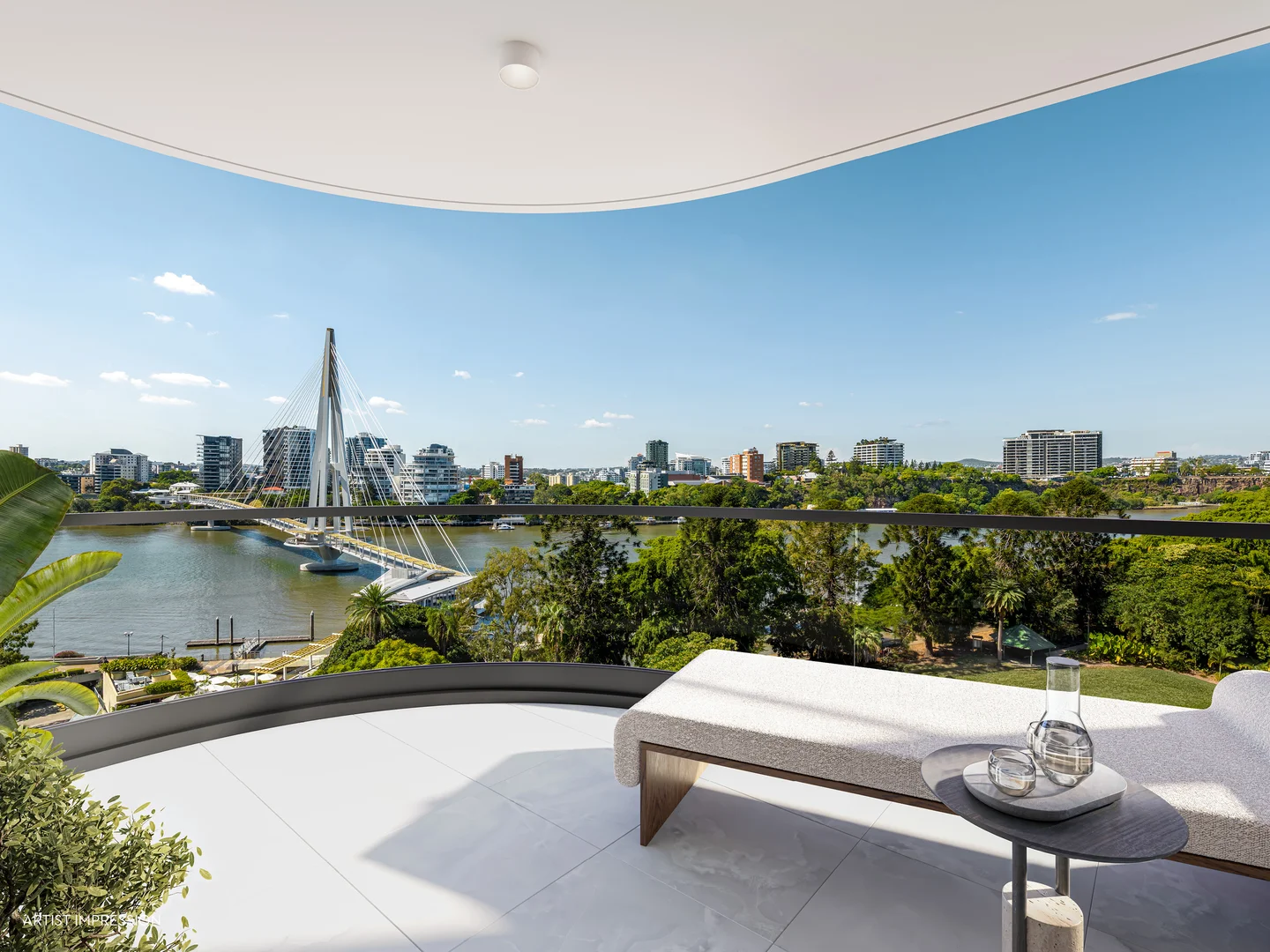 $1,475,000 - $2,090,000
propertyType.NEW APARTMENTS / OFF THE PLAN
$1,475,000 - $2,090,000
propertyType.NEW APARTMENTS / OFF THE PLAN
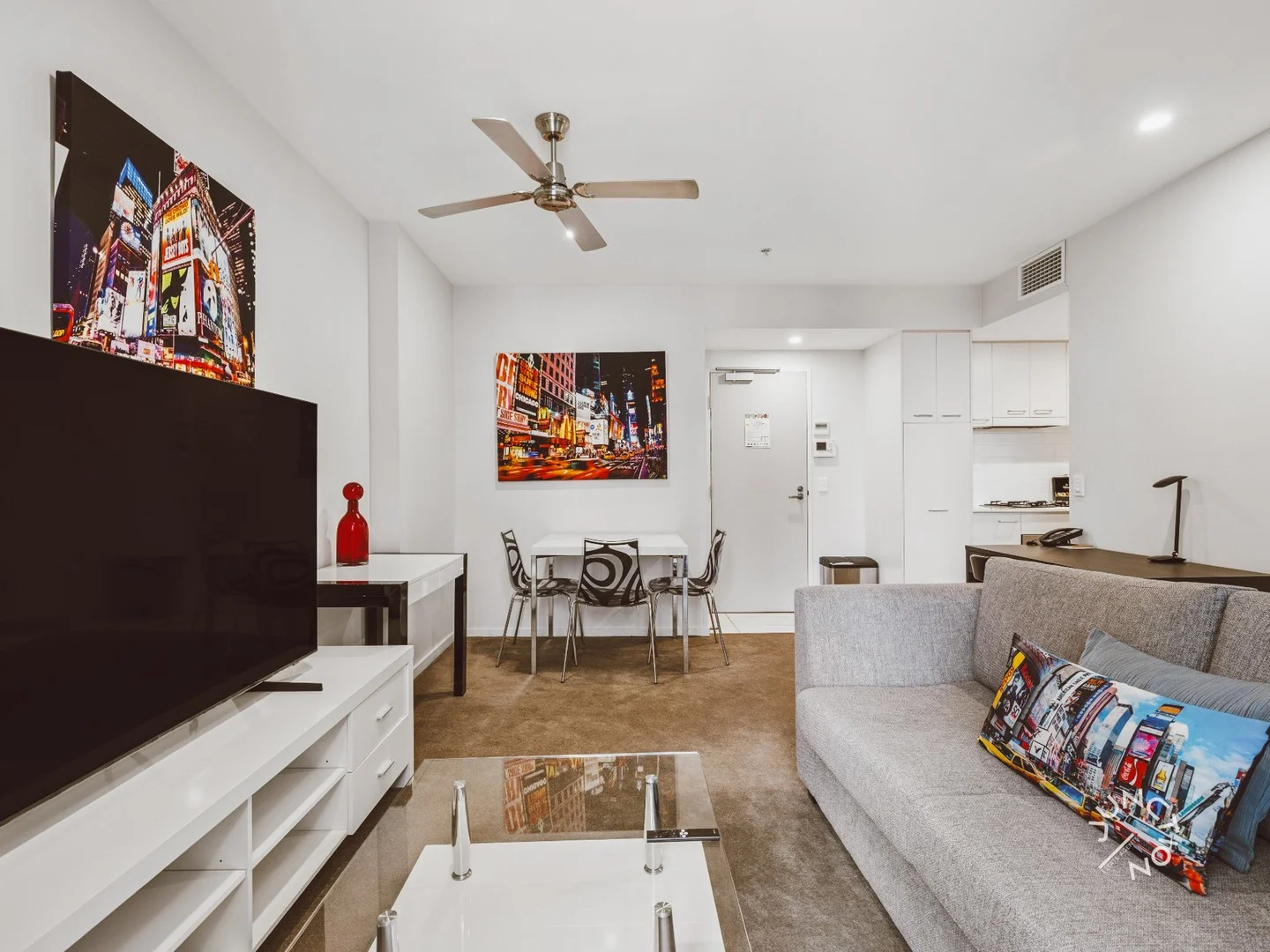 $523,200 - $566,800
Apartment / Unit / Flat
$523,200 - $566,800
Apartment / Unit / Flat
 $550,000
Apartment / Unit / Flat
$550,000
Apartment / Unit / Flat
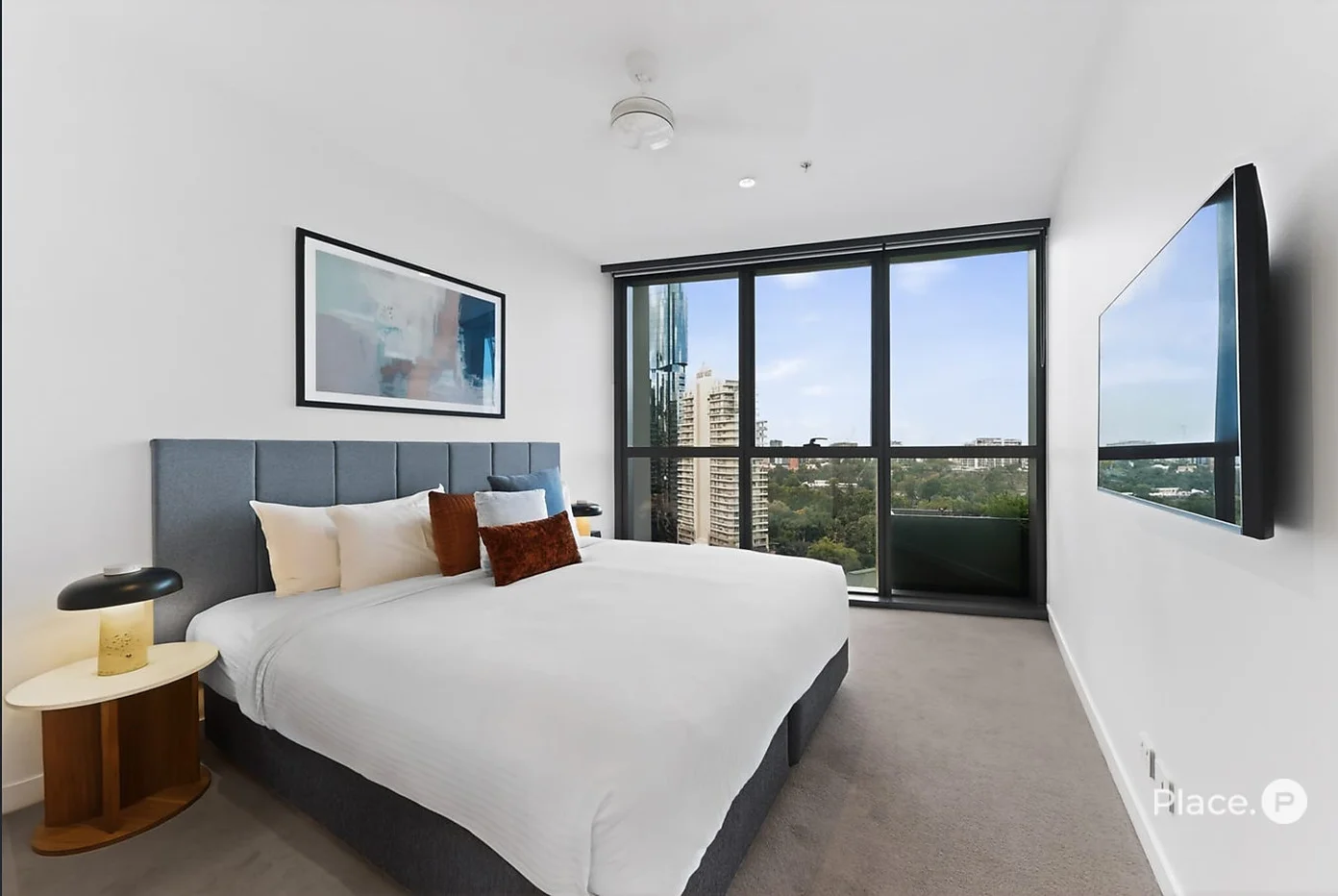 $770,000
Apartment / Unit / Flat
$770,000
Apartment / Unit / Flat