1. Overview
Mount Lawley Senior High School is a public high school serving students in the Mount Lawley area. It is a large government secondary school that emphasises a well-rounded education in a supportive environment. The school supports a diverse student community and aims to balance academic achievement with character development and community involvement.
- School type: Public
- School size: Large
- Class size: Typically around mid-20s (approx. 24–28 students per class)
- Atmosphere/culture: Inclusive, academic-focused, community-minded
⸻
2. Academics & Learning
Mount Lawley SHS offers a broad curriculum designed to prepare students for tertiary study, vocational pathways, and lifelong learning.
- Academic strengths: STEM, English, languages, and leadership development; broad offering across the arts and humanities to support well-rounded learners.
- Special programs: ATAR/general pathways, Gifted and Talented programs, accelerated learning opportunities; VET/industry-linked pathways may be available to connect study with practical skills.
- NAPLAN / trends: WA public high schools typically show stable or improving trends in Year 9 NAPLAN across reading, writing, and numeracy; Mount Lawley SHS aims to sustain or improve performance over time.
- Student-teacher ratios: Generally around 1:20–1:25 (class sizes influence daily ratios; school provides supports to ensure access to teachers).
- Support for diverse learners: EAL support, SEN assistance, inclusive education practices, and pathways to help students with different learning needs succeed.
⸻
3. Sports & Extracurricular Strengths
This school offers a robust mix of sports and enrichment activities, with opportunities for a wide range of interests for boys aged 10–14 and older students alike.
- Sports offered: A broad program typically including football (soccer), basketball, netball, athletics, cricket, tennis, volleyball, swimming, and more.
- Strong teams or achievements: Competitive school teams with participation in regional events and school-wide championships.
- Music, arts, drama programs: Active performing arts, music ensembles, and drama programs supporting creative development.
- Clubs: Robotics, chess, coding, debating, science clubs, and other interest groups.
- Partnerships: Connections with local clubs, regional competitions, and academic/arts partnerships to broaden opportunities.
⸻
4. Wellbeing & Pastoral Care
Wellbeing and pastoral care are central to the school experience, helping students feel safe, supported, and able to focus on learning.
- Anti-bullying approach: Clear policies and restorative practices to address issues and promote a respectful culture.
- House system: A house structure to foster belonging, healthy competition, and student leadership opportunities.
- Counsellors / wellbeing officers: Dedicated mental health and wellbeing staff available for students and families.
- Transition support for new students: Orientation programs, buddy systems, and targeted supports to help new students settle in.
⸻
5. Facilities
Facilities are designed to support learning across subjects and activities, presenting a visually engaging and functional environment.
- Sports grounds
- Libraries
- Science labs
- Music/performing arts centers
- Tech/innovation labs
- Cafeteria
- Updated playgrounds
⸻
6. School Values & Community Culture
The school seeks to develop responsible, respectful, and resilient students who contribute positively to their communities.
- School values / mission: A focus on respect, responsibility, integrity, and excellence within a cooperative learning culture.
- Leadership style: Inclusive and student-centered, with opportunities for student voice through councils and leadership roles.
- Behaviour expectations: Clear expectations emphasizing respectful conduct and positive conduct within the school community.
- Community reputation: Strong local presence as a public secondary school with a tradition of academic and extracurricular achievement.
- Diversity & inclusion: A diverse student body with ongoing commitment to inclusive practices and opportunities for all learners.
⸻
7. School Logistics & Daily Operations
Important quick-reference details for daily life at the school.
- School hours: Typical school day starts in the morning and finishes in the mid-afternoon; specific times provided by the school each year.
- Before/after school care: Availability varies; some options may be offered via school programs or local community services.
- Uniform requirements: School uniform required with guidelines provided by the school; details on items and dress code supplied at enrolment.
- Transport (train/bus routes): Accessible by public transport with nearby bus/train routes; school may offer transport information and guidance for families.
- Canteen availability: On-site canteen or food services available for students.
- Fees (low/medium/high ranges): Public schools generally have low to moderate fees for materials, activities, and optional programs; specific charges outlined by the school.
⸻
8. Enrolment & Admissions
11. What is the enrolment process and timeline?
- Enrolment typically follows the Western Australian Department of Education process. Prospective families should check catchment eligibility, submit required documentation (proof of identity, residency, previous school records), and follow designated timelines for year levels. The school will confirm enrollment once all requirements are satisfied and space is available.
12. Is there a waiting list, and how does it work?
- Some year levels or programs may operate with waiting lists if demand exceeds current capacity. The school will inform applicants of their status and anticipated wait times, and places may be allocated based on catchment rules and availability.
13. Are there any entry requirements, tests, or interviews?
- For general enrolment, tests are typically not required. Some specialist or selective programs (if offered) may require interviews or additional assessment. The school will outline any program-specific entry requirements if applicable.
14. Does the school accept mid-year transfers?
- Mid-year transfers are possible where space is available and transfer procedures are completed through the school and Department of Education channels. Availability can depend on current enrolment numbers and program capacity.
⸻
9. Frequently Asked Questions
- Why Parents Choose This School?
- Public, stable environment with a broad curriculum, supportive staff, and strong community connections.
- What type of student thrives at this school?
- Motivated learners who benefit from a diverse academic program, inclusive culture, and a range of extracurriculars.
- What opportunities are available for students to extend their skills (academics, sports, arts)?
- A wide range of subjects (including STEM and languages), leadership opportunities, performing arts, music, sport teams, and clubs such as robotics, coding, debating.
- How does the school communicate with parents?
- Regular updates through newsletters, emails, school portals, and parent meetings; open channels with tutors and administration.
- What is the school’s approach to teaching and learning?
- A mix of classroom-based learning, inquiry, and differentiated instruction with a focus on academic achievement and skill development.
- How does the school support students who need extra academic help?
- Targeted support through tutoring, EAL/SEN services, and advisory structures to help students progress.
- What support is available for academic challenges?
- Individual or small-group support options, access to learning support staff, and adjustments where needed.
- How does the school communicate with parents?
- See above; multiple channels for timely information and engagement.
- What are the class sizes and how much individual attention do students receive?
- Class sizes typically around the mid-20s, with teacher support and additional help available through advisory periods or learning support staff.
- What extracurricular and sports opportunities are available?
- A broad suite of sports, arts, clubs (robotics, chess, coding, debating), and competitions; opportunities to partake in regional events and showcases.
- What facilities does the school offer (sports, science, arts)?
- Comprehensive facilities including sports grounds, libraries, science labs, performing arts centers, tech/innovation labs, canteen, and updated outdoor spaces.
- What is the school’s approach to technology and digital learning?
- Integration of digital tools and resources across subjects, with opportunities for students to engage in coding, digital literacy, and ICT-related projects.
- What transport and accessibility options are available?
- Accessible by public transport with nearby bus/train routes; information provided to families to support planning.
- What are the typical school fees or additional costs?
- Public schools have low to moderate incidental costs; details provided at enrolment for materials, activities, and optional programs.
⸻
10. Short Pros & Cons list
Pros
- Public, accessible education with broad subject choices
- Large, diverse student community with extensive extracurriculars
- Strong support structures for wellbeing and inclusion
- Variety of facilities supporting science, arts, and sports
- Clear pathways to senior study (ATAR/general) and VET options
Cons
- Large school size can mean busier environments and higher student-to-staff ratios in peak times
- Enrolment demand may lead to waitlists for certain programs or year levels
- Specific programs or entry requirements may require additional steps (interviews/tests)
⸻
 Free
Free










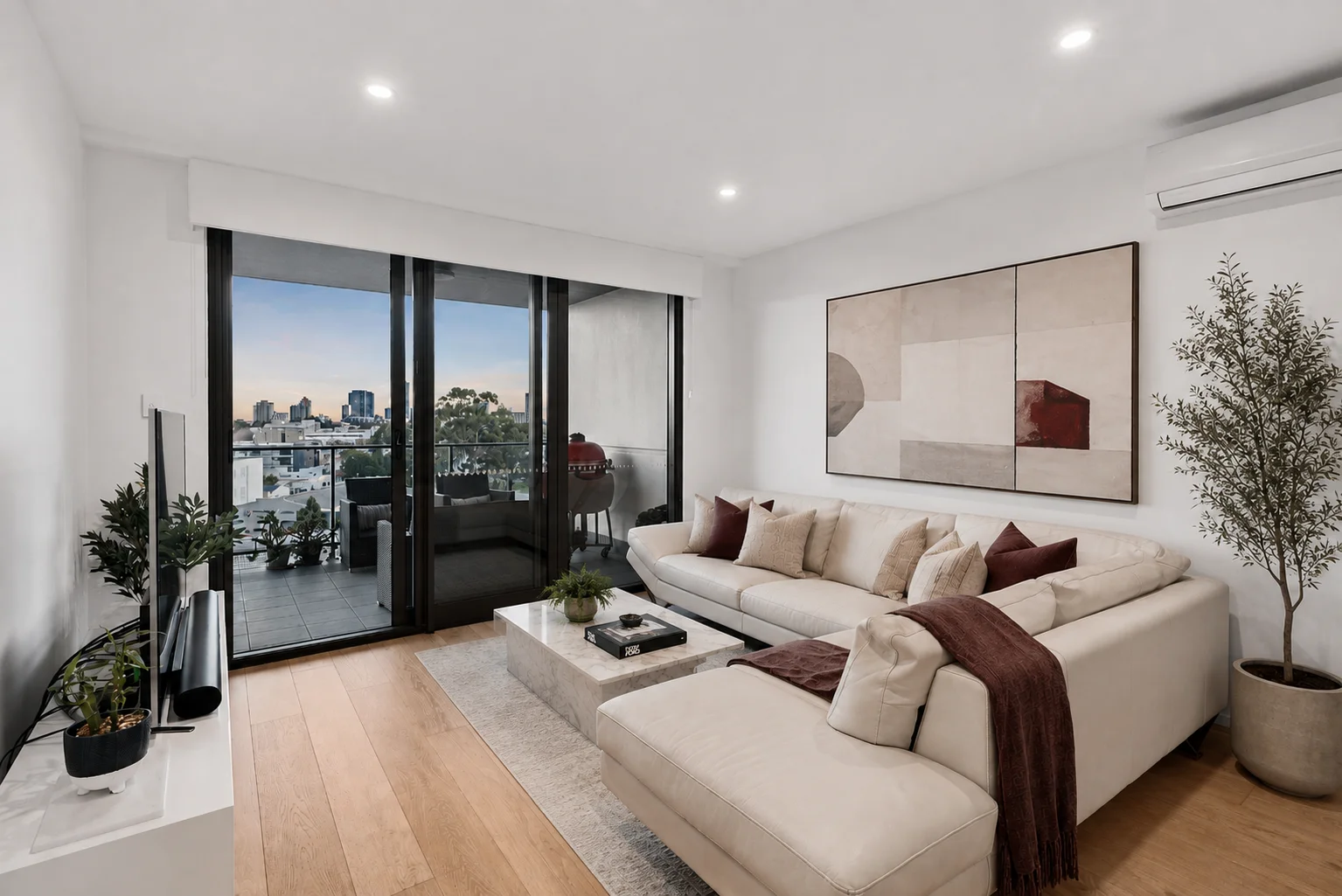 $700,000
Apartment / Unit / Flat
$700,000
Apartment / Unit / Flat
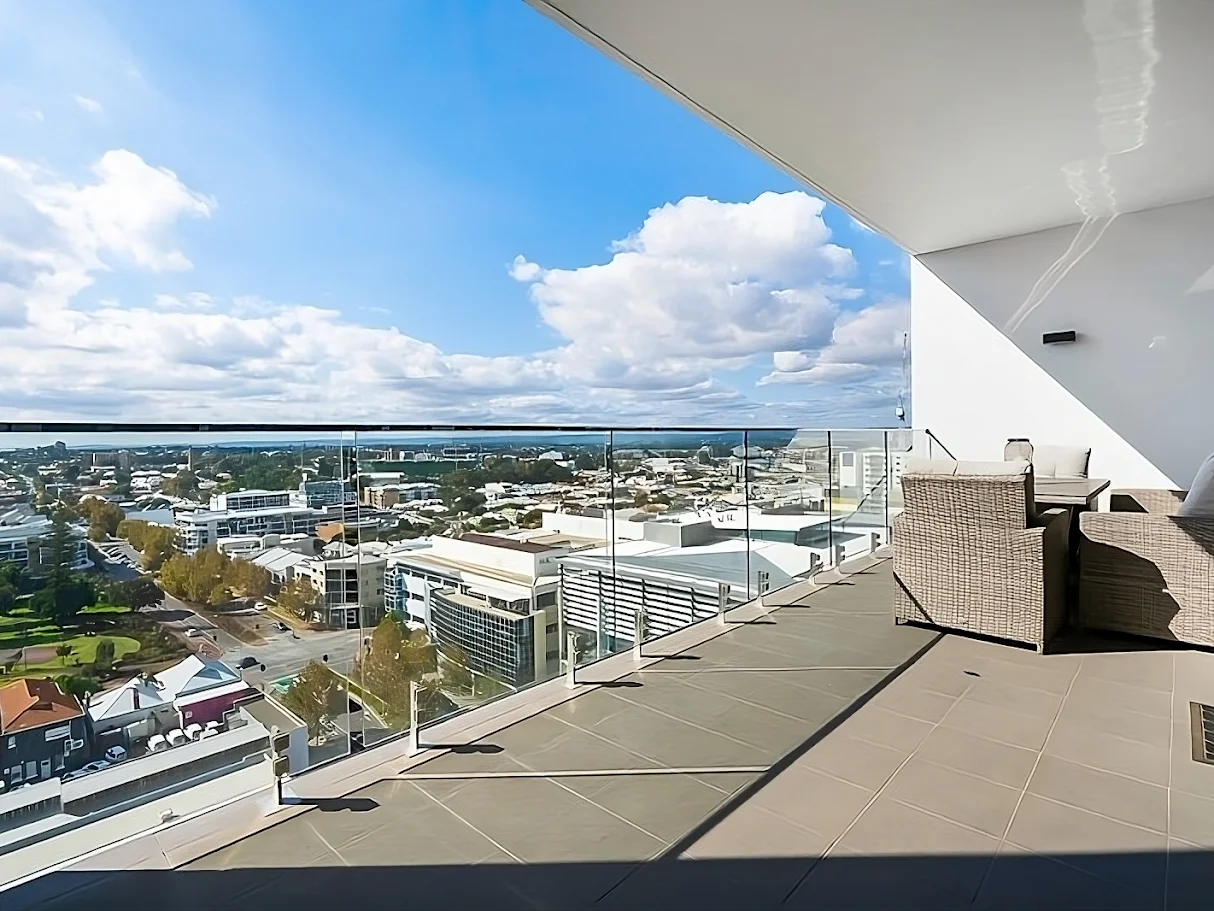 $580,000
Apartment / Unit / Flat
$580,000
Apartment / Unit / Flat
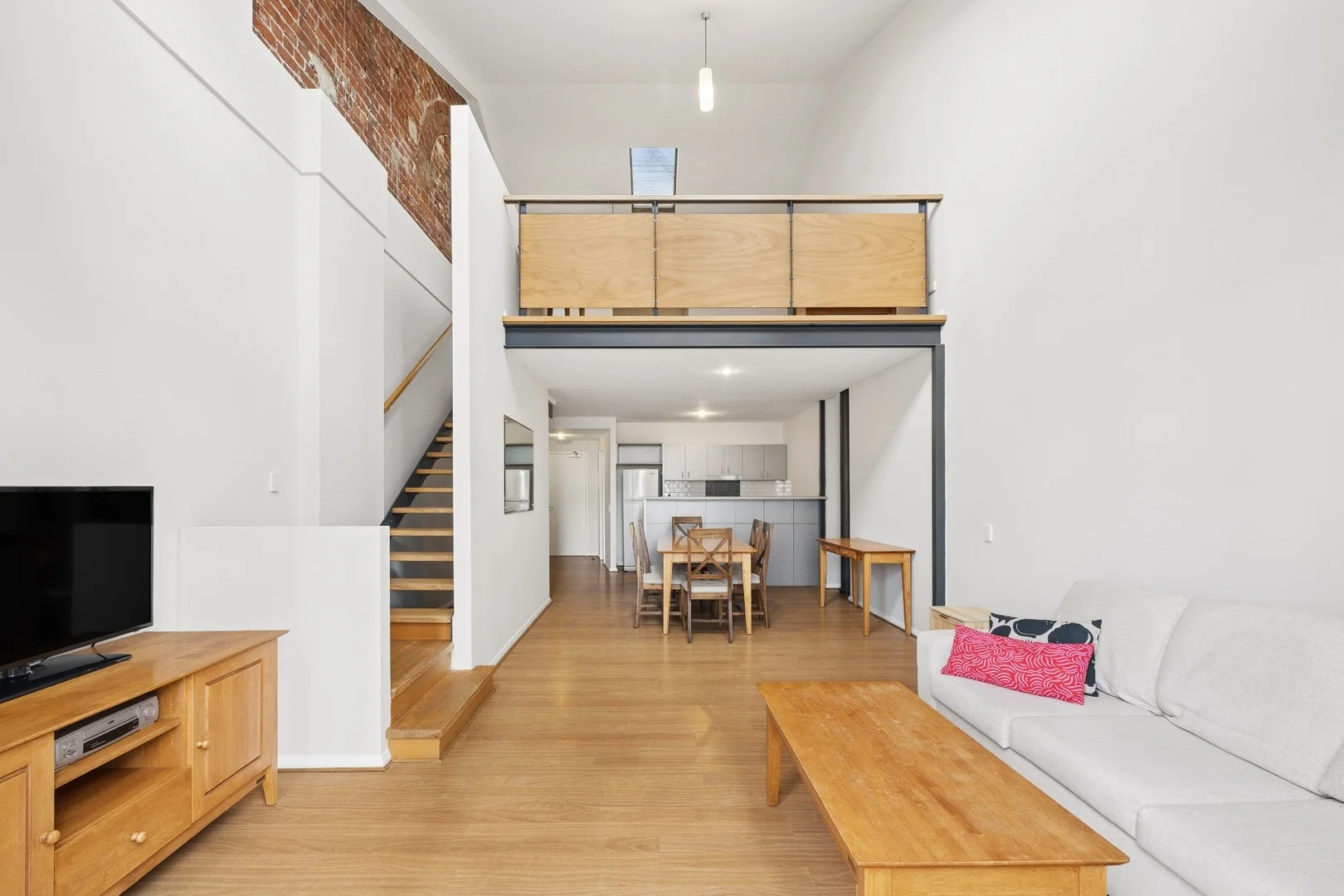 $549,000
Apartment / Unit / Flat
$549,000
Apartment / Unit / Flat
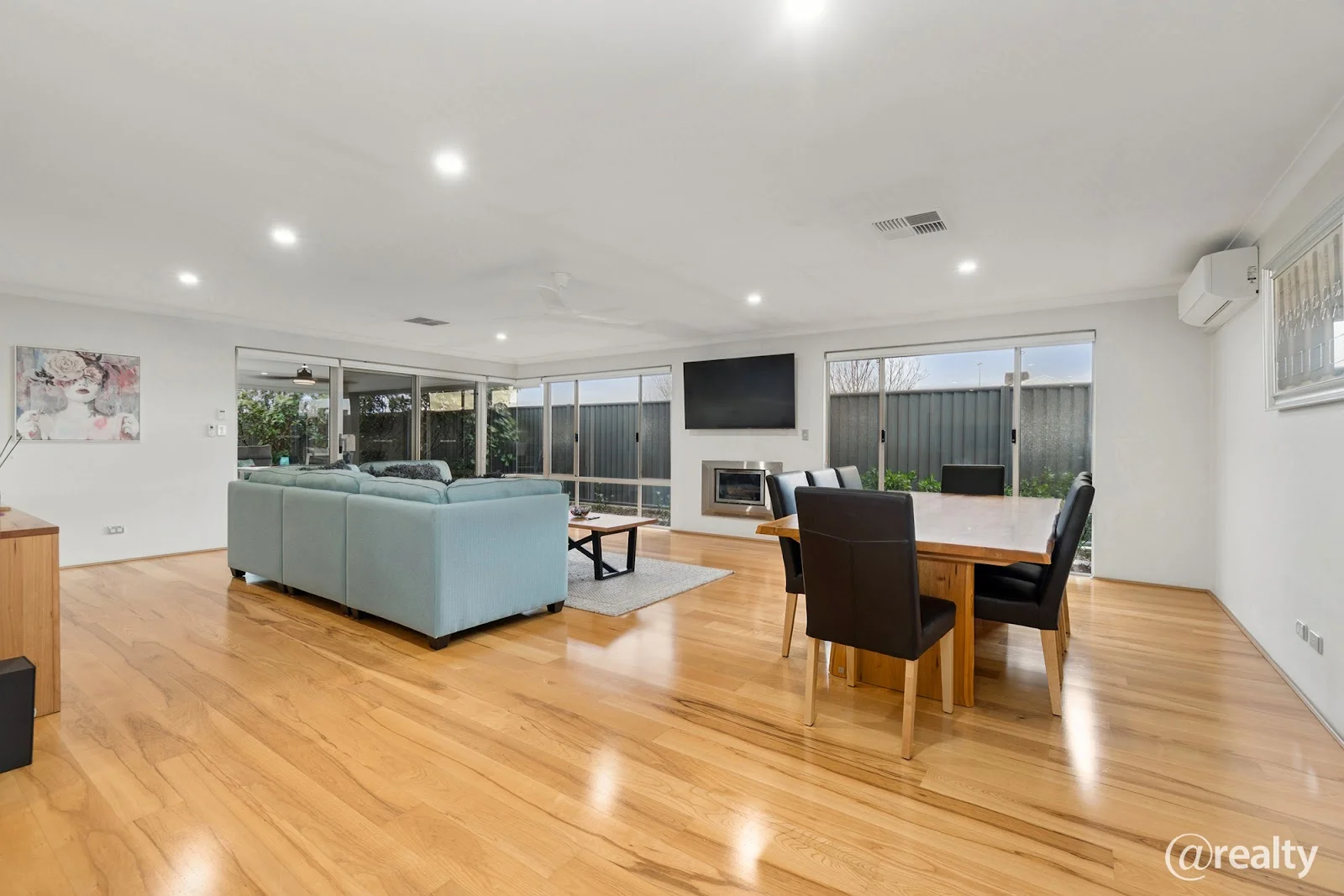 $1,030,000
House
$1,030,000
House
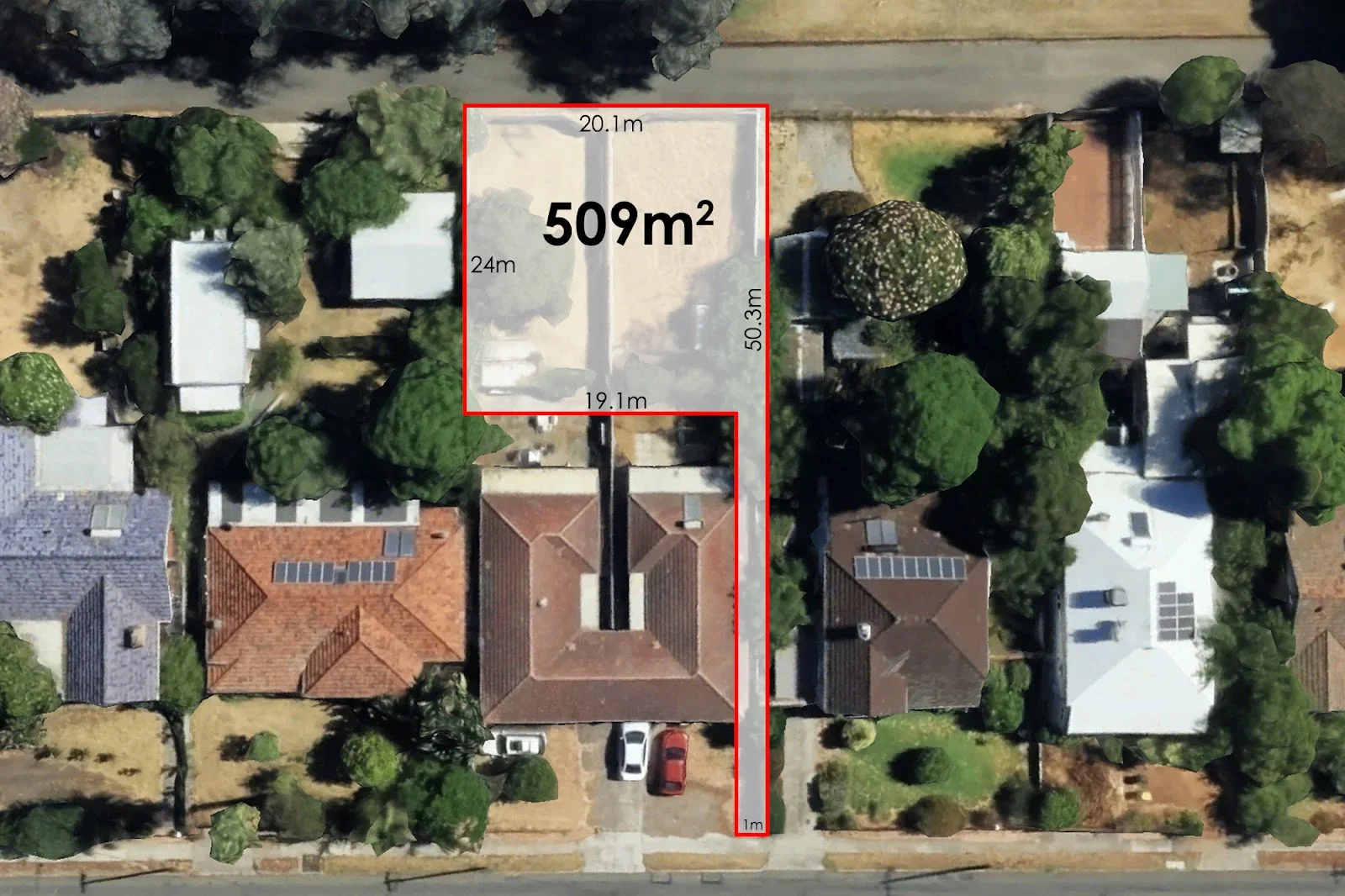 $480,000
Vacant Land
$480,000
Vacant Land


