## 1. Overview
- Type: Independent/private, single-sex girls’ school with a long-standing presence in Western Australia.
- Size: Medium to large, with a broad range of year levels and programs.
- Class size: Generally small to mid-sized classes designed to support individual student attention.
- Atmosphere/culture: Nurturing, academically rigorous, inclusive and community-focused, with strong pastoral care and student leadership opportunities.
## 2. Academics & Learning
- Academic strengths: English and humanities, STEM disciplines, and languages are supported by a well-rounded curriculum and university-preparatory pathways.
- Special programs: Gifted and talented programs, accelerated learning options, and university-preparatory pathways are typically available to students seeking enhanced challenge.
- NAPLAN / trends: Historically steady to strong performance with trends showing above-average results in reading and numeracy relative to state averages; emphasis on continuous improvement across cohorts.
- Student-teacher ratios: Small to mid-range ratios that enable more individual attention and targeted support.
- Support for diverse learners: Dedicated staff for EAL (English as an Additional Language) and SEN (Special Educational Needs), with additional learning support and differentiation within classrooms.
## 3. Sports & Extracurricular Strengths
- Sports offered: Netball, Basketball, Hockey, Soccer, Tennis, Athletics, Swimming, Rowing, and other active participation options throughout the year.
- Strong teams or achievements: Regular participation in inter-school competitions with competitive teams across multiple sports; opportunities to represent the school in regional events.
- Music, arts, drama programs: Comprehensive music programs ( ensembles, choirs, orchestras), strong drama productions and performing arts opportunities.
- Clubs: Robotics, Chess, Coding, Debating, and a range of science, language, and service clubs.
- Partnerships: Local clubs, inter-school competitions, and external arts/science partnerships to broaden experience and exposure.
## 4. Wellbeing & Pastoral Care
- Anti-bullying approach: Clear anti-bullying policies with proactive education, peer support, and reporting mechanisms.
- House system: House-based pastoral framework to build community, support wellbeing, and foster healthy competition.
- Counsellors / wellbeing officers: Access to school counsellors and wellbeing staff for academic, social, and emotional support.
- Transition support for new students: Orientation programs, buddy systems, and ongoing induction to ease transitions for new entrants.
## 5. Facilities
- Sports grounds: Dedicated on-site fields and courts to support a wide range of sports.
- Libraries: Well-resourced libraries with study spaces and learning resources.
- Science labs: Modern science laboratories equipped for biology, chemistry, and physics experiments.
- Music/performing arts centers: Rehearsal spaces and performance venues for music, drama, and dance.
- Tech/innovation labs: ICT/tech and innovation spaces to support coding, robotics, and design projects.
- Cafeteria: On-site canteen or dining facilities for students.
- Updated playgrounds: Well-maintained outdoor spaces and play areas.
## 6. School Values & Community Culture
- Values / mission: Emphasis on respect, responsibility, integrity, excellence, and compassion; a focus on leadership and service within the school and wider community.
- Leadership style: Student-centered with many leadership opportunities (prefects, clubs, committees) and mentoring approaches.
- Behaviour expectations: Clear codes of conduct emphasizing respect, resilience, and responsible decision-making.
- Community reputation: Strong sense of community and support among students, families, and staff; active parent involvement in school life.
- Diversity & inclusion: Commitment to inclusive practices and valuing diverse backgrounds and perspectives.
## 7. School Logistics & Daily Operations
- School hours: Typically a full-day schedule with morning to afternoon sessions; exact times provided at enrolment.
- Before/after school care: Availability of before and after school care or supervision options.
- Uniform requirements: Clear uniform standards with designated items; ongoing guidance on dress code.
- Transport: Access to public transport options (bus/train routes) and school-arranged transport where available.
- Canteen availability: On-site canteen or dining services with meal options.
- Fees: Tuition and fees are in the mid-to-high range for WA independent schools; additional costs may apply for uniform, activities, and camps.
## 8. Enrolment & Admissions
11. What is the enrolment process and timeline?
- Typically starts with an expression of interest or application, followed by submission of academic records and supporting documents, an admissions interview or assessment, and a place offer if suitable. The timeline can span several weeks to several months, so applying early is advised.
12. Is there a waiting list, and how does it work?
- Waiting lists are common when vacancies are limited. Applications may be placed on a waitlist if a formal offer cannot be made immediately; priority often goes to applicants who align with the school’s intake processes and available spaces.
13. Are there any entry requirements, tests, or interviews?
- Most entrants will have an interview and may complete a scholastic or diagnostic assessment to determine fit with the program, alongside verification of prior academic records and any specialist needs (e.g., SEN or EAL considerations).
14. Does the school accept mid-year transfers?
- Mid-year transfers are considered if there is available space and appropriate placement can be made within the timetable; placements typically involve interviews, assessments, and alignment with current classes.
## 9. Frequently Asked Questions
- Why Parents Choose This School?
- Strong academic program, supportive pastoral care, rich co-curricular and leadership opportunities, and a welcoming community culture.
- What type of student thrives at this school?
- Motivated, collaborative, leadership-oriented students who value academics, sport, arts, and service, and who respond well to a structured, supportive environment.
- What opportunities are available for students to extend their skills (academics, sports, arts)?
- Accelerated or enriched academic pathways, a range of sports teams, music ensembles, drama productions, robotics and coding clubs, debating, and other specialty clubs and competitions.
- How does the school communicate with parents?
- Regular newsletters, a parent portal or management system, calendars, and well-trequent parent-teacher conferences and updates from tutors or coordinators.
- What is the school’s approach to teaching and learning?
- Student-centered, differentiated instruction with emphasis on critical thinking, collaboration, and real-world application; use of digital tools to support learning.
- How does the school support students who need extra academic help?
- Targeted learning support, tutoring options, EAL and SEN services, and differentiated tasks within classes.
- What support is available for academic challenges?
- Access to counsellors for study planning, academic coaching, and referrals to external resources if needed.
- How does the school communicate with parents?
- See above: regular updates via portals, newsletters, and meetings.
- What are the class sizes and how much individual attention do students receive?
- Class sizes are designed to enable individual attention, with small to mid-sized classes and additional teacher time for targeted support.
- What extracurricular and sports opportunities are available?
- A broad spectrum across sports, arts, robotics, coding, debating, and cultural activities, with competition and performance opportunities.
- What facilities does the school offer (sports, science, arts)?
- Comprehensive facilities including sports grounds, libraries, science labs, performing arts spaces, tech/innovation labs, and student dining.
- What is the school’s approach to technology and digital learning?
- Integrated digital learning across curricula, with appropriate devices, ICT support, and digital literacy development.
- What transport and accessibility options are available?
- Access to local transport options and school-provided or coordinated transport where available; facilities are designed for accessibility.
- What are typical school fees or additional costs?
- Tuition falls in the mid-to-high range for WA independent schools; additional costs may include uniforms, trips, camps, and activity levies.
## 10. Short Pros & Cons list
- Pros
- Strong academic program with university-preparatory pathways
- Comprehensive wellbeing and pastoral care
- Broad range of co-curricular activities (sports, arts, clubs)
- Supportive, inclusive community with leadership opportunities
- Modern facilities and dedicated learning spaces
- Cons
- Higher tuition and associated costs relative to public schooling
- Competitive entry may require selective admissions and strong fit
- Availability of spaces can be limited, with a waiting list during peak years










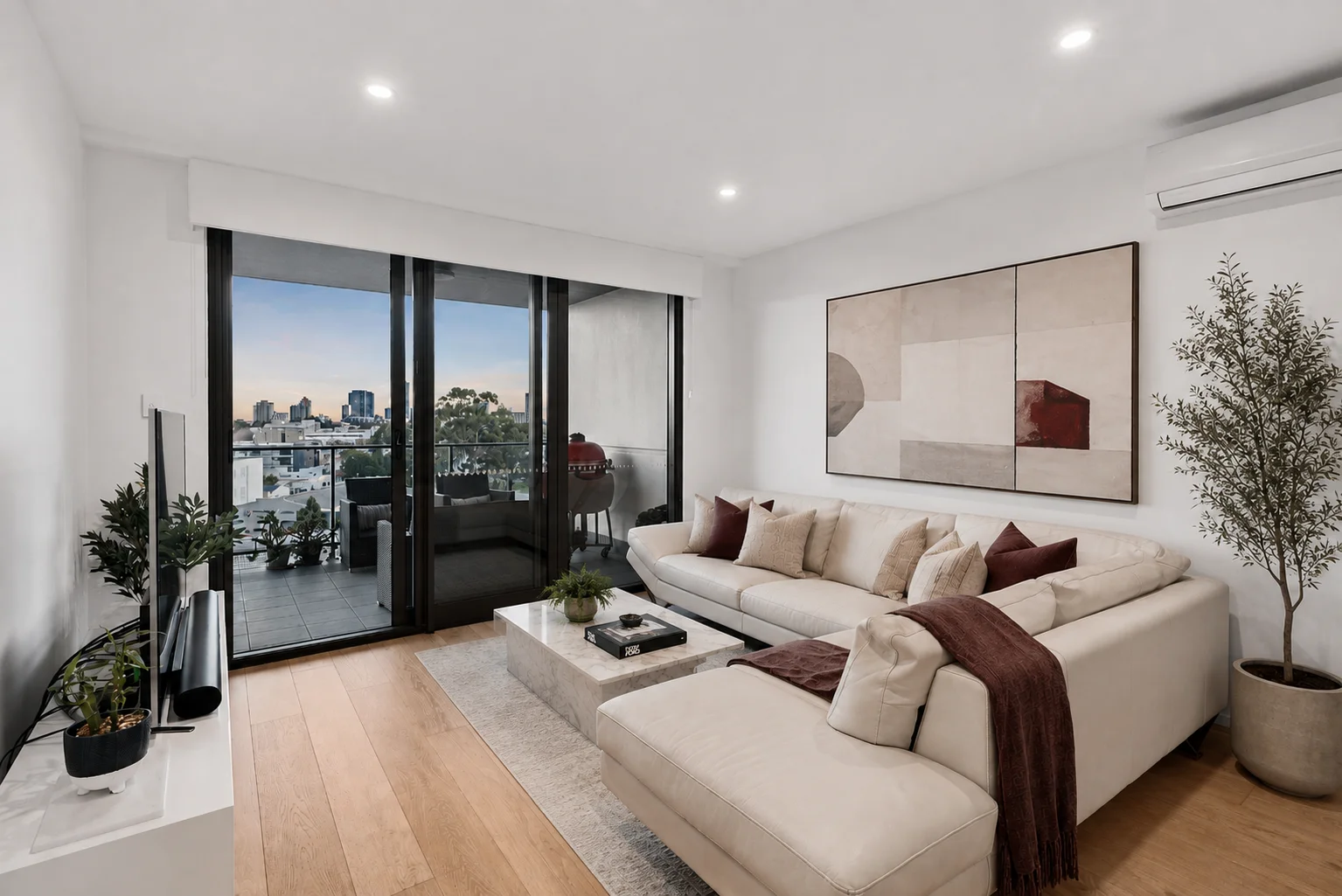 $700,000
Apartment / Unit / Flat
$700,000
Apartment / Unit / Flat
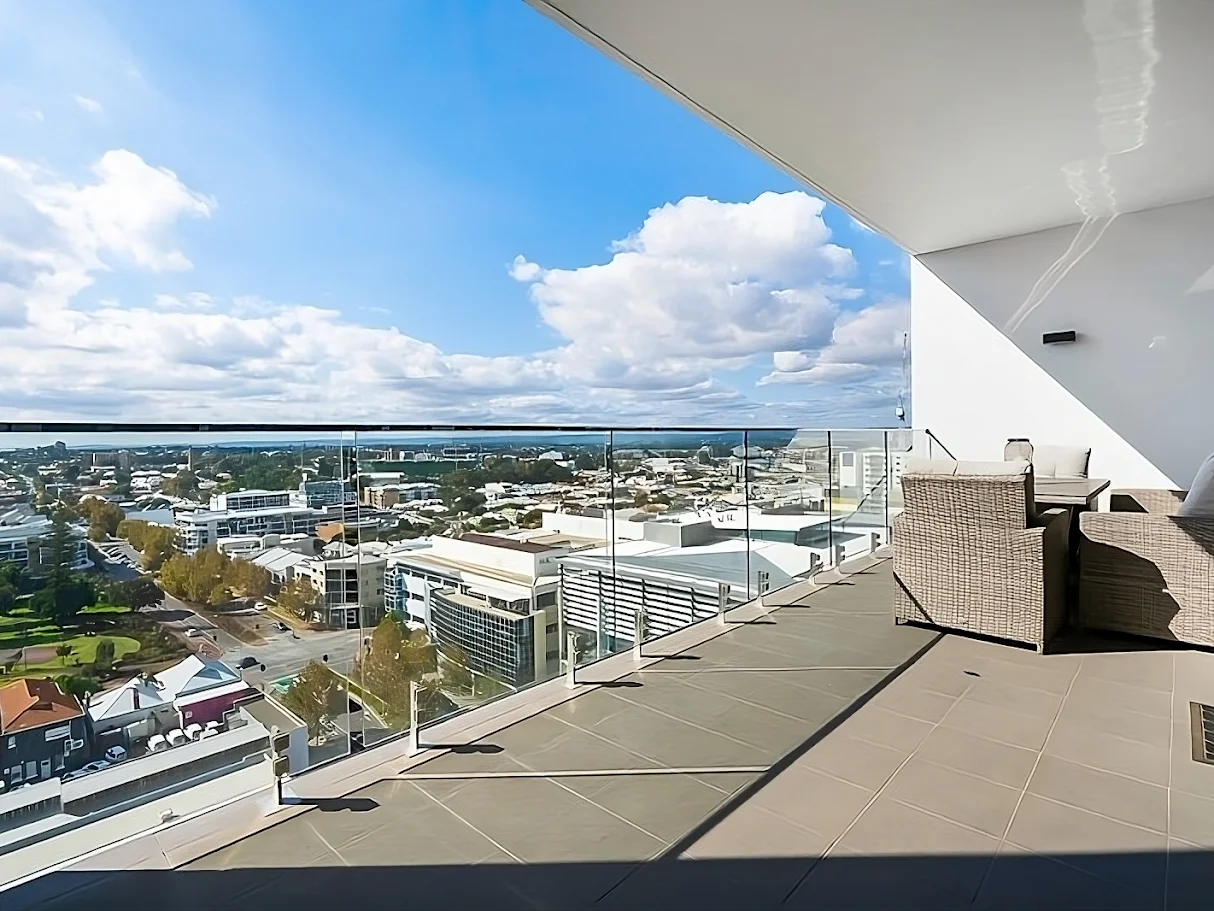 $580,000
Apartment / Unit / Flat
$580,000
Apartment / Unit / Flat
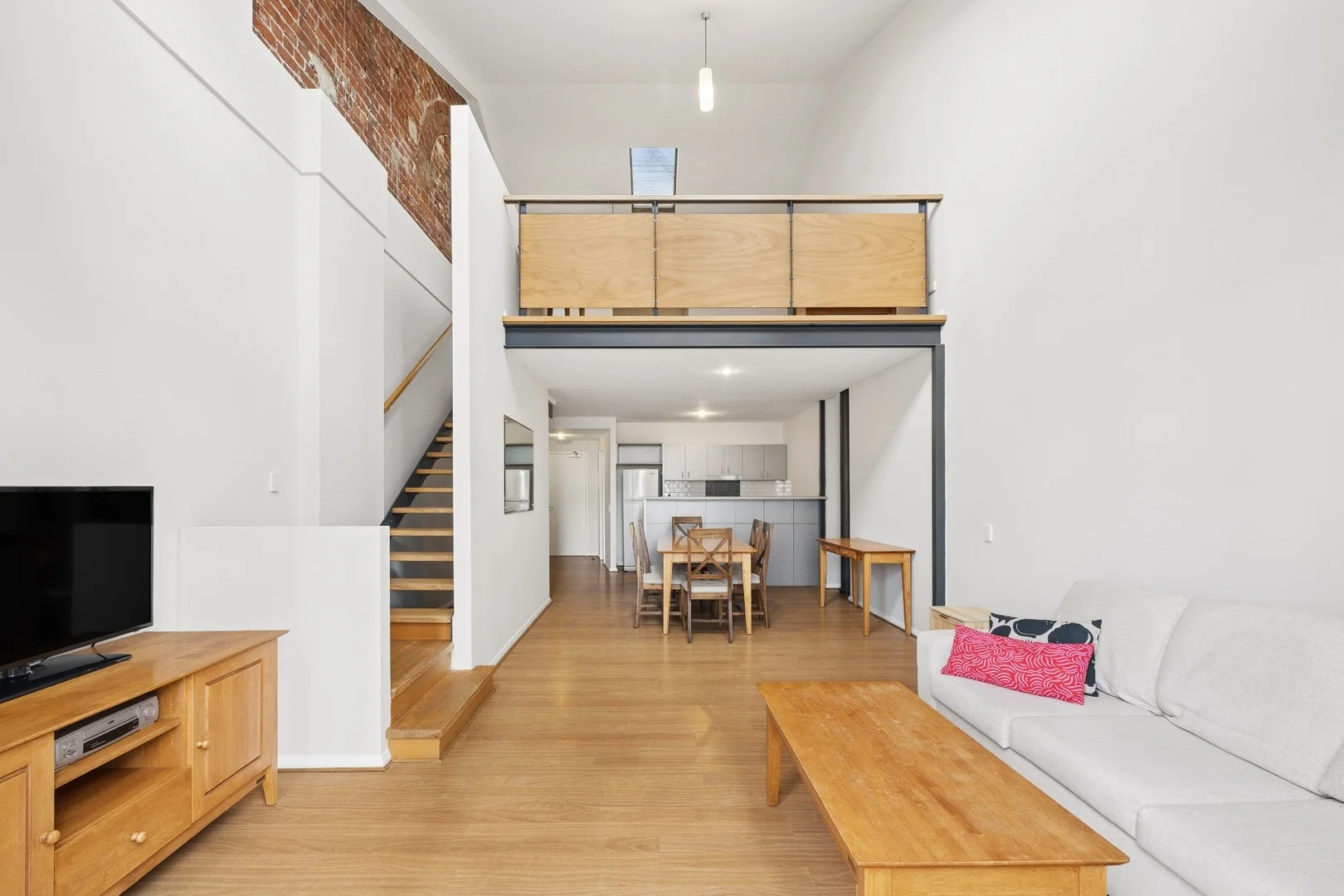 $549,000
Apartment / Unit / Flat
$549,000
Apartment / Unit / Flat
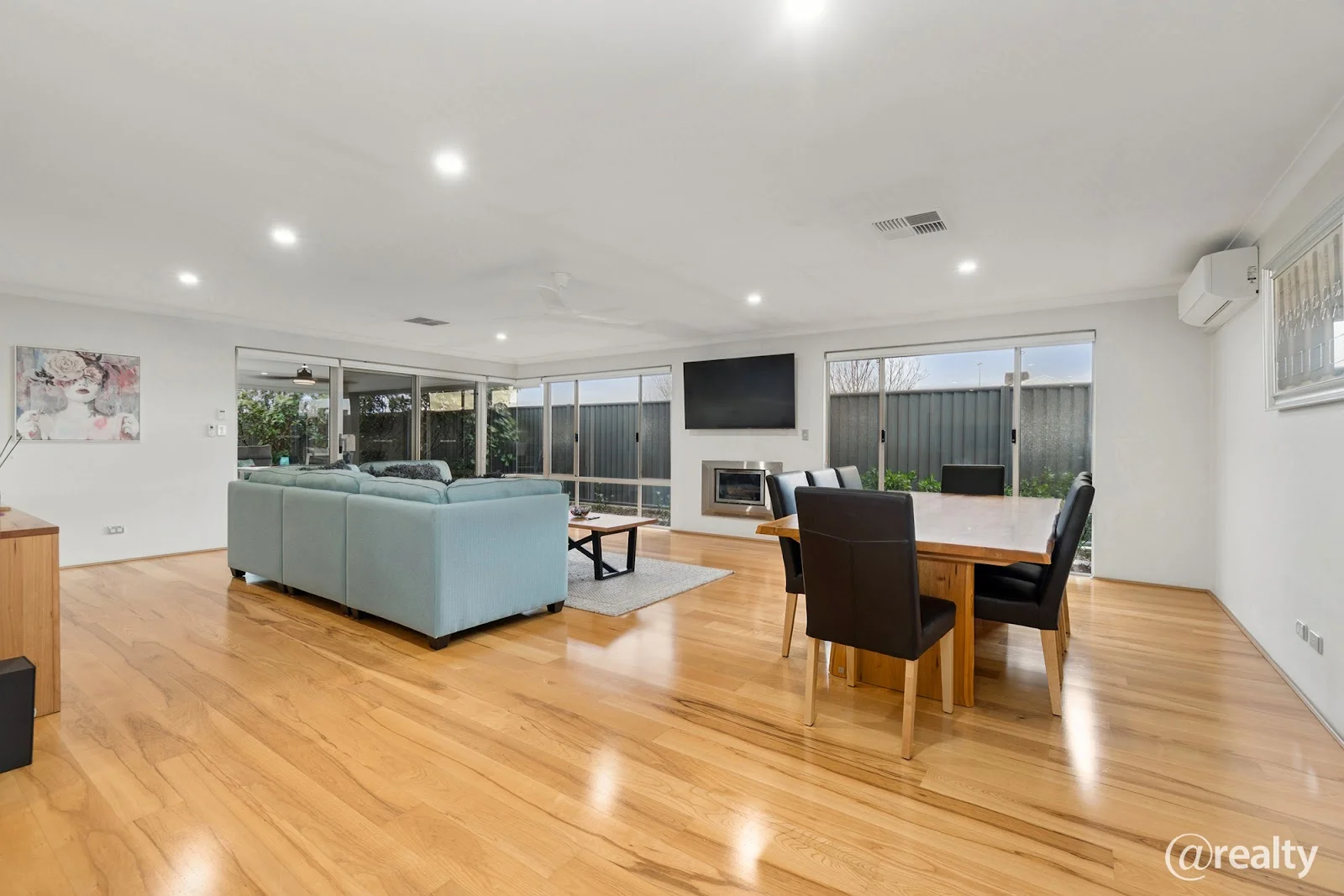 $1,030,000
House
$1,030,000
House
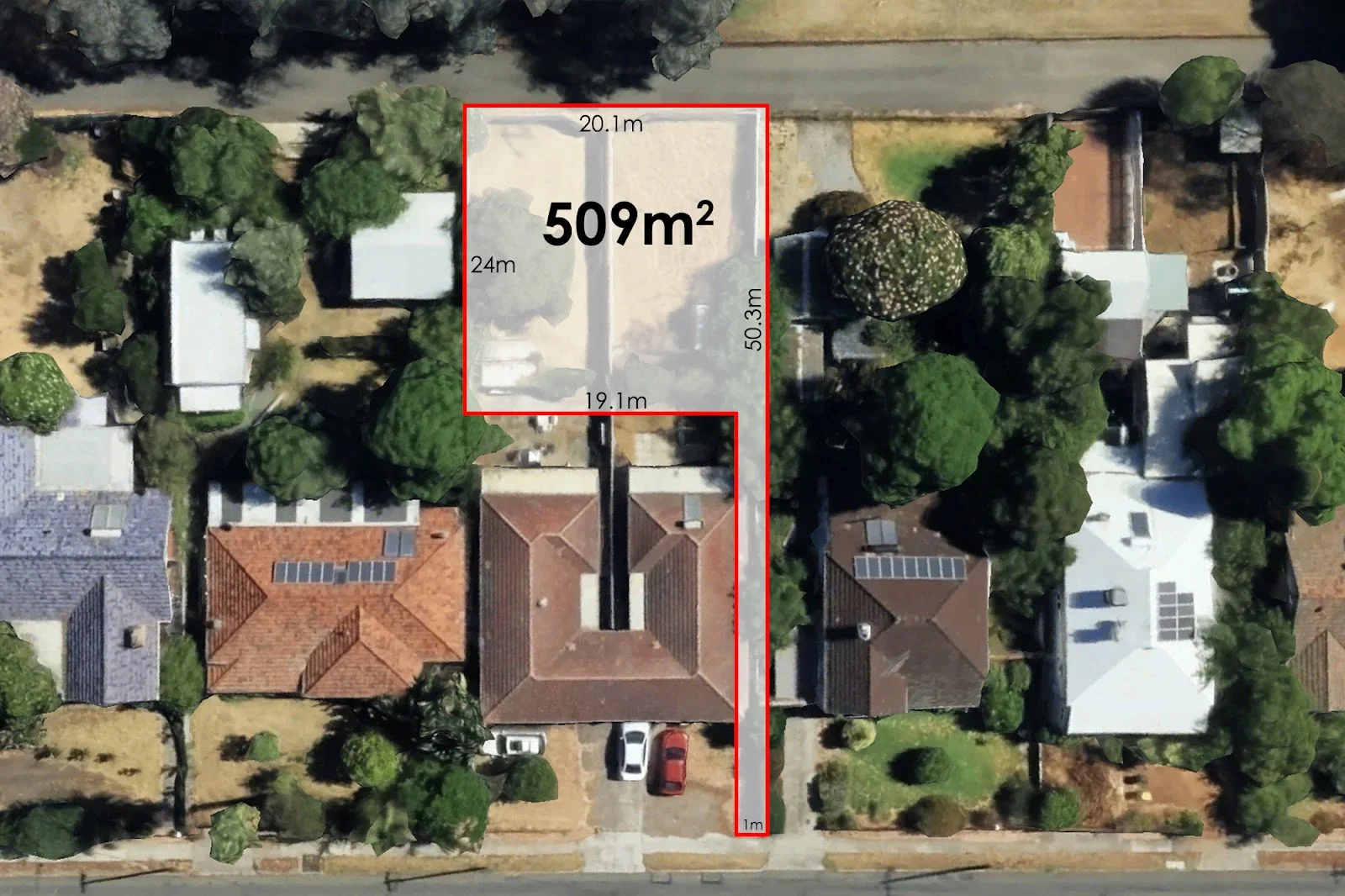 $480,000
Vacant Land
$480,000
Vacant Land