Overview
Narre Warren South P-12 College is a public, co-educational school offering Prep to Year 12 on a single campus. It serves a large and diverse community in Narre Warren South, balancing strong academic programs with a focus on wellbeing and real-world learning. Class sizes are typically in the low-to-mid 20s, supporting individualized attention within a comprehensive, inclusive culture that values student growth and community involvement.
The college aims to provide a welcoming, supportive environment where students are encouraged to pursue academic achievement while developing resilience, collaboration and social responsibility.
Academics & Learning
- Academic strengths: English, Mathematics and Science are core focus areas, with robust STEM initiatives and opportunities to engage in leadership and humanities learning. Language study (LOTE) and cross-disciplinary projects support well-rounded literacy and critical thinking.
- Special programs: Gifted and Talented pathways, opportunities for accelerated learning where appropriate, and senior pathways including VCE/VCAL and related vocational programs to suit diverse post-school goals.
- Support for diverse learners: Strong support for EAL learners and students with additional learning needs, with dedicated learning support staff and inclusive teaching practices.
- Sports offered: A range of team and individual sports, including basketball, netball, soccer, AFL-style programs, cricket and athletics, with opportunities to participate across age groups.
- Strong teams or achievements: Competitive inter-school teams and regional representation in various sports, with emphasis on teamwork, sportsmanship and personal development.
- Music, arts, drama programs: Active music ensembles, school productions, and performing arts opportunities that showcase student creativity and collaboration.
- Clubs: Robotics, coding, chess, debating and other interest-based clubs that support hands-on learning and problem-solving skills.
- Partnerships: Local community clubs and regional competitions provide extra avenues for competition, performance and enrichment in science, technology and the arts.
Wellbeing & Pastoral Care
- Anti-bullying approach: A proactive whole-school anti-bullying program backed by clear policies, staff training and ongoing student education.
- House system: A house-based framework for activities, leadership and mentorship, fostering belonging and healthy competition.
- Counsellors / wellbeing officers: On-site guidance and wellbeing staff available to support academic planning, social-emotional learning and personal development.
- Transition support for new students: Structured orientation programs, buddy systems and targeted transition activities to help students settle across year levels and campuses.
Facilities
- Sports grounds
- Libraries
- Science labs
- Music/performing arts centers
- Tech/innovation labs
- Cafeteria
- Updated playgrounds
The college provides a mix of modern learning spaces and purpose-built facilities designed to support hands-on learning, collaboration and creativity across year levels.
- School values / mission: A focus on respect, responsibility, integrity and care; a student-centred mission that prioritises learning, wellbeing and community contribution.
- Leadership style: Distributed leadership with opportunities for student voice, peer mentoring and staff collaboration to drive Continuous Improvement.
- Behaviour expectations: Clear codes of conduct that promote respectful relationships, responsibility and safe learning environments.
- Community reputation: Known for a welcoming, supportive community where parents, staff and students work together to achieve positive outcomes.
- Diversity & inclusion: Commitment to inclusive education and celebrating diversity across the school community.
School Logistics & Daily Operations
- School hours: Typical school day runs from morning start to afternoon finish with structured breaks; exact times published by the school each year.
- Before/after school care: Availability may be offered through outside providers or school-approved arrangements; inquire with the school for current options.
- Uniform requirements: School uniform is standard; details provided through the student handbook and orientation materials.
- Transport (train/bus routes): Accessible by local bus routes and other public transport options; proximity to stations and stops is considered in planning travel.
- Canteen availability: On-site canteen or lunch facilities offering healthy options; schedule and offerings vary by year level.
- Fees (low/medium/high ranges): As a public school, core costs are modest with small additional charges for materials and activities where applicable; families may incur voluntary contributions or activity levies.
Enrolment & Admissions
- 11. What is the enrolment process and timeline?
- Applications are typically submitted through the appropriate enrolment channels for Victorian public schools. The school will provide timelines for application, offer, and orientation processes, with alignment to local zoning rules. Families may need to provide proof of residence and birth documentation as part of the process.
- 12. Is there a waiting list, and how does it work?
- In-zone preference is generally given priority. If the school is oversubscribed, there may be a waiting list or in-zone/ out-of-zone assessment for placement based on space availability and policy.
- 13. Are there any entry requirements, tests, or interviews?
- For general enrolment there are usually no entry tests or interviews. For gifted and talented pathways or specific programs, assessments or interviews may occur to determine suitability.
- 14. Does the school accept mid-year transfers?
- Mid-year transfers can be considered if spaces are available. Transfer requires updated records, documentation, and agreement with the receiving year’s capacity.
Frequently Ask Questions
- Why Parents Choose This School?
- A balanced focus on academics, wellbeing and community; strong support systems and opportunities across years 7–12, with a clear pathway to further study or work.
- What type of student thrives at this school?
- Students who are motivated to engage in a broad curriculum, participate in sports and arts, and benefit from a supportive, inclusive learning environment.
- What opportunities are available for students to extend their skills (academics, sports, arts)?
- Access to advanced or enriched learning paths, STEM initiatives, leadership roles, clubs (robotics, coding, debating), musical ensembles, drama productions, and competitive sports teams.
- How does the school communicate with parents?
- Regular updates via newsletters, phone calls, parent portals and scheduled parent-teacher meetings; a focus on timely, transparent two-way communication.
- What is the school’s approach to teaching and learning?
- Curriculum aligned to the state standards with emphasis on student engagement, inquiry-based learning, collaboration and differentiation to meet diverse needs.
- How does the school support students who need extra academic help?
- Targeted support through learning support staff, tutoring programs, EAL/SEN services and individualized learning plans.
- What support is available for academic challenges?
- Access to intervention programs, mentoring and specialist staff to help students catch up, stay on track and build confidence.
- How does the school communicate with parents? (Repeated)
- See above: regular newsletters, parent portals, and meetings; a commitment to open, proactive communication.
- What extracurricular and sports opportunities are available?
- A broad range including sports teams, music and arts programs, robotics, coding, chess, debating and other clubs; opportunities to compete and perform at regional levels.
- What facilities does the school offer (sports, science, arts)?
- Comprehensive facilities including sports grounds, libraries, science labs, performing arts spaces, tech/innovation labs and a canteen.
- What is the school’s approach to technology and digital learning?
- Integrated digital learning with access to devices and software to support research, collaboration and modern literacy; emphasis on safe and responsible use.
- What transport and accessibility options are available?
- Access via local bus routes and public transport; policies to support safe travel and accessibility for students with mobility needs.
- What are the typical school fees or additional costs?
- Core education is funded publicly; additional costs may include material fees, voluntary contributions or activity levies for certain programs and excursions.
Short Pros & Cons list
- Strong sense of community and belonging
- Broad curriculum with opportunities across academics, sports and arts
- Supportive wellbeing and inclusive practices
- A range of leadership and student-voice opportunities
- Modern facilities and learning spaces
- Large school environment can feel busy at peak times
- In-zone priority may limit in-zone transfers during oversubscription periods
- Some programs or clubs may have eligibility or capacity limits
- Uniform requirements and associated costs are ongoing considerations

 Free
Free










 $595,000 - $645,000
House
$595,000 - $645,000
House
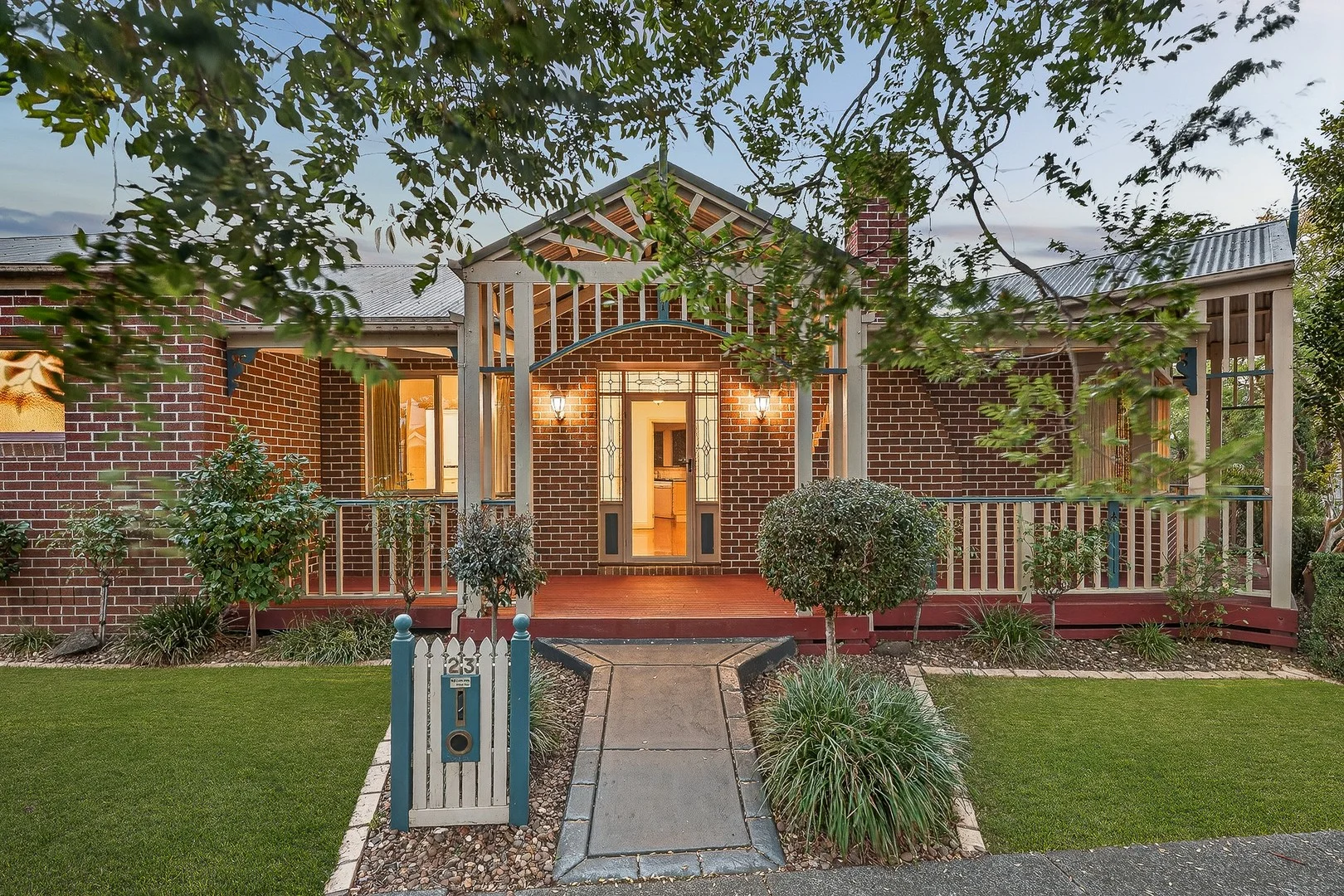 $1,050,000 - $1,150,000
House
$1,050,000 - $1,150,000
House
 $805,500
House
$805,500
House
 $795,000 - $835,000
House
$795,000 - $835,000
House
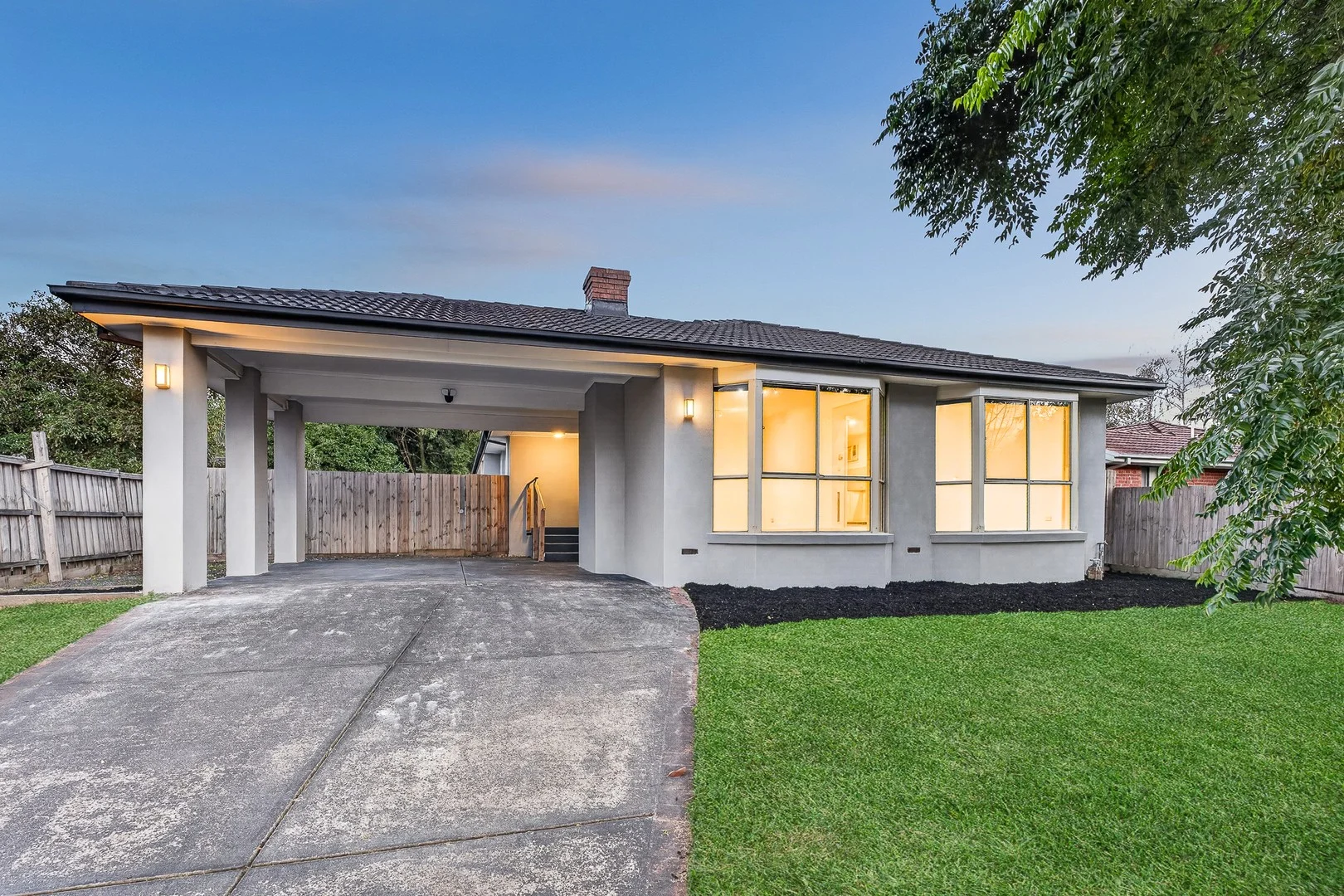 $800,000 - $880,000
House
$800,000 - $880,000
House
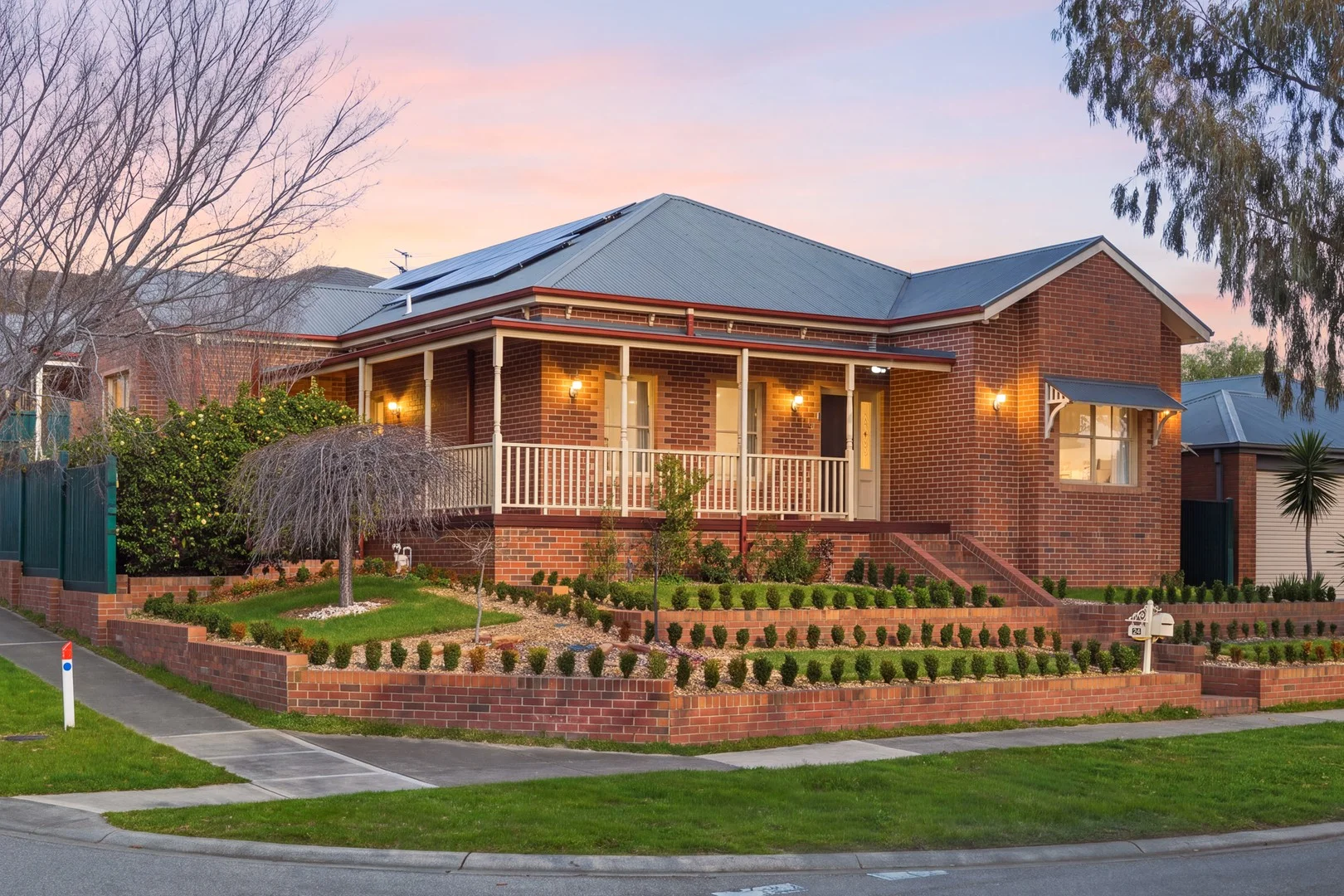 $1,138,000
House
$1,138,000
House
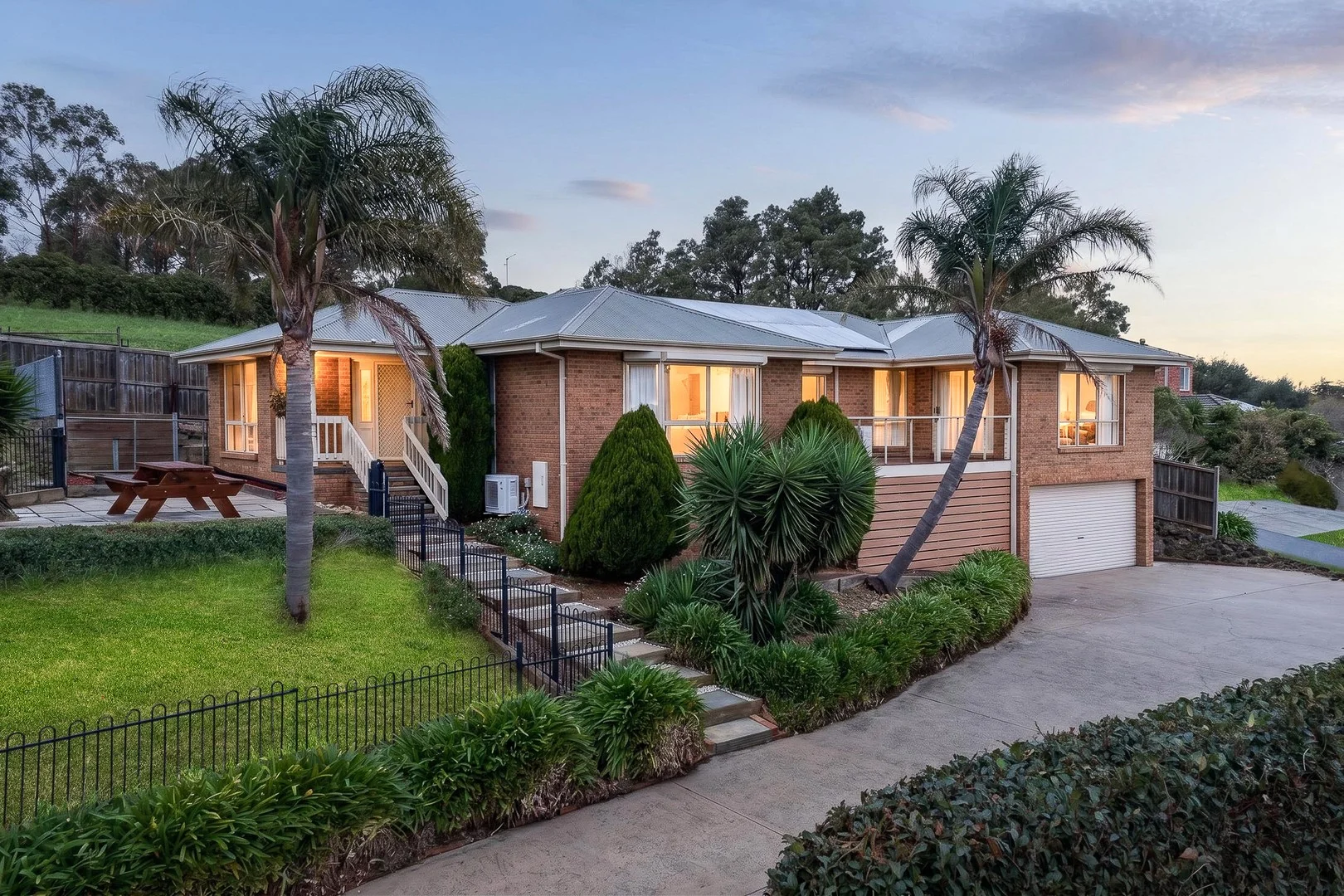 $850,000
House
$850,000
House
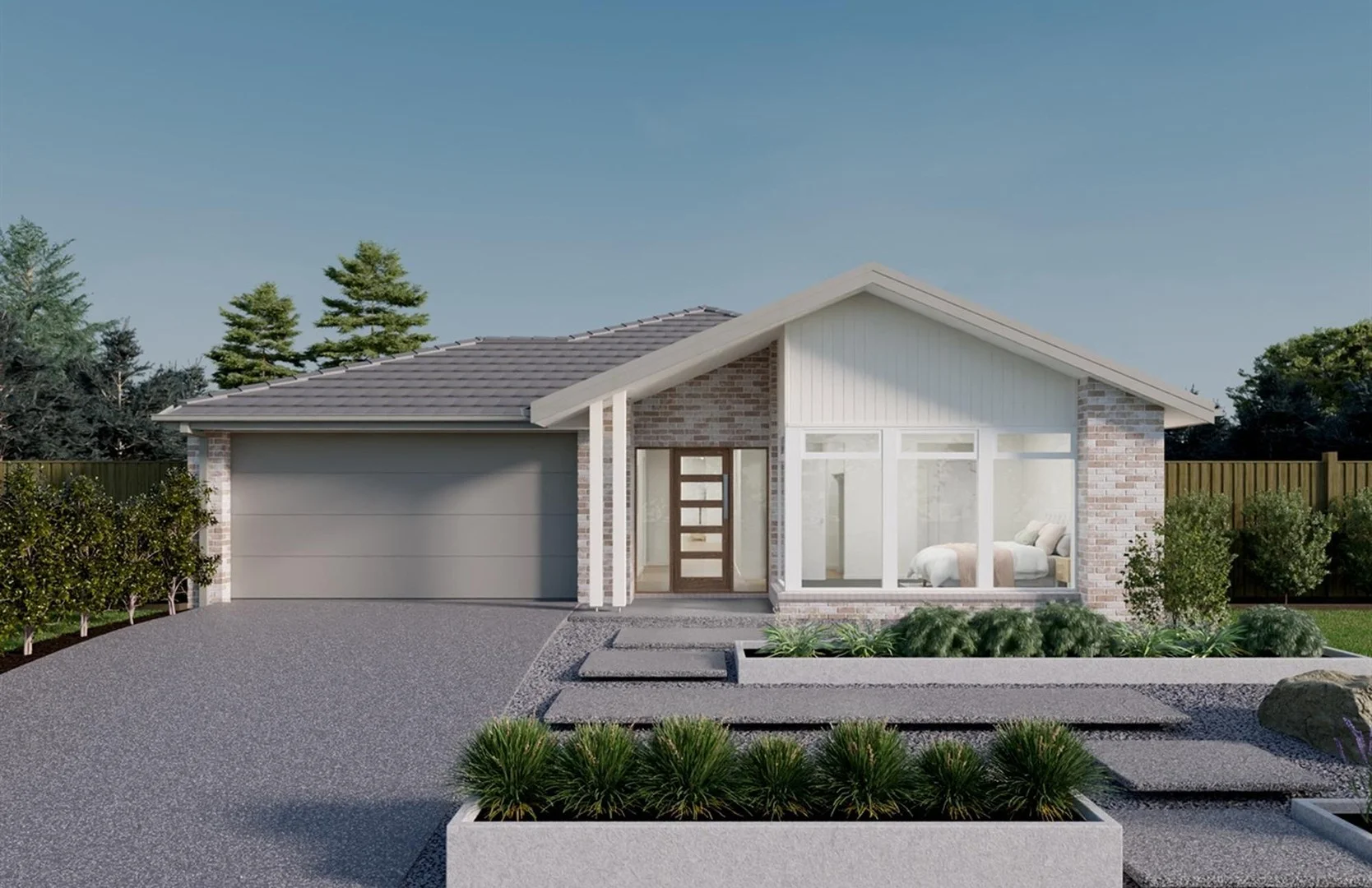 $1,116,900
propertyType.NEW HOUSE & LAND
$1,116,900
propertyType.NEW HOUSE & LAND
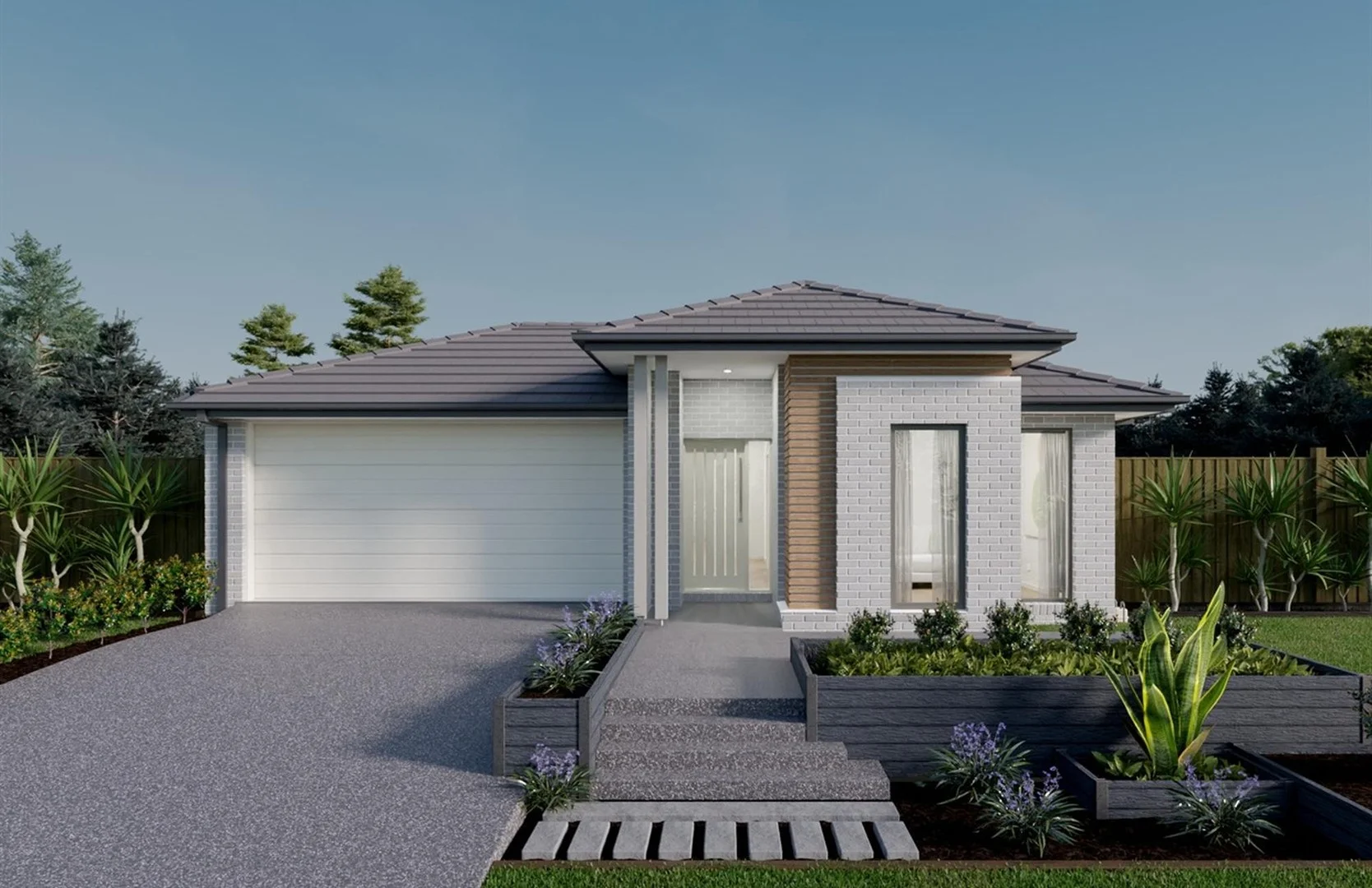 $785,700
propertyType.NEW HOUSE & LAND
$785,700
propertyType.NEW HOUSE & LAND


