Overview
## 1. Overview
St Kevin's Primary School, Hampton Park, is a Catholic primary school in the southern suburbs of Melbourne. It provides a faith-based education with a focus on building a caring, inclusive community where children grow academically, socially and spiritually. The school is a medium-sized community that aims to support every child through a nurturing environment and strong partnerships with families.
Class sizes are typically around 20–25 students, which supports plenty of teacher attention, collaborative learning and student participation. The atmosphere is generally described as nurturing and welcoming, with an emphasis on respect, service and community involvement.
⸻
## 2. Academics & Learning
- Academic strengths: English/Literacy and Mathematics form the foundation, with an emphasis on developing strong reading, writing and numeracy skills. There is a focus on core competencies across all subjects, and opportunities to engage with STEM and Digital Technologies. Leadership development and student voice are encouraged through classroom responsibilities and school programs.
- Special programs: Catholic schools in this area often provide extension or enrichment options, targeted literacy/numeracy support, and opportunities for students to participate in leadership projects or gifted/talented activities where available.
- NAPLAN trends: Publicly available trends typically show steady progress in literacy and numeracy over time, with a focus on continuous improvement. For exact year-to-year trends and specific results, refer to the school’s published reports.
- Student-teacher ratios: Class sizes and staffing provide workable student-teacher ratios that support differentiated instruction and small-group learning.
- Support for diverse learners: The school usually offers support for diverse learners, including English as an Additional Language (EAL) supports and a sense of inclusion for students with additional learning needs (SEN), facilitated by learning support staff and specialists where available.
⸻
## 3. Sports & Extracurricular Strengths
- Sports offered: Common primary-level programs include soccer, netball, basketball, AFL-style activities, athletics, and cricket or similar field events; participation in local school sport competitions is typical.
- Strong teams or achievements: Schools in this category often participate in district or inter-school events with teams that gain representation at regional levels; emphasis is placed on teamwork, sportsmanship and personal bests.
- Music, arts, drama programs: There is typically a music program (choir or instrumental tuition), opportunities in performing arts and school productions.
- Clubs: Robotics, Coding, Chess, Debating and other co-curricular clubs are commonly offered or facilitated.
- Partnerships: Schools frequently partner with local community clubs and organisations for competitions, fixtures and enrichment experiences to broaden opportunities beyond the classroom.
⸻
## 4. Wellbeing & Pastoral Care
- Anti-bullying approach: A whole-school anti-bullying policy is standard, with clear procedures, awareness programs and a supportive culture to address concerns.
- House system: A house-based framework is used to promote teamwork, positive competition and school spirit.
- Counsellors / wellbeing officers: A dedicated wellbeing professional or counsellor is typically available to support student mental health and resilience.
- Transition support for new students: Orientation activities, buddy programs and targeted transition support help new students settle in smoothly.
⸻
## 5. Facilities
- Sports grounds: Access to a sports oval or courts for physical education and games.
- Libraries: A school library supports reading programs and independent research.
- Science labs: Dedicated spaces for science lessons and experiments.
- Music/performing arts centers: Facilities or rooms for music, drama and performance activities.
- Tech/innovation labs: Computer or technology-enabled spaces for digital learning and coding.
- Cafeteria: On-site canteen or lunch facilities for students.
- Updated playgrounds: Safe, well-maintained play spaces for breaks and outdoor learning.
⸻
## 6. School Values & Community Culture
- School values / mission: A faith-based mission grounded in Catholic beliefs such as compassion, respect, service and integrity.
- Leadership style: Collaborative leadership with opportunities for student voice, teacher leadership and community involvement.
- Behaviour expectations: A clear code of conduct and positive behaviour framework underpin everyday life at school.
- Community reputation: A supportive, values-driven community with active family engagement and parish connections.
- Diversity & inclusion: An inclusive environment that welcomes and respects diverse backgrounds and needs.
⸻
## 7. School Logistics & Daily Operations
- School hours: Typical school day runs within standard Victorian school times (start around the morning and finish in mid-afternoon), with breaks scheduled during the day.
- Before/after school care: Availability of before and after school care programs is common.
- Uniform requirements: A compulsory school uniform is standard, with details provided by the school.
- Transport (train/bus routes): Local bus services and public transport access are typical; exact routes depend on catchment and year level.
- Canteen availability: Canteen or lunch facilities are generally available.
- Fees: Fees are generally in the mid-range for Catholic primary schools in the area, with additional costs for excursions and activities as applicable.
⸻
## 8. Enrolment & Admissions
11. What is the enrolment process and timeline?
- Submit an online or paper application along with required documentation (birth certificate, baptism/catholic confirmation details if applicable, immunisation records, proof of address, etc.).
- Attend information sessions or interviews if requested by the school.
- Documentation is reviewed and families are contacted regarding the outcome and next steps.
- Offers are typically aligned with the school calendar and may be issued for the start of the new school year; timelines can vary, so check with the school for current dates.
12. Is there a waiting list, and how does it work?
- Many Catholic primary schools have a waiting list when enrolments exceed vacancies. Priority is often given to siblings, parish and feeder details, and then by date of application. The school will confirm the process and any required steps for placement on the list.
13. Are there any entry requirements, tests, or interviews?
- Generally, primary schools do not require standard academic entrance tests. An interview or information session may be part of the process, particularly for families new to the Catholic parish or for specialist programs. Documentation around baptism (if applicable), guardianship, and prior schooling may be requested.
14. Does the school accept mid-year transfers?
- Mid-year transfers may be possible subject to vacancies and space in the relevant year level. Early contact with the school is advisable to discuss availability, documentation and transition planning.
⸻
## 9. Frequently Asked Questions
- Why Parents Choose This School?
- A values-based Catholic education, a nurturing and inclusive community, devoted teachers and strong pastoral care, with emphasis on character and faith development alongside academics.
- What type of student thrives at this school?
- Students who value community, faith-based learning, balanced focus on academics, arts and sport, and a respectful, collaborative environment.
- What opportunities are available for students to extend their skills (academics, sports, arts)?
- Opportunities through enriched literacy and numeracy activities, STEM/digital technology experiences, student leadership roles, music/drama programs, and a range of sports and clubs (robotics, coding, chess, debating).
- How does the school communicate with parents?
- Regular newsletters, parent-teacher conferences, classroom updates and digital platforms are commonly used to keep families informed and engaged.
- What is the school’s approach to teaching and learning?
- A structured, differentiation-focused approach with emphasis on Literacy and Numeracy, integrated STEM and digital learning, faith-informed values, and hands-on learning experiences.
- How does the school support students who need extra academic help?
- Targeted intervention and learning support, EAL assistance where needed, and collaboration with families to tailor support.
- What support is available for academic challenges?
- Access to learning support staff, targeted interventions, and monitoring of progress with adjustments to instruction as required.
- How does the school communicate with parents? (Repeated)
- See above: newsletters, meetings, digital platforms.
- What are the class sizes and how much individual attention do students receive?
- Class sizes typically around 20–25 students, allowing for targeted instruction and small-group work.
- What extracurricular and sports opportunities are available?
- A range of sports (e.g., soccer, netball, basketball, AFL-style activities, athletics), music and arts programs, plus clubs such as robotics, coding, chess and debating.
- What facilities does the school offer (sports, science, arts)?
- Sports grounds/oval, library, science labs, music and performing arts spaces, technology/ICT labs, canteen, and updated playgrounds.
- What is the school’s approach to technology and digital learning?
- Integration of digital technologies into learning, with appropriate hardware/software and guidance on safe, responsible use of technology.
- What transport and accessibility options are available?
- Local transport options (bus routes) and accessible facilities; specifics depend on location and year level.
- What are the typical school fees or additional costs?
- Fees are in line with similar Catholic primary schools in the area; additional costs may include excursions, incursions, uniforms and activities.
⸻
## 10. Short Pros & Cons list
- Pros
- Strong Catholic values and sense of community
- Focus on well-being and pastoral care
- Moderate class sizes allowing individual attention
- Broad range of co-curriculars (sports, arts, clubs)
- Inclusive environment with support for diverse learners
- Cons
- Availability of places can be competitive (waiting lists possible)
- Fees and uniform costs are an ongoing consideration
- Specific specialist programs or language offerings may vary by year and require confirmation
- Transportation options depend on catchment and local services









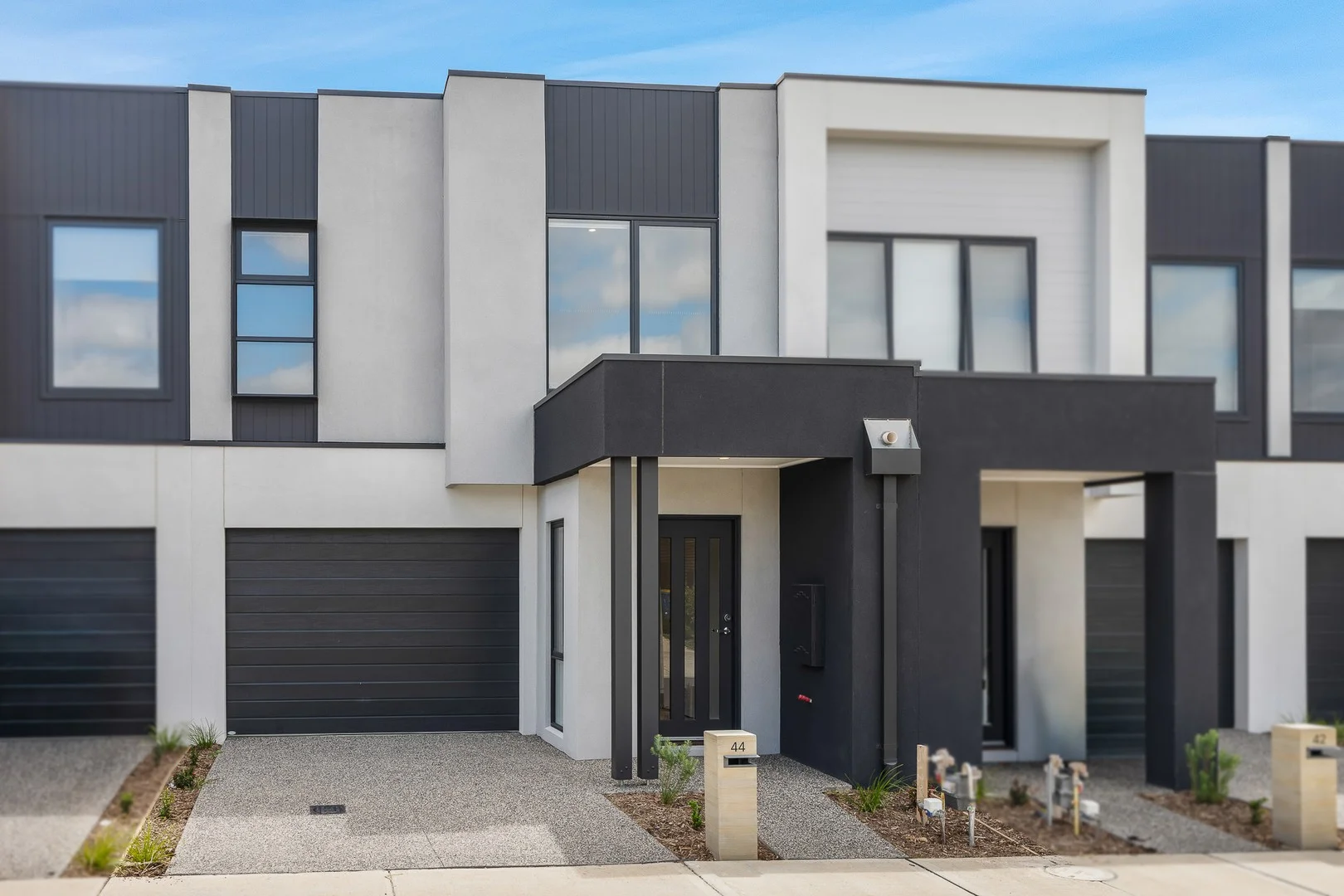 $595,000 - $645,000
House
$595,000 - $645,000
House
 $700
House
$700
House
 $795,000 - $835,000
House
$795,000 - $835,000
House
 $800,000 - $880,000
House
$800,000 - $880,000
House
 $600
House
$600
House
 $610
House
$610
House