1. Overview
Newington College is a private, independent Anglican school for boys offering both day and boarding options from Kindergarten through to Year 12. Located in Stanmore, it combines a strong academic program with rich traditions, a broad co-curricular footprint and a supportive, community-focused culture. The school is large in scale, with multiple year levels and campuses that foster a lively but inclusive atmosphere. Class sizes are generally in the mid-teens to low twenties, enabling clear teacher supervision and opportunities for individual attention. The environment emphasises academic rigour alongside leadership development, sport and the arts, creating a balanced and active culture.
Overall, Newington aims to nurture curious, capable young men who value service, teamwork and personal growth. The school’s ethos combines intellectual challenge with pastoral support, encouraging students to strive for excellence while building resilience and strong social responsibility.
⸻
2. Academics & Learning
- Academic strengths: strong emphasis on STEM, English and humanities, with a clear pathway to the NSW Higher School Certificate (HSC) alongside robust university preparation. Leadership development and public speaking are integrated into many programs.
- Special programs: inclusive pathways for gifted and talented learners, opportunities for accelerated work in targeted subjects, and structured enrichment activities across year levels; participation in university-preparatory initiatives is common.
- NAPLAN / trends: consistent improvements and solid performance across outcomes; school data typically shows maintained or rising performance trends in key literacy and numeracy areas over time.
- Student-teacher ratios: relatively small-to-mid-sized classes with a focus on accessible teacher support; approximate ratios generally in the range of 1:9 to 1:14 depending on year and subject.
- Support for diverse learners: dedicated learning support teams, EAL assistance for international or English-as-an-Additional-Language students, and targeted support for students with SEN during appropriate school hours.
⸻
3. Sports & Extracurricular Strengths
- Sports offered: rugby, cricket, football (soccer), basketball, tennis, swimming and athletics are commonly available; additional activities may include rowing or water-based programs depending on year level and resources.
- Strong teams or achievements: known for strong rugby and cricket programs with competitive performance in NSW school competitions; regular success across various inter-school events.
- Music, arts, drama programs: active music ensembles, school productions and drama opportunities; formal and informal performances throughout the year.
- Clubs: robotics, chess, coding, debating and other academic or interests-based clubs are typically available to students.
- Partnerships: involvement with local clubs, academies and inter-school competitions to enhance skill development and competitive opportunities.
⸻
4. Wellbeing & Pastoral Care
- Anti-bullying approach: clearly defined policies and programs; emphasis on a safe and respectful school climate with student education and reporting mechanisms.
- House system: a traditional pastoral framework where students belong to houses that provide mentoring, leadership opportunities and social connection.
- Counsellors / wellbeing officers: access to school counselors and wellbeing staff to support mental health, transition, and personal development.
- Transition support for new students: comprehensive induction programs, buddy systems and orientation activities to ease entry and help new students settle in.
⸻
5. Facilities
- Sports grounds: extensive playing fields and courts to support a wide range of sports.
- Libraries: well-stocked libraries with study spaces and resources for research and reading.
- Science labs: modern, well-equipped laboratories for biology, chemistry and physics.
- Music/performing arts centers: dedicated spaces for ensembles, rehearsals and performances.
- Tech/innovation labs: contemporary spaces for design, engineering, digital media and project-based learning.
- Cafeteria: on-site dining facilities providing a variety of options.
- Updated playgrounds: safe, modern play and activity spaces for younger students.
⸻
6. School Values & Community Culture
- Values / mission: emphasis on respect, integrity, service, curiosity and leadership; a culture of striving for excellence while supporting peers.
- Leadership style: distributed leadership with opportunities for student voice in councils, clubs and community initiatives.
- Behaviour expectations: clear codes of conduct and consistent expectations across year levels; emphasis on personal responsibility and respect.
- Community reputation: long-standing alumni networks and strong community involvement; a reputation for balancing tradition with contemporary education.
- Diversity & inclusion: commitment to an inclusive environment with opportunities for students from diverse backgrounds to participate and lead.
⸻
7. School Logistics & Daily Operations
- School hours: typical day starts in the morning and finishes in the mid-afternoon; precise times vary by year level.
- Before/after school care: available to support families with wraparound care needs.
- Uniform requirements: formal school uniform for daily classes, with separate sports and activity uniforms; specifics vary by year level.
- Transport: school-provided bus routes and access to public transport options; information on routes is available through the school and local networks.
- Canteen availability: canteen or dining facilities on campus offering meals and snacks.
- Fees: fee ranges are on the higher end of the spectrum for private NSW independent schools, with possible additional costs for boarding, uniforms, camps and activities.
⸻
8. Enrolment & Admissions
11. What is the enrolment process and timeline?
- Submit an online enrolment application with any required documents (birth certificate, proof of residency/visa if applicable, academic reports).
- Complete any prescribed entrance assessments (literacy/numeracy) and arrange interviews with the student and family.
- Music auditions or other special requirements may be part of the process for specific programs or scholarships.
- Receive an offer of place (subject to space). Pay any required acceptance fee/deposit and confirm attendance by the stated deadline.
- Complete enrolment paperwork, medical information and any necessary onboarding steps.
12. Is there a waiting list, and how does it work?
- Many year levels operate with a waiting list when places are limited; placement on the list is typically time-stamped.
- The school may offer provisional or conditional places if spaces arise, and some intake years may be more competitive than others.
13. Are there any entry requirements, tests, or interviews?
- Yes. Common requirements include literacy and numeracy assessments, a formal interview with the student and parents, and submission of prior school reports.
- Music or performing arts involvement may require auditions; international applicants may need visa documentation.
- References from previous schools can be part of the admissibility review.
14. Does the school accept mid-year transfers?
- Mid-year or term-time transfers can be possible if spaces exist and the student can transition smoothly; there is usually a transition program to support adjustment and academic alignment.
⸻
9. Frequently Asked Questions
- Why Parents Choose This School?
- A combination of strong academics, a caring pastoral framework, extensive co-curricular options, and a well-regarded community and alumni network.
- What type of student thrives at this school?
- Students who are academically engaged, participate in sports and arts, and who value leadership, service and collaboration.
- What opportunities are available for students to extend their skills (academics, sports, arts)?
- Enriched coursework and HSC preparation, leadership roles, high-level sport programs, music ensembles, drama productions, robotics and coding clubs, debating and public speaking opportunities.
- How does the school communicate with parents?
- Through digital portals, emails, newsletters, parent-teacher meetings and regular updates on student progress and school events.
- What is the school’s approach to teaching and learning?
- Student-centred, inquiry-based learning with differentiated instruction to meet diverse needs and interests, supported by modern facilities and technology.
- How does the school support students who need extra academic help?
- Access to learning support staff, targeted literacy/numeracy programs, EAL support where needed, and structured tutoring or intervention as appropriate.
- What support is available for academic challenges?
- Early identification through assessments, personalized plans, tutoring options and opportunities to engage in extension programs.
- How does the school communicate with parents?
- (Same as above) Regular updates across multiple channels and scheduled conferences.
- What are the class sizes and how much individual attention do students receive?
- Class sizes typically range from mid-teens to low twenties, with targeted teacher access and additional support available as needed.
- What extracurricular and sports opportunities are available?
- A broad suite of sports (e.g., rugby, cricket, football, basketball, tennis), plus music ensembles, drama, debating, robotics, coding clubs and other interests.
- What facilities does the school offer (sports, science, arts)?
- Modern sports grounds, libraries, science laboratories, performing arts spaces, tech/innovation labs and dining facilities.
- What is the school’s approach to technology and digital learning?
- Integrated digital learning, likely with a device program and learning platforms to support collaboration, research and creative work.
- What transport and accessibility options are available?
- School bus routes and access to public transport; information on specific routes and accessibility is provided by the school.
- What are the typical school fees or additional costs?
- Fees are in the higher range for private NSW independent schools, with potential extra costs for boarding, uniforms, camps, excursions and elective programs.
⸻
10. Short Pros & Cons list
Pros
- Strong academic program with university preparation focus
- Broad and active co-curricular life (sport, music, arts, clubs)
- Supportive wellbeing and pastoral care structure
- Boarding option available for senior students
- Modern facilities across science, technology, arts and sports
- Established community and active alumni network
Cons
- Higher fee level typical of private independent schools
- Competitive environment may not suit every student
- Admission can be selective with waitlists for popular year levels
- Boarding adds additional commitments and costs for boarders and families
⸻

 $60+
$60+










 $3,900,000
House
$3,900,000
House
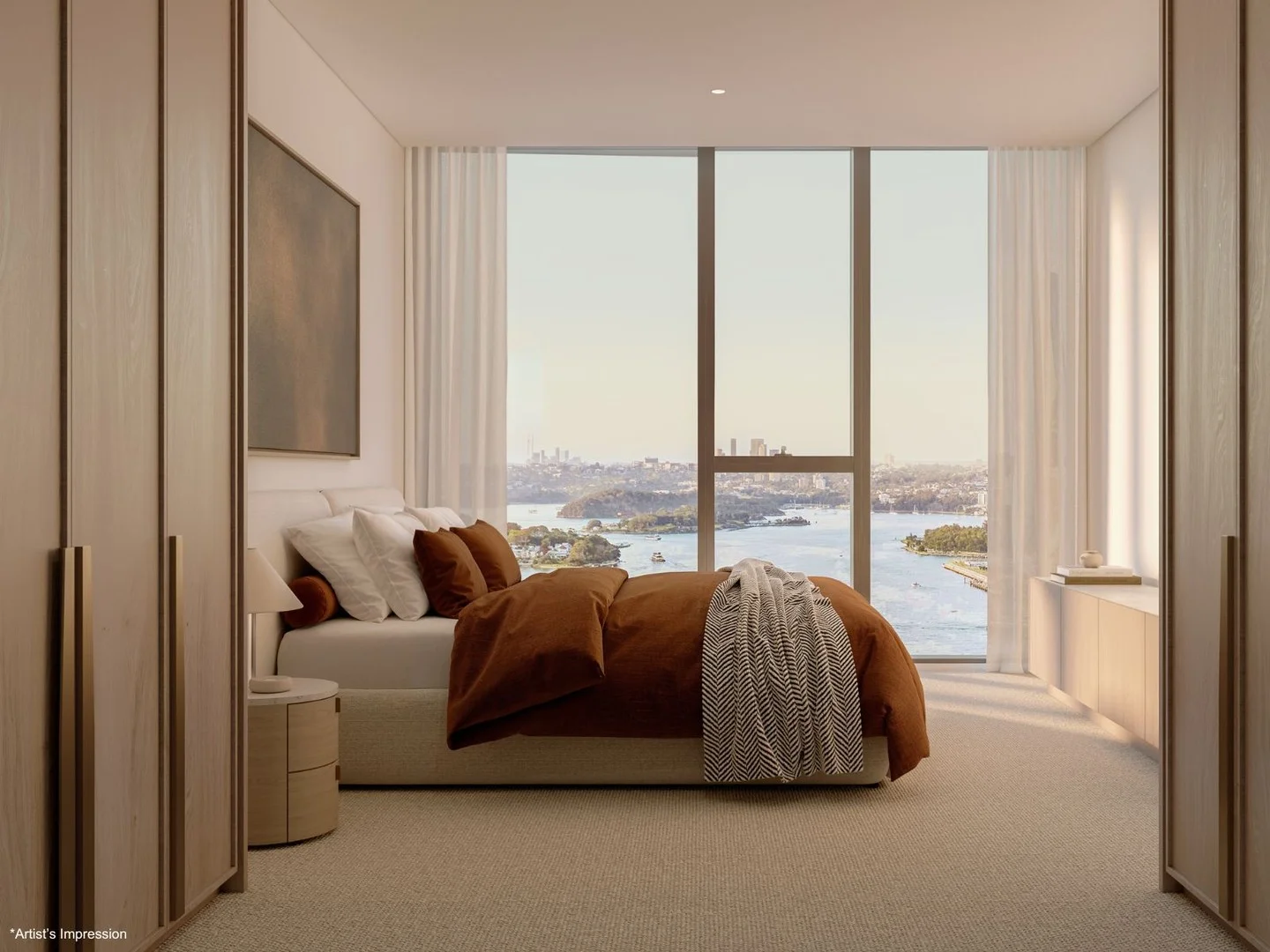
 $6,225,000
propertyType.NEW APARTMENTS / OFF THE PLAN
$6,225,000
propertyType.NEW APARTMENTS / OFF THE PLAN
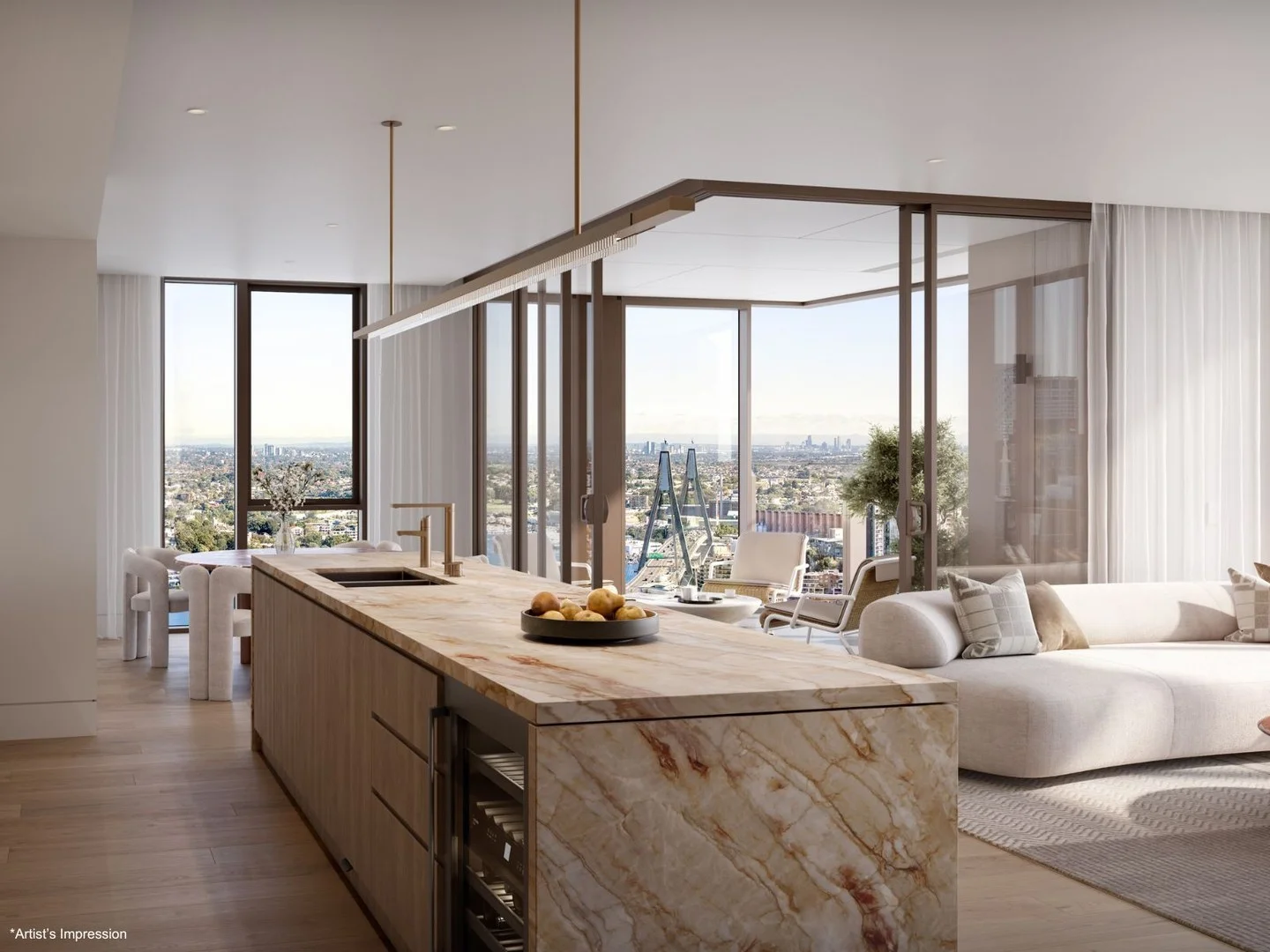
 $8,630,000
propertyType.NEW APARTMENTS / OFF THE PLAN
$8,630,000
propertyType.NEW APARTMENTS / OFF THE PLAN
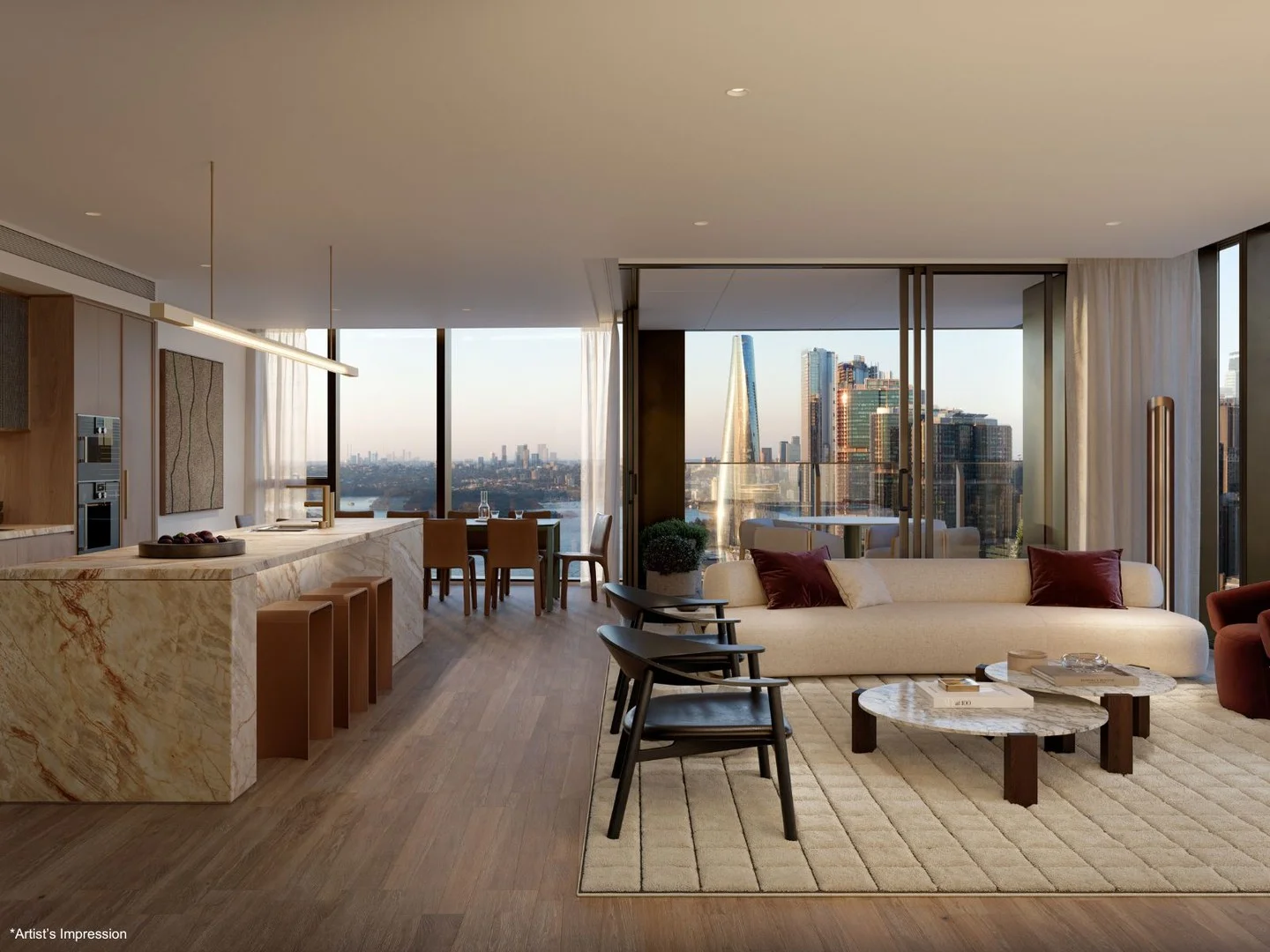
 $9,020,000
propertyType.NEW APARTMENTS / OFF THE PLAN
$9,020,000
propertyType.NEW APARTMENTS / OFF THE PLAN
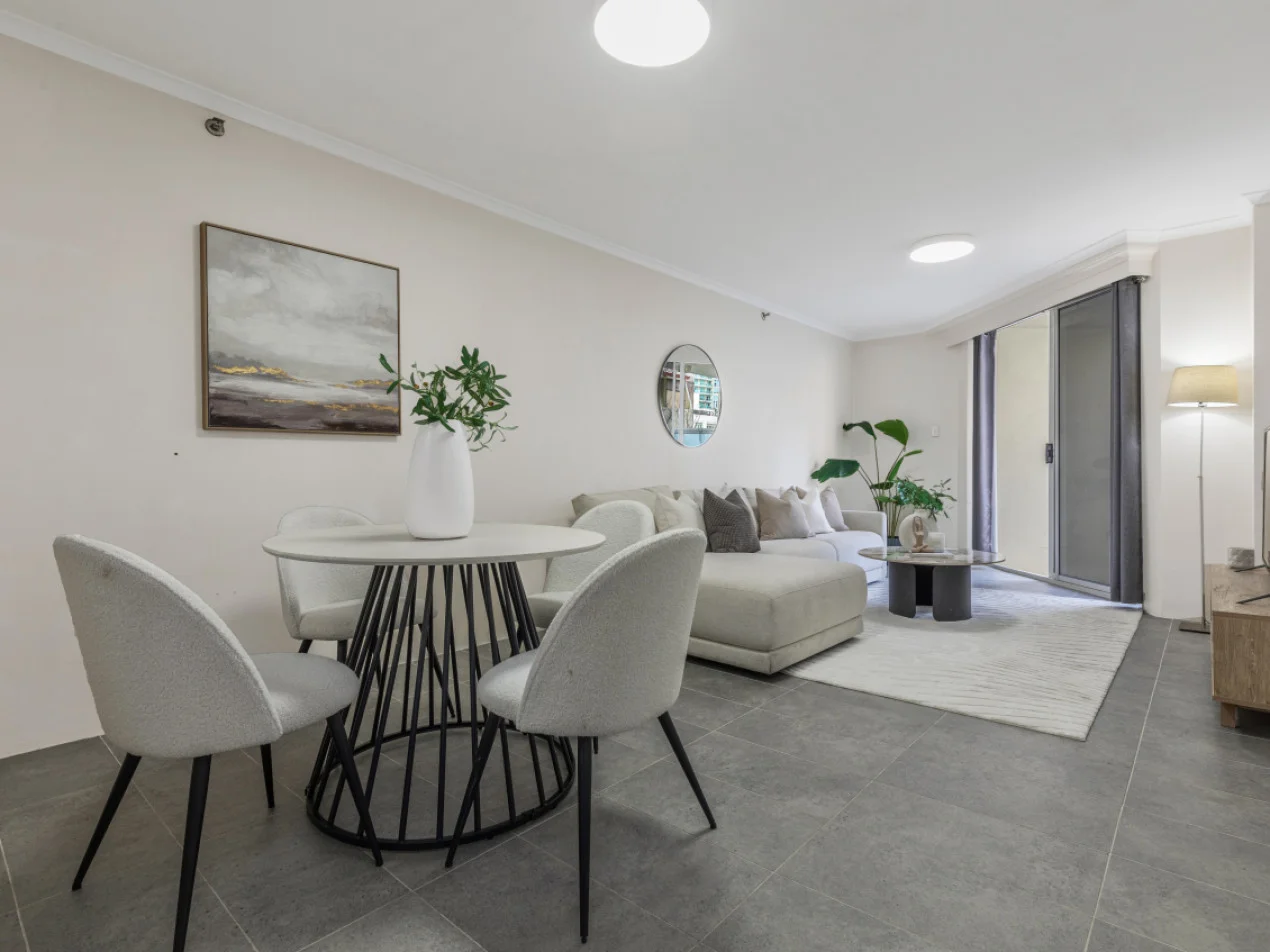
 $12,980,000
propertyType.NEW APARTMENTS / OFF THE PLAN
$12,980,000
propertyType.NEW APARTMENTS / OFF THE PLAN
 $640,000 - $675,000
Apartment / Unit / Flat
$640,000 - $675,000
Apartment / Unit / Flat
 $990
Apartment / Unit / Flat
$990
Apartment / Unit / Flat
 $660,000 - $725,000
Apartment / Unit / Flat
$660,000 - $725,000
Apartment / Unit / Flat
 $2,250,000
Apartment / Unit / Flat
$2,250,000
Apartment / Unit / Flat


