Overview
1. Overview
St Michael’s Stanmore is a Catholic primary school serving families in Stanmore and the surrounding inner-west community. It combines faith-based education with a nurturing, inclusive learning environment to support children from Kindergarten through Year 6. The school focuses on building strong literacy and numeracy foundations within a caring, values-driven culture.
- School type: Catholic
- School size: Small to medium
- Class size: Typically around 20–25 students per class (varies by year)
- Atmosphere/culture: Nurturing, inclusive, faith-based with emphasis on character, community and academic growth
⸻
2. Academics & Learning
St Michael’s Stanmore emphasises a well-rounded learning program grounded in NSW curriculum standards, with a clear focus on developing reading, writing and numeracy skills alongside critical thinking and inquiry.
- Academic strengths: Strong literacy and numeracy foundations; emphasis on inquiry, thinking skills, and responsible citizenship; opportunities to engage across core subjects with integration of faith and values.
- Special programs: Religious education embedded in daily learning; differentiation to support diverse learners; access to targeted support for students requiring extra help or extension where available.
- NAPLAN trends: The school tracks year-to-year progress and communicates growth trends to families; aim is steady improvement in literacy and numeracy across cohorts.
- Student-teacher ratios: Class structures designed for attentive teaching; ratios vary by year but generally support small-to-medium class environments with additional support staff where available.
- Support for diverse learners: EAL support, SEN-friendly pathways, and learning support staff to help students reach their potential.
⸻
3. Sports & Extracurricular Strengths
A strong focus on well-rounded development with a range of activities for boys and girls.
- Sports offered: Soccer, netball, cricket, rugby league, basketball, athletics, swimming and other NSW inter-school activities.
- Strong teams or achievements: Participation in local inter-school competitions and Catholic education sport programs; opportunities to contribute to school sport with team recognition.
- Music, arts, drama programs: Music ensembles, choir, drama and school performances as part of the arts offering.
- Clubs: Robotics, chess, coding, debating and other enrichment clubs available to extend interests.
- Partnerships: Connections with local clubs and community groups for competitions and activities that complement school programs.
⸻
4. Wellbeing & Pastoral Care
Prioritising student wellbeing with proactive, supportive structures.
- Anti-bullying approach: Clear policies and proactive programs to promote respectful relationships and safe school culture; restorative practices where appropriate.
- House system: House structure to promote belonging, teamwork and positive competition.
- Counsellors / wellbeing officers: Access to school wellbeing staff and/or counselling services to support emotional health and resilience.
- Transition support: Orientation activities for new students and families; buddy systems and gradual induction to aid smooth transitions.
⸻
5. Facilities
Facilities are designed to support a dynamic learning environment and a broad range of activities.
- Sports grounds: Accessible playing spaces for physical education and sports.
- Libraries: Dedicated library facilities to support reading and research.
- Science labs: Basic science facilities to support hands-on learning.
- Music/performing arts centers: Space for music, drama and performances.
- Tech/innovation labs: Computer/information technology resources to support digital learning.
- Cafeteria: On-site canteen or lunch facilities to support daily meals.
- Updated playgrounds: Age-appropriate outdoor play spaces.
⸻
6. School Values & Community Culture
An environment that fosters faith, respect and community engagement.
- School values / mission: Catholic ethos emphasizing service, compassion, integrity and respect for others.
- Leadership style: Collaborative and inclusive, with opportunities for student voice and leadership.
- Behaviour expectations: Clear expectations rooted in respect, responsibility and care for self and others.
- Community reputation: Family-friendly, faith-centered community with active involvement from families and parish connections.
- Diversity & inclusion: Welcoming culture that values diversity and seeks to support students from varied backgrounds.
⸻
7. School Logistics & Daily Operations
Practical information to help families plan daily routines.
- School hours: Typical start and finish times for the primary years; exact times published by the school each year.
- Before/after school care: Availability of OSHC or after-school care to support working families.
- Uniform requirements: Standard school uniform policy with details provided by the school.
- Transport: Access to public transport options and local arrangements; information on walking routes and drop-off/pick-up considerations.
- Canteen availability: On-site canteen or lunch arrangements where available.
- Fees: Fees fall within standard Catholic primary school ranges; information on annual costs and possible additional charges is provided by the school.
⸻
8. Enrolment & Admissions
11. What is the enrolment process and timeline?
- Typical pathway involves submitting an enrolment application, attending information or orientation sessions, and meeting with school staff or the principal. Timelines vary by year and vacancy, with notification of offers following assessment of available places.
12. Is there a waiting list, and how does it work?
- Most Catholic primary schools maintain a waiting list when vacancies are limited. Placement on the list is typically guided by factors such as sibling priority, parish affiliation, and availability of spaces; timing of offer depends on openings.
13. Are there any entry requirements, tests, or interviews?
- Entry processes usually involve family and student meetings, and a review of essential documentation. Some schools conduct an informal interview or discussion to understand the student’s needs, learning style and alignment with school values. Formal academic testing is not always required.
14. Does the school accept mid-year transfers?
- Mid-year transfers are sometimes possible if spaces exist, subject to the school’s enrolment policies and the time needed to integrate a student into the new year level.
⸻
9. Frequently Asked Questions
- Why Parents Choose This School?
- A faith-centered, nurturing community that supports academic growth and personal development in a small-to-medium school setting.
- What type of student thrives at this school?
- Students who respond well to a values-based environment, strong pastoral care, collaborative learning and a sense of belonging within a faith community.
- What opportunities are available for students to extend their skills (academics, sports, arts)?
- A mix of extension in core subjects, participation in sports teams, music and drama programs, and clubs such as robotics, coding and debating.
- How does the school communicate with parents?
- Regular newsletters, parent-teacher meetings, school portals or apps, and information evenings to keep families informed about learning and events.
- What is the school’s approach to teaching and learning?
- NSW curriculum with differentiation to meet diverse needs, emphasis on literacy and numeracy, inquiry-based learning, and integration of faith formation.
- How does the school support students who need extra academic help?
- Targeted literacy and numeracy support, learning support staff, and pathways for EAL or SEN needs as appropriate.
- What support is available for academic challenges?
- Access to learning support staff, adjustments or tailored learning plans, and ongoing monitoring of progress in collaboration with families.
- How does the school communicate with parents? (repeat)
- See above: newsletters, portals, meetings and formal updates.
- What are the class sizes and how much individual attention do students receive?
- Class sizes typically around 20–25 students; teachers and support staff aim to provide attentive, differentiated instruction and timely feedback.
- What extracurricular and sports opportunities are available?
- A broad program including sports, music, drama, robotics, chess, coding and debating, with opportunities to participate in local competitions.
- What facilities does the school offer (sports, science, arts)?
- Sports grounds, library, science facilities, music/performing arts spaces, tech labs and a canteen, plus suitable outdoor play areas.
- What is the school’s approach to technology and digital learning?
- Integrated ICT across the curriculum with appropriate devices and safety practices; focus on digital literacy and responsible use.
- What transport and accessibility options are available?
- Access to public transport options and walking routes; guidance on drop-off/pick-up arrangements and any school transport services.
- What are the typical school fees or additional costs?
- Fees fall within standard ranges for Catholic primary schools; detailed costs and possible additional charges are provided by the school.
⸻
10. Short Pros & Cons list
- Pros
- Catholic, values-based education with a nurturing, inclusive community
- Small-to-medium class sizes supporting individual attention
- Strong emphasis on literacy and numeracy, plus broad extracurriculars
- Active wellbeing and pastoral care, with structures to support diverse learners
- Family-friendly environment with opportunities for student leadership and involvement
- Cons
- Smaller school may have fewer specialist programs than larger schools
- Availability of some programs and clubs can vary by year and cohort
- Transport and commute considerations depending on family location
- Fees typical of Catholic schools; families should review annual costs and fundraising expectations
If you’d like, I can tailor this content further with more precise details once you share any specific information you have from the school (e.g., current class sizes, exact hours, or particular programs they run).










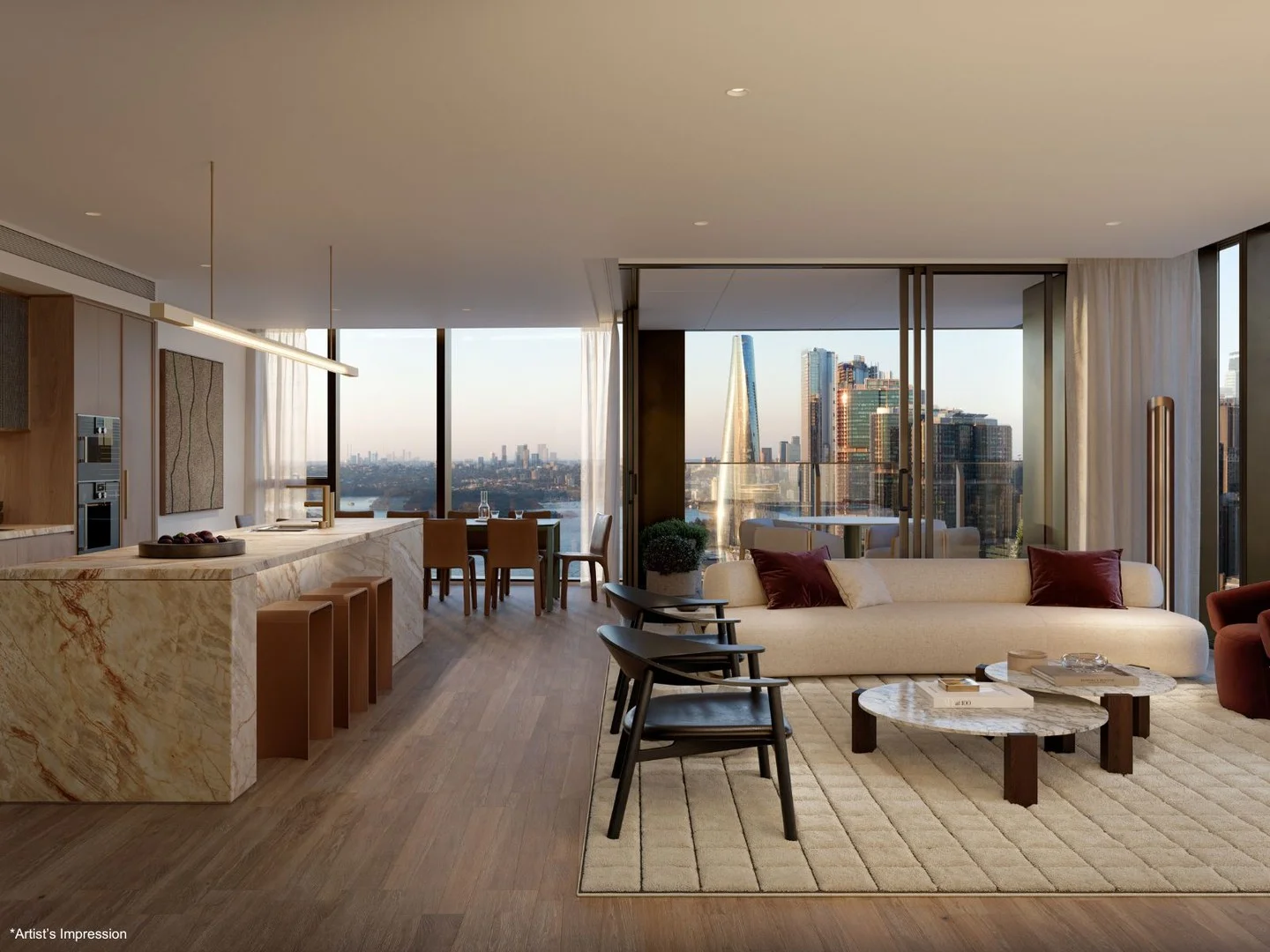 $12,980,000
propertyType.NEW APARTMENTS / OFF THE PLAN
$12,980,000
propertyType.NEW APARTMENTS / OFF THE PLAN
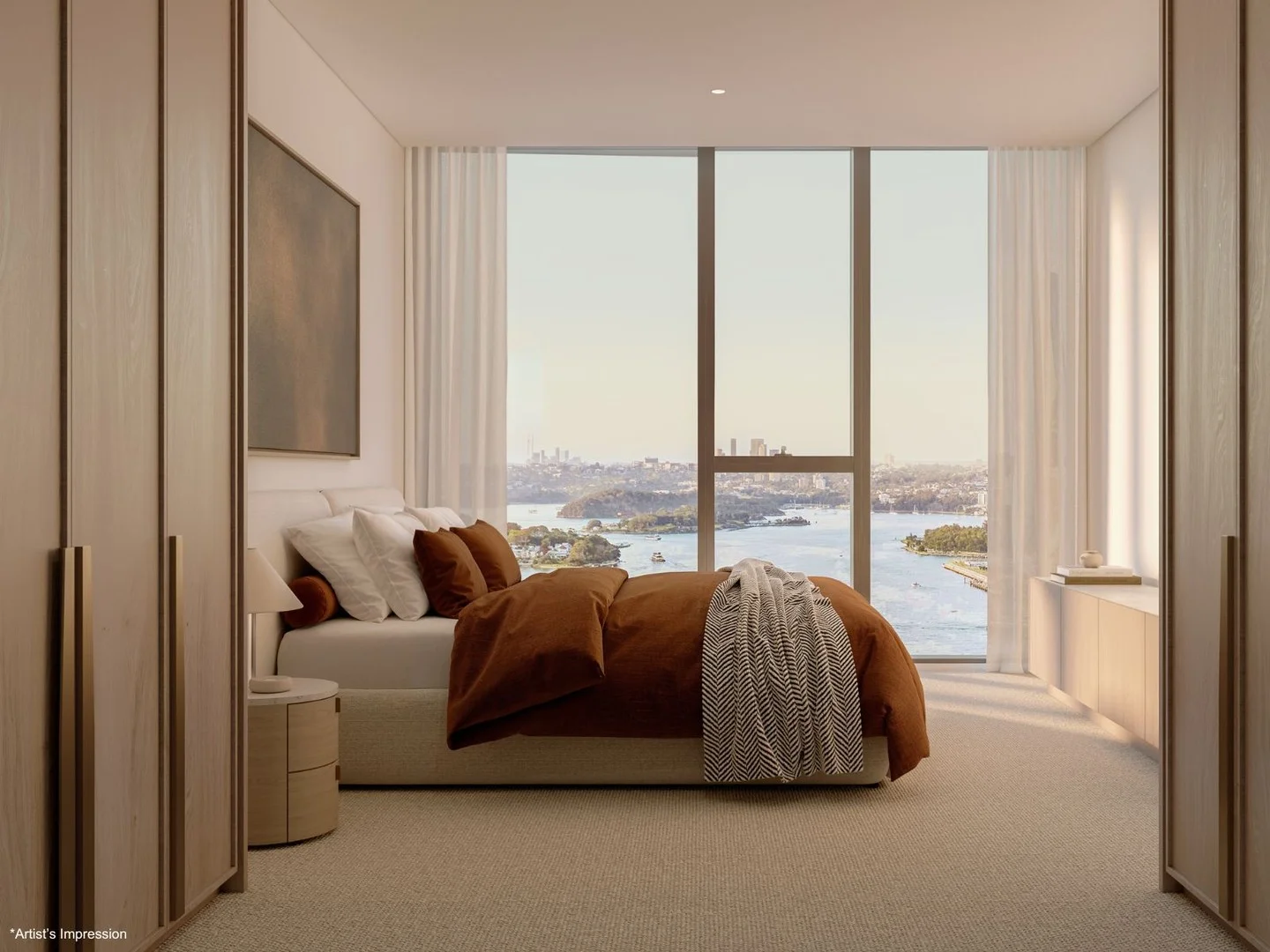 $8,630,000
propertyType.NEW APARTMENTS / OFF THE PLAN
$8,630,000
propertyType.NEW APARTMENTS / OFF THE PLAN
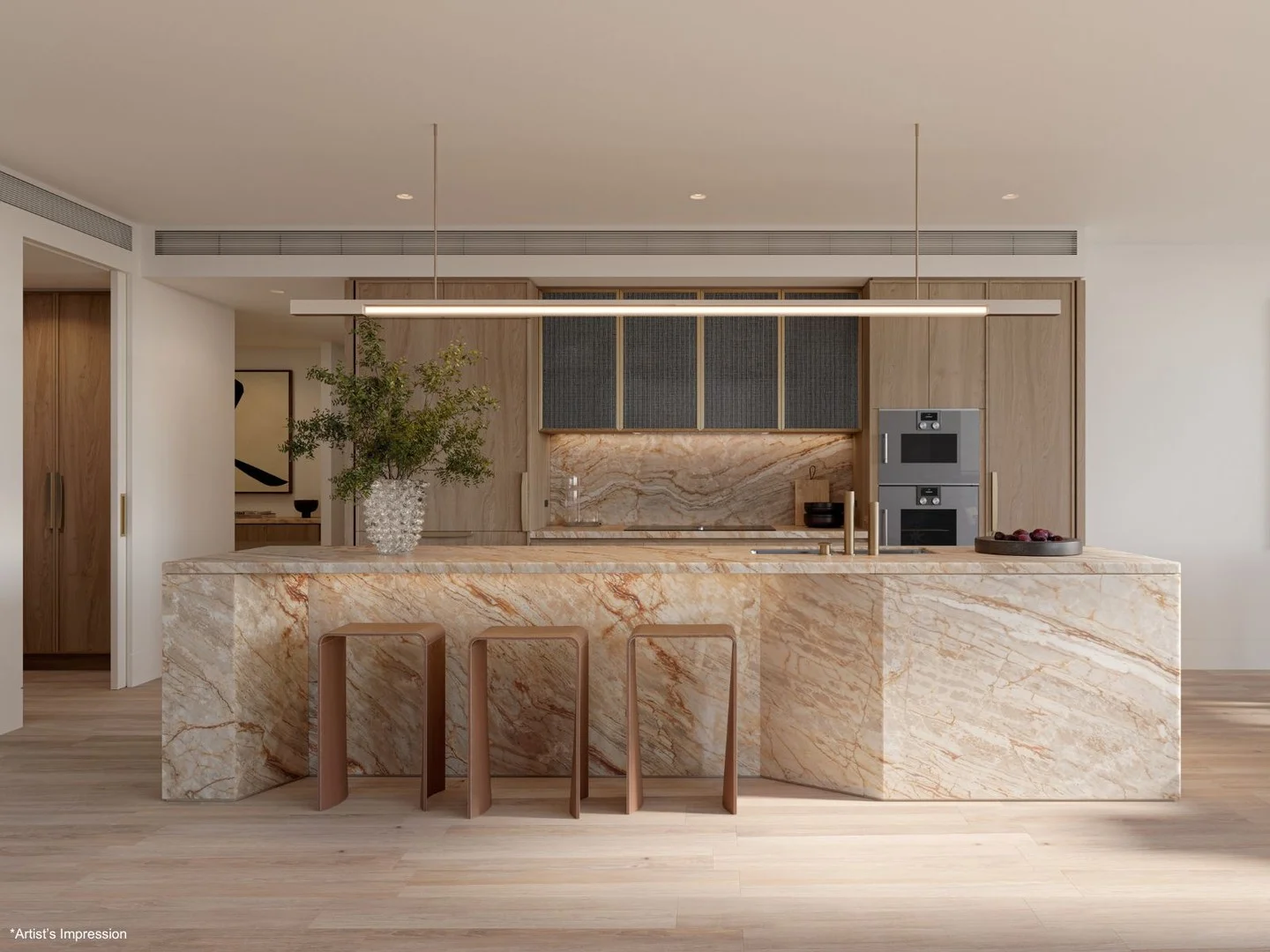 $6,225,000
propertyType.NEW APARTMENTS / OFF THE PLAN
$6,225,000
propertyType.NEW APARTMENTS / OFF THE PLAN
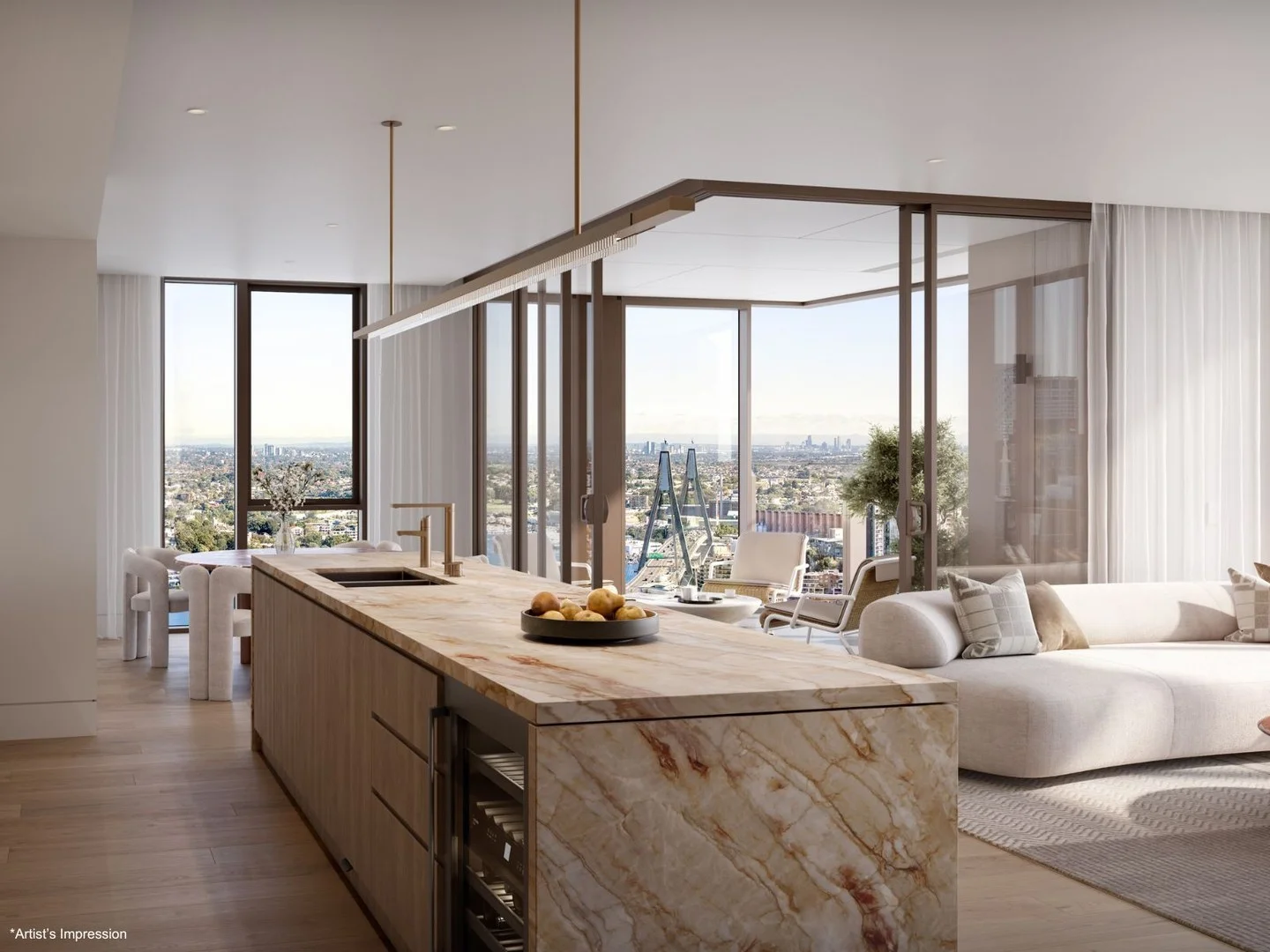 $9,020,000
propertyType.NEW APARTMENTS / OFF THE PLAN
$9,020,000
propertyType.NEW APARTMENTS / OFF THE PLAN
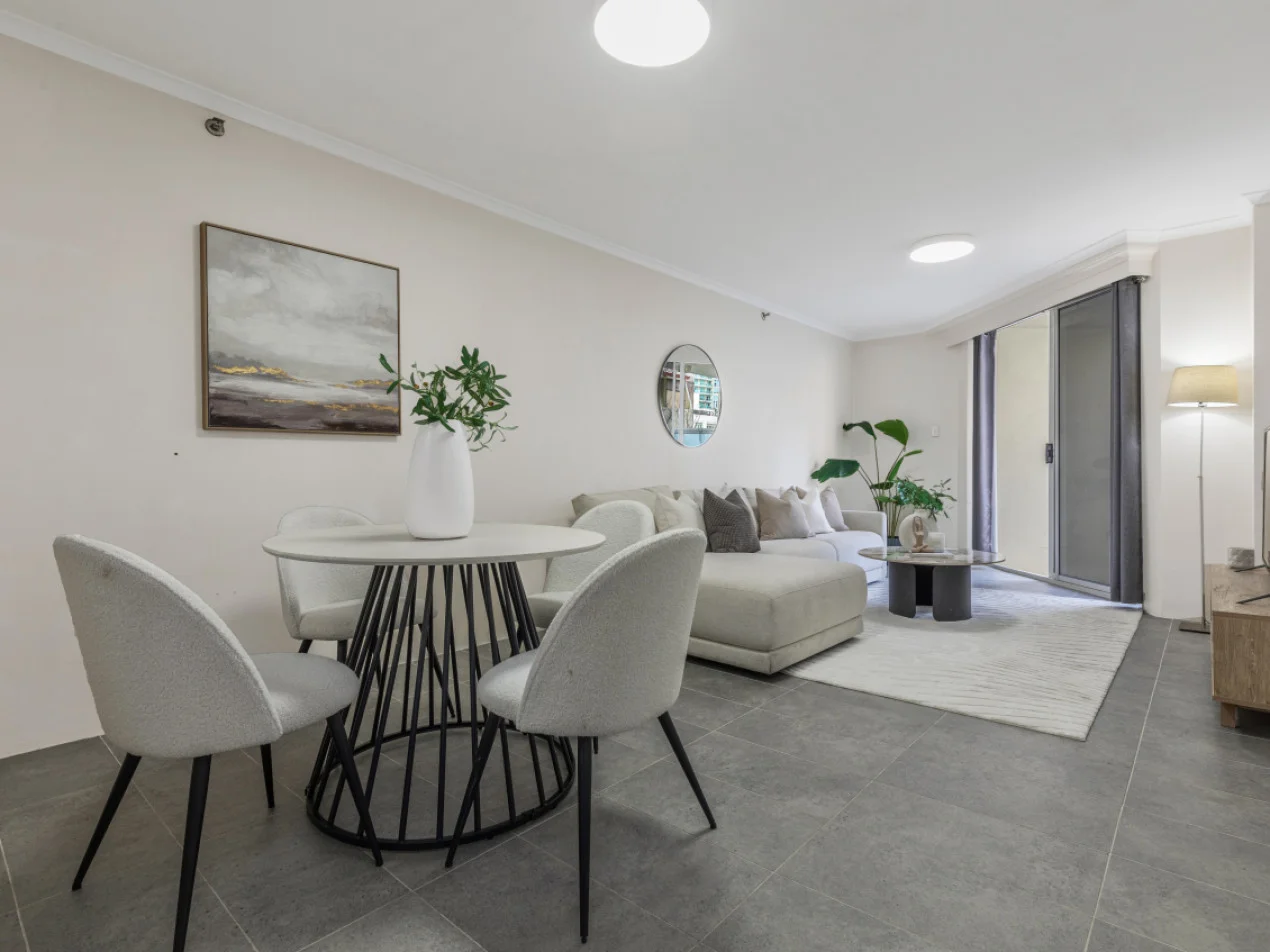 $640,000 - $675,000
Apartment / Unit / Flat
$640,000 - $675,000
Apartment / Unit / Flat
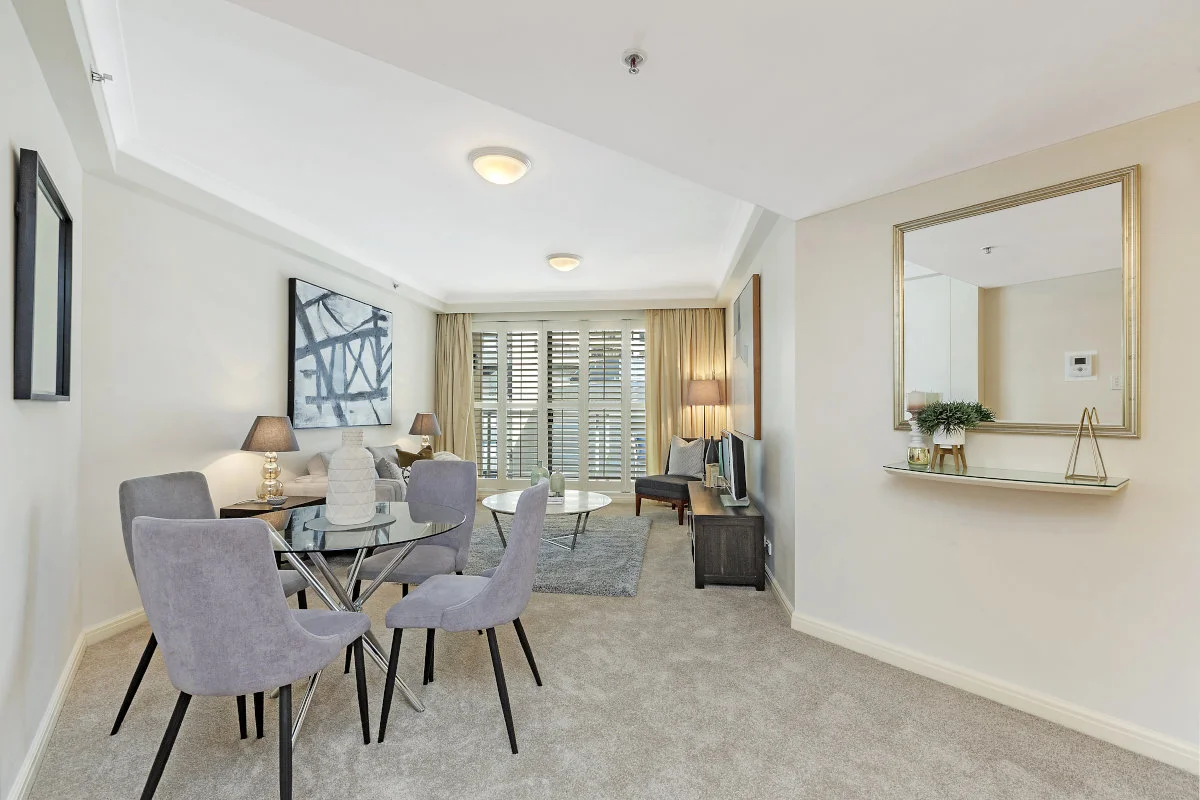 $660,000 - $725,000
Apartment / Unit / Flat
$660,000 - $725,000
Apartment / Unit / Flat
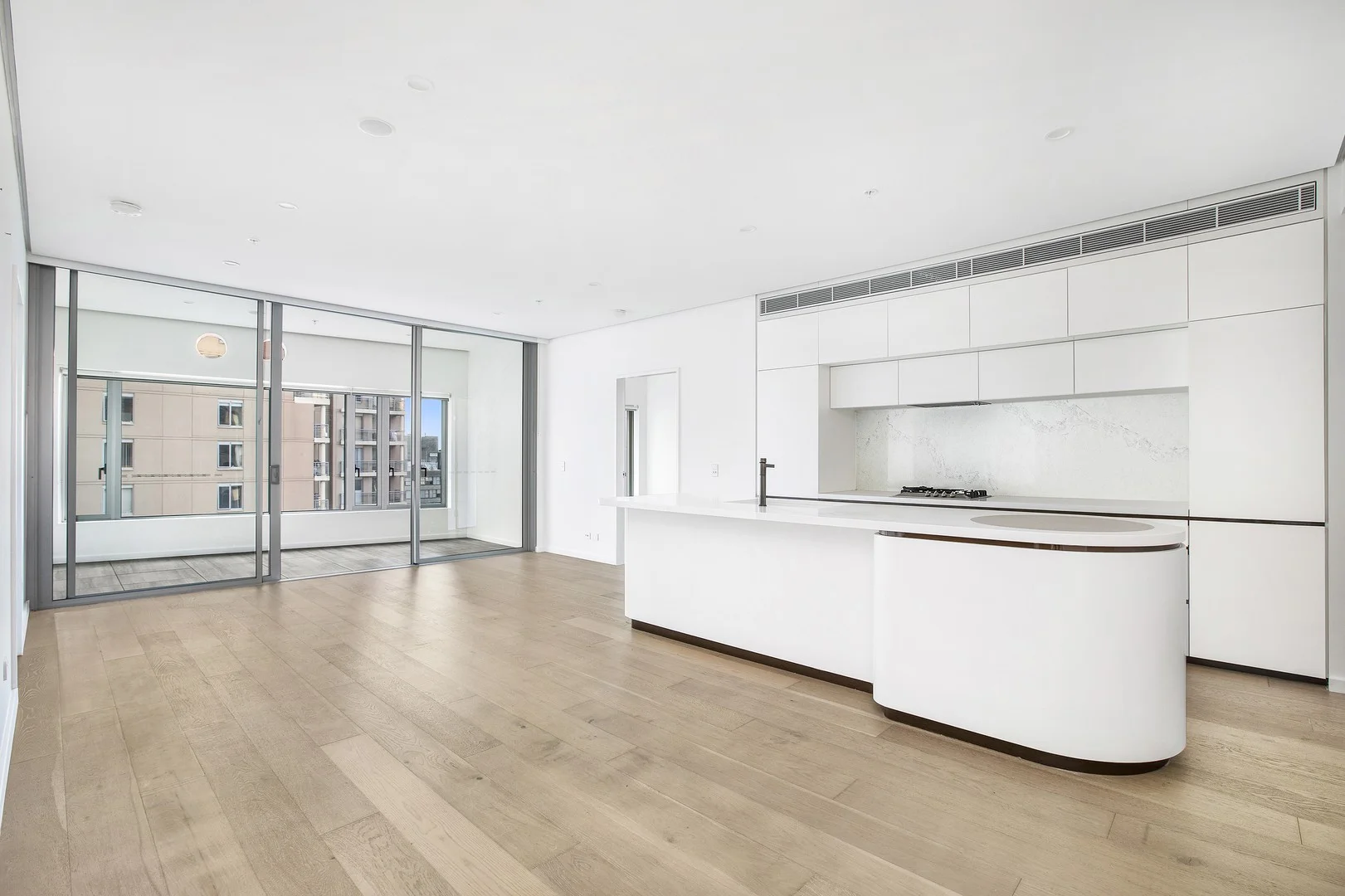 $2,250,000
Apartment / Unit / Flat
$2,250,000
Apartment / Unit / Flat
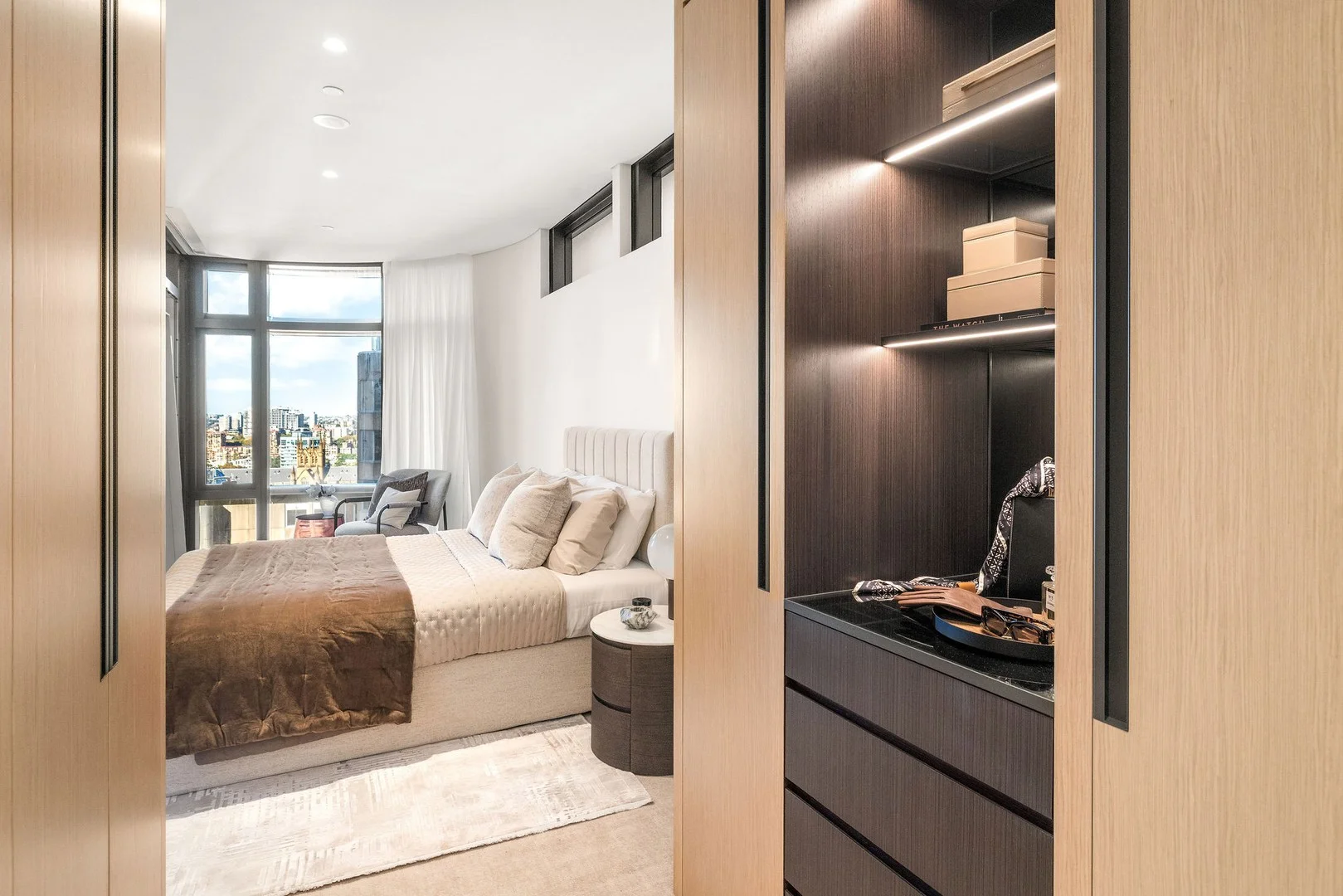 $2,745,000
propertyType.NEW APARTMENTS / OFF THE PLAN
$2,745,000
propertyType.NEW APARTMENTS / OFF THE PLAN
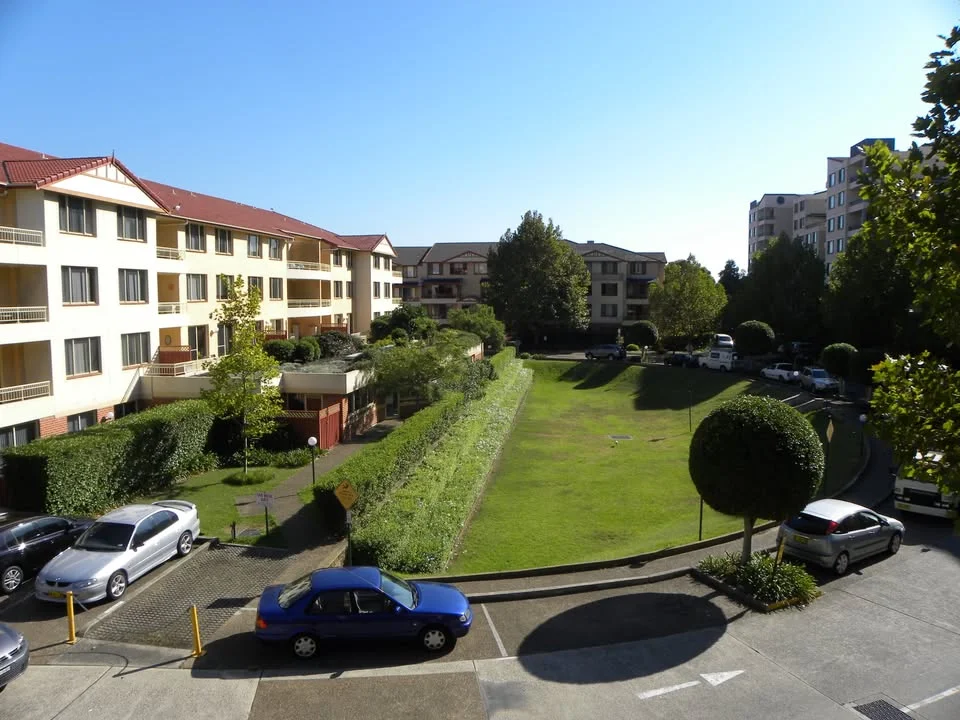 $990
Apartment / Unit / Flat
$990
Apartment / Unit / Flat