Overview
# Overview
Taverners Hill Infants School is a public NSW school serving the early years, with a small-to-medium size community that supports Kindergarten to Year 2. The school aims to provide a warm, inclusive, and safe environment where young children can build strong foundational skills and feel connected to their learning community. Classrooms are designed to encourage close teacher-student interaction and collaborative learning.
The atmosphere is nurturing and community-minded, with a focus on developing literacy and numeracy foundations, curiosity, and positive social skills. The school emphasizes supportive teaching, family involvement, and an inclusive culture where every child can grow with appropriate supports and opportunities.
---
# Academics & Learning
- Academic strengths: Strong emphasis on early literacy and numeracy, with integrated STEM and inquiry-based learning to foster problem-solving and critical thinking. Language development and verbal skills are supported across the curriculum.
- Special programs: Gifted & Talented programs or targeted extension opportunities may be available where appropriate; inclusive education approaches to support a range of learner needs.
- NAPLAN / Ofsted trends: NSW NAPLAN-focused improvements and literacy/numeracy progress are commonly tracked; schools report trends over multiple years (e.g., steady literacy gains and improved numeracy benchmarks) rather than individual scores.
- Student-teacher ratios: Class sizes typically around 20–25 students per class, with close teacher-student interaction and opportunities for small-group instruction and targeted support.
- Support for diverse learners: Strong support for EAL learners and students with additional learning needs (SEN) through in-class differentiation, learning support staff, and targeted interventions.
---
# Sports & Extracurricular Strengths
- Sports offered: Core physical education activities, with opportunities to participate in school sports days and beginner-level team activities; emphasis on participation, coordination, and personal bests.
- Strong teams or achievements: Participation in local inter-school events and competitions; emphasis on teamwork and fair play.
- Music, arts, drama programs: Music and performing arts programs, visual arts, and school productions or performances to showcase creativity.
- Clubs: Robotics, coding, chess, debating, and other age-appropriate clubs that promote problem-solving and strategic thinking.
- Partnerships: Local community partnerships and collaborations with nearby clubs or organizations to expand opportunities in sport, coding, and creative arts.
---
# Wellbeing & Pastoral Care
- Anti-bullying approach: Proactive, inclusive anti-bullying programs with restorative practices and clear expectations for respectful behavior.
- House system: A house-based structure to build belonging, healthy competition, and teamwork across year levels.
- Counsellors / wellbeing officers: Access to school wellbeing staff or a counsellor to support social-emotional learning, self-regulation, and student wellbeing.
- Transition support for new students: Buddy programs, orientation activities, and targeted transition support to help new students settle quickly and build connections.
---
# Facilities
- Sports grounds: Outdoor spaces and play areas suitable for active play and physical education.
- Libraries: Accessible library spaces for shared reading, quiet study, and borrowing.
- Science labs: Basic science spaces or science corners to support hands-on discovery.
- Music/performing arts centers: Dedicated spaces or adaptable rooms for music, drama, and performances.
- Tech/innovation labs: Age-appropriate technology corners or classrooms with digital learning tools.
- Cafeteria: On-site or nearby canteen facilities supporting healthy snack options.
- Updated playgrounds: Safe and engaging outdoor play environments with age-appropriate equipment.
---
# School Values & Community Culture
- School values / mission: Clear focus on respect, responsibility, inclusion, and a love of learning; a mission centered on building confident, curious learners.
- Leadership style: Collaborative and inclusive leadership that supports staff, families, and students through shared decision-making and open communication.
- Behaviour expectations: Positive behavior codes, consistent routines, and restorative approaches to support accountability and social-emotional growth.
- Community reputation: A family-friendly, neighbourhood-focused culture with active family engagement and a supportive local network.
- Diversity & inclusion: Emphasis on welcoming students from diverse backgrounds and ensuring equitable access to learning and participation.
---
# School Logistics & Daily Operations
- School hours: Typically a morning-to-afternoon day with a predictable routine; start and finish times align with NSW public school patterns.
- Before/after school care: Available via school-approved programs or local providers; options for supervision outside standard hours.
- Uniform requirements: Standard school uniform with expected dress codes; guidelines on appropriate footwear and accessories.
- Transport (train/bus routes): Accessible by public transport; proximity to bus routes and nearby train stations; no-faults approach to safe drop-off/pick-up.
- Canteen availability: Canteen or snack facilities offering healthy options; occasionally run by school or community volunteers.
- Fees (low/medium/high ranges): As a public school, there are no tuition fees; families may encounter optional or required contributions for activities, excursions, and similar costs.
---
# Enrolment & Admissions
11. What is the enrolment process and timeline?
- Enrolment typically starts via the NSW Department of Education process for public schools. Families in the local catchment usually have priority. The school will provide applications, required documentation (proof of address, immunisation records, and birth certificates for youngest children), and a confirmation timeline. Open days or information sessions are common to help families understand the process and school expectations.
12. Is there a waiting list, and how does it work?
- Waiting lists can occur when demand exceeds vacancies. Priority is generally given to local catchment residents and siblings of current students, with offers made in line with Department guidelines. The school will advise about the waiting list process and estimated timelines.
13. Are there any entry requirements, tests, or interviews?
- For public schools, there are typically no entrance exams or selective testing for local catchment enrolments. Some schools may request information or conduct brief discussions to understand a family’s needs, address, and expected support requirements, but formal tests or interviews are not standard for most infant-age enrolments.
14. Does the school accept mid-year transfers?
- Mid-year transfers can be possible if there are vacancies. Parents should contact the school to discuss availability and the transfer process, which may involve coordinating with the current school and the NSW Department of Education for a smooth transition.
---
# Frequently Ask Questions
- Why Parents Choose This School?
- A close-knit, supportive community with a nurturing environment, strong early literacy and numeracy focus, and attentive staff who partner with families.
- What type of student thrives at this school?
- Curious, cooperative learners who benefit from small class sizes, inclusive practices, and a friendly, safe school culture.
- What opportunities are available for students to extend their skills (academics, sports, arts)?
- Extension in literacy and numeracy, early STEM activities, music and arts programs, and a range of after-school clubs such as robotics, coding, chess, and debating.
- How does the school communicate with parents?
- Regular newsletters, emails, parent-teacher interviews, school apps or portals, and scheduled information sessions to keep families informed.
- What is the school’s approach to teaching and learning?
- Differentiated, student-centered learning with a strong emphasis on foundational skills, inquiry-based approaches, collaboration, and social-emotional development.
- How does the school support students who need extra academic help?
- In-class differentiation, targeted small-group interventions, learning support staff, and additional EAL/SEN assistance as needed.
- What support is available for academic challenges?
- Access to additional tutoring or intervention programs, progress monitoring, and collaboration with families to set and review goals.
- How does the school communicate with parents?
- See above: regular updates via newsletters, phone calls, emails, and parent-teacher meetings; a school app or portal for ongoing updates.
- What are the class sizes and how much individual attention do students receive?
- Class sizes are typically around 20–25 students, with opportunities for small-group instruction and individualized feedback from teachers.
- What extracurricular and sports opportunities are available?
- After-school clubs (robotics, coding, chess, debating), participation in school sport days, and access to age-appropriate PE and sports activities.
- What facilities does the school offer (sports, science, arts)?
- Sports grounds, library, basic science spaces, music/arts spaces, and adaptable rooms for technology and student projects.
- What is the school’s approach to technology and digital learning?
- Integration of digital tools in learning, age-appropriate technology programs, and emphasis on safe, productive use of technology in daily learning.
- What transport and accessibility options are available?
- Access via local bus routes and nearby train stations; clear drop-off/pick-up procedures and accessible facilities where possible.
- What are the typical school fees or additional costs?
- Public schools do not charge tuition; there may be optional or required contributions for excursions, activities, or additional resources.
---
# Short Pros & Cons list
- Pros
- Public school with a supportive, family-friendly environment
- Small-to-medium class sizes enabling individual attention
- Strong focus on foundational literacy and numeracy
- Inclusive culture with EAL/SEN support
- Wide range of optional clubs and early-years enrichment
- Cons
- May have fewer specialist programs than larger or independent schools
- Limited mid-year entry depending on vacancies
- Extracurricular offerings may be fewer than larger campuses; after-school options often run through partnerships or community programs







 $6,225,000
propertyType.NEW APARTMENTS / OFF THE PLAN
$6,225,000
propertyType.NEW APARTMENTS / OFF THE PLAN
 $8,630,000
propertyType.NEW APARTMENTS / OFF THE PLAN
$8,630,000
propertyType.NEW APARTMENTS / OFF THE PLAN
 $12,980,000
propertyType.NEW APARTMENTS / OFF THE PLAN
$12,980,000
propertyType.NEW APARTMENTS / OFF THE PLAN
 $9,020,000
propertyType.NEW APARTMENTS / OFF THE PLAN
$9,020,000
propertyType.NEW APARTMENTS / OFF THE PLAN
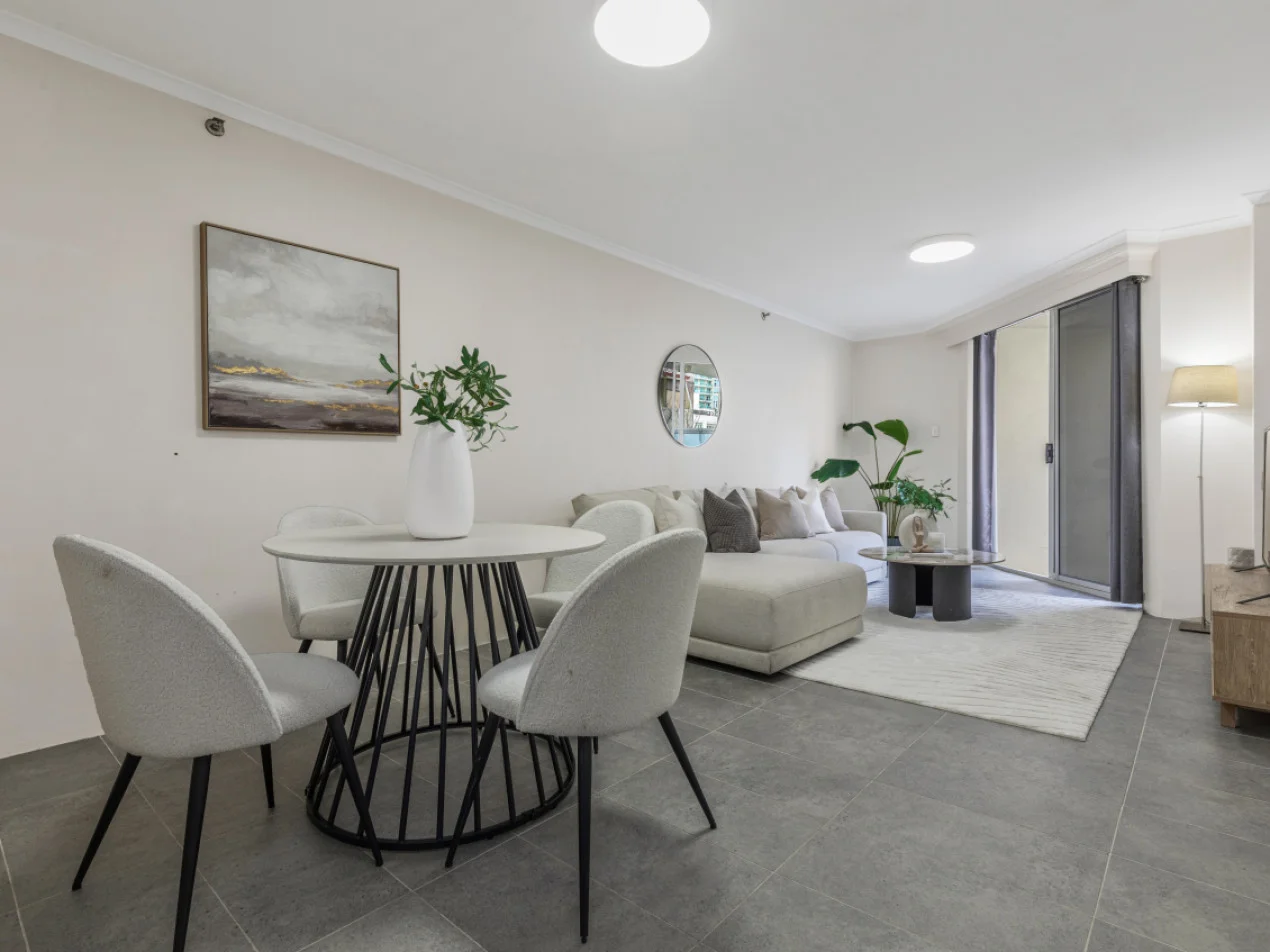 $640,000 - $675,000
Apartment / Unit / Flat
$640,000 - $675,000
Apartment / Unit / Flat
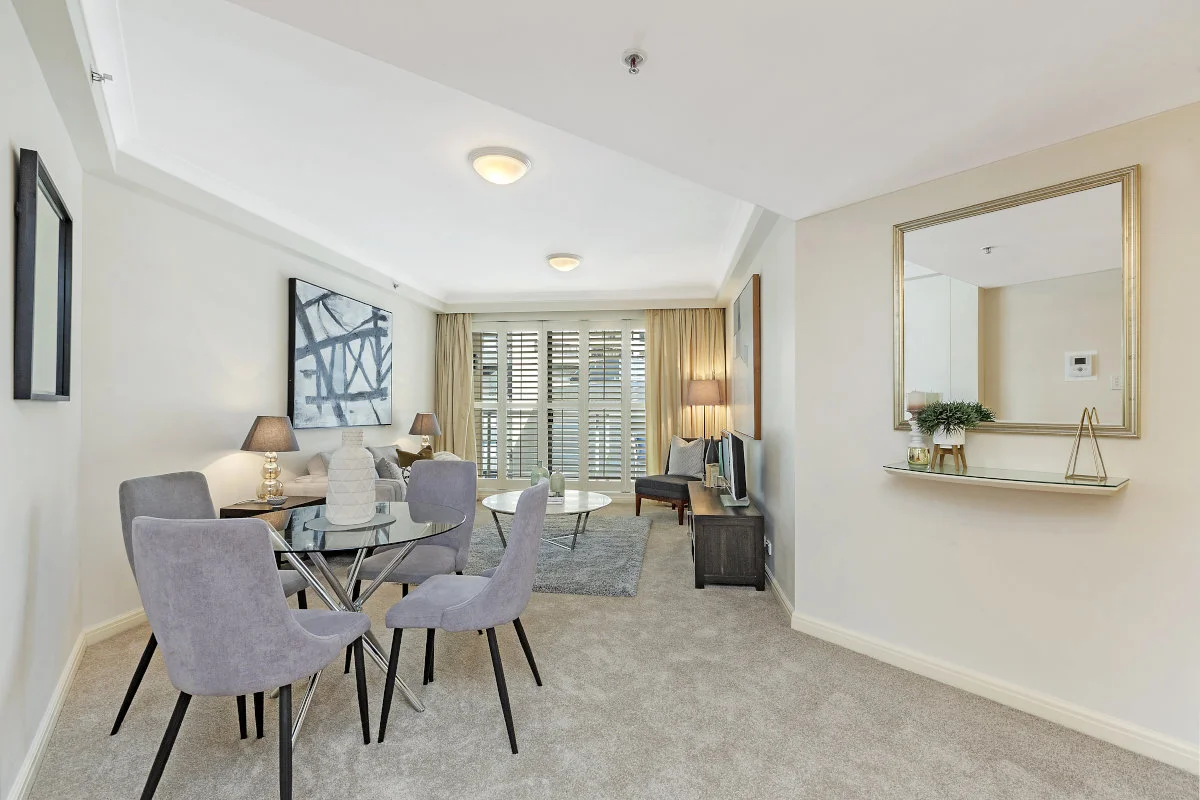 $660,000 - $725,000
Apartment / Unit / Flat
$660,000 - $725,000
Apartment / Unit / Flat
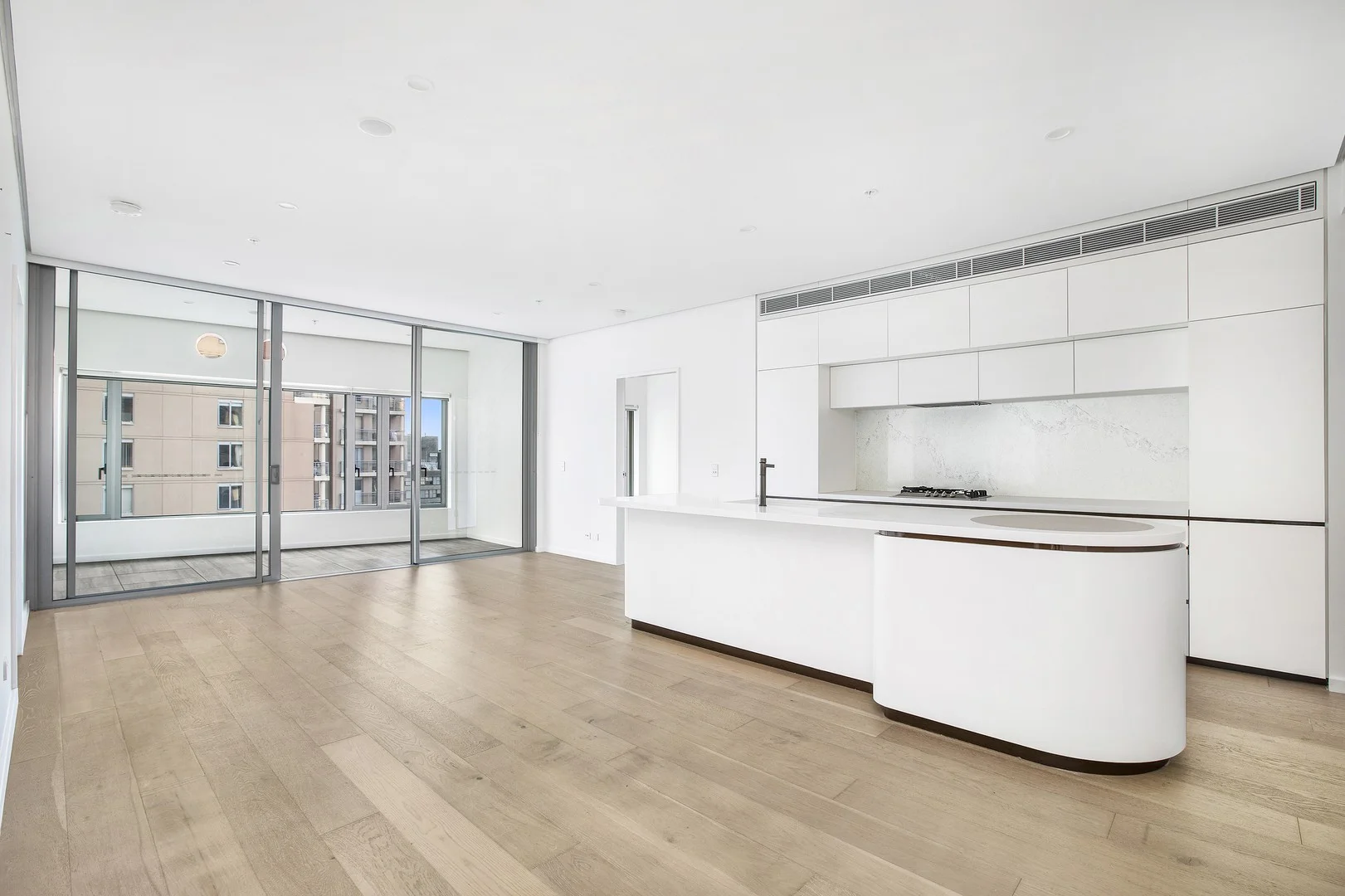 $2,250,000
Apartment / Unit / Flat
$2,250,000
Apartment / Unit / Flat
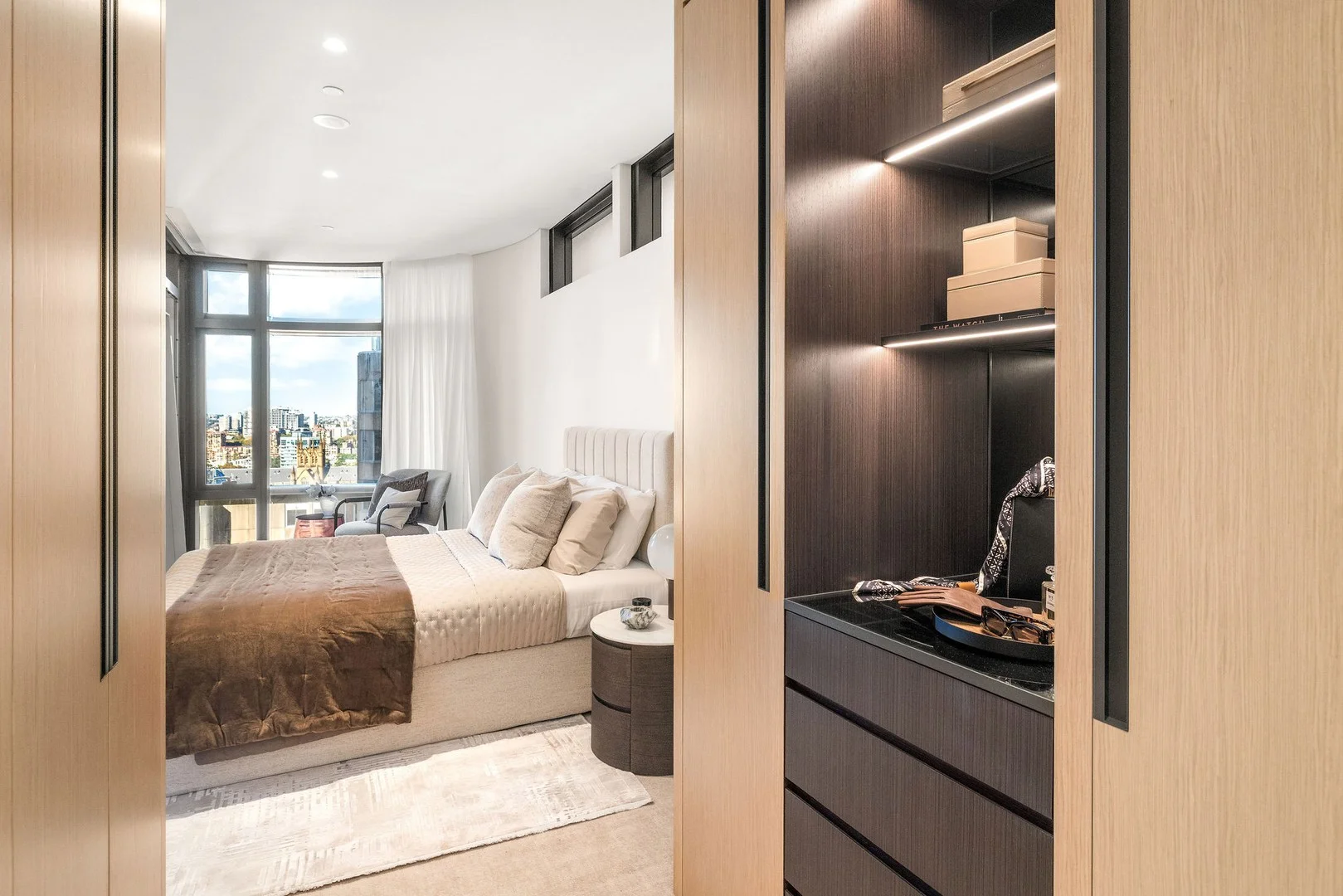 $2,745,000
propertyType.NEW APARTMENTS / OFF THE PLAN
$2,745,000
propertyType.NEW APARTMENTS / OFF THE PLAN
 $26,550,000
propertyType.NEW APARTMENTS / OFF THE PLAN
$26,550,000
propertyType.NEW APARTMENTS / OFF THE PLAN