- Overview
Mackellar Girls Campus is a public high school for girls located in Manly Vale, NSW, and is part of the Northern Beaches Secondary College network. It serves students from the local area with a focus on academic achievement, personal growth and community involvement.
- School type: Public
- School size: Medium
- Atmosphere/culture: Inclusive, nurturing and academically focused with a strong sense of community and girls’ leadership
- Academics & Learning
- Academic strengths: Strengths in STEM, English and languages, with opportunities for leadership development and cross-curricular projects that emphasize real-world applications.
- Special programs: Gifted and Talented programs and accelerated learning options; structured pathways to senior studies and enrichment activities.
- Support for diverse learners: Support for EAL (English as an Additional Language) learners and students with SEN (Special Educational Needs), including targeted in-class support and access to wellbeing and learning support staff.
- Sports & Extracurricular Strengths
- Sports offered: Netball, basketball, soccer, athletics, tennis and swimming are commonly provided, with opportunities across intra- and inter-school competition.
- Strong teams or achievements: Competitive participation in district and regional events, with emphasis on teamwork, sportspersonship and personal bests.
- Music, arts, drama programs: Active music ensembles, school productions and performing arts opportunities that encourage creative expression.
- Clubs: Robotics, chess, coding, debating and other academic or interest-based clubs to broaden skills beyond the classroom.
- Partnerships: Connections with local clubs and competitions that support sport, music and STEM pathways, providing additional enrichment opportunities.
- Wellbeing & Pastoral Care
- Anti-bullying approach: Proactive, school-wide anti-bullying strategies with clear reporting pathways and student empowerment initiatives.
- House system: A house framework that fosters belonging, leadership opportunities and peer mentoring across year levels.
- Counsellors / wellbeing officers: Accessible guidance and wellbeing staff to support students academically, socially and emotionally.
- Transition support for new students: Orientation programs, buddy systems and targeted supports to help new students settle in quickly and confidently.
- Facilities
- Sports grounds: On-site sports fields and courts supporting a range of physical activities.
- Libraries: Well-stocked library with study spaces and digital resources.
- Science labs: Modern science facilities for hands-on experiments and STEM learning.
- Music/performing arts centers: Dedicated spaces for music, drama and performance activities.
- Tech/innovation labs: Contemporary ICT and technology spaces to support coding, robotics and design projects.
- Cafeteria: On-site canteen or cafeteria offering healthy meal options.
- Updated playgrounds: Safe, functional outdoor spaces for recreation and socialising.
- School Values & Community Culture
- School values / mission: Focus on respect, responsibility, achievement and inclusion, with a commitment to developing confident young women prepared for the future.
- Leadership style: School leadership promotes student voice, peer leadership and collaborative decision-making.
- Behaviour expectations: Clear codes of conduct emphasising respect, integrity and accountability.
- Community reputation: Known for a welcoming, student-centred environment with supportive staff and active family involvement.
- Diversity & inclusion: Emphasis on creating an inclusive culture that recognises diverse backgrounds and needs.
- School Logistics & Daily Operations
- School hours: Follows NSW public school schedules (typical school day runs during standard hours).
- Before/after school care: OSHC or similar programs may be available for before/after care.
- Uniform requirements: Mandatory school uniform in line with NSW Department of Education guidelines.
- Transport: Accessible via local bus services with options for students from surrounding suburbs; some transport arrangements may be available through school programs.
- Canteen availability: On-site canteen or food service offering healthy options.
- Fees: No tuition fees for regular schooling (public school); there are standard voluntary contributions and potential costs for excursions or extracurricular activities.
- Enrolment & Admissions
- What is the enrolment process and timeline?
- Applications are submitted through the NSW Department of Education. Families usually begin the process in the lead-up to the school year; timelines vary by intake year and catchment rules.
- Is there a waiting list, and how does it work?
- If the school is oversubscribed, a local placement/priority system applies. Waiting lists may operate in accordance with NSW Department of Education guidelines and catchment priorities.
- Are there any entry requirements, tests, or interviews?
- For most applicants, enrolment is based on catchment eligibility and documentation. Interviews are not typically part of the standard enrolment process, but additional information or assessments may be requested for specific programs or circumstances.
- Does the school accept mid-year transfers?
- Mid-year transfers may be considered, subject to space and NSW Department of Education policies. Families should contact the school early to discuss options and required documentation.
- Frequently Asked Questions
- Why Parents Choose This School?
- A supportive, inclusive environment with a focus on academic achievement, wellbeing and girls’ leadership development within a public-school setting.
- What type of student thrives at this school?
- Students who value a collaborative, respectful community, strong academics and opportunities to engage in sports, arts and STEM activities.
- What opportunities are available for students to extend their skills (academics, sports, arts)?
- Enrichment in STEM, English and languages; leadership and mentoring programs; sport teams; music and drama ensembles; robotics, debating and coding clubs.
- How does the school communicate with parents?
- Regular updates through newsletters, school portals, parent-teacher meetings and official notices. Clear channels exist for feedback and conversations about student progress.
- What is the school’s approach to teaching and learning?
- Student-centred teaching with a focus on high expectations, differentiated support, and opportunities for hands-on learning across core subjects and special programs.
- How does the school support students who need extra academic help?
- Targeted in-class support, learning support staff, EAL and SEN assistance, and intervention programs as needed.
- What support is available for academic challenges?
- Access to tutors, study skill development, and ongoing teacher/staff guidance to help students catch up and stay engaged.
- How does the school communicate with parents? (Repeat)
- Through a combination of digital platforms, newsletters, and direct contact with teachers and the leadership team.
- What extracurricular and sports opportunities are available?
- A range of sports, music and arts programs, as well as clubs in robotics, coding, chess and debating, with opportunities for inter-school and local competitions.
- What facilities does the school offer (sports, science, arts)?
- Sports grounds, libraries, science labs, performing arts spaces, tech/innovation labs and a café/canteen, plus updated outdoor facilities.
- What is the school’s approach to technology and digital learning?
- Integration of ICT and digital tools to support learning, with access to appropriate devices and software for coursework and projects.
- What transport and accessibility options are available?
- Local bus routes and convenient public transport access, with provisions for students requiring transport support where available.
- What are typical school fees or additional costs?
- There are no tuition fees for regular enrollment in this public school; there may be costs associated with excursions, electives and extracurricular activities.
- Short Pros & Cons list
Pros
- Public school with a focus on girls’ leadership and achievement
- Strong academic programs across STEM, English and languages
- Supportive wellbeing framework and inclusive culture
- Broad range of extracurriculars (sports, arts, clubs)
- Modern facilities and dedicated learning spaces
Cons
- As a public school, funding model depends on government allocations and may influence program breadth
- Demand can lead to wait lists or catchment-based enrolment
If you’d like, I can tailor this further with more precise details from the school’s latest published materials or help you format this into a web-friendly page for Aroundschools.
 Free
Free







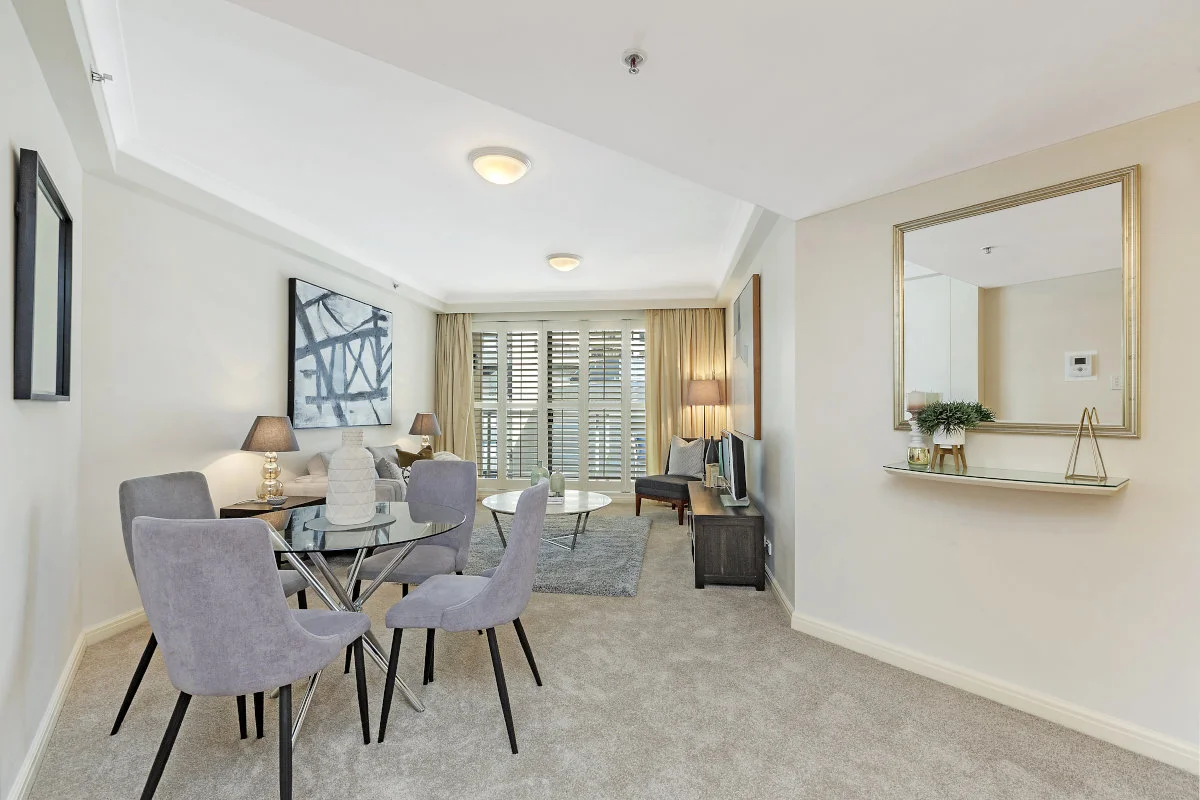 $660,000 - $725,000
Apartment / Unit / Flat
$660,000 - $725,000
Apartment / Unit / Flat
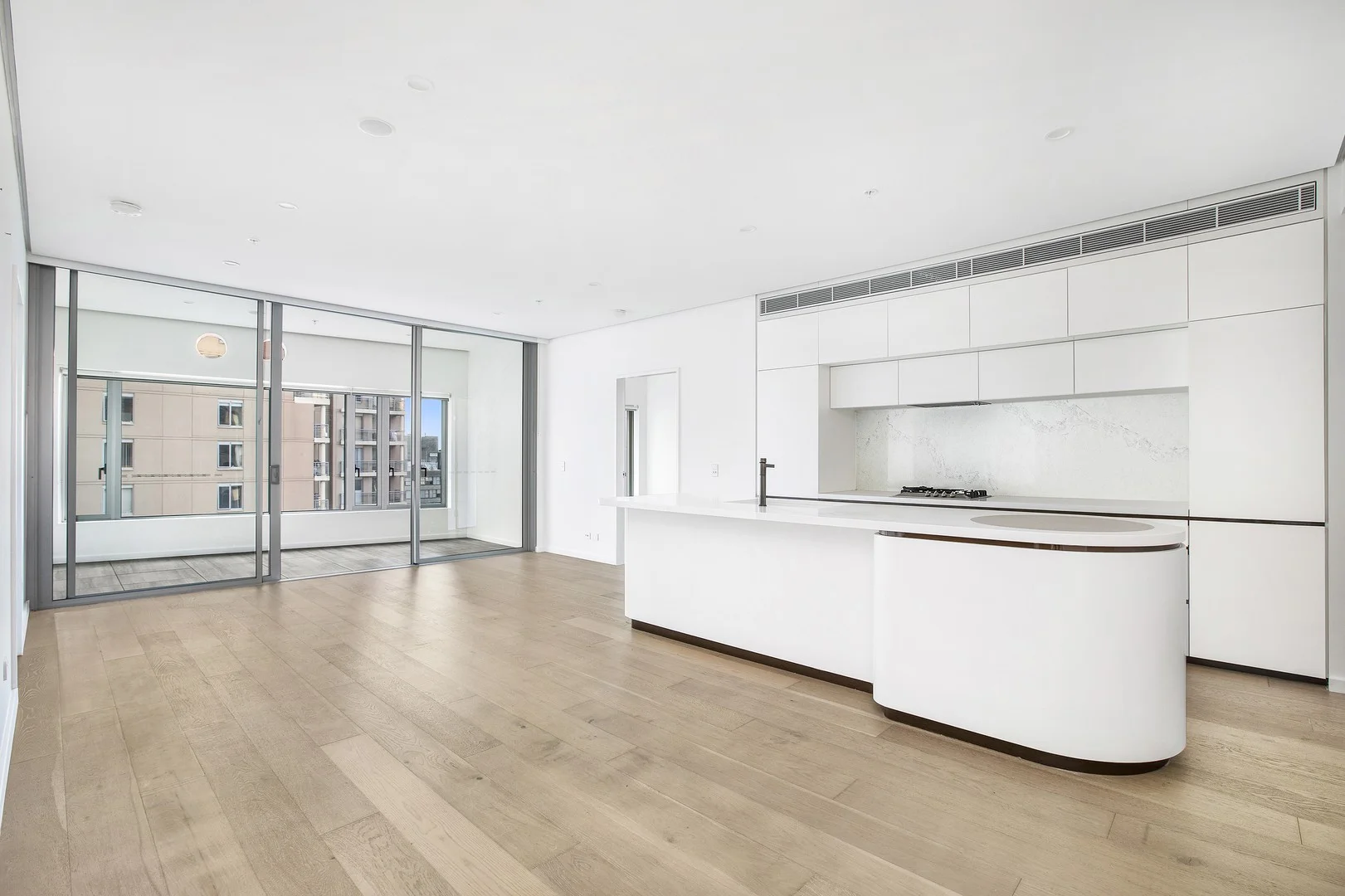 $2,250,000
Apartment / Unit / Flat
$2,250,000
Apartment / Unit / Flat
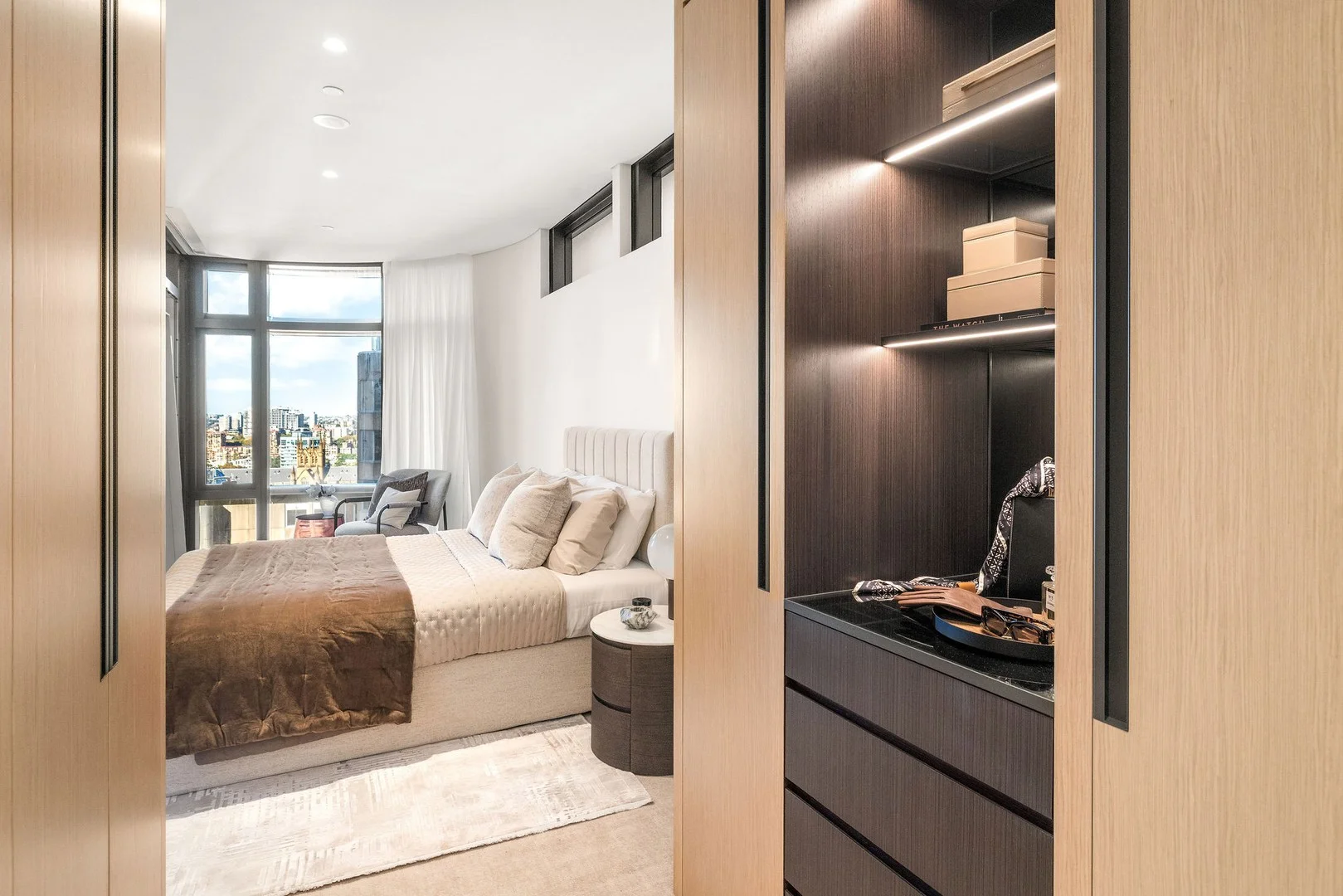 $2,745,000
propertyType.NEW APARTMENTS / OFF THE PLAN
$2,745,000
propertyType.NEW APARTMENTS / OFF THE PLAN
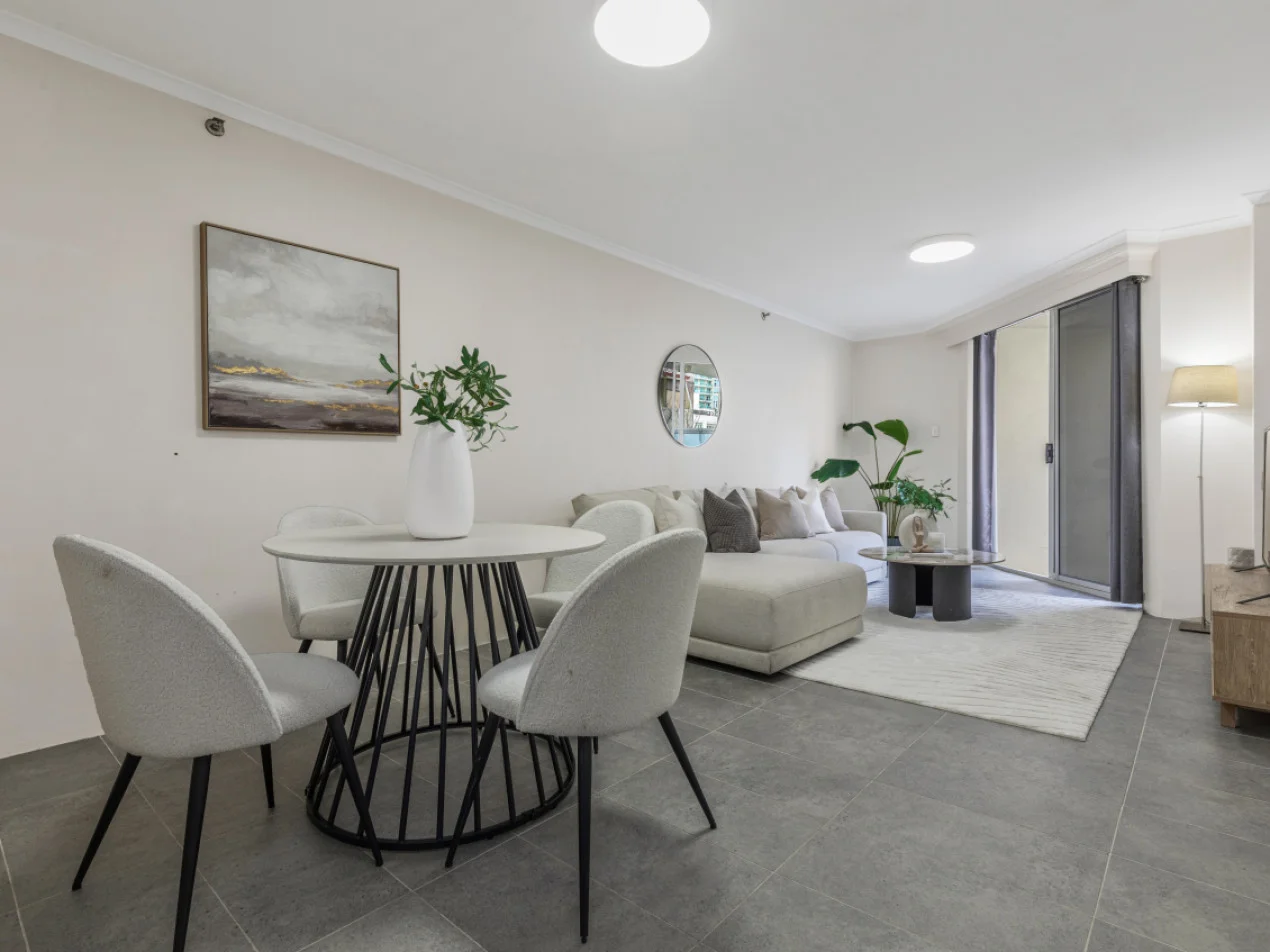 $640,000 - $675,000
Apartment / Unit / Flat
$640,000 - $675,000
Apartment / Unit / Flat
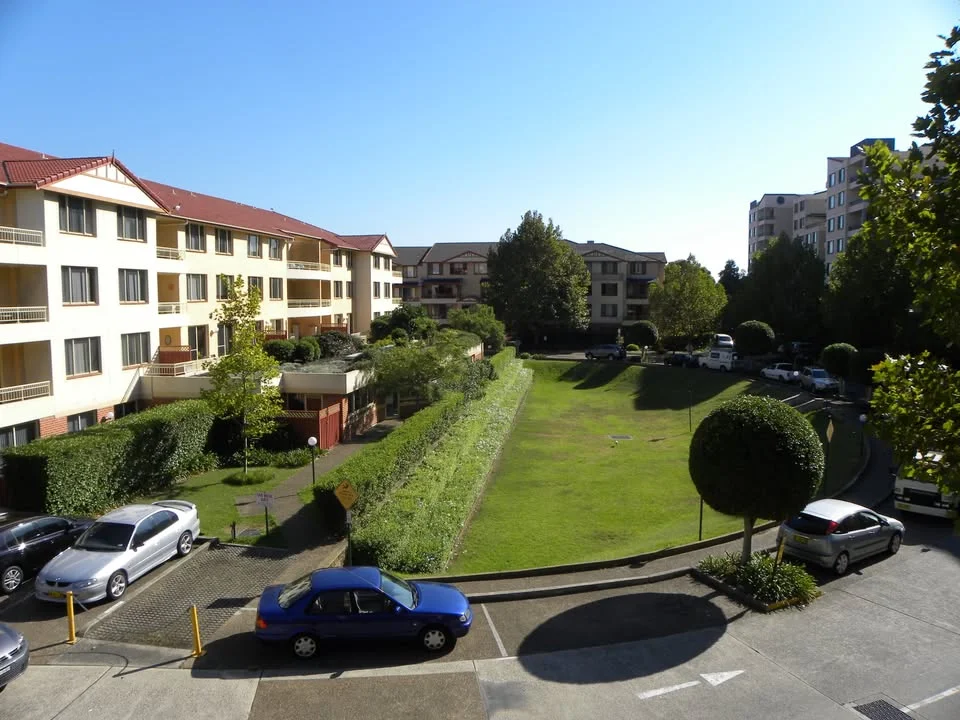 $990
Apartment / Unit / Flat
$990
Apartment / Unit / Flat
 $26,550,000
propertyType.NEW APARTMENTS / OFF THE PLAN
$26,550,000
propertyType.NEW APARTMENTS / OFF THE PLAN
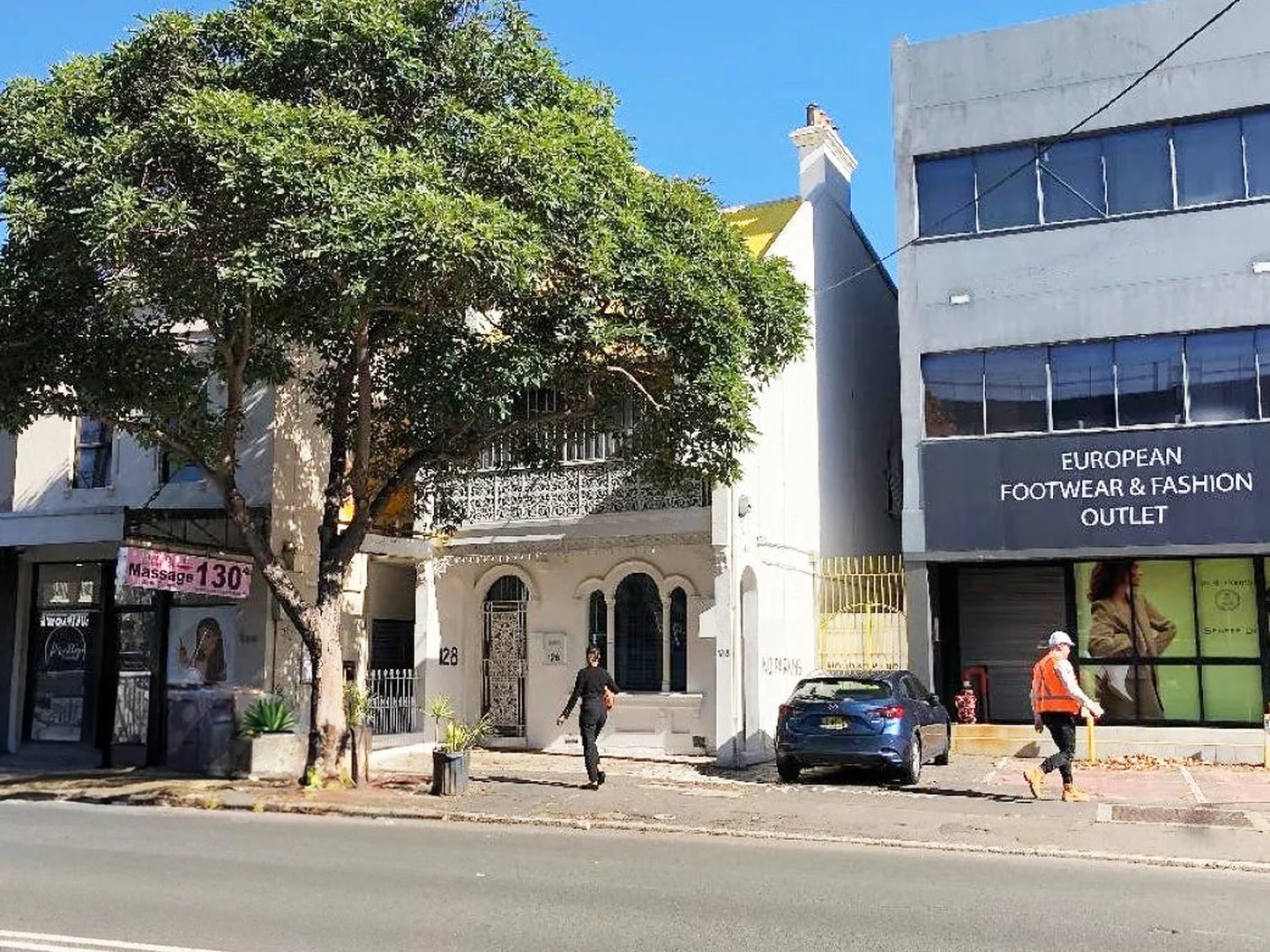 $3,900,000
House
$3,900,000
House
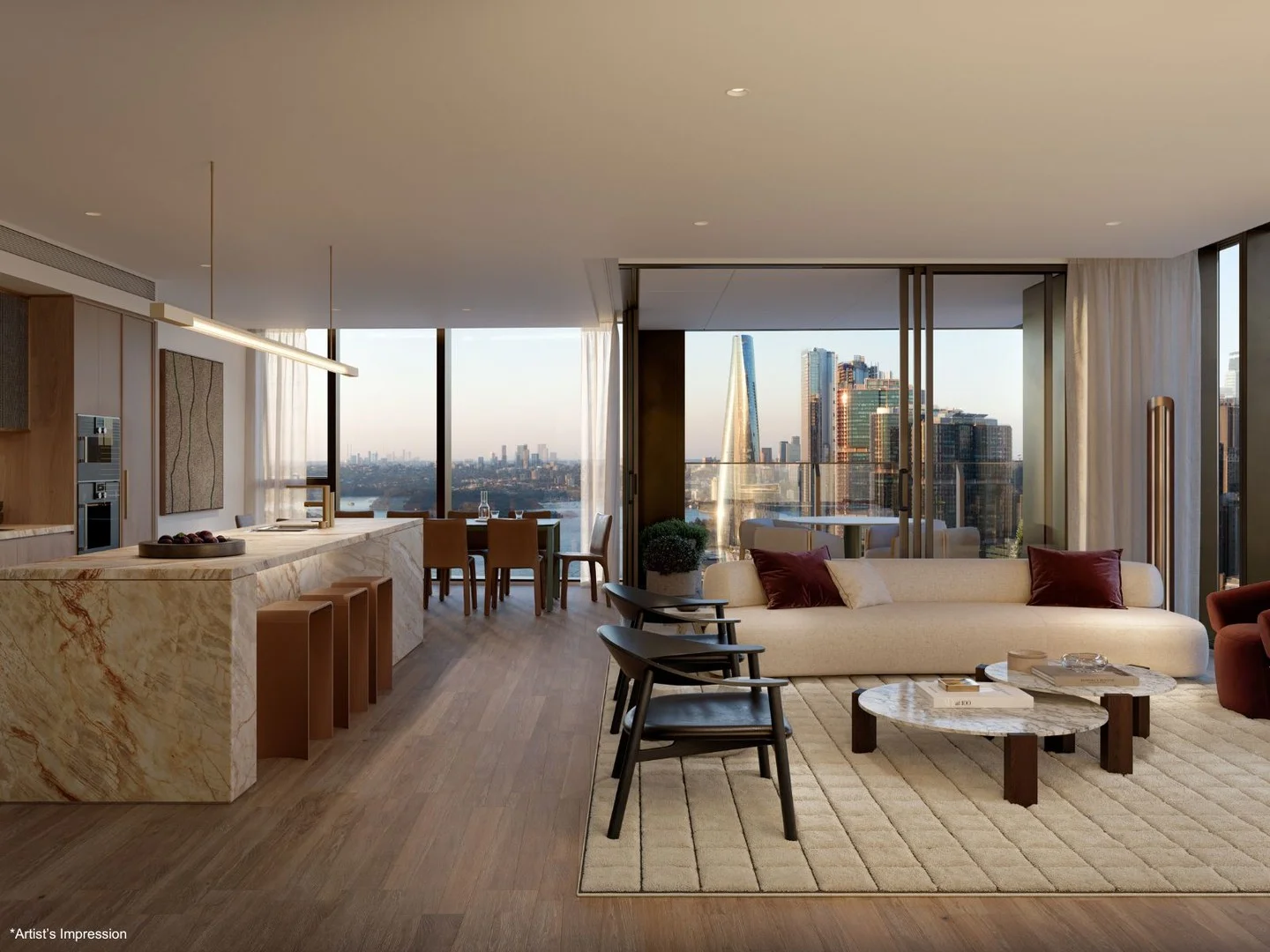 $12,980,000
propertyType.NEW APARTMENTS / OFF THE PLAN
$12,980,000
propertyType.NEW APARTMENTS / OFF THE PLAN
 $8,630,000
propertyType.NEW APARTMENTS / OFF THE PLAN
$8,630,000
propertyType.NEW APARTMENTS / OFF THE PLAN