## Overview
Rose Bay Secondary College is a public NSW Department of Education high school serving students in years 7–12. It has a medium-sized student body and a culture that balances high academic expectations with strong wellbeing and community support. Class sizes are typically around 20–25 students, which helps teachers give individualized attention and fosters an inclusive, collaborative atmosphere. The school prioritises a well-rounded environment that values academic rigor alongside student welfare, belonging, and diverse interests.
## Academics & Learning
- Academic strengths: English and STEM are core priorities, with additional emphasis on literacy, numeracy, and leadership development. The school supports students across a broad range of subjects to build a solid foundation for senior studies and future pathways.
- Special programs: Gifted and Talented opportunities and accelerated learning options are available, along with preparation for the Higher School Certificate (HSC) pathway and extension work in relevant subjects.
- NAPLAN trends: The school’s NAPLAN results have shown steady performance with improvements in key areas such as reading and numeracy over time, reflecting ongoing focus on foundational skills.
- Student-teacher ratios: Class sizes and teacher contact are structured to provide regular opportunities for feedback and support, with ratios typically in the 1:20–1:24 range.
- Support for diverse learners: Strong inclusion support includes EAL (English as an Additional Language) assistance and a dedicated learning/special education team to help students reach their individual learning goals.
## Sports & Extracurricular Strengths
- Sports offered: A broad program typically includes team and individual sports such as soccer, basketball, netball, rugby, cricket, and athletics, with opportunities to trial and compete in interschool events.
- Strong teams or achievements: The school supports competitive teams and participates in regional competitions, with ongoing coaching to promote skill development and teamwork.
- Music, arts, drama programs: Active music and performing arts offerings, including ensembles and productions, help students explore creativity and stage performance.
- Clubs: Robotics, coding, chess, debating, and other clubs are available to extend interests beyond the classroom.
- Partnerships: The school often collaborates with local clubs, sports academies, and community groups to provide competitions and extended learning opportunities.
## Wellbeing & Pastoral Care
- Anti-bullying approach: Clear policies and programs promote a safe, respectful school culture, with restorative practices and student involvement in wellbeing initiatives.
- House system: A house structure supports belonging, friendly competition, and leadership opportunities across year levels.
- Counsellors / wellbeing officers: A dedicated team of wellbeing professionals provides counselling, mental health support, and information on life skills and resilience.
- Transition support for new students: Orientation programs, buddy systems, and targeted transition activities help new students settle in smoothly and build social connections quickly.
## Facilities
- Sports grounds: On-site fields and courts support physical education and after-school activities.
- Libraries: Modern library facilities with study spaces and resources.
- Science labs: Well-equipped science laboratories for practical experiments and investigations.
- Music/performing arts centers: Dedicated spaces for rehearsals, performances, and showcases.
- Tech/innovation labs: Makerspaces and ICT facilities support STEM and digital learning.
- Cafeteria: On-site dining facilities offering a range of healthy options.
- Updated playgrounds: Well-maintained outdoor spaces for recreation and socialising.
## School Values & Community Culture
- School values / mission: A values-driven approach prioritising respect, responsibility, integrity, and excellence in learning and conduct.
- Leadership style: Student leadership opportunities exist alongside teacher and staff leadership, with an emphasis on collaboration and shared responsibility.
- Behaviour expectations: Clear codes of conduct and consistent expectations across year groups support a positive learning environment.
- Community reputation: The school is known for its inclusive culture, strong parent and community involvement, and commitment to student wellbeing.
- Diversity & inclusion: A diverse student body is welcomed, with practices designed to support students from various backgrounds and with different needs.
## School Logistics & Daily Operations
- School hours: Typical school day runs from around 8:30 am to 3:00–3:15 pm, with variations for certain activities or visits.
- Before/after school care: Availability of after-school care or supervision options may be through external providers or partner programs.
- Uniform requirements: A defined school uniform is required, with guidelines for everyday wear and sports attire.
- Transport (train/bus routes): Accessible by public transport with nearby bus services and easy access to local stations; dedicated drop-off/pick-up zones may be in place.
- Canteen availability: An on-site canteen or catering facilities offer meals and snacks.
- Fees (low/medium/high ranges): As a public school, there is no tuition; families may encounter voluntary contributions and costs for elective materials, excursions, and uniform items.
## Enrolment & Admissions
11. What is the enrolment process and timeline?
- Begin by checking eligibility and catchment rules on the NSW Department of Education site or with the school's enrolment staff.
- Submit an enrolment application for Year 7 (and other year levels where applicable) within the indicated intake window, typically via the Department’s online system.
- Provide required documentation (proof of residence, student records, immunisation status, and any other documents requested by the school).
- The school will review applications and offer places based on eligibility, space, and enrolment priorities. Orientation information and acceptance steps follow for successful applicants.
12. Is there a waiting list, and how does it work?
- If applications exceed available places, a waiting list or placement process may apply, prioritising in-catchment applicants first and then considering out-of-catchment applicants as spaces become available.
- Waiting times depend on space, transfers, and changes in enrolment. Families are notified in line with Department timelines.
13. Are there any entry requirements, tests, or interviews?
- For standard Year 7 enrolments at a public school like Rose Bay Secondary College, there is typically no entrance exam or formal interview requirement.
- An enrolment interview is generally not part of the process, but schools may request copies of prior academic records, immunisation details, and other documentation to support the transition.
14. Does the school accept mid-year transfers?
- Mid-year transfers may be possible if there is space and if the family can provide the necessary documentation (current school report, enrolment proof, and confirmation of NSW residency).
- Transfer timing depends on space availability, with priority given to ongoing enrolments and established catchment guidelines. Contact the school's administrative team as soon as possible to discuss options.
## Frequently Ask Questions
- Why Parents Choose This School?
- Public, inclusive environment with a broad curriculum, strong wellbeing supports, and a convenient location. The school emphasizes student growth across academics, sport, arts, and leadership.
- What type of student thrives at this school?
- Students who are curious, collaborative, committed to learning, and engaged in school life; those who value a balanced approach to academics, wellbeing, and extracurricular opportunities.
- What opportunities are available for students to extend their skills (academics, sports, arts)?
- A mix of Gifted and Talented opportunities, enrichment programs, advanced coursework, and a range of sports, arts, robotics, coding, debating, and student leadership activities.
- How does the school communicate with parents?
- Regular updates via newsletters, emails, parent portals or apps, and scheduled parent-teacher interviews; clear channels for reporting concerns and seeking information.
- What is the school’s approach to teaching and learning?
- Student-centered, with differentiated instruction, literacy and numeracy support, and a focus on building critical thinking, collaboration, and digital literacy.
- How does the school support students who need extra academic help?
- Learning and Support Teams, targeted interventions, EAL support, SEN assistance, and access to tutoring or small-group sessions as needed.
- What support is available for academic challenges?
- Access to learning support staff, counsellors, and specialist programs to help students catch up or extend their understanding.
- How does the school communicate with parents? (duplicate)
- See above: multiple channels including apps, emails, newsletters, and interviews.
- What are the class sizes and how much individual attention do students receive?
- Typical class sizes are around 20–25 students, with teacher lead instruction and opportunities for individual feedback and small-group support.
- What extracurricular and sports opportunities are available?
- A wide range of sports, music and arts programs, robotics, coding, chess, debating clubs, and other student-led activities and competitions.
- What facilities does the school offer (sports, science, arts)?
- Sports grounds, libraries, science labs, music/performing arts spaces, tech/innovation labs, cafeteria, and well-maintained outdoor facilities.
- What is the school’s approach to technology and digital learning?
- Integrated digital learning across the curriculum with access to computer labs, interactive tools, and platforms to support learning, collaboration, and research skills.
- What transport and accessibility options are available?
- Access to public transport and bus routes; practical arrangements for student drop-off/pick-up, with considerations for accessibility and safe travel.
- What are typical school fees or additional costs?
- There are no tuition fees as a public school, but families may encounter voluntary contributions, costs for certain elective materials, excursions, and uniform purchases.
## Short Pros & Cons list
- Pros:
- Public school with a strong community focus and wellbeing support
- Balanced academics with growth opportunities in STEM, English, and languages
- Wide range of extracurriculars including sports, arts, and clubs
- Inclusive environment with dedicated support for diverse learners
- Central location with access to public transport and facilities
- Cons:
- Larger school environment can mean busier campuses and busy schedules
- Some specialty programs may have limited capacity or be subject to space availability
- Uniform and extracurricular costs can add up over the year
If you’d like, I can tailor this further with any specific details you have about the school or adjust the tone for a particular audience (e.g., parents of year 7 entrants, international families, or local community readers).







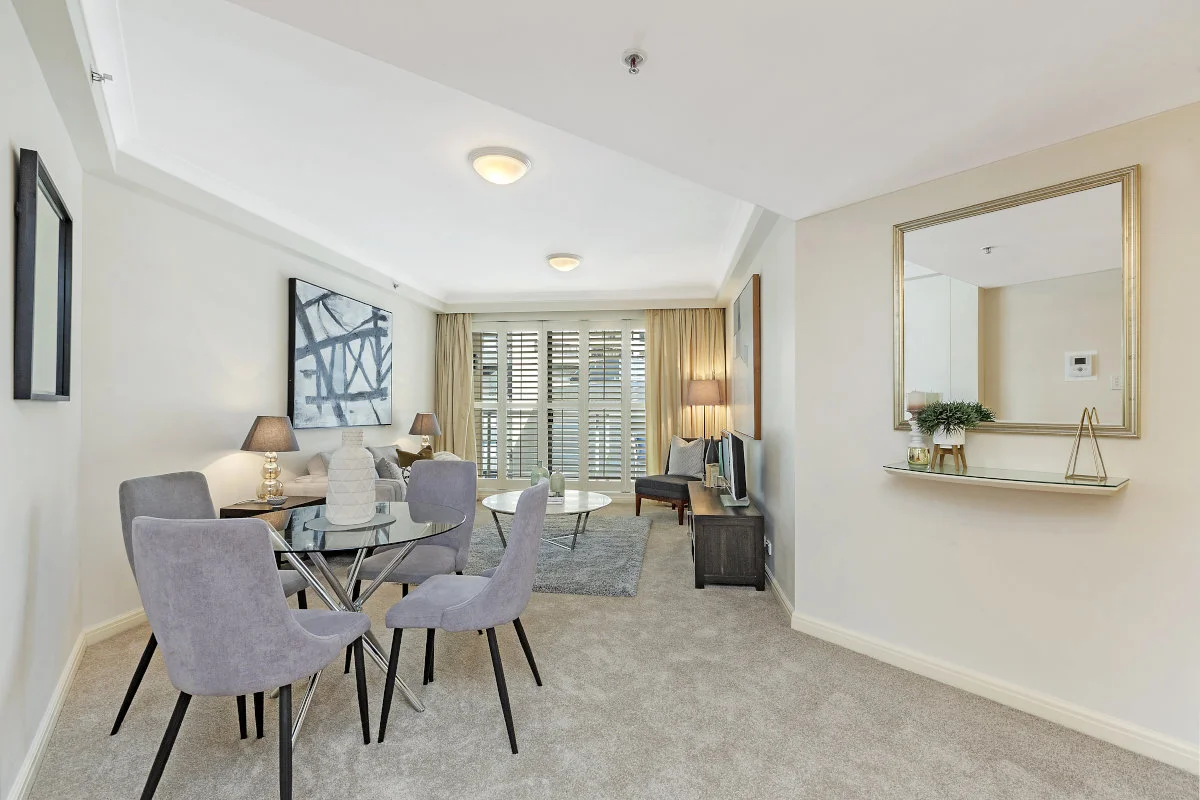 $660,000 - $725,000
Apartment / Unit / Flat
$660,000 - $725,000
Apartment / Unit / Flat
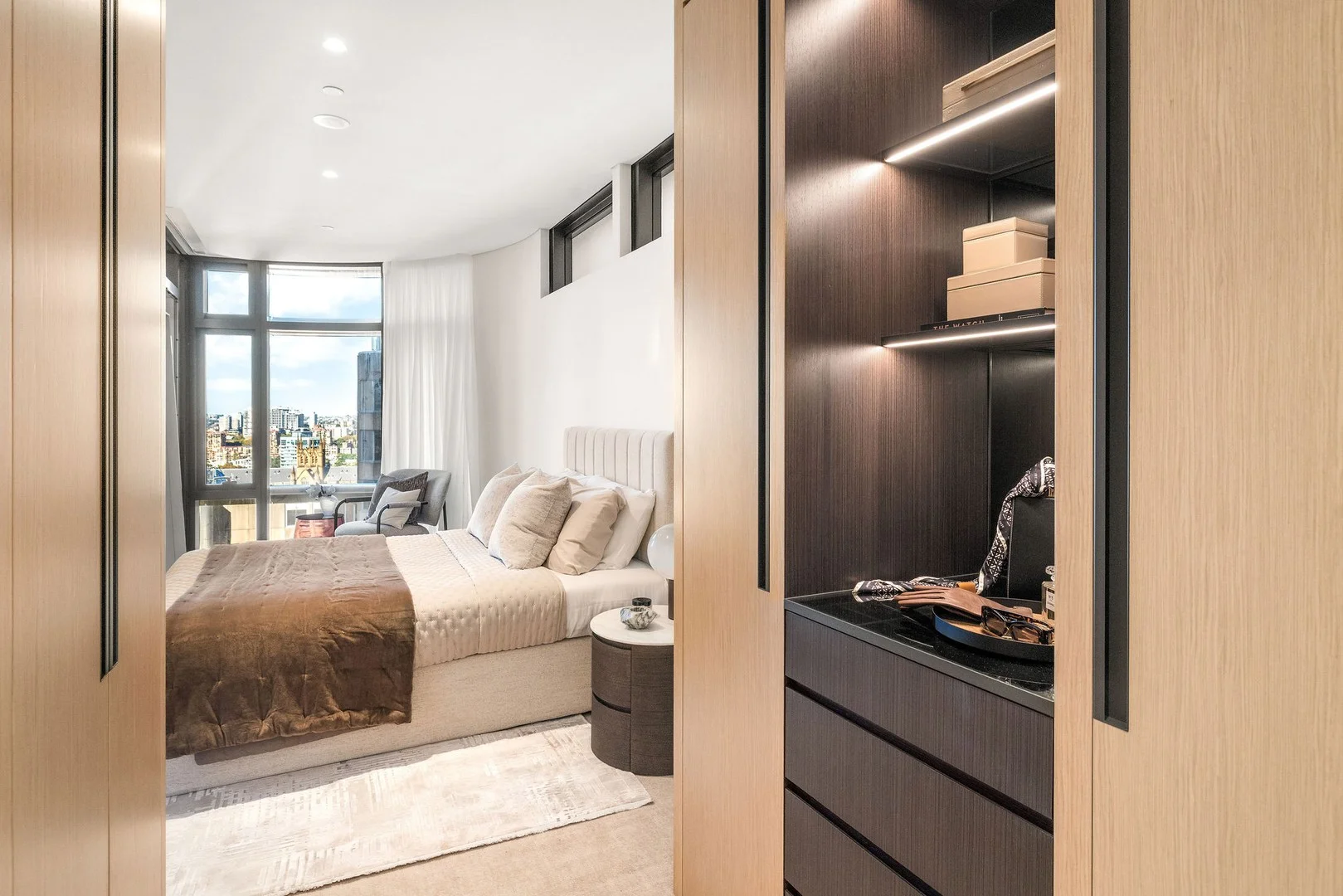 $2,745,000
propertyType.NEW APARTMENTS / OFF THE PLAN
$2,745,000
propertyType.NEW APARTMENTS / OFF THE PLAN
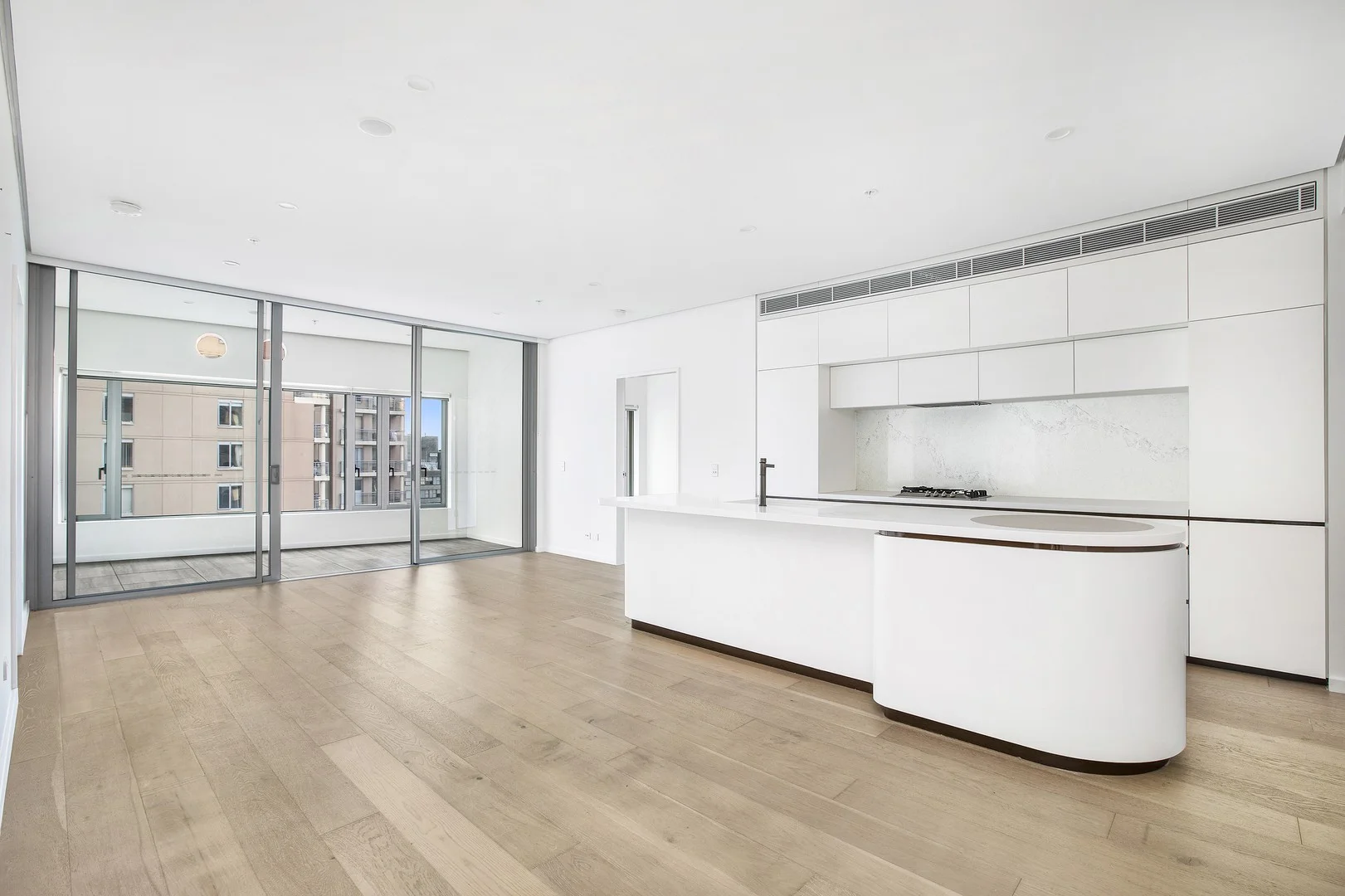 $2,250,000
Apartment / Unit / Flat
$2,250,000
Apartment / Unit / Flat
 $26,550,000
propertyType.NEW APARTMENTS / OFF THE PLAN
$26,550,000
propertyType.NEW APARTMENTS / OFF THE PLAN
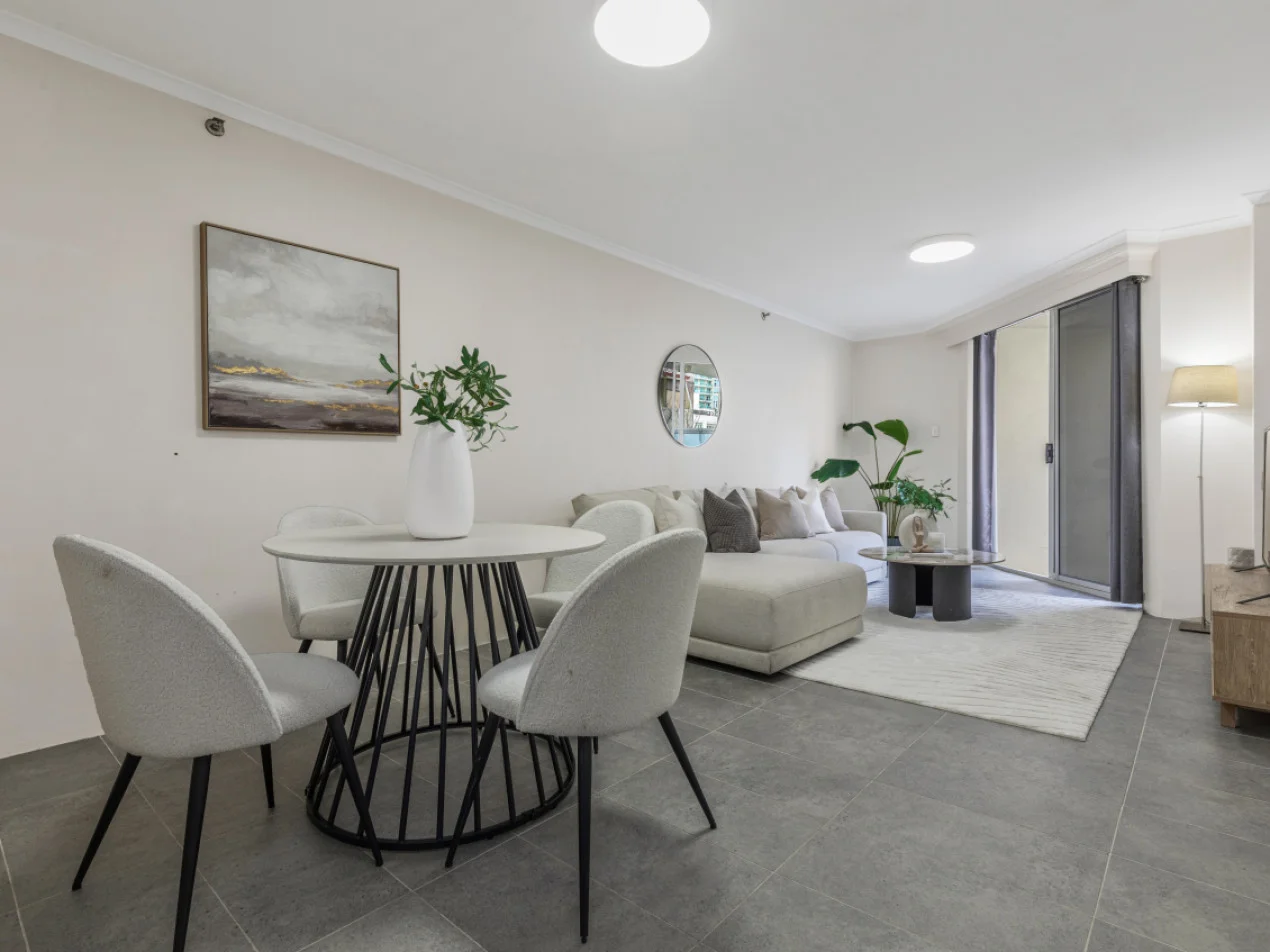 $640,000 - $675,000
Apartment / Unit / Flat
$640,000 - $675,000
Apartment / Unit / Flat
 $6,225,000
propertyType.NEW APARTMENTS / OFF THE PLAN
$6,225,000
propertyType.NEW APARTMENTS / OFF THE PLAN
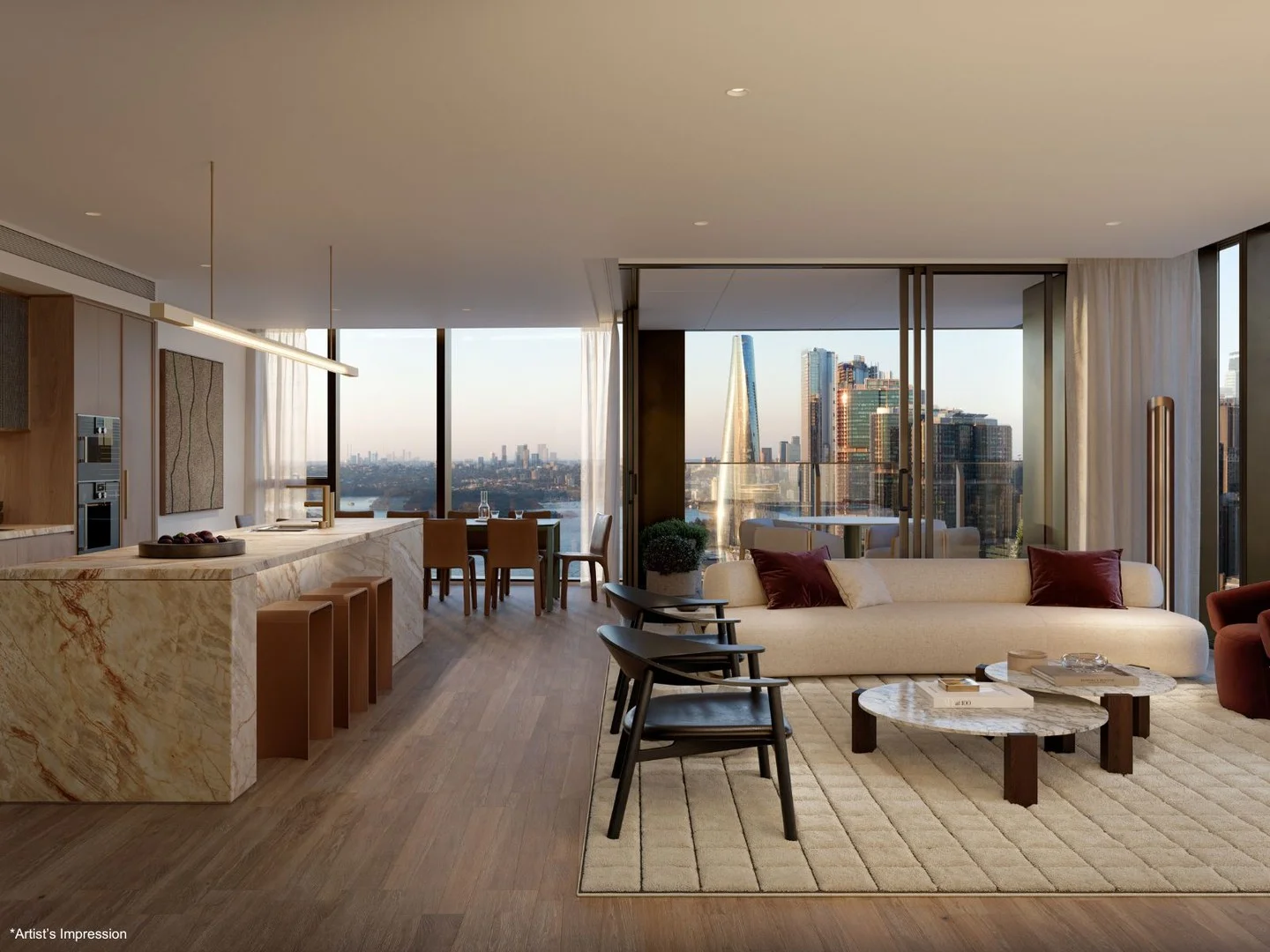 $12,980,000
propertyType.NEW APARTMENTS / OFF THE PLAN
$12,980,000
propertyType.NEW APARTMENTS / OFF THE PLAN
 $8,630,000
propertyType.NEW APARTMENTS / OFF THE PLAN
$8,630,000
propertyType.NEW APARTMENTS / OFF THE PLAN
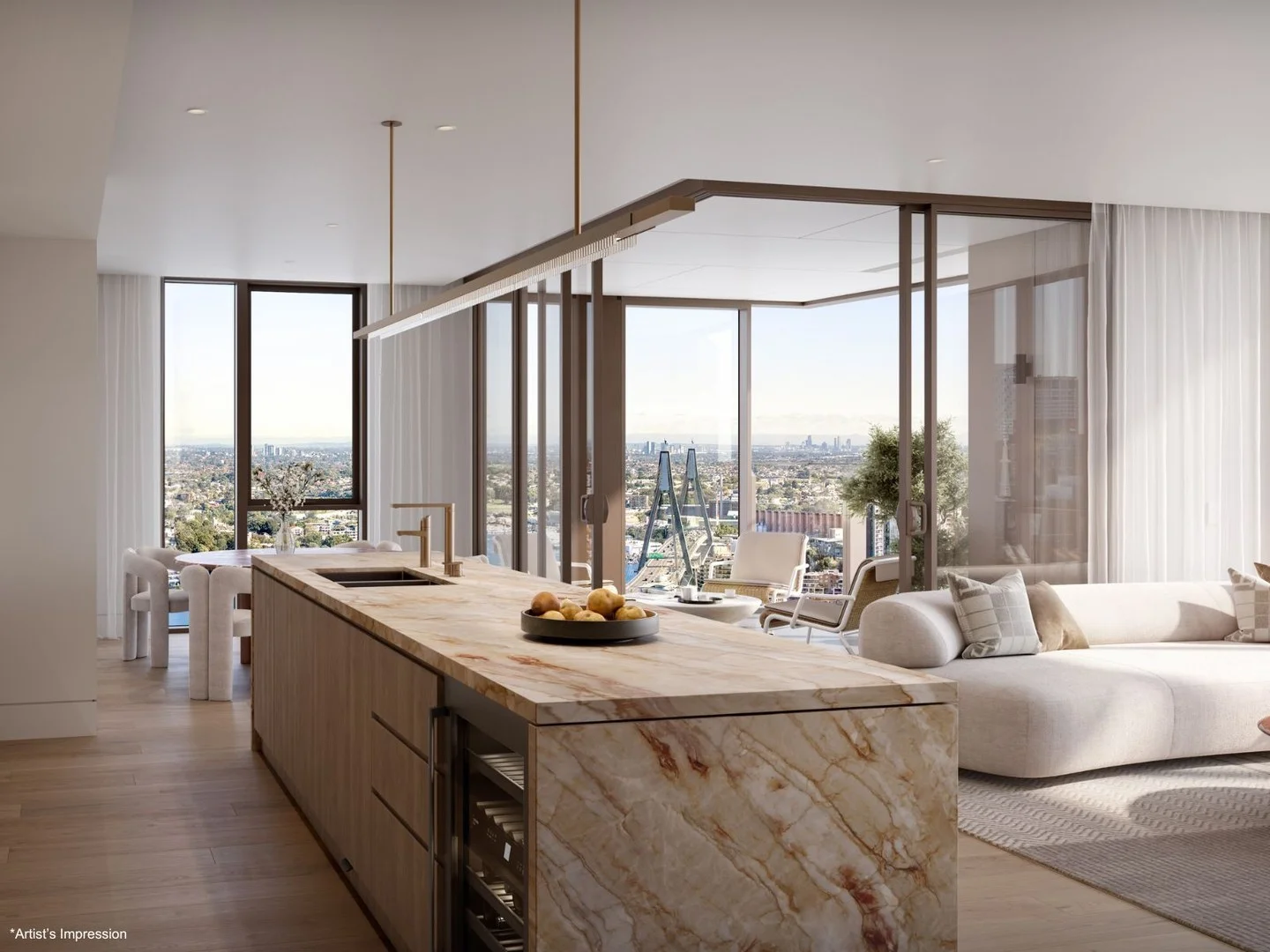 $9,020,000
propertyType.NEW APARTMENTS / OFF THE PLAN
$9,020,000
propertyType.NEW APARTMENTS / OFF THE PLAN


