1. Overview
Galilee Bondi Catholic Primary School is a Catholic, co-educational primary school serving the Bondi community. As part of the Catholic Education system, it focuses on faith-based learning alongside a strong academic program, with a welcoming, community-minded culture. The school is medium-sized, offering a close-knit environment where students are known by staff and feel valued. Typical class sizes are in the low-to-mid 20s, supporting personalized attention and collaboration. The atmosphere tends to be nurturing, inclusive and family-oriented, with an emphasis on faith, service and everyday learning.
2. Academics & Learning
- Academic strengths: solid literacy and numeracy foundations, with a focus on reading comprehension, writing, and problem-solving. There is also emphasis on integrated STEM, digital literacy and well-rounded development in English and mathematics.
- Special programs: Religious Education and sacramental preparation; opportunities for enrichment or gifted/talented extension within cohorts; access to technology-rich learning spaces and creative arts programs.
- NAPLAN / Ofsted trends: generally demonstrates steady growth in key areas (e.g., reading and numeracy) across year levels, with consistent progress year-to-year and a focus on strengthening foundational skills for all students.
- Student-teacher ratios: typically maintains a favorable classroom ratio (roughly around 1:12–1:18 in learning spaces), enabling more targeted instruction and support.
- Support for diverse learners: dedicated EAL/D support and inclusive education measures; access to learning support staff and targeted interventions for students needing extra assistance.
3. Sports & Extracurricular Strengths
- Sports offered: soccer, netball, basketball, cricket, swimming program and other PE-enriched activities; participation in school and inter-school events is encouraged.
- Strong teams or achievements: active involvement in local inter-school competitions and district events; success stories are celebrated as part of a culture of participation and teamwork.
- Music, arts, drama programs: school choir, instrumental music opportunities, and regular performing arts events; annual or seasonal school productions are commonly held.
- Clubs: robotics, coding, chess, debating and other interest-based clubs that support extended learning beyond core subjects.
- Partnerships: connections with local community clubs, parish groups and other youth organizations to provide additional opportunities and competitions.
4. Wellbeing & Pastoral Care
- Anti-bullying approach: school-wide wellbeing framework with restorative practices, clear anti-bullying policies and ongoing education for students, staff and families.
- House system: four house groups that support competition, collaboration and a sense of belonging within the student body.
- Counsellors / wellbeing officers: access to school wellbeing staff or counsellors to support social, emotional and behavioural needs.
- Transition support for new students: orientation activities, buddy programs and targeted transition support to help new students settle into the school community.
5. Facilities
- Sports grounds: maintained play areas and outdoor spaces suitable for active play and sports.
- Libraries: well-stocked library with print and digital resources to support reading and research.
- Science labs: dedicated science spaces or STEM-friendly learning areas.
- Music/performing arts centers: music rooms and dedicated spaces for drama and performance activities.
- Tech/innovation labs: computer/tech labs and makerspace-style areas to support digital learning and project-based work.
- Cafeteria: on-site canteen offering healthy meal options and snacks.
- Updated playgrounds: modern, safe playground equipment and outdoor learning zones.
6. School Values & Community Culture
- School values / mission: Catholic values underpin daily learning—emphasis on respect, responsibility, compassion, service and faith-informed decision-making.
- Leadership style: collaborative and transparent leadership; open communication between principal, staff, students and families.
- Behaviour expectations: consistent, positive behavior expectations with a focus on respect for self and others and responsible citizenship.
- Community reputation: strong parish and local community connections; active parent involvement and supportive community networks.
- Diversity & inclusion: welcoming environment for families from diverse backgrounds; commitment to inclusive education and ensuring all students have access to learning opportunities.
7. School Logistics & Daily Operations
- School hours: typically around 9:00 am–3:00 pm (with variations during term days and year level routines).
- Before/after school care: available through approved providers or school programs to support families.
- Uniform requirements: formal school uniform with summer/winter options and a separate sports uniform; guidelines align with Catholic education standards.
- Transport (train/bus routes): accessible via local public transport; proximity to Bondi transport options; arrangements for school drop-offs/pick-ups follow local guidelines.
- Canteen availability: on-site canteen or vending offerings to provide healthy options on school days.
- Fees (low/medium/high ranges): fees are in the typical Catholic primary range, with details provided by the school; additional costs may include excursions, uniforms, and activity levies.
8. Enrolment & Admissions
11. What is the enrolment process and timeline?
- Submit an enrolment application and required documentation (birth certificate, proof of address, parish information, etc.).
- Attend information sessions or open days if offered; participate in any family interview or school visit as part of the process.
- Offers and enrolment confirmations are communicated by the school within its published timelines; eligibility may consider parish boundaries and space availability.
12. Is there a waiting list, and how does it work?
- There is often a waiting list when vacancies are limited. Applications may be prioritized based on parish boundaries, sibling priority, and date of application. The school will advise waiting list procedures and estimated wait times.
13. Are there any entry requirements, tests, or interviews?
- Entry typically involves a family interview or information session; standardised testing is not usually required for entry to a Catholic primary school. Some programs may require additional assessments if there are special extension or support needs.
14. Does the school accept mid-year transfers?
- Mid-year transfers are considered subject to space availability and the school’s admissions process. Families should contact the enrolments office to review documentation and timelines.
9. Frequently Asked Questions
- Why Parents Choose This School?
Families often value the faith-based, values-driven education, strong sense of community, supportive teachers, and focus on both academic growth and character development.
- What type of student thrives at this school?
Students who respond well to a nurturing, inclusive environment with small-to-medium class sizes, active participation in school life, and a desire to grow in faith, academics and community contribution.
- What opportunities are available for students to extend their skills (academics, sports, arts)?
Enrichment through literacy/numeracy extension, STEM experiences, music and performing arts, sports teams, and clubs such as robotics, coding, chess and debating.
- How does the school communicate with parents?
Regular updates via newsletters, emails, a school app or portal, and parent-teacher meetings throughout the year.
- What is the school’s approach to teaching and learning?
Evidence-based instruction with explicit teaching, differentiation to meet diverse needs, and opportunities for inquiry-based learning within a Catholic worldview.
- How does the school support students who need extra academic help?
Targeted interventions, EAL/D support and an inclusive education team; small-group or in-class supports are provided to assist students in need.
- What support is available for academic challenges?
Access to learning support staff, reading and numeracy interventions, and collaboration with families to implement appropriate learning plans.
- How does the school communicate with parents? (Repeated)
See above: newsletters, emails, school app/portal, and regular meetings.
- What are the class sizes and how much individual attention do students receive?
Class sizes typically range in the low-to-mid 20s, with teachers providing differentiated instruction and opportunities for individual attention within the class.
- What extracurricular and sports opportunities are available?
Sports programs (soccer, netball, basketball, cricket, swimming), music and drama, and clubs such as robotics, coding, chess and debating.
- What facilities does the school offer (sports, science, arts)?
Sports grounds, library, science labs, music and performing arts spaces, tech/innovation labs, canteen, and well-equipped outdoor play areas.
- What is the school’s approach to technology and digital learning?
Integration of digital literacy across core subjects, access to computer labs and STEM/innovation spaces, and responsible use of technology in learning.
- What transport and accessibility options are available?
Access to local public transport and clear information about drop-off/pick-up; pathways to school and accommodation of families within the community.
- What are the typical school fees or additional costs?
Fees are in line with other Catholic primary schools, with additional costs for uniforms, excursions, and optional activities. Specifics are provided by the school.
10. Short Pros & Cons list
Pros
- Faith-based, values-driven education in a supportive Catholic community
- Moderate class sizes enabling attentive teaching
- Strong focus on well-being, inclusion and character development
- Wide range of co-curriculars (sports, music, arts, clubs)
- Accessible facilities and safe, nurturing campus
Cons
- Smaller school size may mean fewer subject options compared to larger schools
- Waitlists can occur during peak enrolment periods
- Fees and additional costs typical of Catholic primary schools
- Location may predominantly serve families from the local parish community
If you’d like, I can tailor any section further with more specific wording or adjust the balance between academics, wellbeing, and facilities to match a particular audience.







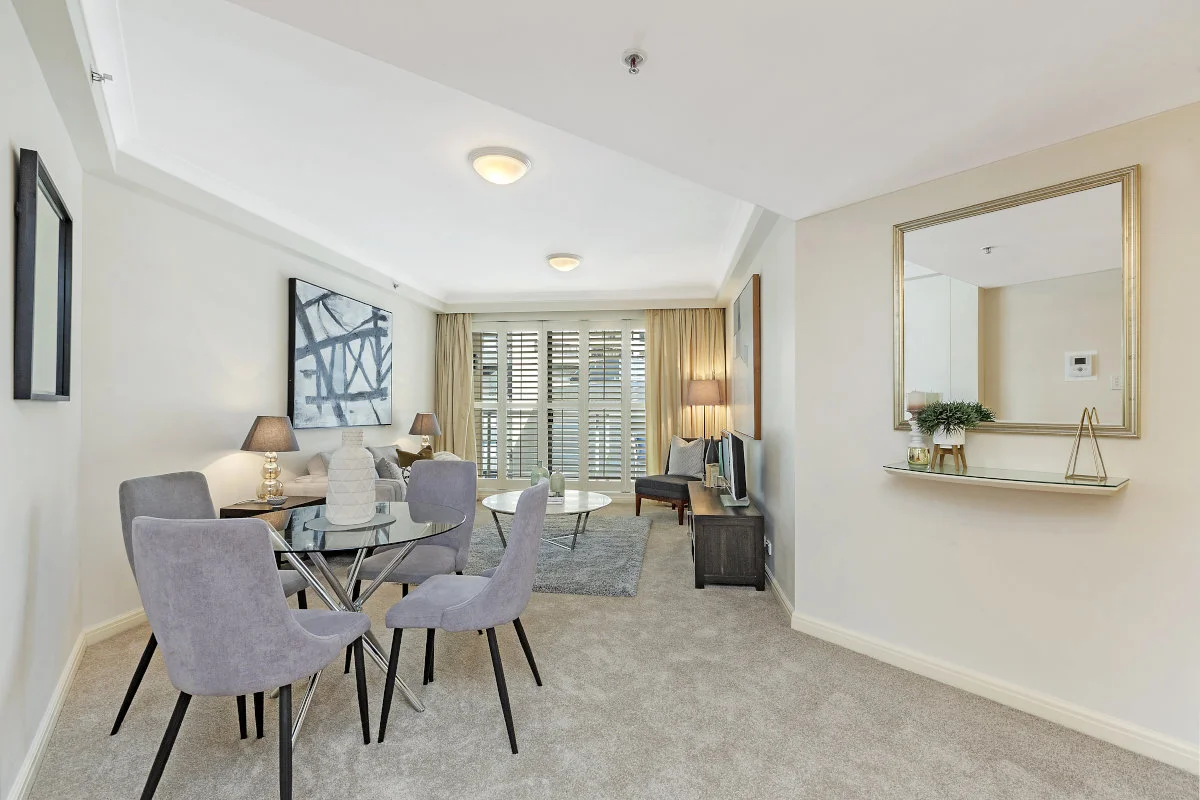 $660,000 - $725,000
Apartment / Unit / Flat
$660,000 - $725,000
Apartment / Unit / Flat
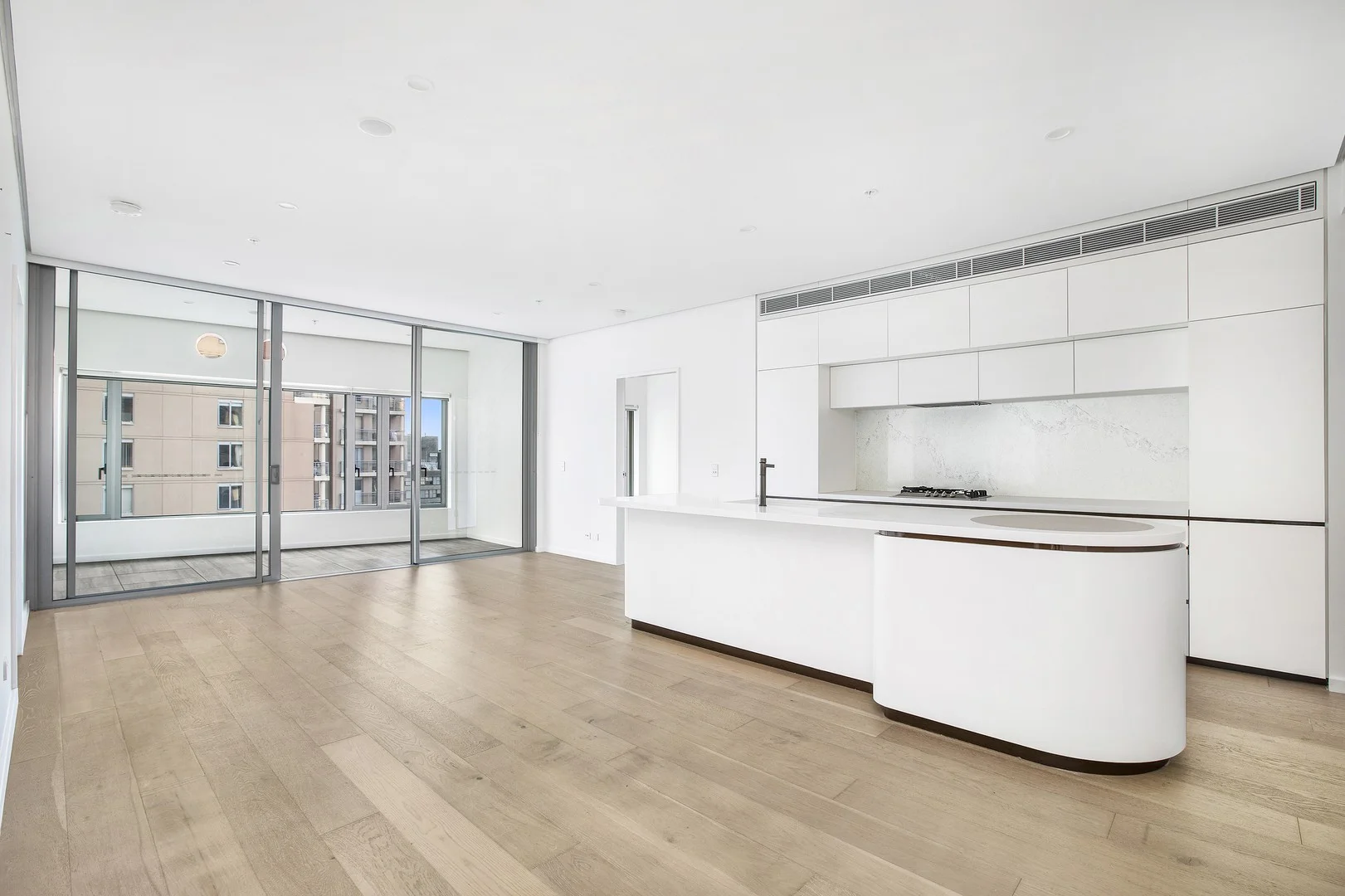 $2,250,000
Apartment / Unit / Flat
$2,250,000
Apartment / Unit / Flat
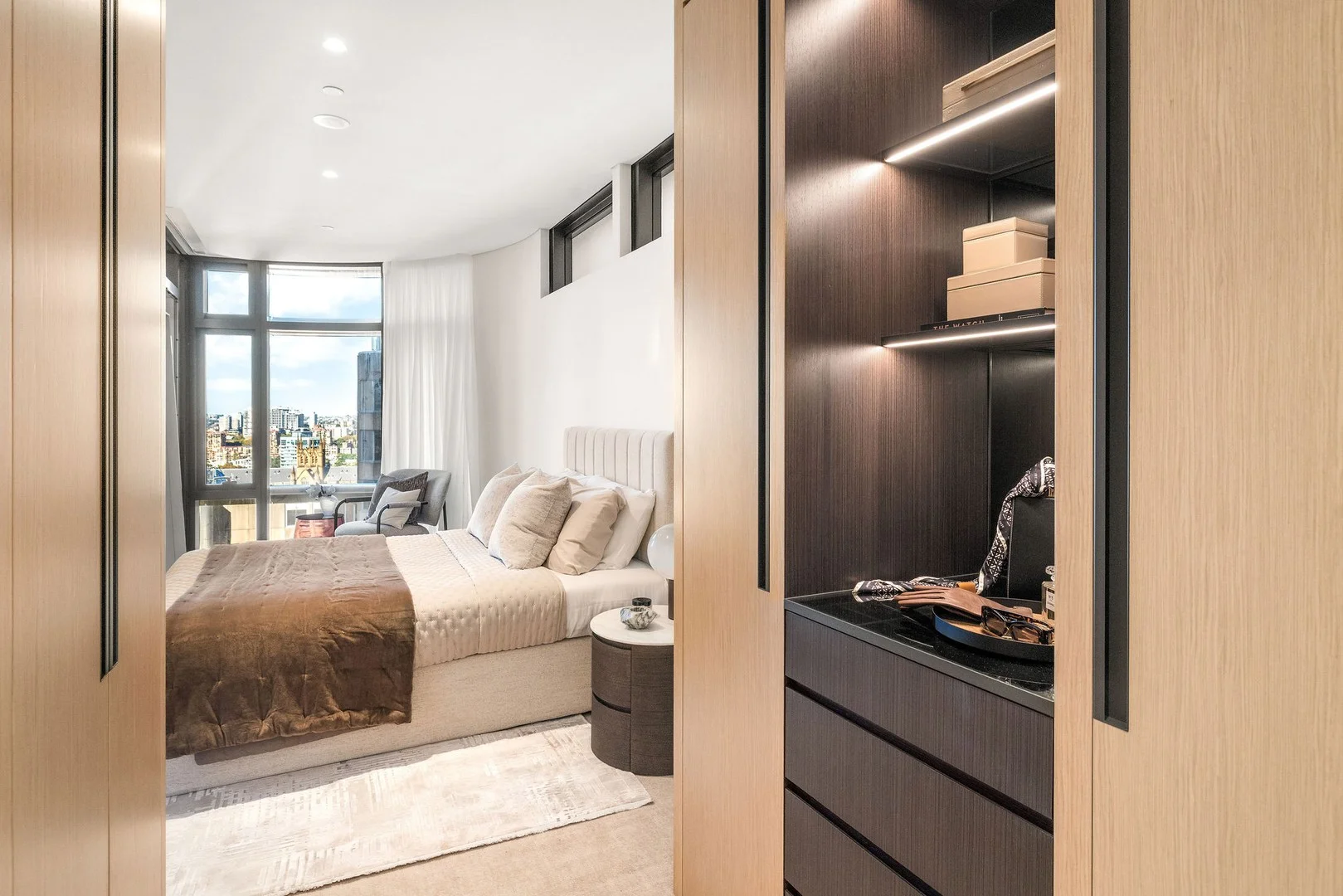 $2,745,000
propertyType.NEW APARTMENTS / OFF THE PLAN
$2,745,000
propertyType.NEW APARTMENTS / OFF THE PLAN
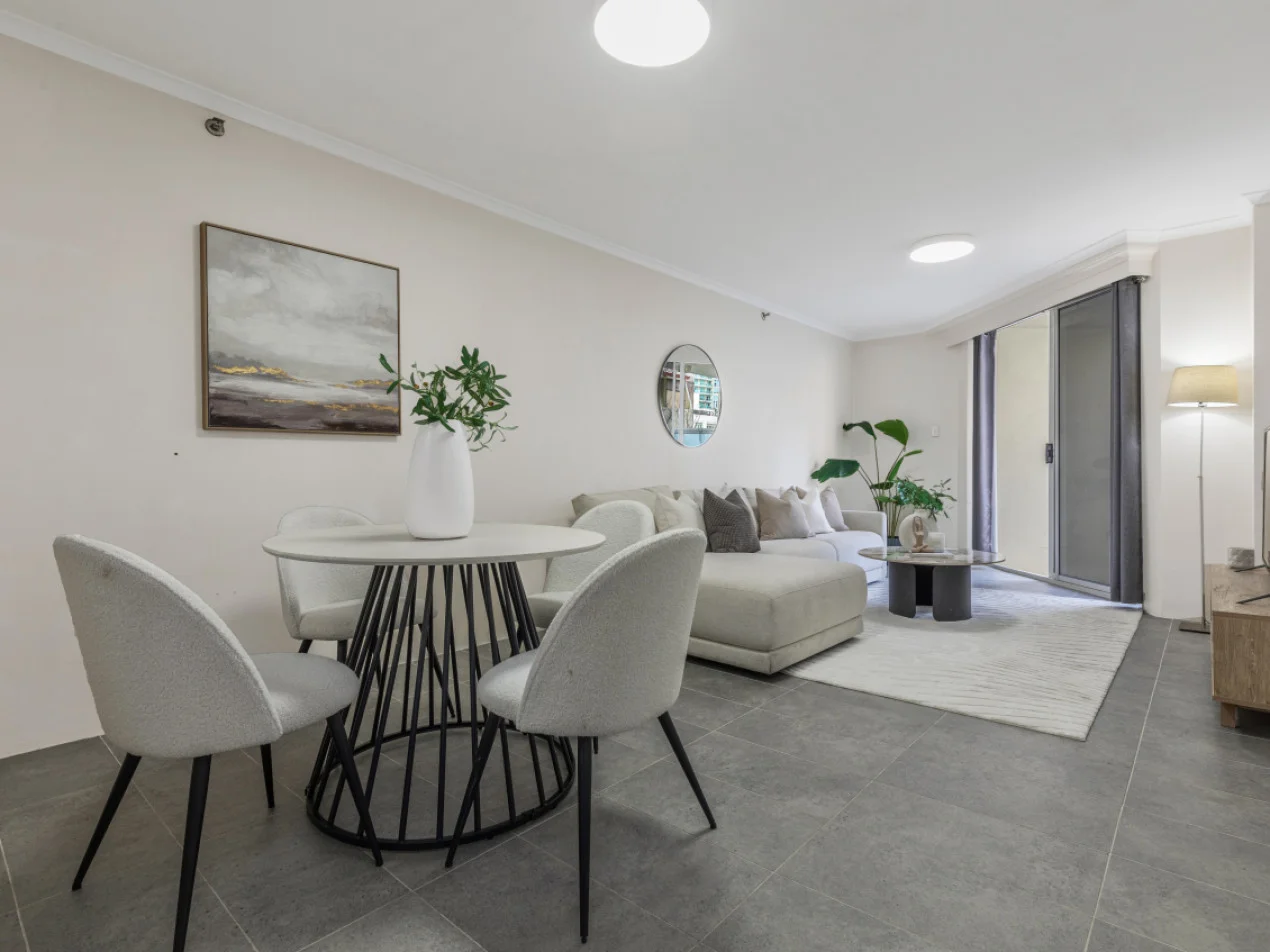 $640,000 - $675,000
Apartment / Unit / Flat
$640,000 - $675,000
Apartment / Unit / Flat
 $26,550,000
propertyType.NEW APARTMENTS / OFF THE PLAN
$26,550,000
propertyType.NEW APARTMENTS / OFF THE PLAN
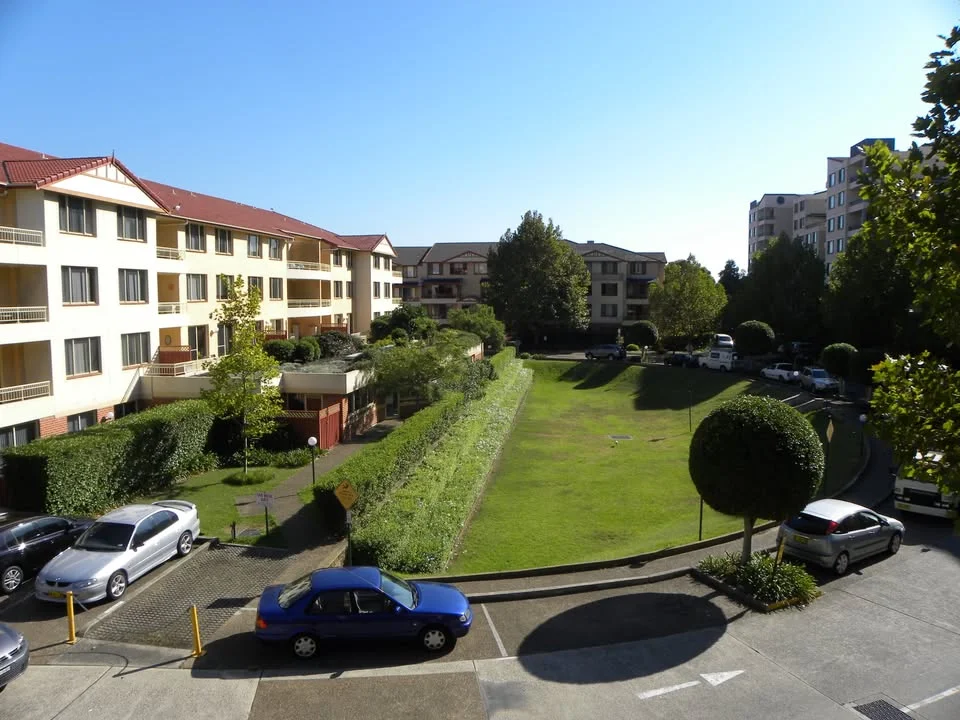 $990
Apartment / Unit / Flat
$990
Apartment / Unit / Flat
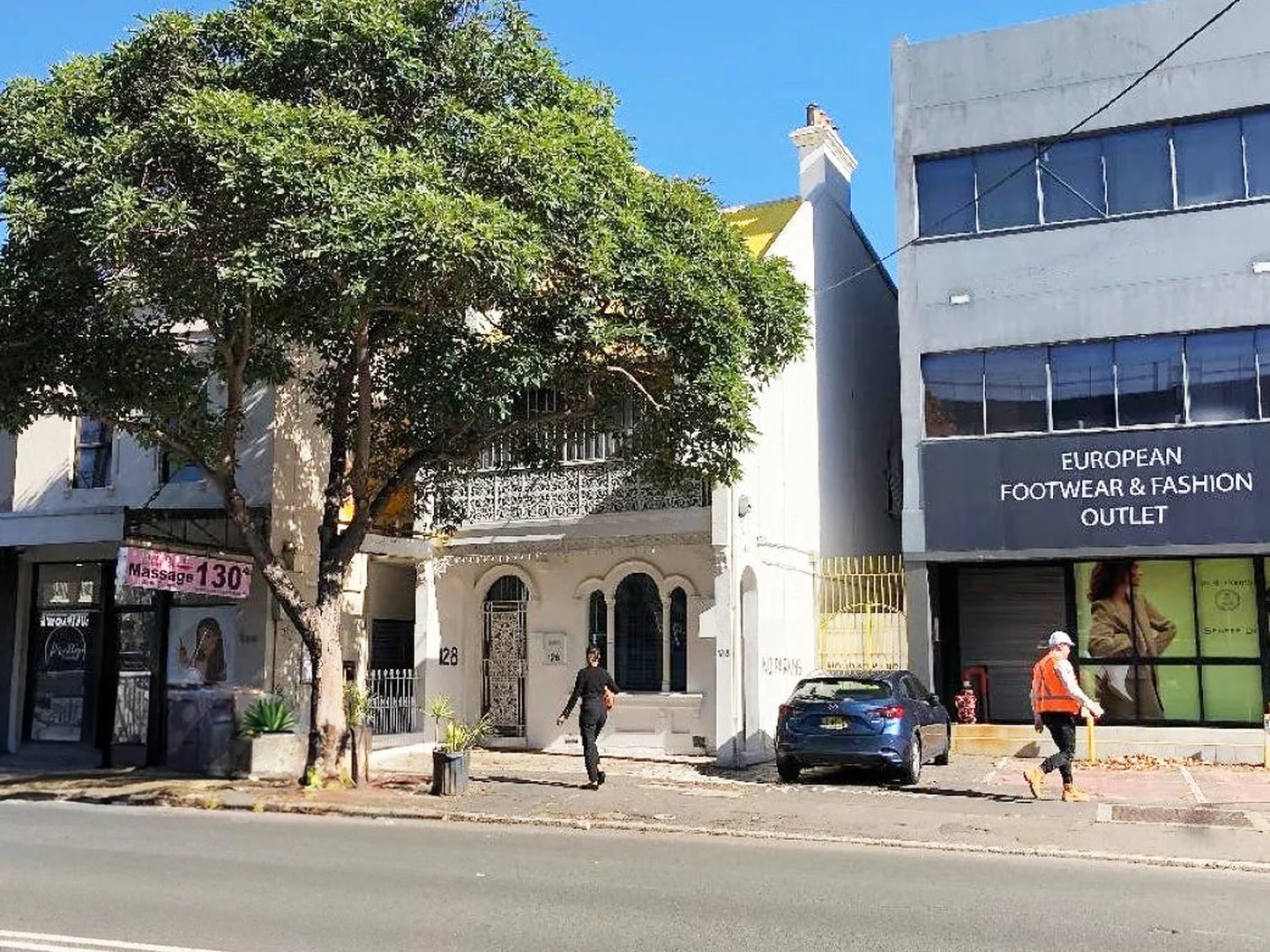 $3,900,000
House
$3,900,000
House
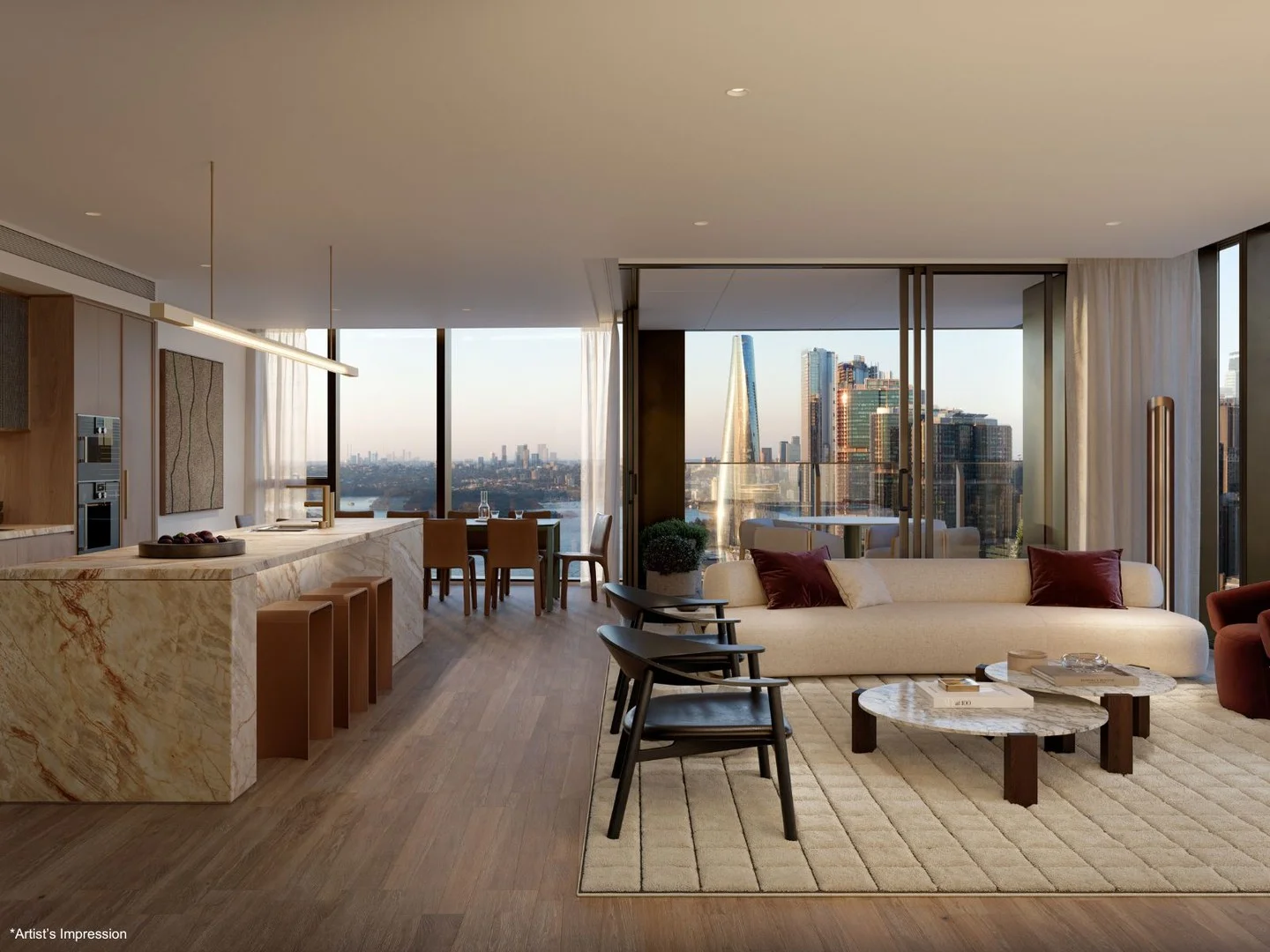 $12,980,000
propertyType.NEW APARTMENTS / OFF THE PLAN
$12,980,000
propertyType.NEW APARTMENTS / OFF THE PLAN
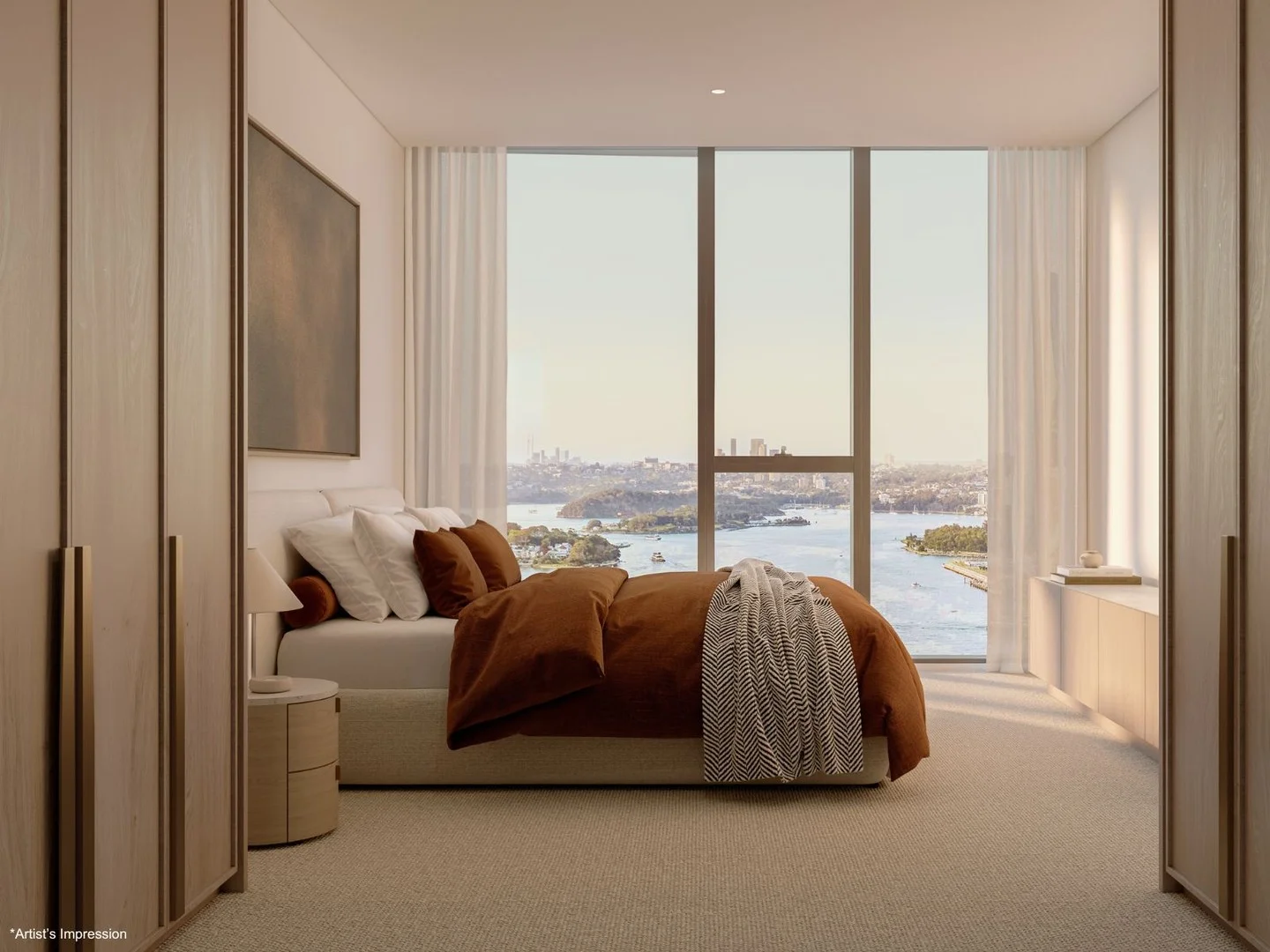 $8,630,000
propertyType.NEW APARTMENTS / OFF THE PLAN
$8,630,000
propertyType.NEW APARTMENTS / OFF THE PLAN


