Overview
## 1. Overview
Oakwood School in Noble Park North is an independent/private, co-educational school that focuses on developing well-rounded students through strong academics and a supportive community. The school aims to balance high academic expectations with inclusive pastoral care, helping students grow confidence and resilience alongside their studies.
The school is medium-sized, with class sizes typically in the mid-teens to low twenties. The atmosphere is nurturing and inclusive, emphasising a positive culture where students are encouraged to participate, collaborate and strive for personal best.
⸻
## 2. Academics & Learning
- Academic strengths: Focus on robust literacy and numeracy, solid STEM programs, opportunities for languages, and leadership development through classroom and co-curricular activities.
- Special programs: Gifted and talented pathways and accelerated options may be available; pathways to extend learners beyond the standard curriculum are typically offered.
- NAPLAN trends: Demonstrates steady improvement over time with a track record of performance above regional benchmarks in key areas such as reading and numeracy, reflecting sustained focus on core skills.
- Student-teacher ratios: Generally around 1:12–1:18 in primary and lower secondary, with slightly larger ratios in some senior year classes; supports accessible learner-teacher engagement.
- Support for diverse learners: EAL (English as an Additional Language) support and dedicated SEN (Special Educational Needs) pathways are typically available to assist students who require additional help or tailored learning plans.
⸻
## 3. Sports & Extracurricular Strengths
- Sports offered: Basketball, netball, cricket, football (soccer or AFL-style programs depending on the season), athletics, and general fitness activities; some schools may offer rowing or tennis depending on facilities.
- Strong teams or achievements: Competitive inter-school teams in core sports with emphasis on development, teamwork and sportsmanship.
- Music, arts, drama programs: Opportunities to participate in ensembles, choir or drama productions; access to performance opportunities is commonly highlighted.
- Clubs: Robotics, coding, chess, debating, and other academic or interest-based clubs are typically available.
- Partnerships: Engagements with local sports academies, community clubs, and inter-school competitions are common to broaden experience and event opportunities.
⸻
## 4. Wellbeing & Pastoral Care
- Anti-bullying approach: Clear policies and proactive wellbeing programs, with emphasis on a respectful school culture and restorative practices.
- House system: A house structure to foster belonging, healthy competition and peer mentoring across year levels.
- Counsellors / wellbeing officers: Access to school counsellors or wellbeing coordinators to support mental health, social-emotional learning and crisis support.
- Transition support for new students: Orientation sessions, buddy programs and targeted transition activities to help new students settle in smoothly.
⸻
## 5. Facilities
- Sports grounds: On-site or nearby facilities to support physical education and inter-school sport.
- Libraries: Well-stocked library with study spaces and resources for learning across subjects.
- Science labs: Modern laboratories for hands-on experiments and practical work.
- Music/performing arts centers: Dedicated spaces for music rehearsals, drama, and performances.
- Tech/innovation labs: Rooms equipped for coding, robotics, and STEM projects.
- Cafeteria: On-site dining options to support everyday meals and snacks.
- Updated playgrounds: Safe, well-maintained outdoor play and activity spaces.
⸻
## 6. School Values & Community Culture
- Values / mission: Emphasis on respect, integrity, excellence and inclusion; a focus on developing responsible, curious, and engaged citizens.
- Leadership style: Collaborative and student-centered, with opportunities for student leadership and voice in decision-making.
- Behaviour expectations: Positive behavior framework underpinned by restorative approaches and consistent expectations across year levels.
- Community reputation: Strong sense of community and school pride, with active involvement from families and local partners.
- Diversity & inclusion: Commitment to creating an inclusive environment where students from diverse backgrounds feel welcome and supported.
⸻
## 7. School Logistics & Daily Operations
- School hours: Typical school day starts in the morning and finishes in the late afternoon, with variations by year level.
- Before/after school care: Provision for before/after school programs is commonly available to support working families.
- Uniform requirements: A clear uniform policy with specified attire for everyday wear and any sport-specific kit; regular updates are communicated by the school.
- Transport (train/bus routes): Local bus services and school transport options are often available for convenient access; detailed routes provided by the school.
- Canteen availability: On-site canteen or snacks available during breaks; payment arrangements and menu options are usually published.
- Fees (low/medium/high ranges): Fee levels are typical of independent/private schools in the region, with information provided in the school’s admissions materials and annual fee schedules.
⸻
## 8. Enrolment & Admissions
11. What is the enrolment process and timeline?
- Generally, families submit an expression of interest or application form, followed by a school-specific intake meeting or interview, and a formal offer. Timelines typically align with the school year, with key application deadlines published by the school and early application encouraged.
12. Is there a waiting list, and how does it work?
- Waiting lists are common when intake capacity is reached. Applications placed on the list remain active for a defined period, and spaces are offered in order of priority defined by the school (e.g., year level availability, age, and any sibling or priority criteria).
13. Are there any entry requirements, tests, or interviews?
- Most Australian independent/private schools include an interview or tour, and may require a short assessment or submission of prior academic records. Some programs may require demonstrations of readiness or learning support considerations as part of the intake process.
14. Does the school accept mid-year transfers?
- Mid-year transfers are often considered subject to space availability and alignment with the year-level curriculum. Families may need to provide current academic records, welfare information, and consent for any necessary assessments.
⸻
## 9. Frequently Ask Questions
- Why Parents Choose This School?
- A balanced focus on strong academics, supportive wellbeing, and a vibrant community where students feel known and challenged.
- What type of student thrives at this school?
- Curious, collaborative students who respond well to a nurturing environment with high expectations and a broad range of opportunities.
- What opportunities are available for students to extend their skills (academics, sports, arts)?
- Access to advanced learning pathways, leadership roles, competitive sports teams, music ensembles, drama productions, robotics and coding clubs, debating, and public speaking opportunities.
- How does the school communicate with parents?
- Regular updates via newsletters, emails, a parent portal and scheduled meetings; prompt communication for important developments and events.
- What is the school’s approach to teaching and learning?
- Student-centered, with a emphasis on core skills, inquiry-based learning, differentiation to meet diverse needs, and integration of technology to support outcomes.
- How does the school support students who need extra academic help?
- Targeted intervention, in-class support, EAL and SEN programs, and access to counsellors or wellbeing staff as needed.
- What support is available for academic challenges?
- Early identification, customised learning plans, tutoring or small-group sessions, and collaboration with families to plan next steps.
- How does the school communicate with parents? (Repeated)
- See above: newsletters, parent portal, emails, and parent-teacher meetings.
- What are the class sizes and how much individual attention do students receive?
- Class sizes are typically in the mid-teens to low twenties, with differentiated teaching and opportunities for individual conferencing and feedback.
- What extracurricular and sports opportunities are available?
- A range of sports, music and arts programs, robotics, coding, chess, debating clubs, and inter-school competitions.
- What facilities does the school offer (sports, science, arts)?
- Sports grounds, libraries, science labs, music/performing arts spaces, tech/innovation labs, and a canteen, with updated playgrounds.
- What is the school’s approach to technology and digital learning?
- Integration of age-appropriate technology in learning, digital literacy, and safe, responsible use policies; use of devices or platforms to enhance outcomes.
- What transport and accessibility options are available?
- Local bus services, potential school transport options, and accessible facilities to support movement around the campus.
- What are the typical school fees or additional costs?
- Fees are in the mid-to-high range for independent/private schools in the region; detailed breakdowns are provided in the school’s fee schedule and current admissions materials.
⸻
## 10. Short Pros & Cons list
- Pros
- Positive, inclusive culture with strong pastoral support
- Solid academic foundation with opportunities for extension
- Broad range of co-curriculars (sports, arts, STEM)
- Active student leadership and community involvement
- Accessible facilities and modern learning spaces
- Cons
- Fees reflect independent/private schooling and may be a consideration for some families
- Class sizes, while moderate, can vary by year level and subject
- Demand for popular programs may result in wait lists for certain intakes
- Commute times for some families depending on location and transport options
⸻









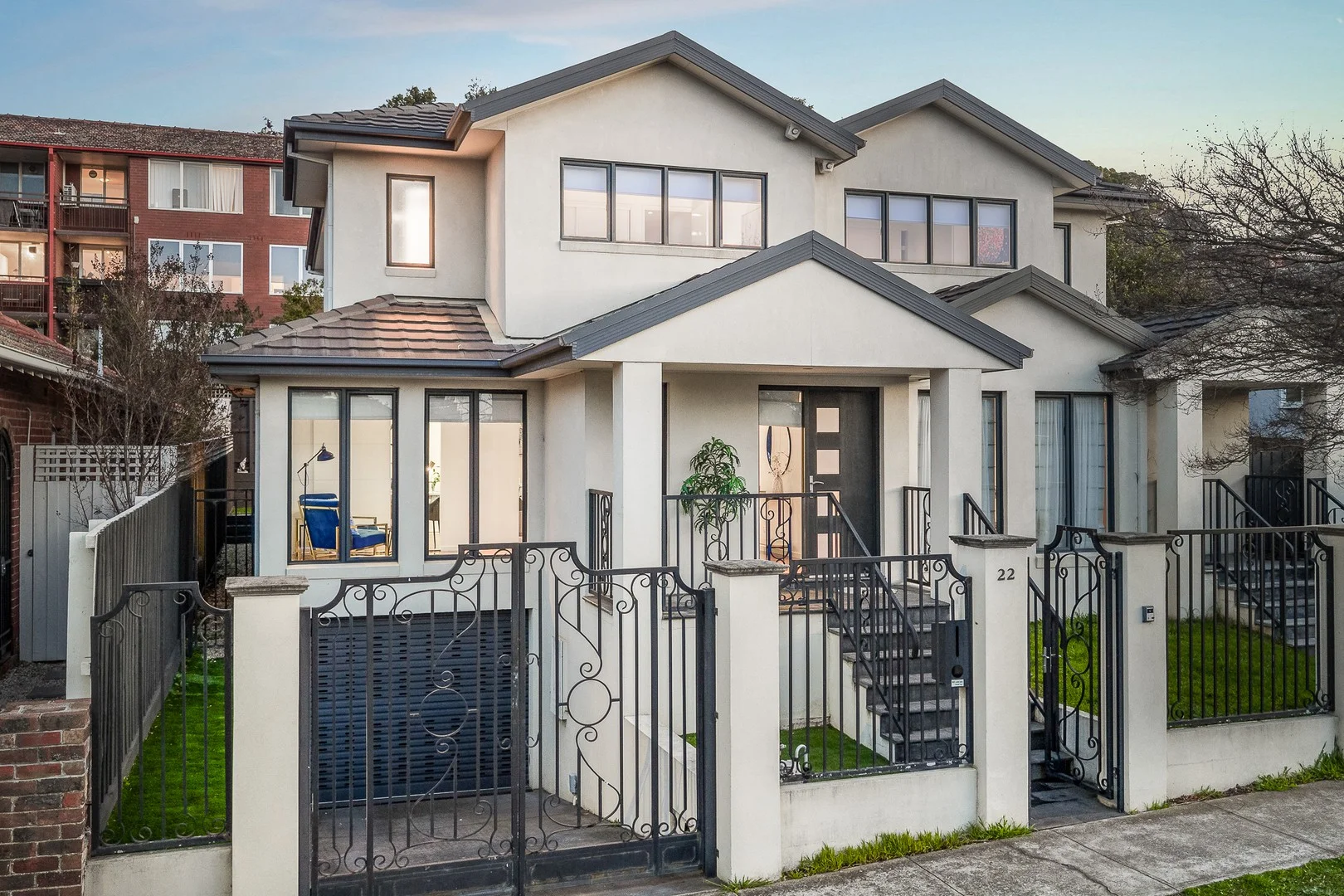 $2,390,000
Townhouse
$2,390,000
Townhouse
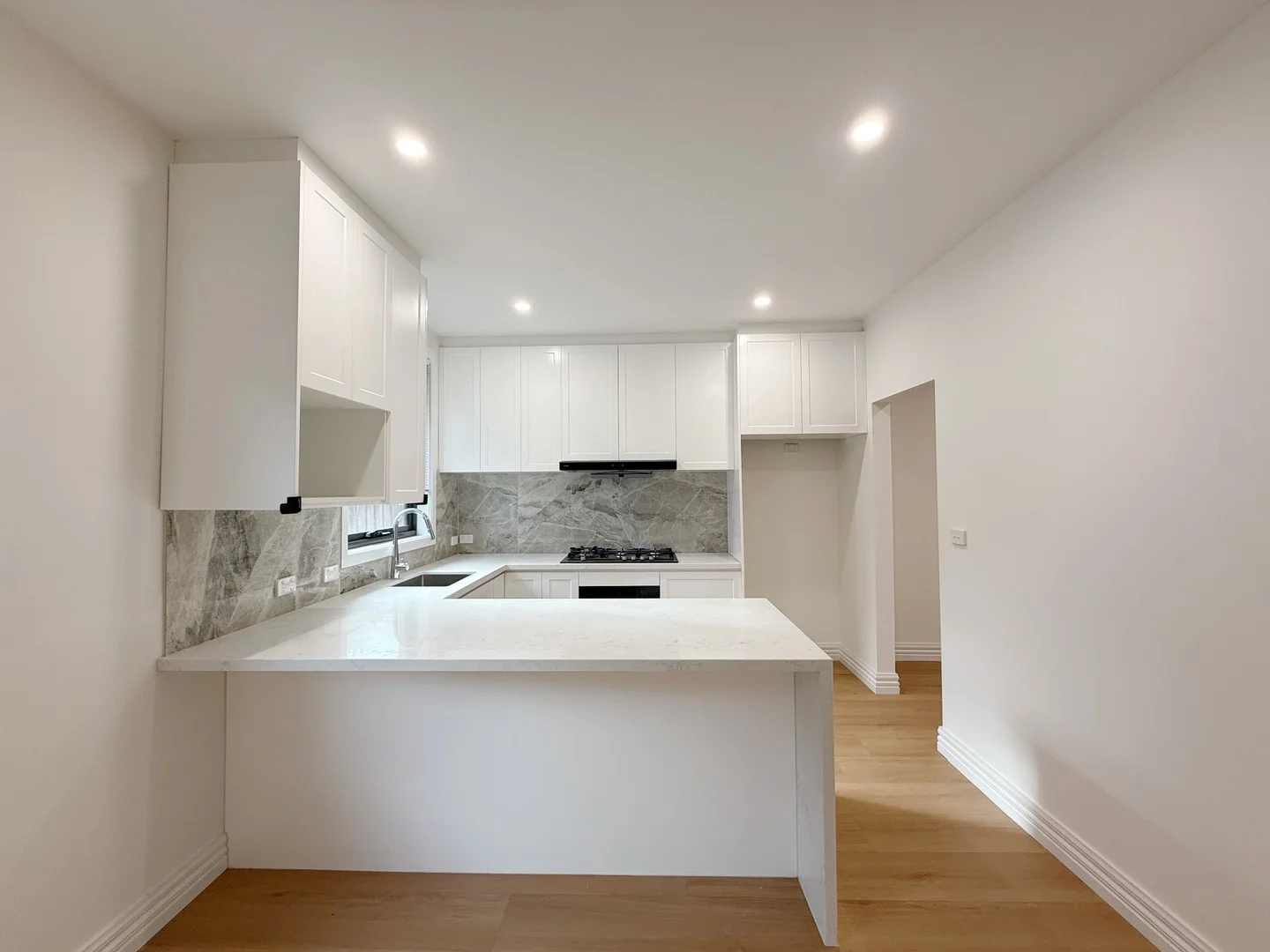 $1,280
House
$1,280
House
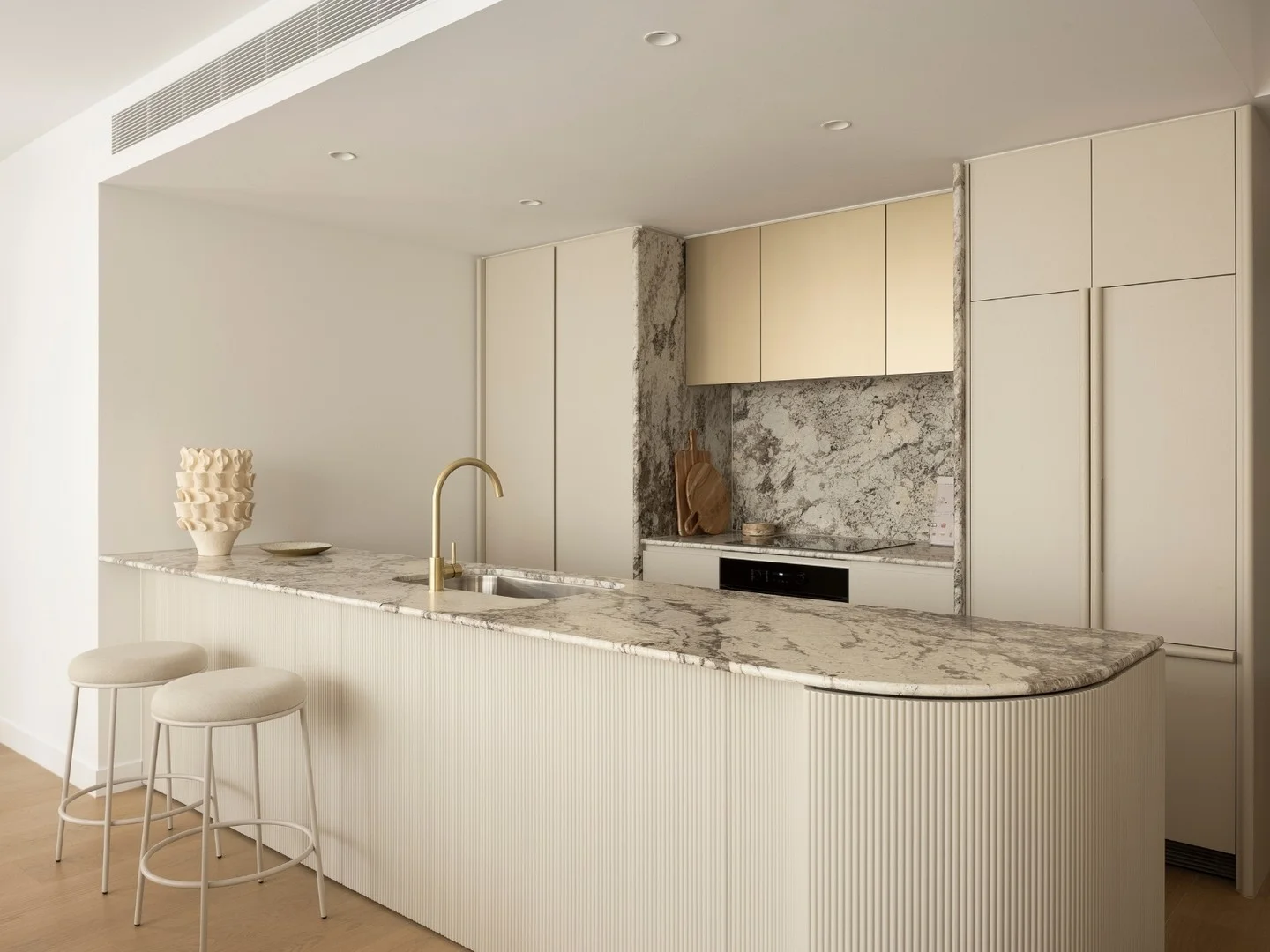 $1,345,000
Apartment / Unit / Flat
$1,345,000
Apartment / Unit / Flat
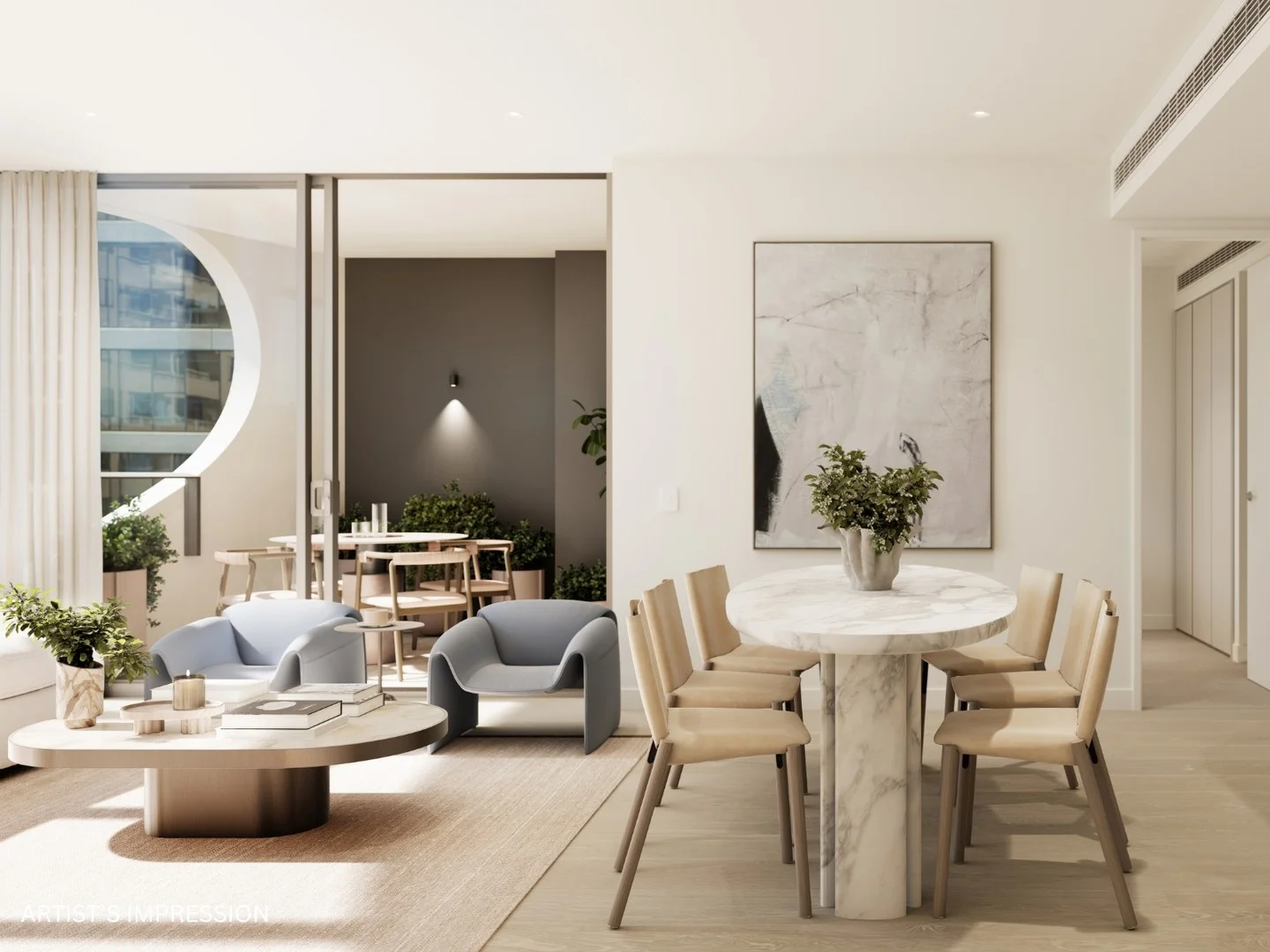 $1,640,000
Apartment / Unit / Flat
$1,640,000
Apartment / Unit / Flat
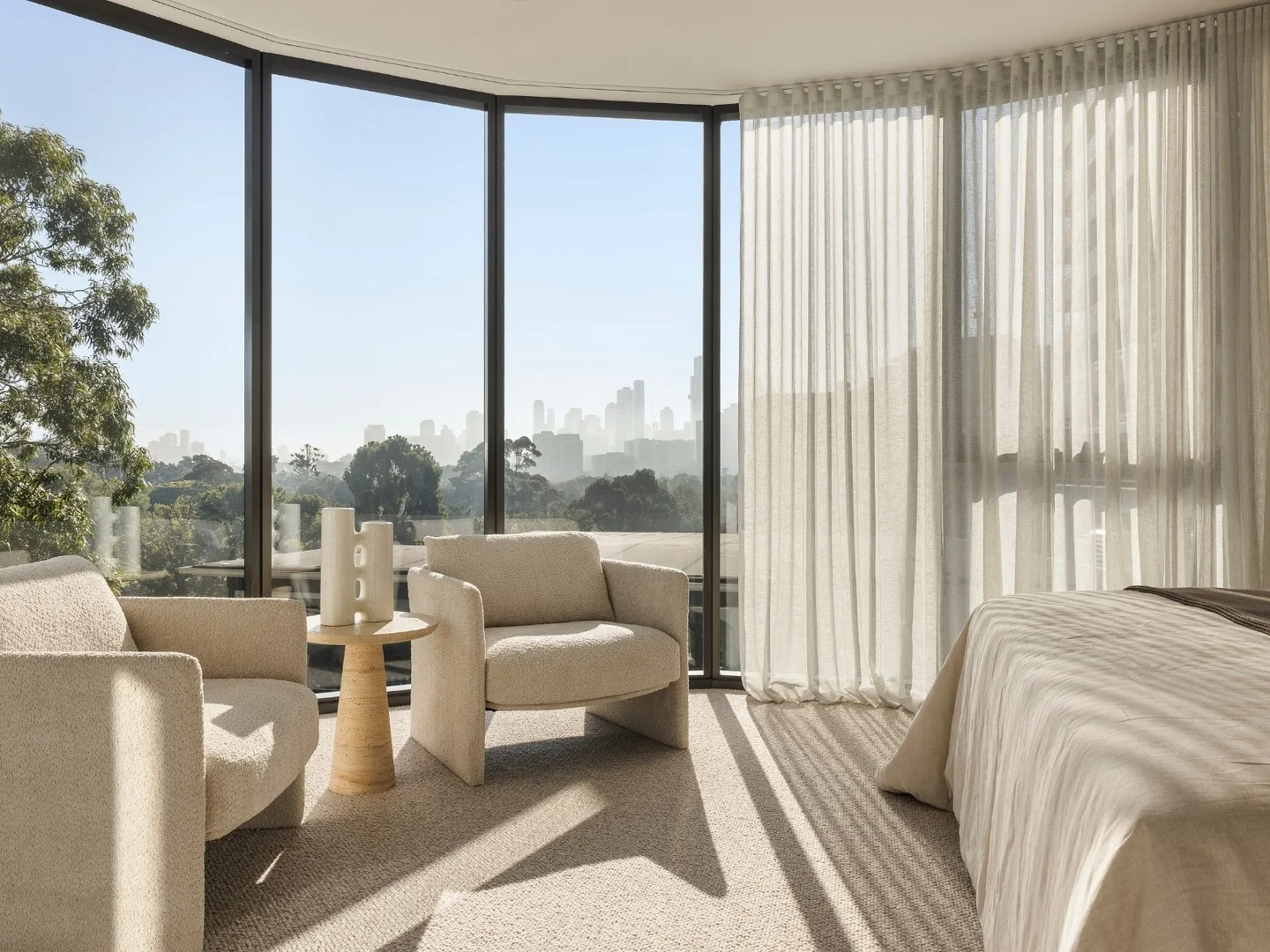 $2,750,000
Apartment / Unit / Flat
$2,750,000
Apartment / Unit / Flat
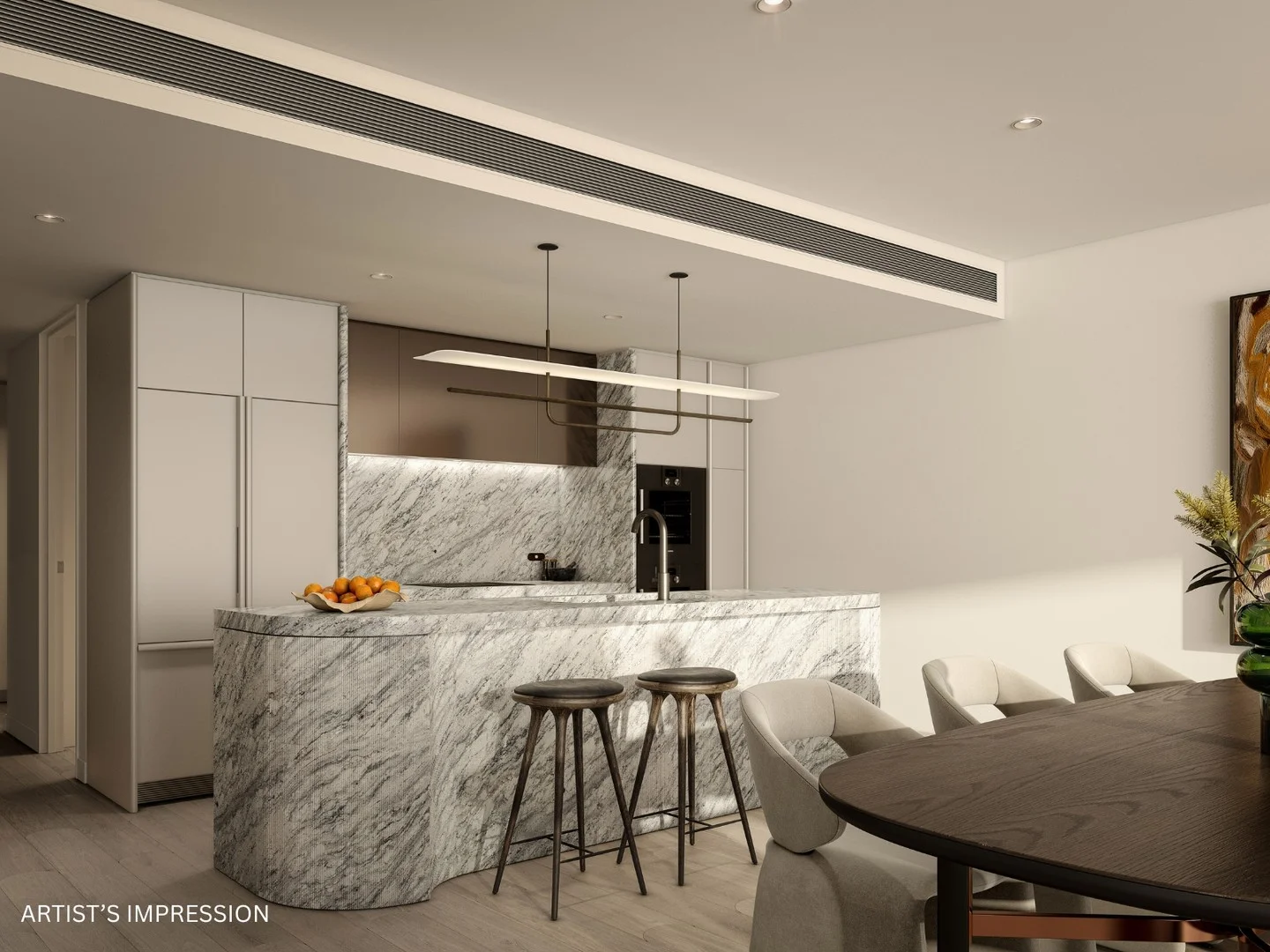 $2,900,000
Apartment / Unit / Flat
$2,900,000
Apartment / Unit / Flat
 $1,250,000
Apartment / Unit / Flat
$1,250,000
Apartment / Unit / Flat
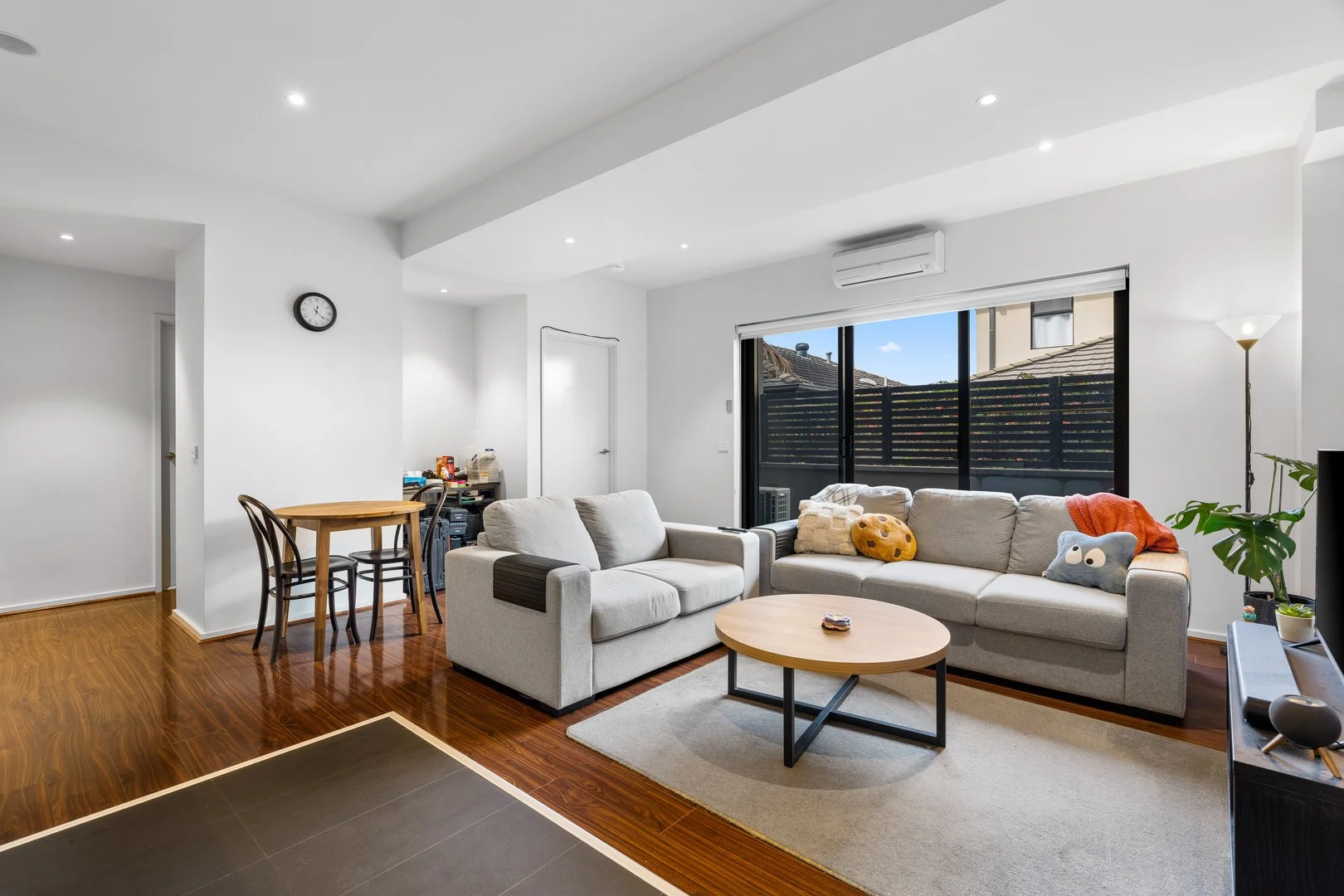 $385,000 - $410,000
Apartment / Unit / Flat
$385,000 - $410,000
Apartment / Unit / Flat
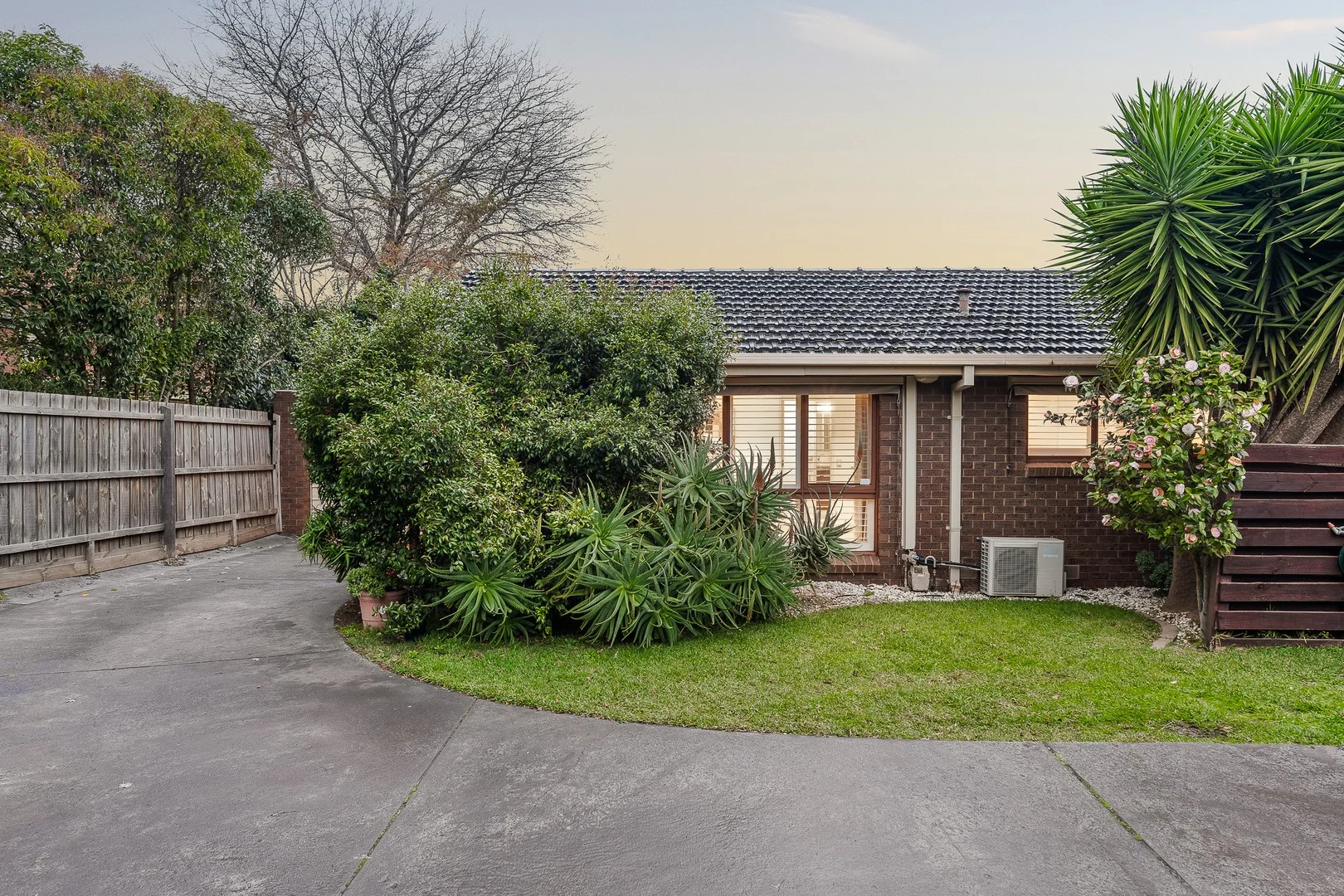 $770,000 - $820,000
Apartment / Unit / Flat
$770,000 - $820,000
Apartment / Unit / Flat