Overview
# Overview
St Joseph’s Primary School, Malvern is a Catholic, co-educational primary school serving families in Malvern and the surrounding Melbourne community. The school combines a faith-centered approach with a strong focus on academic growth in a supportive, inclusive environment. It offers a mid-sized, close-knit feel where students are known well by teachers and staff.
The atmosphere tends to be nurturing and community-minded, with emphasis on respectful relationships, character development, and a positive school culture. Classrooms aim to balance academic challenge with care for individual well-being, helping students grow both academically and socially.
⸻
# Academics & Learning
- Academic strengths: Strong emphasis on literacy and numeracy, with a balanced focus on STEM-inspired learning, digital literacy, and creative problem-solving.
- Special programs: Gifted and talented pathways and opportunities for extension within the primary years; faith-based education integrated with general curriculum; emphasis on personal and social capability.
- NAPLAN trends: Positive year-to-year progress patterns are typical in many Melbourne Catholic primary schools, with a focus on student growth in reading and numeracy and continued alignment with state expectations.
- Student-teacher ratios: Generally small-to-midsize classes with teacher-to-student ratios commonly around 1:12 to 1:18, supporting targeted instruction.
- Support for diverse learners: Inclusive practices with support for diverse learners, including English as an Additional Language (EAL) assistance and targeted learning support plans for students needing extra help.
⸻
# Sports & Extracurricular Strengths
- Sports offered: Broad range of junior sport options such as netball, basketball, soccer (football), tennis, cricket, athletics, and gym/athletics programs; occasional swimming programs may be included.
- Strong teams or achievements: Participation in inter-school and district competitions; accolade opportunities vary by year and cohort.
- Music, arts, drama programs: Active music and performing arts offerings, with opportunities for choir, instrumental lessons, drama, and school productions.
- Clubs: Robotics, coding, chess, debating, and other interest-based clubs are commonly available to extend learning beyond the classroom.
- Partnerships: Local community partnerships and participation in district-level events and inter-school activities to broaden experience and competition.
⸻
# Wellbeing & Pastoral Care
- Anti-bullying approach: Proactive wellbeing framework focused on respectful relationships, with clear anti-bullying policies and student safety measures.
- House system: A house-based structure to promote belonging, friendly competition, and leadership opportunities.
- Counsellors / wellbeing officers: Availability of school-based counsellors or wellbeing staff to support social-emotional learning and personal development.
- Transition support for new students: Orientation programs, buddy systems, and tailored transition activities to help new students settle in smoothly.
⸻
# Facilities
- Sports grounds: On-site playing fields or courts suitable for a range of sports and activities.
- Libraries: Central library with resources to support reading and research.
- Science labs: Dedicated rooms or laboratories for hands-on science learning.
- Music/performing arts centers: Spaces for music education, rehearsals, and performances.
- Tech/innovation labs: Computing or makerspace areas to support technology and STEM activities.
- Cafeteria: On-site canteen or lunch program to support daily meals.
- Updated playgrounds: Safe, well-maintained outdoor play areas.
⸻
# School Values & Community Culture
- School values / mission: Values rooted in Catholic faith and service, with a focus on respect, compassion, responsibility, and integrity.
- Leadership style: Inclusive, consultative leadership with opportunities for student voice and community involvement.
- Behaviour expectations: Clear code of conduct emphasizing positive behaviour, manners, and mutual respect.
- Community reputation: Strong ties to the parish and local community, valuing family partnerships and community involvement.
- Diversity & inclusion: Welcoming environment that supports students from diverse backgrounds and needs.
⸻
# School Logistics & Daily Operations
- School hours: Typically around 9:00am–3:15pm (with variations by grade and term).
- Before/after school care: Often available through school-based or partnered programs to support working families.
- Uniform requirements: School uniform with clear guidelines and procurement through approved suppliers.
- Transport (train/bus routes): Accessible by public transport (train, tram/bus) with convenient drop-off/pick-up options and general guidance for families using public transport.
- Canteen availability: On-site canteen or lunch program with options for daily meals and lunch orders.
- Fees (low/medium/high ranges): Fees generally fall in the mid-range for Melbourne Catholic primary schools, with possible family discounts, bursaries, or sibling reductions.
⸻
# Enrolment & Admissions
11. What is the enrolment process and timeline?
- Begin with an information session or open day, then complete an enrolment application with supporting documents (birth certificate, immunisation history, parish information where applicable). Schools typically inform families of interview or meeting dates, followed by placement offers for available places. Offers are issued within a defined intake timeline, and families confirm acceptance by a set deadline.
12. Is there a waiting list, and how does it work?
- Many Catholic primary schools maintain a waiting list when places are filled. Priority often aligns with local parish affiliation, first priority siblings, and then other factors. Families may be asked to register on the waitlist and will be contacted as vacancies arise.
13. Are there any entry requirements, tests, or interviews?
- Primary school entry generally does not involve formal academic testing. An interview or meeting with families and a review of documentation (e.g., prior schooling records, baptism/parish information where relevant) may be part of the process to understand fit and pastoral considerations.
14. Does the school accept mid-year transfers?
- Yes, mid-year transfers are commonly considered subject to vacancies and appropriate documentation. Families seeking a mid-year start should contact the school promptly to discuss suitability and timing.
⸻
# Frequently Ask Questions
- Why Parents Choose This School?
- A faith-based, nurturing environment with a focus on literacy and numeracy, inclusive practices, and a sense of community that supports personal growth.
- What type of student thrives at this school?
- Curious, kind, and engaged learners who value community, character development, and a balanced approach to academics, sport, and arts.
- What opportunities are available for students to extend their skills (academics, sports, arts)?
- Access to extension in core subjects, clubs (robotics, chess, coding, debating), sport teams, music and drama programs, and performing arts opportunities.
- How does the school communicate with parents?
- Regular newsletters, parent portals, emails, parent-teacher interviews, and school events to keep families informed and involved.
- What is the school’s approach to teaching and learning?
- Differentiated instruction within a faith-informed, inquiry-minded framework that supports all learners and fosters critical thinking and collaboration.
- How does the school support students who need extra academic help?
- Targeted interventions, learning support plans, small-group or one-on-one support, and EAL assistance where needed.
- What support is available for academic challenges?
- Structured support through tutoring, specialist staff, and collaboration with families to develop personalised learning goals.
- How does the school communicate with parents?
- See above: newsletters, portals, direct communications, and scheduled conferences.
- What are the class sizes and how much individual attention do students receive?
- Class sizes are typically in the 20s range, with teachers providing differentiated instruction and frequent small-group work to support individual needs.
- What extracurricular and sports opportunities are available?
- A range of sports (netball, basketball, soccer, cricket, athletics), plus music, drama, and clubs such as robotics, coding, chess, and debating.
- What facilities does the school offer (sports, science, arts)?
- Sports grounds, library, science labs, music/performing arts spaces, tech/innovation labs, cafeteria, and well-equipped playgrounds.
- What is the school’s approach to technology and digital learning?
- Integrated ICT across the curriculum with emphasis on digital literacy, safe online practices, and age-appropriate use of technology.
- What transport and accessibility options are available?
- Accessibility via public transport options (train, tram, bus) and established drop-off/pick-up arrangements to support families.
- What are the typical school fees or additional costs?
- Fees are generally mid-range for Melbourne Catholic primary schools, with potential additional costs for uniforms, excursions, and some optional activities.
⸻
# Short Pros & Cons list
- Pros
- Catholic values-based education in a community-focused environment
- Small-to-medium class sizes with opportunities for individual attention
- Strong emphasis on literacy, numeracy, and inclusive learning
- Broad range of extracurriculars including clubs, arts, and sports
- Supportive wellbeing and transition programs for new students
- Cons
- Fees typical of Melbourne Catholic primary schools (in the mid-range) with potential extra costs for activities and uniforms
- Availability of places depends on year level and intake, so there may be waitlists
- Some facilities and programs may vary by year; opportunities depend on funding and school plans
⸻
If you’d like, I can tailor any section further with more specific language or align the tone to match aroundschools.com.au’s style.








 $2,390,000
Townhouse
$2,390,000
Townhouse
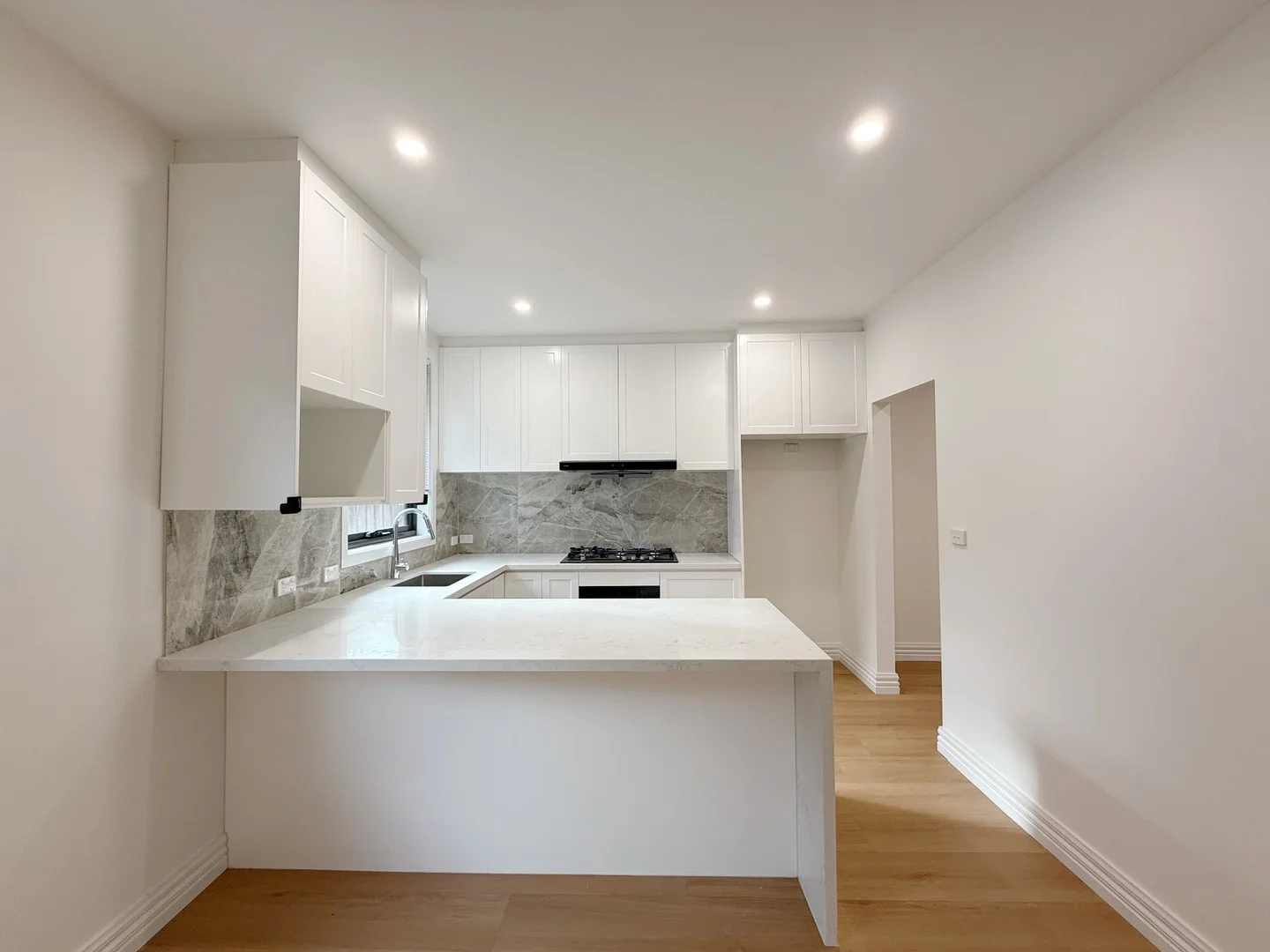 $1,280
House
$1,280
House
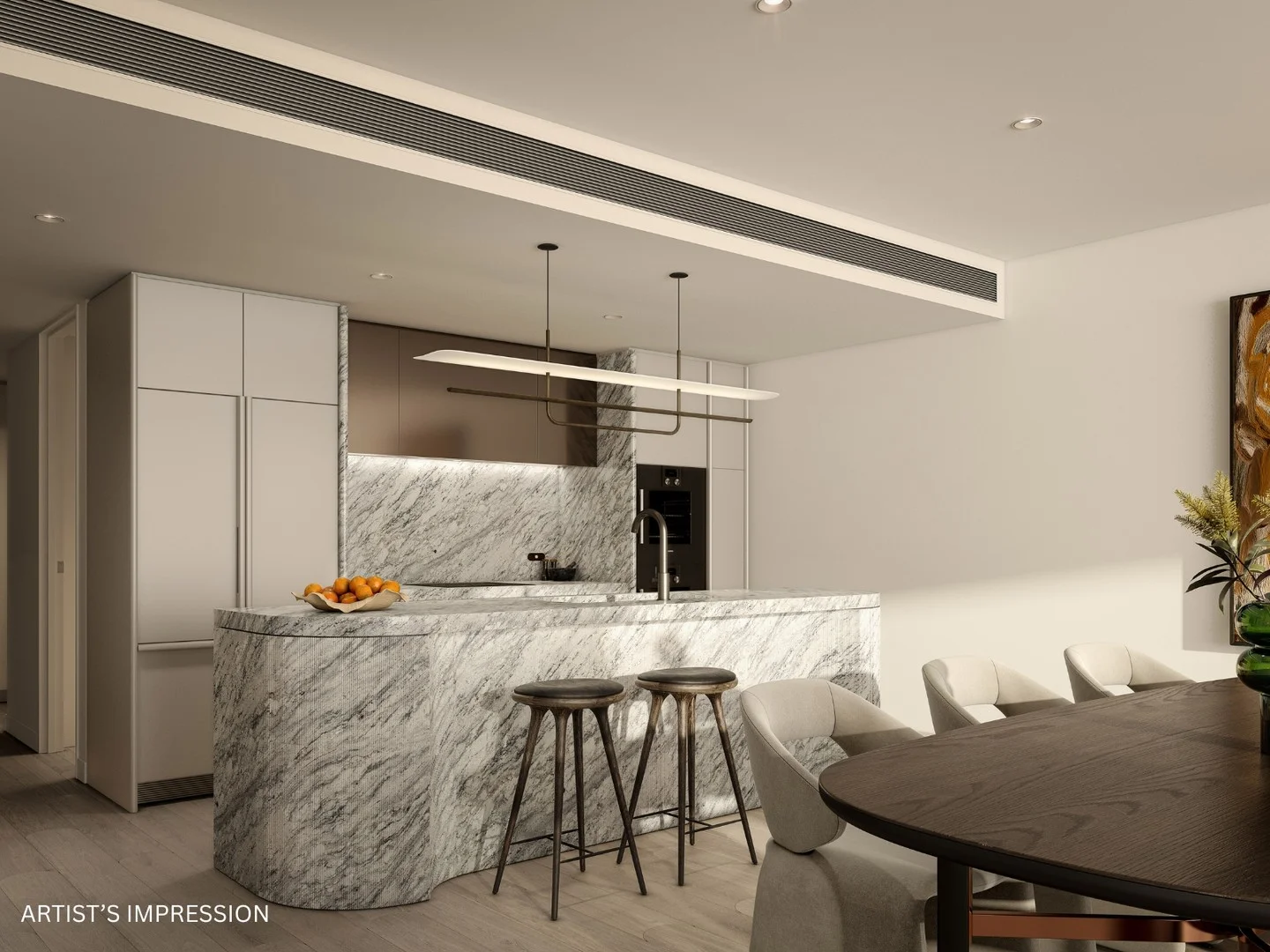 $2,900,000
Apartment / Unit / Flat
$2,900,000
Apartment / Unit / Flat
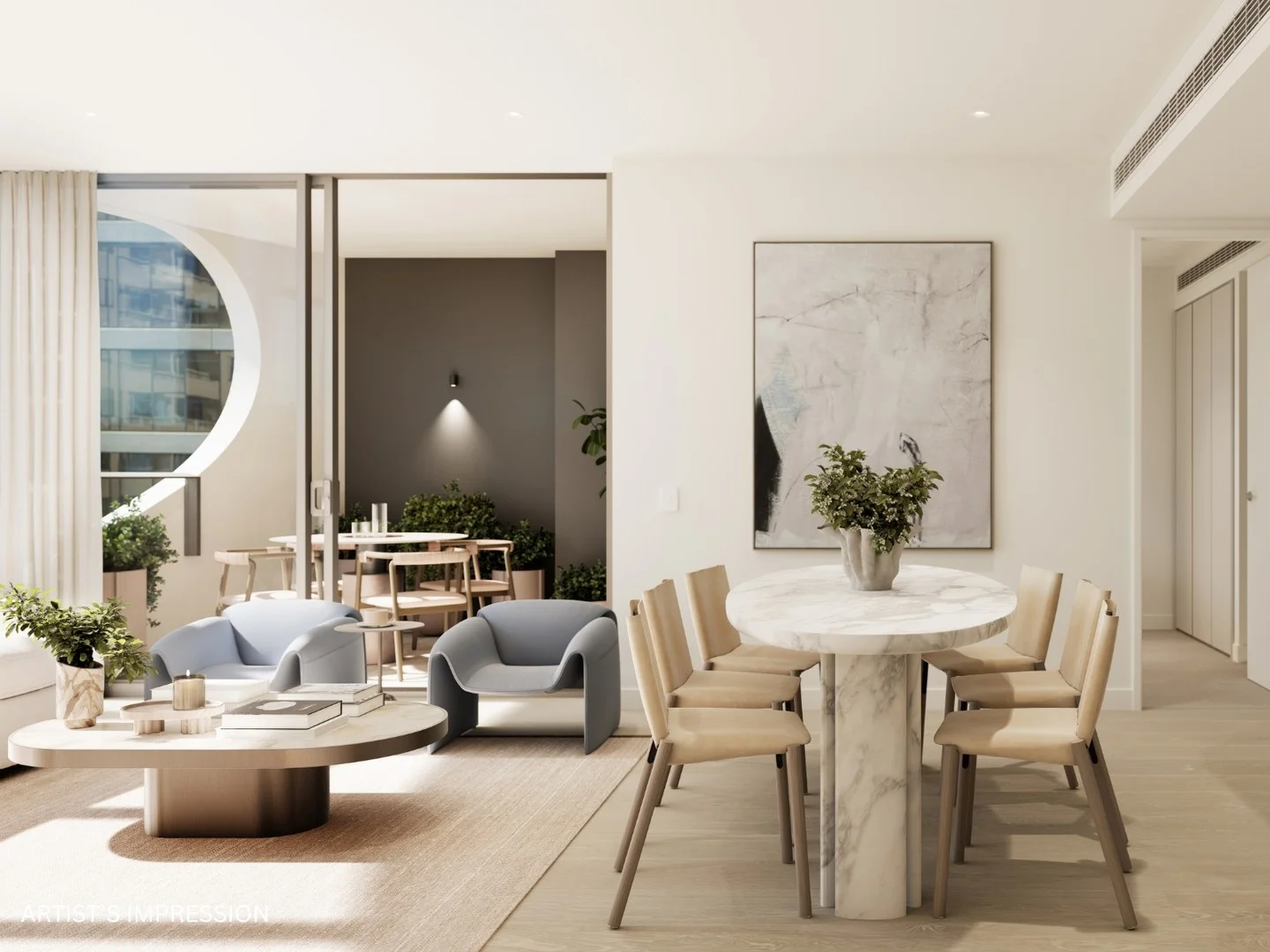 $1,640,000
Apartment / Unit / Flat
$1,640,000
Apartment / Unit / Flat
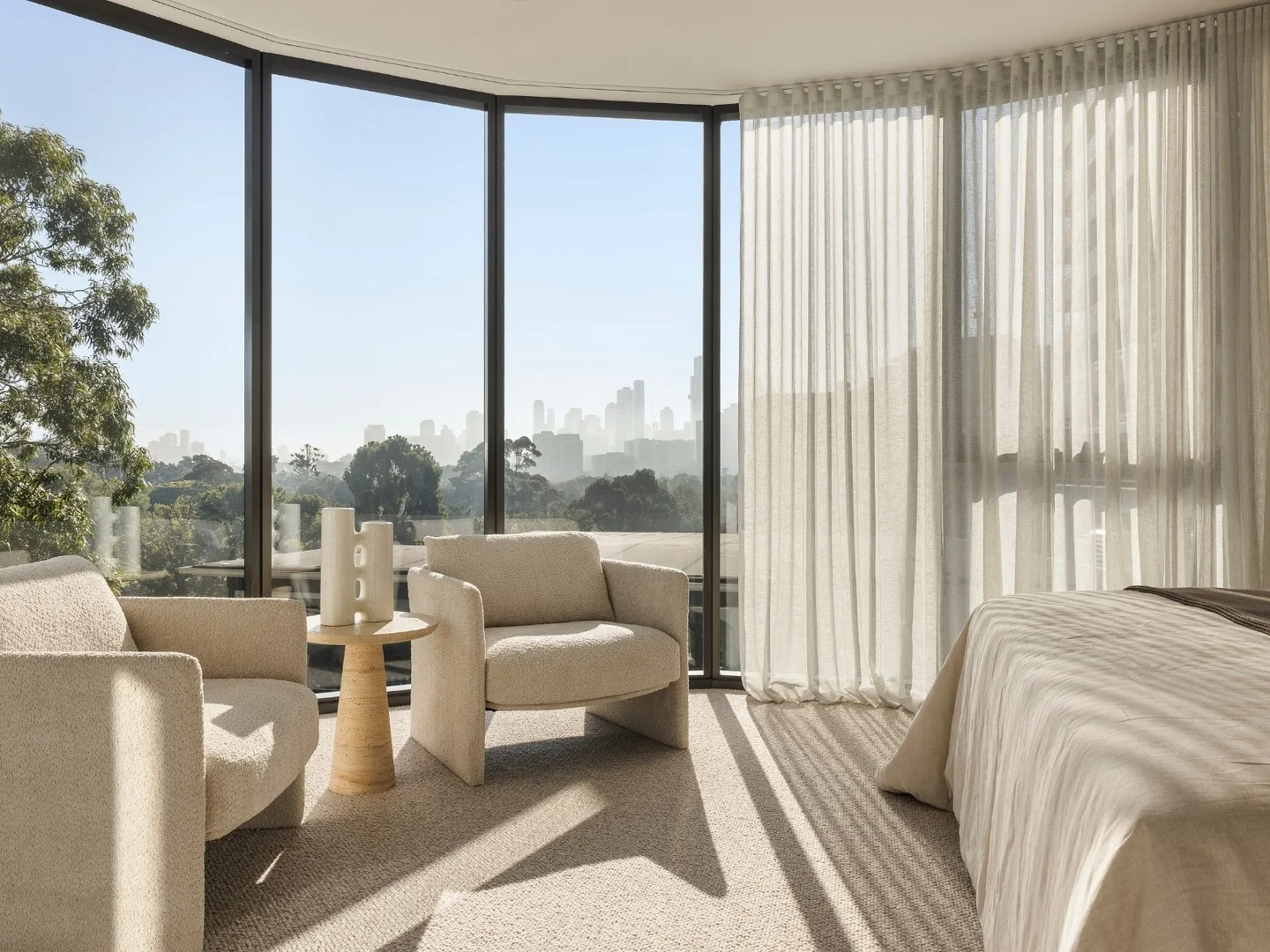 $2,750,000
Apartment / Unit / Flat
$2,750,000
Apartment / Unit / Flat
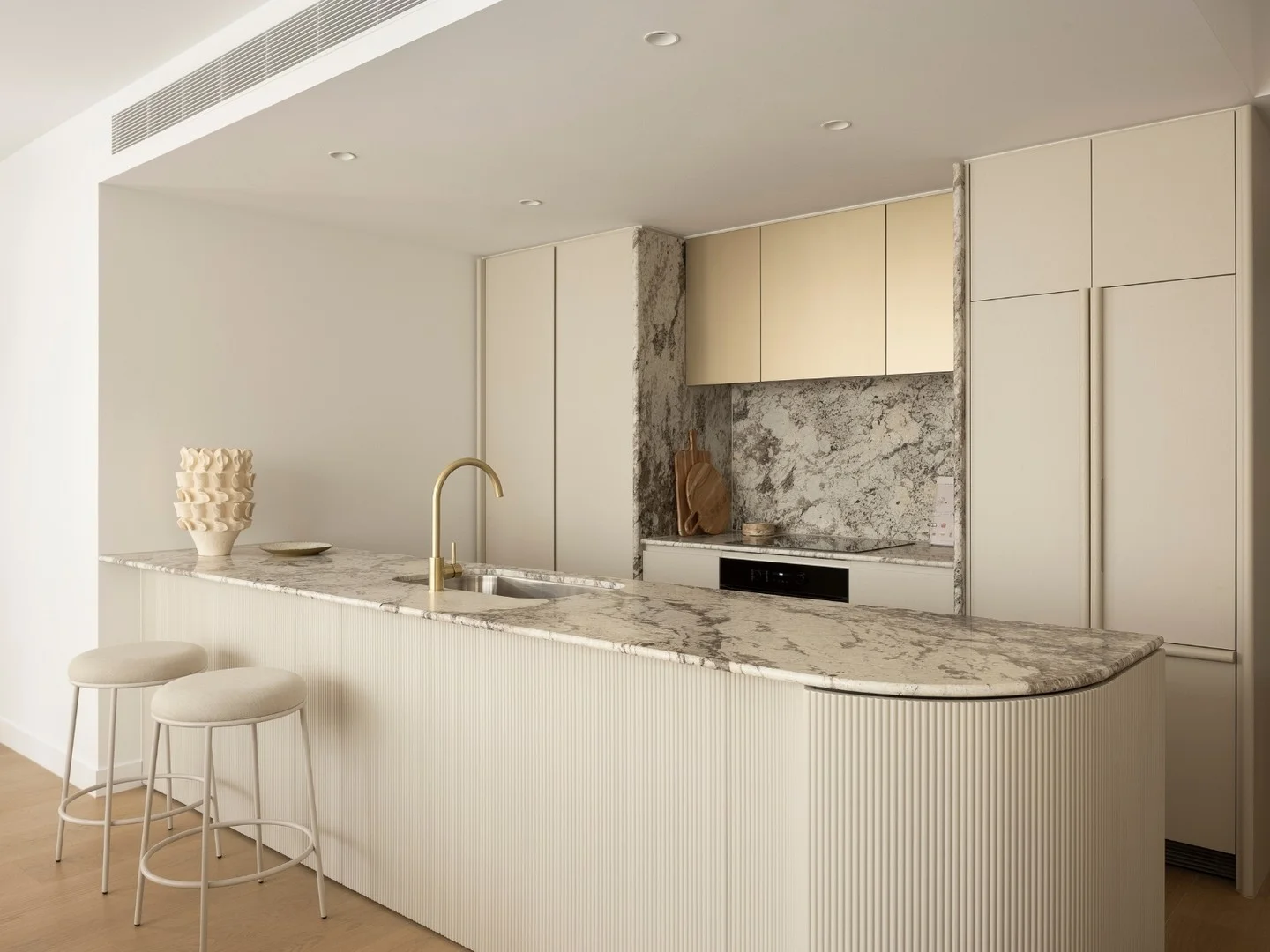 $1,345,000
Apartment / Unit / Flat
$1,345,000
Apartment / Unit / Flat
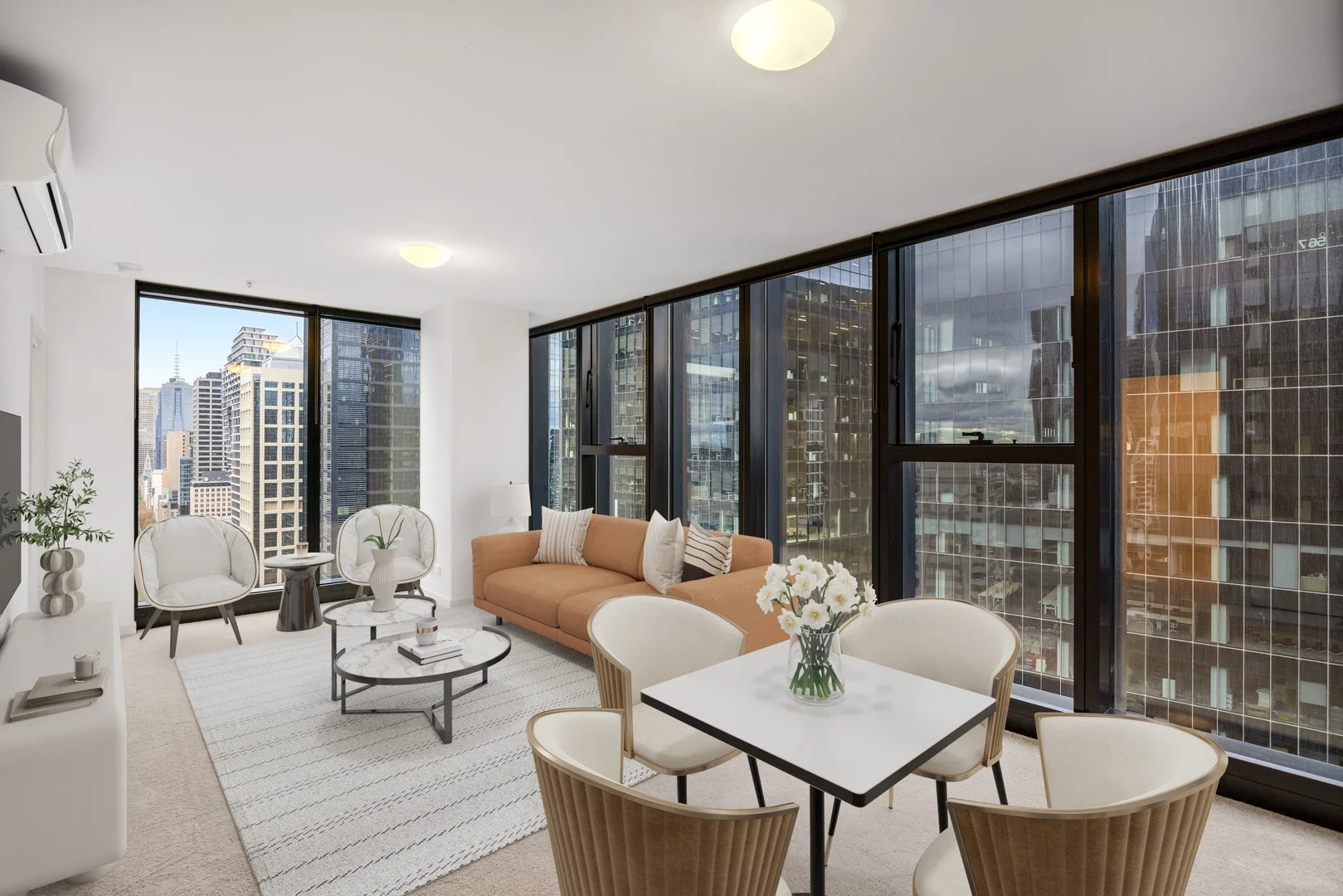
 $1,250,000
Apartment / Unit / Flat
$1,250,000
Apartment / Unit / Flat
 $480,000 - $520,000
Apartment / Unit / Flat
$480,000 - $520,000
Apartment / Unit / Flat
 $1,770,000
propertyType.NEW APARTMENTS / OFF THE PLAN
$1,770,000
propertyType.NEW APARTMENTS / OFF THE PLAN