Overview
## Overview
Orchard Park Primary School is a public, co-educational primary school in Officer, Victoria. As a medium-sized government school, it serves students from prep to Year 6 and focuses on building a welcoming, inclusive learning community. Typical class sizes are around 20–24 students, fostering strong teacher–student relationships and collaborative learning.
The school emphasizes a balanced approach to education, with a culture that values curiosity, respect, and achievement. It supports literacy and numeracy as foundations, while providing opportunities in science, technology, the arts, and social-emotional development to help students thrive both academically and personally.
---
## Academics & Learning
- Academic strengths: Strong emphasis on literacy and numeracy, with integrated STEM and English literacy development. Leadership opportunities and targeted learning pathways help students develop confidence in their studies.
- Special programs: Gifted & Talented provisions and targeted acceleration options are available where appropriate, along with whole-school initiatives to boost student engagement and learning outcomes.
- NAPLAN / trends: Recent years show steady progress in reading and numeracy with ongoing focus on writing and online literacy skills; results reflect continuous improvement and stability.
- Student-teacher ratios: Typically around 1:15 to 1:20, allowing for attentive teaching and small-group support.
- Support for diverse learners: Inclusive education with EAL support and SEN services; individual student plans and targeted interventions to assist diverse learners.
---
## Sports & Extracurricular Strengths
- Sports offered: Soccer, basketball, netball, athletics, cricket, and other playground and inter-school activities.
- Strong teams or achievements: Active participation in district and inter-school sports, with opportunities to represent the school in local competitions.
- Music, arts, drama: Music programs, school performances, and opportunities to explore the arts through concerts and community events.
- Clubs: Robotics, chess, coding, and debating are available to extend learning beyond the classroom.
- Partnerships: Collaborations with local clubs, community groups, and inter-school competitions to broaden experiences and competition pathways.
Most parents in Australia and the UK look for robust sports and arts offerings, and Orchard Park Primary supports these through a varied extra-curricular program.
---
## Wellbeing & Pastoral Care
- Anti-bullying approach: Whole-school anti-bullying policies and positive behaviour frameworks aimed at creating a safe, respectful environment.
- House system: House groups foster teamwork, leadership, and friendly competition across year levels.
- Counsellors / wellbeing officers: Access to school wellbeing staff to support social-emotional learning and student welfare.
- Transition support for new students: Orientation activities, buddy programs, and targeted transition support to help new students settle in quickly.
This section is designed to build trust with families by highlighting a proactive, caring approach to student wellbeing.
---
## Facilities
- Sports grounds: On-site playing fields and courts for physical education and inter-school events.
- Libraries: Central library spaces supporting reading, research, and quiet study.
- Science labs: Well-equipped science facilities for hands-on experiments.
- Music/performing arts centers: Spaces for music, drama, and performances.
- Tech/innovation labs: Rooms and resources for coding, robotics, and digital learning.
- Cafeteria: On-site canteen providing healthy meal and snack options.
- Updated playgrounds: Modern, safe playgrounds and outdoor learning spaces.
The layout prioritizes visual appeal and ease of access, helping students stay engaged throughout the day.
---
## School Values & Community Culture
- School values / mission: Emphasis on respect, responsibility, resilience, and inclusion to guide daily learning and interactions.
- Leadership style: Distributed leadership with opportunities for student voice and teacher collaboration.
- Behaviour expectations: Clear expectations and positive behaviour supports that promote a constructive learning environment.
- Community reputation: Known for a supportive, involved parent community and partnerships with local groups.
- Diversity & inclusion: Commitments to diversity and inclusive practices welcome students from varied backgrounds.
This section highlights the kind of environment families can expect and the shared standards that shape everyday life at the school.
---
## School Logistics & Daily Operations
- School hours: Typically a start around 9:00 am and finish around 3:30 pm, with supervision before and after school as needed.
- Before/after school care: Availability of care options through on-site or approved external providers.
- Uniform requirements: School uniform policy in place, with details on acceptable attire and booklists.
- Transport: Access to local bus routes and nearby public transport options; carpool and drop-off routines common in the community.
- Canteen availability: On-site canteen or snack facilities operating during the day.
- Fees: Public primary schools generally have no tuition; there are voluntary contributions and material/excursion costs that may apply.
This section gives quick, practical information to help families plan daily routines and budgets.
---
## Enrolment & Admissions
11. What is the enrolment process and timeline?
- Applications are typically submitted to the school following Department of Education guidelines. The process usually includes providing required documentation (birth certificate, immunization records, proof of address) and may include an orientation or information session. Timelines vary by year and placement availability; in-zone enrolments are prioritised.
12. Is there a waiting list, and how does it work?
- In-zone applicants are prioritised for available places. There may be a waiting list for out-of-zone applicants or future year levels; spots are filled based on capacity, with preference often given to siblings and other policy priorities.
13. Are there any entry requirements, tests, or interviews?
- There are typically no entrance exams for primary enrolment. Some schools may invite new families to an informal meeting or provide an orientation session to help with transition and understanding of school routines.
14. Does the school accept mid-year transfers?
- Yes, subject to available places and the enrolment process. Families considering a mid-year transfer should contact the school promptly to discuss capacity, timelines, and required documentation.
---
## Frequently Asked Questions
- Why Parents Choose This School?
- A supportive, inclusive environment with strong literacy and numeracy foundations, plus a balanced mix of academics, wellbeing, and extra-curricular opportunities.
- What type of student thrives at this school?
- Curious, collaborative students who value a respectful, each-person-is-supported culture and opportunities to pursue interests beyond core academics.
- What opportunities are available for students to extend their skills (academics, sports, arts)?
- A range of enrichment options including gifted & talented pathways, robotics, coding, debating, athletics, and performing arts programs.
- How does the school communicate with parents?
- Regular updates through newsletters, emails, and an accessible reporting framework; opportunities to engage via assemblies, parent meetings, and parent-teacher conversations.
- What is the school’s approach to teaching and learning?
- Student-centered learning with emphasis on core literacy and numeracy, integrated STEM and arts, and inclusive practices to meet diverse learner needs.
- How does the school support students who need extra academic help?
- Targeted small-group interventions, EAL and SEN supports, and individualized learning plans where appropriate.
- What support is available for academic challenges?
- Additional tutoring, classroom differentiation, and access to wellbeing staff for holistic support alongside academic help.
- How does the school communicate with parents?
- See above; multiple channels for timely and transparent updates and engagement opportunities.
- What are the class sizes and how much individual attention do students receive?
- Class sizes typically around 20–24 students, with teachers able to offer targeted small-group and individual support as needed.
- What extracurricular and sports opportunities are available?
- A broad program including sports like soccer, netball, basketball, athletics, cricket; plus clubs in robotics, chess, coding, and debating.
- What facilities does the school offer (sports, science, arts)?
- Sports grounds, libraries, science labs, music/performing arts spaces, tech/innovation labs, and comfortable dining and outdoor learning areas.
- What is the school’s approach to technology and digital learning?
- Integration of digital tools and coding in the curriculum, with access to age-appropriate technology and supportive staff to guide safe and effective use.
- What transport and accessibility options are available?
- Local bus routes and proximity to public transport; planning for drop-offs and accessibility as part of daily routines.
- What are the typical school fees or additional costs?
- As a public school, there is no tuition; expect voluntary contributions and costs related to materials, excursions, and specific activities.
---
## Short Pros & Cons list
- Pros
- Public, inclusive environment with strong literacy and numeracy focus
- Balanced academics, wellbeing, and enrichment programs
- Wide range of extracurriculars (sports, arts, robotics, coding, debating)
- Support for diverse learners (EAL, SEN) and transition assistance
- Positive community involvement and parent engagement
- Cons
- As a public school, space and resources can be constrained during peak enrolment periods
- Availability of some specialized programs may vary by year and cohort
- Like many schools, mid-year transfers depend on capacity and timing
- Voluntary contributions and costs for certain activities can add to annual expenses
If you’d like, I can tailor this draft with any specific details you have from Orchard Park Primary School (enrolment numbers, particular programs, or recent achievements) to make it even more accurate and compelling.







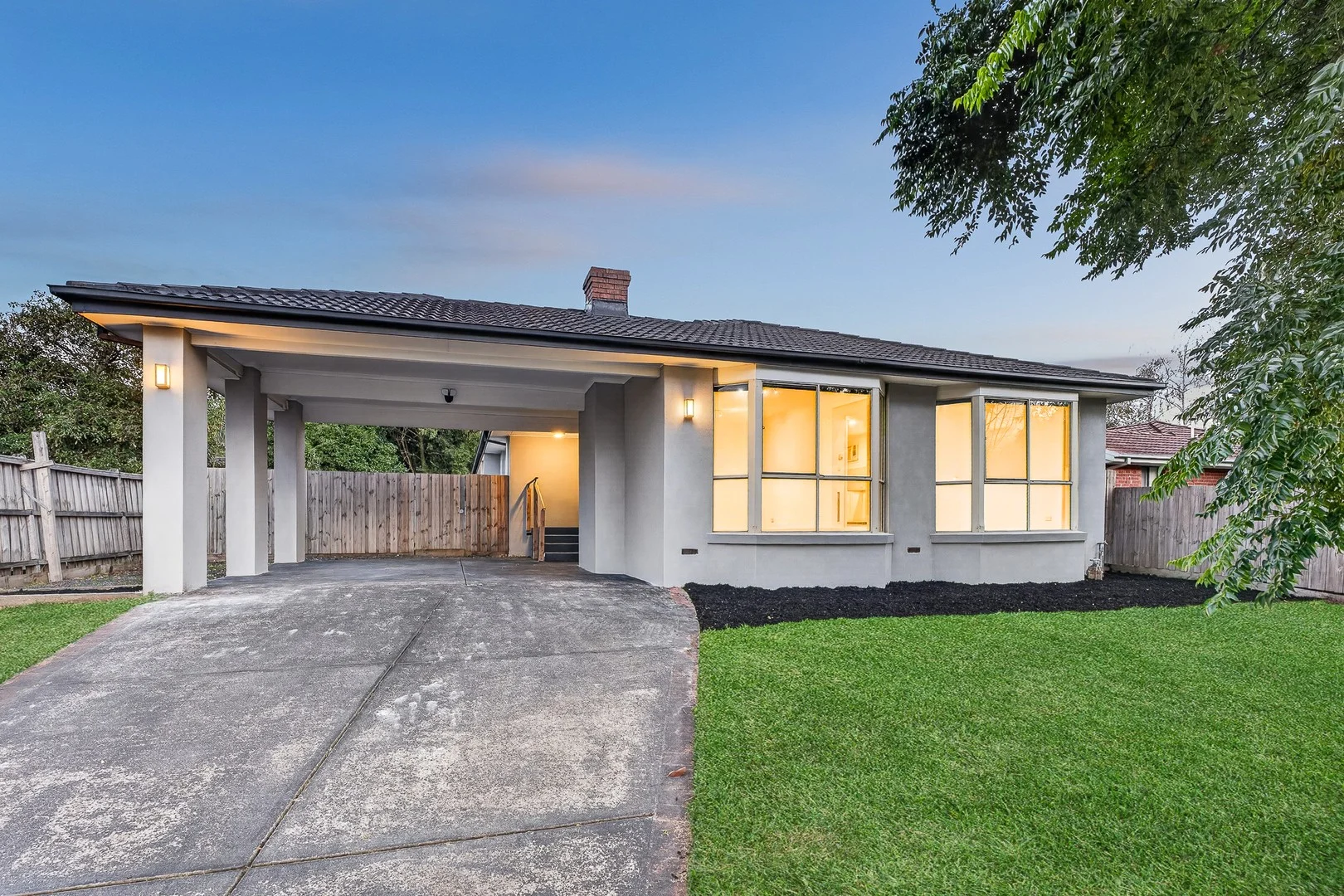 $800,000 - $880,000
House
$800,000 - $880,000
House
 $795,000 - $835,000
House
$795,000 - $835,000
House
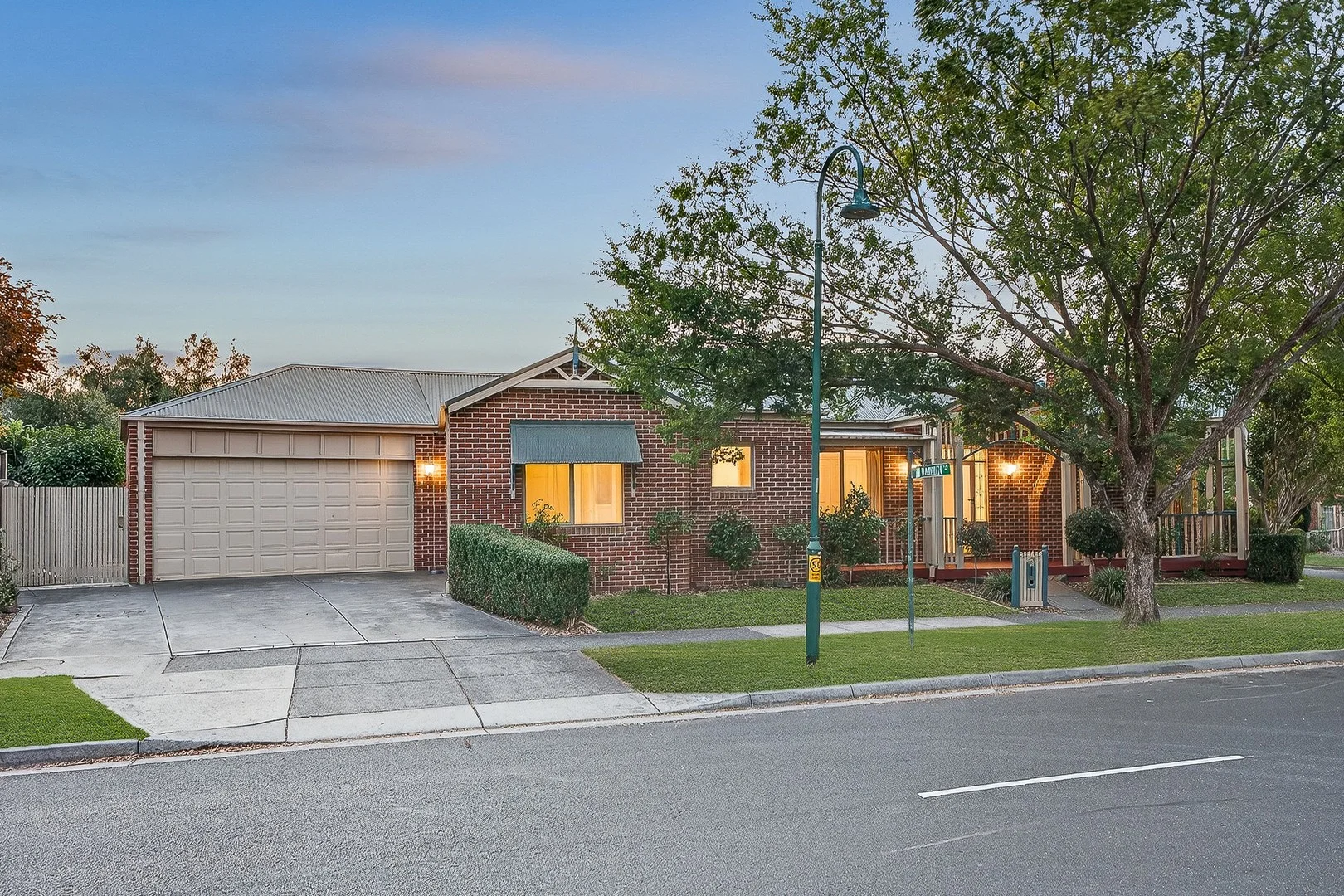 $700
House
$700
House
 $600
House
$600
House
 $595,000 - $645,000
House
$595,000 - $645,000
House