Overview
## 1. Overview
St Patrick's Primary School in Pakenham is a Catholic primary school serving families in the local community. It emphasizes values-based education within a supportive, faith-informed environment. The school aims to balance academic achievement with character development, fostering a sense of belonging and responsibility in students.
- School type: Catholic
- School size: Medium
- Class size: Typically around 20–25 students per class
- Atmosphere/culture: Nurturing, inclusive, faith-based, and academically oriented
⸻
## 2. Academics & Learning
St Patrick's focuses on strong literacy and numeracy foundations alongside faith-filled learning. The school supports students in both independent and collaborative settings, aiming to develop confident, capable learners.
- Academic strengths: English and Mathematics mastery, integrated religious education, opportunities for enrichment in STEM and arts
- Special programs: Religious education integrated across the curriculum; potential extension/gifted options and targeted support as needed
- NAPLAN / Ofsted trends: Not publicly displayed here; schools typically monitor year-to-year trends in literacy and numeracy to inform planning
- Student-teacher ratios: Generally within the middle range for primary schools; smaller groups for targeted support may be available
- Support for diverse learners: EAL support and SEN planning available to assist students with varied learning needs
⸻
## 3. Sports & Extracurricular Strengths
Extracurricular life is important for many families, with a focus on balanced development in sports, arts, and clubs.
- Sports offered: Common primary program options include basketball, soccer, netball, cricket, athletics, and football activities; competitive teams may participate in inter-school events
- Strong teams or achievements: Participation in district/Inter-school events is typical; success varies by year and cohort
- Music, arts, drama programs: Music and performing arts are often integrated; opportunities for performances and showcases
- Clubs: Robotics, coding, chess, debating, and other clubs may be available
- Partnerships: Local community clubs and inter-school competitions often provide additional opportunities for sport and arts
⸻
## 4. Wellbeing & Pastoral Care
Wellbeing and pastoral care are central to creating a safe, respectful school community where students can thrive.
- Anti-bullying approach: School-wide anti-bullying policies and respectful school culture are emphasized
- House system: House/group structure commonly used to promote teamwork, leadership, and school spirit
- Counsellors / wellbeing officers: Access to wellbeing staff or school counsellors to support students’ mental health and social development
- Transition support for new students: Welcome programs, buddy systems, and orientation activities help with settlement for new families
⸻
## 5. Facilities
Facilities are designed to support learning, creativity, and student well-being.
- Sports grounds: External playing fields and courts for physical education and sport
- Libraries: On-site library with a range of books and study spaces
- Science labs: Dedicated spaces for science activities and experiments
- Music/performing arts centers:rooms or spaces for music and drama
- Tech/innovation labs: Computer or technology-enabled learning spaces
- Cafeteria: On-site canteen or tuck shop options
- Updated playgrounds: Modern, safe play areas and outdoor learning spaces
⸻
## 6. School Values & Community Culture
Families look for schools with a strong, clear ethos and a welcoming community.
- School values / mission: Faith-based education grounded in Catholic teachings, with emphasis on compassion, respect, responsibility, and excellence
- Leadership style: Collaborative and student-centered, with opportunities for student voice through leadership roles
- Behaviour expectations: Clear codes of conduct emphasizing respect, kindness, and responsibility
- Community reputation: Built on consistent presence in the local community and partnerships with families and parish
- Diversity & inclusion: Commitment to inclusive practices and welcoming students from diverse backgrounds
⸻
## 7. School Logistics & Daily Operations
Helpful for planning family routines and arrangements.
- School hours: Generally a daytime schedule with start and end times typical for primary schools
- Before/after school care: Supported by on-site or partner programs for families needing extra supervision
- Uniform requirements: Standard uniform policy with designated items to be worn at school
- Transport (train/bus routes): Access via local transport networks; families may use bus routes or nearby stations as applicable
- Canteen availability: Canteen or tuck shop services offered on certain days
- Fees: Primary school fees are typically in the mid-range for Catholic schools in Victoria; details vary by year level and family circumstances
⸻
## 8. Enrolment & Admissions
11. What is the enrolment process and timeline?
- Families typically submit an application with required documents, attend a school tour or interview, and await a placement decision. Timelines vary by year and capacity.
12. Is there a waiting list, and how does it work?
- Waiting lists are common when applications exceed available places. Placement is usually determined by enrolment policies, which may consider age, parish affiliation, and availability.
13. Are there any entry requirements, tests, or interviews?
- Many Catholic primary schools do not require formal entrance tests. An interview or information session can be part of the process, and some Catholic schools may request information about baptism or faith background for Catholic families. Readiness and suitability discussions may occur.
14. Does the school accept mid-year transfers?
- Mid-year transfers are possible where vacancies exist and all enrolment requirements are met. Availability often depends on the current cohort size and space in the relevant year level.
⸻
## 9. Frequently Asked Questions
- Why Parents Choose This School?
- A values-driven environment with faith-based education, supportive staff, and a focus on both academics and personal development.
- What type of student thrives at this school?
- Students who respond well to a caring, inclusive community, with a balance of literacy/numeracy focus and opportunities in arts, sport, and faith formation.
- What opportunities are available for students to extend their skills (academics, sports, arts)?
- Access to enrichment in English and Maths, participation in sports, music/drama programs, and clubs such as robotics, coding, chess, or debating, depending on year level and interests.
- How does the school communicate with parents?
- Regular updates through newsletters, the school website, emails, and parent-teacher conferences; open-door policies for meetings and information sessions.
- What is the school’s approach to teaching and learning?
- A student-centered approach that values literacy and numeracy mastery, integrated religious education, collaborative learning, and differentiation to meet diverse needs.
- How does the school support students who need extra academic help?
- Targeted interventions, small-group support, and referral pathways to specialist staff where available.
- What support is available for academic challenges?
- Additional tutoring or in-class supports, with ongoing monitoring of progress and communication with families.
- How does the school communicate with parents?
- See above: regular updates, events, and accessible channels for feedback and involvement.
- What are the class sizes and how much individual attention do students receive?
- Class sizes around 20–25 students; schools often provide some smaller-group support or targeted help where needed.
- What extracurricular and sports opportunities are available?
- A range of sports, music/drama opportunities, and clubs such as robotics, chess, coding, and debating, subject to year level availability.
- What facilities does the school offer (sports, science, arts)?
- Sports grounds, library, science labs, music/performing arts spaces, tech/innovation labs, cafeteria, and updated play areas.
- What is the school’s approach to technology and digital learning?
- Integration of technology across learning, with age-appropriate devices and digital literacy in curricula.
- What transport and accessibility options are available?
- Access to local transport options (bus/train routes where applicable) and flexible arrangements to support families; details vary by postcode.
- What are the typical school fees or additional costs?
- Fees exist and are in the mid-range for Catholic primary schools; specific costs depend on year level and family circumstances.
⸻
## 10. Short Pros & Cons list
- Pros
- Faith-based, values-led education in a supportive community
- Medium-sized school with opportunities for close teacher-student relationships
- Balanced focus on academics, wellbeing, and extracurriculars
- Inclusive culture with opportunities across sports, arts, and clubs
- Transitional support for new students and strong family engagement
- Cons
- Class sizes, while typical, may still limit individualized attention during peak periods
- Availability of certain clubs or programs can vary by year and enrollment
- Fees and uniform costs are ongoing considerations for families
- Specific facilities or programs may depend on year level and current funding
⸻








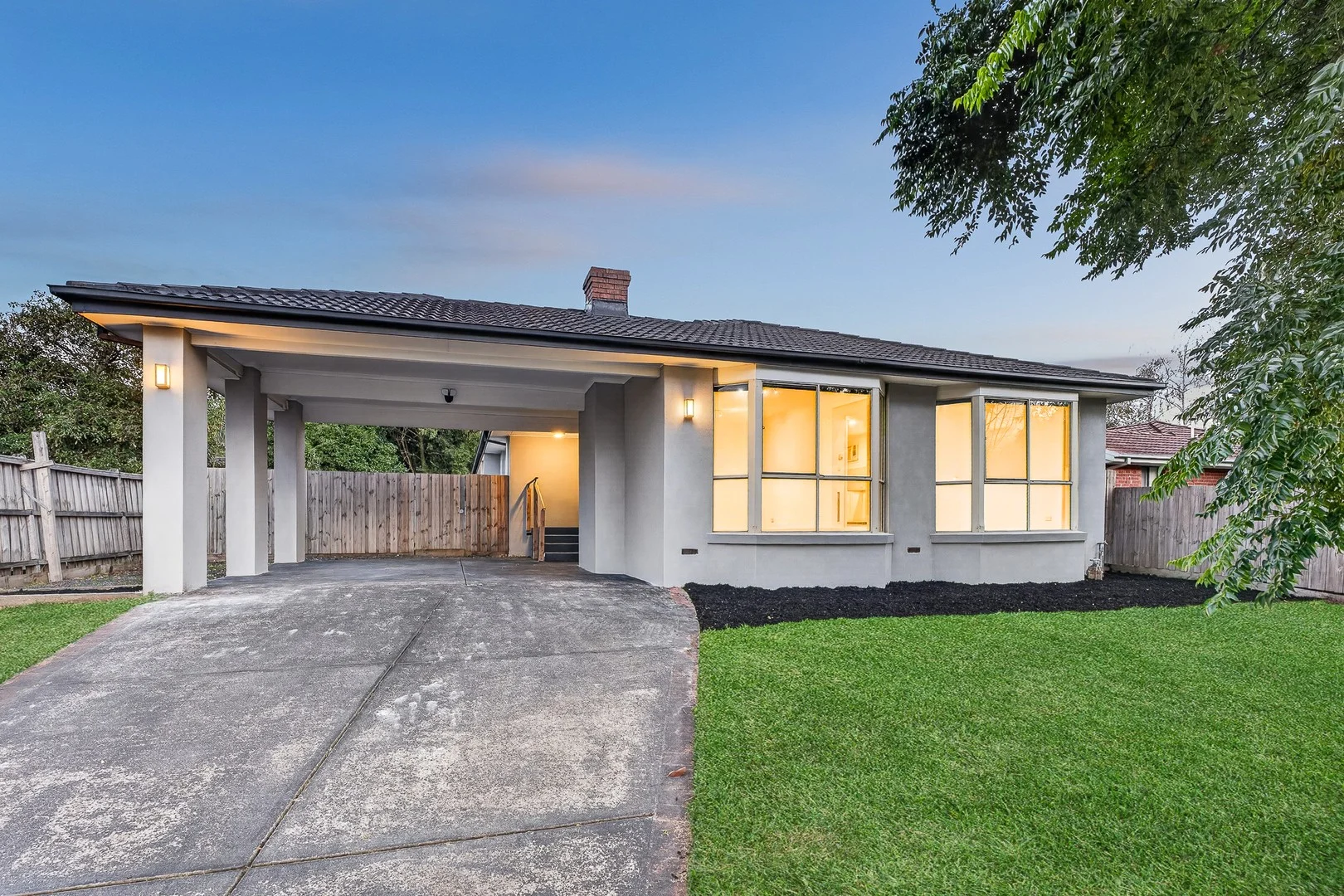 $800,000 - $880,000
House
$800,000 - $880,000
House
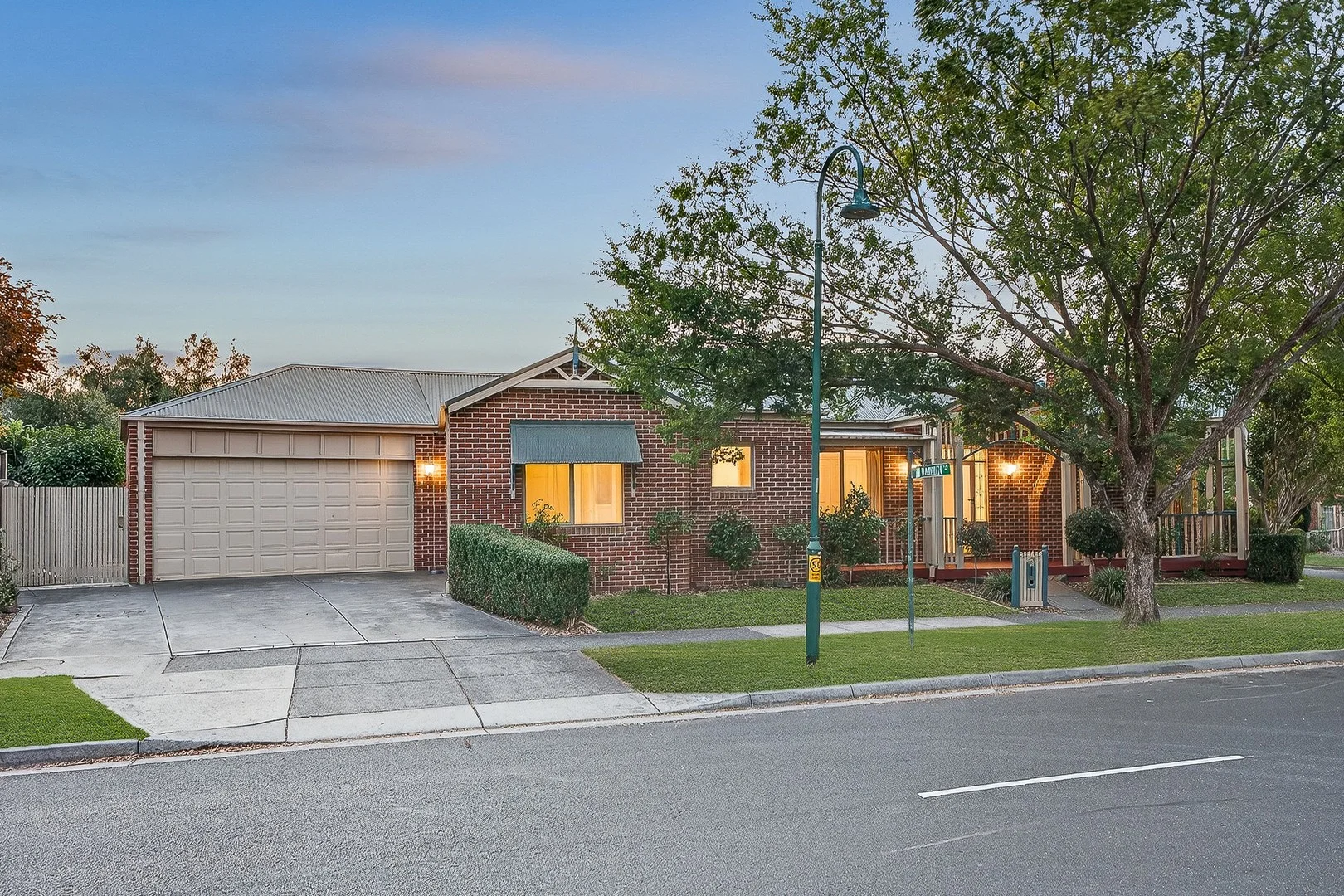 $700
House
$700
House
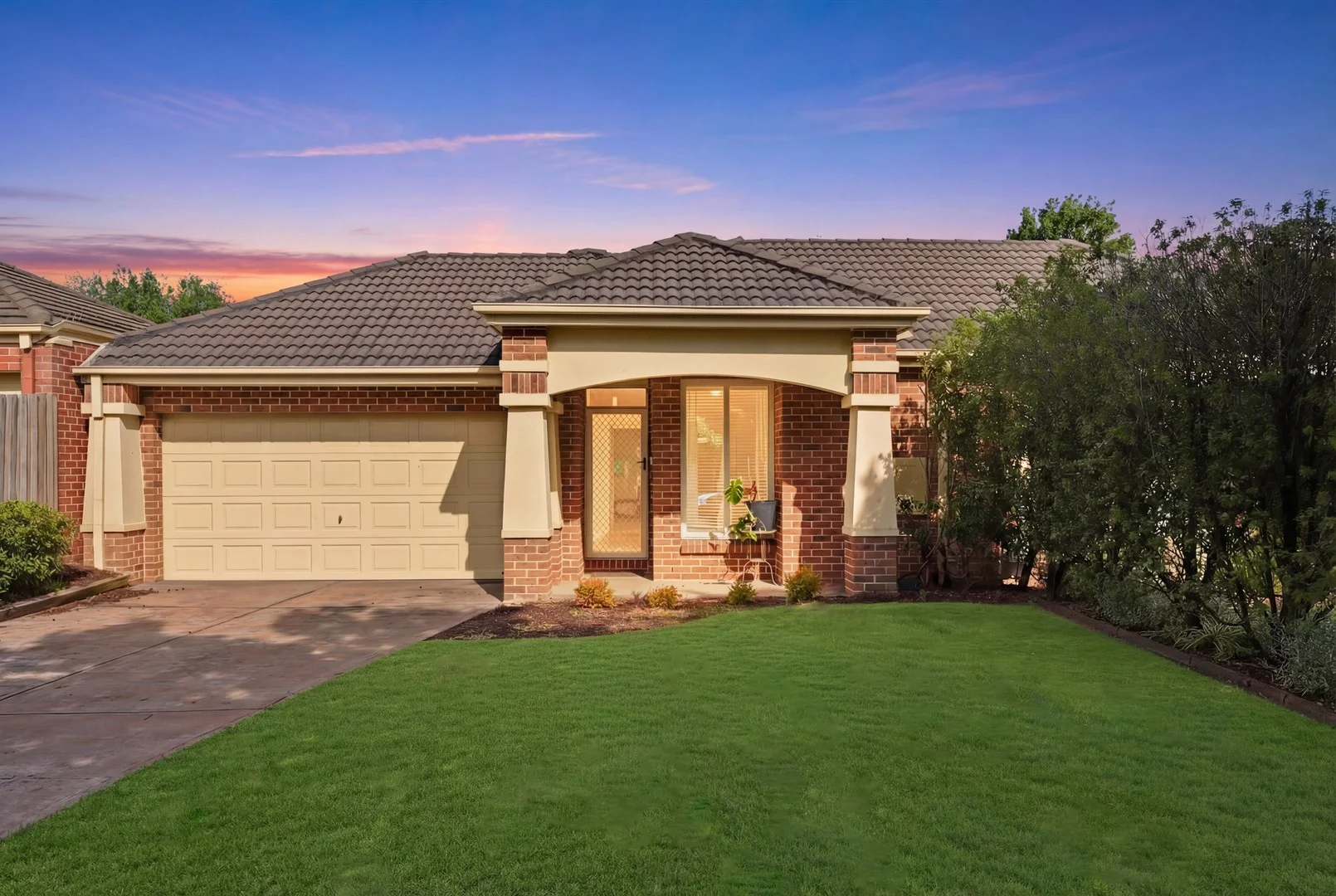 $795,000 - $835,000
House
$795,000 - $835,000
House
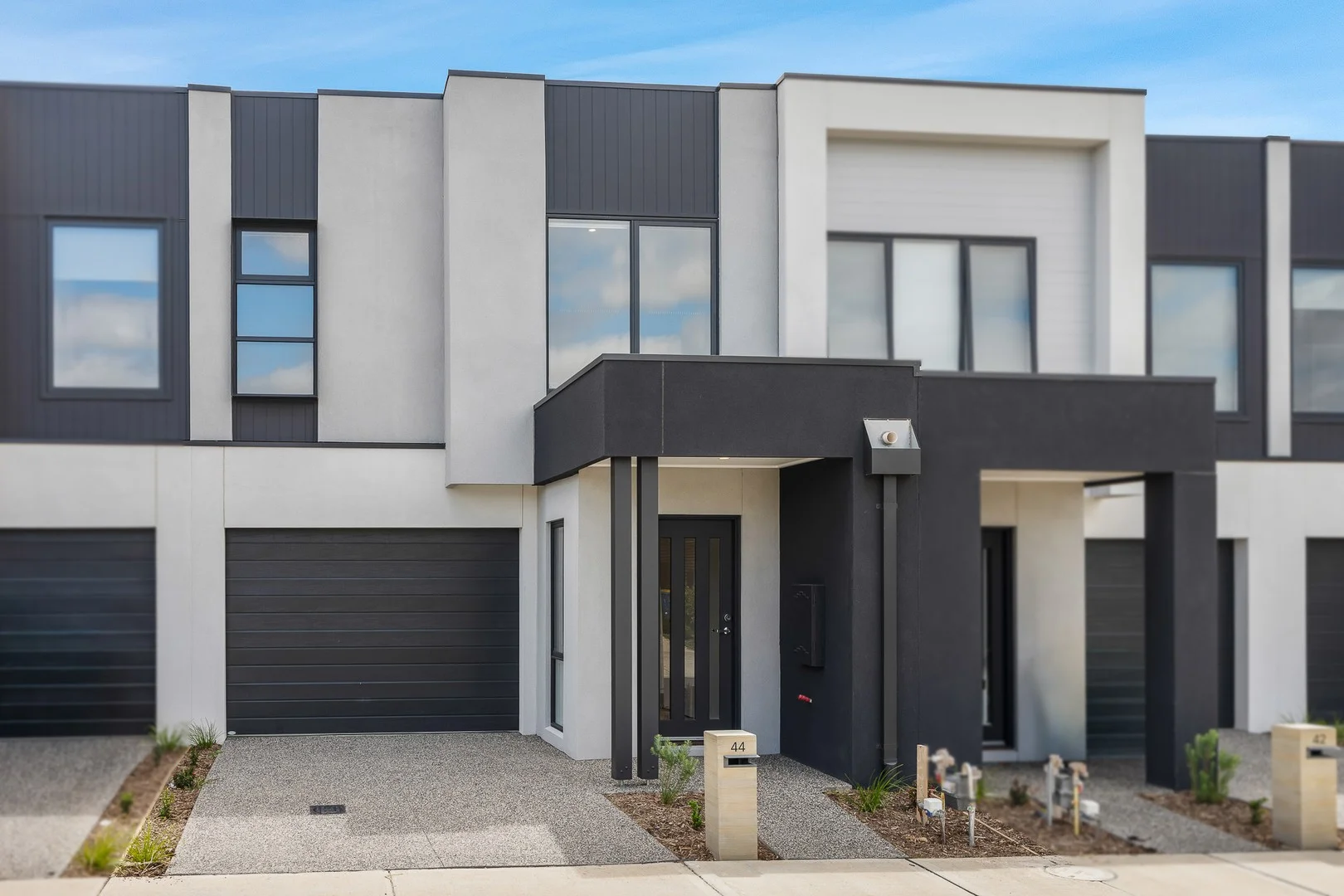 $595,000 - $645,000
House
$595,000 - $645,000
House
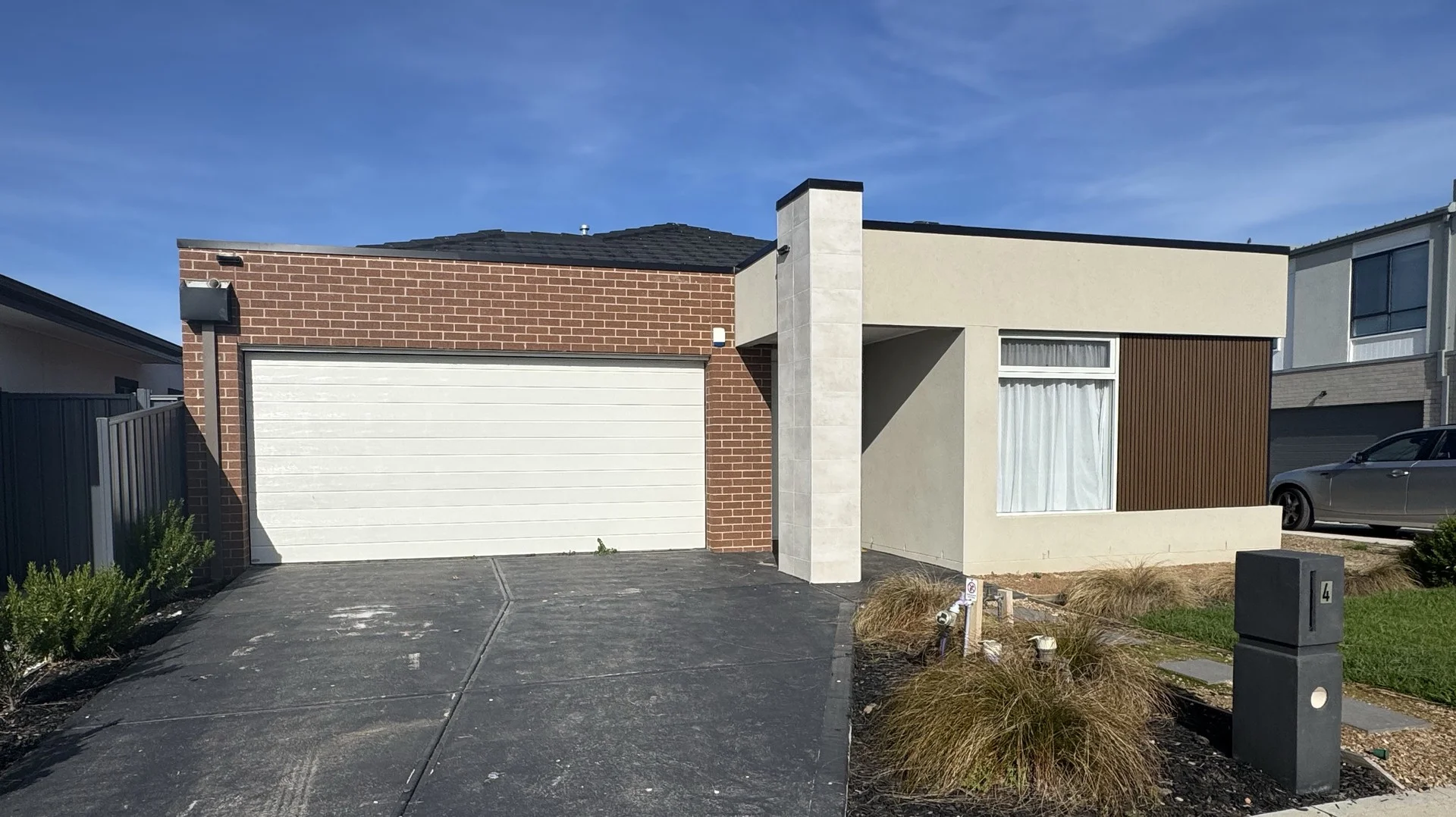 $600
House
$600
House