Overview
## 1. Overview
Oscar Romero Catholic Primary School is a Catholic co-educational primary school serving families in Craigieburn and the surrounding area. The school emphasizes faith formation, rigorous learning, and community involvement within a supportive, inclusive environment. It operates as a mid-sized Catholic primary school that welcomes families seeking a values-driven education for their children.
Class sizes are typical for primary schools in Victoria, with a focus on attentive teaching and personalised support. The atmosphere is nurturing and community-oriented, balancing academic expectations with pastoral care and spiritual development. The school aims to build confident, respectful, and socially aware students who contribute positively to their wider community.
⸻
## 2. Academics & Learning
- Academic strengths: strong literacy and numeracy foundations, integrated faith-informed learning, and a focus on developing critical thinking and digital literacy through practical, hands-on activities.
- Special programs: faith formation and pastoral programs, opportunities for gifted and talented students, and enrichment within core subjects.
- NAPLAN / trends: steady improvement over recent years with a focus on targeted literacy and numeracy support; performance aligns with or above local benchmarks in key areas.
- Student-teacher ratios: typically in the low to mid-teens per class (roughly 1:12–1:22 range in classroom settings, depending on year level and staffing).
- Support for diverse learners: EAL support where needed, inclusive education practices, and individualized learning plans to assist students with SEN or additional learning needs.
⸻
## 3. Sports & Extracurricular Strengths
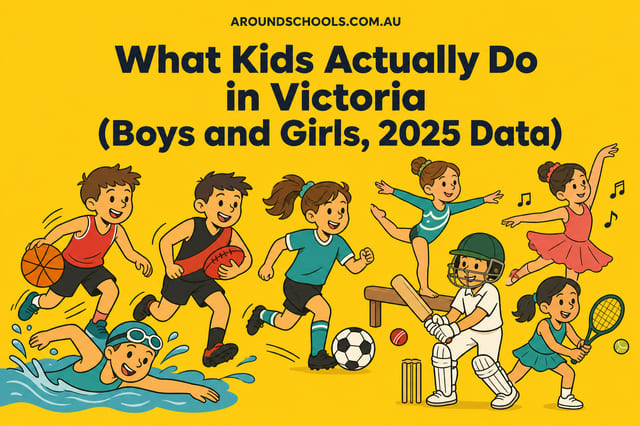
- Sports offered: a range of primary sports including soccer, Australian rules football, basketball, netball, cricket, and athletics programs.
- Strong teams or achievements: regular involvement in interschool fixtures and regional Catholic school events; emphasis on teamwork, effort, and fair play.
- Music, arts, drama programs: school ensembles or choir, school assemblies with performances, and opportunities to participate in drama and performing arts activities.
- Clubs: robotics, coding, chess, debating, and other after-school clubs designed to spark curiosity and collaboration.
- Partnerships: connections with local community clubs and partnerships that support competitions, coaching, and development opportunities for students.
⸻
## 4. Wellbeing & Pastoral Care
- Anti-bullying approach: clear policies and proactive programs to promote respectful relationships, student wellbeing, and a safe school culture.
- House system: a house-based structure to encourage leadership, teamwork, and healthy competition in a supportive environment.
- Counsellors / wellbeing officers: access to school wellbeing staff who provide guidance, pastoral care, and individual or small-group support.
- Transition support for new students: buddy systems, orientation activities, and programs to help students settle in smoothly and build connections.
⸻
## 5. Facilities
- Sports grounds: well-maintained outdoor spaces for physical education and sports.
- Libraries: dedicated library spaces to support reading programs and independent learning.
- Science labs: age-appropriate science facilities to enable inquiry-based learning.
- Music/performing arts centers: spaces for music lessons, rehearsals, and performances.
- Tech/innovation labs: classroom technology integration and opportunities for coding or robotics activities.
- Cafeteria: on-site canteen or lunch facilities to support healthy eating.
- Updated playgrounds: modern play areas and outdoor spaces for exploration and recreation.
- Chapel or liturgy space: dedicated area for prayer, assemblies, and faith-based activities.
⸻
## 6. School Values & Community Culture
- School values / mission: a faith-centered mission that emphasises respect, integrity, compassion, service, and academic growth.
- Leadership style: collaborative and student-centered, with emphasis on character development and responsible citizenship.
- Behaviour expectations: clear codes of conduct built on mutual respect, responsibility, and accountability.
- Community reputation: a welcoming, faith-filled community known for supportive relationships among students, families, and staff.
- Diversity & inclusion: commitment to inclusive practices and celebrating diverse backgrounds within the school community.
⸻
## 7. School Logistics & Daily Operations
- School hours: standard primary school day with start and finish times aligned to local Victorian school timetables.
- Before/after school care: after-school care arrangements or OSHC services available to families needing extended supervision.
- Uniform requirements: a defined compulsory school uniform with guidelines for everyday wear and practical PE attire.
- Transport: information on local transport options, including bus routes and proximity to train services where relevant.
- Canteen availability: on-site canteen or lunch program, with healthy meal options.
- Fees: Catholic primary school fees are typically described as moderate; additional costs may apply for camps, incursions, and extra-curricular activities.
⸻
## 8. Enrolment & Admissions
### 11. What is the enrolment process and timeline?
- Begin with an expression of interest or enrolment application, often supported by an information evening orOpen Day.
- Submit required documentation (birth certificate, immunisation status, proof of residence, baptismal or parish information where applicable).
- Shortlisting and interview or family information session to assess fit with the school’s faith-focused learning environment.
- Acknowledgement of offer and confirmation of enrolment within provided timelines; planning for orientation and transition.
### 12. Is there a waiting list, and how does it work?
- Some cohorts may have limited places; if a waiting list is in place, applicants are typically placed in order of date of expression of interest and seat availability.
- Priority may be given to siblings or families within the local parish or school community, in line with school policy.
### 13. Are there any entry requirements, tests, or interviews?
- Entry usually involves confirmation of eligibility for a Catholic primary education, with potential parental interviews or information sessions.
- Some schools may include informal literacy or numeracy discussions, but formal testing is not always required.
- Documentation demonstrating relevant parish or community involvement may be requested as part of alignment with the school’s faith-based ethos.
### 14. Does the school accept mid-year transfers?
- Yes, subject to vacancies and space in the relevant year level.
- Transfer processes typically require documentation, attendance at an orientation meeting, and coordination with the receiving teacher to ensure a smooth transition.
⸻
## 9. Frequently Asked Questions
- Why Parents Choose This School?
Families choose for a faith-based learning environment that prioritises values, strong literacy and numeracy, supportive pastoral care, and active community involvement.
- What type of student thrives at this school?
Students who are curious, collaborative, respectful, and motivated to grow academically and emotionally within a faith-informed setting.
- What opportunities are available for students to extend their skills (academics, sports, arts)?
Enrichment in literacy and numeracy, leadership opportunities, sports teams, music and performing arts, coding and robotics clubs, and participation in interschool events.
- How does the school communicate with parents?
Regular newsletters, online portals, parent-teacher interviews, and information evenings; timely updates on events, assessments, and student progress.
- What is the school’s approach to teaching and learning?
A balanced approach combining explicit instruction, guided practice, inquiry-based learning, and opportunities for hands-on exploration, all within a Catholic values framework.
- How does the school support students who need extra academic help?
Targeted literacy and numeracy support, personalised learning plans, EAL assistance, and access to wellbeing and specialist staff.
- What support is available for academic challenges?
Early identification, teaching adjustments, small-group or one-on-one support, and collaboration with families to create effective strategies.
- How does the school communicate with parents?
(Repeated) Regular updates through digital platforms, parent-teacher conferences, and community events.
- What are the class sizes and how much individual attention do students receive?
Class sizes are typical for primary schools, with a focus on providing opportunities for teacher instruction and targeted support within the classroom; additional support may be available through tutoring or specialist staff as needed.
- What extracurricular and sports opportunities are available?
A broad range of sports, clubs (robotics, coding, chess, debating), and arts programs designed to foster talent, teamwork, and creativity.
- What facilities does the school offer (sports, science, arts)?
Sports grounds, libraries, science labs, music/performing arts spaces, technology labs, canteen, and conducive spaces for assemblies and faith-based activities.
- What is the school’s approach to technology and digital learning?
Integrated technology use in learning activities, with coding and digital literacy components aligned to age-appropriate standards.
- What transport and accessibility options are available?
Local transport options and accessibility considerations are provided to families; details available via the school office or admissions team.
- What are the typical school fees or additional costs?
Fees are described as moderate, with potential additional costs for excursions, camps, and certain electives or activities.
⸻
## 10. Short Pros & Cons
- Pros
- Faith-based, values-driven environment with a nurturing, inclusive culture
- Strong literacy and numeracy focus with pastoral support
- Balanced emphasis on academics, wellbeing, and community involvement
-Broad range of extracurriculars, sports, arts, and clubs
- Active engagement with families and clear communication
- Cons
- Fees reflect a Catholic independent school setting, which may be higher than some public options
- Availability of places can be limited in certain year levels; late-year transfers may depend on vacancies
- More structured uniform and school routines may feel strict to some families
⸻