Overview
1. Overview
Our Lady of Lourdes Catholic Primary School – Earlwood is a Catholic, co-educational primary school serving families in the Earlwood area. As a NSW Catholic education school, it sits within the broader Catholic Education system and emphasises faith formation alongside comprehensive academic and pastoral development. The school presents a medium-sized community with class sizes typically around 20–25 students, fostering a nurturing, inclusive atmosphere that values faith, learning and community.
This environment supports students to grow academically, socially and spiritually, with a culture that emphasises care, respect, collaboration and service. (Note: specific current details such as exact enrolment numbers, class configurations and programs should be confirmed with the school’s latest prospectus or enrolment materials.)
2. Academics & Learning
- Academic strengths: English literacy and numeracy are central, with opportunities to develop STEM skills, leadership capabilities and language learning integrated into the curriculum.
- Special programs: Gifted and Talented / enrichment opportunities are commonly available in NSW Catholic primary settings; look for targeted extensions or in-class differentiation, and language offerings as part of the school’s curriculum.
- NAPLAN/Ofsted trends: NSW Catholic primary schools typically show steady or improving trends in reading and numeracy over time, aligned with system-wide expectations; please refer to the school’s published data for specific trajectory.
- Student-teacher ratios: Class sizes and ratios generally sit around 1:12 to 1:20, varying by year level and class grouping.
- Support for diverse learners: EAL and SEN support are commonly offered, with formal or informal interventions, inclusive education practices and access to additional learning assistance as required.
3. Sports & Extracurricular Strengths
- Sports offered: Soccer, basketball, cricket, athletics and swimming are commonly accessible; other team or individual sports may be available depending on facilities and partnerships.
- Strong teams or achievements: School-level teams and clubs often participate in local district events and inter-school competitions, with success dependent on year and cohort.
- Music, arts, drama programs: Music education and performing arts activities typically form part of the curriculum and extracurricular calendar (choir, instrument lessons, drama).
- Clubs: Robotics, coding, chess, debating and other academic or tech-focused clubs are commonly offered or available through after-school programs.
- Partnerships: Local community clubs, diocesan competitions and inter-school events provide additional opportunities for sport, music and performance.
4. Wellbeing & Pastoral Care
- Anti-bullying approach: Schools within this system typically implement a whole-school anti-bullying framework, with restorative practices and a focus on respectful conduct.
- House system: A house-based structure is commonly used to promote belonging, friendly competition and peer-support across year levels.
- Counsellors / wellbeing officers: Access to school counsellors or wellbeing staff is often available to support student mental health, resilience and social-emotional learning.
- Transition support for new students: Orientation programs, buddy systems and smooth onboarding processes help new students settle in and build connections quickly.
5. Facilities
- Sports grounds: Access to outdoor playing spaces and sporting facilities typical for a primary site.
- Libraries: On-site libraries with regular reading programs and borrowing services.
- Science labs: Basic science facilities to support practical learning and inquiry-based activities.
- Music/performing arts centers: Dedicated spaces for music, drama and assemblies.
- Tech/innovation labs: Computer labs or technology-enabled learning spaces for coding and digital skills.
- Cafeteria: On-site canteen or lunch facilities to support daily meal options.
- Updated playgrounds: Well-maintained outdoor play areas and equipment.
6. School Values & Community Culture
- School values / mission: Faith-informed education emphasising values such as compassion, respect, service, integrity and community.
- Leadership style: Student involvement is encouraged through pupil leadership, peer mentoring and collaborative decision-making where appropriate.
- Behaviour expectations: Clear codes of conduct aligned with pastoral care and restorative approaches; emphasis on respect, responsibility and care for others.
- Community reputation: The school generally enjoys a positive standing within the local Catholic and broader school communities, reflecting consistent pastoral care and academic effort.
- Diversity & inclusion: Inclusive culture that welcomes students from varied backgrounds and abilities, with supports to promote equity and belonging.
7. School Logistics & Daily Operations
- School hours: Typical primary school day runs from around 9:00 am to 3:00 pm, with possible variations by year level; after-school activities may extend day.
- Before/after school care: Many schools offer after-school care or vacation care programs; confirm current arrangements with the school.
- Uniform requirements: School uniform is standard; details on items and purchasing locations are provided by the school.
- Transport (train/bus routes): Public transport access is commonly available; families may rely on buses or nearby train stations depending on location and school policies.
- Canteen availability: A canteen or lunch service is typically provided, with daily or scheduled meal options.
- Fees (low/medium/high ranges): Catholic primary school fees are generally in the low-to-medium range for independent private schooling and are to be confirmed with the school’s current fee schedule.
8. Enrolment & Admissions
11. What is the enrolment process and timeline?
- Applications are typically submitted online or via the school’s enrolment form during an annual intake period. The school will provide a timeline for applications, interviews (if applicable) and notification of offers. Required documents often include proof of identity, immunisation records and any parish or baptism information as requested by the school.
12. Is there a waiting list, and how does it work?
- If applications exceed available places, a waiting list may be established. Priority on waiting lists can depend on factors such as sibling status, parish enrolment considerations, and date of application. The school will advise how to register or update on the waiting list.
13. Are there any entry requirements, tests, or interviews?
- Most NSW Catholic primary schools do not require formal academic entrance tests for primary entry. Some schools may conduct a short interview or information session with families or prospective students to assess fit with the school community and values. Always confirm current requirements with the school.
14. Does the school accept mid-year transfers?
- Mid-year transfers are sometimes possible if a vacancy exists, subject to eligibility and submission of required documentation (transcripts, enrolment forms, etc.). Contact the school promptly to discuss availability and timelines.
9. Frequently Asked Questions
- Why do parents choose this school?
- A faith-based, values-driven environment with supportive pastoral care, strong community connections and a focus on holistic development.
- What type of student thrives at this school?
- Students who value community, faith-based learning, and a balanced program of academics, sport, arts and social-emotional growth.
- What opportunities are available for students to extend their skills (academics, sports, arts)?
- Enrichment programs, leadership opportunities, clubs (robotics, coding, chess, debating), music and drama programs, and sport teams.
- How does the school communicate with parents?
- Through newsletters, parent portals, emails, school website, app notifications and regular meetings or information sessions.
- What is the school’s approach to teaching and learning?
- A holistic, faith-informed curriculum with a mix of explicit instruction, inquiry-based learning, differentiation for diverse learners and a focus on literacy, numeracy and well-being.
- How does the school support students who need extra academic help?
- Targeted interventions, in-class differentiation, EAL/SEN supports and access to learning support staff or specialists where available.
- What support is available for academic challenges?
- Early identification, tailored support plans, and collaboration with families to implement strategies and monitor progress.
- How does the school communicate with parents? (Duplicate)
- See above: newsletters, portals, emails, app notifications, and parent-teacher meetings.
- What are the class sizes and how much individual attention do students receive?
- Class sizes typically around 20–25 students; individual attention varies by year and teacher approach, with targeted support available for students in need.
- What extracurricular and sports opportunities are available?
- A range of sports (soccer, basketball, cricket, athletics), music and arts programs, plus clubs such as robotics, coding, chess and debating.
- What facilities does the school offer (sports, science, arts)?
- Sports grounds, libraries, science labs, music/performing arts spaces, tech/innovation labs and a canteen; well-maintained playgrounds.
- What is the school’s approach to technology and digital learning?
- Integration of technology across the curriculum, with computer labs or devices for learning, coding and digital literacy.
- What transport and accessibility options are available?
- Access to local transport routes; information on drop-off/pick-up and accessibility policies is provided by the school.
- What are the typical school fees or additional costs?
- Fees are usually in the low-to-medium range for NSW Catholic primary schools; check the current fee schedule for exact amounts and any additional costs.
10. Short Pros & Cons list
Pros
- Strong sense of community and faith-based values
- Supportive pastoral care and wellbeing programs
- Balanced focus on academics, sports, arts and leadership
- Inclusive environment with attention to diverse learners
- Opportunities for student leadership and involvement
Cons
- Religious affiliation may not suit every family
- Uniforms and certain activities may add to costs
- Availability of places can vary by year and intake, sometimes leading to waiting lists
- Programs and facilities can differ by year; confirm current offerings with the school
Note: The above content is a structured draft intended to help families assess the school. Please verify all specifics (class sizes, programs, facilities, enrolment processes, current fees, and operational details) with the school’s latest prospectus or enrolment materials to ensure accuracy.







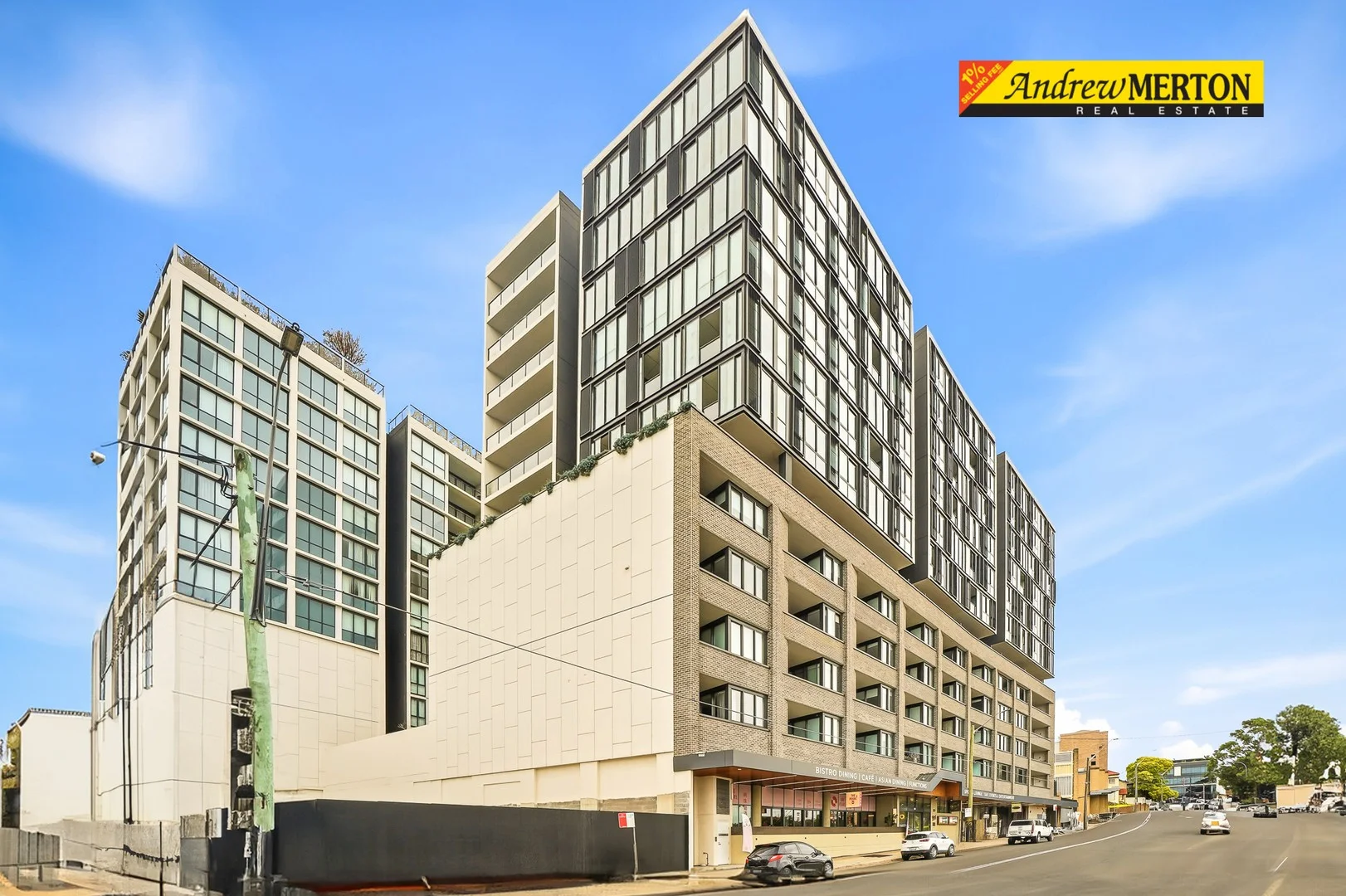 $665,000
Apartment / Unit / Flat
$665,000
Apartment / Unit / Flat
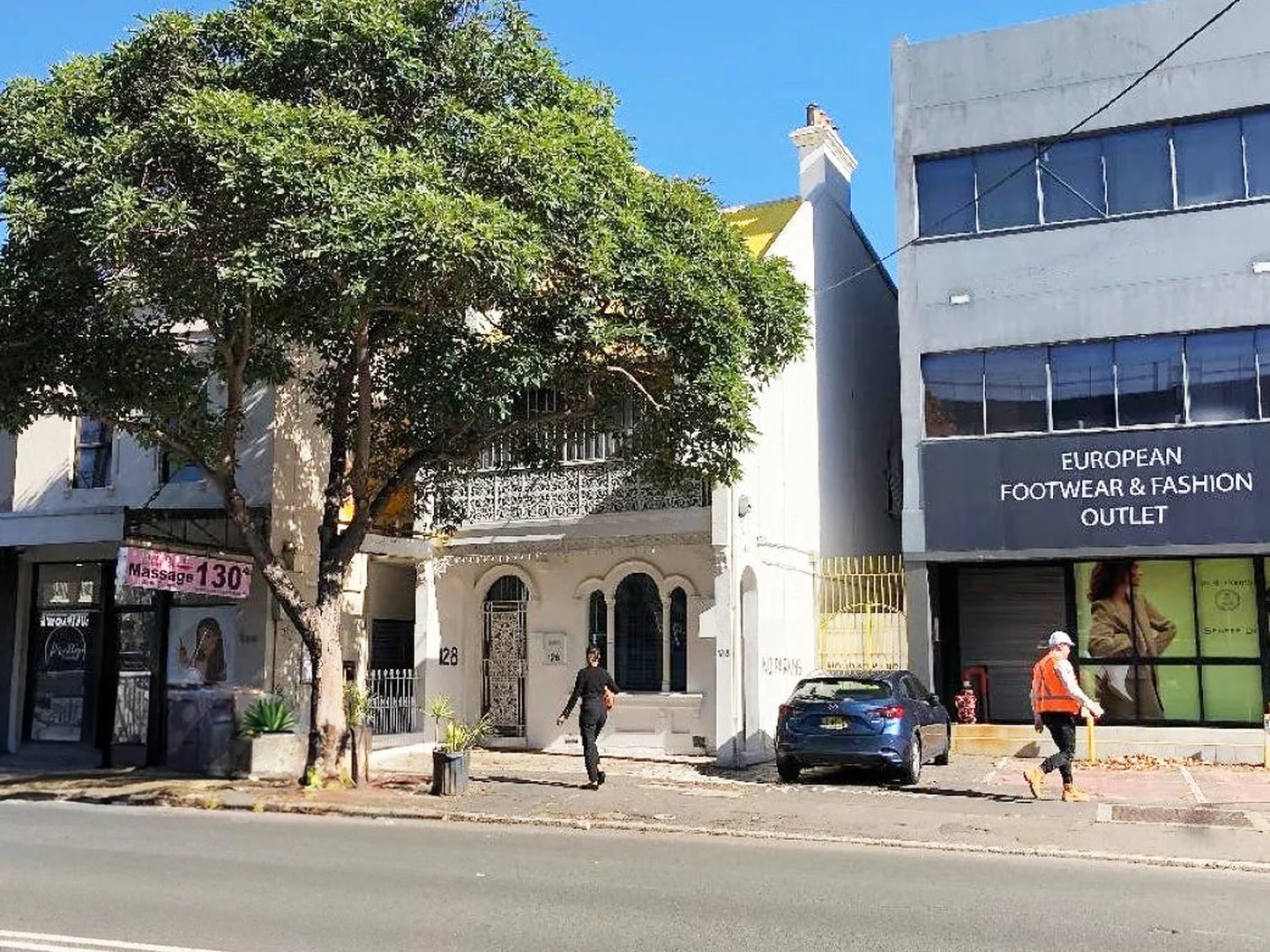 $3,900,000
House
$3,900,000
House
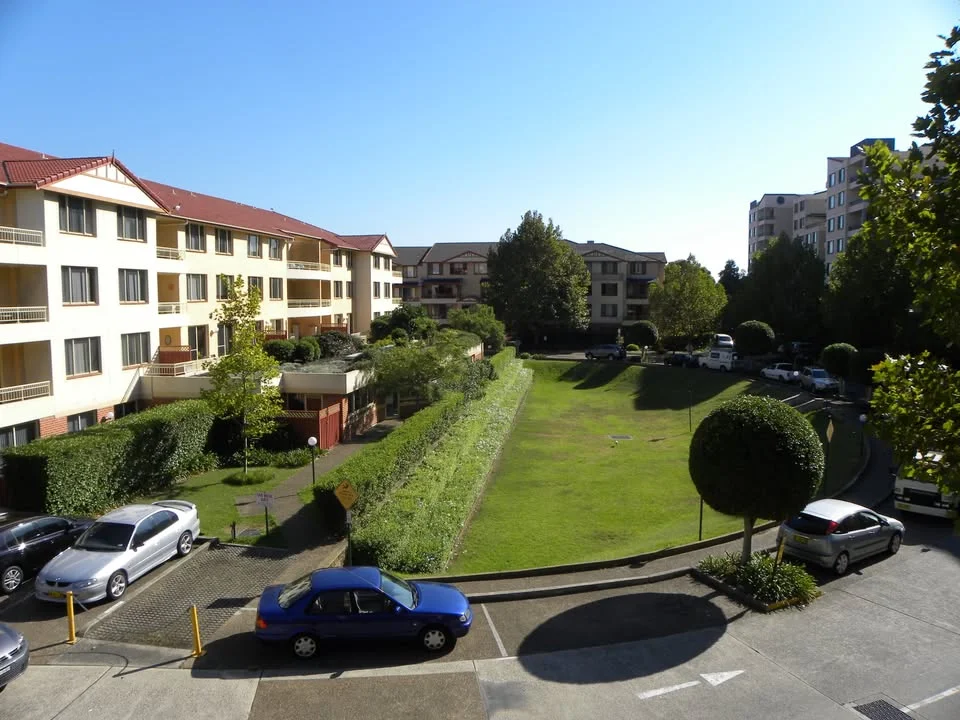 $990
Apartment / Unit / Flat
$990
Apartment / Unit / Flat
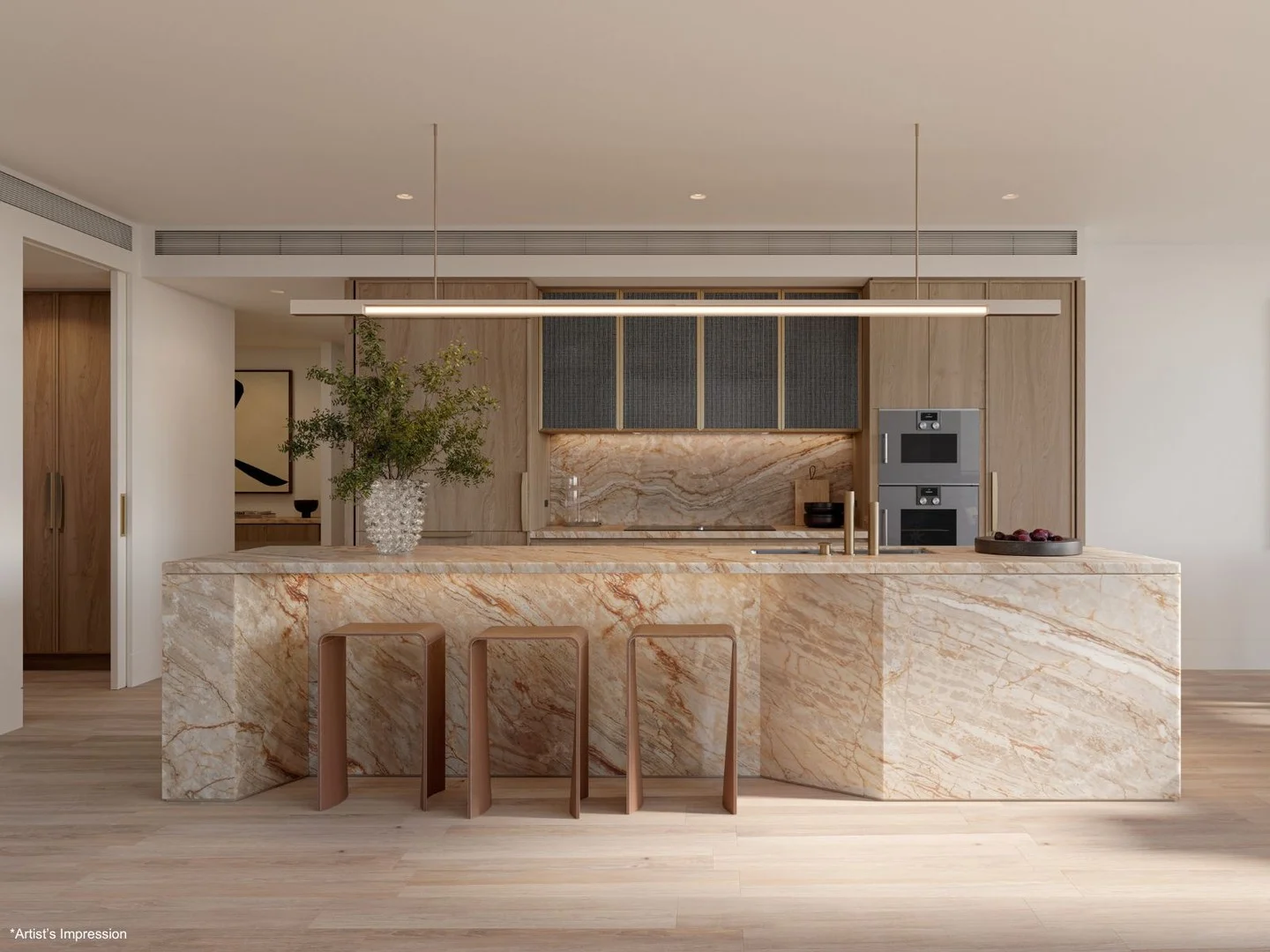 $6,225,000
propertyType.NEW APARTMENTS / OFF THE PLAN
$6,225,000
propertyType.NEW APARTMENTS / OFF THE PLAN
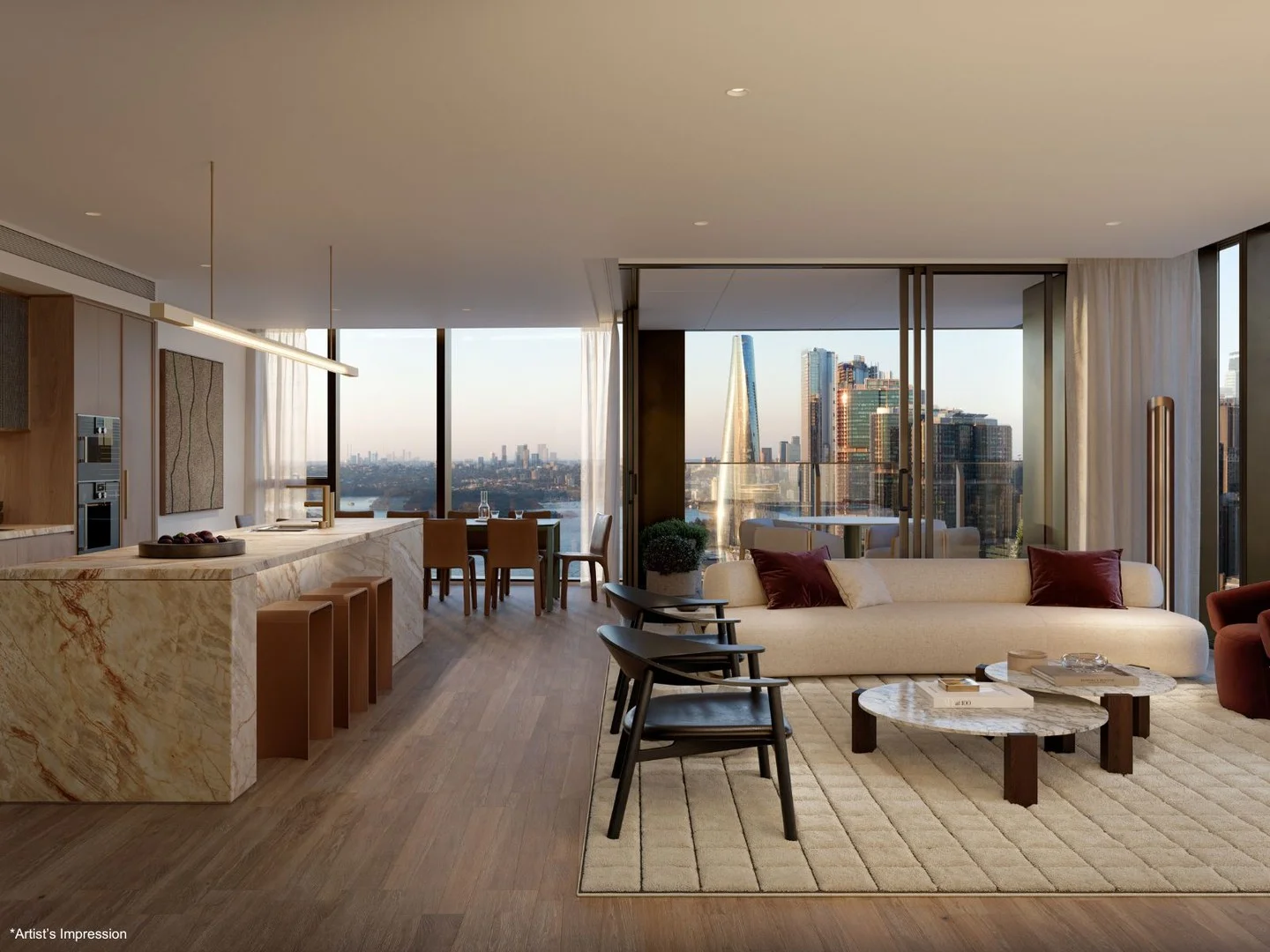 $12,980,000
propertyType.NEW APARTMENTS / OFF THE PLAN
$12,980,000
propertyType.NEW APARTMENTS / OFF THE PLAN
 $8,630,000
propertyType.NEW APARTMENTS / OFF THE PLAN
$8,630,000
propertyType.NEW APARTMENTS / OFF THE PLAN
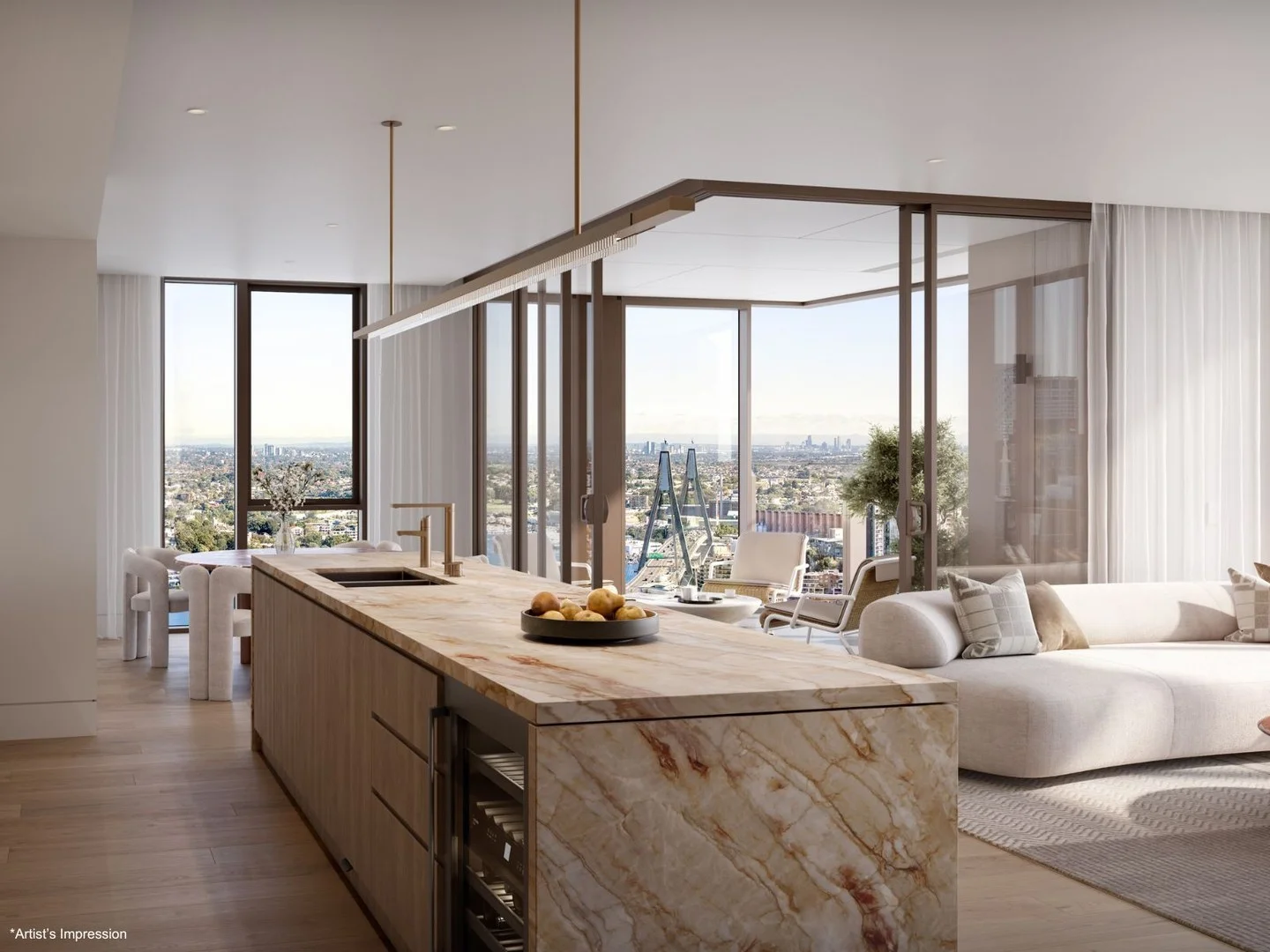 $9,020,000
propertyType.NEW APARTMENTS / OFF THE PLAN
$9,020,000
propertyType.NEW APARTMENTS / OFF THE PLAN
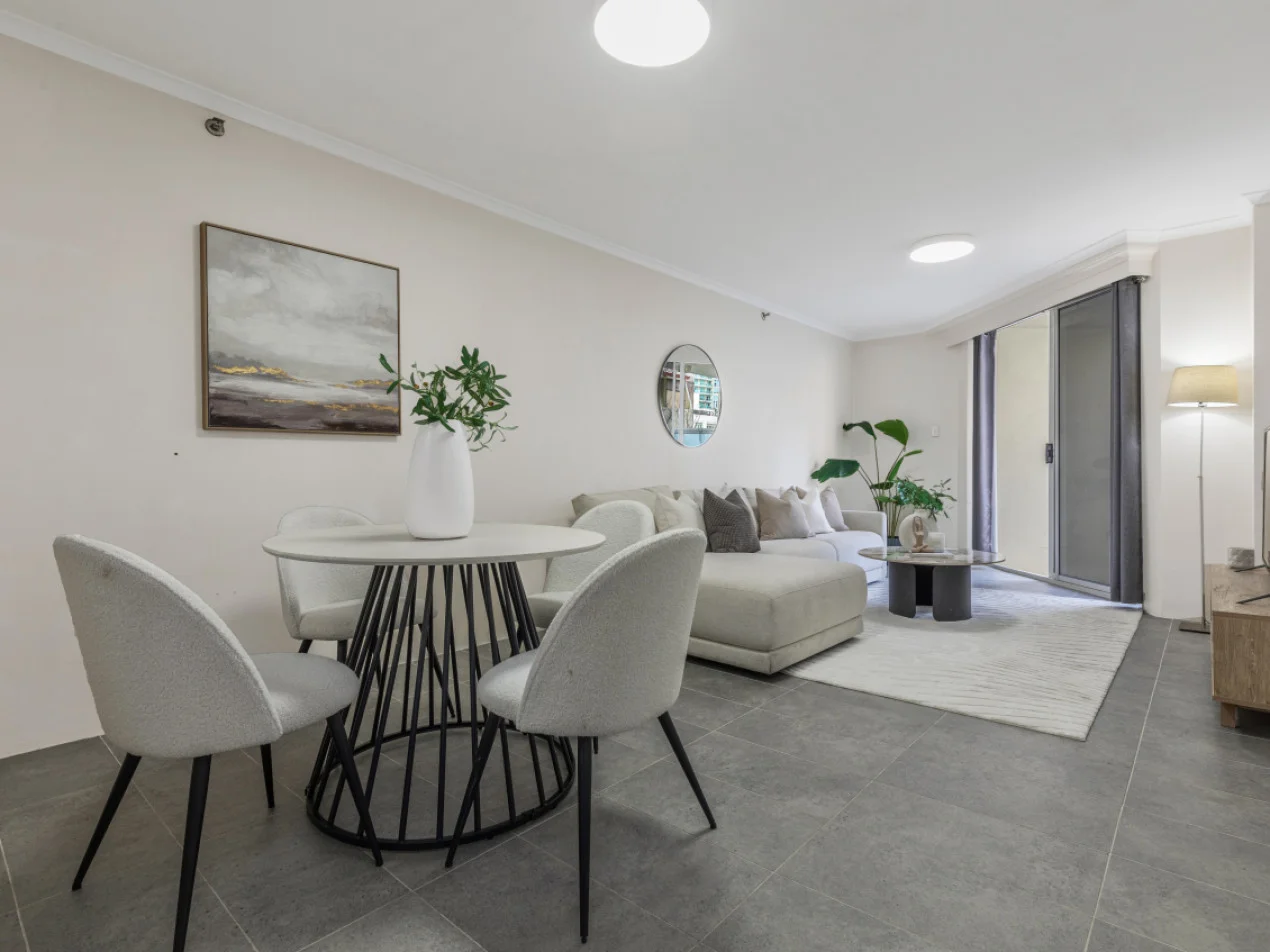 $640,000 - $675,000
Apartment / Unit / Flat
$640,000 - $675,000
Apartment / Unit / Flat
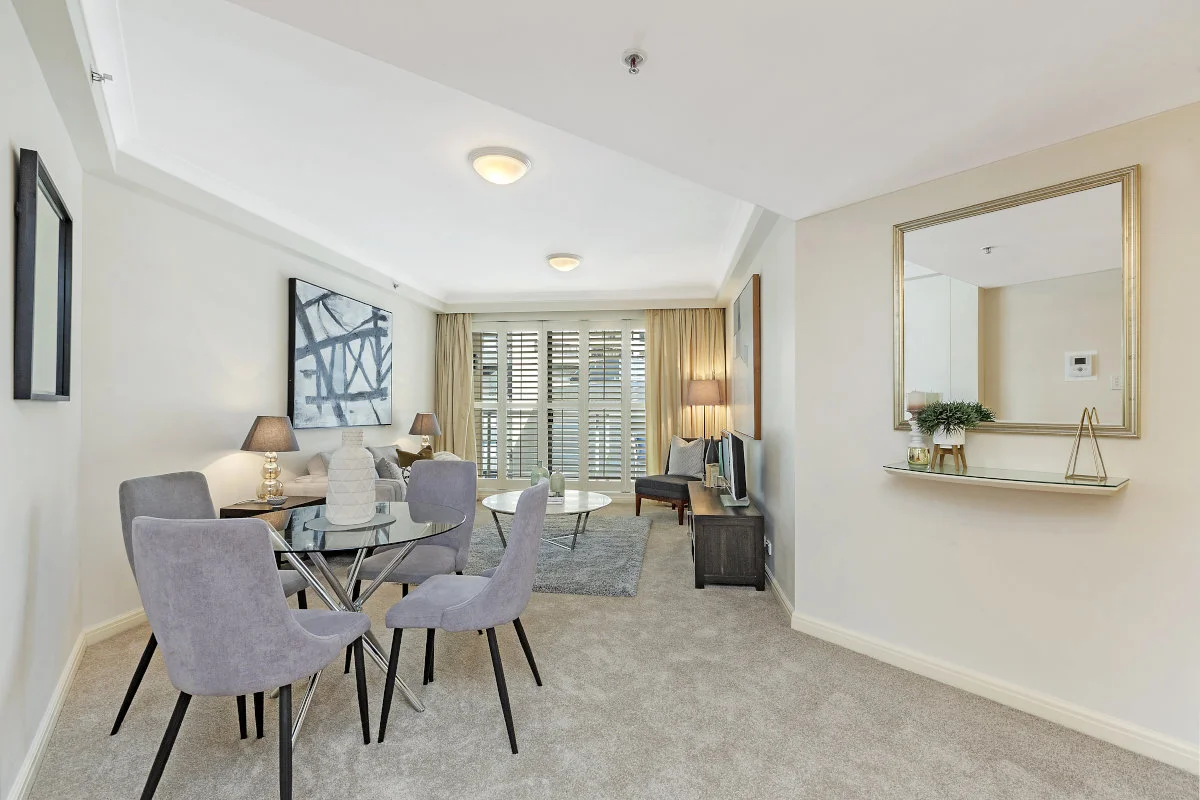 $660,000 - $725,000
Apartment / Unit / Flat
$660,000 - $725,000
Apartment / Unit / Flat


