Overview
# Overview
Bardwell Park Infants School is a public, co-educational primary school serving Kindergarten to Year 2 students in the NSW Department of Education system. The school focuses on building a solid learning foundation in literacy, numeracy, and social development while fostering a welcoming, inclusive community for young learners.
The school is small-to-medium in size, with class sizes typically around 20–25 students. The atmosphere is nurturing and supportive, emphasising student wellbeing, curiosity, and a strong sense of belonging. Staff strive to create an inclusive environment where every child can grow confidence and a love of learning.
---
# Academics & Learning
- Academic strengths: Strong early literacy and numeracy foundations, with explicit teaching in reading, writing, and mathematics. Cross-curricular opportunities in STEM and the arts help develop critical thinking and problem-solving from an early age.
- Special programs: EAL/D support for students Learning English as an Additional Language or Dialect; targeted support for diverse learners; Gifted & Talented opportunities where available.
- NAPLAN trends: NSW public primary schools track progress over time; Bardwell Park Infants typically shows steady or improving trends in literacy and numeracy as cohorts advance.
- Student-teacher ratios: Class sizes around 20–25 students; dedicated teachers and support staff aim to provide regular, meaningful teacher interaction with each student.
- Support for diverse learners: Comprehensive support for EAL/D and SEN students, including in-class modification, targeted small-group teaching, and access to specialist staff as needed.
---
# Sports & Extracurricular Strengths
- Sports offered: Regular programs in common NSW primary activities such as soccer, cricket, athletics, and general fitness; opportunities for participation in inter-school activities when available.
- Strong teams or achievements: Emphasis on participation, teamwork, and fair play; school pride shown through regular school sporting events and community participation.
- Music, arts, drama programs: Access to music and performing arts activities; opportunities to showcase talents in assemblies and school events.
- Clubs: Robotics, chess, coding, and debating are typically available as part of after-school or lunchtime programs, depending on term schedules.
- Partnerships: Connections with local community clubs and regional competitions to broaden experiences beyond the classroom.
---
# Wellbeing & Pastoral Care
- Anti-bullying approach: Clear positive behaviour framework and anti-bullying strategies designed to create a safe, respectful environment for all students.
- House system: House groups are used to foster school spirit, teamwork, and friendly competition across activities and events.
- Counsellors / wellbeing officers: Access to school wellbeing staff or counsellor support to assist with social-emotional development and transitions.
- Transition support for new students: Structured orientation for new entrants, buddy programs, and smooth transitions into the year groups to help students settle.
---
# Facilities
- Sports grounds: Outdoor play and practical spaces for daily physical activity.
- Libraries: Dedicated library space to support reading and research activities.
- Science labs: Basic science resources or dedicated learning spaces for science exploration.
- Music/performing arts centers: Music room and space for performances and rehearsals.
- Tech/innovation labs: Computer or maker-space facilities to support digital learning and project work.
- Cafeteria: On-site or adjacent canteen facilities offering healthy options.
- Updated playgrounds: Well-maintained play areas with age-appropriate equipment and learning zones.
---
# School Values & Community Culture
- School values / mission: Emphasis on respect, responsibility, kindness, and resilience; a focus on building curious, confident learners.
- Leadership style: Collaborative and inclusive, encouraging student voice through age-appropriate leadership opportunities and class responsibilities.
- Behaviour expectations: Clear code of conduct with positive reinforcement and consistent routines to support safe, predictable environments.
- Community reputation: Known for a welcoming, family-friendly atmosphere where staff, students, and families participate in school life.
- Diversity & inclusion: Commitment to embracing diversity and ensuring an inclusive learning environment for all families and backgrounds.
---
# School Logistics & Daily Operations
- School hours: Typically 9:00 am to 3:00 pm for most students; some before/after school activities may extend these times.
- Before/after school care: Access to care arrangements via external providers or school-supported programs, depending on term and availability.
- Uniform requirements: School uniform policy in place; families expected to adhere to uniform guidelines.
- Transport: Accessible by local public transport (train/bus) and walking pathways; proximity to Bardwell Park area makes commuting straightforward.
- Canteen availability: Canteen or lunch options available on site or nearby; healthy eating is encouraged.
- Fees: Public schools have low to moderate out-of-pocket costs, including minimal voluntary contributions and potential costs for certain activities or excursions.
---
# Enrolment & Admissions
11. What is the enrolment process and timeline?
- Check catchment eligibility and submit an application to enrol through the NSW Department of Education process, typically for Kindergarten entry the year before starting. Gather required documents (proof of address, birth certificate, immunisation history, and any additional school-specific forms). Once enrolled, you’ll receive information about orientation and start dates.
12. Is there a waiting list, and how does it work?
- Demand can cause waitlists, especially for in-demand intake periods. Place allocation is generally based on catchment priority and vacancy availability. It’s important to submit your application early and keep contact details up to date.
13. Are there any entry requirements, tests, or interviews?
- For Kindergarten entry, there are no standard academic entrance tests. Admissions focus on eligibility (catchment status, documentation) and readiness considerations. Some documentation or brief discussions may occur to support a smooth transition, especially for out-of-catchment applicants or students needing additional support.
14. Does the school accept mid-year transfers?
- Yes, mid-year transfers are possible if there are vacancies. Parents should contact the school promptly to discuss space, placement, and required documentation (transfers from other schools, immunisation records, and previous progress information).
---
# Frequently Ask Questions
- Why Parents Choose This School?
- A welcoming, inclusive environment that prioritises early literacy and numeracy, student wellbeing, and strong community connections.
- What type of student thrives at this school?
- Curious, cooperative learners who respond well to a nurturing setting, with emphasis on foundational skills and social development.
- What opportunities are available for students to extend their skills (academics, sports, arts)?
- Strong focus on literacy and numeracy, with STEM, arts, music, and extracurricular clubs (robotics, chess, coding, debating) as part of after-school or lunchtimes; opportunities to participate in local sports and community activities.
- How does the school communicate with parents?
- Regular communications via newsletters, emails, parent-teacher interviews, and a school portal or notice system; updates on events and student progress are routinely shared.
- What is the school’s approach to teaching and learning?
- Student-centred, explicit instruction in core subjects, with differentiated support to meet diverse learner needs and to foster independence and confidence.
- How does the school support students who need extra academic help?
- In-class modifications, targeted small-group instruction, EAL/D and SEN support, and access to specialist staff as required.
- What support is available for academic challenges?
- Additional tutoring or intervention plans through classroom staff and wellbeing teams; early identification and planning to help students catch up.
- How does the school communicate with parents? (repeated)
- See above; multiple channels ensure parents stay informed about progress and school life.
- What are the class sizes and how much individual attention do students receive?
- Class sizes typically around 20–25 students, with regular opportunities for individual or small-group instruction.
- What extracurricular and sports opportunities are available?
- Clubs such as robotics, chess, coding, debating; regular school sports programs and participation in local inter-school activities where available.
- What facilities does the school offer (sports, science, arts)?
- Sports grounds, library, science resources, music/arts spaces, tech/innovation labs, and canteen facilities.
- What is the school’s approach to technology and digital learning?
- Integration of digital tools and resources to support learning; age-appropriate technology use, with a focus on developing digital literacy from an early age.
- What transport and accessibility options are available?
- Access to public transport via nearby train/bus routes; walking paths and accessible facilities as appropriate for younger students.
- What are the typical school fees or additional costs?
- Public school fees are generally low; costs may include uniform, excursions, and optional activities or voluntary contributions.
---
# Short Pros & Cons list
- Pros
- Nurturing, inclusive environment with a clear focus on early literacy and numeracy.
- Small-to-medium class sizes that support individual attention and strong teacher-student connections.
- Comprehensive wellbeing and anti-bullying approach, plus a house system to foster community.
- Broad range of extracurricular activities and clubs to extend learning beyond the classroom.
- Strong community involvement and approachable staff.
- Cons
- As an Infants school (K–2), students progress to higher-year settings after early years, which may require transitions to new schools for older grades.
- Availability of some after-school clubs and electives can vary by term and enrollment; may be subject to eligibility and capacity.
- Some programs and facilities may depend on funding and partnerships, so offerings can change over time.







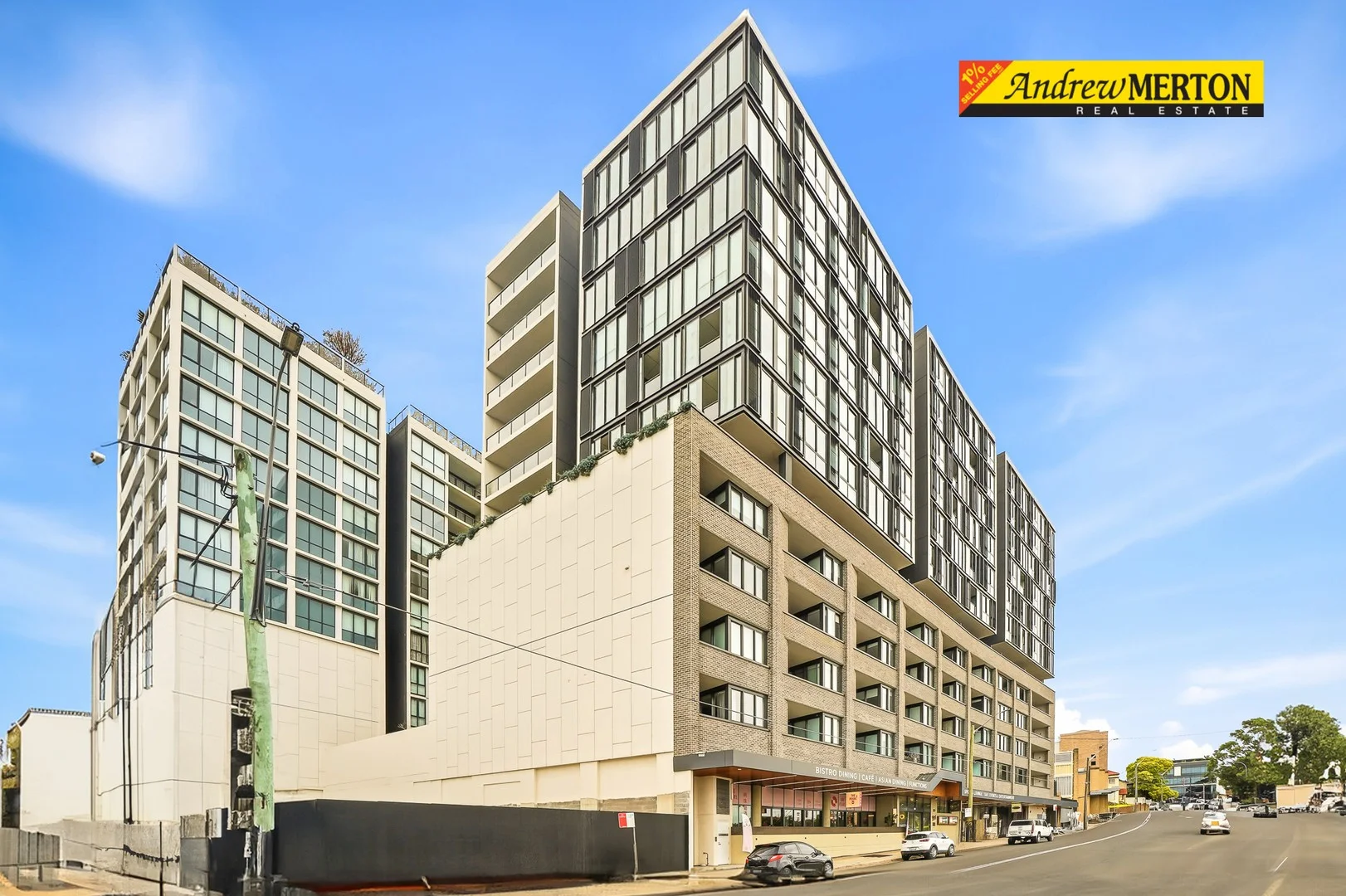 $665,000
Apartment / Unit / Flat
$665,000
Apartment / Unit / Flat
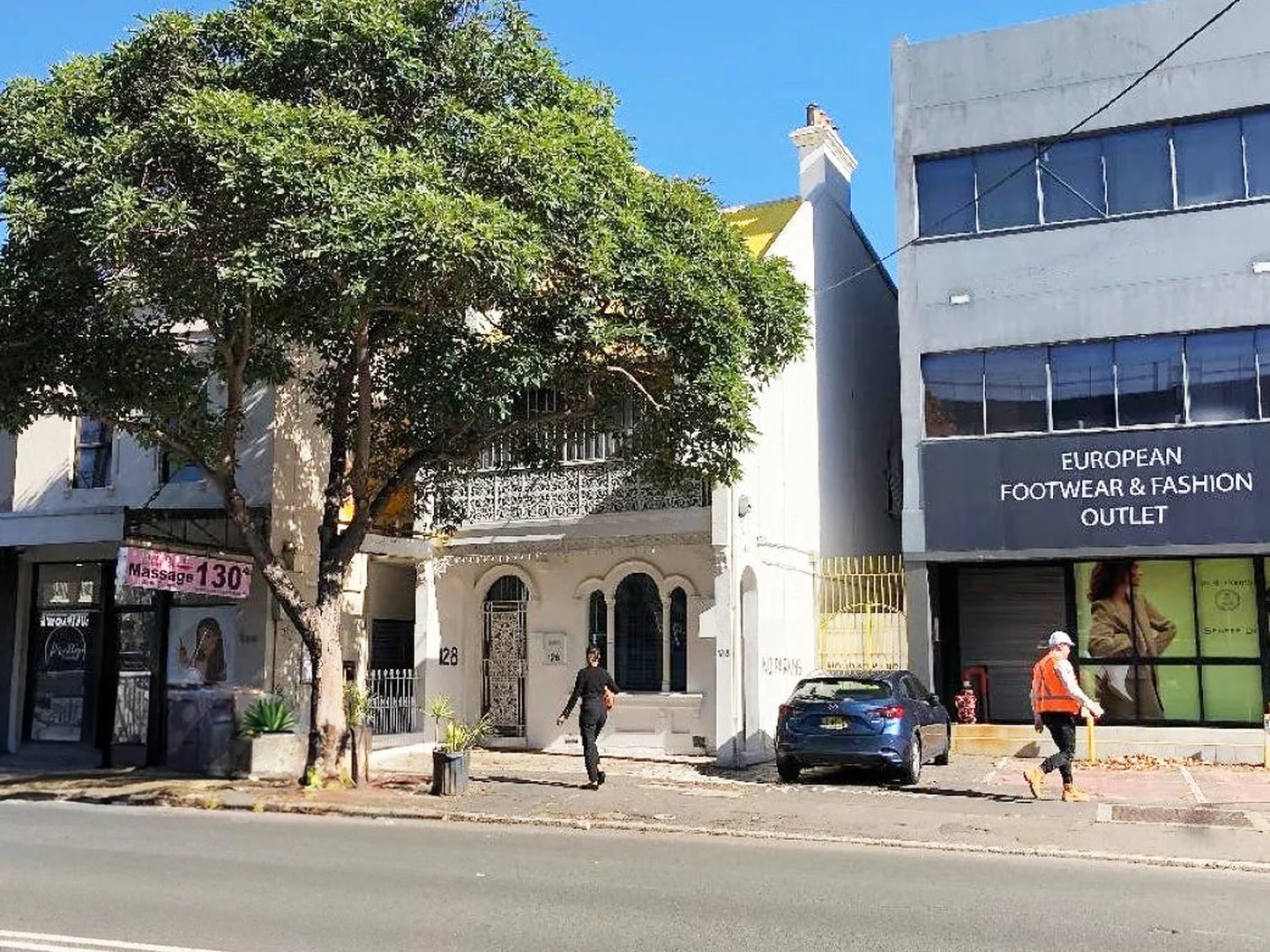 $3,900,000
House
$3,900,000
House
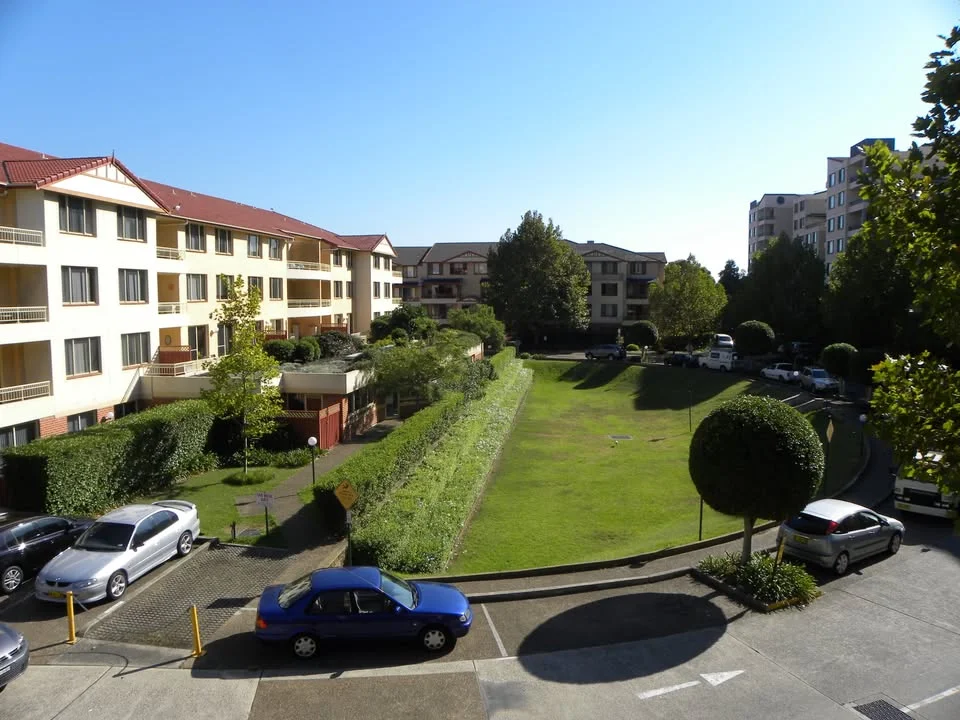 $990
Apartment / Unit / Flat
$990
Apartment / Unit / Flat
 $8,630,000
propertyType.NEW APARTMENTS / OFF THE PLAN
$8,630,000
propertyType.NEW APARTMENTS / OFF THE PLAN
 $12,980,000
propertyType.NEW APARTMENTS / OFF THE PLAN
$12,980,000
propertyType.NEW APARTMENTS / OFF THE PLAN
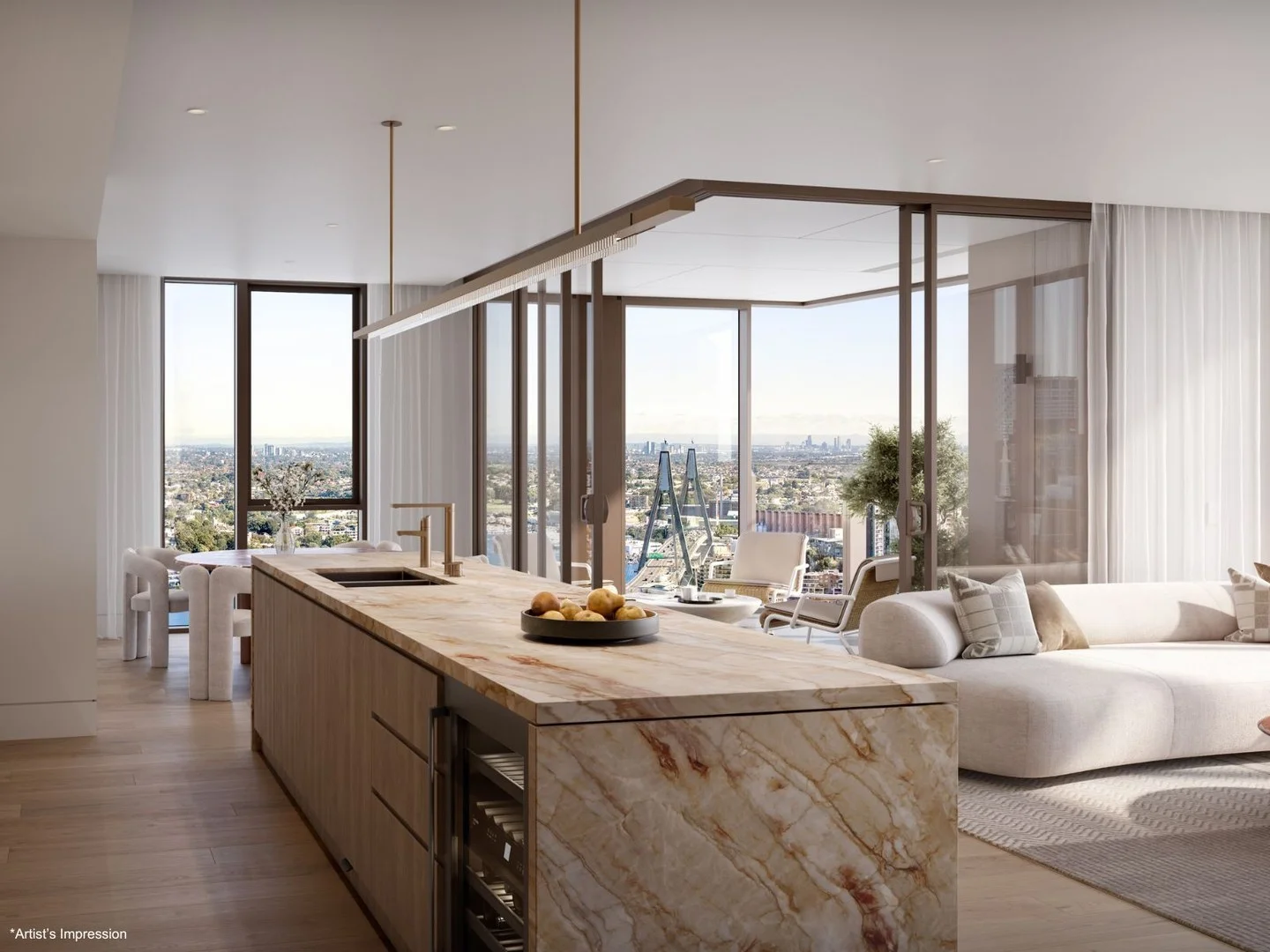 $9,020,000
propertyType.NEW APARTMENTS / OFF THE PLAN
$9,020,000
propertyType.NEW APARTMENTS / OFF THE PLAN
 $6,225,000
propertyType.NEW APARTMENTS / OFF THE PLAN
$6,225,000
propertyType.NEW APARTMENTS / OFF THE PLAN
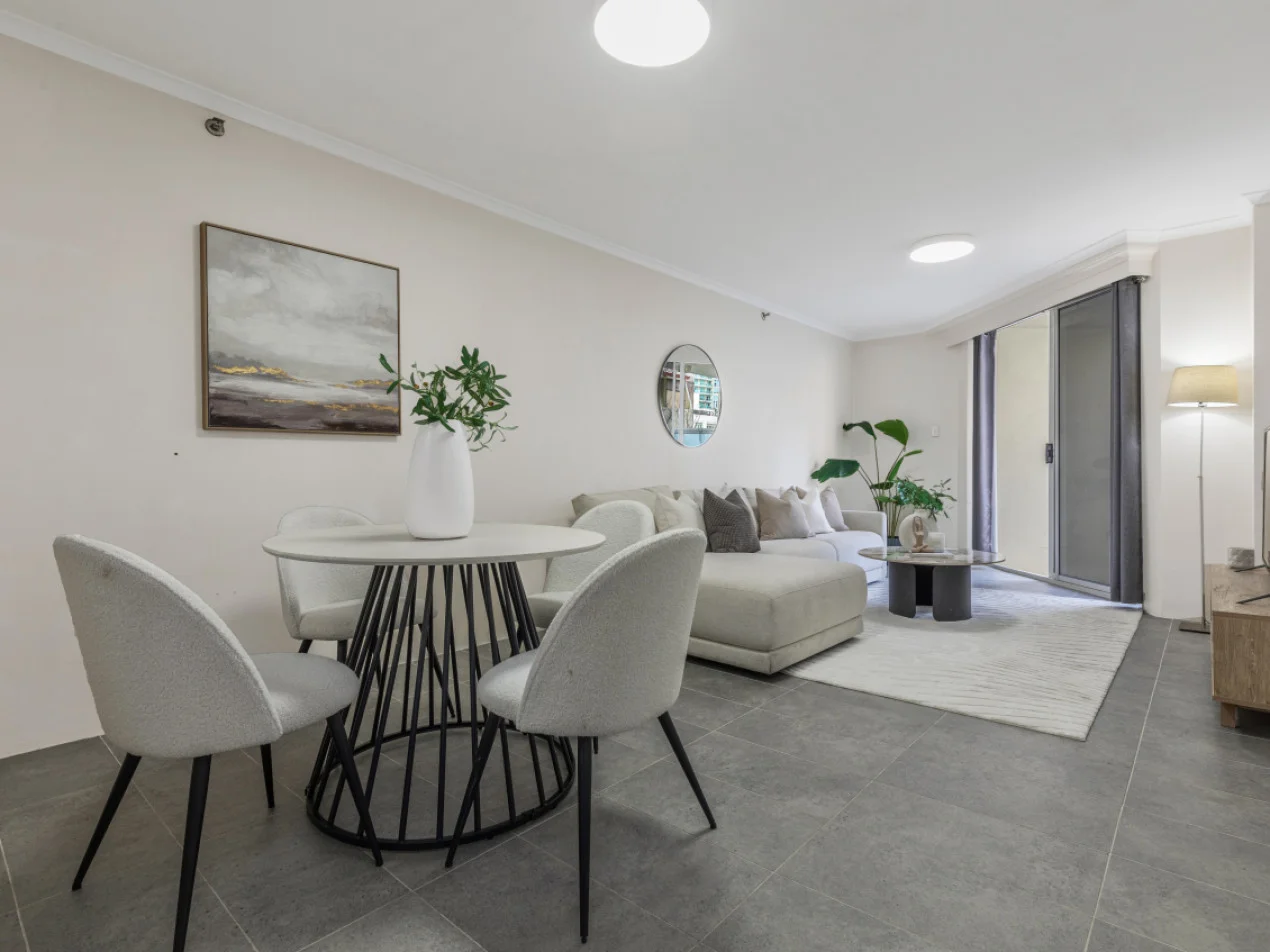 $640,000 - $675,000
Apartment / Unit / Flat
$640,000 - $675,000
Apartment / Unit / Flat
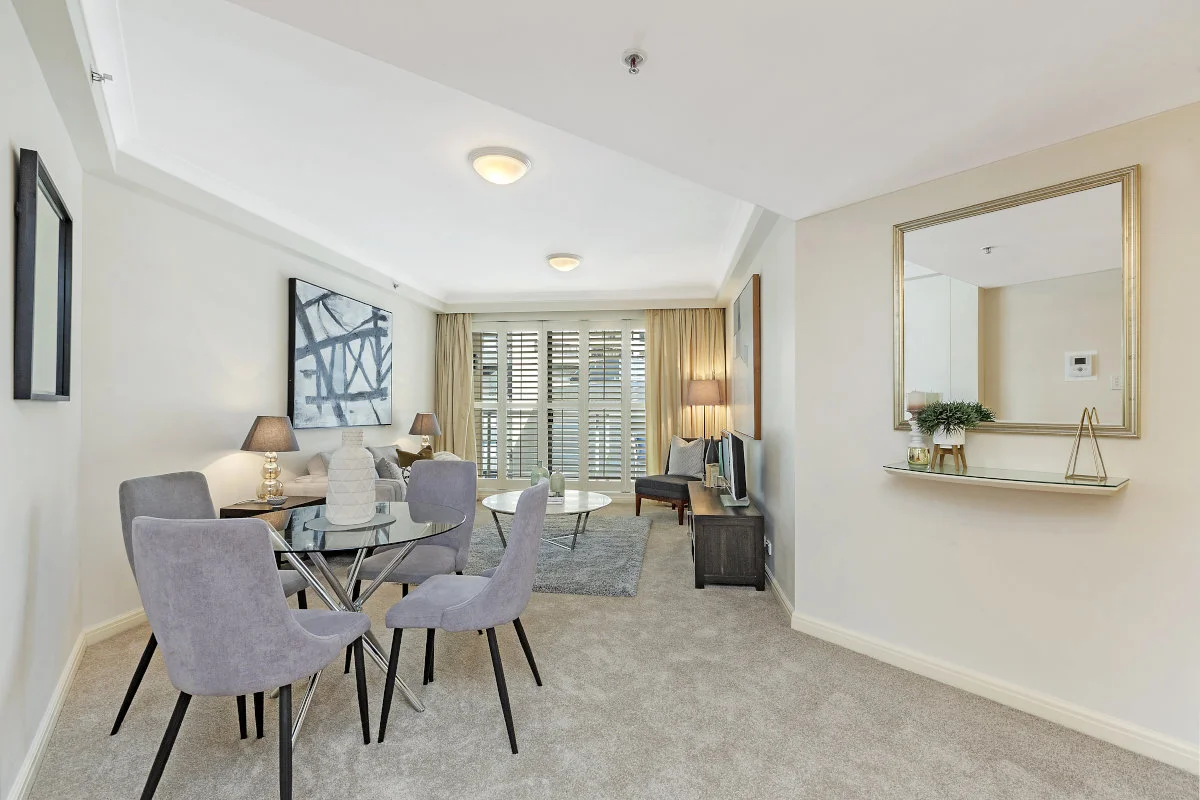 $660,000 - $725,000
Apartment / Unit / Flat
$660,000 - $725,000
Apartment / Unit / Flat


