Overview
## 1. Overview
School Kingdom Culture Christian School is a private/independent Christian co-educational school serving the Arncliffe area of NSW. The school typically operates with a small-to-medium-sized student body and class sizes that foster close teacher–student relationships. The atmosphere is described as nurturing, inclusive, and faith-centered, with an emphasis on balancing academic learning with character formation.
The school aims to provide a values-based environment where students grow academically while developing leadership skills, service-mindedness, and resilience. Families often value the welcoming community, clear faith-based guidance, and opportunities for spiritual development alongside core learning.
## 2. Academics & Learning
- Academic strengths: Core subjects such as English and Mathematics are foundational, with a focus on developing literacy, numeracy, and critical thinking. The curriculum commonly integrates STEM concepts and Christian Studies to foster a holistic understanding of learning within a faith-based context.
- Special programs: Potential opportunities for accelerated or advanced learning pathways and leadership development; specific programs vary by year level and cohort.
- NAPLAN / trends: NSW-wide trends emphasize student growth and progress across key domains; school-specific trend data can be requested to understand year-to-year improvements.
- Student-teacher ratios: Typical ranges around 1:12 to 1:18, depending on year level and class configuration.
- Support for diverse learners: EAL (English as an Additional Language) support and inclusive education for students with additional needs, with targeted adjustments and support where appropriate.
## 3. Sports & Extracurricular Strengths
- Sports offered: Common offerings include football (soccer), basketball, netball, cricket, rugby league, and athletics, with opportunities to participate in local interschool fixtures.
- Strong teams or achievements: Regular participation in local interschool events and competitions; emphasis on teamwork, sportsmanship, and personal bests.
- Music, arts, drama programs: Active music program (instrumental lessons and choir), drama productions, and opportunities in visual arts.
- Clubs: Robotics, coding, chess, debating, and other student-led or instructor-led clubs.
- Partnerships: Connections with local clubs, regional competitions, and community organizations to broaden opportunities outside the classroom.
## 4. Wellbeing & Pastoral Care
- Anti-bullying approach: Clear anti-bullying policies with student wellbeing education and reporting procedures.
- House system: A house-based framework to support pastoral care, events, and friendly competition.
- Counsellors / wellbeing officers: Access to a dedicated wellbeing team or school counsellor for individual and small-group support.
- Transition support for new students: Orientation programs, buddy systems, and targeted transition support to help new students settle in.
## 5. Facilities
- Sports grounds
- Libraries
- Science labs
- Music/performing arts centers
- Tech/innovation labs
- Cafeteria
- Updated playgrounds
## 6. School Values & Community Culture
- School values / mission: Faith-driven education with an emphasis on integrity, compassion, respect, service, and character formation.
- Leadership style: Collaborative and service-oriented leadership that invites student voice and involvement.
- Behaviour expectations: Clear codes of conduct aligned with the school’s values and pastoral support.
- Community reputation: Welcoming, faith-based community with parental involvement and a focus on student wellbeing.
- Diversity & inclusion: Inclusive environment that welcomes families from diverse backgrounds and strives to create a sense of belonging for all students.
## 7. School Logistics & Daily Operations
- School hours: Typical school day scheduling with start and finish times appropriate to NSW norms; full-day instruction with planned breaks.
- Before/after school care: Availability of before- and after-school care or supervision options.
- Uniform requirements: Uniforms are expected as part of daily school attire; details provided by the school.
- Transport (train/bus routes): Access via local public transport with information on recommended routes and drop-off/pick-up arrangements.
- Canteen availability: On-site canteen or lunch program offerings; options for snacks and meals.
- Fees (low/medium/high ranges): Fees are in the mid-range for NSW independent/private schools; exact figures vary by year level and family circumstances.
## 8. Enrolment & Admissions
- 11. What is the enrolment process and timeline?
- Submit an online application with required documents (birth certificate, immunisation records, etc.).
- Admissions review and parent/guardian interview with the student.
- Any placement assessments or tasks (if applicable) and reference checks.
- Offer of admission (subject to space) and acceptance by families.
- Enrollment confirmed; welcome/orientation steps.
- Ongoing communication about next steps and key dates.
- Note: Timelines vary by year level and space availability; earlier applications may secure priority.
- 12. Is there a waiting list, and how does it work?
- Yes, when spaces are full a waiting list is used. Allocation typically follows date of application, with priority given to siblings and local families where applicable. Regular updates are provided to applicants.
- 13. Are there any entry requirements, tests, or interviews?
- Interviews for new students are commonly part of the process. Placement tasks or assessments in English and mathematics may be used as part of the selection process. Immunisation documentation and other standard enrolment checks are typically required.
- 14. Does the school accept mid-year transfers?
- Mid-year transfers may be possible if there is available space. Families should contact the admissions team for current vacancies and the transfer process, which may include interim assessments or meeting with key staff.
## 9. Frequently Asked Questions
- Why Parents Choose This School?
- Many families choose for a values-based education in a supportive, faith-centered community with small class sizes and strong pastoral care.
- What type of student thrives at this school?
- Students who value faith, community, academic growth, and opportunities to contribute to school life, while benefiting from a nurturing environment.
- What opportunities are available for students to extend their skills (academics, sports, arts)?
- Opportunities across academics (extensions and leadership development), sports (interschool fixtures and teams), music and drama programs, and clubs such as robotics, coding, chess, and debating.
- How does the school communicate with parents?
- Through newsletters, emails, school apps or portals, and scheduled parent-teacher conferences; regular updates on events and student progress.
- What is the school’s approach to teaching and learning?
- A student-centered, faith-informed approach that integrates core academics with character education, collaborative learning, and digital literacy.
- How does the school support students who need extra academic help?
- Access to targeted support through EAL and SEN programs, small-group tutoring, and individualized learning adjustments as needed.
- What support is available for academic challenges?
- Additional tutoring, tutoring programs, and ongoing assessment to identify and address learning gaps; collaboration with families to implement effective strategies.
- How does the school communicate with parents? (reiterated)
- See above; multiple channels for timely information and engagement.
- What are the class sizes and how much individual attention do students receive?
- Class sizes typically range around 20–24 students, with teacher availability for guided instruction and individual feedback.
- What extracurricular and sports opportunities are available?
- A range of sports (e.g., soccer, basketball, netball, cricket, athletics), music and drama programs, and clubs like robotics, coding, chess, and debating.
- What facilities does the school offer (sports, science, arts)?
- Sports grounds, libraries, science labs, music/performing arts center, tech/innovation labs, cafeteria, and updated playgrounds.
- What is the school’s approach to technology and digital learning?
- Integration of digital tools to support learning, with appropriate supervision and emphasis on digital literacy and responsible use.
- What transport and accessibility options are available?
- Access via local bus/train routes; options for school-arranged transportation or drop-off/pick-up routines; accessibility considerations discussed with the school.
- What are the typical school fees or additional costs?
- Fees fall in the mid-range for NSW private schools; additional costs may include uniforms, excursions, and activity fees; exact figures provided upon inquiry.
## 10. Short Pros & Cons list
- Pros
- Faith-based, values-driven education in a nurturing environment
- Small-to-medium class sizes fostering individual attention
- Strong wellbeing and pastoral care, with house system support
- Broad range of extracurriculars, including sports, music, drama, and clubs
- Inclusive culture with opportunities for leadership and service
- Cons
- As a private Christian school, the faith-based environment may not suit all families
- Specific programs and facilities can vary by year and cohort; confirm current offerings
- Fees are mid-range relative to NSW private schools; additional costs for trips and uniforms
- Transport options depend on location and available routes; may require planning for commuting
- Some specialised subjects or pathways may be more limited than larger urban schools
If you’d like, I can tailor this content further with exact details from the school’s current materials (e.g., specific programs, locations of facilities, and the latest enrolment steps).








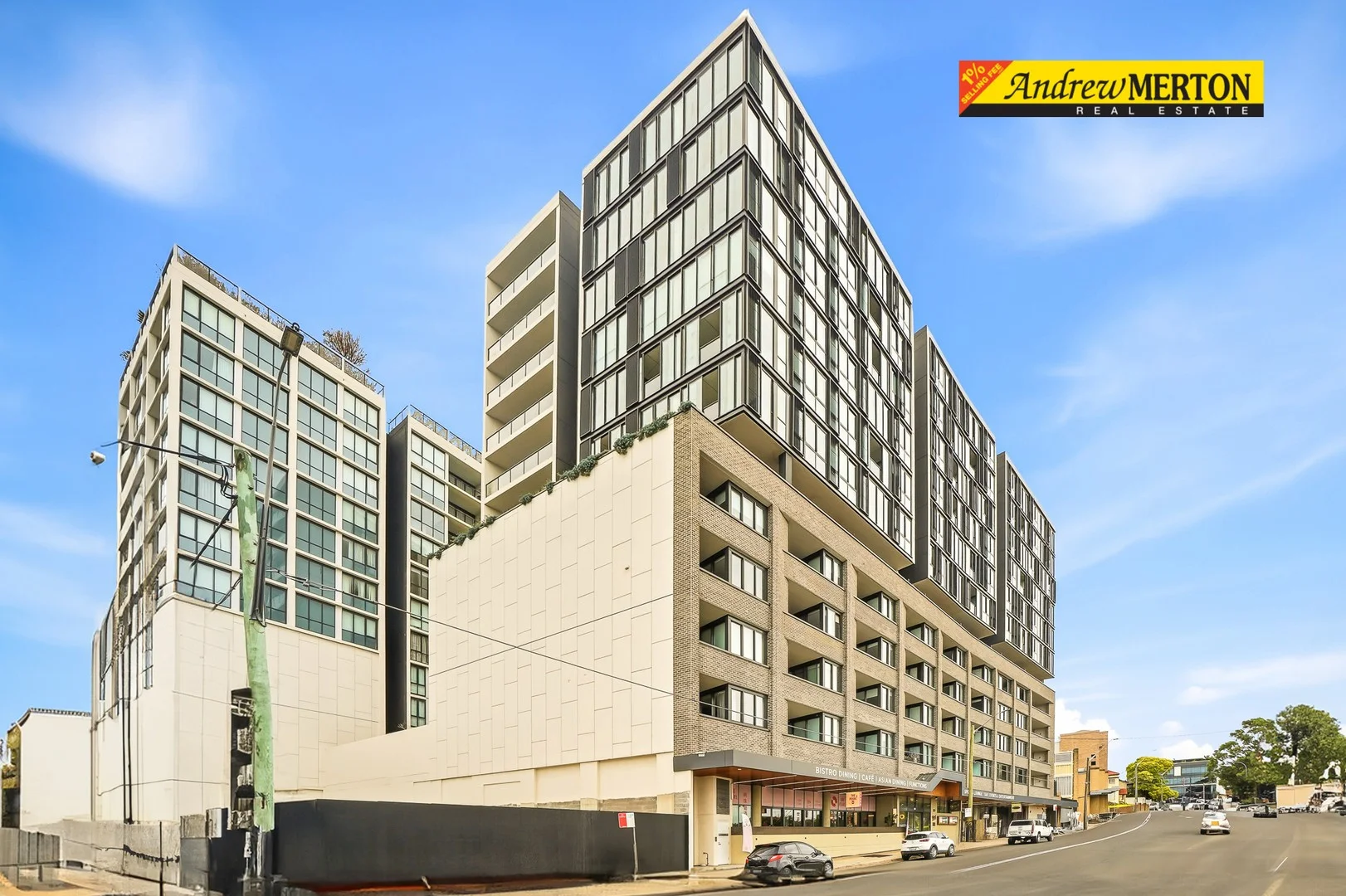 $665,000
Apartment / Unit / Flat
$665,000
Apartment / Unit / Flat
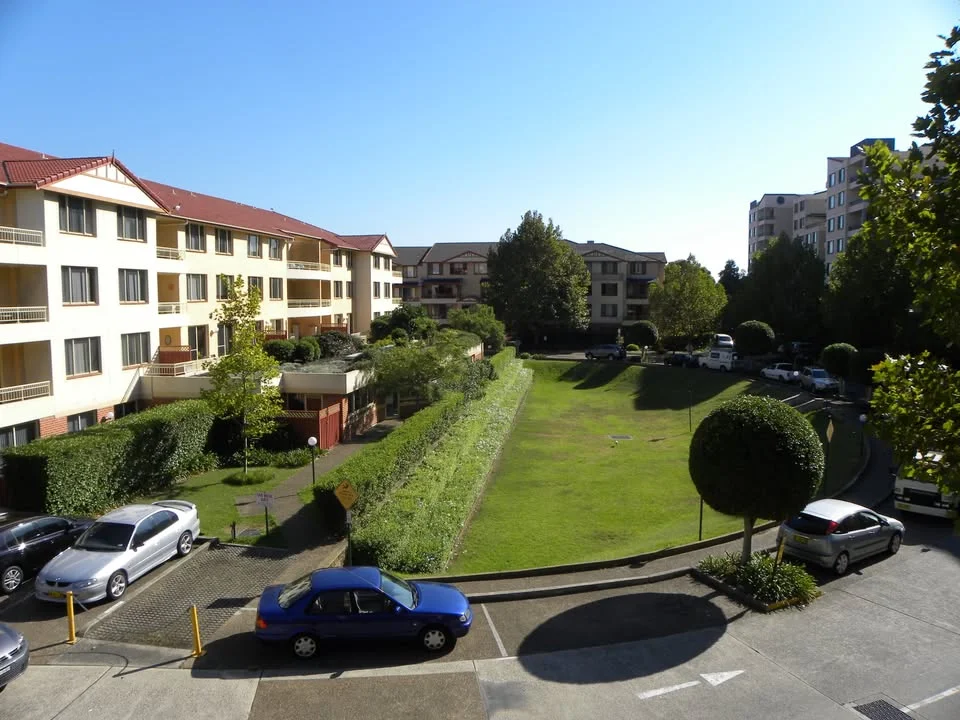 $990
Apartment / Unit / Flat
$990
Apartment / Unit / Flat
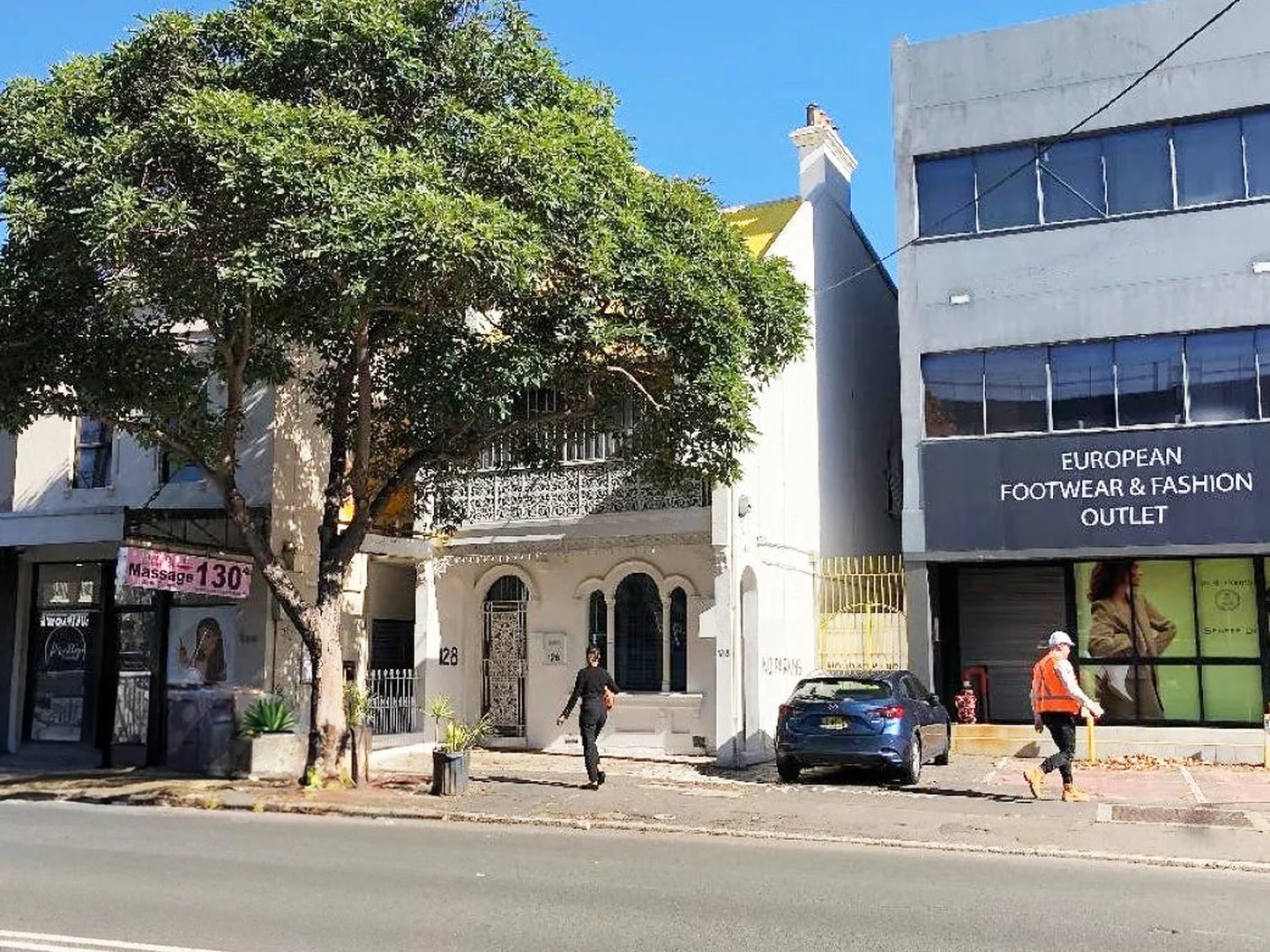 $3,900,000
House
$3,900,000
House
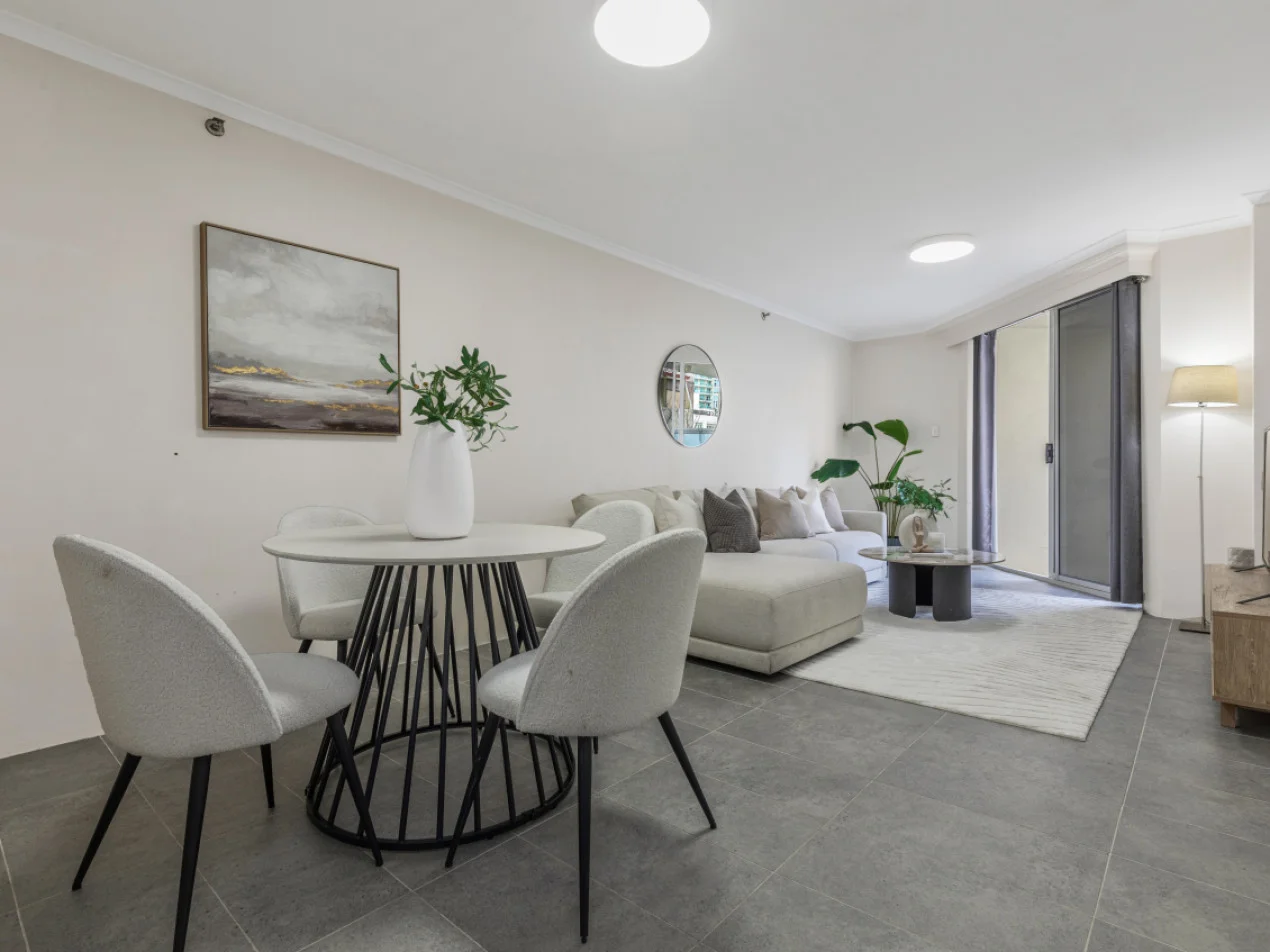 $640,000 - $675,000
Apartment / Unit / Flat
$640,000 - $675,000
Apartment / Unit / Flat
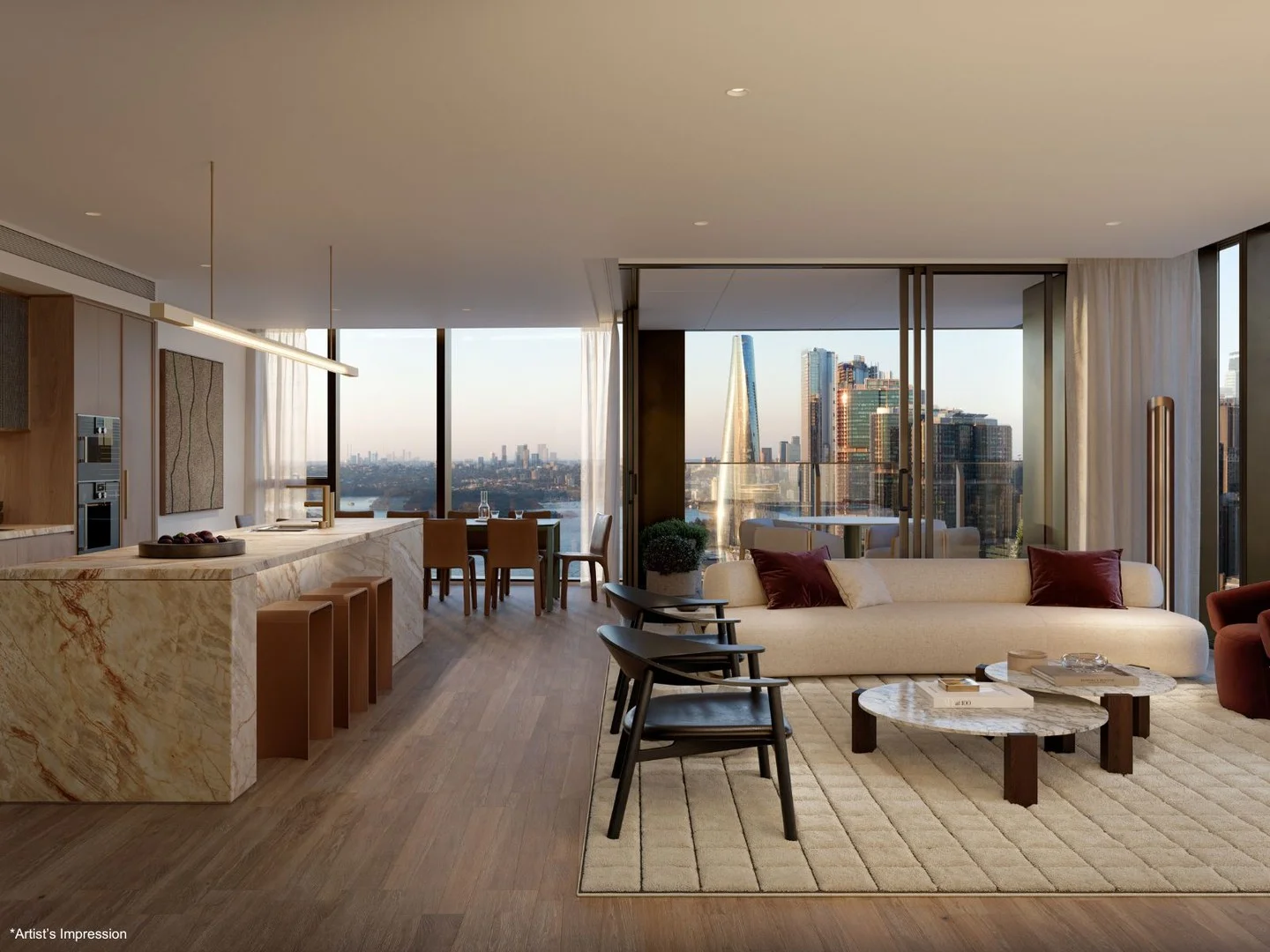 $12,980,000
propertyType.NEW APARTMENTS / OFF THE PLAN
$12,980,000
propertyType.NEW APARTMENTS / OFF THE PLAN
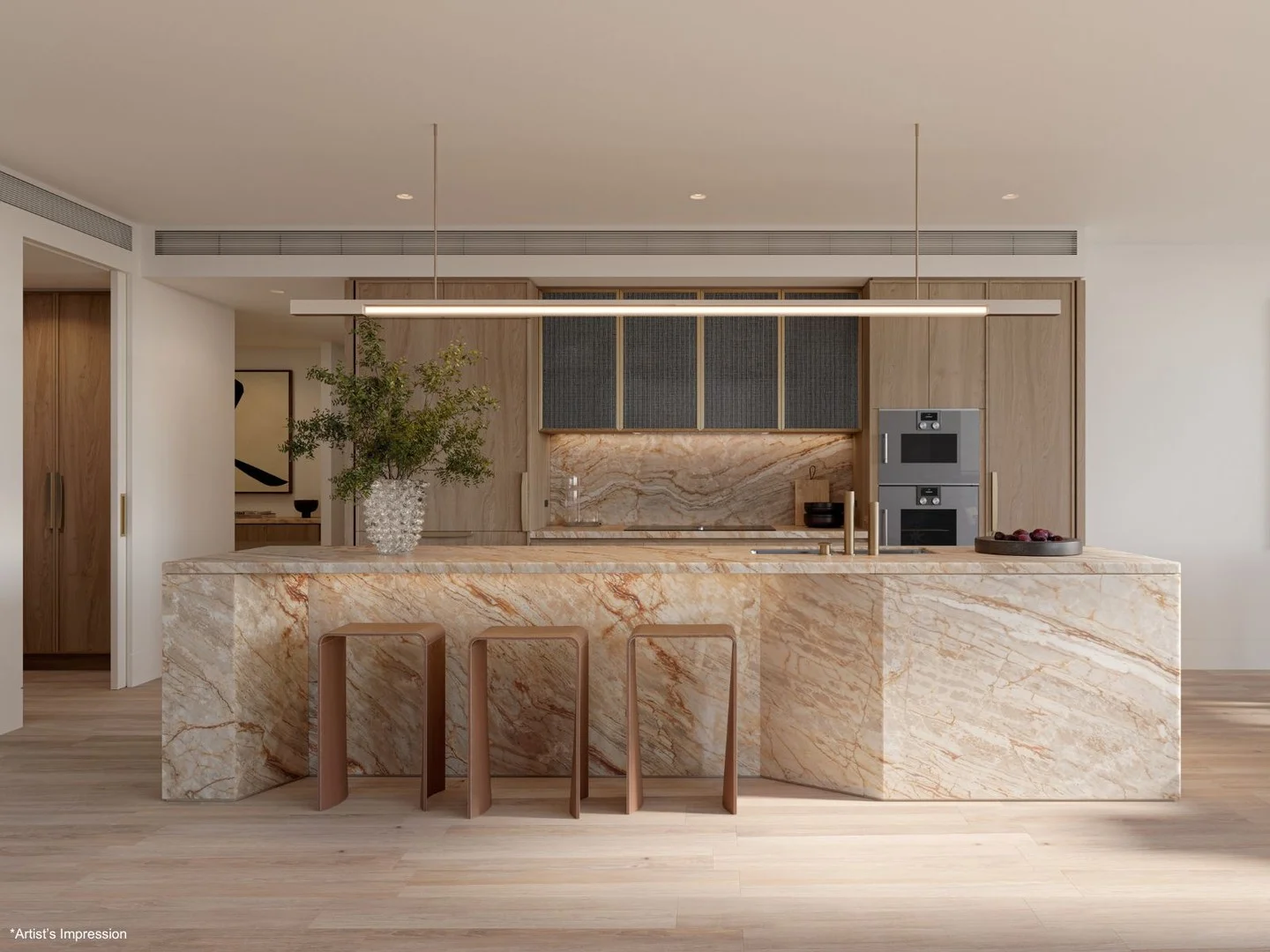 $6,225,000
propertyType.NEW APARTMENTS / OFF THE PLAN
$6,225,000
propertyType.NEW APARTMENTS / OFF THE PLAN
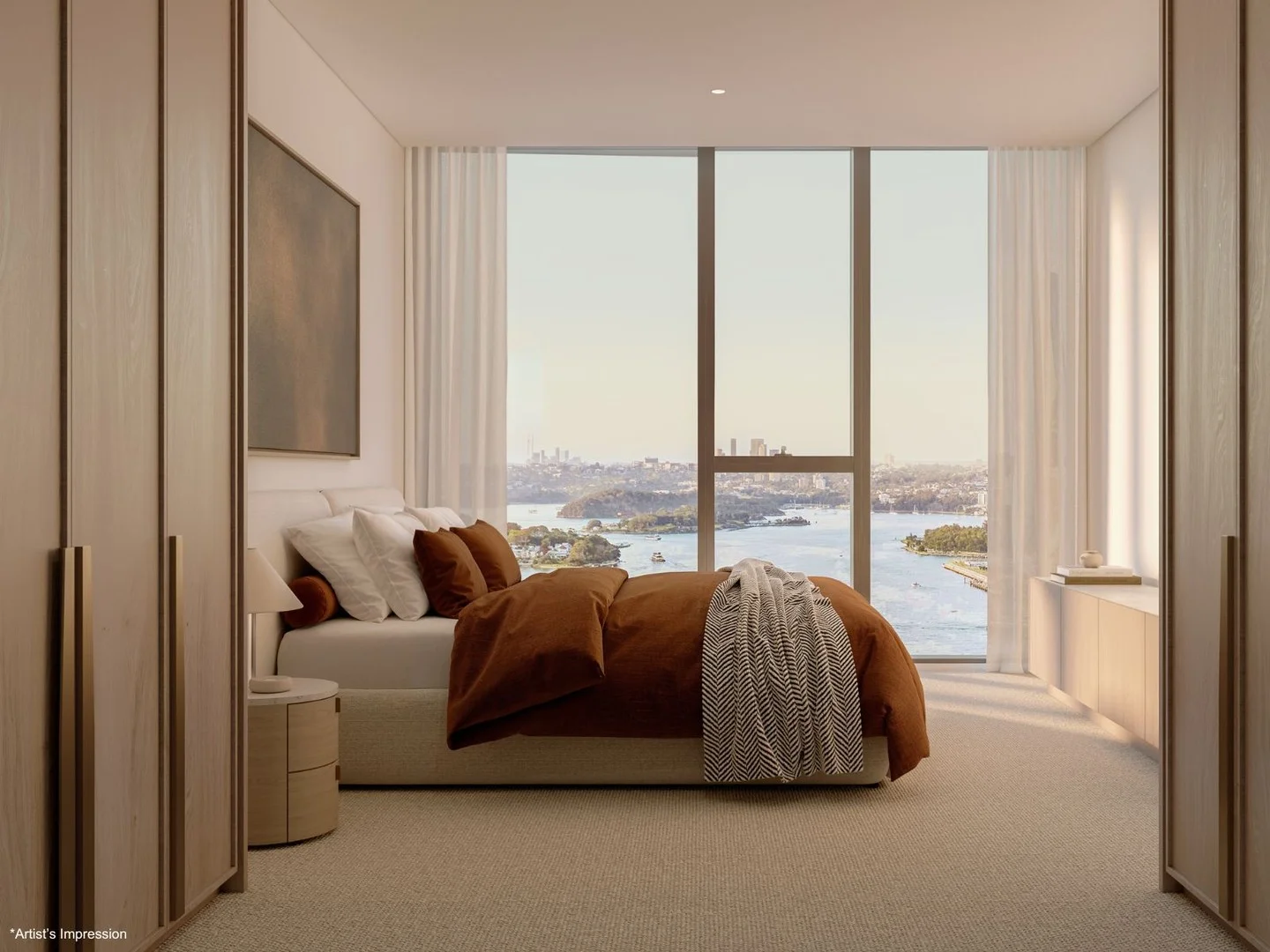 $8,630,000
propertyType.NEW APARTMENTS / OFF THE PLAN
$8,630,000
propertyType.NEW APARTMENTS / OFF THE PLAN
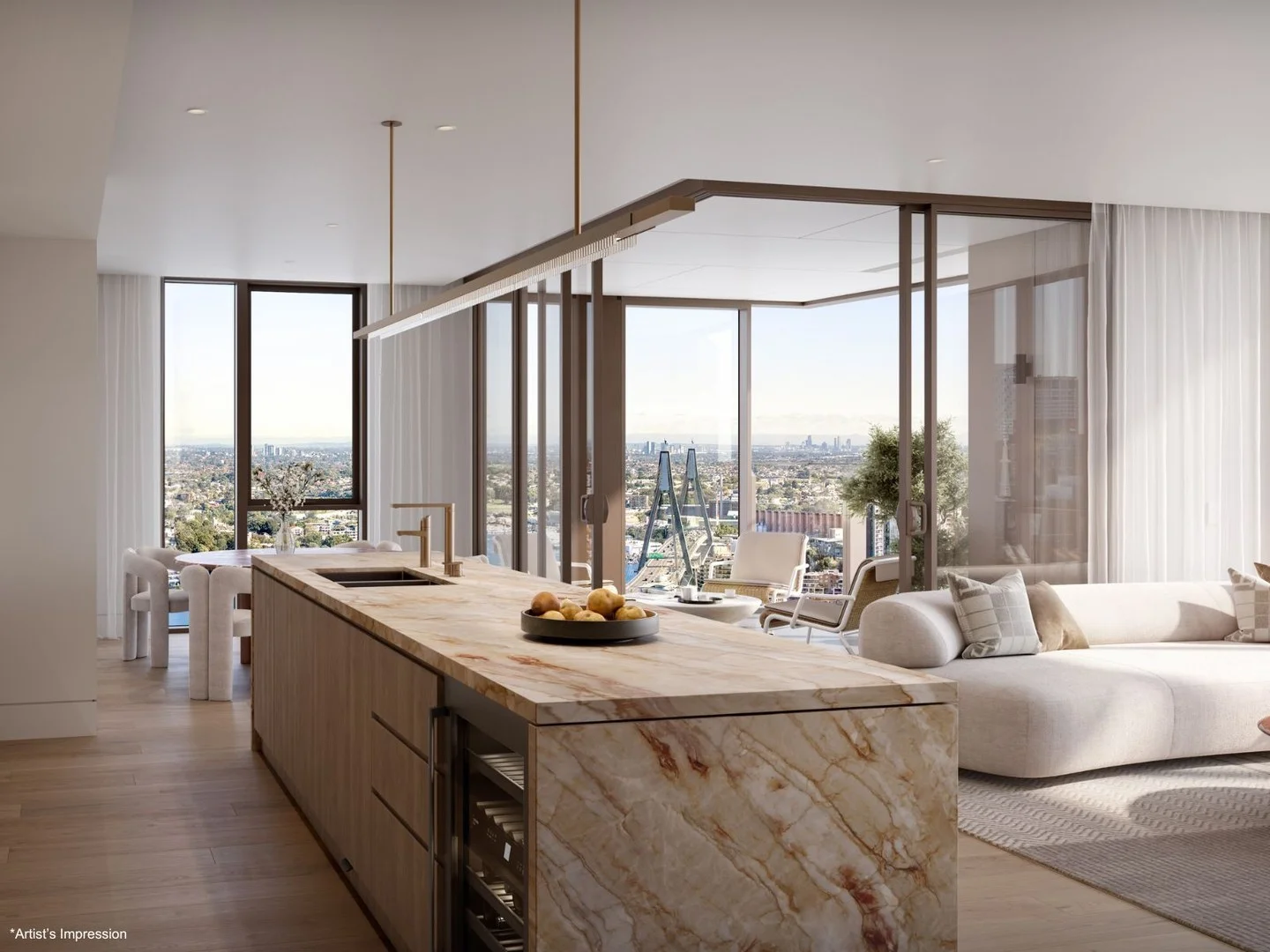 $9,020,000
propertyType.NEW APARTMENTS / OFF THE PLAN
$9,020,000
propertyType.NEW APARTMENTS / OFF THE PLAN
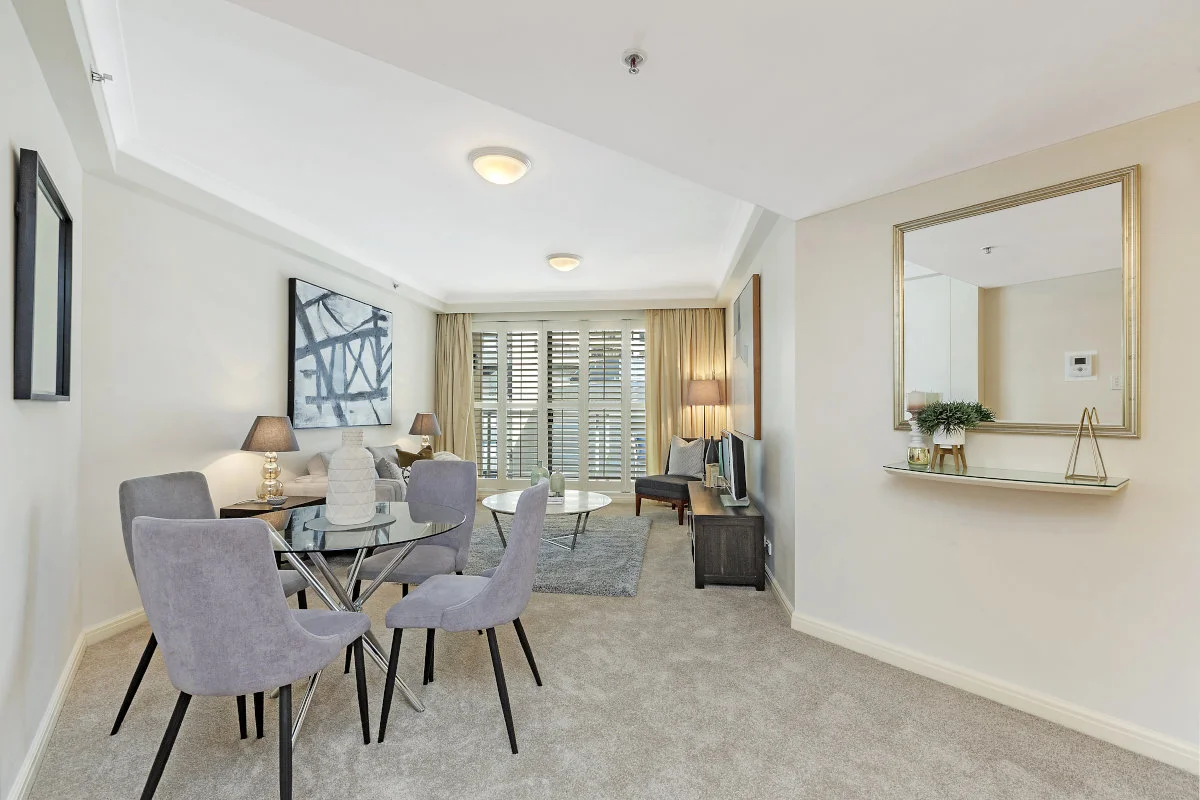 $660,000 - $725,000
Apartment / Unit / Flat
$660,000 - $725,000
Apartment / Unit / Flat


