1. Overview
Our Lady's College, Annerley is a Catholic, single-sex (girls) secondary school serving Brisbane’s Annerley community. The college is medium-sized, with class sizes that sit in the mid-20s in many year levels, supporting a close-knit learning environment. The atmosphere is nurturing and inclusive, emphasising academic achievement alongside faith, service and personal development.
The college fosters a respectful, supportive culture where students are encouraged to lead in service, participate in community activities and pursue breadth across academics, arts and sport. It aims to prepare students not only for success at school but for purposeful, community-focused lives beyond graduation.
2. Academics & Learning
- Academic strengths: Strong emphasis on English and humanities, solid STEM and sciences programs, leadership development, and language study.
- Special programs: Gifted and talented pathways and opportunities for accelerated learning; leadership and service programs embedded in the curriculum.
- NAPLAN trends: Steady year-on-year trends toward improving performance in reading and numeracy; ongoing focus on target areas to lift overall results.
- Student-teacher ratios: Class sizes are medium, with supportive teacher-to-student ratios that enable engaged learning and individual attention where possible.
- Support for diverse learners: On-site support for EAL and SEN students, with access to learning support and tailored classroom adjustments as needed.
3. Sports & Extracurricular Strengths
- Sports offered: Netball, basketball, soccer, volleyball, athletics, swimming and tennis are commonly available, with participation encouraged across grades.
- Strong teams or achievements: Competitive regional teams and participation in inter-school events; emphasis on development and teamwork.
- Music, arts, drama programs: Active programs in music and performing arts, with opportunities for ensemble performance, drama productions and stage technical work.
- Clubs: Robotics, chess, coding, debating and other academic or interest-based clubs are available to broaden learning beyond the classroom.
- Partnerships: Connections with local sporting leagues and community arts and competitions to provide wider opportunities for students to compete and share talents.
4. Wellbeing & Pastoral Care
- Anti-bullying approach: Proactive anti-bullying program with clear reporting channels, student education and peer-support structures.
- House system: House groups foster belonging, leadership and healthy competition through church, school and community activities.
- Counsellors / wellbeing officers: On-site counsellors and wellbeing staff provide accessible support for students and families.
- Transition support for new students: Orientation programs, buddy systems and targeted induction activities to ease transitions between year levels or schools.
5. Facilities
- Sports grounds: On-site playing fields and courts suitable for a range of teams and activities.
- Libraries: Well-stocked library for study, reading for pleasure, and digital research.
- Science labs: Modern science facilities for practical experiments across disciplines.
- Music/performing arts centers: Dedicated spaces for rehearsal, performance and production.
- Tech/innovation labs: Computing and digital-lab spaces to support coding, robotics and project work.
- Cafeteria: Accessible canteen facilities providing daily meals and snacks.
- Updated playgrounds: Well-maintained outdoor spaces for breaks and informal activities.
6. School Values & Community Culture
- School values / mission: Grounded in Catholic ethos, with an emphasis on service, integrity, compassion and community contribution.
- Leadership style: Values-based leadership that encourages student voice, responsibility and collaborative decision-making.
- Behaviour expectations: Clear behavioural standards aligned with respect, responsibility and care for others.
- Community reputation: Recognized for a welcoming, values-driven school culture and a focus on student welfare.
- Diversity & inclusion: Commitment to inclusive practices and supporting a diverse student body within a faith-based milieu.
7. School Logistics & Daily Operations
- School hours: Typical school day follows standard Queensland secondary school timings (start in the morning and finish in the mid–late afternoon), with a structured timetable.
- Before/after school care: Available to families needing early drop-off or after-school care options.
- Uniform requirements: Formal school uniform for daily wear, with appropriate sports uniforms for PE and training.
- Transport (train/bus routes): Accessible via local Brisbane public transport; information on bus routes and travel options is available through BCE and local services.
- Canteen availability: On-site canteen or vending options supporting daily meal and snack needs.
- Fees (low/medium/high ranges): Fees apply to cover tuition and resources; typically of a mid-range level for Catholic independent/systemic high schools, with possible additional costs for certain activities or excursions.
8. Enrolment & Admissions
11. What is the enrolment process and timeline?
- Applications are submitted through the school enrolment process, generally with an annual intake window. Families provide required documentation (certificates, proof of address, Catholic Education details where applicable), followed by a confirmation of enrolment if offered a place.
12. Is there a waiting list, and how does it work?
- Waiting lists are possible if the number of applicants exceeds places. The school follows regional guidelines to place families on the list and communicates timelines and vacancies as they arise.
13. Are there any entry requirements, tests, or interviews?
- Entry requirements typically include documentation and eligibility checks for Catholic education. Some year levels may involve an interview or information session; testing is not always required, but the school may use assessments to understand applicant needs or placement.
14. Does the school accept mid-year transfers?
- Mid-year transfers are considered subject to vacancies and the ability to coordinate enrolment and curriculum alignment.
9. Frequently Asked Questions
- Why Parents Choose This School?
The school offers a values-driven Catholic education in a supportive, inclusive environment with strong academics, pastoral care and a broad range of extracurricular opportunities.
- What type of student thrives at this school?
Students who are motivated, community-minded and open to balancing academics with service, sport, arts and leadership activities tend to thrive here. A willingness to engage with Catholic values and school life is beneficial.
- What opportunities are available for students to extend their skills (academics, sports, arts)?
A diverse program includes accelerated/advanced learning pathways, leadership opportunities, a range of clubs (robotics, coding, debating), performing arts and competitive sports, plus partnerships for broader competitions.
- How does the school communicate with parents?
Regular communications via newsletters, parent portals, email updates and scheduled parent-teacher meetings keep families informed about learning progress, events and wellbeing.
- What is the school’s approach to teaching and learning?
A student-centred approach focuses on active learning, critical thinking, collaboration and applying knowledge to real-world contexts, supported by skilled teachers and targeted learning supports.
- How does the school support students who need extra academic help?
Dedicated learning support staff and targeted interventions are available, with in-class adjustments and referrals to additional resources as needed.
- What support is available for academic challenges?
On-site counselling, study skill programs, tutoring options and tailored classroom supports help students address challenges and build resilience.
- How does the school communicate with parents?
See above: regular updates, parent portals, and direct lines to teachers and administrators.
- What are the class sizes and how much individual attention do students receive?
Class sizes are medium, with the possibility of smaller group work and targeted teacher assistance during lessons and through available learning support.
- What extracurricular and sports opportunities are available?
A broad mix of sports, arts, music and clubs (robotics, chess, coding, debating) provides ample opportunities to pursue interests and develop additional skills.
- What facilities does the school offer (sports, science, arts)?
Excellent sports facilities, libraries, modern science labs, performing arts spaces, tech/innovation labs, canteen and well-maintained outdoor areas.
- What is the school’s approach to technology and digital learning?
Emphasis on integrating technology across subjects, with computing and coding opportunities and safe, responsible digital practices.
- What transport and accessibility options are available?
Access via local public transport; information on routes and accessibility is provided to families as needed.
- What are the typical school fees or additional costs?
Fees are in the mid-range for Catholic secondary education, with some additional costs for specific activities, excursions or voluntary programs.
10. Short Pros & Cons list
Pros
- Strong Catholic identity with values-based education
- Supportive wellbeing and pastoral care
- Broad range of academics, arts and sports
- Inclusive, community-focused culture
- Good facilities for science, arts and technology
Cons
- Single-sex environment may not suit families seeking co-education
- Fees relative to public options; costs for activities/excursions can add up
- Places may be limited; waiting lists can occur during oversubscription
- Commute may be a consideration for families outside the immediate area
If you’d like, I can tailor any section with more specific language or adjust the emphasis (e.g., brighter focus on STEM, or more detail on pastoral care) to fit your Aroundschools style.






 $770,000
Apartment / Unit / Flat
$770,000
Apartment / Unit / Flat
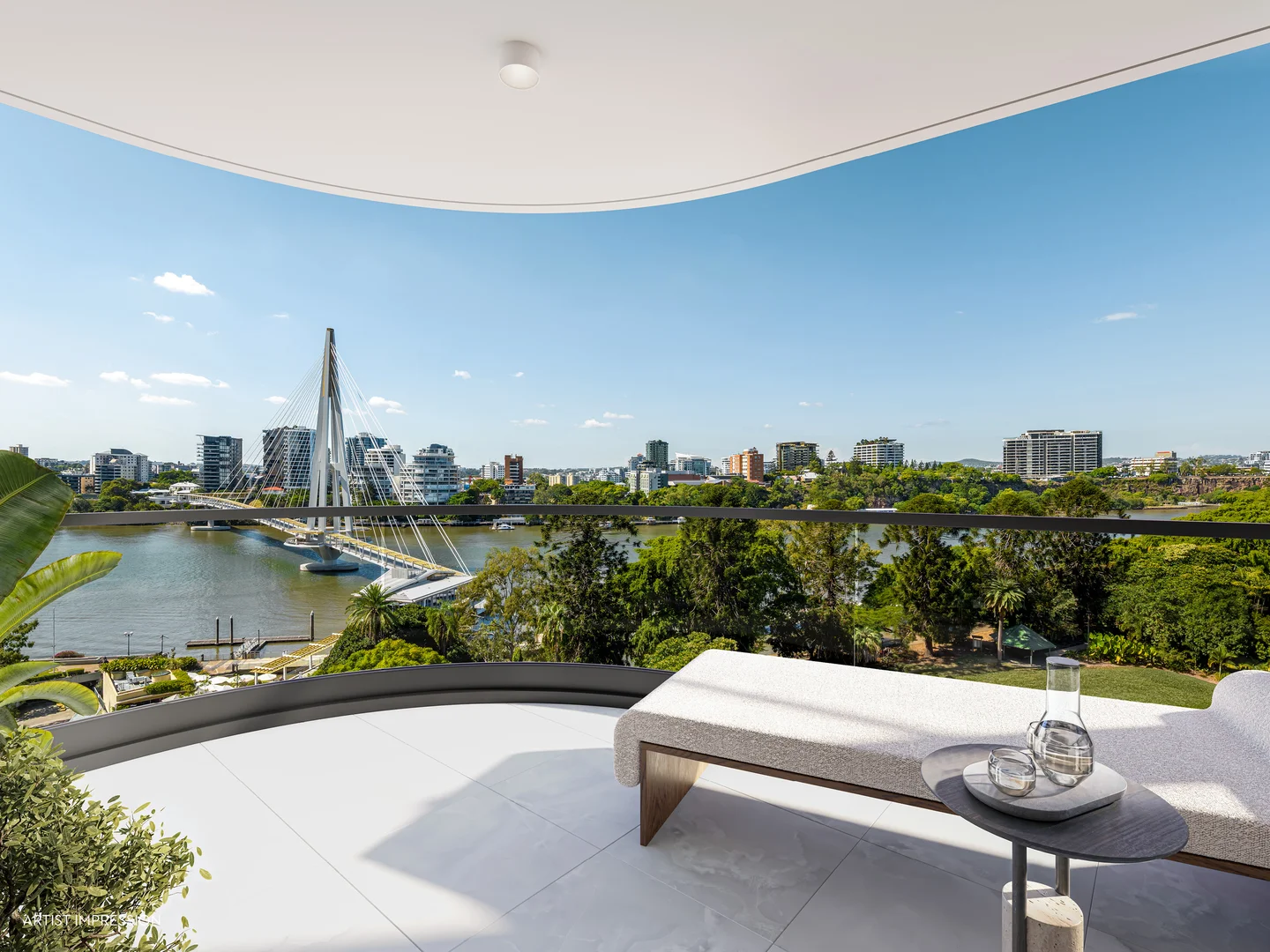 $1,475,000 - $2,090,000
propertyType.NEW APARTMENTS / OFF THE PLAN
$1,475,000 - $2,090,000
propertyType.NEW APARTMENTS / OFF THE PLAN
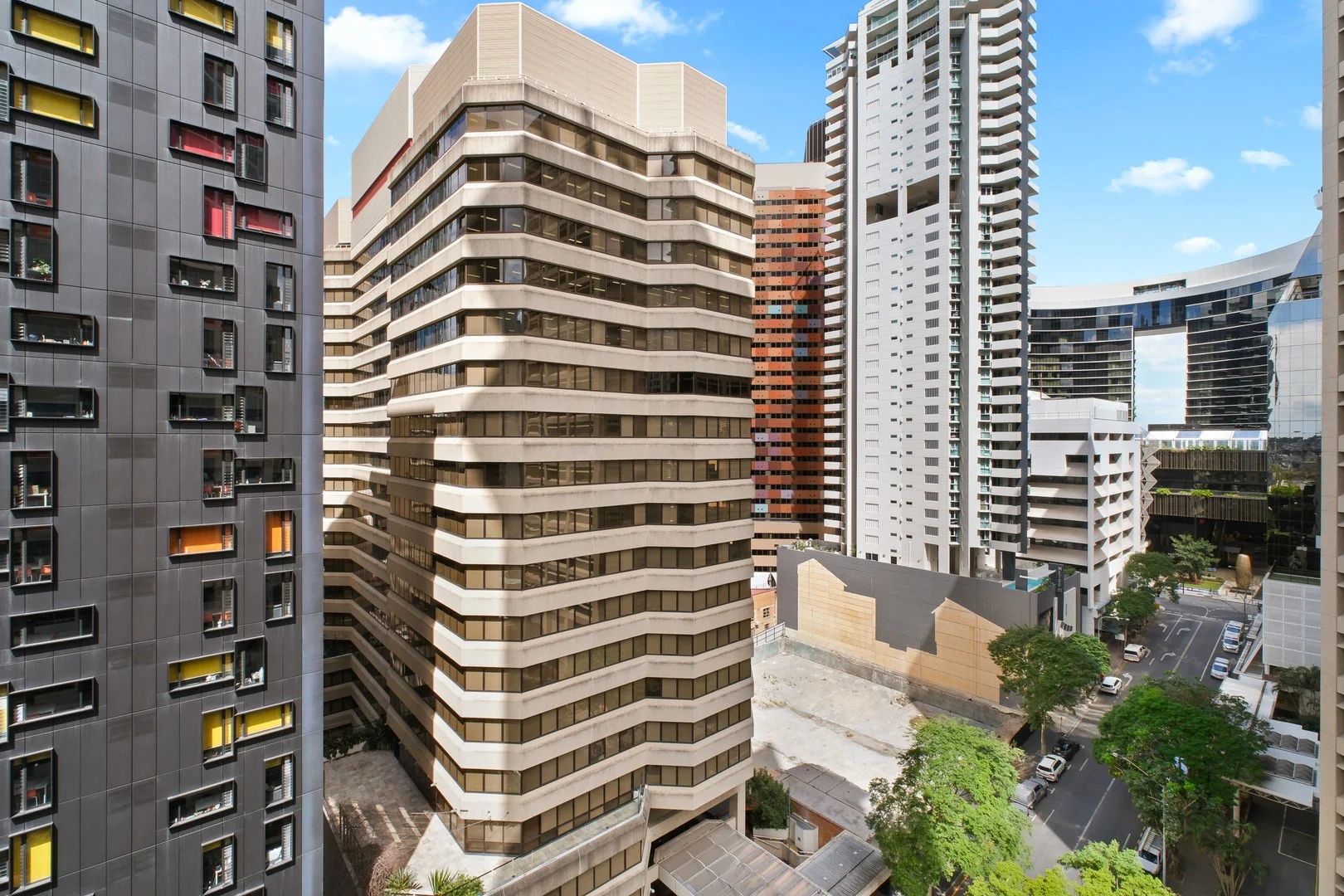 $550,000
Apartment / Unit / Flat
$550,000
Apartment / Unit / Flat
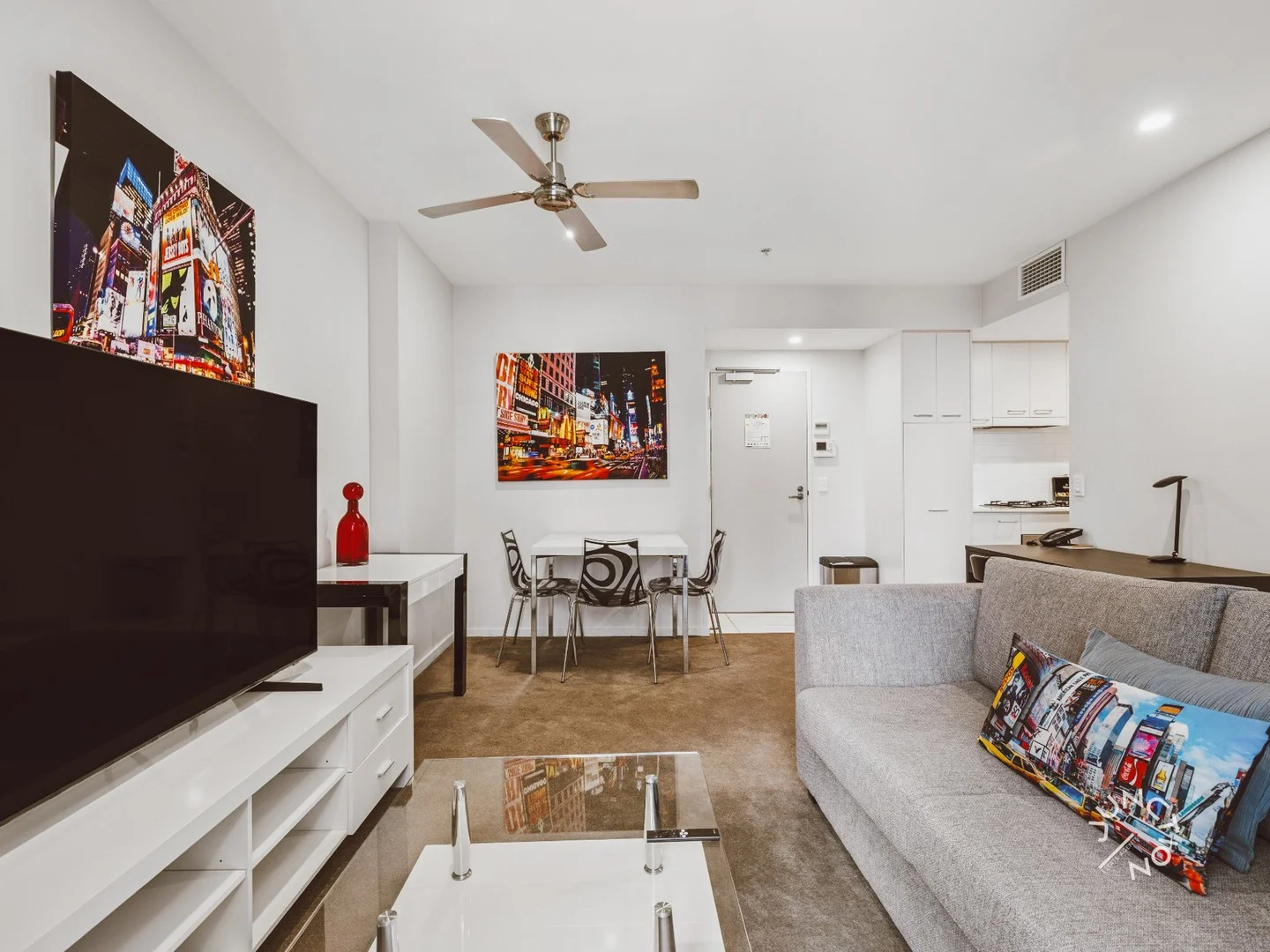 $523,200 - $566,800
Apartment / Unit / Flat
$523,200 - $566,800
Apartment / Unit / Flat
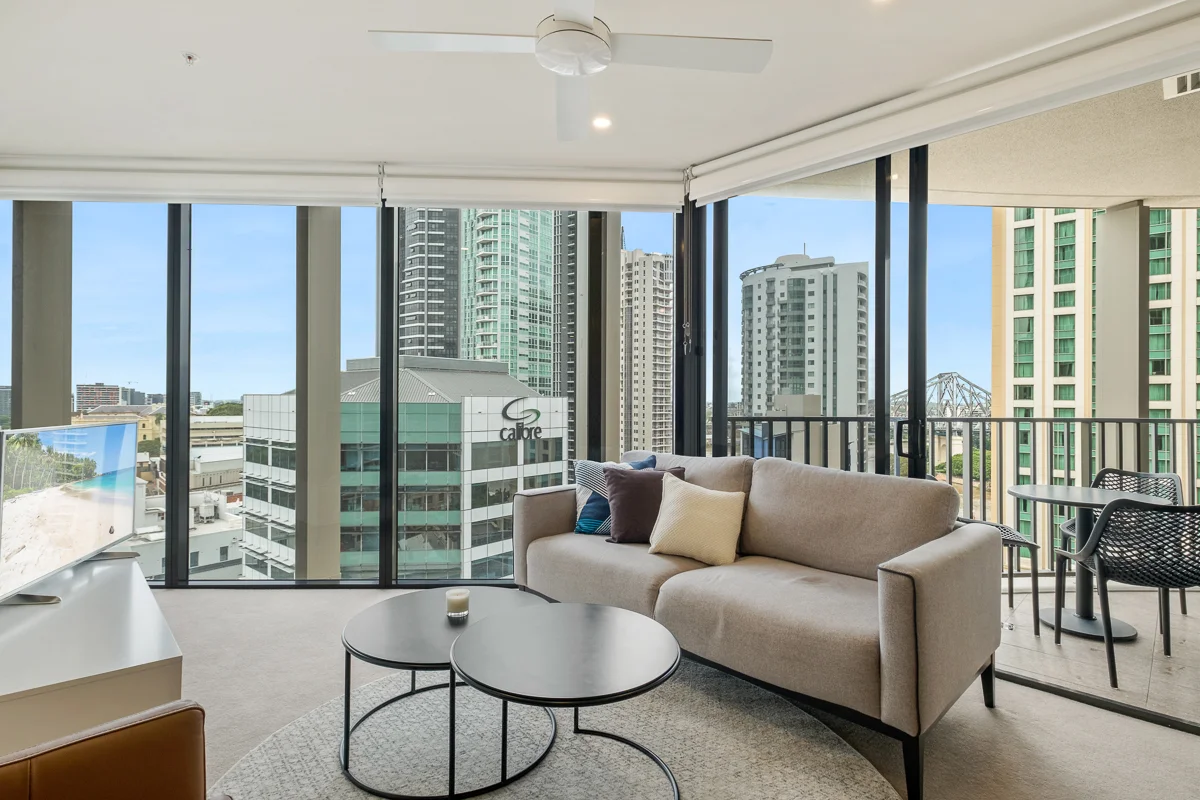 $950,000
Apartment / Unit / Flat
$950,000
Apartment / Unit / Flat


