Overview
# Overview
St Sebastian's Catholic Primary School is a Catholic, private primary school serving the Yeronga community in Queensland. The school blends faith-based education with a nurturing, inclusive atmosphere designed to support students across year levels.
The school is small to medium in size, with class sizes that aim to be manageable and conducive to individual attention. The culture is family-friendly and supportive, emphasising faith, respect, and a collaborative approach to learning.
# Academics & Learning
- Academic strengths: English and Mathematics are prioritized, with integration of STEM and literacy across the curriculum. The school also emphasises religious education as a core part of learning and development.
- Special programs: Opportunities may include gifted and talented options, accelerated learning pathways, and programs that integrate leadership development and faith formation.
- NAPLAN / trends: The school focuses on individual progress and growth, with a view to improving outcomes over time and aligning with state expectations.
- Student-teacher ratios: Class sizes are kept small to medium to support personalised teaching and targeted support.
- Support for diverse learners: There are supports for diverse learners, including EAL (English as an Additional Language) assistance and SEN (special educational needs) support through a dedicated learning support framework.
# Sports & Extracurricular Strengths
- Sports offered: A range of traditional primary-school sports such as soccer, rugby league, cricket, netball, athletics, and swimming may be available, with opportunities for inter-school competitions.
- Strong teams or achievements: The school participates in inter-school events and strives for achievement in representative and team sports.
- Music, arts, drama programs: A proactive approach to music and performing arts is common, including choir or ensemble opportunities and drama activities.
- Clubs: Robotics, coding, chess, debating, and other enrichment clubs are typically offered to extend student interests.
- Partnerships: The school engages with local clubs and community organizations for competitions and enrichment activities to broaden student experiences.
# Wellbeing & Pastoral Care
- Anti-bullying approach: A clear, proactive anti-bullying stance with pastoral care to foster a safe and respectful environment.
- House system: A house or pastoral grouping structure helps build belonging, teamwork, and healthy competition.
- Counsellors / wellbeing officers: Access to wellbeing staff and support services to assist student resilience and social-emotional development.
- Transition support: Structured programs assist new students with transition into school routines, friendships, and classroom expectations.
# Facilities
- Sports grounds: On-site outdoor spaces suitable for physical education and sports.
- Libraries: A dedicated library for reading programs and research activities.
- Science labs: Facilities or learning spaces that support hands-on science learning.
- Music/performing arts centers: Space for music instruction, rehearsals, and performances.
- Tech/innovation labs: Access to technology-rich spaces for coding, digital projects, and maker activities.
- Cafeteria: A canteen or eating area that supports student lunches and healthy choices.
- Updated playgrounds: Well-maintained play areas that encourage safe outdoor play and exploration.
# School Values & Community Culture
- School values / mission: A faith-based mission centered on Catholic values such as compassion, service, respect, and integrity.
- Leadership style: A collaborative leadership approach that involves students, families, and staff in the learning community.
- Behaviour expectations: Clear, consistent expectations that promote responsibility, kindness, and positive conduct.
- Community reputation: Known for a welcoming atmosphere and supportive involvement from families and parish connections.
- Diversity & inclusion: A commitment to welcoming students from diverse backgrounds and ensuring inclusive opportunities for all.
# School Logistics & Daily Operations
- School hours: Daytime hours aligned with primary-school timetables, with transition periods and structured routines.
- Before/after school care: Availability of care options before and after school to support working families.
- Uniform requirements: School uniform policy with specifics on daily and formal/gala attire as appropriate.
- Transport (train/bus routes): Access to local transport options and guidance on routes for commuting families.
- Canteen availability: On-site or nearby canteen facilities offering kid-friendly options.
- Fees (low/medium/high ranges): Fees fall into a moderate range for private Catholic primary schools, with transparency around compulsory charges and optional activities.
# Enrolment & Admissions
11. What is the enrolment process and timeline?
- Applications typically begin with submitting an enrolment form and required documentation, followed by any school-specific steps (interviews or gatherings). Timelines vary by intake year, so it’s best to start early and confirm dates with the school preschool to senior primary admissions team.
12. Is there a waiting list, and how does it work?
- Many Catholic primary schools maintain a waiting list once applications exceed available places. Priority may be given to siblings, parishioners, and date of application. The school will provide the current process and probable wait times.
13. Are there any entry requirements, tests, or interviews?
- Entry often includes a combination of documentation, parish or family information, and a formal interview or family information session. Standardised tests are not always required unless there are specific entry programs or gifted-and-talented considerations.
14. Does the school accept mid-year transfers?
- Mid-year transfers can be possible if space is available and the school approves the transition. Prospective families should contact the admissions team to discuss availability and required documentation.
# Frequently Asked Questions
- Why Parents Choose This School?
- A faith-based environment with strong community values, supportive pastoral care, small-class attention, and a focus on holistic development.
- What type of student thrives at this school?
- Students who value faith-based education, collaborative learning, and inclusive communities; those who benefit from smaller class sizes and structured pastoral support.
- What opportunities are available for students to extend their skills (academics, sports, arts)?
- Enrichment programs in literacy, numeracy, STEM, leadership, arts, music, drama, and active participation in sport and inter-school events.
- How does the school communicate with parents?
- Regular updates through newsletters, calendars, parent-teacher meetings, and digital platforms that help families stay connected with classroom progress and events.
- What is the school’s approach to teaching and learning?
- A balanced, curriculum-integrated approach that combines academic rigor with faith-based values, student wellbeing, and differentiated instruction.
- How does the school support students who need extra academic help?
- Targeted support from a learning support team, alongside class teachers, with targeted interventions for literacy and numeracy as needed.
- What support is available for academic challenges?
- Individualised support plans, in-class accommodations, small-group tutoring, and collaboration between teachers and specialist staff.
- How does the school communicate with parents? (Note: repeated)
- See above; ongoing communication via newsletters, portals, and parent-teacher meetings.
- What are the class sizes and how much individual attention do students receive?
- Class sizes are kept small to medium, enabling more individualized attention and timely differentiation.
- What extracurricular and sports opportunities are available?
- A mix of sports, music and performing arts, clubs in robotics, coding, chess, and debating, with opportunities for inter-school competition.
- What facilities does the school offer (sports, science, arts)?
- Sports grounds, libraries, science labs, music/performing arts spaces, tech/innovation labs, canteen, and well-equipped play areas.
- What is the school’s approach to technology and digital learning?
- Integration of digital tools and resources to enhance learning, with guided use of technology for research, coding, and creative projects.
- What transport and accessibility options are available?
- Local transport guidance and support for families using buses or trains, with policies to assist access to the school.
- What are the typical school fees or additional costs?
- Fees are described as moderate for a private Catholic primary; families are advised to review the school’s current fee schedule for exact amounts and levies.
# Short Pros & Cons list
- Pros
- Faith-based, values-driven education with a caring, inclusive community
- Small to medium class sizes enabling individual attention
- Strong wellbeing and pastoral care framework
- Broad extracurricular and enrichment opportunities
- Supportive learning environment with diverse learner provisions
- Cons
- Private school fees may be higher than public options
- Enrolment can be competitive leading to waiting lists
- Availability of mid-year placements depends on space
- Parental involvement andSacramental programs may require time and commitment





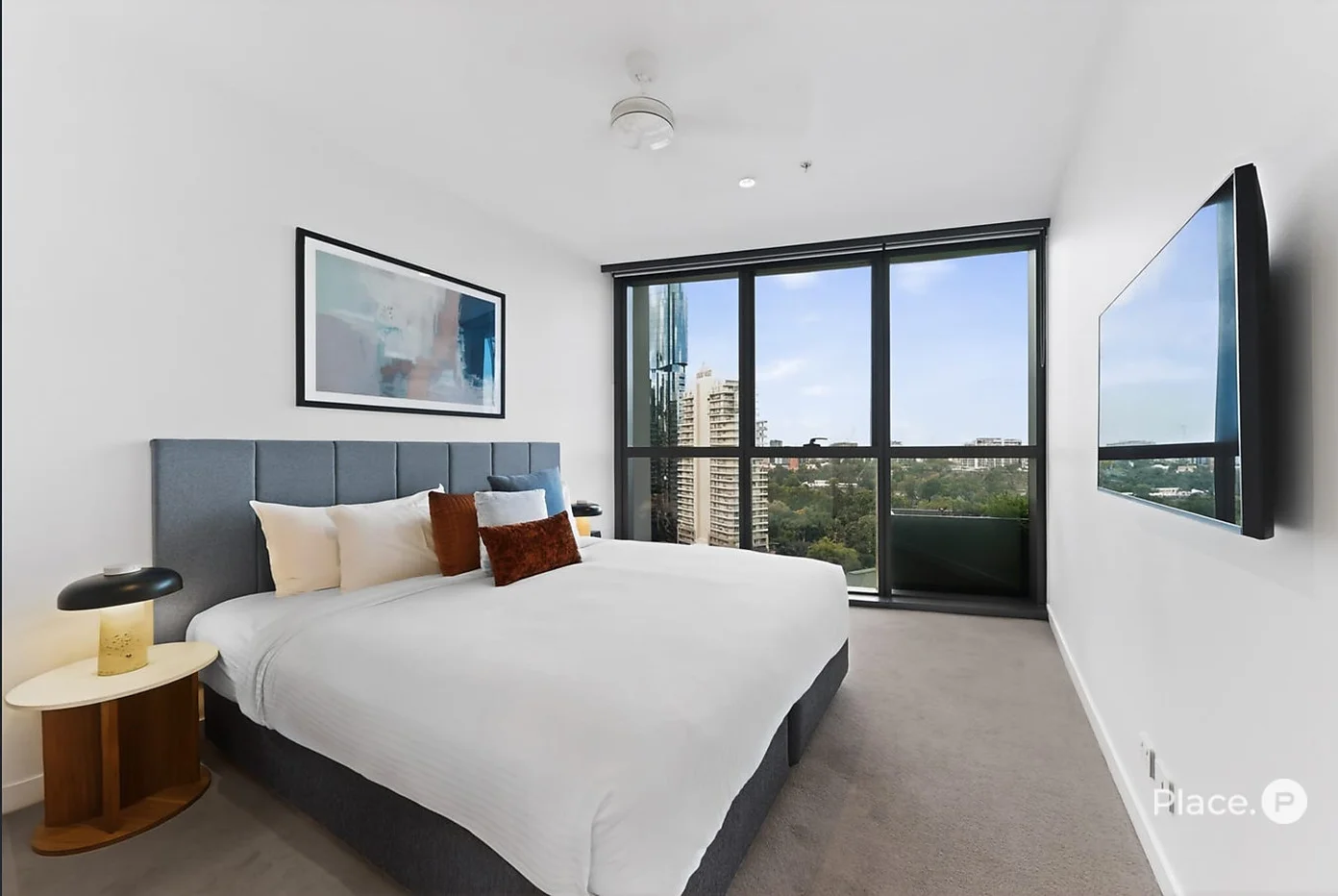 $770,000
Apartment / Unit / Flat
$770,000
Apartment / Unit / Flat
 $550,000
Apartment / Unit / Flat
$550,000
Apartment / Unit / Flat
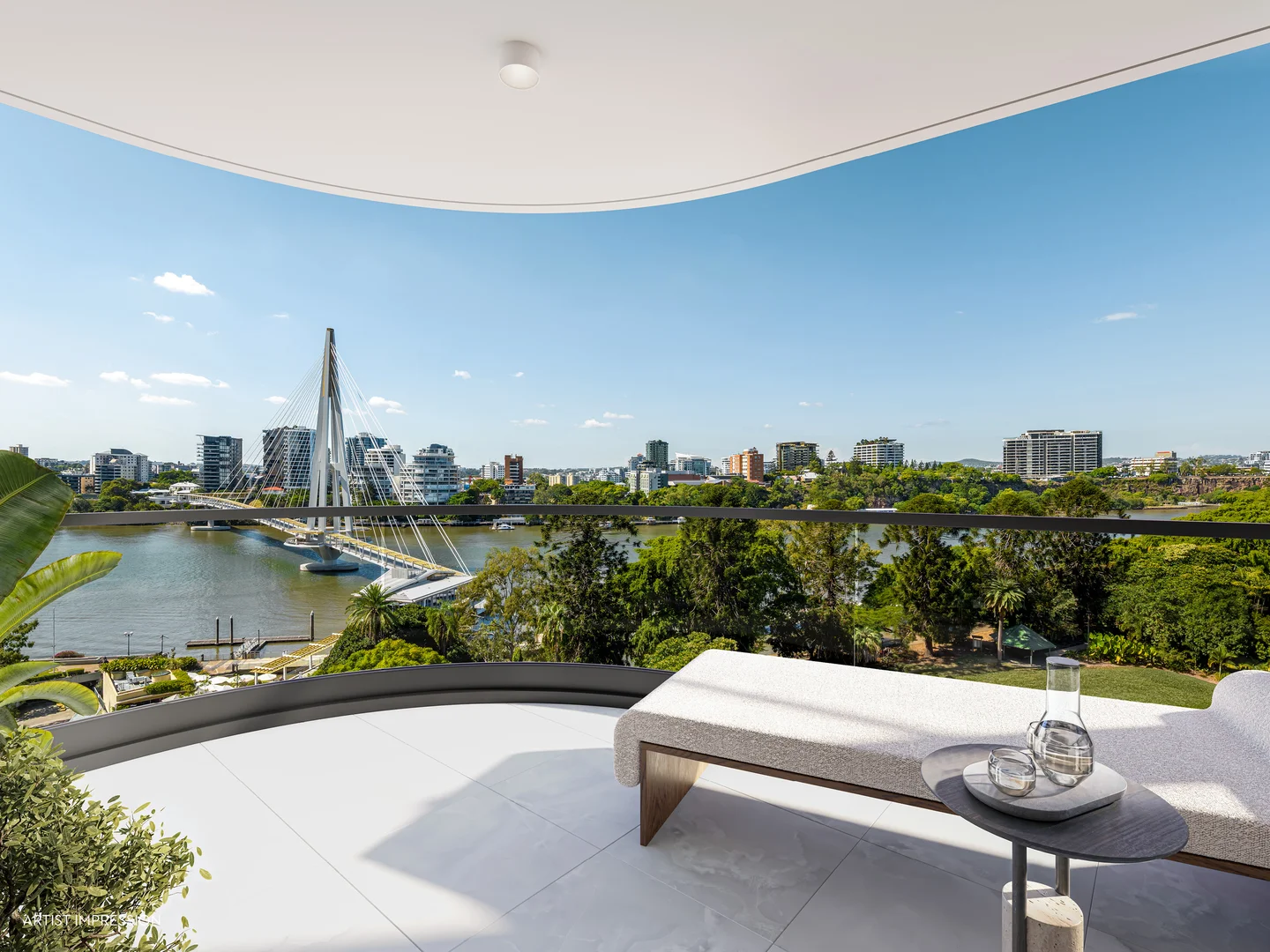 $1,475,000 - $2,090,000
propertyType.NEW APARTMENTS / OFF THE PLAN
$1,475,000 - $2,090,000
propertyType.NEW APARTMENTS / OFF THE PLAN
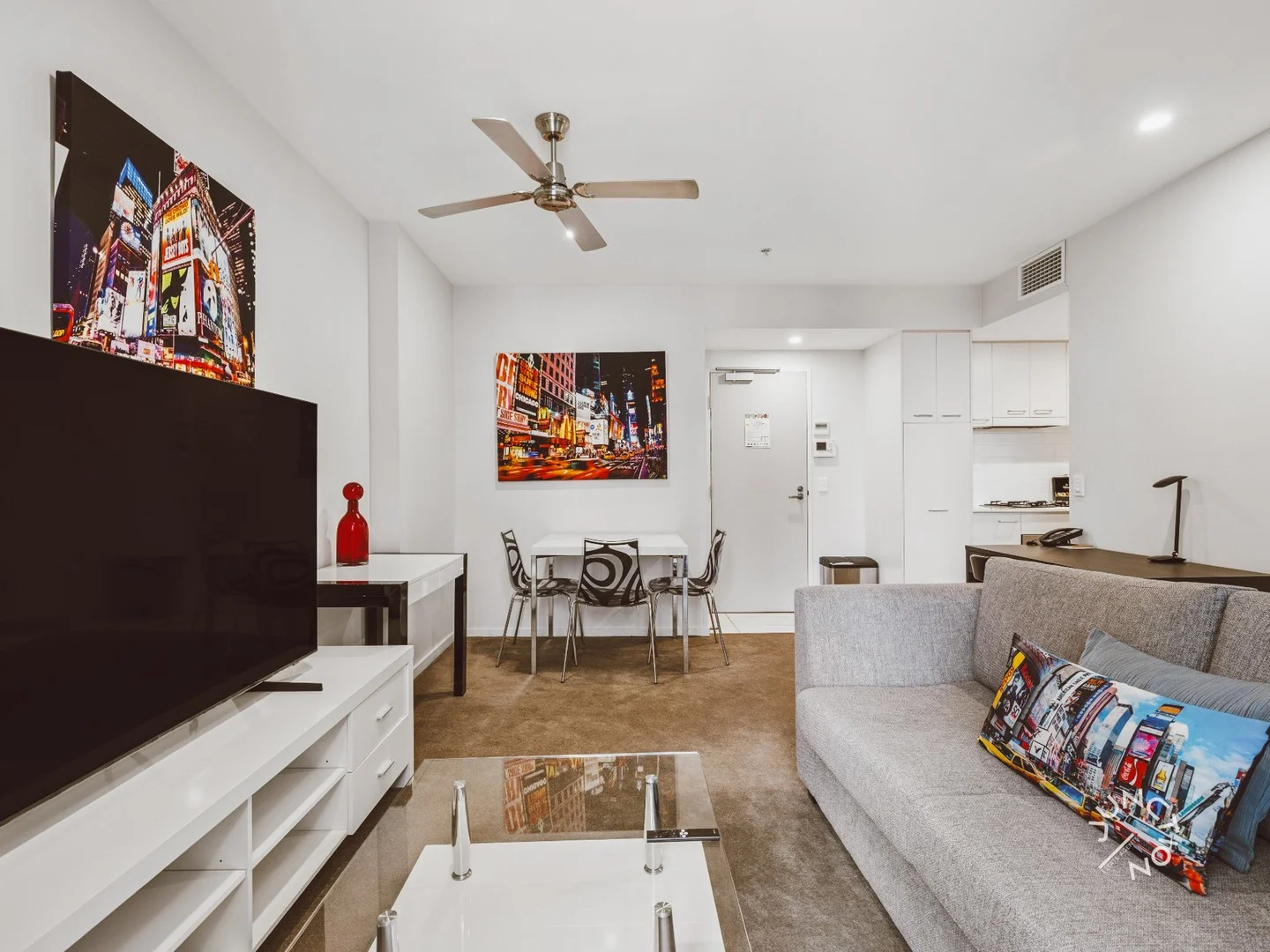 $523,200 - $566,800
Apartment / Unit / Flat
$523,200 - $566,800
Apartment / Unit / Flat
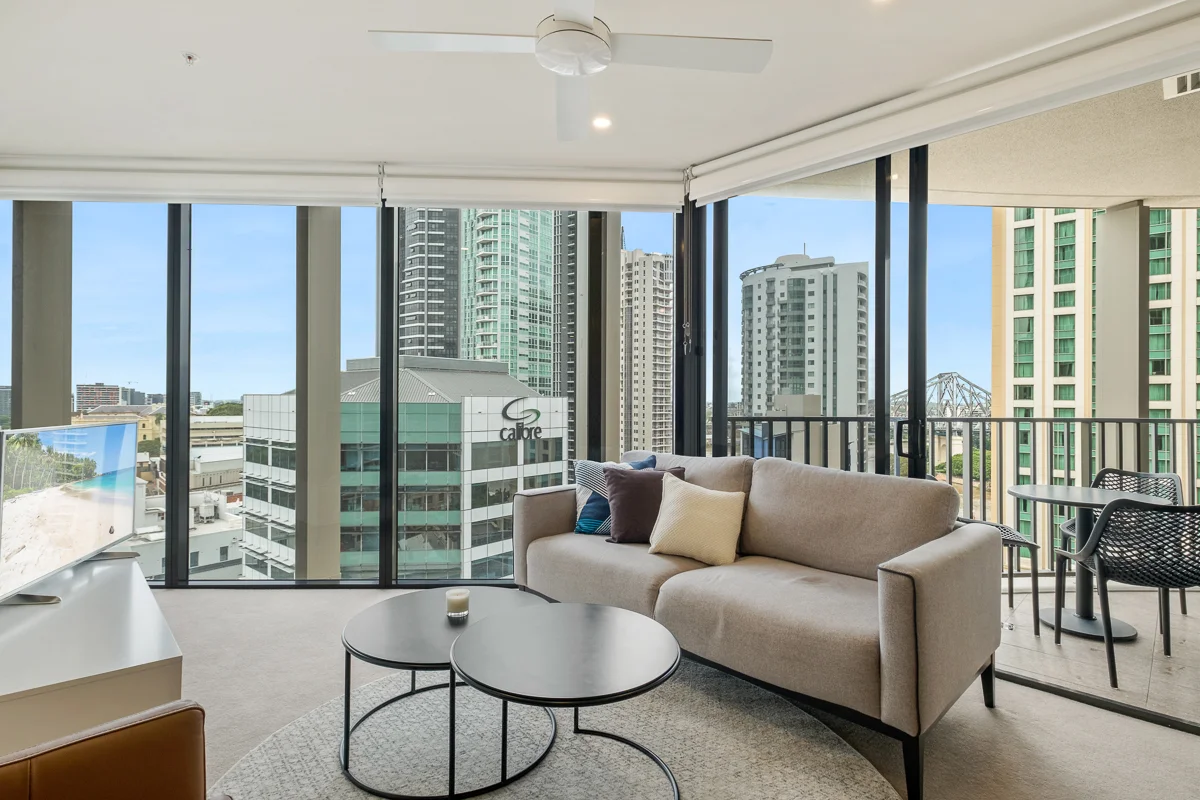 $950,000
Apartment / Unit / Flat
$950,000
Apartment / Unit / Flat


