Overview
## 1. Overview
Our Lady's Primary School, Surrey Hills is a Catholic, co-educational primary school serving families in Surrey Hills, VIC. The school is a small-to-medium campus that focuses on a values-based education within the Victorian Catholic education framework. The atmosphere is warm and inclusive, with an emphasis on nurturing each child’s academic, spiritual and personal growth.
Class sizes are typically small to medium, allowing teachers to support individual progress and build strong relationships. The culture is described as welcoming, with a focus on community, service, respect and living out Catholic values in daily school life.
---
## 2. Academics & Learning
- Academic strengths: Strong emphasis on literacy and numeracy, integrated with faith-based learning and character education. The school supports critical thinking, curiosity, and confident communication across year levels.
- Special programs: Gifted and talented/enrichment opportunities, with targeted supports to meet diverse learner needs. Opportunities for individual and group extension may be available.
- NAPLAN / Ofsted trends: The school typically aims for steady, continual improvement over time, with a focus on providing targeted interventions where needed to support student growth.
- Student-teacher ratios: Small to moderate class sizes and favourable student–teacher ratios to enable more individualized attention and feedback.
- Support for diverse learners: EAL and SEN support pathways are available to assist students who require additional help or different learning approaches. Inclusive practices are emphasized across the curriculum.
---
## 3. Sports & Extracurricular Strengths
- Sports offered: A range of school-based sports aligned with the Australian primary school program, including team and individual activities such as athletics, swimming, netball, football (soccer) and cricket where available.
- Strong teams or achievements: The school participates in local inter-school competitions and showcases school pride through age-appropriate team involvement.
- Music, arts, drama programs: Access to music and performing arts opportunities, with potential school-wide productions or performances.
- Clubs: Robotics, coding, chess, debating, and other interest clubs commonly offered to develop critical thinking and collaboration.
- Partnerships: Connections with local clubs, community organizations or academies to extend opportunities in sport, the arts and STEM areas.
Most parents find these offerings valuable for boys aged 10–14, with a balanced focus on sport, arts and academics.
---
## 4. Wellbeing & Pastoral Care
- Anti-bullying approach: Proactive wellbeing programs and clear anti-bullying policies support a safe and respectful environment.
- House system: A house-based structure fosters belonging, healthy competition, teamwork and leadership opportunities.
- Counsellors / wellbeing officers: Access to school-based wellbeing staff or programs to support social-emotional learning and personal development.
- Transition support for new students: Structured induction or buddy programs, orientation activities and ongoing pastoral care during transitions into new year levels or starting at the school.
This section aims to build trust with families by showing a committed and visible approach to student wellbeing.
---
## 5. Facilities
- Sports grounds: On-site playing fields or courts suitable for PE and school sports.
- Libraries: School library for reading, research and quiet study.
- Science labs: Dedicated spaces for hands-on science learning and investigations.
- Music/performing arts centers: Areas for music classes, rehearsals and performances.
- Tech/innovation labs: Spaces for digital learning, coding and technology-enabled projects.
- Cafeteria: On-site canteen or lunch facilities supporting healthy eating.
- Updated playgrounds: Well-maintained playground areas for play and recreation.
Facilities are presented as visual and easy to imagine, helping parents picture daily school life.
---
## 6. School Values & Community Culture
- School values / mission: A clear emphasis on faith-based education, integrity, kindness, respect, inclusivity and service.
- Leadership style: Collaborative and student-centered, with opportunities for student voice and leadership within the school community.
- Behaviour expectations: Positive behaviour for learning (PB4L) or similar framework that promotes respectful conduct and self-management.
- Community reputation: Known for a supportive, welcoming culture that puts student wellbeing and learning first, with active parent involvement.
- Diversity & inclusion: Commitment to welcoming students from diverse backgrounds and providing equitable access to learning opportunities.
---
## 7. School Logistics & Daily Operations
- School hours: Standard school day schedule with start and finish times aligned to the Victorian primary school calendar.
- Before/after school care: Availability of before/after school care programs or activities.
- Uniform requirements: School uniform policy with approved attire for everyday wear and excursions.
- Transport (train/bus routes): Local transport options and access details to support families commuting to and from school.
- Canteen availability: On-site canteen or lunch facilities supporting healthy meal options.
- Fees (low/medium/high ranges): Fees reflect typical primary school charges in the sector, with information available from the school to help families plan financially.
---
## 8. Enrolment & Admissions
- What is the enrolment process and timeline?
- Enquiries typically begin with completing an online form or contacting the school to express interest. The school may hold open days or information sessions. Applications are submitted according to a published timeline, with key decision dates for offers.
- Is there a waiting list, and how does it work?
- If applications exceed available places, a waiting list is commonly used. Families are informed of their position and how the waiting list is managed, with updates as spaces become available.
- Are there any entry requirements, tests, or interviews?
- Entry usually involves an application, documentation (e.g., birth details, immunisation records), and possibly an interview or family meeting to discuss fit with the school’s values and programs.
- Does the school accept mid-year transfers?
- Mid-year transfers are often considered if space is available, subject to meeting entry requirements and completing any necessary documentation and alignment with the enrolment process.
---
## 9. Frequently Ask Questions
- Why Parents Choose This School?
- A values-based Catholic education, supportive community, small class sizes and a focus on holistic development.
- What type of student thrives at this school?
- Students who respond well to a nurturing environment, strong faith-based values, and a balanced approach to academics, sport and arts.
- What opportunities are available for students to extend their skills (academics, sports, arts)?
- Enrichment programs, gifted and talented options, clubs (robotics, coding, chess, debating), and participation in inter-school activities or performances.
- How does the school communicate with parents?
- Regular newsletters, emails, parent portals, and events such as open days, information evenings and parent-teacher meetings.
- What is the school’s approach to teaching and learning?
- Student-centered learning within a formal curriculum, with differentiated instruction and a focus on literacy, numeracy and core competencies.
- How does the school support students who need extra academic help?
- Targeted intervention, smaller group support, and access to specialist staff for SEN or EAL needs.
- What support is available for academic challenges?
- In-class differentiation, tutoring options, and collaboration with families to create effective learning plans.
- How does the school communicate with parents? (Note: repeated question)
- See above: newsletters, portals, meetings and direct updates from teachers.
- What are the class sizes and how much individual attention do students receive?
- Class sizes are small to moderate, enabling more individualized feedback and teacher support.
- What extracurricular and sports opportunities are available?
- A range of sports, music and arts programs, plus clubs such as robotics, coding, chess and debating.
- What facilities does the school offer (sports, science, arts)?
- Sports grounds, library, science labs, music/performing arts spaces, tech/innovation labs, canteen and updated playgrounds.
- What is the school’s approach to technology and digital learning?
- Integration of digital tools and inquiry-based learning within the curriculum, with a focus on safe and responsible use.
- What transport and accessibility options are available?
- Local transport options and accessibility information to assist families in planning their commute.
- What are the typical school fees or additional costs?
- Fees are communicated by the school and reflect typical primary school charges; families can expect information on levies, voluntary contributions and uniform costs.
---
## 10. Short Pros & Cons list
- Pros
- Values-based Catholic education with a focus on holistic development
- Small to medium class sizes enabling personalized attention
- Nurturing and supportive community culture
- Broad extracurricular options (sports, arts, clubs)
- Strong wellbeing and pastoral care emphasis
- Cons
- Smaller school may have fewer elective options than larger schools
- Limited availability for mid-year transfers if spaces are filled
- Some programs may run with limited frequency depending on staffing and funding
- Transport options may vary by family location and require planning
- Fees and contributions are a consideration for families; details are needed from the school












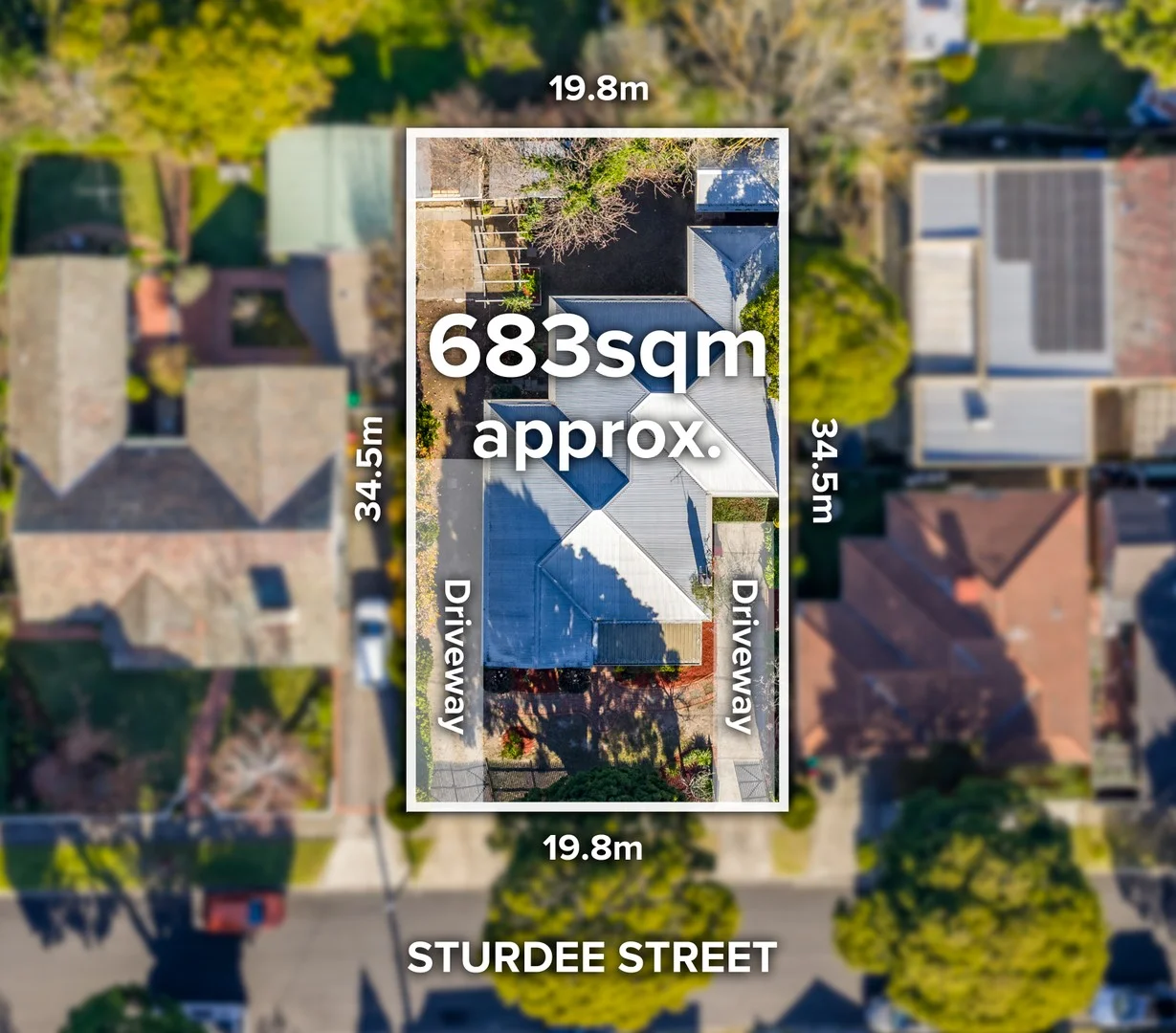 $2,000,000
House
$2,000,000
House
 $630,000 - $680,000
Apartment / Unit / Flat
$630,000 - $680,000
Apartment / Unit / Flat
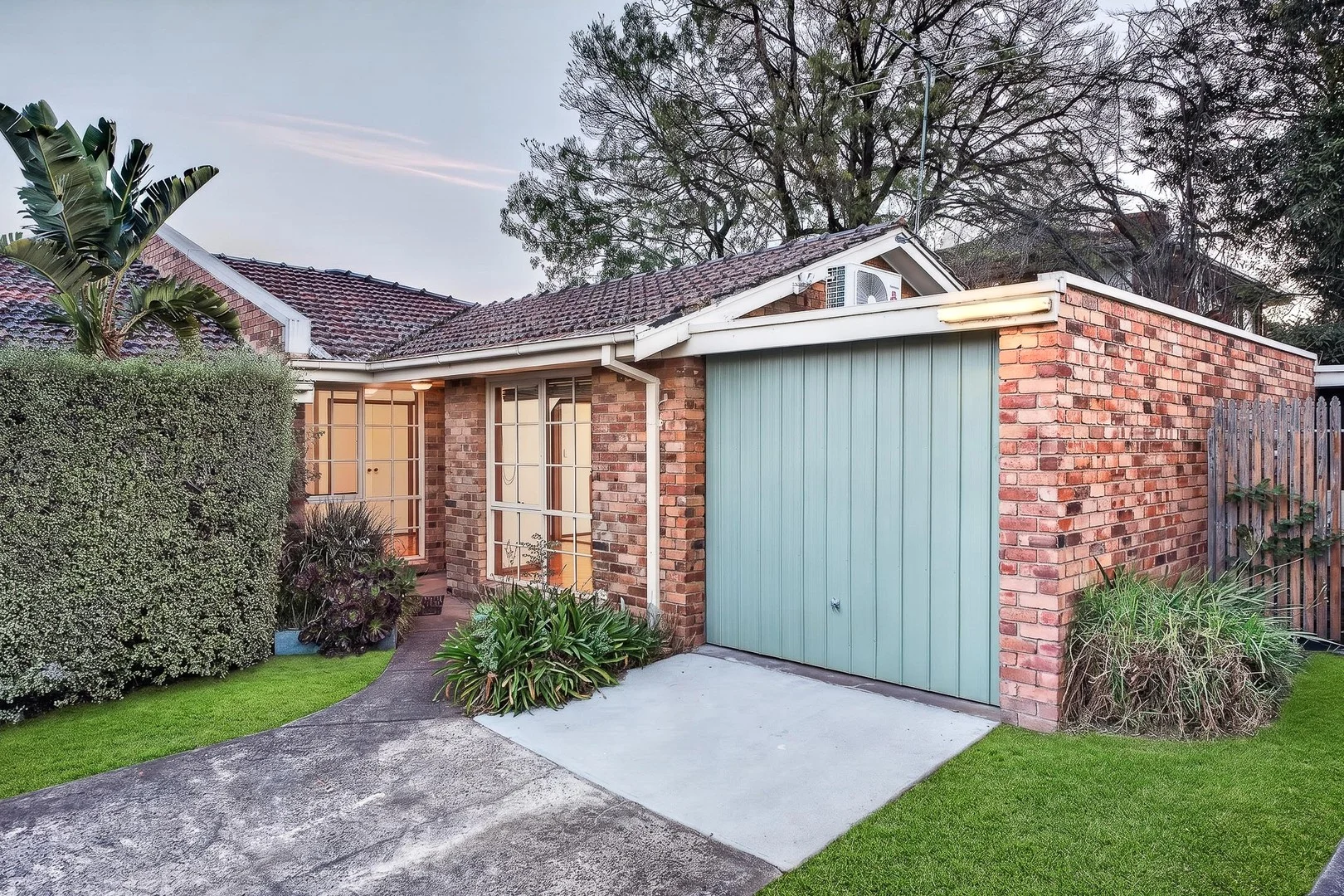 $765,000 - $825,000
Apartment / Unit / Flat
$765,000 - $825,000
Apartment / Unit / Flat
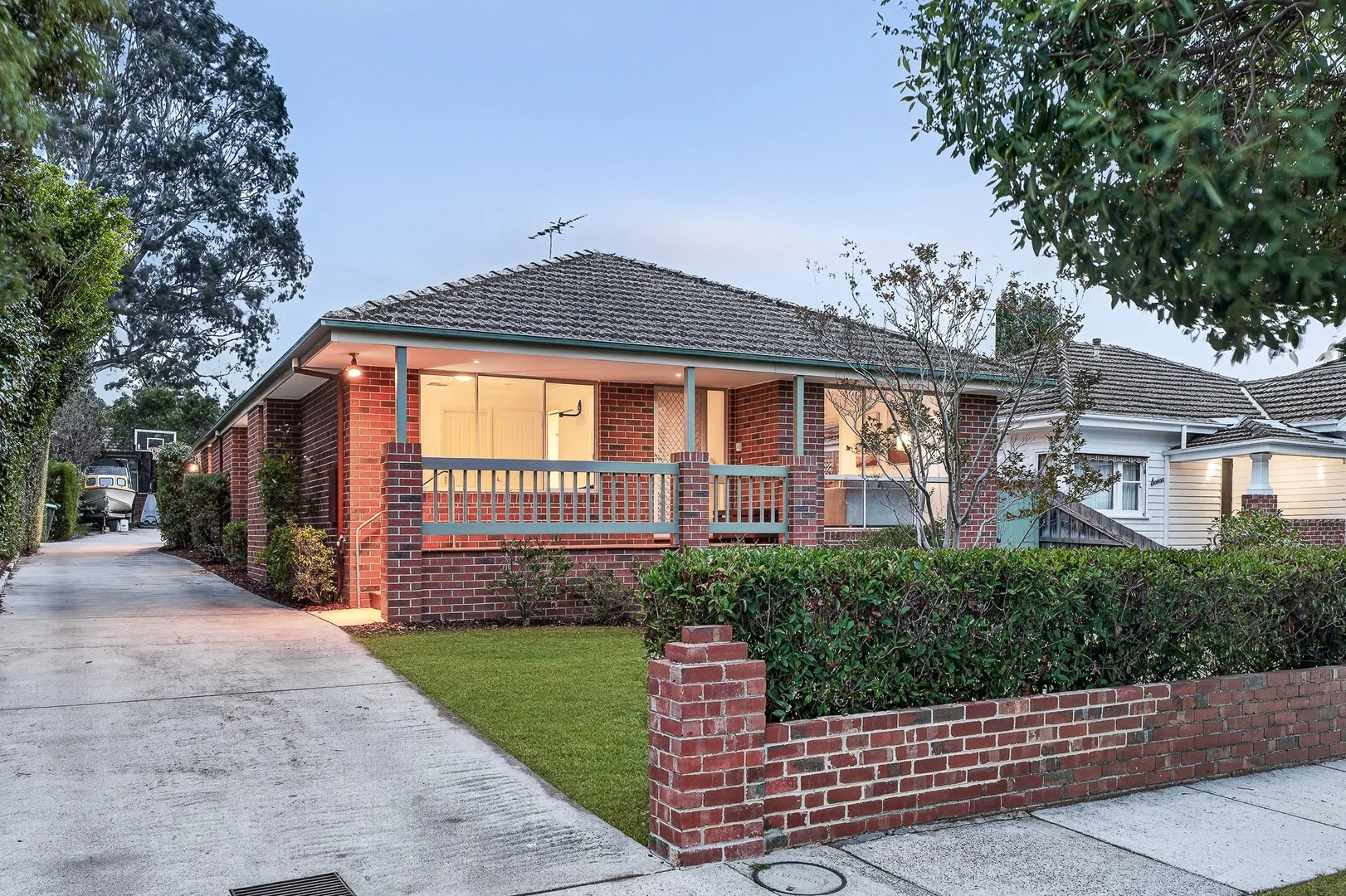 $1,200,000 - $1,300,000
House
$1,200,000 - $1,300,000
House
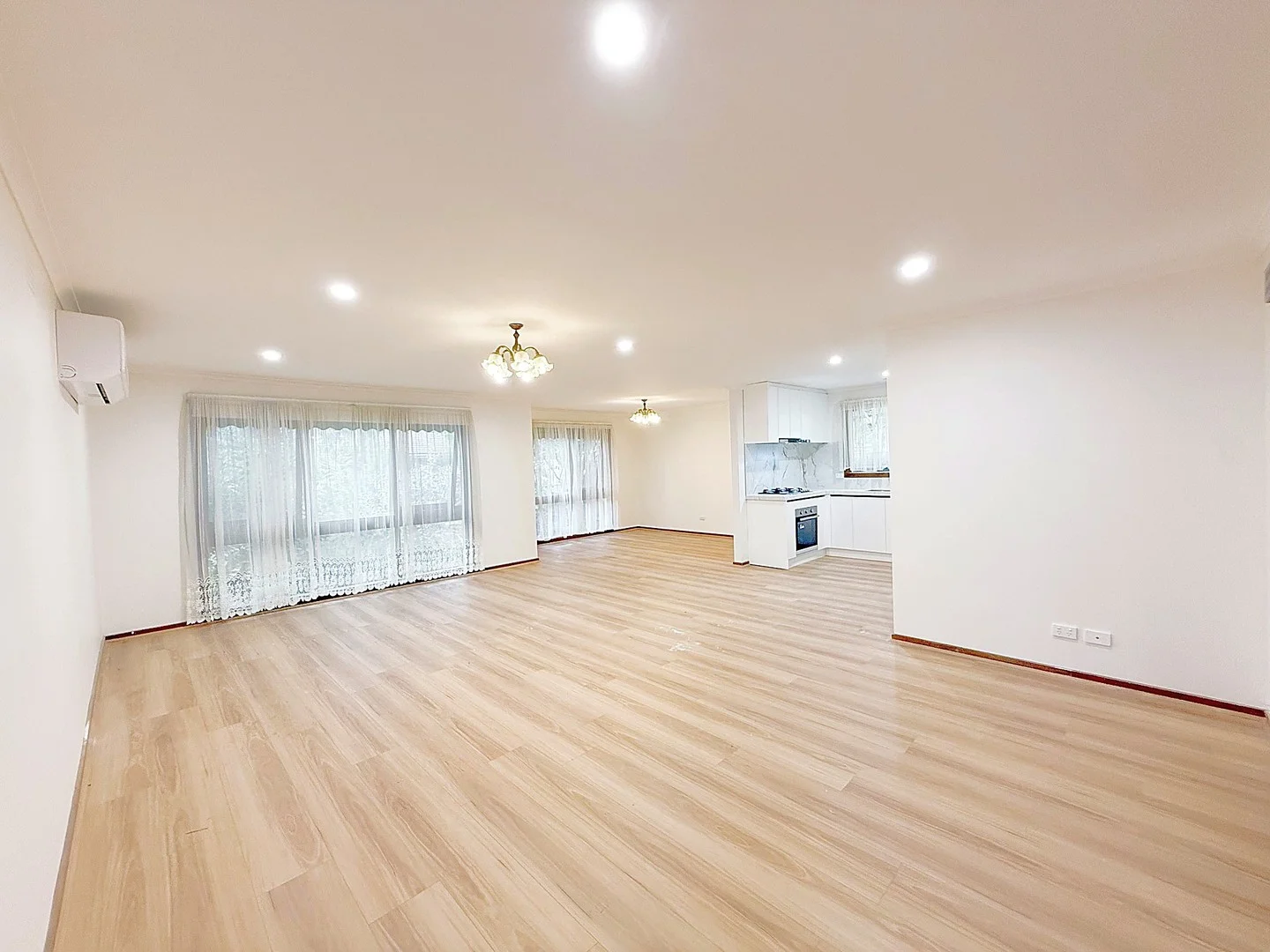 $1,100
House
$1,100
House
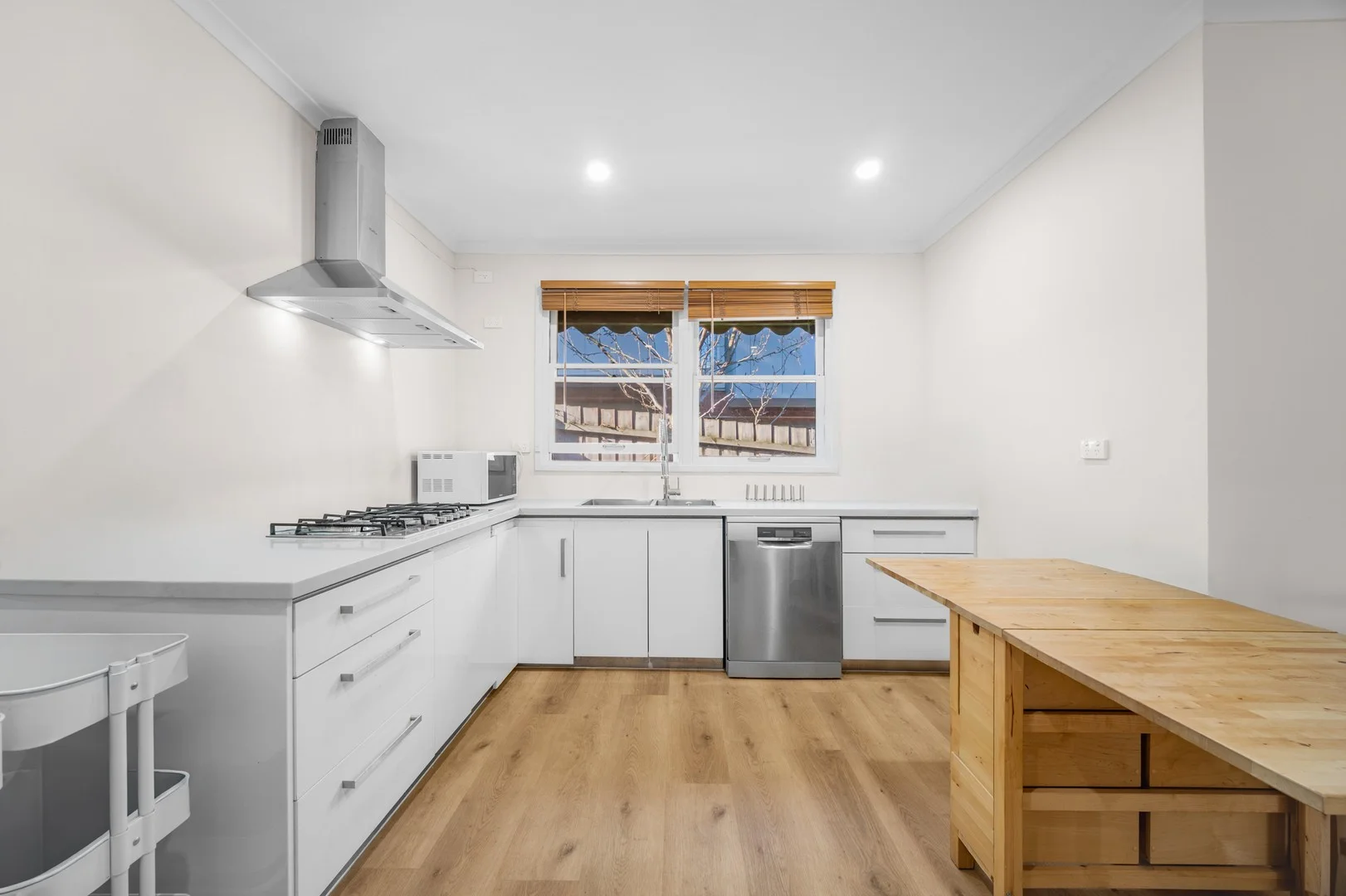 $680
Apartment / Unit / Flat
$680
Apartment / Unit / Flat
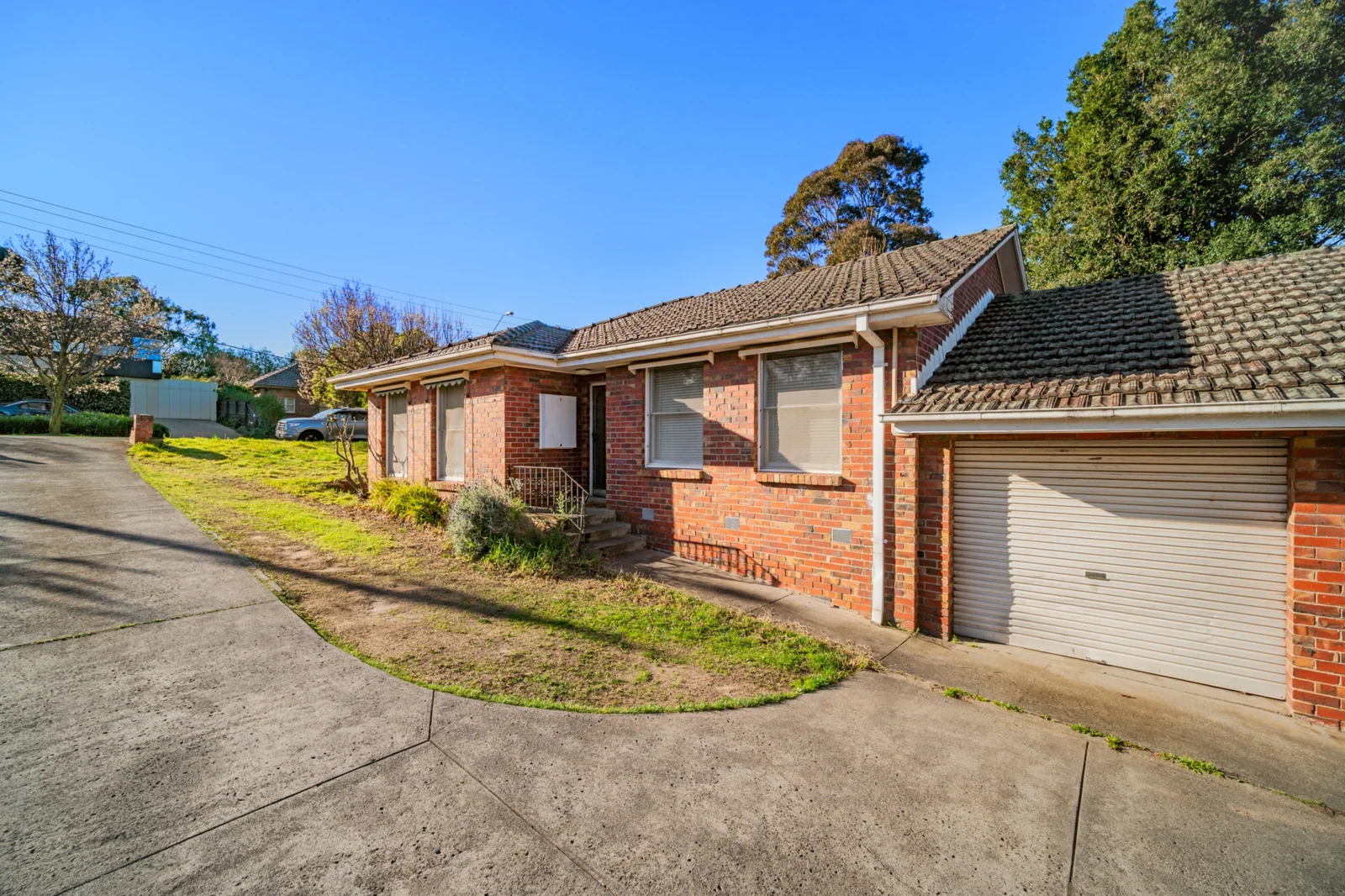 $580
Apartment / Unit / Flat
$580
Apartment / Unit / Flat
 $1,250,000
Apartment / Unit / Flat
$1,250,000
Apartment / Unit / Flat
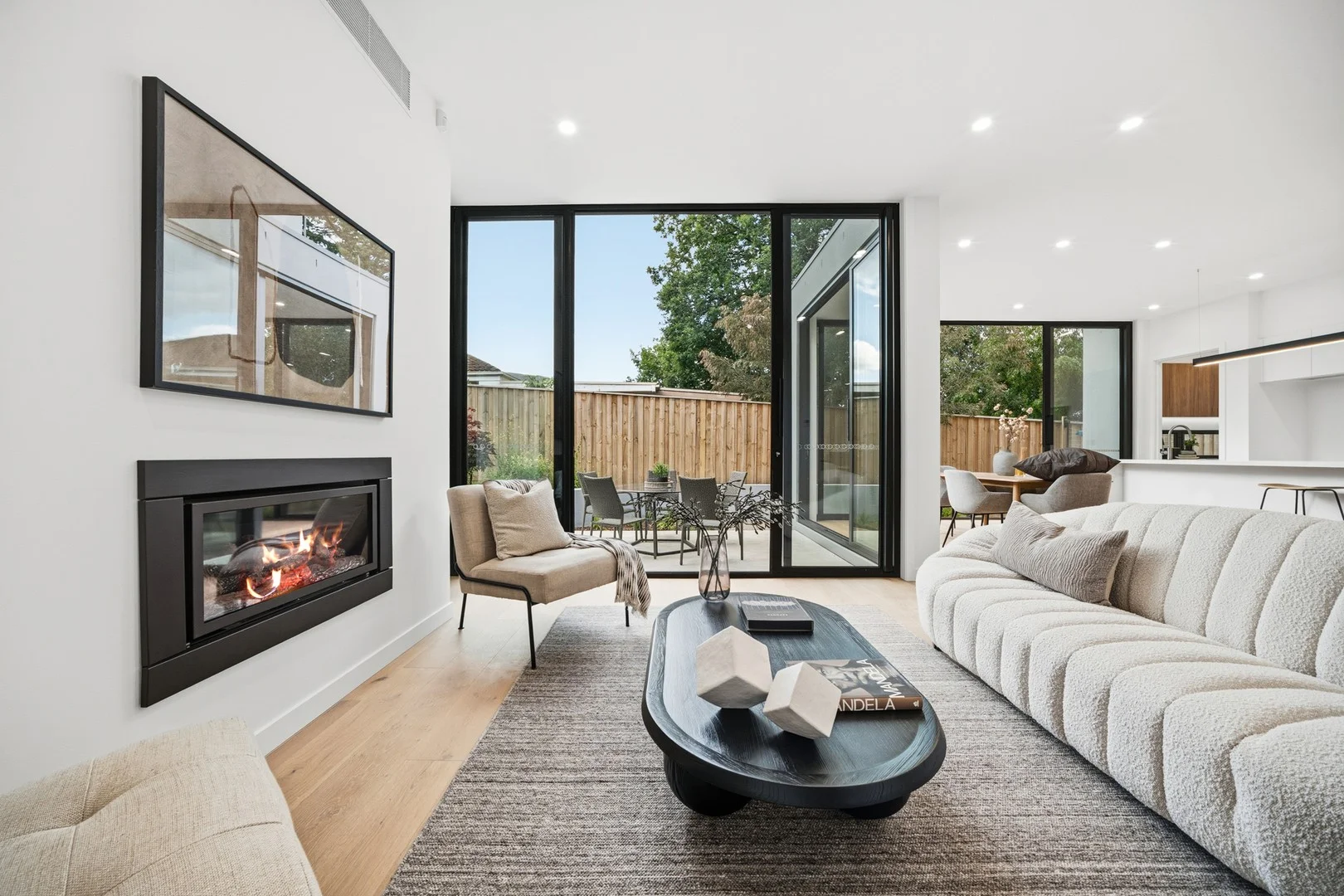 $1,750,000
Townhouse
$1,750,000
Townhouse