## 1. Overview
Kingswood College VIC is an independent/private school located in Box Hill, Victoria. It offers a broad educational program designed to support students from the early years through to senior levels, with a focus on both academic achievement and character development. The school aims to provide a nurturing yet academically rigorous environment where students can explore interests across a range of disciplines.
- School type: Independent/private
- School size: Medium
- Class size: Moderate
- Atmosphere/culture: Inclusive, nurturing, academically oriented
⸻
## 2. Academics & Learning
The school emphasises a robust academic program across core subjects, with pathways that encourage critical thinking, creativity, and leadership. There is a focus on developing strong literacy and numeracy, STEM capabilities, and language learning, along with opportunities for leadership and collaboration.
- Academic strengths: STEM, English, languages, leadership development
- Special programs: Gifted and talented options, accelerated pathways, opportunities for enriched study
- NAPLAN trends: Historical trends show steady improvement and solid performance across year levels over recent years
- Student-teacher ratios: Designed to support individualized attention and targeted support
- Support for diverse learners: EAL and SEN support available, with tailored assistance as needed
⸻
## 3. Sports & Extracurricular Strengths
Sports and a wide range of co-curricular activities are a strong focus, providing pathways for teamwork, discipline, and personal growth. The school supports both competitive teams and broader participation in arts and clubs.
- Sports offered: A variety of team and individual sports (codes typically popular in Australian schools)
- Strong teams or achievements: Active participation in inter-school competitions and age-appropriate team development
- Music, arts, drama programs: Comprehensive programs in music and performing arts
- Clubs: Robotics, coding, chess, debating, and other academic/cultural clubs
- Partnerships: Connections with local sporting, arts, and academic academies and competitions
⸻
## 4. Wellbeing & Pastoral Care
Wellbeing and pastoral care are central to the student experience, with structures to support safe, respectful, and inclusive learning.
- Anti-bullying approach: Clear policies, reporting pathways, and proactive educational programs
- House system: House-based activities and peer support networks to foster belonging
- Counsellors / wellbeing officers: Dedicated staff to support student wellbeing, mental health, and personal development
- Transition support for new students: Orientation and ongoing support to help students settle in and build connections
⸻
## 5. Facilities
The school provides a range of facilities to support academics, sport, arts, and student life. The environment is designed to be functional and engaging, helping students thrive in different settings.
- Sports grounds
- Libraries
- Science labs
- Music/performing arts centers
- Tech/innovation labs
- Cafeteria
- Updated playgrounds
⸻
## 6. School Values & Community Culture
Families look for a school whose values align with their own and where students develop strong character and a sense of community.
- School values / mission: Clear sets of values guiding learning, behavior, and community involvement
- Leadership style: Supportive, student-centered leadership that emphasizes collaboration and responsibility
- Behaviour expectations: Well-communicated expectations with consistent application
- Community reputation: Positive standing as a school committed to inclusion and holistic development
- Diversity & inclusion: Emphasis on creating an inclusive environment that respects diverse backgrounds
⸻
## 7. School Logistics & Daily Operations
Practical information helps families plan around schooling commitments and routines.
- School hours: Regular daily schedule with start and finish times consistent with the school calendar
- Before/after school care: Availability of care options or supervision outside core hours
- Uniform requirements: Clear uniform policies and guidelines
- Transport (train/bus routes): Access to public transport options and school-supported routes or parking guidance
- Canteen availability: On-site canteen or lunch facilities supporting students
- Fees (low/medium/high ranges): Fees sit in the medium to high range for independent schooling; additional costs may apply for activities and camps
⸻
## 8. Enrolment & Admissions
11. What is the enrolment process and timeline?
- Submit an application with required documentation
- Participate in any required assessments or interviews
- Receive an offer of placement (subject to availability)
- Complete enrolment confirmation and any necessary deposits
- Attend orientation or welcome sessions as part of onboarding
12. Is there a waiting list, and how does it work?
- Waiting lists can apply in certain year levels; placement often determined by application date, readiness, and availability
- Timelines and priority considerations (e.g., siblings, catchment preferences) may apply
13. Are there any entry requirements, tests, or interviews?
- Most years involve an interview or information session; some programs may include subject-specific or general assessments
- Please check which assessments, if any, are required for your child’s year level
14. Does the school accept mid-year transfers?
- Mid-year transfers may be possible depending on space and timetable alignment
- Applications for mid-year transfer are typically reviewed by the admissions team
⸻
## 9. Frequently Asked Questions
- Why Parents Choose This School?
- A balanced focus on academics, wellbeing, and character; strong community and supportive learning environment
- What type of student thrives at this school?
- Curious, motivated, and collaborative students who value both academic effort and personal development
- What opportunities are available for students to extend their skills (academics, sports, arts)?
- Enriched programs, gifted/talented options, broader clubs and sports, and strong arts and leadership opportunities
- How does the school communicate with parents?
- Regular updates through newsletters, emails, portals, and parent-teacher meetings
- What is the school’s approach to teaching and learning?
- Student-centered, with emphasis on inquiry, collaboration, and real-world application
- How does the school support students who need extra academic help?
- Targeted support services, tutoring options, and individualized plans as required
- What support is available for academic challenges?
- Access to tutors, learning support staff, and flexible classroom accommodations
- How does the school communicate with parents?
- See above (ongoing channels and practices)
- What are the class sizes and how much individual attention do students receive?
- Class sizes are designed to be moderate with opportunities for individual attention through student-teacher interactions
- What extracurricular and sports opportunities are available?
- A broad range of sports and clubs, including robotics, coding, debating, music, and performing arts
- What facilities does the school offer (sports, science, arts)?
- Comprehensive facilities for sports, science labs, libraries, music and performing arts, and tech/innovation spaces
- What is the school’s approach to technology and digital learning?
- Integrated digital learning with appropriate technology use to support modern education
- What transport and accessibility options are available?
- Access to public transport options and practical guidance on routes and accessibility
- What are the typical school fees or additional costs?
- Fees generally align with the mid-to-high range for independent schooling; additional costs may apply for uniforms, camps, and activities
⸻
## 10. Short Pros & Cons list
- Pros
- Holistic education with a focus on academics and character
- Supportive wellbeing and pastoral care
- Broad facilities and strong arts/science programs
- Active clubs and extracurricular options
- Inclusive and community-focused culture
- Cons
- Tuition costs higher than public schooling
- Availability of certain year-level placements may vary
- Commute considerations for families living further away
- niche programs may require additional selection or assessments
⸻














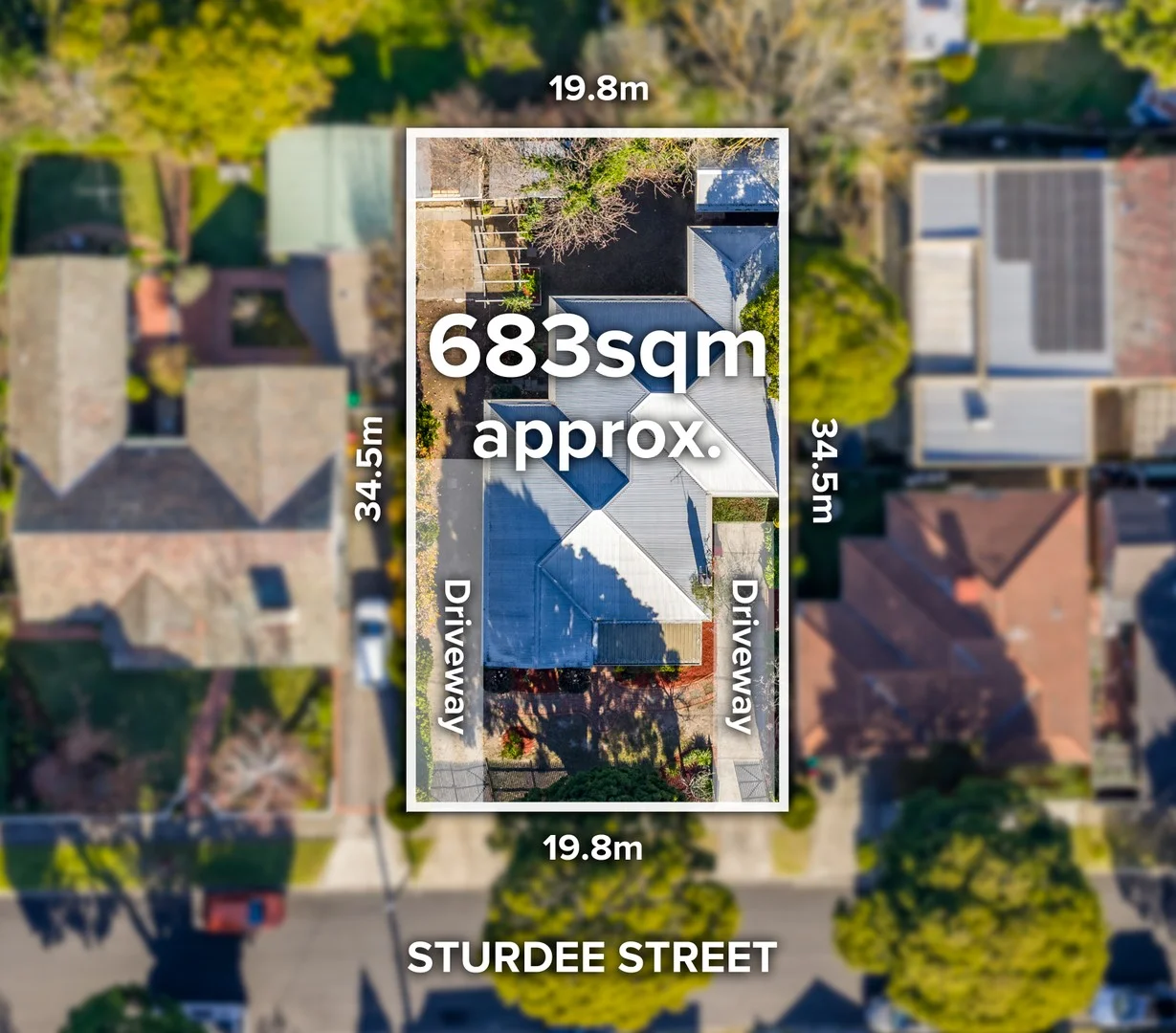 $2,000,000
House
$2,000,000
House
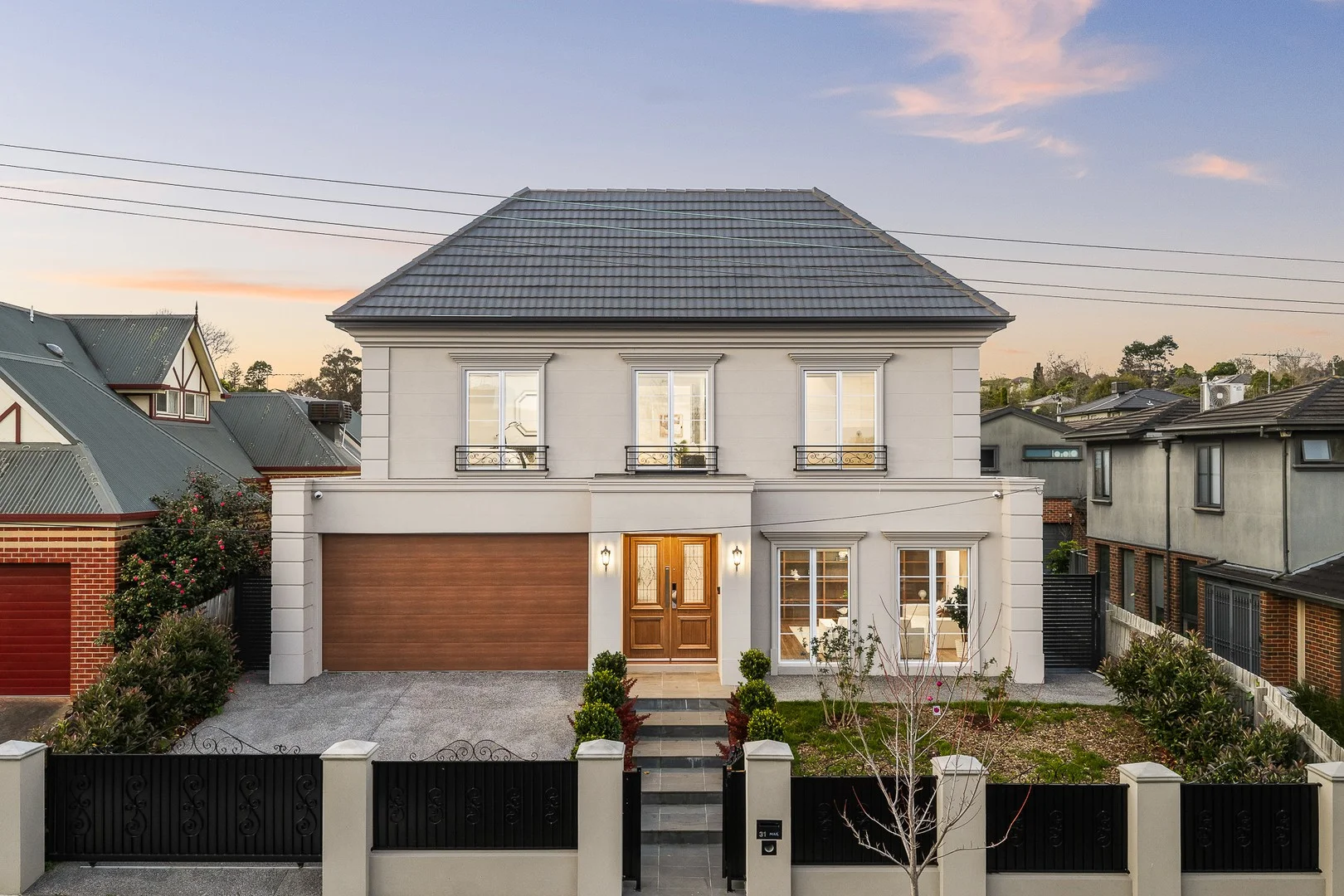 $2,550,000
House
$2,550,000
House
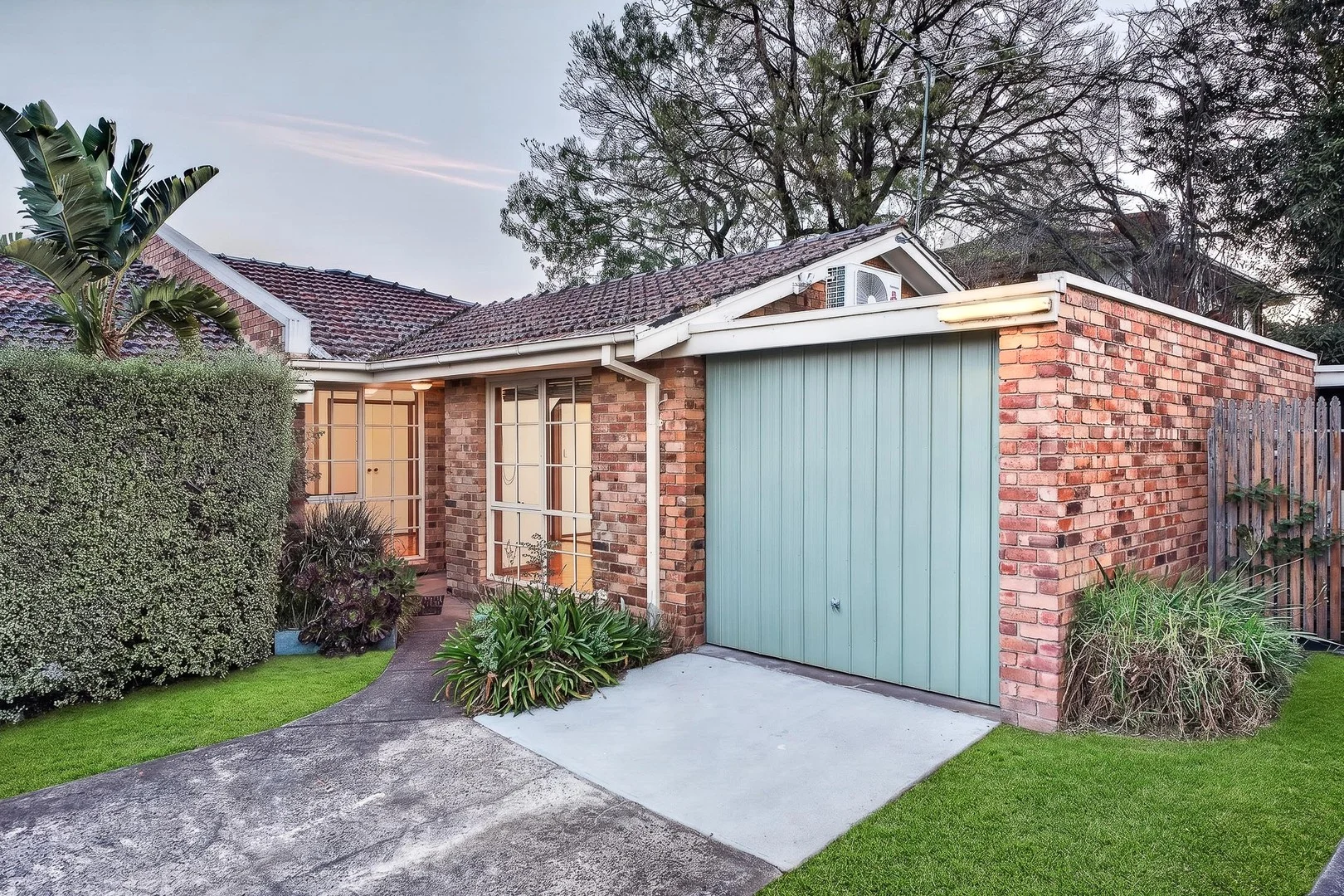 $765,000 - $825,000
Apartment / Unit / Flat
$765,000 - $825,000
Apartment / Unit / Flat
 $630,000 - $680,000
Apartment / Unit / Flat
$630,000 - $680,000
Apartment / Unit / Flat
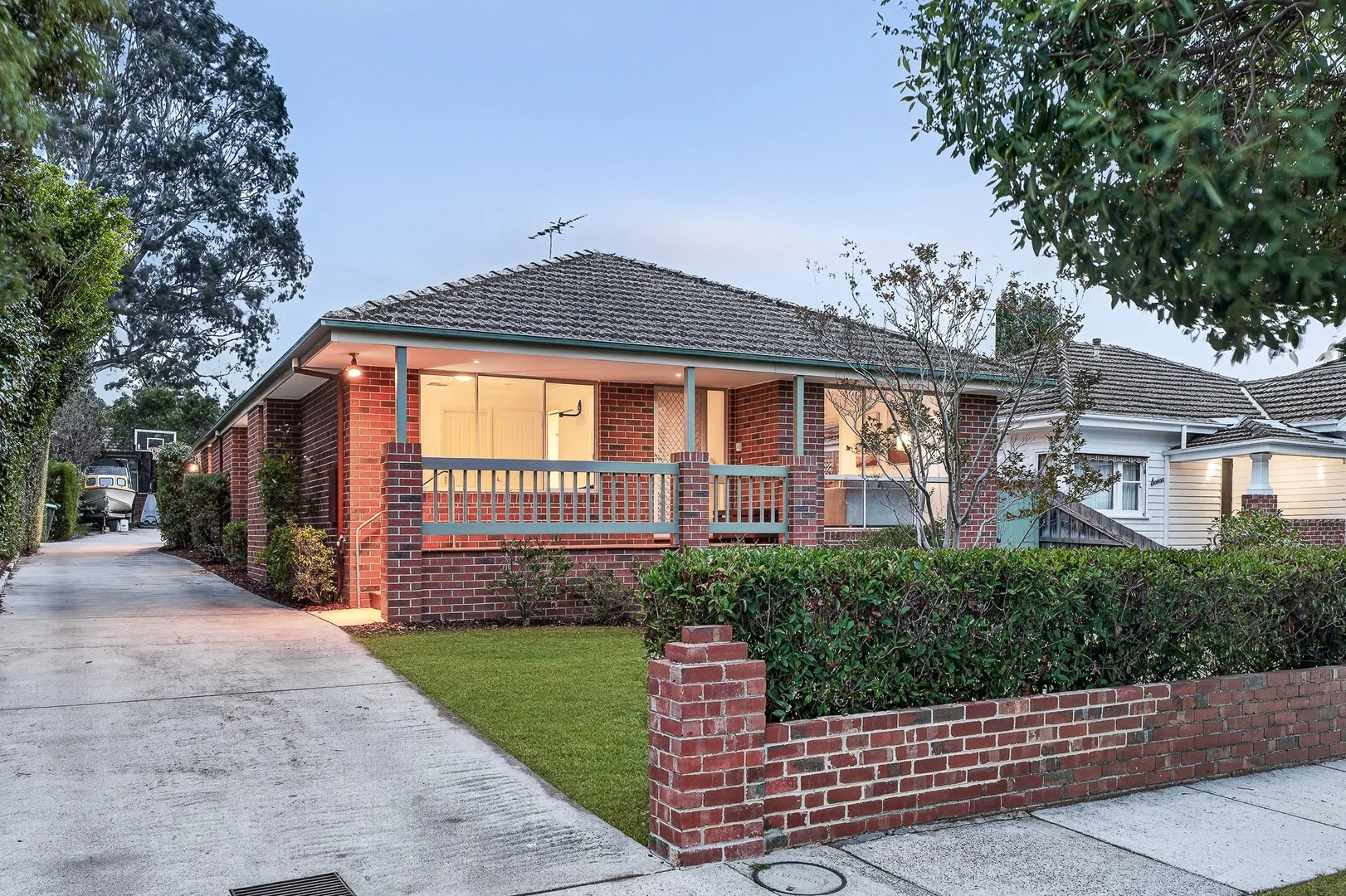 $1,200,000 - $1,300,000
House
$1,200,000 - $1,300,000
House
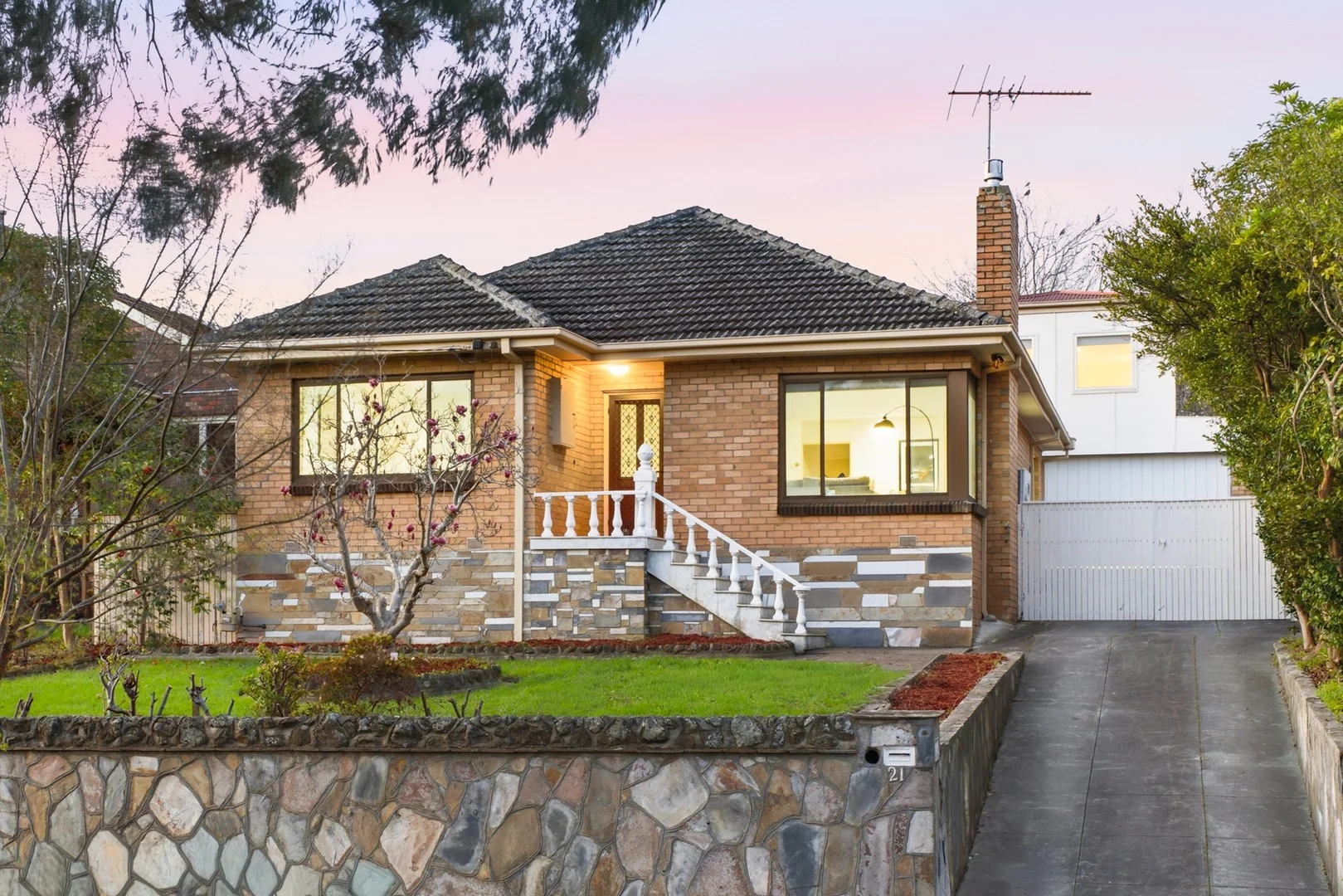 $1,200,000
House
$1,200,000
House
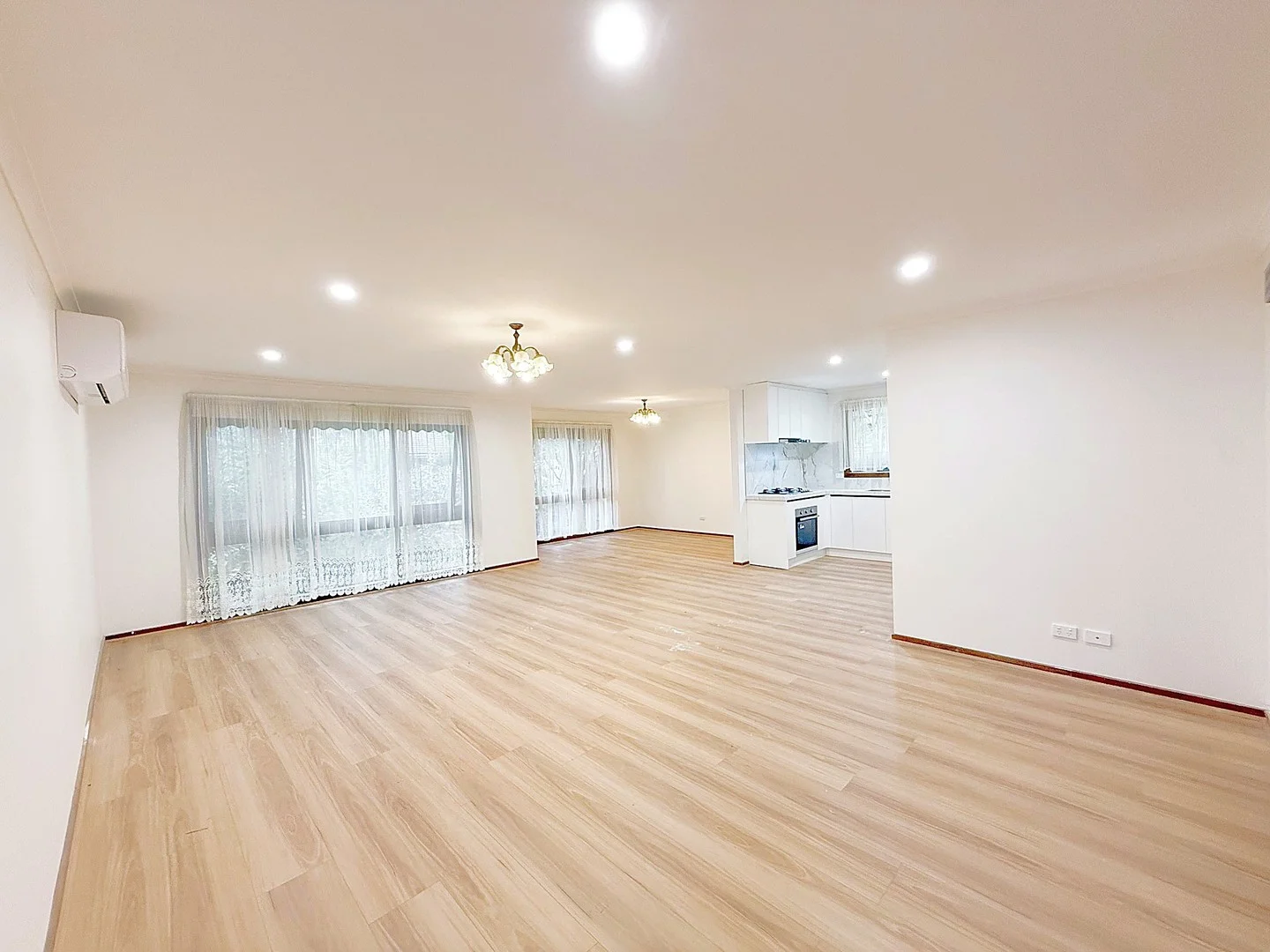 $1,100
House
$1,100
House
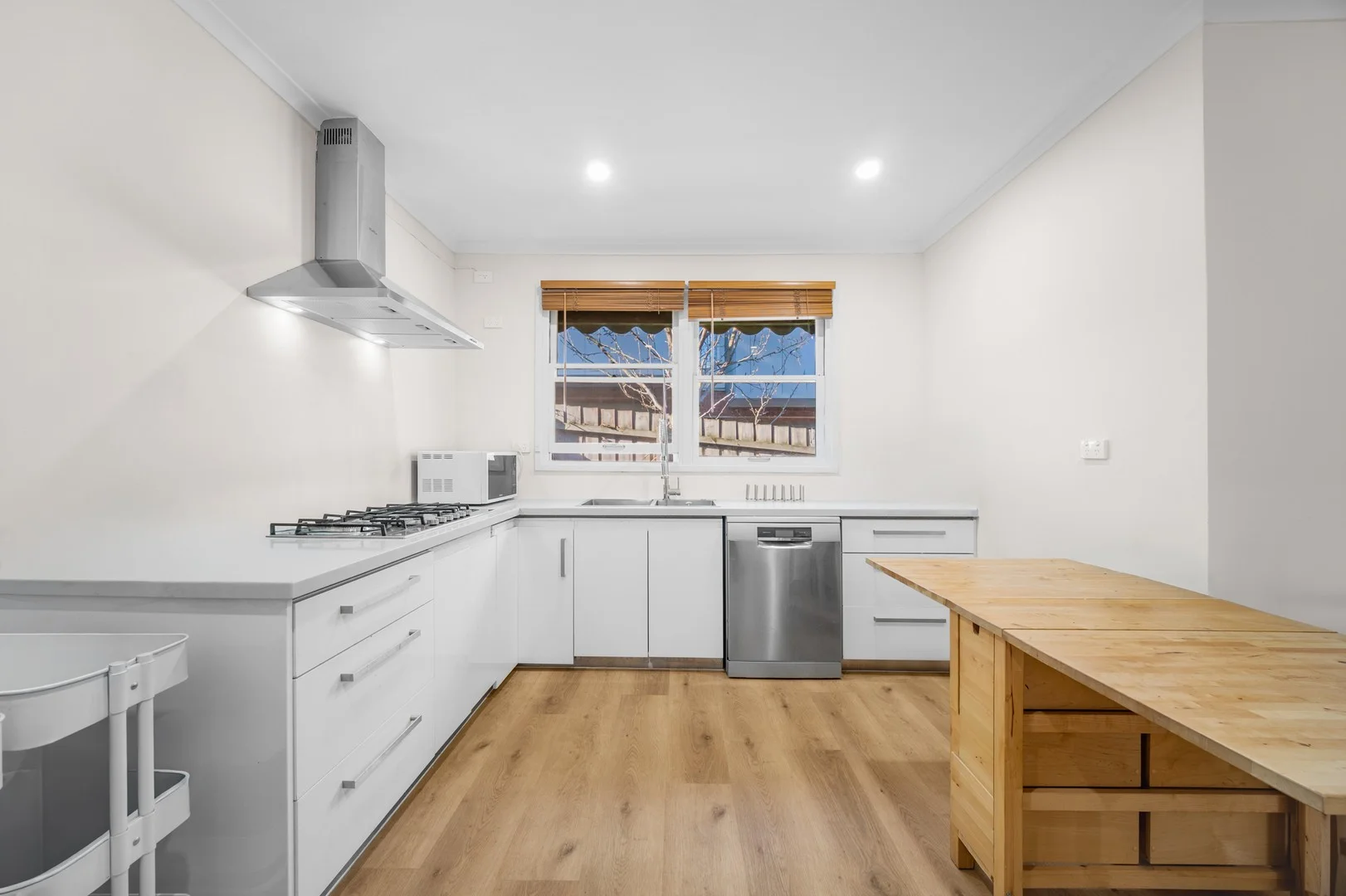 $680
Apartment / Unit / Flat
$680
Apartment / Unit / Flat
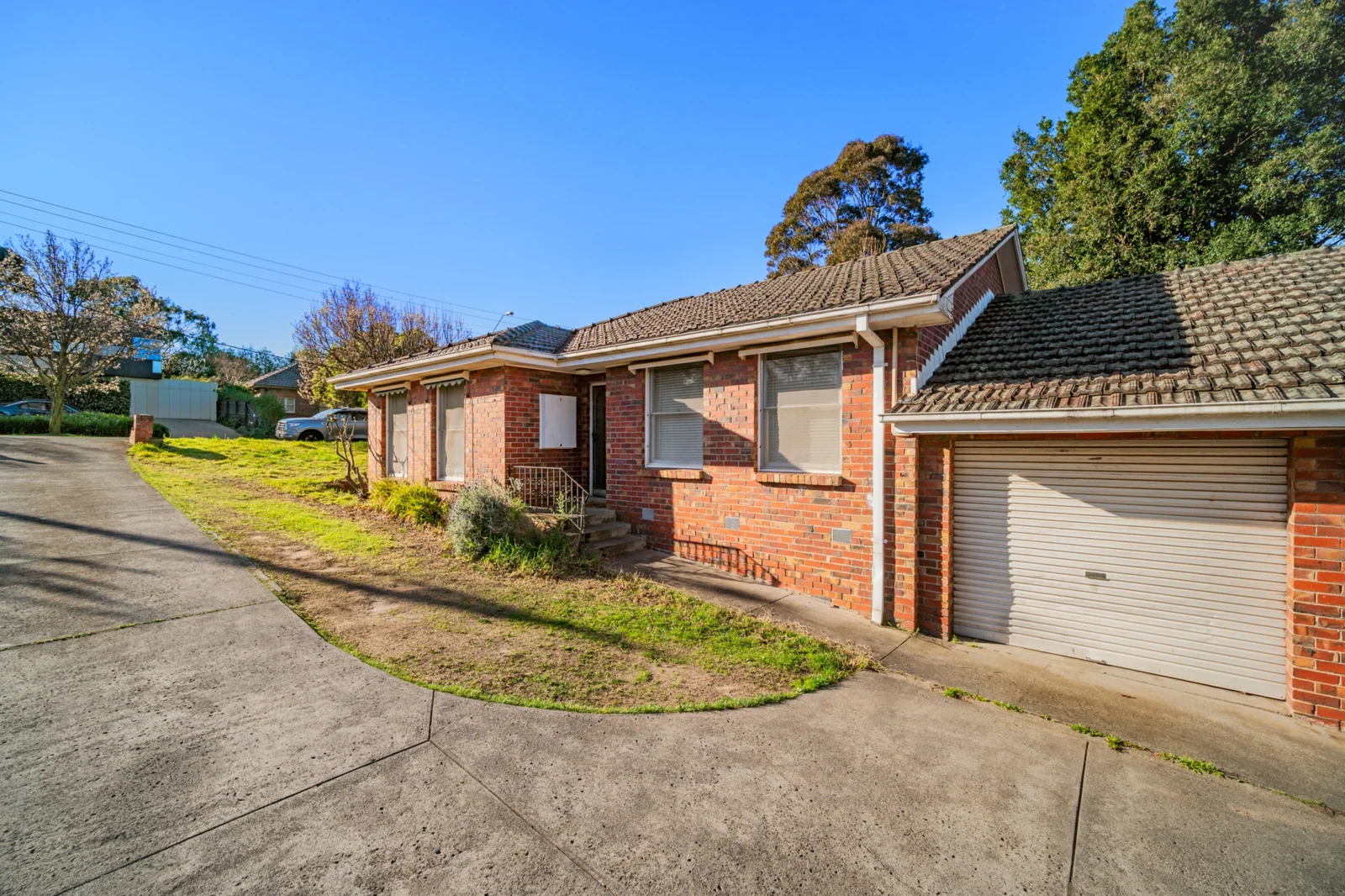 $580
Apartment / Unit / Flat
$580
Apartment / Unit / Flat


