Overview
Oxford Falls Grammar School is an independent/private day school offering a comprehensive K–12 program. The school tends to attract families seeking a well-rounded, values-driven education in a medium-sized community, with a focus on academic development, character, and extracurricular growth. Typical class sizes are moderately sized, fostering strong teacher–student connections and opportunities for individual attention. The atmosphere emphasizes nurture and inclusivity alongside a clear commitment to academic achievement.
⸻
Academics & Learning
- Academic strengths: A balanced program across English, mathematics, science, and humanities, with emphasis on literacy and numeracy foundations, critical thinking, and problem-solving. Leadership development and interdisciplinary projects are also woven into the learning experience.
- Special programs: Opportunities for accelerated or enriched learning and gifted/talented pathways are commonly available in many NSW independent schools, alongside leadership opportunities and targeted programs to support high-achieving students.
- NAPLAN / trends: Independent schools in NSW often demonstrate stable or improving trends in reading, writing, and numeracy over time. For precise trends, refer to the school’s published annual reports or NSW Department of Education summaries.
- Student-teacher ratios: Typical ratios in private/independent schools of this size range around 1:10 to 1:18, depending on year level and activity. This supports smaller group work and greater teacher access.
- Support for diverse learners: Programs and support for EAL (English as an Additional Language) students and varying SEN (special education needs) requirements are commonly offered, including learning support plans and targeted interventions.
⸻
Sports & Extracurricular Strengths
- Sports offered: A broad sports program usually includes soccer, rugby/footy, netball, basketball, cricket, swimming, athletics, and physical education across primary and secondary levels.
- Strong teams or achievements: Schools of this type often have active sports programs with regional-level participation and opportunities to compete in district or state events.
- Music, arts, drama programs: Robust performing arts offerings, ensembles, and productions accompany a strong music program and opportunities in drama and public speaking.
- Clubs: Robotics, chess, coding, debating, and other academic or interest-based clubs are typically available to extend learning beyond the classroom.
- Partnerships: Collaboration with local clubs, community programs, and inter-school competitions helps broaden exposure to competitions and events.
⸻
Wellbeing & Pastoral Care
- Anti-bullying approach: Clear policies, proactive education, and restorative practices are common components to foster a safe, respectful environment.
- House system: A House-based structure is often used to build belonging, teamwork, and healthy competition across year groups.
- Counsellors / wellbeing officers: Access to school counsellors or wellbeing staff supports student mental health, resilience, and personal development.
- Transition support for new students: Orientation programs, buddy systems, and ongoing check-ins help new students settle into the school community.
⸻
Facilities
- Sports grounds: On-site fields, courts, and indoor facilities support a full suite of physical education and sports.
- Libraries: Well-equipped libraries with print and digital resources to support reading and research.
- Science labs: Modern, well-resourced laboratories for biology, chemistry, and physics.
- Music/performing arts centers: Dedicated spaces for rehearsals, performances, and music education.
- Tech/innovation labs: Makerspaces or technology labs with access to computers, 3D printing, robotics, and design software.
- Cafeteria: On-site dining facilities or a staffed canteen serving lunch and snacks.
- Updated playgrounds: Age-appropriate, modern play equipment and outdoor learning spaces.
⸻
School Values & Community Culture
- School values / mission: A values-based education emphasizing respect, integrity, excellence, inclusivity, and service to others.
- Leadership style: Collaborative and student-centered, with opportunities for student voice in decision-making and leadership roles.
- Behaviour expectations: Clear codes of conduct focusing on responsibility, respect for others, and accountable behavior.
- Community reputation: Generally described as supportive, family-oriented, and welcoming to families from diverse backgrounds.
- Diversity & inclusion: Commitment to an inclusive culture with attention to accessibility and accommodation for different needs and backgrounds.
⸻
School Logistics & Daily Operations
- School hours: Typical instructional day runs from morning to mid-afternoon, with variations by year level; calendar generally includes term breaks and parent events.
- Before/after school care: Extended care options or wraparound care are commonly available.
- Uniform requirements: School uniform policy with daily wear and, for some events, formal dress options.
- Transport: Availability of bus routes or proximity to public transport; specifics vary by location and year level.
- Canteen availability: On-site canteen or food service for lunch and snacks.
- Fees: Fee ranges for private/independent schools in NSW are generally in the mid-to-high tier, with possible additional costs for activities, excursions, or extra-curricular programs.
⸻
Enrolment & Admissions
11. What is the enrolment process and timeline?
- Typical steps: Submit an expression of interest or application, provide supporting documents (academic reports, birth certificates, immunisation records), participate in a student/parent interview, complete any required assessments (literacy and numeracy or general ability), receive an offer, accept the offer, and complete enrolment by paying the deposit and signing the enrolment agreement. Timelines vary by year level and vacancy, often ranging from several weeks to a few months.
12. Is there a waiting list, and how does it work?
- Many year levels may operate with a waiting list if vacancies are filled. Priority is often given to siblings and local students, with place allocations determined by availability and the school’s admissions policy.
13. Are there any entry requirements, tests, or interviews?
- Most private/independent schools require a student interview (and parent interview), a review of prior reports, and may include literacy/numeracy assessments or other age-appropriate assessments to determine fit and support needs.
14. Does the school accept mid-year transfers?
- Mid-year transfers are sometimes possible if there are vacancies, subject to assessment and the school’s enrolment policies. Prospective families should contact the admissions office to understand timing, requirements, and available places.
⸻
Frequently Asked Questions
- Why Parents Choose This School?
- A values-driven, well-rounded education with supportive pastoral care, good academic foundations, and strong co-curricular opportunities in a close-knit community.
- What type of student thrives at this school?
- Students who are curious, motivated, collaborative, and engaged in both academics and activities, and who respond well to a nurturing but academically focused environment.
- What opportunities are available for students to extend their skills (academics, sports, arts)?
- A range of advanced or enriched learning options, leadership opportunities, competitive sports teams, performing arts ensembles, and clubs in robotics, coding, debating, and more.
- How does the school communicate with parents?
- Regular updates through newsletters, parent portals, classroom apps, and scheduled parent-teacher conferences; timely communication about events and student progress.
- What is the school’s approach to teaching and learning?
- A student-centered, evidence-based approach that balances core curriculum mastery with critical thinking, collaboration, and real-world applications.
- How does the school support students who need extra academic help?
- Targeted learning support, EAL/SEN assistance, accommodation plans, and small-group interventions as needed.
- What support is available for academic challenges?
- Access to tutors, learning support staff, and family collaboration to develop individual plans and monitor progress.
- How does the school communicate with parents? (repeated)
- See above: multiple channels for proactive, transparent communication about student progress and school events.
- What are the class sizes and how much individual attention do students receive?
- Class sizes are generally in the small-to-medium range, enabling more individualized attention and frequent teacher-student interactions.
- What extracurricular and sports opportunities are available?
- A broad program spanning sports, arts, music, drama, robotics, chess, coding, debating, and other clubs, with opportunities to compete or participate at various levels.
- What facilities does the school offer (sports, science, arts)?
- Comprehensive facilities including sports grounds, libraries, science labs, performing arts spaces, tech/innovation labs, and dining facilities.
- What is the school’s approach to technology and digital learning?
- Integrated technology to support learning, digital literacy, and project-based work, with age-appropriate access to devices and software.
- What transport and accessibility options are available?
- Bus routes or proximity to public transport, with considerations for accessibility and convenience for families.
- What are the typical school fees or additional costs?
- Fees fall in the private/independent school range with occasional additional costs for trips, activities, or elective programs.
⸻
Short Pros & Cons list
Pros
- Independent/private school offering a well-rounded K–12 program
- Moderate class sizes fostering individual attention
- Strong emphasis on academics, wellbeing, and values
- Broad extracurriculars including sports, arts, STEM, and clubs
- Supportive pastoral care and transition programs for new students
Cons
- Tuition fees are higher than public options
- Admission can be competitive with potential waiting lists
- Availability of certain programs or facilities may vary by year level
- Transport or commute considerations for some families
⸻









 $2,824,000
Apartment / Unit / Flat
$2,824,000
Apartment / Unit / Flat
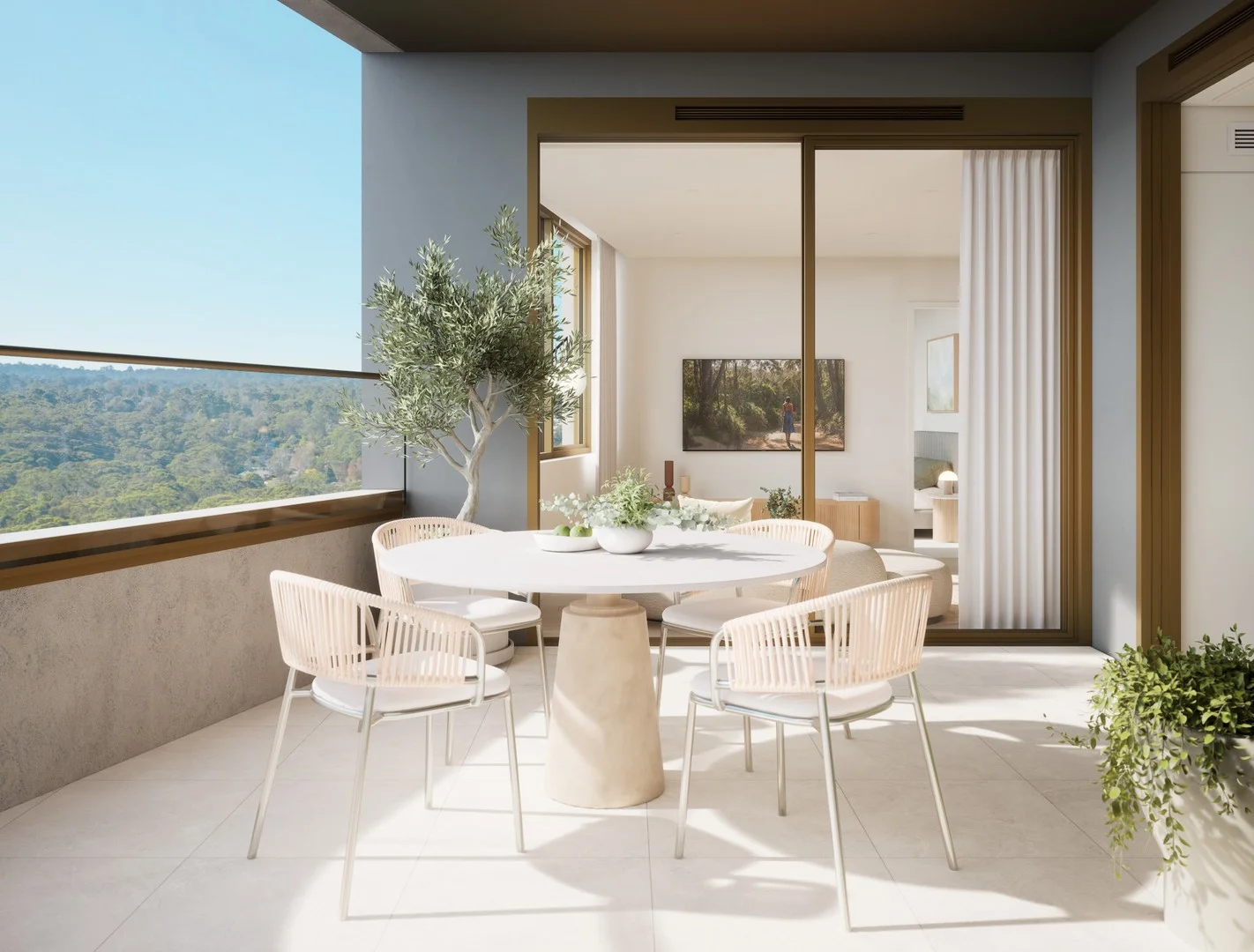 $1,525,000
Apartment / Unit / Flat
$1,525,000
Apartment / Unit / Flat
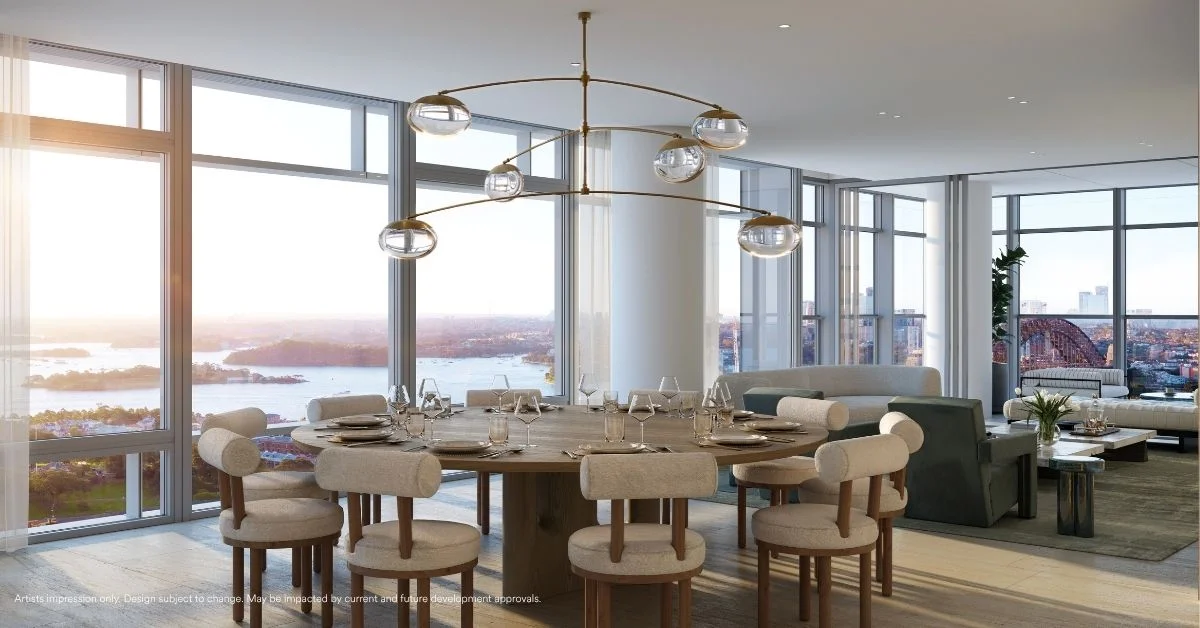 $26,550,000
propertyType.NEW APARTMENTS / OFF THE PLAN
$26,550,000
propertyType.NEW APARTMENTS / OFF THE PLAN


