## 1. Overview
Beacon Hill Public School is a public, co-educational primary school serving students from kindergarten through to year 6. The school is typically described as medium-sized, with class sizes commonly around the NSW primary range (roughly 20–28 students per class). The atmosphere is nurturing and inclusive, with a focus on student well-being, achievement, and a supportive learning culture that values diversity and community involvement.
- School type: Public
- School size: Medium
- Class size: ~20–28 students per class
- Atmosphere/culture: Nurturing, inclusive, supportive, diverse
## 2. Academics & Learning
Beacon Hill Public School emphasizes a balanced approach to learning, with strengths commonly highlighted in literacy and numeracy, along with a growing focus on STEM, digital literacy, and language development. The school typically offers programs that support leadership opportunities and student agency, and may participate in broader NSW educational initiatives.
- Academic strengths: Literacy, numeracy, STEM connections, leadership opportunities, language development
- Special programs: Gifted and talented courses or pathways; accelerated learning options may be available; digital learning and technology-integrated activities
- NAPLAN trends: NSW public schools generally show stable to improving trends over time; specific year-to-year trends are published in annual school reports and can be reviewed for Beacon Hill PS
- Student-teacher ratios: Class-sized environments with specialist teachers where applicable; overall ratios align with NSW primary school norms
- Support for diverse learners: EAL support, targeted assistance for students with additional learning needs, and potential access to SEN support and learning support staff
## 3. Sports & Extracurricular Strengths
Extracurriculars are an important part of the school experience, with a focus on broad student participation and skill development.
- Sports offered: Common primary options such as soccer, cricket, athletics, swimming, and other by-season activities; opportunities for inter-school sports programs
- Strong teams or achievements: Active participation in local or inter-school competitions; achievements vary by year and cohort
- Music, arts, drama programs: Music and performing arts opportunities; concert or school performances are typical
- Clubs: Robotics, coding, chess, debating, and other interest clubs as available
- Partnerships: Local clubs, community groups, and inter-school competition partnerships when offered
## 4. Wellbeing & Pastoral Care
Wellbeing and safe, positive relationships are central to the school’s approach.
- Anti-bullying approach: Clear anti-bullying policies and programs, with ongoing education and reporting processes
- House system: House-based activities and competitions to promote belonging and leadership
- Counsellors / wellbeing officers: Access to school-based wellbeing staff and support services
- Transition support for new students: Buddy programs, orientation activities, and targeted support to ease transitions between year levels or to the school
## 5. Facilities
Facilities are designed to support a range of learning activities and student wellbeing.
- Sports grounds: Adequate outdoor spaces for PE and recreational activities
- Libraries: Primary school library for reading and research
- Science labs: Dedicated spaces for science learning and experiments
- Music/performing arts centers: Areas for music practice and performances
- Tech/innovation labs: Rooms or spaces for technology and digital learning activities
- Cafeteria: On-site canteen or lunch facilities
- Updated playgrounds: Play areas designed for active play and risk-aware exploration
## 6. School Values & Community Culture
Beacon Hill Public School aims to foster a positive, respectful, and inclusive culture.
- School values / mission: Emphasis on respect, responsibility, resilience, and collaborative learning
- Leadership style: Collaborative and student-centered, with opportunities for student voice in some activities
- Behaviour expectations: Clear positive-behaviour expectations and consistent routines
- Community reputation: Strong engagement with families and local community; learners are encouraged to contribute to school life
- Diversity & inclusion: Commitment to an inclusive environment that recognises and supports student diversity
## 7. School Logistics & Daily Operations
Helpful information to plan daily routines and logistics.
- School hours: Typical primary schedule (start around morning 9:00 am, finish mid-afternoon); exact times may vary
- Before/after school care: Availability varies; may include OSHClub or other external providers
- Uniform requirements: NSW public schools generally require a uniform; details about summer/winter uniforms and hats are provided by the school
- Transport (train/bus routes): Access to local public transport; families should check local routes and drop-off/pick-up arrangements
- Canteen availability: On-site or school canteen/services for meals and snacks
- Fees: Public schools have minimal compulsory fees; additional costs may relate to excursions, activities, or optional programs
## 8. Enrolment & Admissions
11. What is the enrolment process and timeline?
- Start by confirming eligibility (catchment and out-of-area considerations).
- Complete the school’s enrolment application and provide required documents (proof of identity for the student, proof of address, immunisation history statement, and any other school-specific forms).
- Submit the application within the stated windows; allow time for processing and any needed documentation.
- If offered a place, you will receive enrolment confirmation and next steps (orientation, commencing date, uniform and book lists).
Timeline notes:
- Enrolment should be completed before the start of the school term you intend to attend; earlier applications improve placement chances, especially for out-of-area requests.
- Processing times vary; check with the school for precise timelines.
12. Is there a waiting list, and how does it work?
- Availability depends on local catchment capacity and enrolment priorities.
- In oversubscribed situations, enrolment decisions follow NSW Department guidelines prioritising in-catchment places; out-of-area requests may be subject to space and approval.
- Some schools maintain a structured waiting list or may advise on alternative options if no place is available at the desired time.
13. Are there any entry requirements, tests, or interviews?
- For standard public school enrolment, there are no formal academic entry tests or selective interviewing for a typical kindergarten to year 6 placement.
- Some schools may require a short information session or discussion with the principal or enrolment team, particularly for new arrivals, students with special needs, or when applying for specific programs.
- You will typically need to provide documentation as part of the enrolment process.
14. Does the school accept mid-year transfers?
- Yes, mid-year transfers can be possible if there is space and the appropriate documentation (transfer note from current school) is provided.
- In-year enrolments are managed in coordination with the receiving school to ensure a smooth transition for the student.
- Availability depends on current cohort sizes and local capacity.
## 9. Frequently Asked Questions
- Why Parents Choose This School?
- A sense of community, supportive staff, focus on well-being, and opportunities for involvement and growth.
- What type of student thrives at this school?
- Students who respond well to a nurturing learning environment, collaborative work, and a range of academic, sporting, and creative opportunities.
- What opportunities are available for students to extend their skills (academics, sports, arts)?
- Access to literacy/numeracy supports and extensions, STEM activities, arts and music programs, sports, clubs (robotics, coding, chess, debating), and leadership opportunities.
- How does the school communicate with parents?
- Regular updates via newsletters, notices, parent-teacher meetings, and digital platforms; opportunities to engage through the school community.
- What is the school’s approach to teaching and learning?
- A balanced, evidence-informed approach that supports core literacy and numeracy, plus inquiry-based learning, digital literacy, and differentiation to meet diverse learner needs.
- How does the school support students who need extra academic help?
- Targeted teaching, small group support, learning support staff, and referral pathways to specialist services when needed.
- What support is available for academic challenges?
- Individual or small-group interventions, progress monitoring, and collaboration with families to develop learning plans.
- How does the school communicate with parents?
- See above; multiple channels, with regular updates and opportunities for engagement.
- What are the class sizes and how much individual attention do students receive?
- Typical class sizes align with NSW primary ranges; students receive instruction in a shared classroom setting with opportunities for targeted support from teachers and support staff as needed.
- What extracurricular and sports opportunities are available?
- A range of sports, music/arts, and clubs (robotics, coding, chess, debating) with opportunities to participate in school and local competitions.
- What facilities does the school offer (sports, science, arts)?
- Sports grounds, library, science labs, music/performing arts spaces, technology/innovation labs, canteen, and updated playgrounds.
- What is the school’s approach to technology and digital learning?
- Integration of digital tools in learning, with access to devices and age-appropriate software to support collaboration, research, and creativity.
- What transport and accessibility options are available?
- Access to local transport options; a range of arrangements for student drop-off/pick-up; families should review current routes and accessibility details with the school.
- What are the typical school fees or additional costs?
- Public schools have minimal compulsory fees; additional costs may relate to excursions, extracurricular programs, materials, or optional activities.
## 10. Short Pros & Cons list
- Pros
- Strong sense of community and inclusive culture
- Focus on well-being and student support
- Range of academic, arts, and sports opportunities
- Access to facilities that support a holistic learning experience
- Opportunities for student leadership and involvement
- Cons
- Class sizes and resource levels reflect NSW public school norms, which may vary by year and cohort
- Transport options depend on family location and local routes
- Availability of certain programs or clubs can vary by year and enrolment numbers
If you’d like, I can tailor these sections with any specific details you provide from Beacon Hill Public School (e.g., exact programs offered, current facilities, or recent enrolment figures) or help format this content for a particular page on Aroundschools.








 $2,824,000
Apartment / Unit / Flat
$2,824,000
Apartment / Unit / Flat
 $1,525,000
Apartment / Unit / Flat
$1,525,000
Apartment / Unit / Flat
 $26,550,000
propertyType.NEW APARTMENTS / OFF THE PLAN
$26,550,000
propertyType.NEW APARTMENTS / OFF THE PLAN
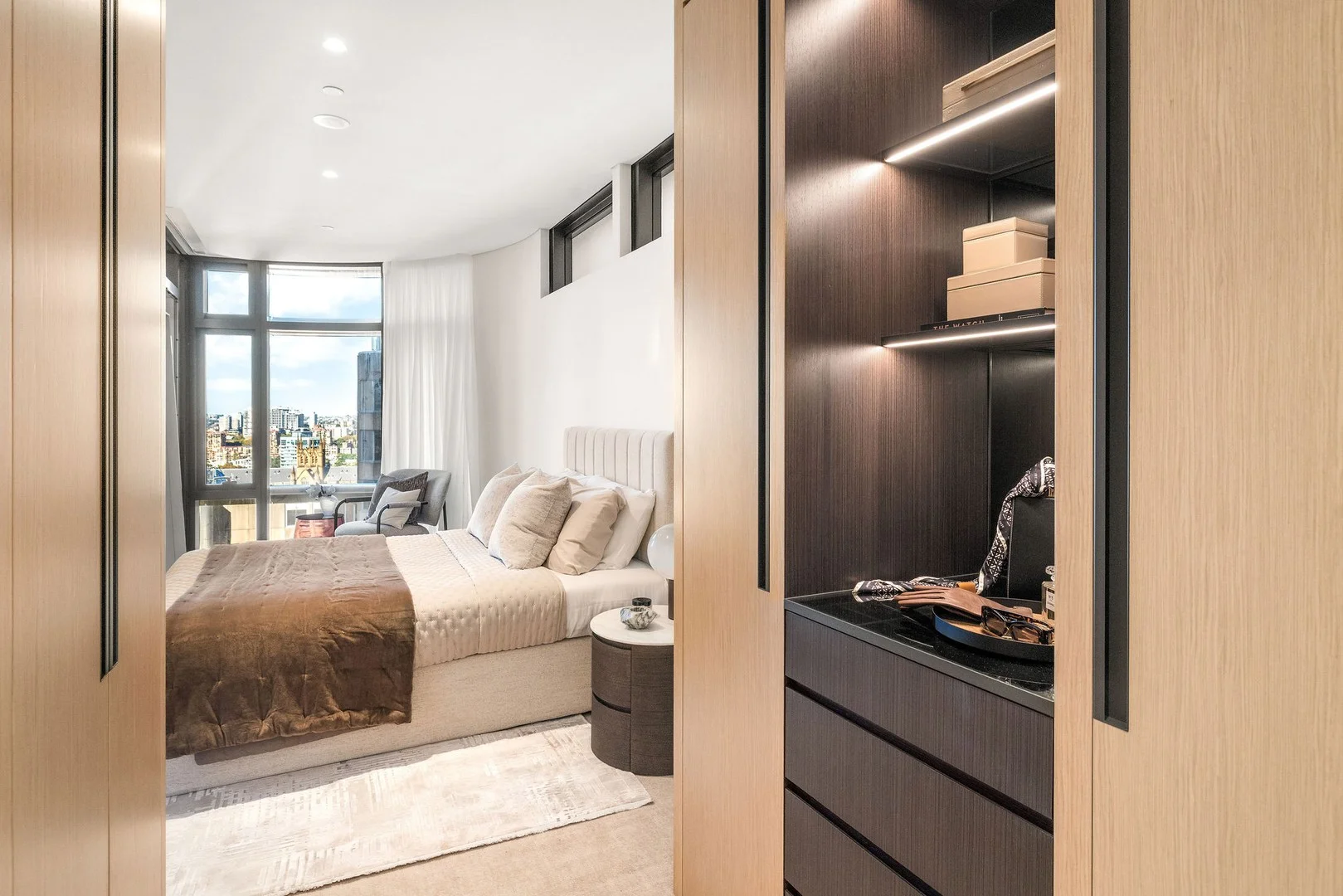 $2,745,000
propertyType.NEW APARTMENTS / OFF THE PLAN
$2,745,000
propertyType.NEW APARTMENTS / OFF THE PLAN
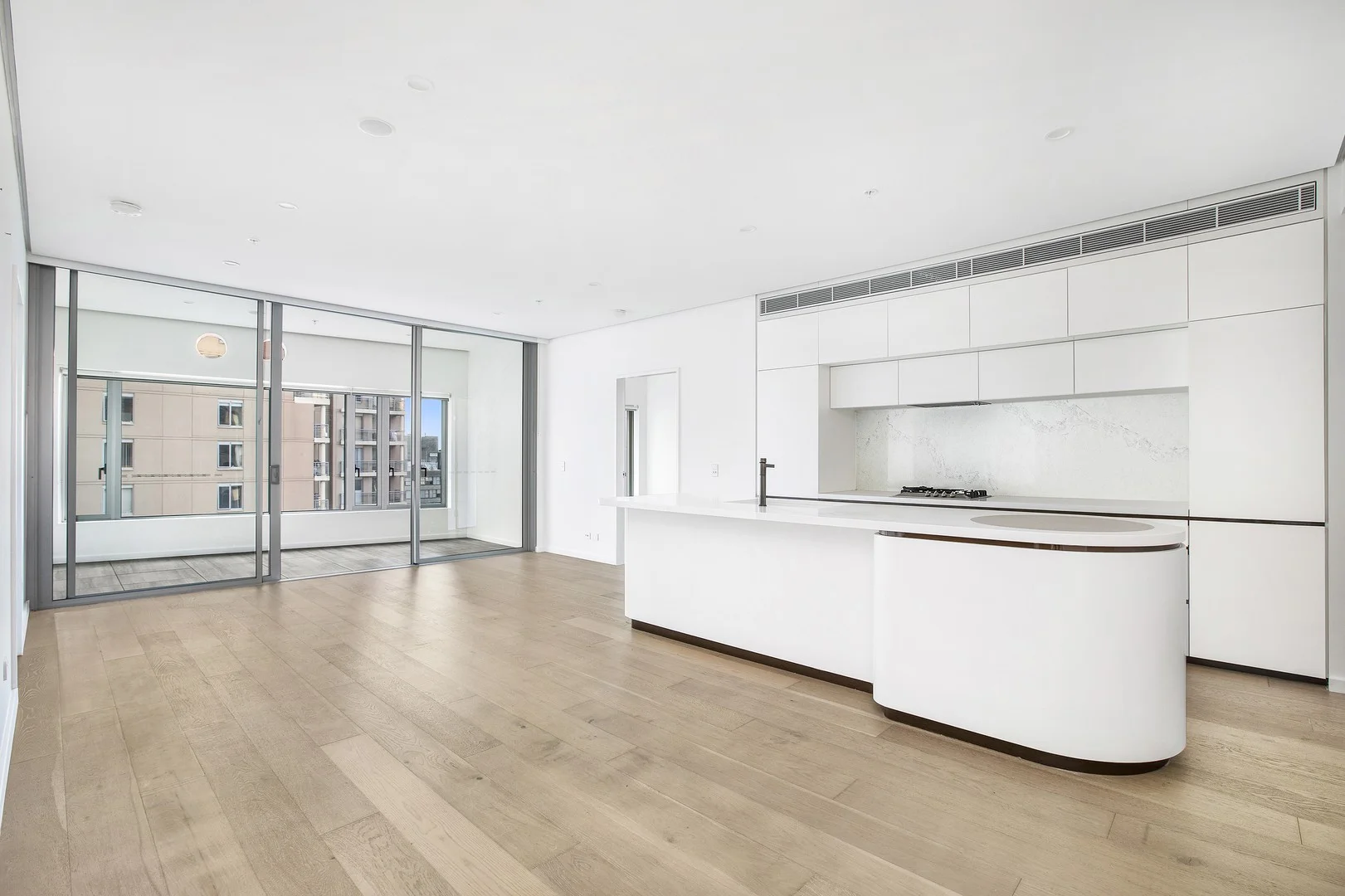 $2,250,000
Apartment / Unit / Flat
$2,250,000
Apartment / Unit / Flat
 $8,630,000
propertyType.NEW APARTMENTS / OFF THE PLAN
$8,630,000
propertyType.NEW APARTMENTS / OFF THE PLAN
 $12,980,000
propertyType.NEW APARTMENTS / OFF THE PLAN
$12,980,000
propertyType.NEW APARTMENTS / OFF THE PLAN
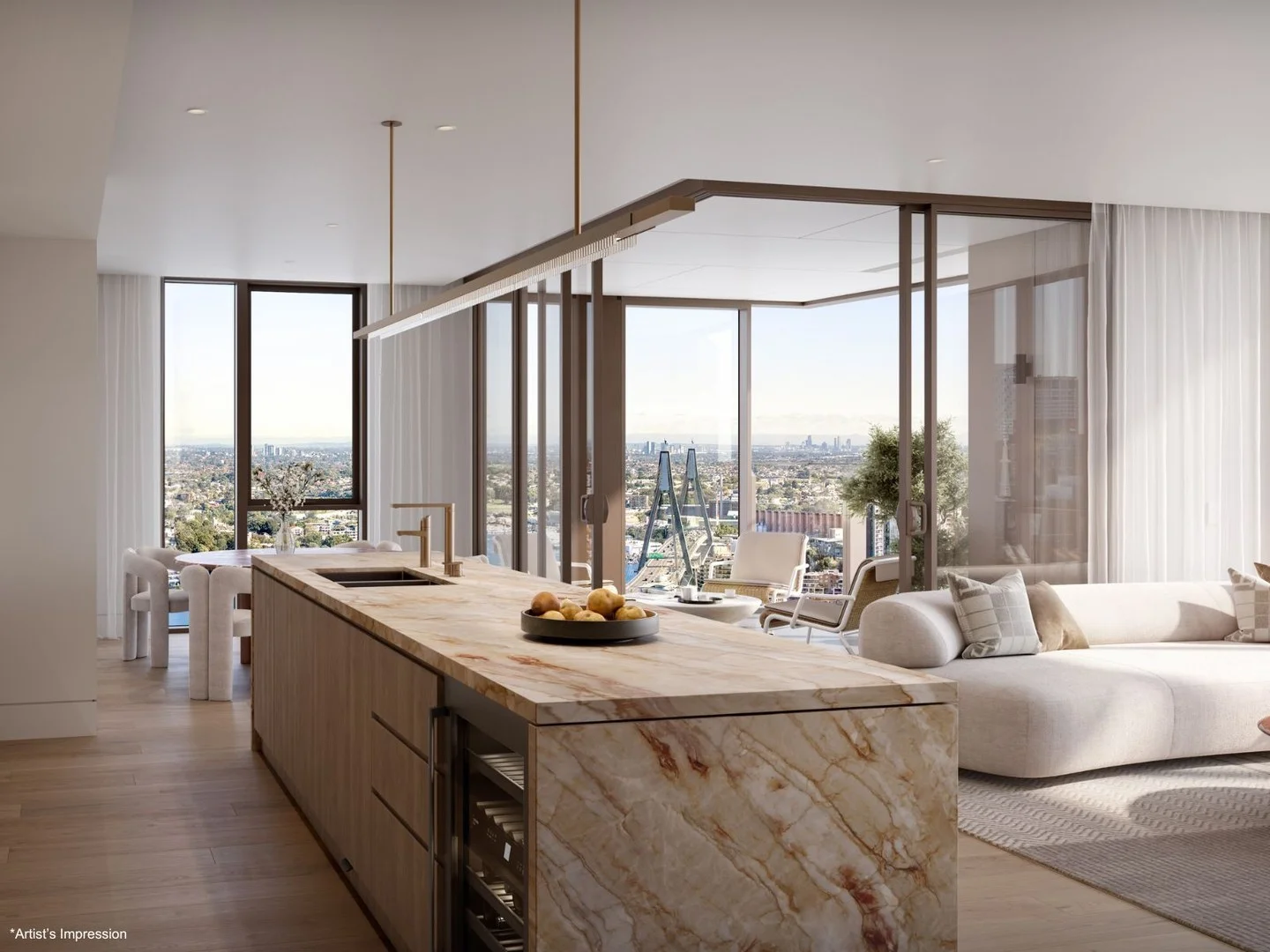 $9,020,000
propertyType.NEW APARTMENTS / OFF THE PLAN
$9,020,000
propertyType.NEW APARTMENTS / OFF THE PLAN
 $6,225,000
propertyType.NEW APARTMENTS / OFF THE PLAN
$6,225,000
propertyType.NEW APARTMENTS / OFF THE PLAN


