Overview
## 1. Overview
Parkville College is a public (state government) specialist school located in Parkville, Victoria. It focuses on providing inclusive, individualized education and support for students with additional needs, operating within the Victorian Department of Education framework. The campus culture emphasizes a nurturing, supportive environment where students can develop socially, academically, and personally.
- School size: small
- Class size: small
- Atmosphere/culture: inclusive, nurturing, student-centered
Note: Information reflects typical features of a public specialist school; for precise details, please check the official school materials.
---
## 2. Academics & Learning
Parkville College emphasises practical, student-centered learning with a focus on communication, life skills, and functional literacy and numeracy. The school supports students to engage with core subjects in ways that suit diverse learning needs while maintaining high expectations around personal growth and participation.
- Academic strengths: functional literacy and numeracy, English, communication, life skills; integrated approaches to STEM and daily living skills
- Special programs: inclusive education supports, targeted literacy/numeracy strategies, allied health involvement (speech therapy, occupational therapy), transition planning
- NAPLAN / trends: participation and progress are monitored with a focus on year-over-year improvement and individual growth; trends reflect ongoing support for diverse learners
- Student-teacher ratios: low ratios typical of specialist settings (small class groups with substantial staff support)
- Support for diverse learners: strong SEN supports including EAL considerations where applicable, speech therapy, occupational therapy, and individualized education plans
Note: Specific program names and services may vary; consult the school for current offerings.
---
## 3. Sports & Extracurricular Strengths
Extracurriculars and adapted opportunities are tailored to the abilities and interests of students, with an emphasis on inclusive participation and skill development.
- Sports offered: adapted physical education; inclusive physical activities and fitness programs
- Strong teams or achievements: participation in inter-school and community events; emphasis on personal bests and inclusive participation
- Music, arts, drama programs: available to support creativity and expression
- Clubs: robotics, coding, chess, debating (club offerings may vary by year)
- Partnerships: connections with local community programs and disability services; opportunities for competitions and showcases through partner networks
Note: Specific clubs and teams may change; check current offerings with the school.
---
## 4. Wellbeing & Pastoral Care
Wellbeing and pastoral care are central to the school's approach, supporting students’ emotional health, safety, and successful transitions.
- Anti-bullying approach: explicit policies, ongoing education, and a focus on respectful peer cultures
- House system: used to foster belonging, teamwork, and healthy competition
- Counsellors / wellbeing officers: access to school-based wellbeing staff and supports
- Transition support for new students: structured induction, buddy systems, and ongoing transition planning
Note: Details on personnel and programs can vary; confirm current arrangements with the school.
---
## 5. Facilities
Parkville College provides facilities aimed at accessibility, safety, and a conducive learning environment. The campus includes spaces designed for inclusive learning and support services.
- Sports grounds
- Libraries
- Science labs
- Music/performing arts centers
- Tech/innovation labs
- Cafeteria
- Updated playgrounds
Note: The exact facility configuration may differ by campus and year; verify current facilities with the school.
---
## 6. School Values & Community Culture
The school’s values guide behavior, leadership, and community life, promoting an inclusive, collaborative culture.
- School values / mission: inclusion, respect, resilience, collaboration, and student empowerment
- Leadership style: collaborative and supportive; emphasis on student voice and family partnerships
- Behaviour expectations: clear & positive behavior framework centered on dignity, responsibility, and safety
- Community reputation: recognized for supportive, inclusive schooling that focuses on individual student growth
- Diversity & inclusion: strong commitment to accessibility and equity for learners with diverse needs
Note: Perceptions can vary; speak with families and staff for a current sense of the culture.
---
## 7. School Logistics & Daily Operations
Practical information to help families plan daily life around the school.
- School hours: typical daytime schedule (exact times vary; contact the school for precise hours)
- Before/after school care: may be available through school programs or partner providers; confirm current options
- Uniform requirements: school uniform likely required
- Transport (train/bus routes): accessible by public transport; information on routes and student transport arrangements provided by the school
- Canteen availability: on-site canteen or snack facilities may be available
- Fees (low/medium/high ranges): as a public school, tuition is generally not charged; some costs for uniforms, materials, or optional activities may apply
Note: Verify current logistics with the school as arrangements can change.
---
## 8. Enrolment & Admissions
11. What is the enrolment process and timeline?
- Applications typically follow the Department of Education processes for public specialist schools, including eligibility checks and submission timelines. Families may begin with an inquiry, followed by documentation and assessment as required, then an enrolment decision and transition planning.
12. Is there a waiting list, and how does it work?
- There can be a waiting list due to capacity; placement often considers space, priority needs, and timing. Families are kept informed of status and next steps.
13. Are there any entry requirements, tests, or interviews?
- Entry often involves eligibility criteria for specialist settings, plus required documentation (educational/psychological reports, medical information). Interviews or discussions may occur as part of the transition planning process.
14. Does the school accept mid-year transfers?
- Mid-year transfers are possible where space and resources allow; smooth transitions are supported with planning and coordinated handovers.
Note: Enrolment rules and timelines can vary; contact the school and the Department of Education for the most current process.
---
## 9. Frequently Asked Questions
- Why Parents Choose This School?
- Parents often choose for the supportive, inclusive environment, small class sizes, and strong emphasis on individualised plans and wellbeing.
- What type of student thrives at this school?
- Students who benefit from individualized supports, a structured yet flexible learning environment, and opportunities to develop practical life skills and communication.
- What opportunities are available for students to extend their skills (academics, sports, arts)?
- A range of academic supports, adapted sports and physical activity, arts and music programs, and clubs such as robotics, coding, chess, and debating.
- How does the school communicate with parents?
- Communication typically includes newsletters, emails, phone calls, parent portals, and scheduled meetings; frequency can vary by term.
- What is the school’s approach to teaching and learning?
- Student-centered, inclusive pedagogy with individualized education plans, consistent assessment, and emphasis on functional skills and real-world application.
- How does the school support students who need extra academic help?
- Targeted literacy/numeracy support, specialist staff, allied health involvement, and personalised learning plans.
- What support is available for academic challenges?
- Access to SEN staff, learning support services, and coordination with external professionals as required.
- How does the school communicate with parents? (Repeat)
- See above: regular updates through multiple channels and planned parent-teacher interactions.
- What are the class sizes and how much individual attention do students receive?
- Class sizes are small with a high level of individual attention, supported by additional staff where needed.
- What extracurricular and sports opportunities are available?
- Adapted sports, music and arts activities, and clubs such as robotics, coding, chess, and debating (subject to current offerings).
- What facilities does the school offer (sports, science, arts)?
- Facilities include sports grounds, libraries, science labs, music/performing arts spaces, tech/innovation labs, a cafeteria, and updated playgrounds.
- What is the school’s approach to technology and digital learning?
- Use of assistive technologies and inclusive digital tools; devices and software to support communication, literacy, and learning access.
- What transport and accessibility options are available?
- Accessible on public transport; information on routes, accessibility features, and travel arrangements provided by the school.
- What are typical school fees or additional costs?
- As a public school, tuition is generally not charged; some costs may apply for uniforms, materials, or optional activities.
Note: This FAQ reflects common topics of interest; for exact, up-to-date details, consult the school's official information.
---
## 10. Short Pros & Cons list
- Pros
- Small class sizes and strong individual attention
- Inclusive, nurturing environment focused on wellbeing and personal growth
- Robust SEN support and access to allied health services
- Adapted sports, arts, and practical learning opportunities
- Clear values of respect, resilience, and collaboration
- Cons
- Limited subject breadth compared to larger generalist schools
- Potential waiting lists due to specialist capacity
- Transport options depend on location and may require planning for some families
- Some programs and clubs may vary year to year based on staffing and student interest
Note: Pros and cons reflect common considerations for specialist public schools; verify current offerings and capacity with the school.













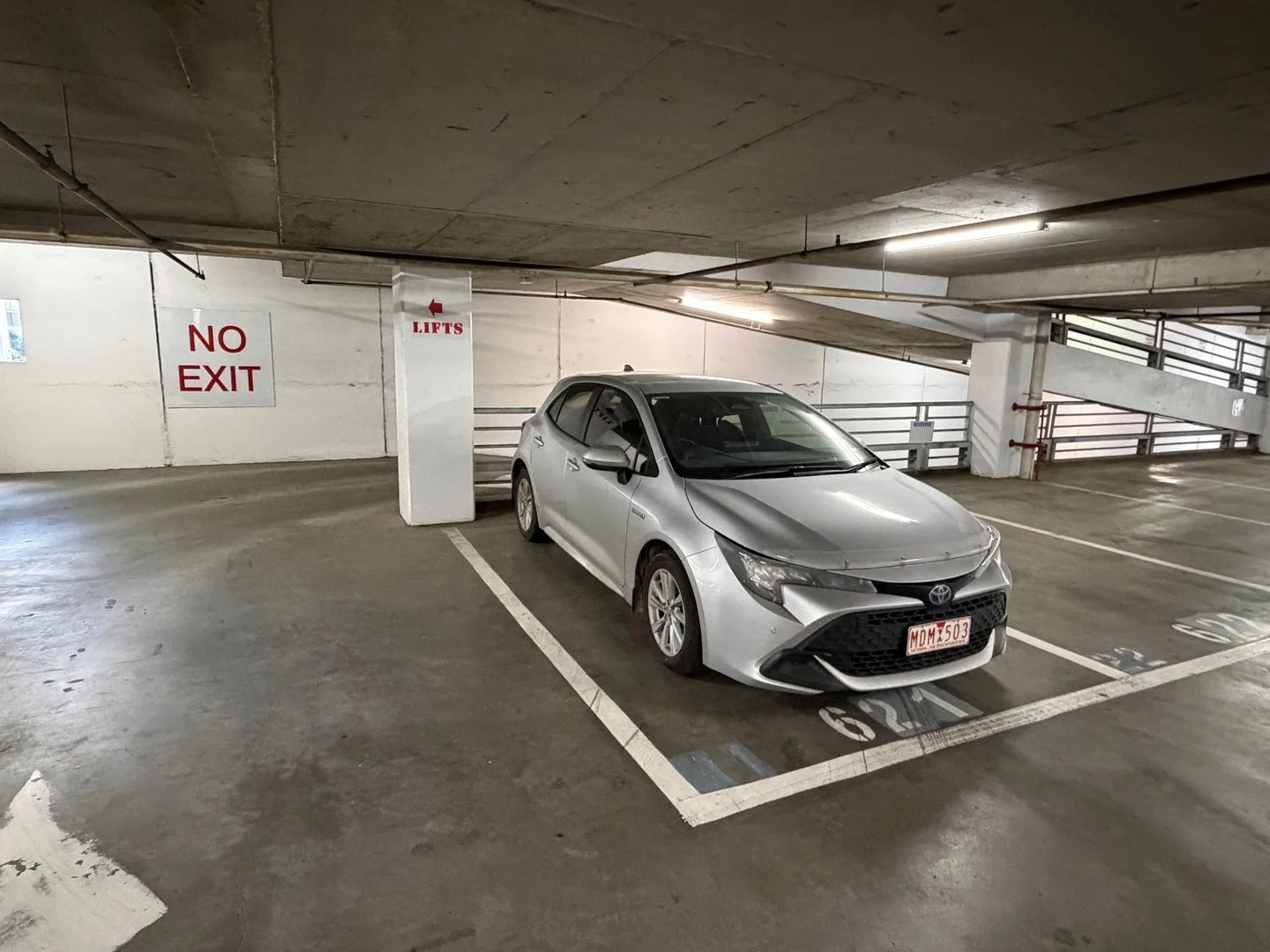 $27,500
propertyType.CAR SPACE
$27,500
propertyType.CAR SPACE
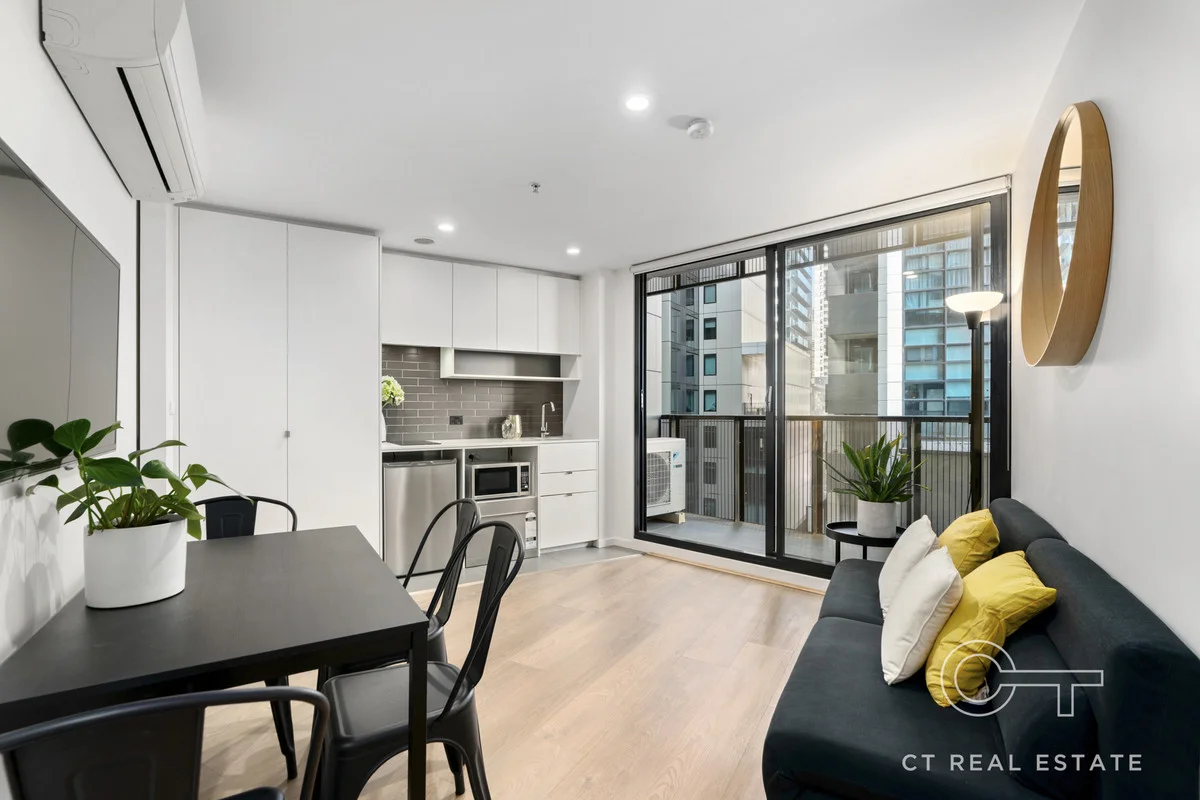 $360,000
Apartment / Unit / Flat
$360,000
Apartment / Unit / Flat
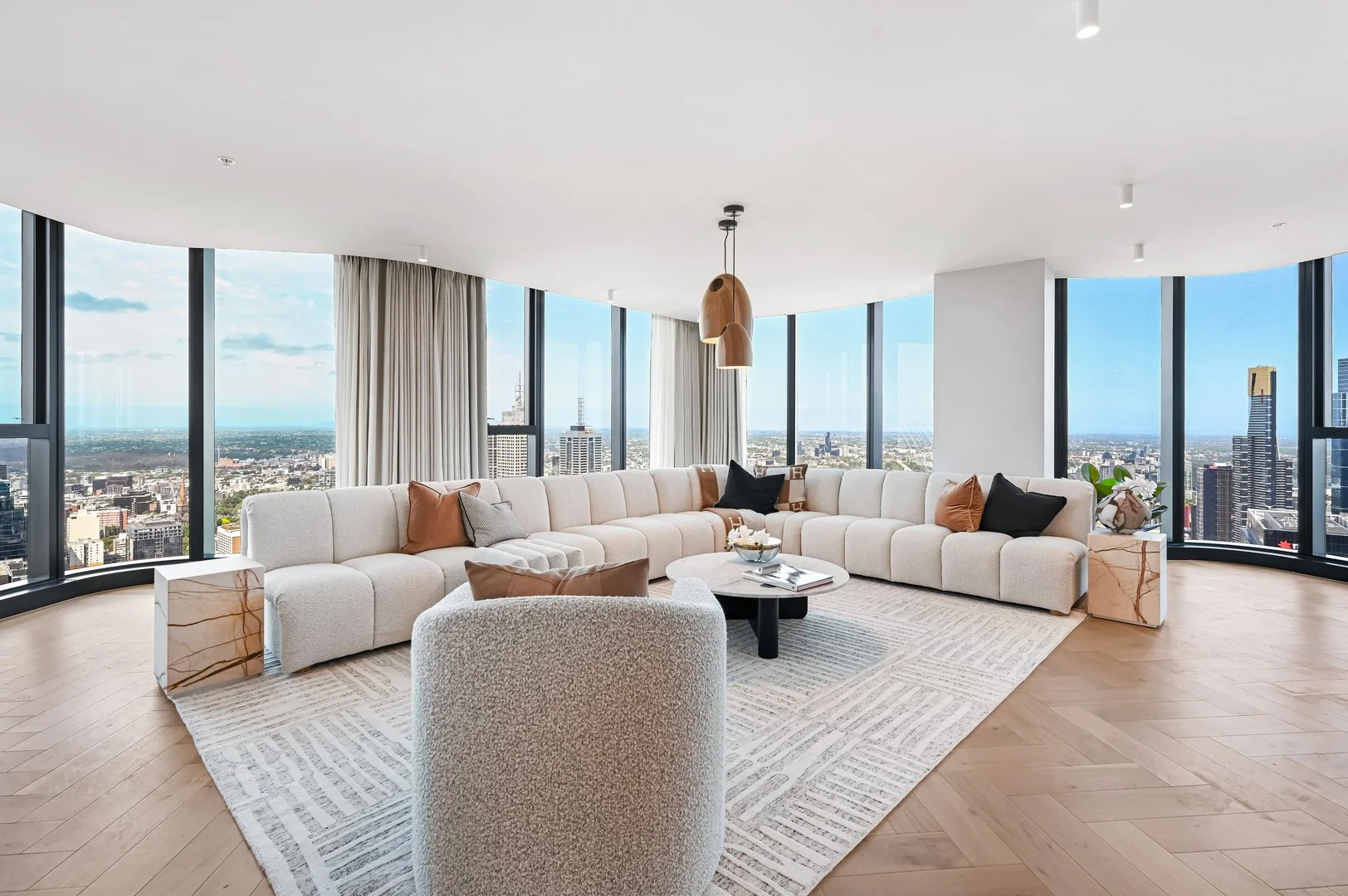 $5,512,000
propertyType.NEW APARTMENTS / OFF THE PLAN
$5,512,000
propertyType.NEW APARTMENTS / OFF THE PLAN
 $2,008,000
propertyType.NEW APARTMENTS / OFF THE PLAN
$2,008,000
propertyType.NEW APARTMENTS / OFF THE PLAN
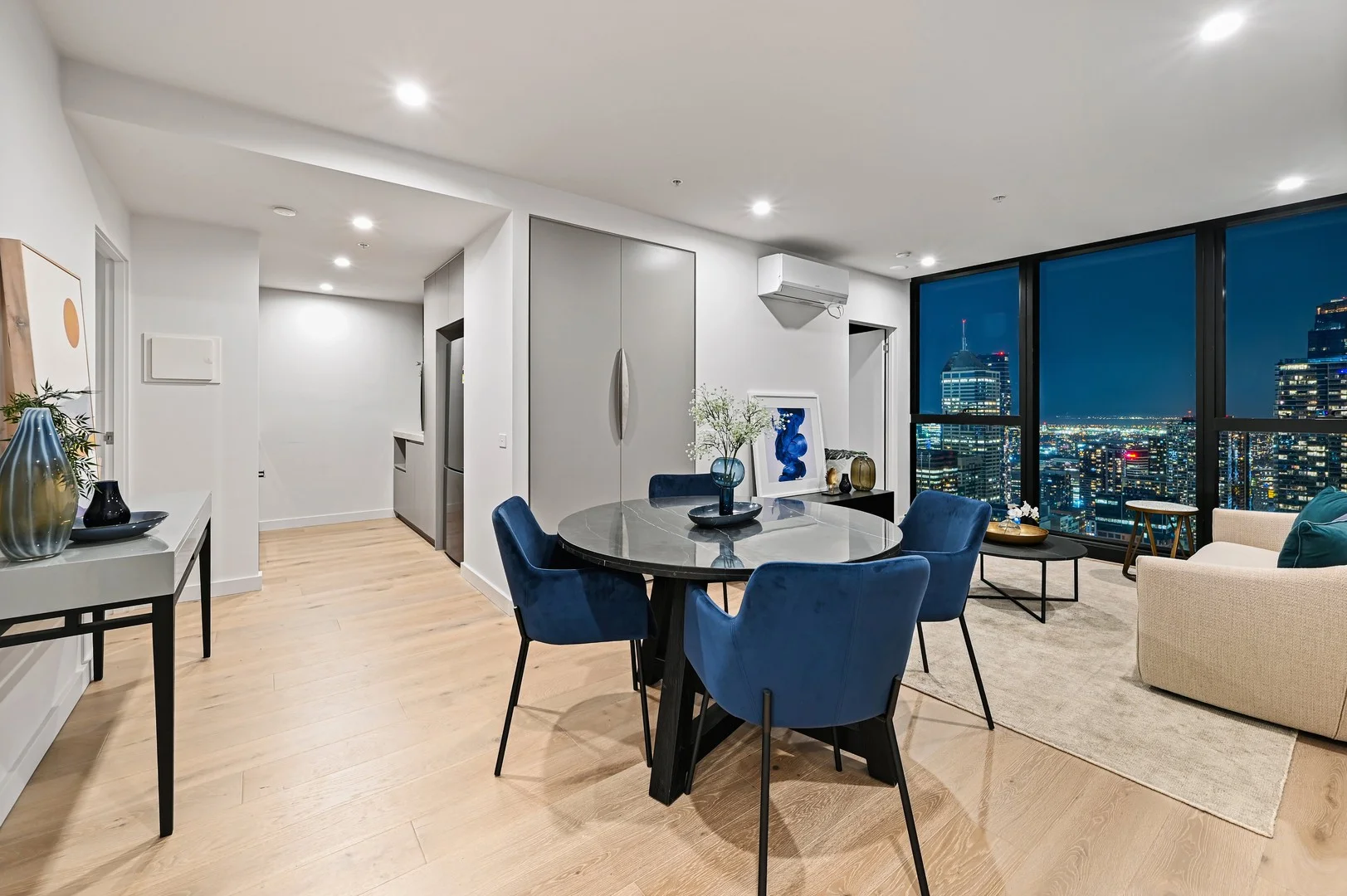 $943,000
propertyType.NEW APARTMENTS / OFF THE PLAN
$943,000
propertyType.NEW APARTMENTS / OFF THE PLAN
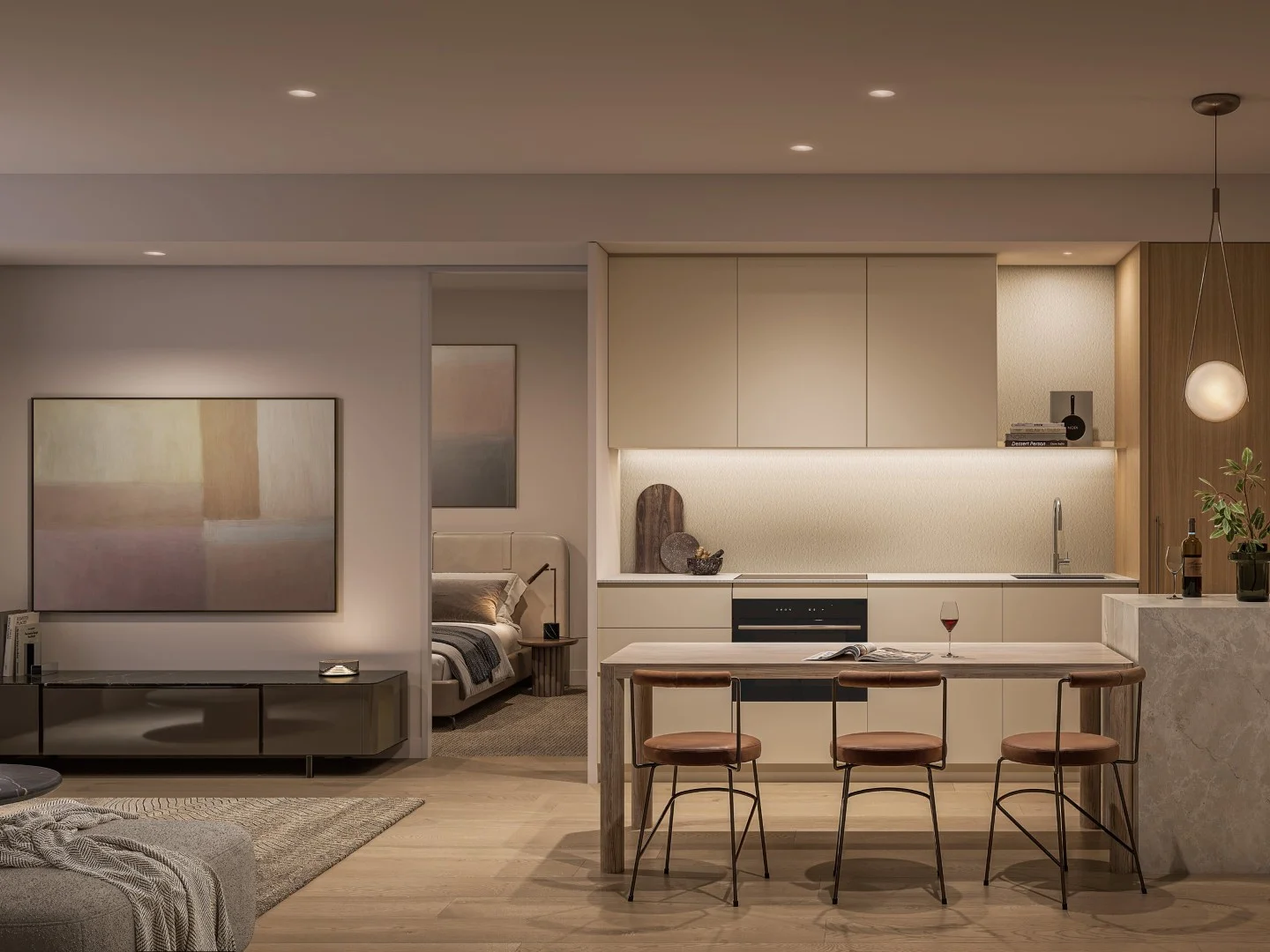 $666,000
Apartment / Unit / Flat
$666,000
Apartment / Unit / Flat
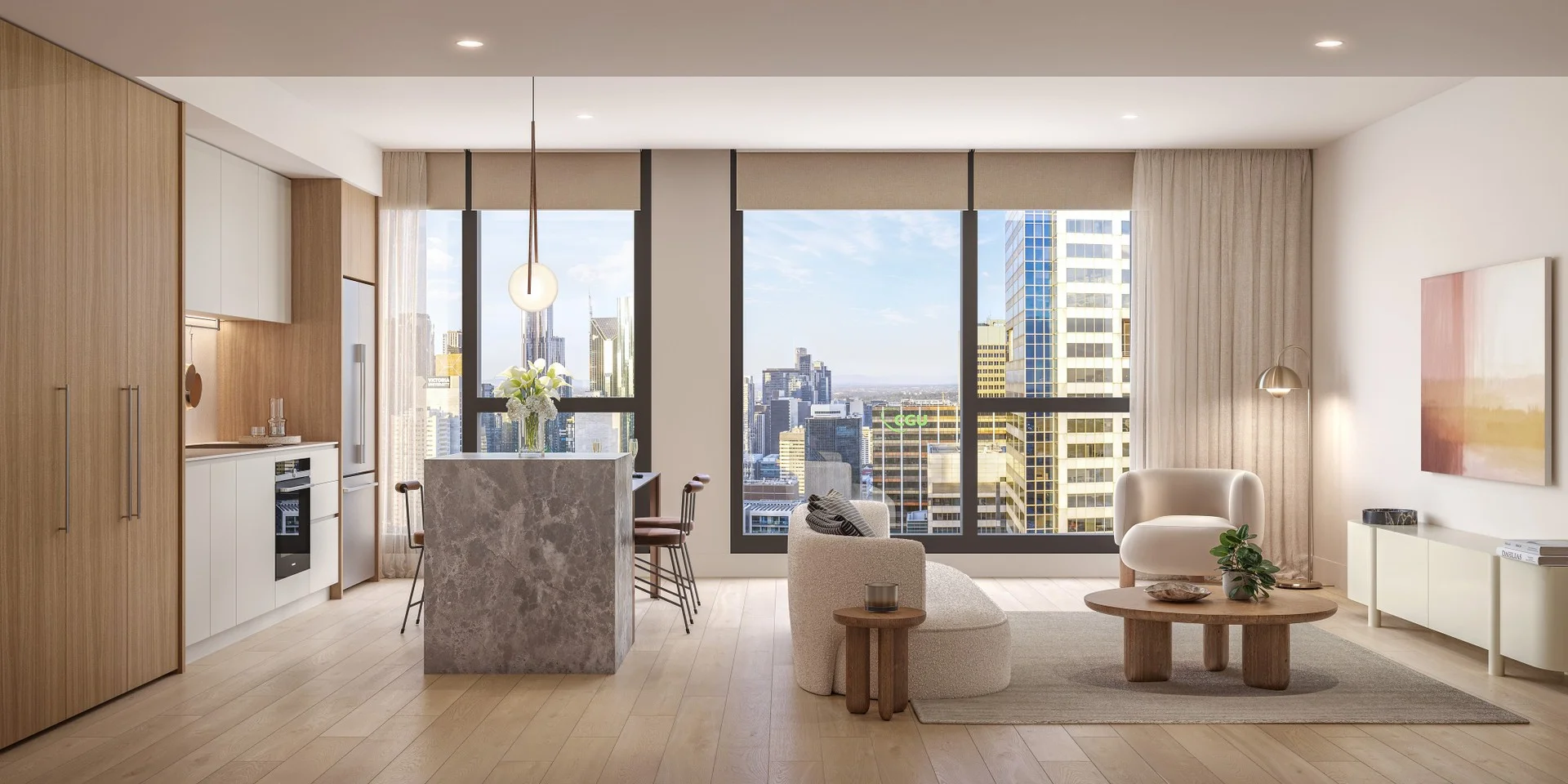 $1,870,000
propertyType.NEW APARTMENTS / OFF THE PLAN
$1,870,000
propertyType.NEW APARTMENTS / OFF THE PLAN
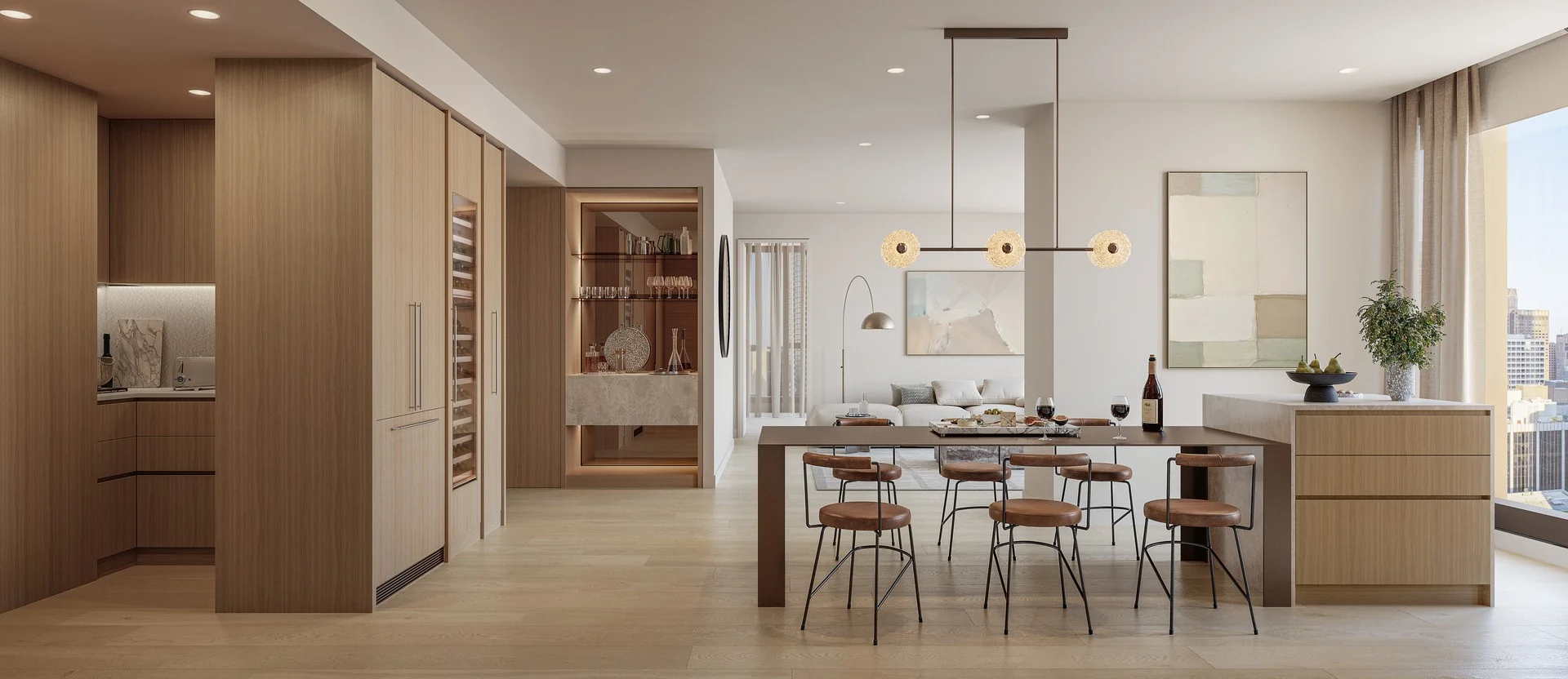 $2,865,000
Apartment / Unit / Flat
$2,865,000
Apartment / Unit / Flat
 $712,500
Apartment / Unit / Flat
$712,500
Apartment / Unit / Flat