Overview
## 1. Overview
Resurrection Catholic Primary School Kings Park is a Catholic, co-educational primary school that blends faith formation with a comprehensive curriculum and a strong sense of community. The school emphasises values-based learning, inclusion, and active involvement of families in school life. It aims to nurture well-rounded students who are academically engaged and socially responsible.
The school is a medium-sized community with class sizes that support focused learning and individual attention. The atmosphere is nurturing and inclusive, balancing academic effort with pastoral care to help every student feel valued and supported.
――
## 2. Academics & Learning
- Academic strengths: Strong focus on literacy and numeracy, with opportunities to develop STEM skills, leadership capabilities, and a curriculum that integrates faith formation with learning. A commitment to high-quality teaching supports continuous student growth.
- Special programs: Targeted literacy and numeracy support, enrichment opportunities, and faith-based programs that reinforce character development and community service.
- NAPLAN / trends: Recent years show steady improvement and solid performance in key domains such as reading and numeracy, reflecting effective teaching and targeted support.
- Student-teacher ratios: Generally favourable, with smaller groupings for targeted learning support and more individualized attention in early years and intervention blocks.
- Support for diverse learners: EAL (English as an Additional Language) support, inclusive education practices, and structured support for students with additional learning needs (SEN) within the classroom or via dedicated programs.
――
## 3. Sports & Extracurricular Strengths
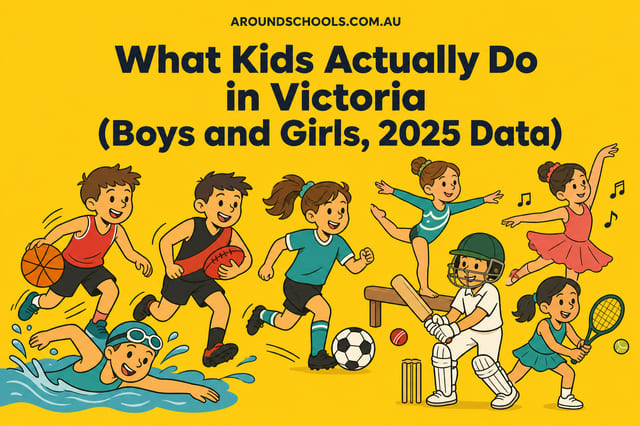
- Sports offered: A range of team and individual sports typical for primary schools, including ball sports, athletics, swimming, and cross-country events; participation through school teams and inter-school events.
- Strong teams or achievements: Active participation in inter-school competitions and house-based athletics and team sports, with opportunities for leadership roles within teams.
- Music, arts, drama programs: Active music program (choirs or ensembles), school drama productions, and opportunities to participate in arts activities.
- Clubs: Robotics, chess, coding, debating, and other clubs that support curiosity, problem-solving, and communication skills.
- Partnerships: Connections with local clubs, regional competitions, and community organisations to broaden opportunities in sport, arts, and STEM activities.
――
## 4. Wellbeing & Pastoral Care
- Anti-bullying approach: Whole-school wellbeing framework prioritising respectful behaviour, restorative practices, and clear avenues for reporting concerns.
- House system: House groups promote teamwork, leadership, and healthy competition across events and activities.
- Counsellors / wellbeing officers: Access to wellbeing staff to support social, emotional, and mental health needs.
- Transition support for new students: Orientation sessions, buddy programs, and targeted supports to ease transitions for new families and year levels.
――
## 5. Facilities
- Sports grounds: On-site playing fields or ovals suitable for physical education and minor inter-school activities.
- Libraries: A dedicated library space supporting reading, inquiry, and multimedia learning.
- Science labs: Equipped spaces for practical science experiments and hands-on learning.
- Music/performing arts centers: Facilities to support music education, rehearsals, and performances.
- Tech/innovation labs: Computer or STEM spaces that foster coding, robotics, and digital literacy.
- Cafeteria: On-site canteen or dining area that provides healthy meal options.
- Updated playgrounds: Modern, age-appropriate outdoor play spaces.
――
## 6. School Values & Community Culture
- School values / mission: Education rooted in Catholic values such as respect, compassion, service, and integrity; emphasis on character development alongside academic growth.
- Leadership style: Student voice is encouraged through appropriate leadership roles, student councils, and collaborative decision-making where appropriate.
- Behaviour expectations: Clear codes of conduct with consistent expectations, positive reinforcement, and restorative approaches to management.
- Community reputation: Known for a welcoming, supportive environment with active family engagement and a focus on inclusive education.
- Diversity & inclusion: Commitment to welcoming students from diverse backgrounds and ensuring accessible learning for all.
――
## 7. School Logistics & Daily Operations
- School hours: Day typically runs during standard primary school hours, with start and finish times aligned to local norms.
- Before/after school care: Availability of before- and after-school care or supervision, depending on campus options.
- Uniform requirements: School uniform policy with specified attire and guidance on dress standards for daily wear and excursions.
- Transport (train/bus routes): Access to local public transport and school bus routes where available; families should verify current routes and timetables.
- Canteen availability: On-site canteen or lunch service offering everyday meal options and snacks.
- Fees (low/medium/high ranges): Fees are typically in the mid-range for primary Catholic schools, with additional costs for camps, excursions, and materials.
――
## 8. Enrolment & Admissions
- 11. What is the enrolment process and timeline?
- Applications are typically invited for the Prep year and other year levels as space allows. The process usually involves submitting an application with required documentation, followed by an interview or information session, and confirmation of placement if offered. Timelines can vary by year level and year, so check with the school for exact dates and steps.
- 12. Is there a waiting list, and how does it work?
- If the school is oversubscribed, a waitlist may operate. Applicants are placed on the list and offered positions as spaces become available, often prioritised by school policy and placement availability.
- 13. Are there any entry requirements, tests, or interviews?
- Entry typically involves an interview or information session and may include family questions and readiness considerations. Some schools request documentation such as immunisation records and baptismal or parish details; specifics vary by campus.
- 14. Does the school accept mid-year transfers?
- Mid-year transfers are possible where space permits. The process usually includes transcript or report card submission, immunisation records, and a suitability check or interview to determine placement.
――
## 9. Frequently Asked Questions
- Why Parents Choose This School?
- A welcoming Catholic community with a faith-based approach to learning, strong academics, supportive pastoral care, and active family involvement.
- What type of student thrives at this school?
- Students who value faith-based learning, community connection, and a balanced mix of academics, sport, and the arts; those who respond well to supportive teachers and collaborative learning.
- What opportunities are available for students to extend their skills (academics, sports, arts)?
- Enrichment in literacy/numeracy, STEM clubs, leadership opportunities, inter-school sport, music ensembles, drama, robotics, coding, and debating.
- How does the school communicate with parents?
- Regular updates via newsletters, notices, digital portals, emails, notices for events, and parent-teacher conferences to discuss student progress.
- What is the school’s approach to teaching and learning?
- A balanced, differentiated approach that combines structured instruction with inquiry-based learning, focused on literacy, numeracy, and holistic development within a Catholic ethos.
- How does the school support students who need extra academic help?
- Targeted intervention, in-class support, learning support staff, EAL assistance, and targeted programs to address specific learning needs.
- What support is available for academic challenges?
- Access to teaching staff, learning support professionals, and parent collaboration to set individual goals and progress monitoring.
- How does the school communicate with parents?
- See above; ongoing, multi-channel communication is emphasised.
- What are the class sizes and how much individual attention do students receive?
- Class sizes are in the small-to-medium range for primary, with opportunities for targeted small-group or one-on-one support and teacher-led differentiation.
- What extracurricular and sports opportunities are available?
- A broad mix of sports, arts, and clubs including robotics, chess, coding, debating, music ensembles, drama, and inter-school competitions.
- What facilities does the school offer (sports, science, arts)?
- Facilities across sports grounds, library, science labs, music/arts spaces, technology/innovation labs, and dining areas, with updated outdoor play spaces.
- What is the school’s approach to technology and digital learning?
- Integrated digital learning across the curriculum with age-appropriate devices and resources to develop digital literacy and responsible use.
- What transport and accessibility options are available?
- Access to local public transport and school-specific transport arrangements where available; families should confirm current routes and services.
- What are typical school fees or additional costs?
- Fees are generally mid-range for primary Catholic schools, with potential extra costs for camps, excursions, and uniform items.
――
## 10. Short Pros & Cons list
- Pros
- Strong sense of community and faith-based values
- Supportive learning environment with focus on literacy and numeracy
- Broad range of extracurriculars (sport, arts, STEM clubs)
- Inclusive approach with EAL and SEN support
- Active parent involvement and pastoral care
- Cons
- As a faith-based school, alignment with Catholic ethos is a priority; families seeking a non-religious environment may prefer other options
- As with many medium-sized schools, waitlists can occur for popular year levels
- Fees and additional costs for camps, excursions, and resources may be a consideration for some families