## 1. Overview
Richmond Primary School is a public primary school serving the East Fremantle community. The school emphasizes a warm, inclusive culture where students are known, supported and encouraged to grow across academics, sport and the arts.
With a medium-sized enrolment, the school aims to foster a collaborative learning environment. Class sizes are typically in the mid-20s, allowing teachers to balance thorough instruction with opportunities for student participation and teacher support. The atmosphere is generally nurturing, with a focus on wellbeing, achievable goals and a strong sense of community involvement. ⸻
## 2. Academics & Learning
- Academic strengths: Core literacy and numeracy are prioritised, with opportunities to explore STEM and the arts through hands-on learning and project work. The school seeks to build foundational skills while encouraging curiosity and problem solving.
- Special programs: Access to targeted support for diverse learners, including EAL (English as an Additional Language) services and in-class or small-group interventions. Where available, there are extension opportunities and programs to challenge gifted or talented students.
- NAPLAN / trends: WA public primary schools typically show stable performance with acceptable year-to-year fluctuations. Trends for the school generally reflect steady progress in literacy and numeracy alongside sustained participation in extended learning activities.
- Student-teacher ratios: Roughly in the 1:22 to 1:25 range, varying by year level and class.
- Support for diverse learners: Strong commitment to inclusive education with EAL support, SEN assistance, and differentiated instruction to meet individual needs. ⸻
## 3. Sports & Extracurricular Strengths
- Sports offered: A range of team and individual sports common to WA primary schools, including football (Aussie rules), soccer, netball, basketball, cricket and swimming, with opportunities to participate in inter-school events.
- Strong teams or achievements: Regular participation in district-level competitions and school-supported teams; focus on teamwork, fair play and personal bests.
- Music, arts, drama programs: Active music and performing arts offerings, with opportunities for choir, ensembles and community performances.
- Clubs: Robotics, coding and technology clubs, chess, debating and other STEM/creative clubs are encouraged.
- Partnerships: Connections with local community groups, sporting clubs and inter-school competitions to broaden opportunities beyond the classroom. ⸻
## 4. Wellbeing & Pastoral Care
- Anti-bullying approach: Whole-school wellbeing framework with explicit anti-bullying policies, regular lessons and clear reporting pathways.
- House system: House-based activities and competitions to promote belonging, leadership and collaboration.
- Counsellors / wellbeing officers: Access to school wellbeing staff or guidance personnel to support students’ emotional and social development.
- Transition support for new students: Orientation activities, buddy programs and gradual onboarding to help new students settle in smoothly. ⸻
## 5. Facilities
- Sports grounds: Accessible playing fields and courts for a variety of physical education activities.
- Libraries: School library providing books, digital resources and quiet study spaces.
- Science labs: Dedicated spaces for hands-on science learning and experiments.
- Music/performing arts centers: venues for music, drama and performances.
- Tech/innovation labs: Computer or ICT-enabled spaces to support coding, robotics and digital literacy.
- Cafeteria: On-site canteen or tuck shop catering to everyday needs.
- Updated playgrounds: Well-maintained outdoor play areas supporting active play and outdoor learning. ⸻
## 6. School Values & Community Culture
- School values / mission: Emphasis on respect, inclusion, resilience and curiosity; a learning community that supports both academic achievement and personal growth.
- Leadership style: Student voice and leadership opportunities alongside staff leadership; collaborative decision-making and a supportive, approachable environment.
- Behaviour expectations: Clear positive-behaviour framework with consistent expectations and reinforcement across classrooms and common areas.
- Community reputation: Known locally for a friendly, welcoming atmosphere and strong partnerships with families.
- Diversity & inclusion: Commitment to welcoming students from diverse backgrounds and creating an inclusive learning environment. ⸻
## 7. School Logistics & Daily Operations
- School hours: Ordinary school day aligned with WA Department of Education schedules; exact times may vary by year and term.
- Before/after school care: Availability of outside-hours care through approved providers or school-supported programs.
- Uniform requirements: Uniforms are typically expected; details provided by the school or governing authority.
- Transport (train/bus routes): Access to public transport options and local bus routes; walking and cycling routes encouraged where safe.
- Canteen availability: Canteen or lunch facilities generally available on school days.
- Fees (low/medium/high ranges): Public schools have voluntary contributions and routine costs for excursions, materials and activities; exact amounts vary by year and activity. ⸻
## 8. Enrolment & Admissions
### 11. What is the enrolment process and timeline?
- Check catchment eligibility and space.
- Gather required documents (proof of address, immunisation records, birth certificate, etc.).
- Complete the school’s enrolment form and submit within the Department of Education process.
- Submit any additional information for special programs or needs.
- Receive confirmation of enrolment and details about orientation/transition activities. Timelines depend on term dates and space availability; plan ahead for end-of-year or mid-year transitions.
### 12. Is there a waiting list, and how does it work?
- Waiting lists may operate if the school is at capacity or if out-of-zone requests exceed available places. Priority typically goes to students within the catchment area; spaces for out-of-zone applicants are considered as they become available according to Department policies.
### 13. Are there any entry requirements, tests, or interviews?
- Public primary schools generally do not require entrance tests for enrolment. Some programs or extensions may involve assessments or discussions to determine appropriate placement. Immunisation records may be requested to comply with health requirements.
### 14. Does the school accept mid-year transfers?
- Mid-year transfers are possible if space exists and appropriate paperwork is provided (student records, immunisation status, etc.). Coordination with the receiving year level and a smooth transition plan are typically arranged.
⸻
## 9. Frequently Asked Questions
- Why Parents Choose This School?
- A public, medium-sized primary with a supportive, inclusive culture, focus on wellbeing and a balanced approach to academics, sport and the arts.
- What type of student thrives at this school?
- Students who enjoy a collaborative, respectful environment; those who value a holistic approach to learning and participation in a range of activities (academic, sport, arts).
- What opportunities are available for students to extend their skills (academics, sports, arts)?
- Access to core curriculum plus STEM and arts activities, clubs (robotics, coding, chess, debating), sport teams and inter-school events, and leadership or performance opportunities.
- How does the school communicate with parents?
- Regular updates via newsletters, emails, parent-teacher conferences and a school communication platform or portal.
- What is the school’s approach to teaching and learning?
- A student-centered, differentiated approach with a focus on essential skills in literacy and numeracy, inquiry-based activities, and opportunities for extension and support as needed.
- How does the school support students who need extra academic help?
- Targeted EAL and SEN support, small-group or in-class interventions, and access to learning support staff or programs.
- What support is available for academic challenges?
- Individual or small-group assistance, progress monitoring, and referrals to additional services where appropriate.
- How does the school communicate with parents?
- See above: regular updates, meetings and digital channels.
- What are the class sizes and how much individual attention do students receive?
- Class sizes are typically in the mid-20s, with teacher differentiation and access to support staff to help ensure individual attention where possible.
- What extracurricular and sports opportunities are available?
- A range of sports and physical activities, plus clubs in robotics, coding, chess, debating and arts-related activities.
- What facilities does the school offer (sports, science, arts)?
- Sports grounds, library, science labs, music/performing arts spaces, tech/innovation labs and a canteen, plus updated outdoor play areas.
- What is the school’s approach to technology and digital learning?
- Integration of digital literacy and technology into learning, with appropriate devices and software to support student work and responsible use.
- What transport and accessibility options are available?
- Access to local bus routes and public transport; safe walking paths; accessible facilities as part of the school’s infrastructure.
- What are the typical school fees or additional costs?
- Public school fees are generally limited to voluntary contributions and costs related to excursions or materials; exact amounts vary by year and activity.
⸻
## 10. Short Pros & Cons list
- Pros
- Public, inclusive environment with a focus on wellbeing and community.
- Medium-sized school that supports personalized attention and strong student-teacher relationships.
- Broad range of extracurriculars including sports, arts and STEM clubs.
- Structured wellbeing and anti-bullying policies, plus transition support for new students.
- Modern facilities supporting a well-rounded curriculum (science, tech, arts, library).
- Cons
- As a public school, programs and resources may be more variable year to year based on budgeting and staffing.
- Class sizes, while typical for public primary schools, may still feel larger for families seeking very small classes.
- Some specialized programs or extensions may depend on student demand and available space; not all programs are guaranteed every year.
- Transport options rely on local routes; families near the boundary should confirm catchment and transfer rules.
If you’d like, I can tailor this draft further with any additional details you provide or help format it for your site sections.









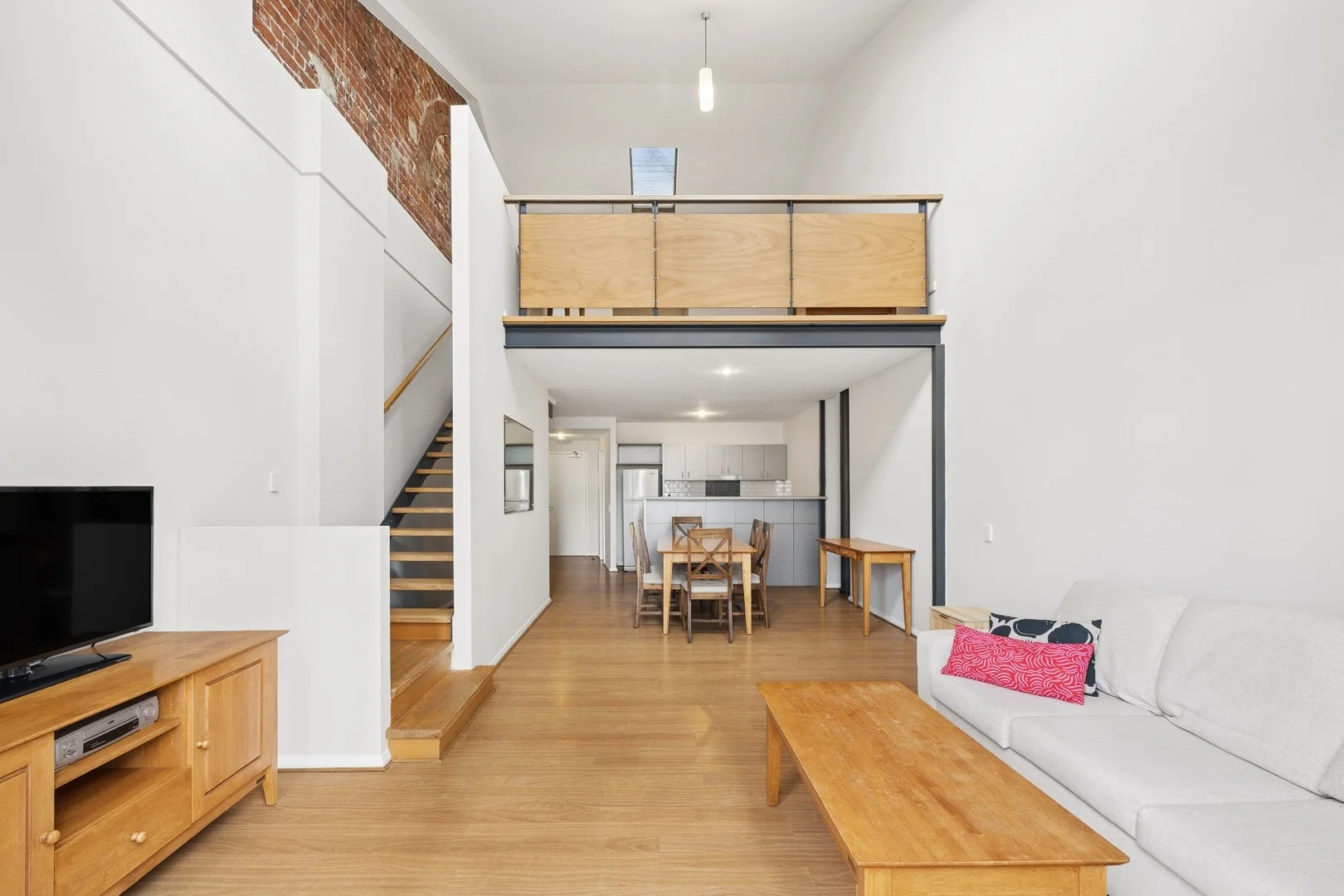 $549,000
Apartment / Unit / Flat
$549,000
Apartment / Unit / Flat
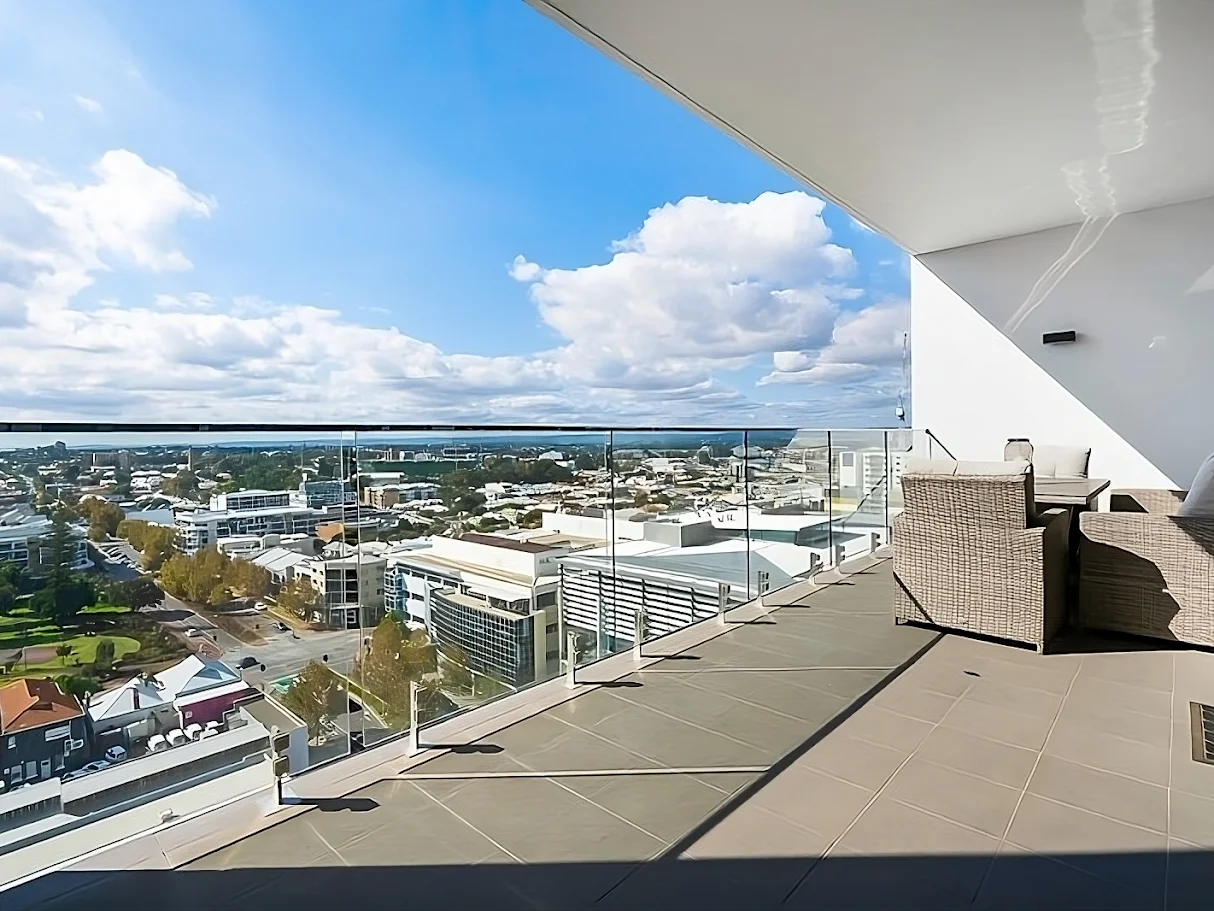 $580,000
Apartment / Unit / Flat
$580,000
Apartment / Unit / Flat
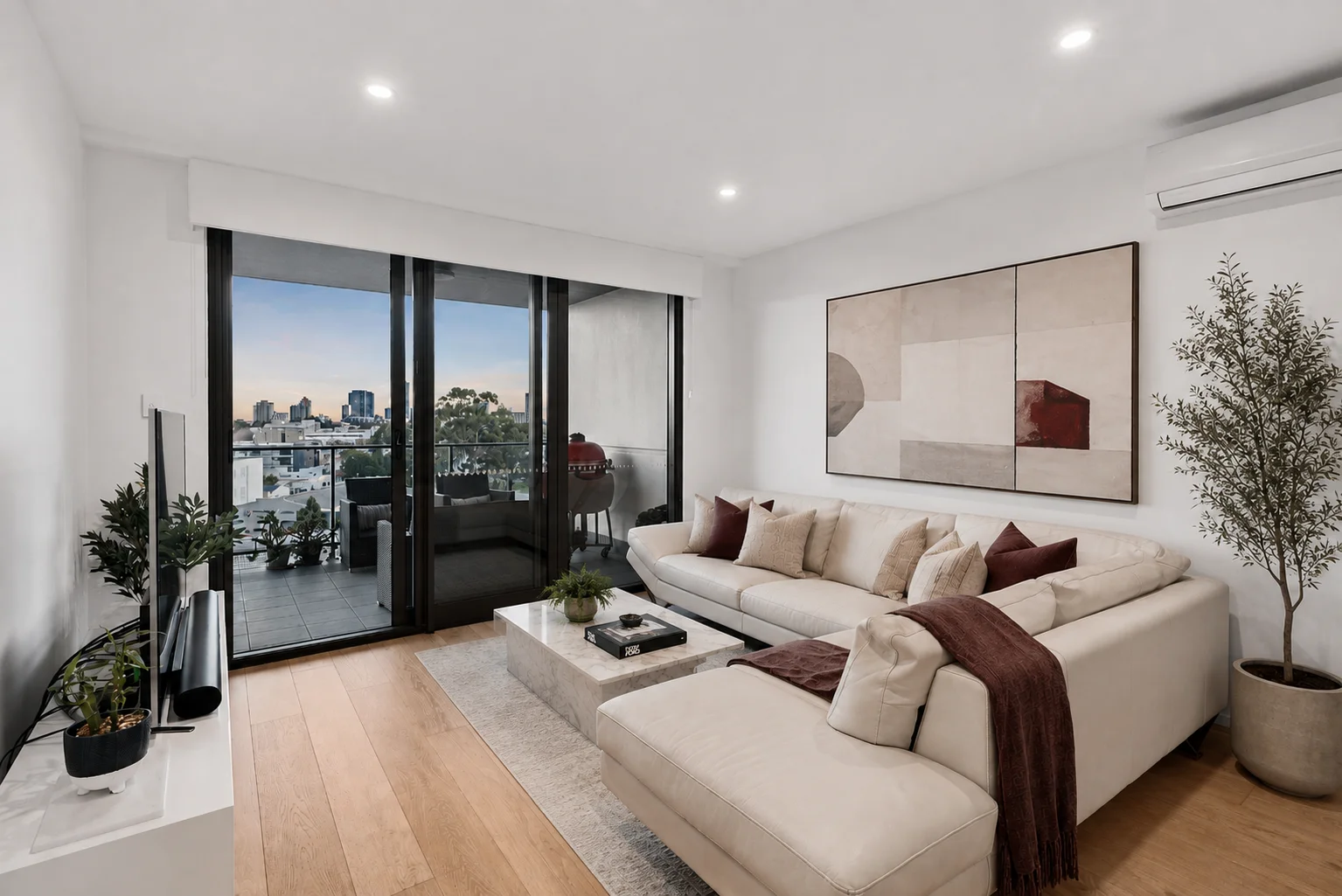 $700,000
Apartment / Unit / Flat
$700,000
Apartment / Unit / Flat


