## Overview
North Fremantle Primary School is a public primary school serving the Fremantle community. As a medium-sized public school, it welcomes students from Kindergarten to Year 6 and aims to provide a nurturing, inclusive environment where every child can feel supported to reach their potential. Class sizes are typically around 22–26 students, which helps teachers give individual attention while fostering collaboration among peers.
The school emphasises a warm, community-focused atmosphere with an emphasis on student wellbeing, strong relationships, and high expectations across academic and social development.
⸻
## Academics & Learning
North Fremantle Primary School focuses on strong core literacy and numeracy outcomes while building capacity across STEM, English, and the arts. Students have opportunities to engage in hands-on learning, problem solving, and creative projects that connect classroom learning to real-world contexts. The school supports leadership and student voice through formal and informal opportunities.
Special programs and supports include provisions for gifted and talented learners, extensions for students who need additional challenge, and targeted support for diverse learners. EAL/D and SEN support are available to ensure all students can access learning. NAPLAN trends for the school have shown stable results with gradual improvements over recent years, reflecting steady progress in literacy and numeracy within a supportive learning community. The student–teacher ratio aligns with the WA public primary range, enabling personalized assistance and strong teacher-student connections.
⸻
## Sports & Extracurricular Strengths
- Sports offered: athletics, soccer, netball, basketball, cricket, and cross-country activities are common within the WA primary context and may be available across the year.
- Strong teams or achievements: the school participates in inter-school events and celebrates team participation and personal bests in sports.
- Music, arts, drama programs: opportunities in music and performing arts support creative development alongside core academics.
- Clubs: robotics, coding, chess, and debating are typical extracurricular options that can be available to students.
- Partnerships: connections with local community groups and clubs support competitions and additional learning experiences in science, technology, and sport.
This section highlights the kinds of extracurriculars parents often look for, with actual offerings confirmed through school communications.
⸻
## Wellbeing & Pastoral Care
North Fremantle Primary School prioritises student wellbeing through a holistic approach to pastoral care. The anti-bullying framework is embedded in school culture, with clear expectations and supportive responses to incidents. A house system often supports community, competition, and belonging among students.
Counselling and wellbeing staff (e.g., school counsellors or wellbeing officers) provide direct support for students’ social-emotional needs, as well as group programs on resilience and positive relationships. Transition support and buddy programs help new students settle in, connect with peers, and build confidence as they move through the years.
⸻
## Facilities
- Sports grounds: outdoor spaces for PE, games, and team practices.
- Libraries: dedicated library spaces for reading and learning activities.
- Science labs: accessible learning environments for hands-on science explorations.
- Music/performing arts centers: spaces for music, drama, and performance.
- Tech/innovation labs: areas dedicated to digital learning, coding, and hands-on technology projects.
- Cafeteria: on-site nutrition and break-time options.
- Updated playgrounds: modern play spaces supporting active play and outdoor learning.
The facilities are designed to support a broad curriculum and varied student interests while promoting safe, engaging learning environments.
⸻
## School Values & Community Culture
- School values / mission: a focus on respect, responsibility, inclusion, and resilience, with an emphasis on creating an inclusive, positive learning community.
- Leadership style: distributed student leadership and teacher guidance that fosters student agency and collaborative problem-solving.
- Behaviour expectations: clear, consistently applied expectations aligned with positive behaviours and restorative approaches.
- Community reputation: a welcoming, family-friendly school known for supportive relationships among students, families, and staff.
- Diversity & inclusion: commitment to supporting students from diverse backgrounds and ensuring accessible learning for all.
⸻
## School Logistics & Daily Operations
- School hours: typical daytime hours aligned with WA public primary schedules (start and finish times may vary by year level).
- Before/after school care: OSHC or school-supported programs are commonly available to families.
- Uniform requirements: standard school uniform policy with guidance on wear for daily and PE days.
- Transport (train/bus routes): accessible via local public transport; families may use school transport options where available.
- Canteen availability: canteen or lunch program providing snacks and meals during the day.
- Fees (low/medium/high ranges): public primary schools generally have low to moderate additional costs for activities and resources; check the school’s communications for exact details.
⸻
## Enrolment & Admissions
11. What is the enrolment process and timeline?
- Enrolment is typically coordinated through the Western Australian Department of Education. Families submit an application for the upcoming year within the prescribed timeframe, with information sent via the school and district communications. Orientation or information sessions may be offered prior to start.
12. Is there a waiting list, and how does it work?
- Waiting lists may be used if the school reaches its capacity. The allocation of places often follows local intake boundaries and priority considerations; families on the waitlist are kept informed about their status and any vacancies as they arise.
13. Are there any entry requirements, tests, or interviews?
- Public primary enrolments usually require standard documentation (proof of address, immunization status where applicable) and may include basic eligibility checks. Interviews or testing are not typically required for standard enrolment, but schools may request confirmation of student readiness or support needs if appropriate.
14. Does the school accept mid-year transfers?
- Mid-year transfers are possible if there are vacancies and appropriate space in the year level. Prospective families should contact the school promptly to discuss availability and required documentation.
⸻
## Frequently Asked Questions
- Why Parents Choose This School?
- A welcoming, inclusive community with a focus on strong literacy and numeracy skills, supportive staff, and opportunities across academics, arts, and sport.
- What type of student thrives at this school?
- Students who respond well to a caring, collaborative learning environment with opportunities to participate in a range of activities and programs.
- What opportunities are available for students to extend their skills (academics, sports, arts)?
- Programs and clubs in STEM, literacy and numeracy extension, leadership opportunities, performing arts, and various sport and extracurricular activities.
- How does the school communicate with parents?
- Regular communications through newsletters, emails, parent meetings, and school portals; clear channels for updates on events, assessments, and wellbeing.
- What is the school’s approach to teaching and learning?
- A balanced approach focusing on core literacy and numeracy, integrated learning across subjects, student engagement, and inclusive practices to support all learners.
- How does the school support students who need extra academic help?
- Targeted literacy/numeracy support, EAL/D and SEN assistance, and differentiated instruction within the classroom, with additional small-group or specialist support where available.
- What support is available for academic challenges?
- Early intervention, targeted tutoring or small-group programs, and collaboration with families to set goals and monitor progress.
- What extracurricular and sports opportunities are available?
- A range of sports (ball games, athletics, and team events) plus clubs in robotics, coding, chess, debating, music, and arts.
- What facilities does the school offer (sports, science, arts)?
- Modern facilities including sports grounds, libraries, science labs, music/performing arts spaces, tech/innovation labs, and a canteen.
- What is the school’s approach to technology and digital learning?
- Integration of digital literacy across the curriculum, use of devices and software to support learning, and opportunities to engage with coding and digital projects.
- What transport and accessibility options are available?
- Access via local public transport options; information on transport routes and accessibility provided by the school.
- What are the typical school fees or additional costs?
- As a public primary school, fees are generally low with some optional costs for activities and materials; specifics are shared by the school each year.
⸻
## Short Pros & Cons list
- Pros:
- Public, inclusive environment with a focus on literacy, numeracy, and well-being.
- Moderate class sizes that support individual attention and student engagement.
- Range of academic and extracurricular opportunities (STEM, arts, sports, clubs).
- Support for diverse learners (EAL/D, SEN) and transition programs for new students.
- Updated facilities that enable a broad curriculum.
- Cons:
- As a medium-sized public school, availability of specific programs or clubs may vary by year and intake.
- Some programs or services may have limited capacity and may require waiting lists.
- Uniform policies and attendance at after-school activities can require coordination with families.










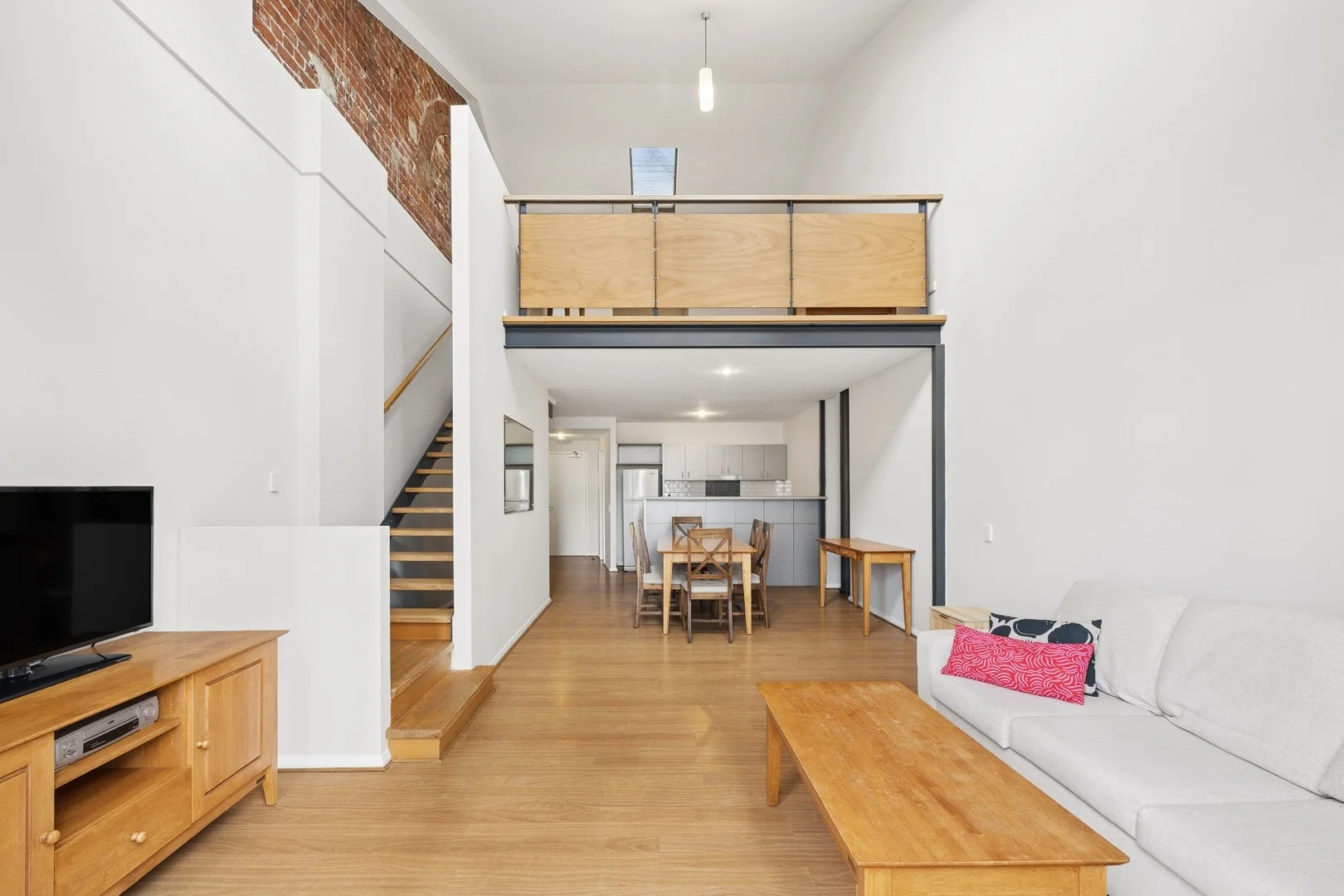 $549,000
Apartment / Unit / Flat
$549,000
Apartment / Unit / Flat
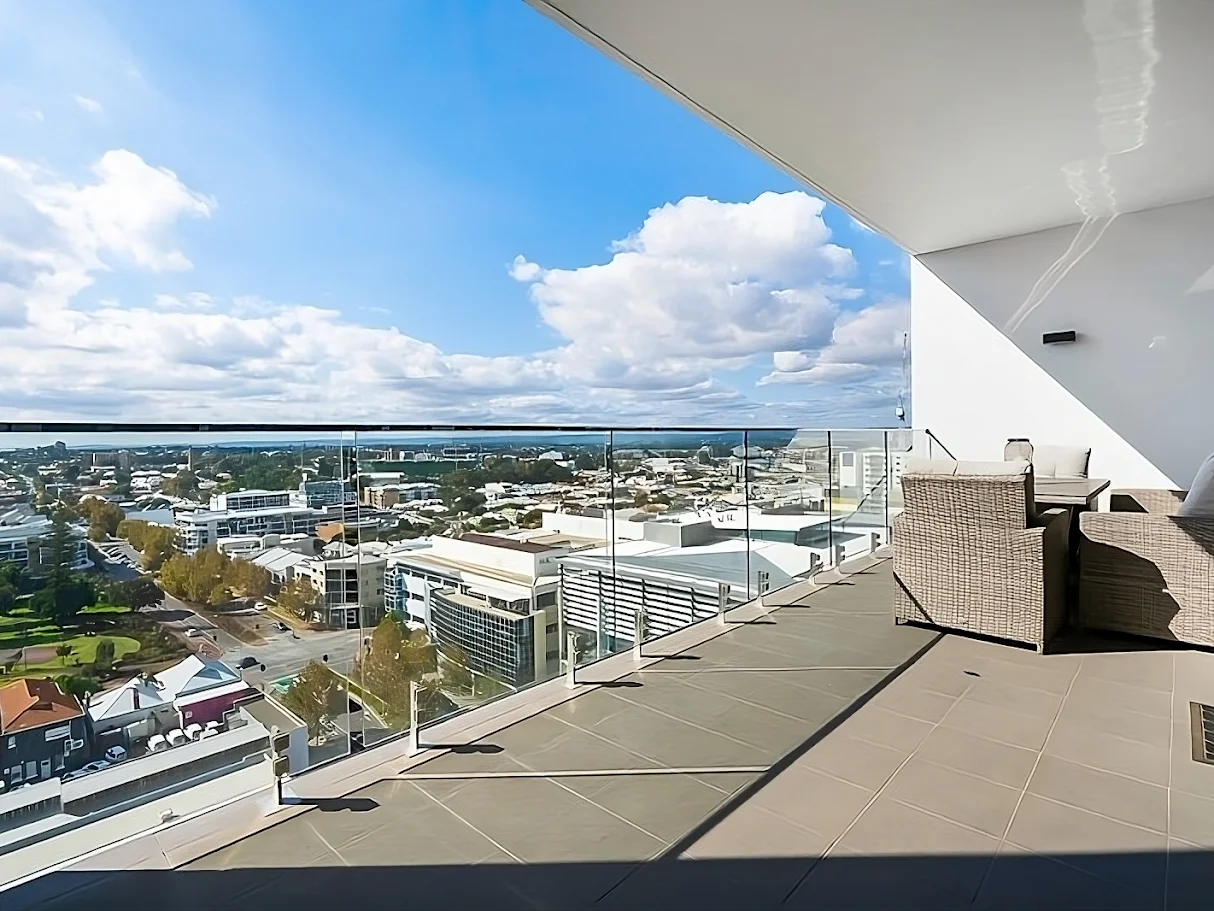 $580,000
Apartment / Unit / Flat
$580,000
Apartment / Unit / Flat
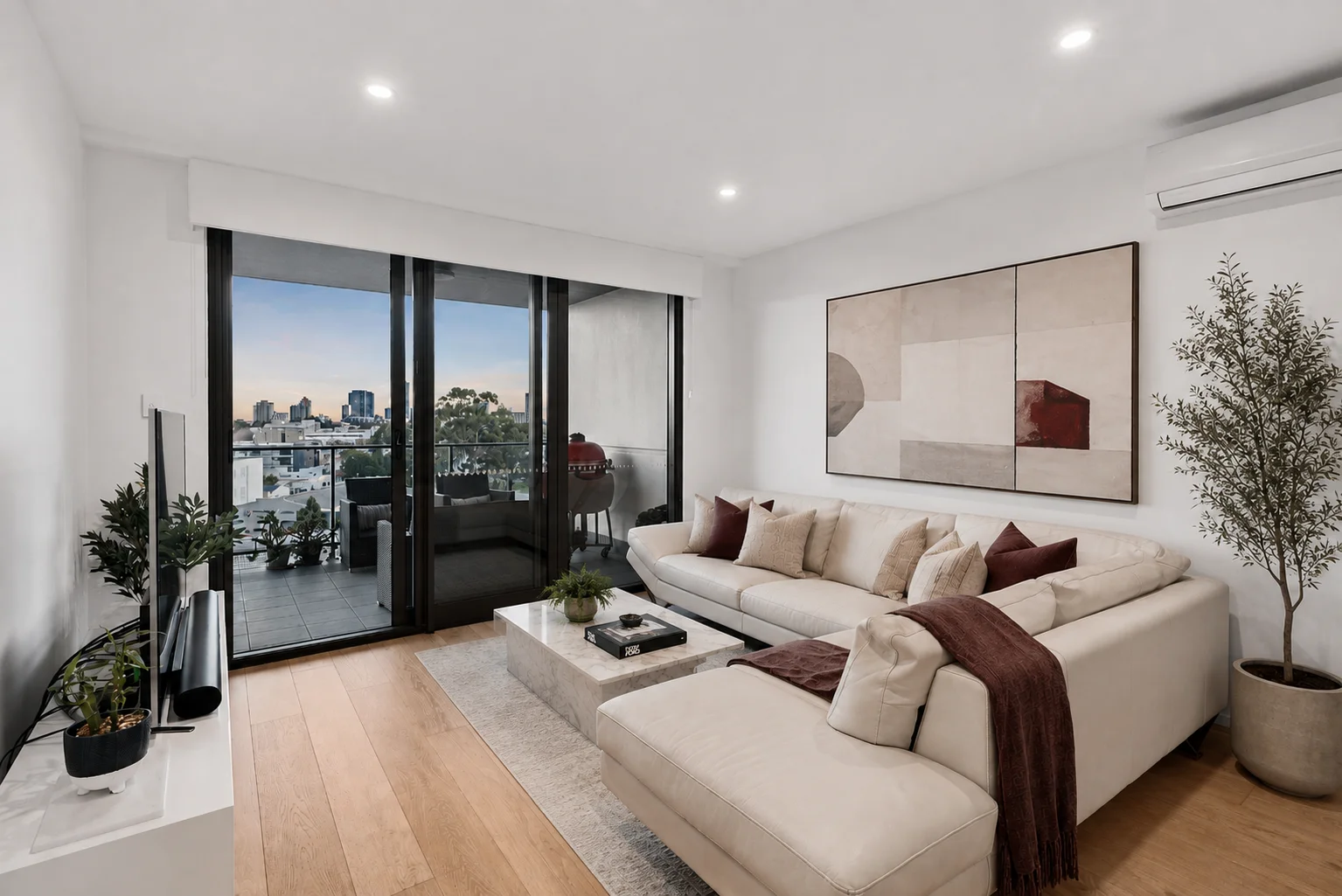 $700,000
Apartment / Unit / Flat
$700,000
Apartment / Unit / Flat