Overview
## Overview
Rocklea State School is a public primary school serving families in the Rocklea area. As a Queensland government school, it focuses on inclusive, community-driven learning and a supportive classroom environment. The school aims to help every child grow academically, socially and emotionally.
- School type: Public
- School size: Medium
- Class size: Approximately 20–25 students per class
- Atmosphere/culture: Inclusive, nurturing, community-focused
## Academics & Learning
Rocklea State School emphasises strong fundamentals in literacy and numeracy, with integrated STEM learning and opportunities for student leadership. The school seeks to build confident readers, writers and problem-solvers across year levels.
- Academic strengths: Core literacy and numeracy, STEM integration, leadership development, and language programs (where available)
- Special programs: Gifted and Talented options and acceleration pathways (where appropriate), targeted reading support, and inclusive education through differentiation
- NAPLAN / trends: Trends show stable to improving attainment over time, with ongoing focus on literacy and numeracy growth
- Student-teacher ratios: Roughly 1:18 to 1:22; typical class sizes around 20–25 students
- Support for diverse learners: EAL/D support, learning support teams, and inclusive practices to assist SEN students
## Sports & Extracurricular Strengths
Sports and extracurricular activities are a strong focus for families, with opportunities across physical, artistic and academic domains.
- Sports offered: Basketball, netball, soccer, cricket, rugby league, athletics, swimming (subject to season and facilities)
- Strong teams or achievements: Active participation in district-level events with teams that compete and earn district recognition
- Music, arts, drama programs: School choir, band or music program, school productions and drama activities
- Clubs: Robotics, coding, chess, debating, language clubs and other interest-based groups
- Partnerships: Local clubs and inter-school competitions; partnerships that support competitions and showcases
## Wellbeing & Pastoral Care
A strong wellbeing framework underpins student success, balancing pastoral care with disciplinary consistency and safe school practices.
- Anti-bullying approach: Whole-school anti-bullying policies with restorative practices and social-emotional learning
- House system: House structure to promote teamwork, belonging and positive competition
- Counsellors / wellbeing officers: Access to school counsellor and wellbeing staff for student support
- Transition support for new students: Buddy programs, orientation activities, and targeted transition support for arrivals
## Facilities
The school’s facilities support a wide range of learning and activity areas, presented in a clear, visual way.
- Sports grounds
- Libraries
- Science labs
- Music / performing arts centers
- Tech / innovation labs
- Cafeteria
- Updated playgrounds
## School Values & Community Culture
Rocklea State School seeks to cultivate well-rounded students who show curiosity, respect and resilience, with a collaborative leadership approach and clear behaviour expectations.
- School values / mission: Curiosity, respect, resilience, integrity
- Leadership style: Collaborative, with student voice and leadership opportunities
- Behaviour expectations: Consistent positive behaviour approaches and clear routines
- Community reputation: Trusted local school with active parental involvement and strong ties to the Rocklea community
- Diversity & inclusion: Commitment to inclusive education and support for diverse learners
## School Logistics & Daily Operations
Clear daily rhythms help families plan and participate in school life.
- School hours: Typically 9:00 am–3:00 pm (supervised arrival from 8:30 am)
- Before/after school care: Available through approved providers
- Uniform requirements: School uniform; PE days require sports uniform; hat and sunscreen policies
- Transport (train/bus routes): Local bus routes and public transport access; bike racks and walking paths where available
- Canteen availability: On-site canteen or tuckshop with volunteer support
- Fees (low/medium/high ranges): Voluntary contributions and uniform costs; overall low to medium cost expectations for families
## Enrolment & Admissions
11. What is the enrolment process and timeline?
- Check catchment eligibility, gather required documents (birth certificate, immunisation records, proof of address), submit an enrolment application through the school or regional portal, and complete any information sessions or interviews as required. Prepare for the start of the school year with campus tours or orientation activities if offered.
12. Is there a waiting list, and how does it work?
- Enrolment is prioritized for students within the school’s catchment. If places are limited, out-of-catchment applications may be placed on a waitlist and offered based on available capacity and proximity, subject to policy guidelines.
13. Are there any entry requirements, tests, or interviews?
- Public primary schools generally do not require entrance exams. Schools may request information sessions or intake conversations to understand needs and supports required for EAL or SEN students.
14. Does the school accept mid-year transfers?
- Yes, subject to available places. Families considering a mid-year transfer should contact the school office to discuss availability and required documentation.
## Frequently Asked Questions
- Why Parents Choose This School?
- A welcoming, inclusive community with strong core academics, supportive staff and a wide range of programs to engage students beyond the classroom.
- What type of student thrives at this school?
- Students who respond well to a collaborative, respectful environment with opportunities in academics, sport, arts and leadership.
- What opportunities are available for students to extend their skills (academics, sports, arts)?
- Strong emphasis on literacy and numeracy; STEM and leadership opportunities; arts programs, music and drama; sports teams and district-level competitions; clubs such as robotics, coding, chess and debating.
- How does the school communicate with parents?
- Regular updates through newsletters, parent meetings, teacher communications and digital platforms; clear channels for feedback and engagement.
- What is the school’s approach to teaching and learning?
- A balanced approach combining explicit instruction with differentiated learning, inquiry-based activities, and ongoing assessment to guide teaching.
- How does the school support students who need extra academic help?
- Targeted interventions through Learning Support, EAL/D assistance and small-group or individual support as needed.
- What support is available for academic challenges?
- In-class differentiation, targeted literacy and numeracy support, and access to specialist staff and resources.
- How does the school communicate with parents? (Repeated)
- See above: multiple channels including newsletters, portals, and parent-teacher meetings.
- What are the class sizes and how much individual attention do students receive?
- Class sizes around 20–25; teachers differentiate instruction to meet individual needs and provide targeted support when required.
- What extracurricular and sports opportunities are available?
- A range of sports (in-season), music and arts programs, robotics/coding/chess/debating clubs, and opportunities to participate in inter-school events.
- What facilities does the school offer (sports, science, arts)?
- Sports grounds, library, science labs, music/performing arts spaces, tech/innovation labs, canteen, and updated playgrounds.
- What is the school’s approach to technology and digital learning?
- Integration of technology to support learning, with access to devices and digital resources aligned with curriculum goals.
- What transport and accessibility options are available?
- Local bus routes and public transport access; support for families regarding transport needs; bike racks where available.
- What are the typical school fees or additional costs?
- Small voluntary contributions and uniform costs; other materials may be required for camps or activities, with school guidance on costs.
## Short Pros & Cons list
- Pros
- Inclusive, nurturing school culture with strong community involvement
- Solid core academics with emphasis on literacy, numeracy and STEM
- Broad range of extracurriculars: sports, arts, clubs
- Support for diverse learners, including EAL and SEN
- Clear wellbeing framework and transition support for new students
- Cons
- As a medium-sized school, course variety may be more limited compared with larger schools
- Transport options and after-school activity capacity depend on local logistics
- Some programs or specialist offerings may vary by year level or staffing
- Wait times for specialist supports can occur during peak periods
If you’d like, I can tailor these sections to reflect more precise details from Rocklea State School’s current official resources (enrolment guides, school newsletters, or the school’s admin). Just share any specific facts you want included or updated.




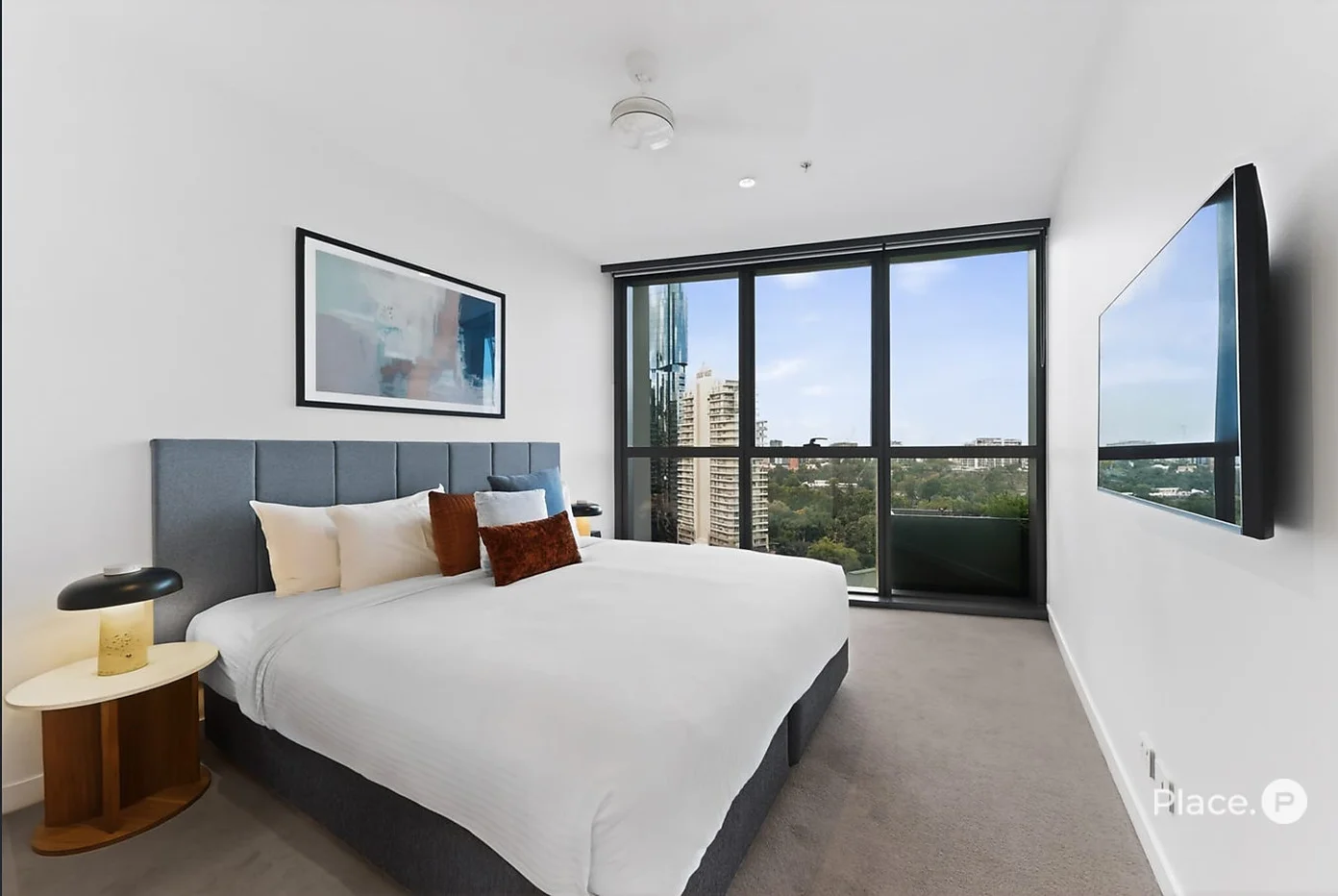 $770,000
Apartment / Unit / Flat
$770,000
Apartment / Unit / Flat
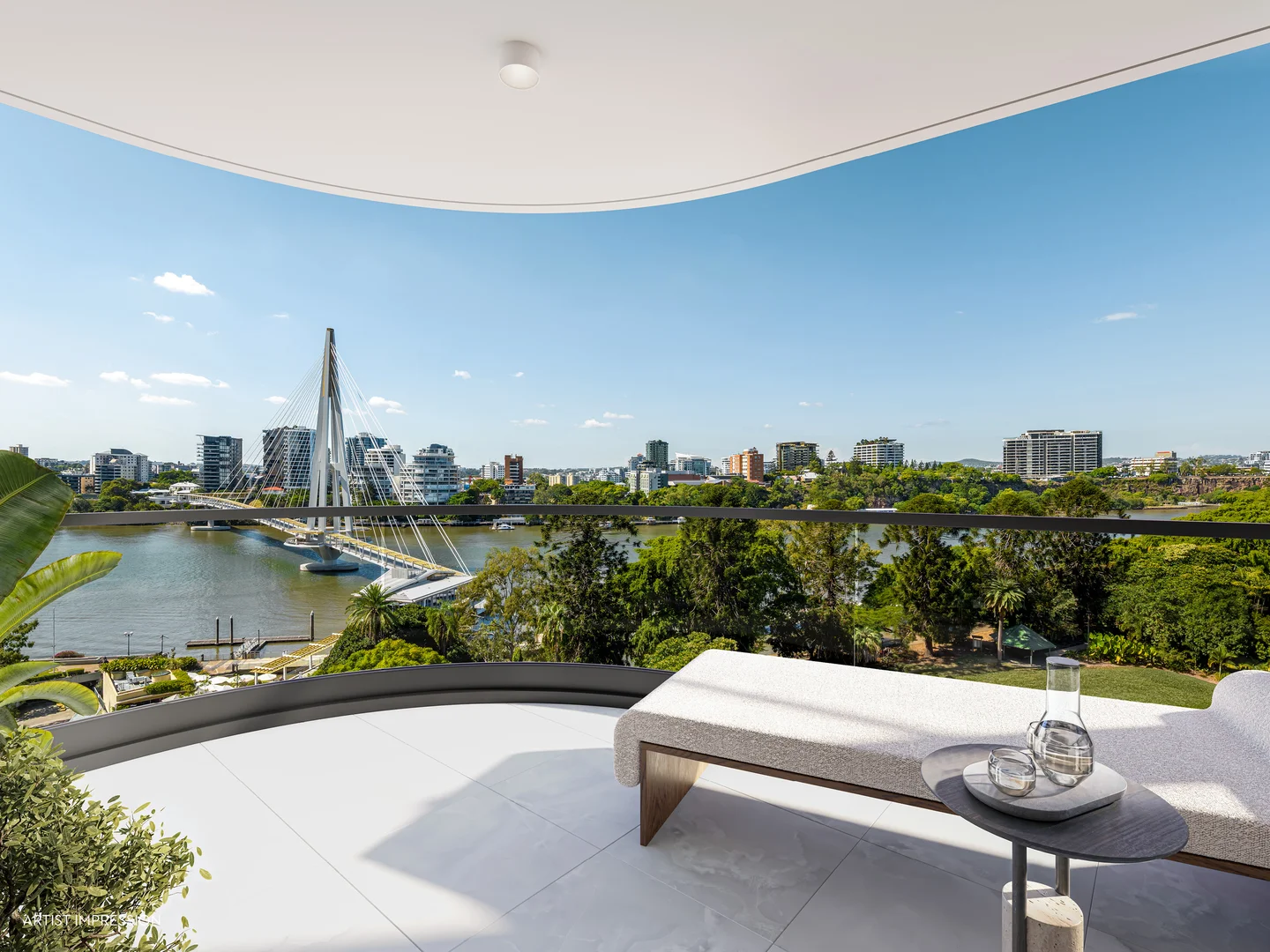 $1,475,000 - $2,090,000
propertyType.NEW APARTMENTS / OFF THE PLAN
$1,475,000 - $2,090,000
propertyType.NEW APARTMENTS / OFF THE PLAN
 $550,000
Apartment / Unit / Flat
$550,000
Apartment / Unit / Flat
 $523,200 - $566,800
Apartment / Unit / Flat
$523,200 - $566,800
Apartment / Unit / Flat
 $950,000
Apartment / Unit / Flat
$950,000
Apartment / Unit / Flat