Overview
1. Overview
Rosamond School is a [Public / Independent / Private / Catholic] school serving families in Braybrook and the surrounding area. The school aims to provide a [small/medium/large] community where students are supported to grow academically, socially, and personally. Class sizes are typically [XX–XX], fostering a learning environment that is [nurturing, inclusive, academically focused, diverse].
⸻
2. Academics & Learning
- Academic strengths: [STEM / English / leadership / languages; insert the main domains where the school demonstrates strengths].
- Special programs: [IB / accelerated learning / gifted and talented / other enrichment programs].
- NAPLAN trends: [brief trend summary—e.g., improving, stable, or variable over recent years; avoid specific scores].
- Student-teacher ratios: [approximate ratio, e.g., 1:XX; provide your school’s typical range].
- Support for diverse learners: [EAL / SEN / inclusive education supports; describe how these are provided].
⸻
3. Sports & Extracurricular Strengths
- Sports offered: [list of sports available].
- Strong teams or achievements: [notable teams, championships, or seasonal strengths].
- Music, arts, drama programs: [instrumental, choir, theatre, visual arts].
- Clubs: [robotics, chess, coding, debating; other clubs offered].
- Partnerships: [local academies, competitions, community programs].
Most parents skim this section, especially for boys aged 10–14.
⸻
4. Wellbeing & Pastoral Care
- Anti-bullying approach: [brief description of policy and practices].
- House system: [whether a house system exists and how it functions].
- Counsellors / wellbeing officers: [availability and role of wellbeing staff].
- Transition support for new students: [orientation programs, buddy systems, transition planning].
⸻
5. Facilities
- Sports grounds: [description or highlights].
- Libraries: [features and resources].
- Science labs: [quality and numbers].
- Music/performing arts centers: [facilities for drama, music, performances].
- Tech/innovation labs: [makerspace, coding labs, STEM facilities].
- Cafeteria: [canteen facilities and healthy options].
- Updated playgrounds: [any recent upgrades or outdoor spaces].
⸻
6. School Values & Community Culture
- School values / mission: [core values and overarching mission].
- Leadership style: [leadership approach, e.g., teacher-led, student voice, collaborative].
- Behaviour expectations: [code of conduct and consequences, positive reinforcement].
- Community reputation: [how the school is viewed locally and within the broader community].
- Diversity & inclusion: [commitment and practices to equity and inclusion].
⸻
7. School Logistics & Daily Operations
- School hours: [start and end times, typical daily schedule].
- Before/after school care: [availability and options].
- Uniform requirements: [what is required and where to obtain].
- Transport: [bus/train routes, drop-offs, and accessibility].
- Canteen availability: [whether a canteen operates, meal options].
- Fees: [low / medium / high ranges; any notable annual charges or optional costs].
⸻
8. Enrolment & Admissions
11. What is the enrolment process and timeline?
- Steps typically include: [online inquiry or application, submission of documents, eligibility checks, interviews or tours, offer of placement, and an acceptance deadline]. Timeline varies by year level and intake.
12. Is there a waiting list, and how does it work?
- [Describe whether there is a waiting list, how students are placed on it, expected wait times, and any prioritisation criteria].
13. Are there any entry requirements, tests, or interviews?
- [Specify if there are entrance assessments, interviews, or documentation required for application and year level placement].
14. Does the school accept mid-year transfers?
- [Indicate whether mid-year transfers are accommodated, any constraints, and the process to arrange a transfer].
⸻
9. Frequently Asked Questions
- Why Parents Choose This School?
[Concise rationale reflecting the school’s strengths and fit for families].
- What type of student thrives at this school?
[Describe characteristics or goals of students who tend to succeed here].
- What opportunities are available for students to extend their skills (academics, sports, arts)?
[Outline advanced coursework, enrichment programs, sport pathways, and arts opportunities].
- How does the school communicate with parents?
[Describe newsletters, portals, meetings, parent-teacher conferences].
- What is the school’s approach to teaching and learning?
[Philosophy, instructional methods, differentiation, and assessment].
- How does the school support students who need extra academic help?
[Support services, tutoring, in-class accommodations, SPED supports if applicable].
- What support is available for academic challenges?
[Response plans, access to specialists, targeted interventions].
- How does the school communicate with parents?
[Repeat or clarify communication channels and frequency].
- What are the class sizes and how much individual attention do students receive?
[Typical class size ranges and details on teacher-student interaction].
- What extracurricular and sports opportunities are available?
[Summarize offerings across academics, arts, clubs, and sports].
- What facilities does the school offer (sports, science, arts)?
[Highlight key facilities and how they support learning].
- What is the school’s approach to technology and digital learning?
[Device policies, digital citizenship, blended learning, and IT support].
- What transport and accessibility options are available?
[Transport modes, accessibility features, drop-off arrangements].
- What are the typical school fees or additional costs?
[Provide a general sense of costs, including any routine or optional charges].
⸻
10. Short Pros & Cons list
- Pros:
- [Pro 1]
- [Pro 2]
- [Pro 3]
- Cons:
- [Con 1]
- [Con 2]
- [Con 3]
⸻












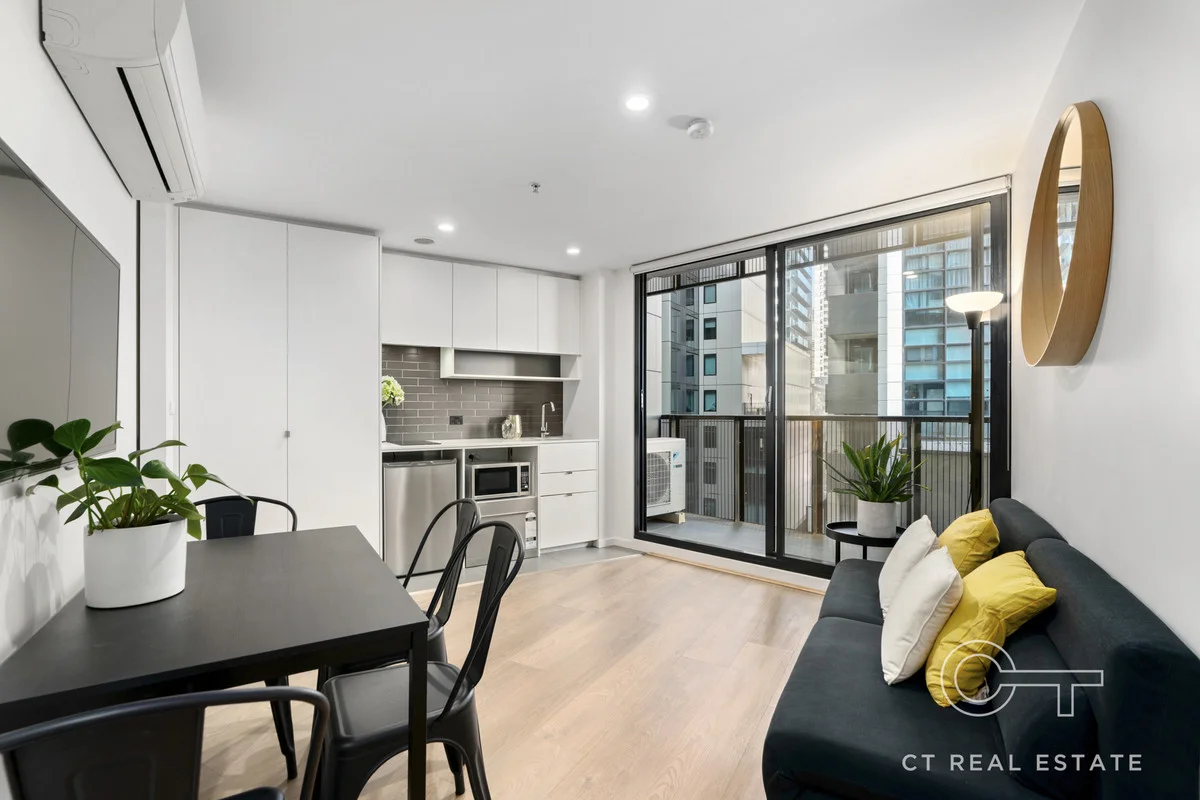 $360,000
Apartment / Unit / Flat
$360,000
Apartment / Unit / Flat
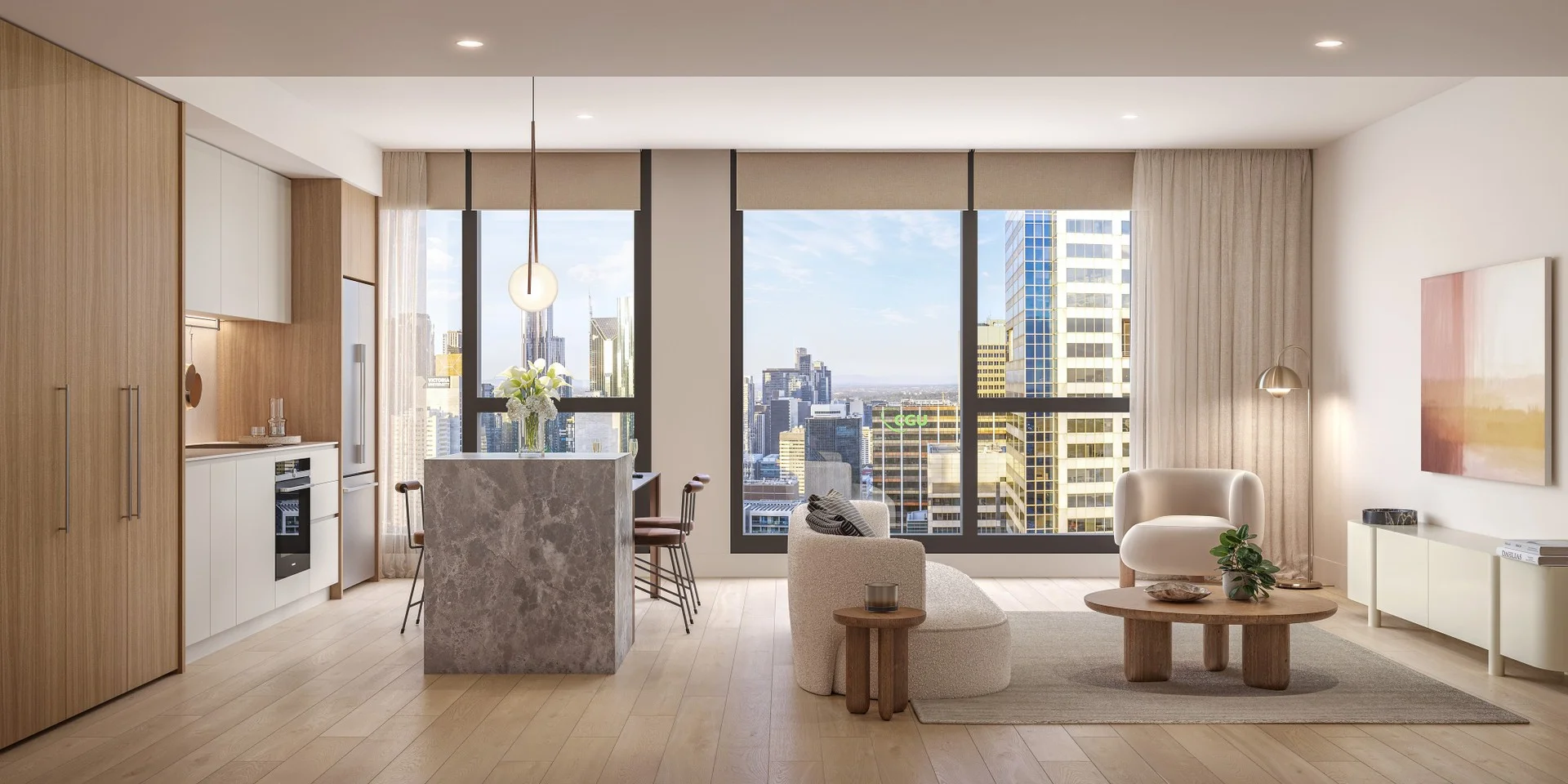 $1,870,000
propertyType.NEW APARTMENTS / OFF THE PLAN
$1,870,000
propertyType.NEW APARTMENTS / OFF THE PLAN
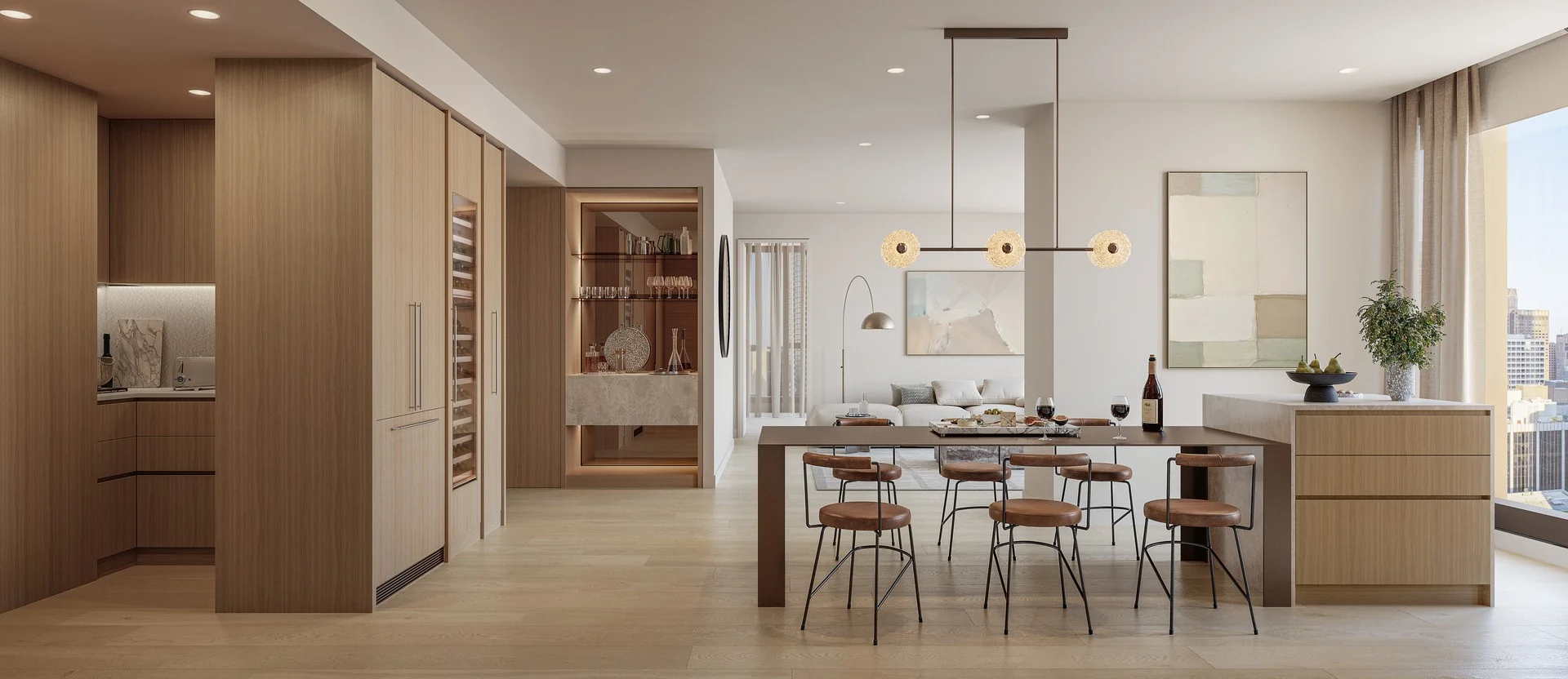 $2,865,000
Apartment / Unit / Flat
$2,865,000
Apartment / Unit / Flat
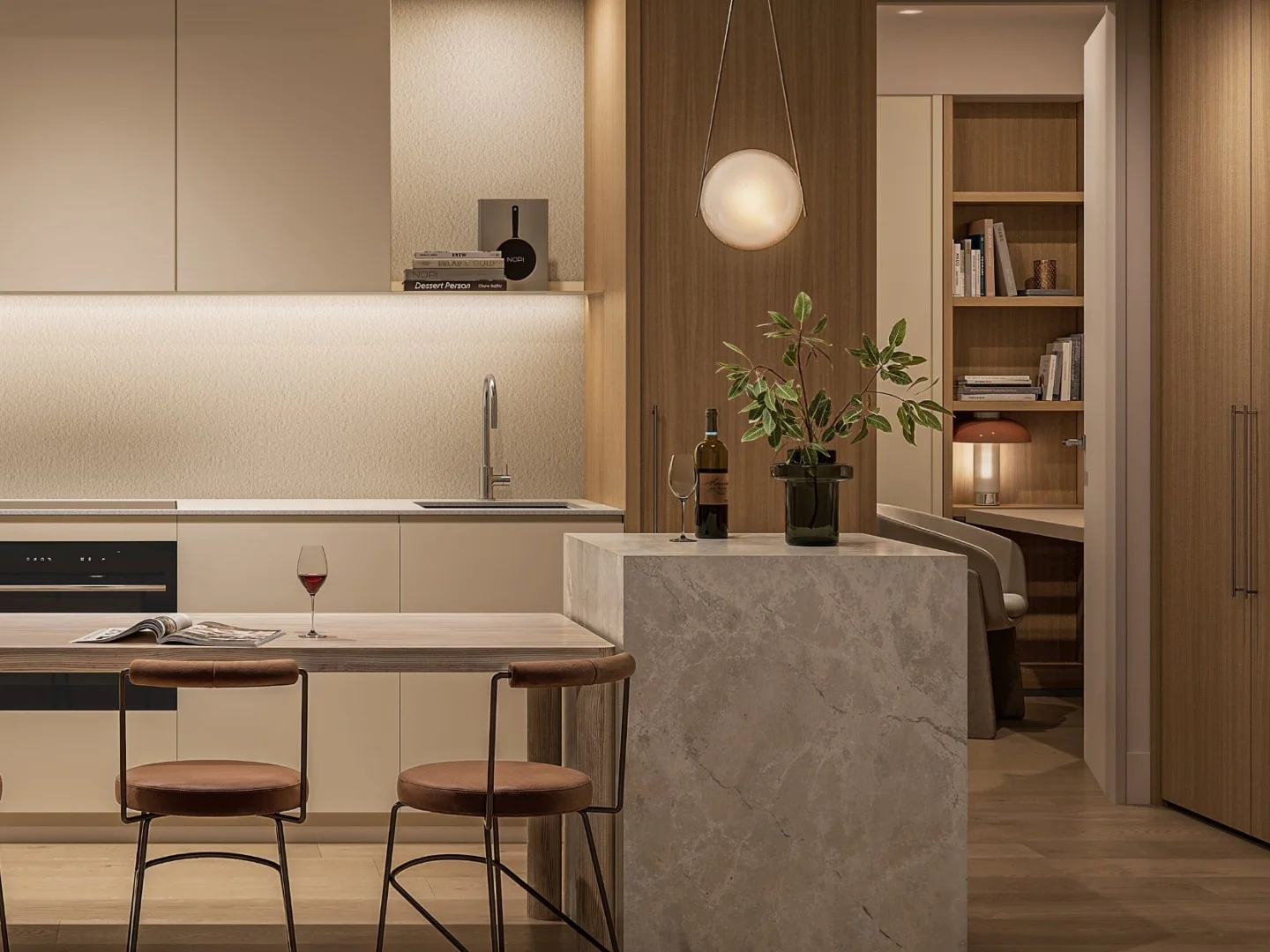 $712,500
Apartment / Unit / Flat
$712,500
Apartment / Unit / Flat
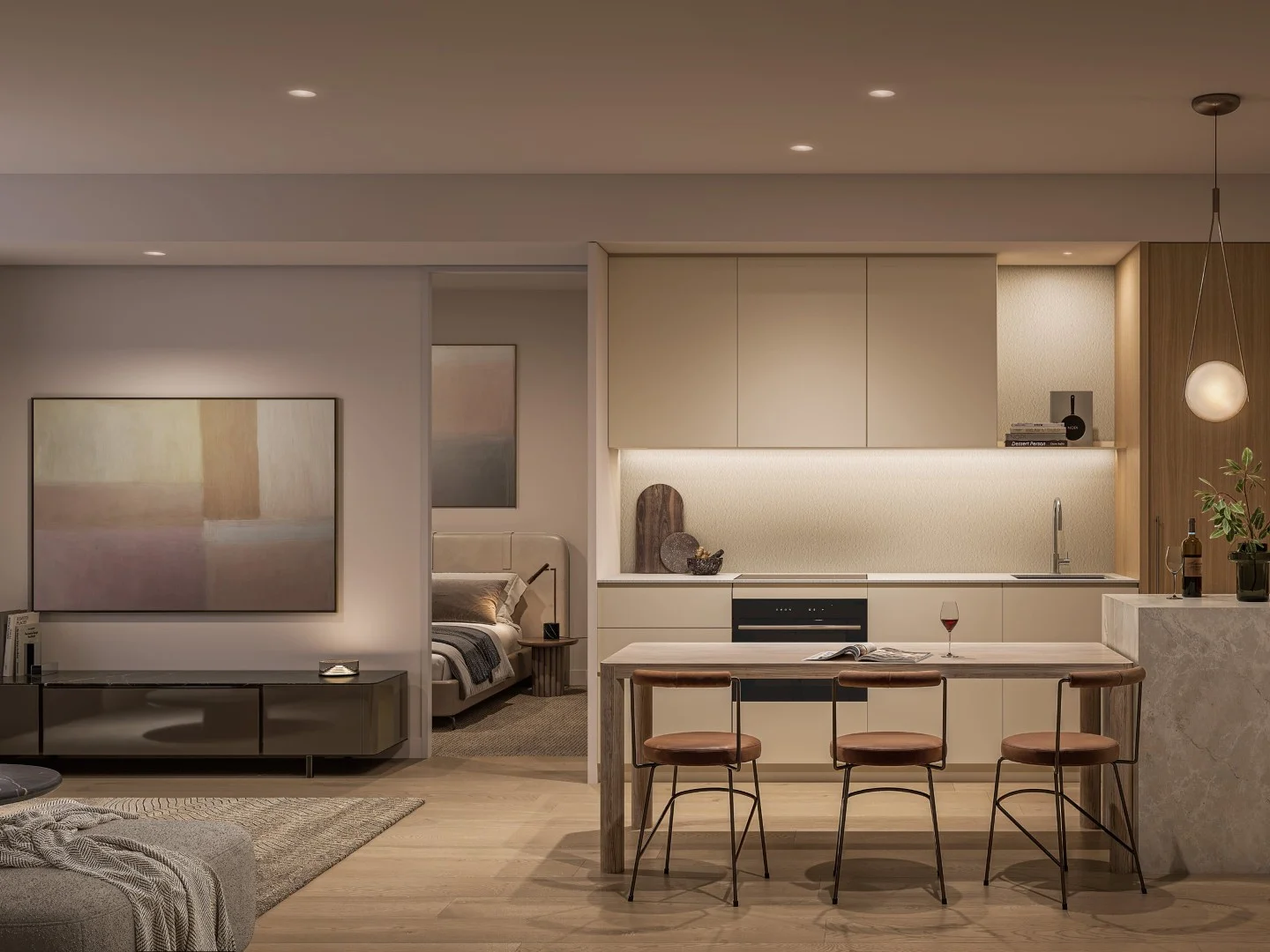 $666,000
Apartment / Unit / Flat
$666,000
Apartment / Unit / Flat
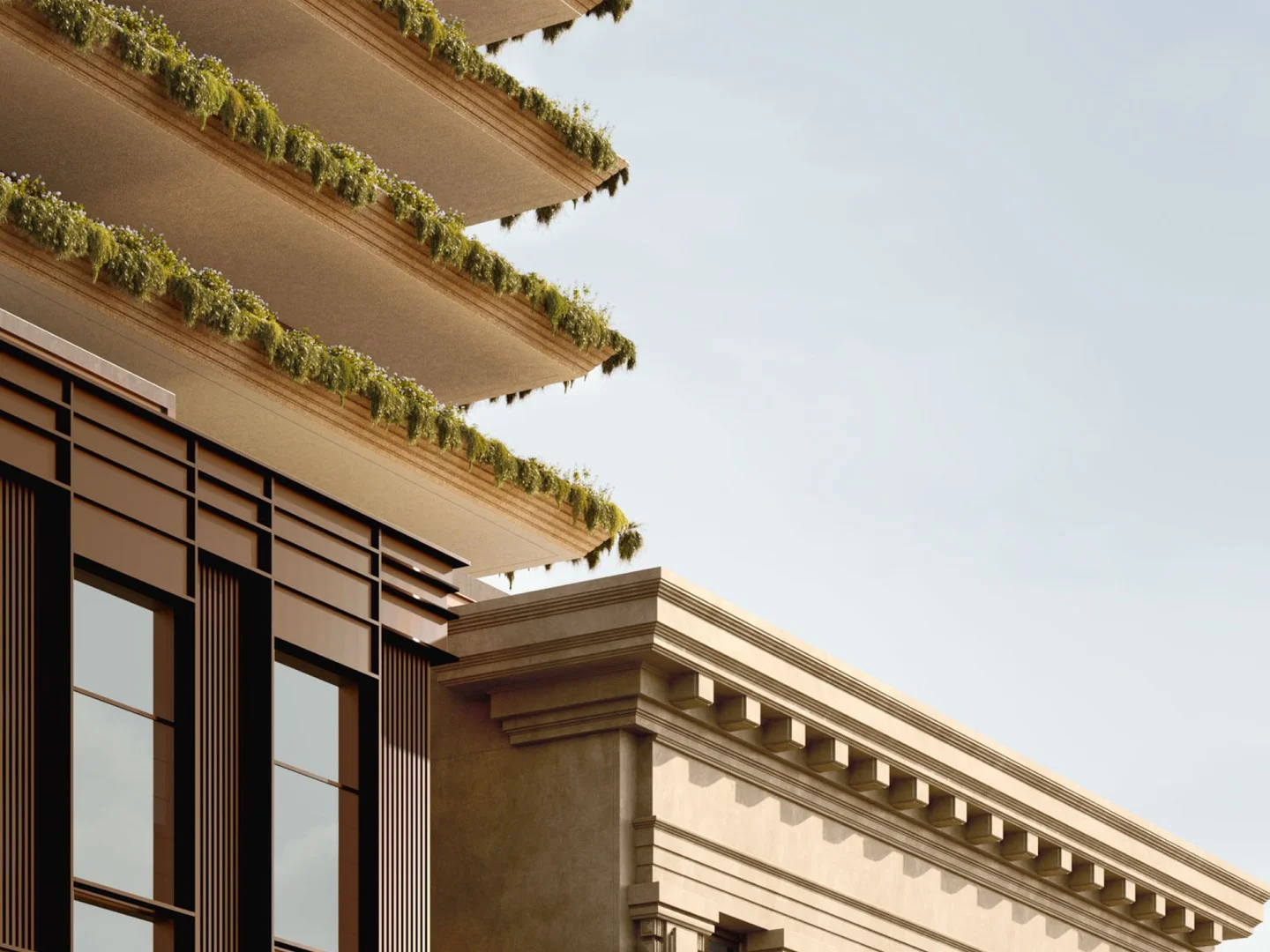 $820,000
propertyType.NEW APARTMENTS / OFF THE PLAN
$820,000
propertyType.NEW APARTMENTS / OFF THE PLAN
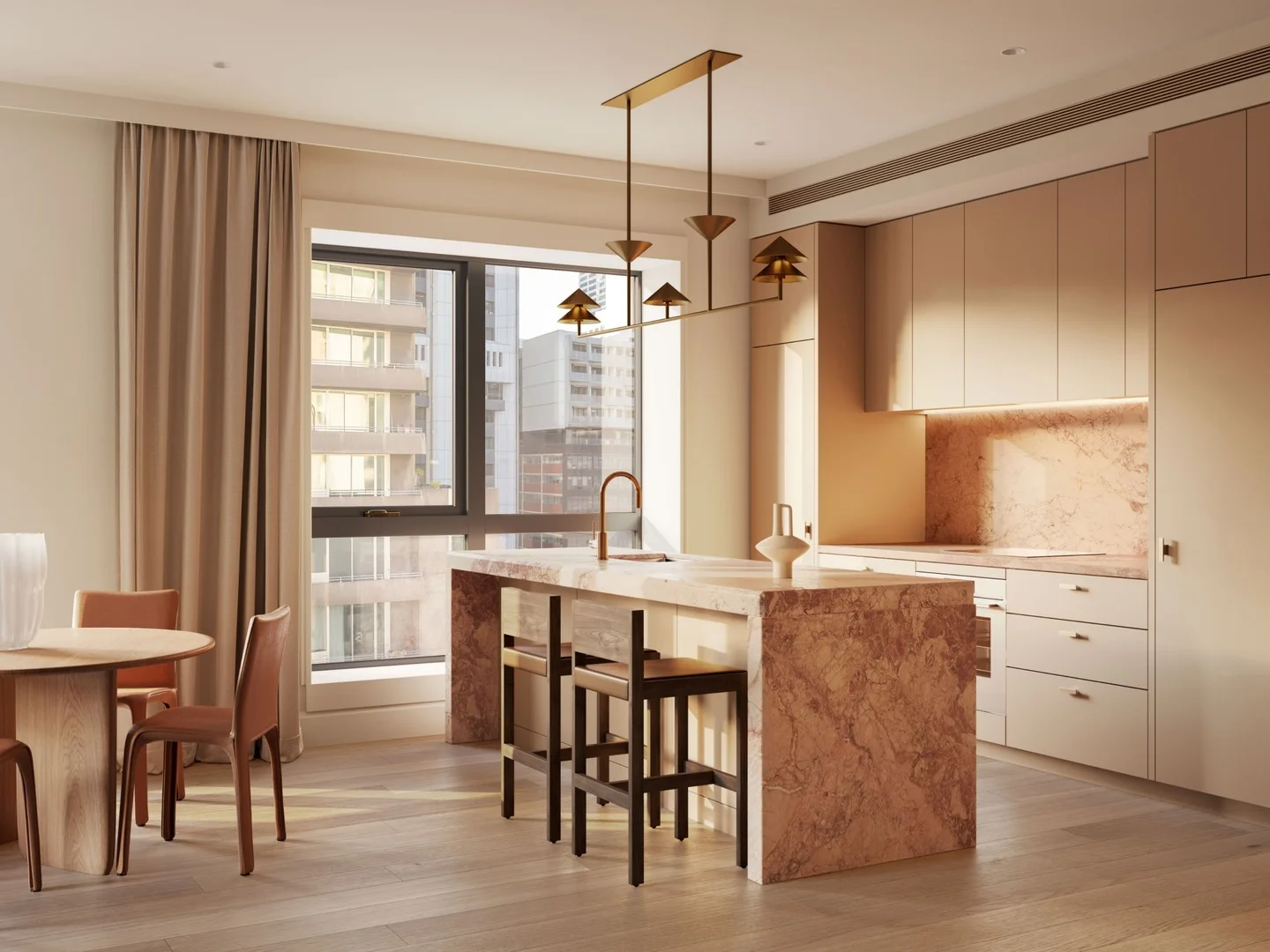 $1,760,000
propertyType.NEW APARTMENTS / OFF THE PLAN
$1,760,000
propertyType.NEW APARTMENTS / OFF THE PLAN
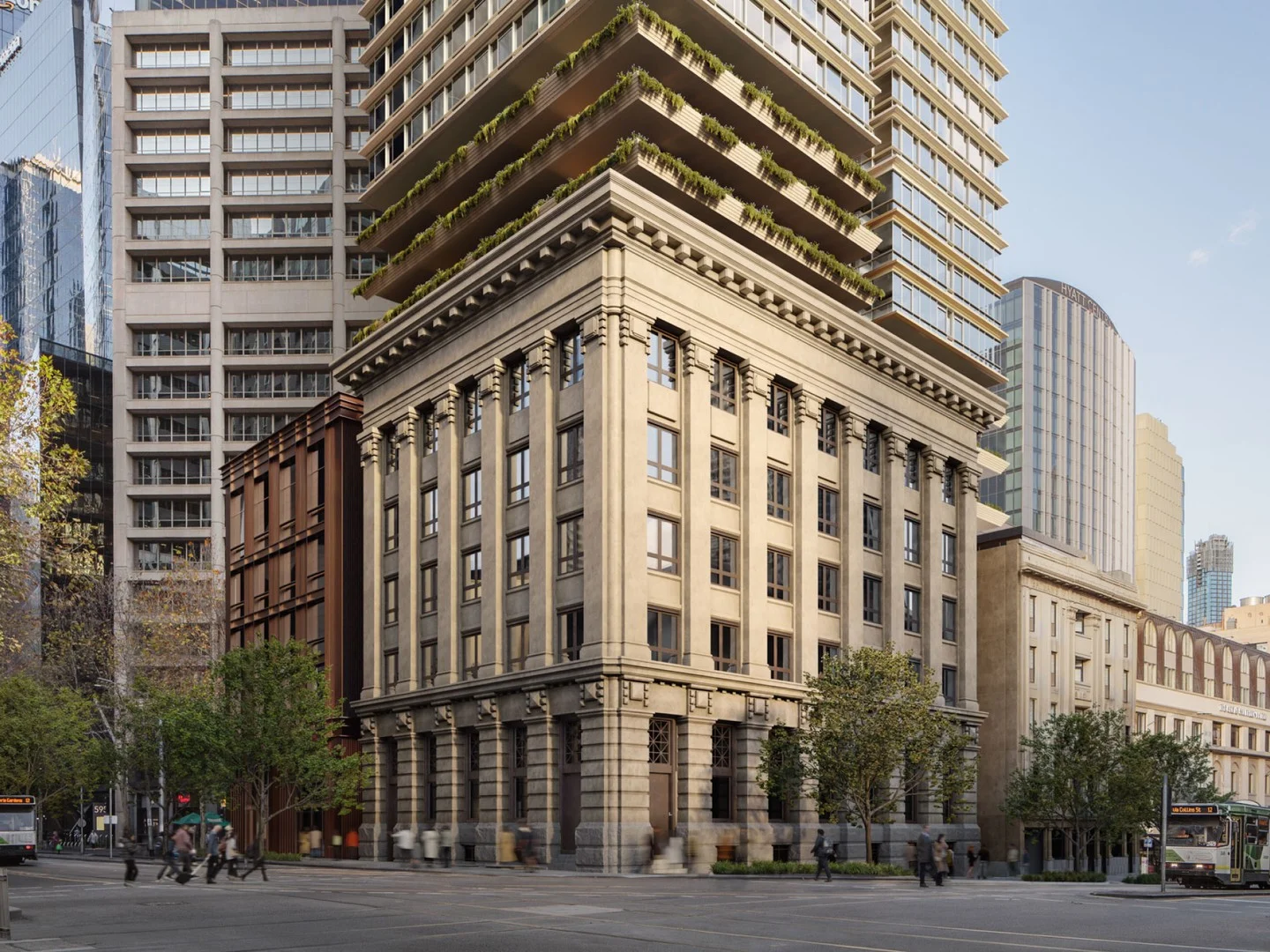 $1,770,000
propertyType.NEW APARTMENTS / OFF THE PLAN
$1,770,000
propertyType.NEW APARTMENTS / OFF THE PLAN
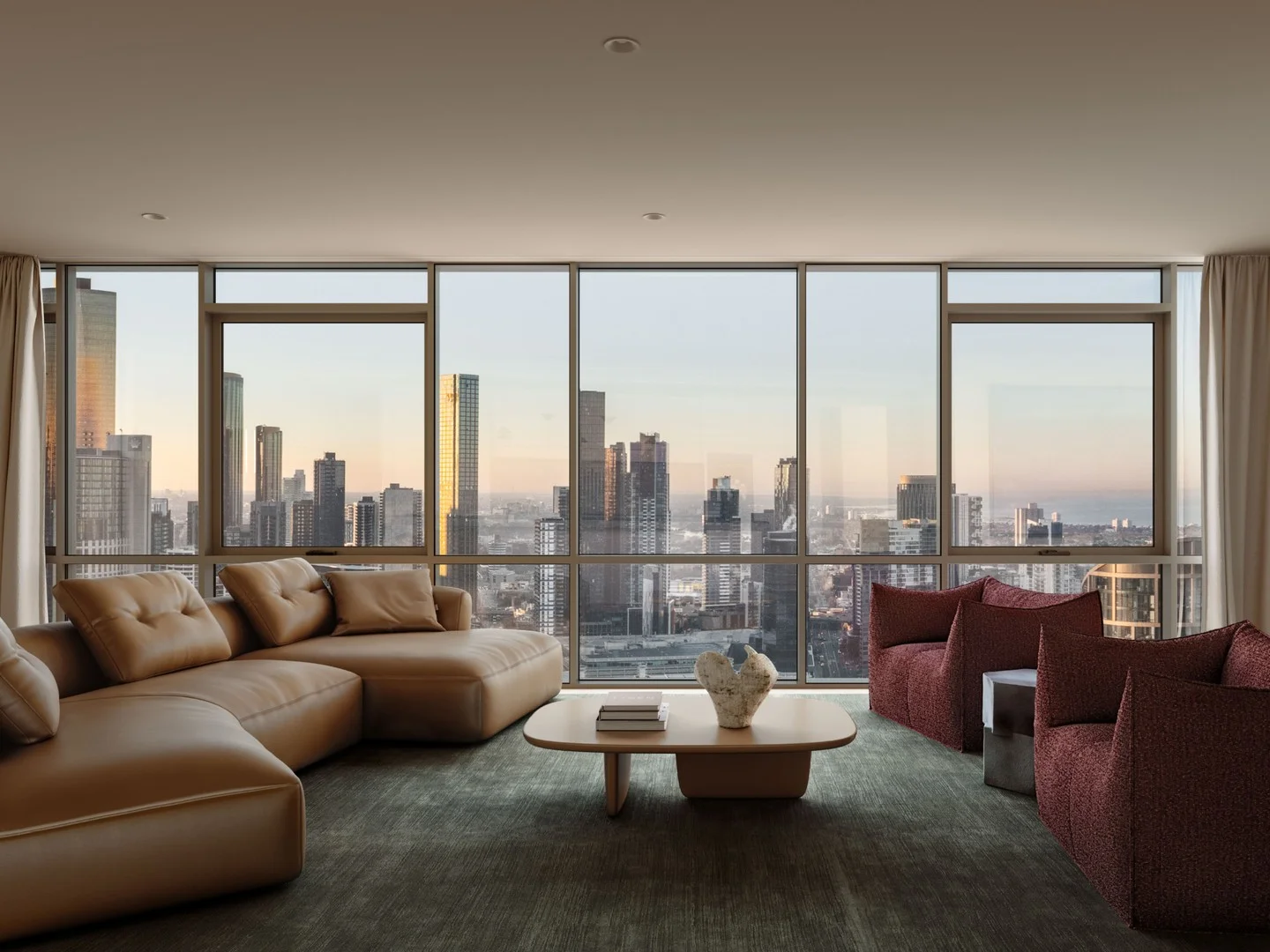 $3,700,000
propertyType.NEW APARTMENTS / OFF THE PLAN
$3,700,000
propertyType.NEW APARTMENTS / OFF THE PLAN