Overview
Sacred Heart Catholic Primary School, Newport is a Catholic, co-educational primary school that emphasises faith-based learning within a caring, community-focused environment. The school aims to nurture students academically, socially, and spiritually, aligning with the values of the Catholic education system in Melbourne.
The school is a small-to-medium sized community with class sizes typically around 20–24 students. The atmosphere is nurturing and inclusive, with an emphasis on building positive relationships, service, and personal growth alongside academic development.
Academics & Learning
- Academic strengths: Strong literacy and numeracy foundations, with integrated Religious Education that supports values-based learning. The school also emphasises inquiry and critical thinking within core subjects, and opportunities to engage in STEM-related activities.
- Special programs: Catholic education programs, leadership opportunities for students, and pathways for accelerated or enriched learning where appropriate.
- Support for diverse learners: Dedicated support for EAL (English as an Additional Language) learners and students with additional learning needs, including targeted intervention and collaboration with families.
- Sports offered: Interschool competitions and school-based programs typically include soccer, Australian rules football, netball, basketball, cricket, swimming, and athletics.
- Strong teams or achievements: Participation in local inter-school events and house-based competitions; emphasis on teamwork, fair play, and personal bests.
- Music, arts, drama programs: School ensembles, choir or singing groups, and regular performance opportunities such as school assemblies and productions.
- Clubs: Robotics, coding, chess, debating, and other age-appropriate clubs are often available to extend learning beyond the classroom.
- Partnerships: Local sporting associations, community clubs, and participation in regional or district competitions to broaden opportunities for students.
Wellbeing & Pastoral Care
- Anti-bullying approach: Whole-school commitment to respectful behaviour, anti-bullying programs, and a supportive culture that promotes safe and inclusive interactions.
- House system: A house-based structure that fosters healthy competition, belonging, and leadership opportunities; houses are typically named after saints and local virtues.
- Counsellors / wellbeing officers: Access to school-based wellbeing supports, including trained staff or counsellors to assist with social-emotional needs.
- Transition support for new students: Orientation programs, buddy systems, and gradual onboarding to help new students settle in smoothly.
Facilities
- Sports grounds: On-site sporting fields and courts suitable for a range of physical activities.
- Libraries: A well-resourced library with access to age-appropriate books and learning materials.
- Science labs: Science facilities that support hands-on investigations and curiosity.
- Music/performing arts centers: Space for music, drama, and performance activities.
- Tech/innovation labs: Computing or STEM spaces to support digital learning and project-based activities.
- Cafeteria: On-site canteen or lunch provision with healthy options.
- Updated playgrounds: Safe and modern play spaces that encourage active play and outdoor learning.
- School values / mission: Faith-based education grounded in Catholic values such as compassion, respect, responsibility, and service to others.
- Leadership style: Collaborative and servant leadership that encourages student voice, responsibility, and opportunities to lead with integrity.
- Behaviour expectations: Clear expectations aligned with the school’s values; consistent, fair discipline that supports personal growth.
- Community reputation: A welcoming Catholic school environment with supportive staff and engaged families; strong parish-school connections.
- Diversity & inclusion: Commitment to an inclusive culture that welcomes families from diverse backgrounds and fosters belonging for all students.
School Logistics & Daily Operations
- School hours: Typical primary school day runs in the late morning to mid-afternoon; precise hours are published by the school each year.
- Before/after school care: Available programs or supervision before and after school hours.
- Uniform requirements: Community-standard school uniform policy applicable to all students.
- Transport (bus routes / train): Availability of local bus services and proximity to Newport train station; families often rely on public transport or car drop-off/pick-up arrangements.
- Canteen availability: Canteen or lunch options available on campus.
- Fees (low/medium/high ranges): Fees are in the low-to-medium range for Catholic primary schools; exact amounts vary by year level and program and are published by the school.
Enrolment & Admissions
- What is the enrolment process and timeline?
- Parents typically express interest, submit an application, and provide required documents (birth certificate, immunisation details, baptism/confirmation information where applicable). After the initial intake, the school conducts interviews or meetings with families as part of the selection process. Enrolment decisions are communicated within the designated timeline, and places are offered where available.
- Is there a waiting list, and how does it work?
- Yes, there may be a waiting list when year-level places are limited. Waiting lists are generally managed in order of application, with prioritisation given to parish families or those meeting specific criteria as defined by the school and Diocese. Families are kept informed about their status and expected timelines.
- Are there any entry requirements, tests, or interviews?
- Entry usually involves an interview or meeting with the family and student, and may include discussion of readiness for school and alignment with the school’s faith-based approach. Some year levels may have additional assessments to determine appropriate placement, while others may rely on observation and documentation rather than formal testing.
- Does the school accept mid-year transfers?
- Mid-year transfers are considered subject to space availability and alignment with enrolment policies. Families seeking mid-year transfer should contact the admissions office to discuss timelines and required documentation.
Frequently Asked Questions
- Why Parents Choose This School?
- A values-driven, faith-based education in a supportive community, with a focus on strong literacy and numeracy, inclusive practices, and opportunities for leadership and service.
- What type of student thrives at this school?
- Students who respond well to a collaborative, respectful environment with a focus on personal growth, faith-based values, active participation in learning, and involvement in community life.
- What opportunities are available for students to extend their skills (academics, sports, arts)?
- Enrichment through literacy and numeracy programs, STEM-focused learning, leadership opportunities, music and performing arts, sports, and clubs (robotics, coding, chess, debating).
- How does the school communicate with parents?
- Regular newsletters, parent-teacher conferences, digital portals for updates on learning progress, and direct channels with teachers and administration.
- What is the school’s approach to teaching and learning?
- A balanced approach that blends faith-based education with evidence-informed teaching practices, differentiated instruction, and opportunities for project-based and inquiry-led learning.
- How does the school support students who need extra academic help?
- Targeted intervention and support staff for literacy, numeracy, and other learning needs, with collaboration between teachers, families, and specialists to tailor supports.
- What support is available for academic challenges?
- Additional tutoring, small-group support, and accommodations as appropriate, plus ongoing monitoring of progress and adjustments to learning plans.
- How does the school communicate with parents? (reiterated)
- See above: newsletters, conferences, and digital communications to keep families informed about learning and school life.
- What extracurricular and sports opportunities are available?
- A range of sports through interschool participation, as well as clubs and arts programs like music, drama, robotics, coding, chess, and debating.
- What facilities does the school offer (sports, science, arts)?
- Modern facilities including sports grounds, library, science labs, music/performing arts spaces, technology/innovation labs, and a canteen.
- What is the school’s approach to technology and digital learning?
- A digitally integrated learning environment with age-appropriate technology access, coding and digital literacy activities, and responsible use guidelines.
- What transport and accessibility options are available?
- Access to local bus routes and rail services, with connectivity to Newport and surrounding suburbs; parking and drop-off arrangements managed by the school.
- What are the typical school fees or additional costs?
- Fees are in the low-to-medium range for Catholic primary schools; exact amounts vary by year level and program and are provided by the school on enrolment materials.
Short Pros & Cons list
- Values-driven Catholic education in a nurturing, inclusive environment
- Supportive staff and clear emphasis on student wellbeing
- Strong literacy and numeracy foundations with opportunities in arts, sport, and leadership
- Active community involvement and faith-based learning
- Range of facilities that support science, technology, arts, and physical education
- As a smaller to mid-sized school, options for some very specialized programs may be more limited than larger schools
- Fees apply (typical for private/Catholic schooling) and may require family budgeting
- Waitlists can occur for popular year levels during enrolment periods
- Availability of mid-year transfers depends on space and existing cohort structure












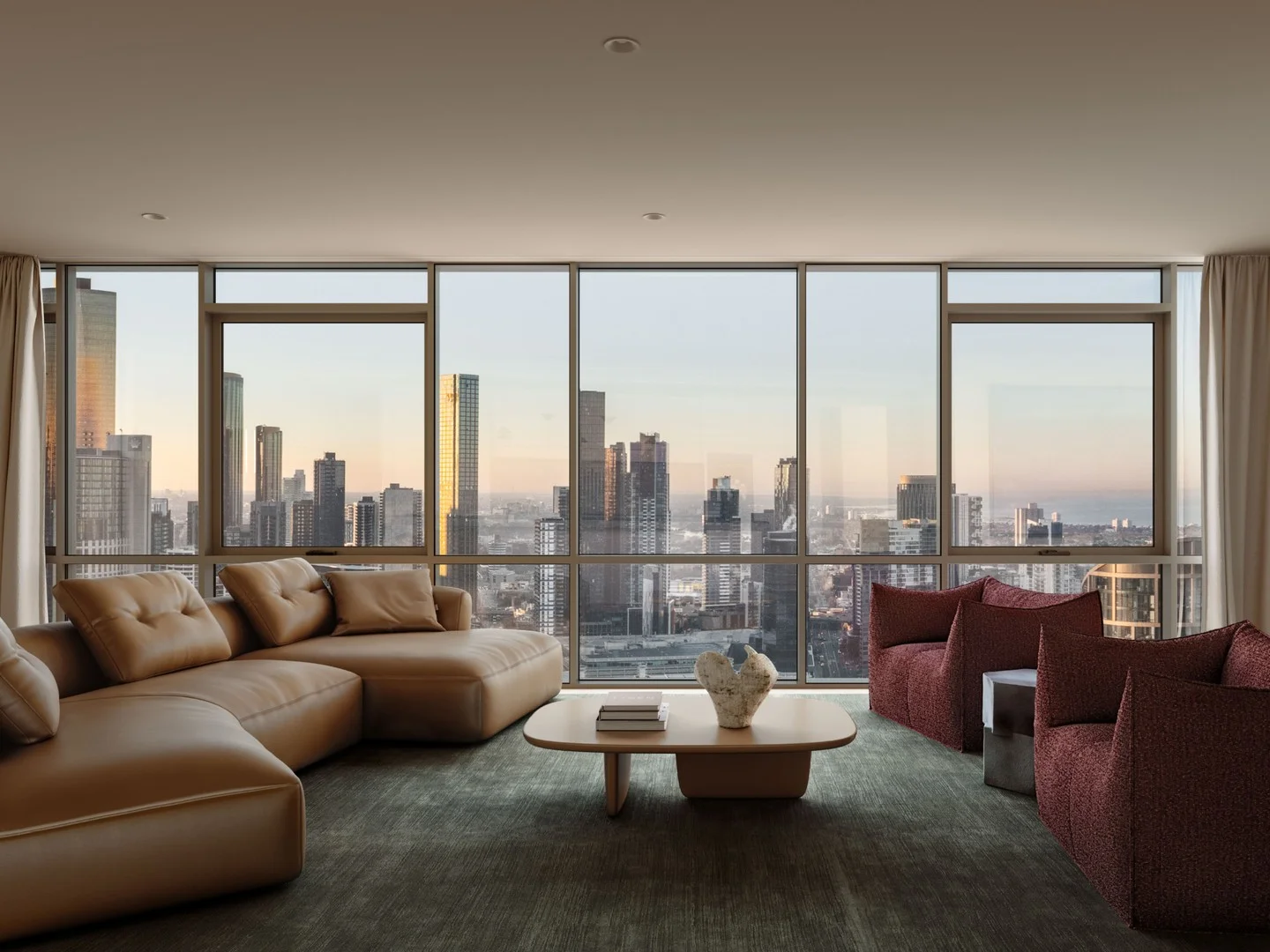
 $820,000
propertyType.NEW APARTMENTS / OFF THE PLAN
$820,000
propertyType.NEW APARTMENTS / OFF THE PLAN
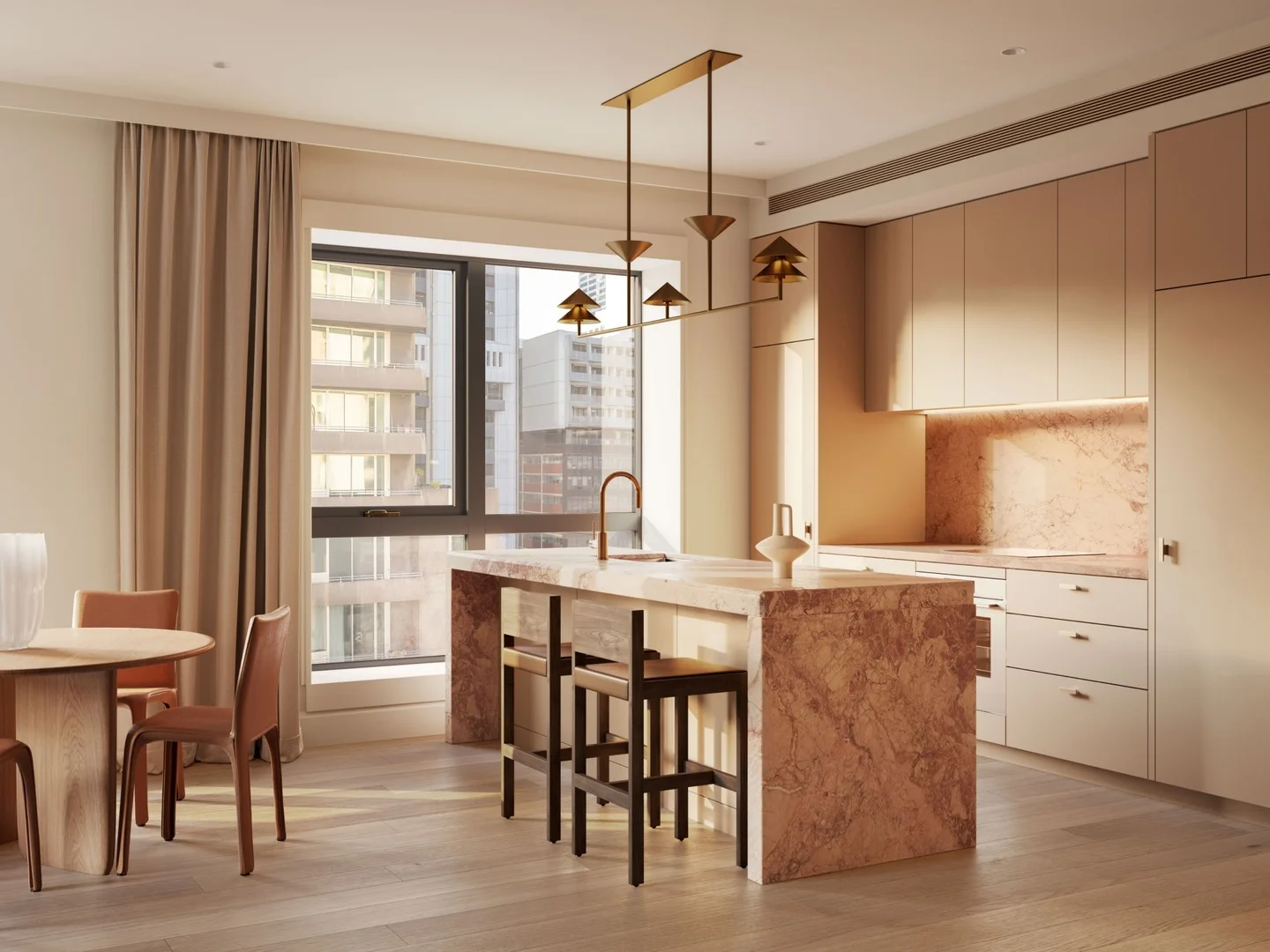
 $3,700,000
propertyType.NEW APARTMENTS / OFF THE PLAN
$3,700,000
propertyType.NEW APARTMENTS / OFF THE PLAN
 $1,760,000
propertyType.NEW APARTMENTS / OFF THE PLAN
$1,760,000
propertyType.NEW APARTMENTS / OFF THE PLAN
 $1,770,000
propertyType.NEW APARTMENTS / OFF THE PLAN
$1,770,000
propertyType.NEW APARTMENTS / OFF THE PLAN
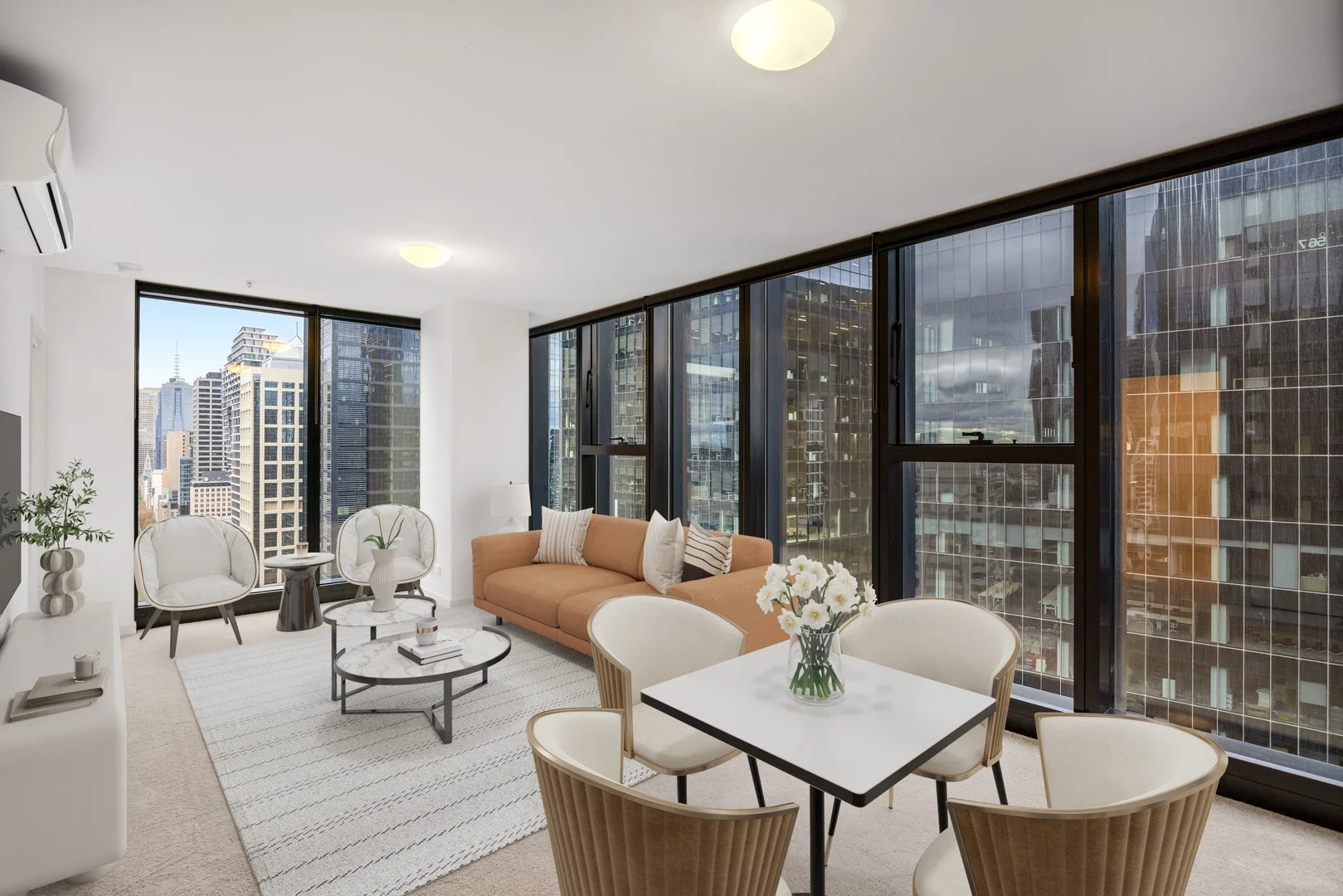 $480,000 - $520,000
Apartment / Unit / Flat
$480,000 - $520,000
Apartment / Unit / Flat
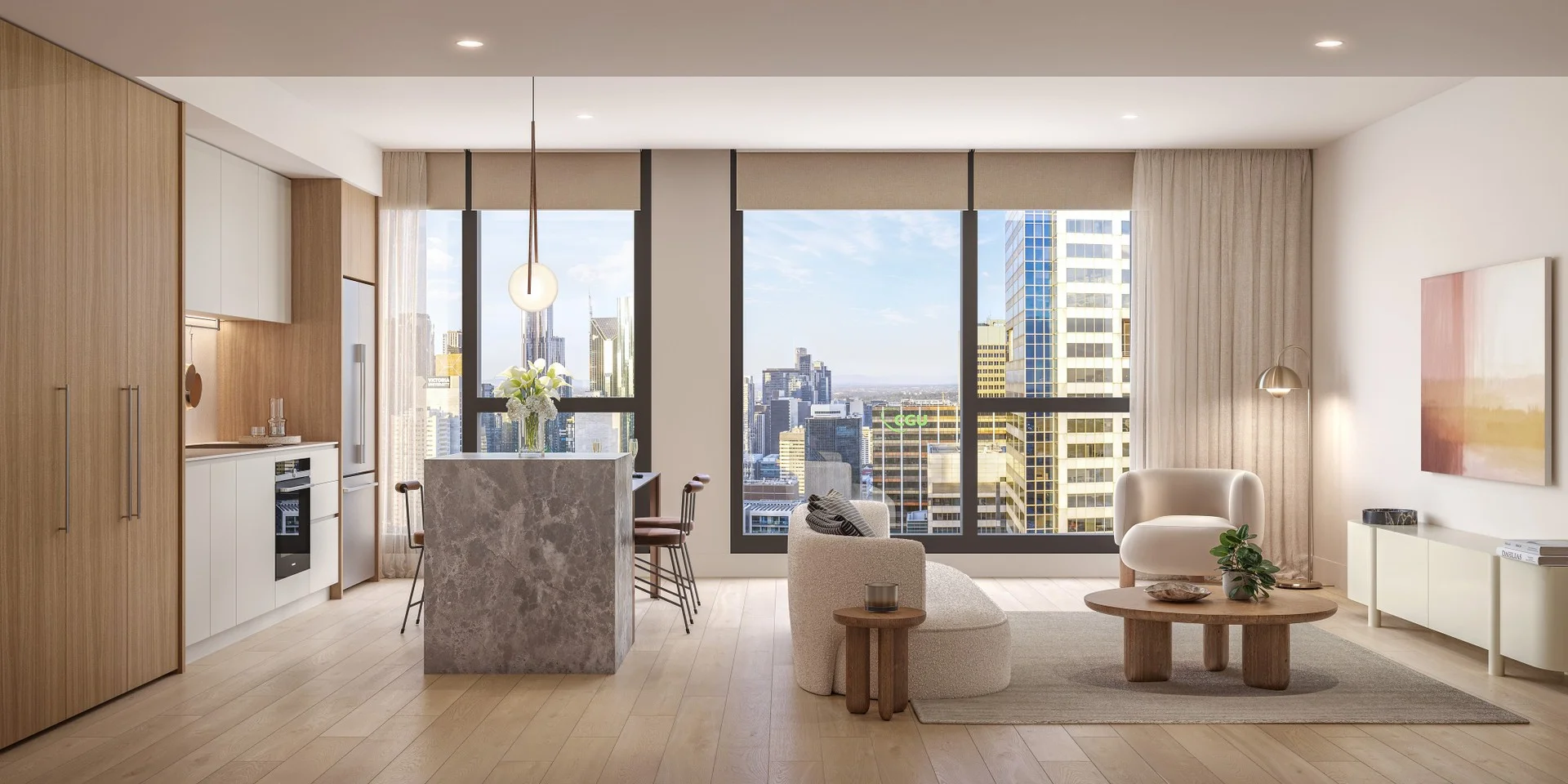 $1,870,000
propertyType.NEW APARTMENTS / OFF THE PLAN
$1,870,000
propertyType.NEW APARTMENTS / OFF THE PLAN
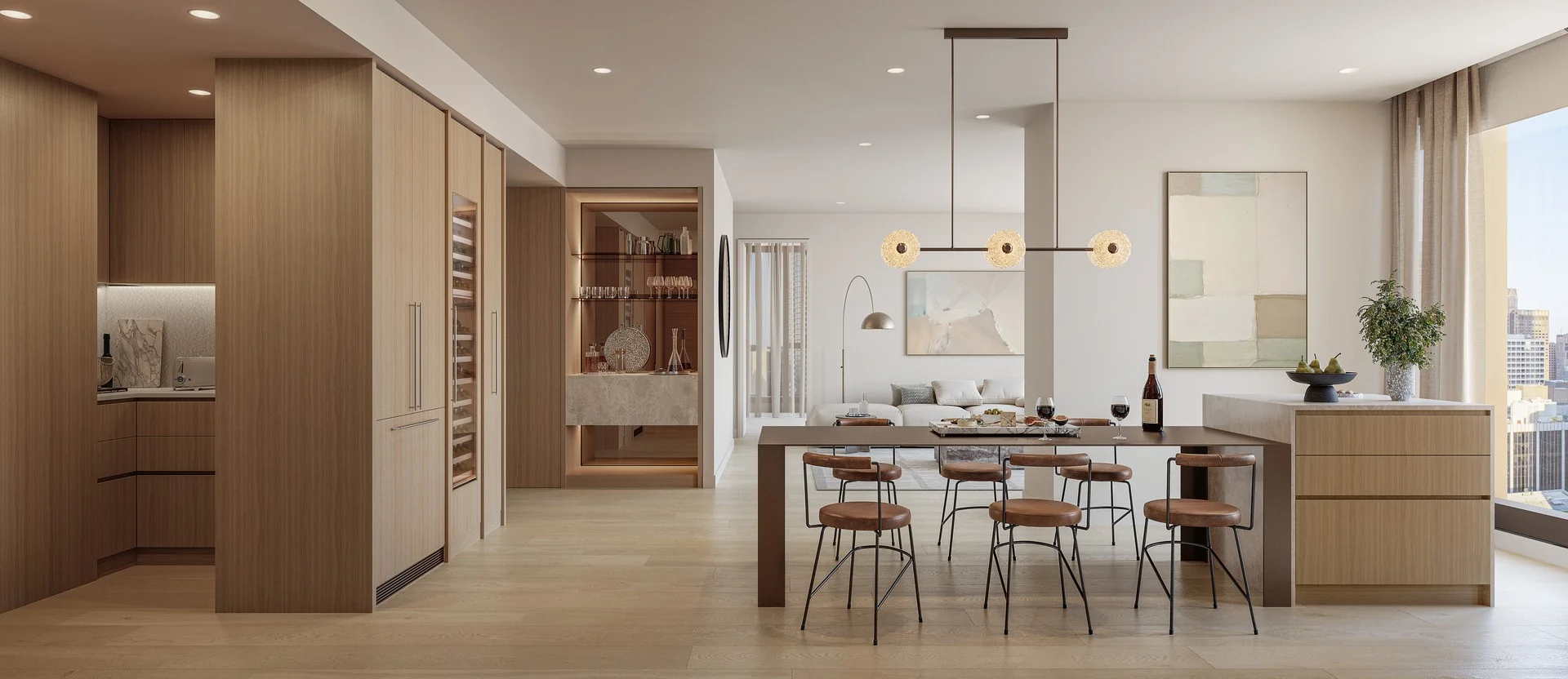 $2,865,000
Apartment / Unit / Flat
$2,865,000
Apartment / Unit / Flat
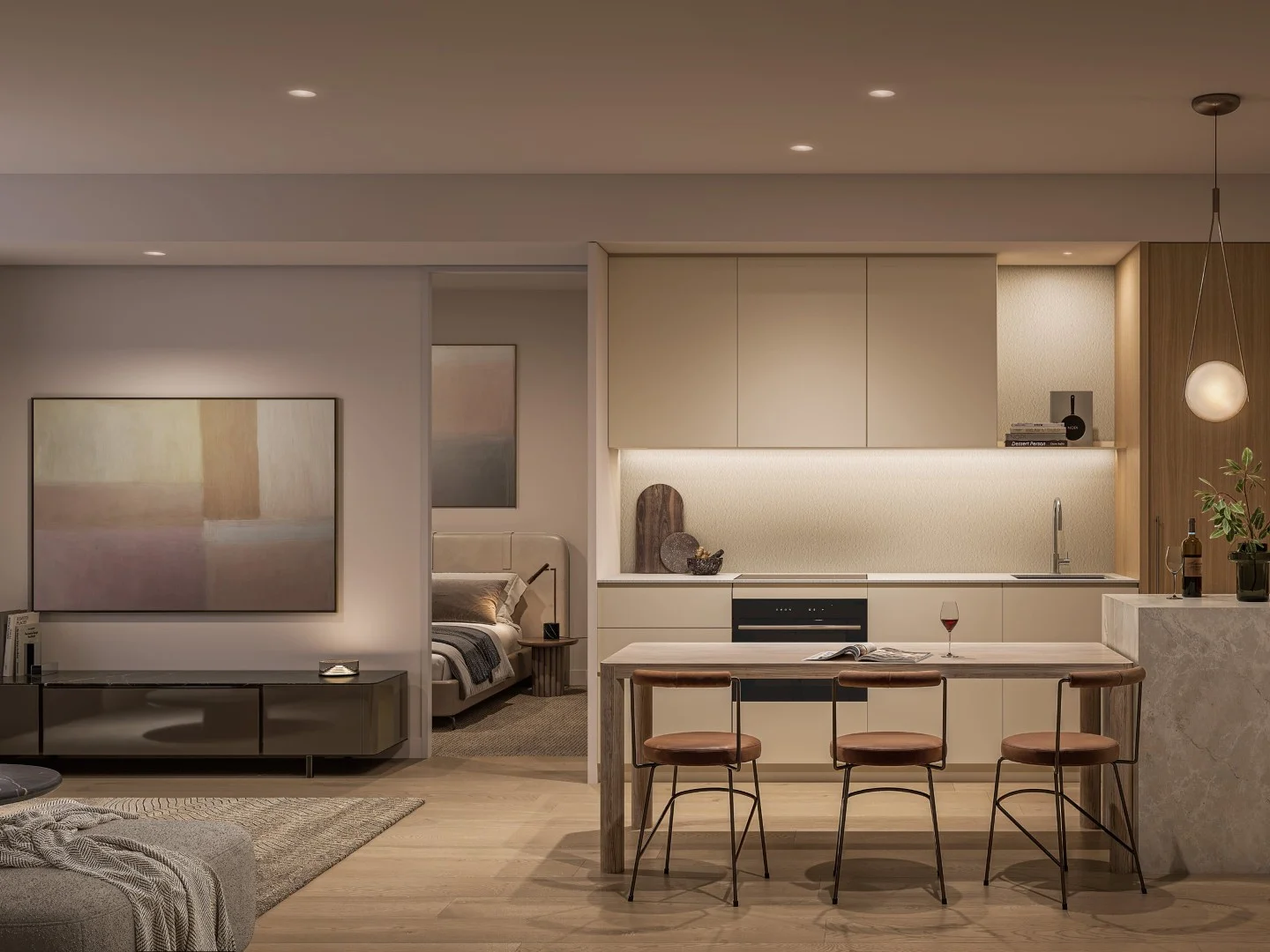 $666,000
Apartment / Unit / Flat
$666,000
Apartment / Unit / Flat
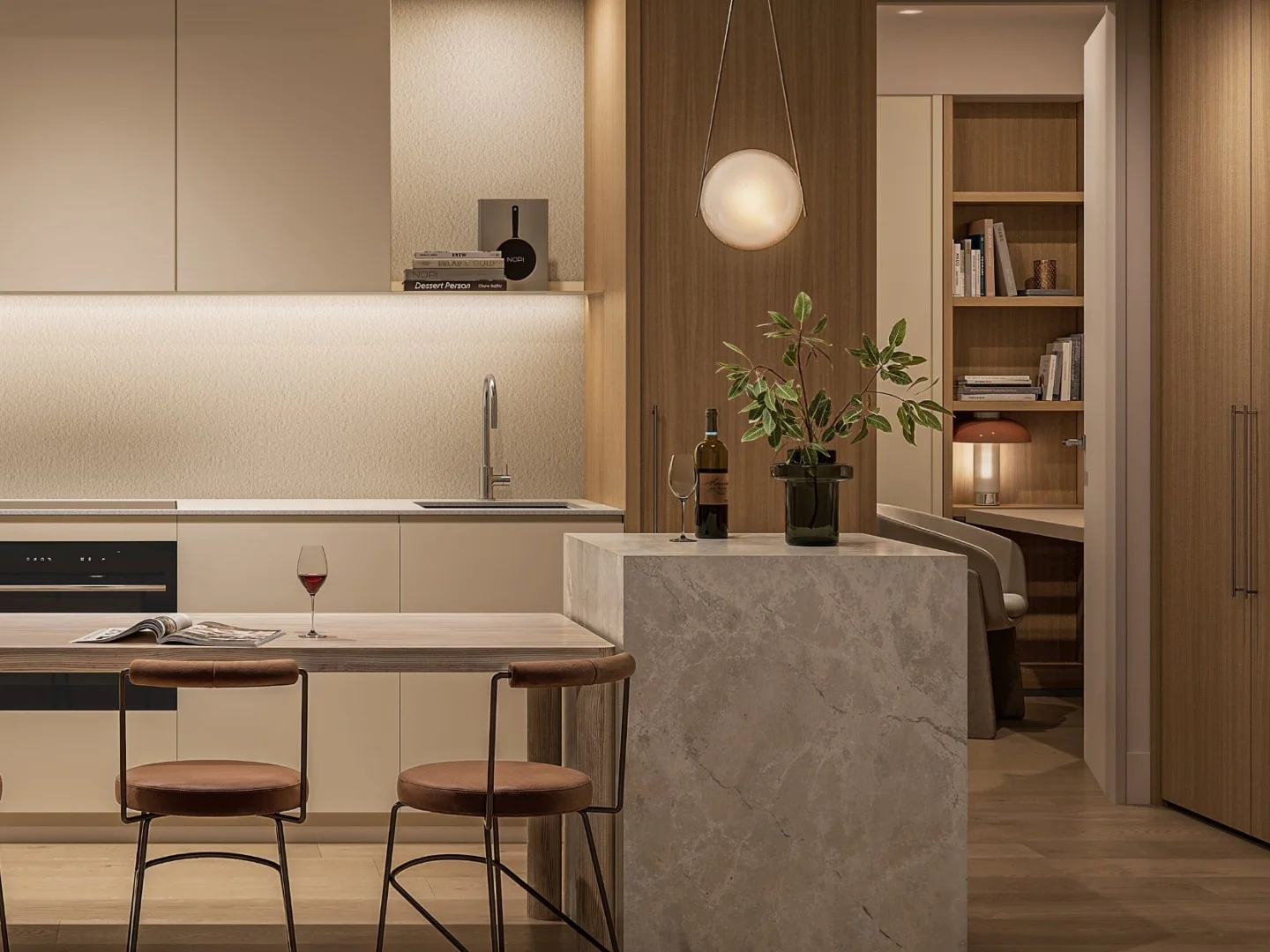 $712,500
Apartment / Unit / Flat
$712,500
Apartment / Unit / Flat