# Overview
The School of Isolated and Distance Education (SIDE) is a public Western Australian school designed to support students who are geographically isolated or learning from home. It delivers the WA curriculum through a mix of online instruction and on-campus sessions, prioritising accessibility, flexibility and individualised learning.
As a distance-focused public school, SIDE has a relatively small-to-medium on-site footprint with class sizes and delivery tailored to students’ needs. The atmosphere tends to be nurturing, inclusive and adaptable, with a strong emphasis on self-motivation, family involvement and personalised learning pathways.
⸻
# Academics & Learning
- Academic strengths: Core literacy and numeracy, digital learning skills, and personalised approaches to curriculum delivery; strong emphasis on enabling students to work at their own pace while meeting WA standards.
- Special programs: Distance education model, flexible learning plans, and access to a broad WA curriculum with options for extension or tailored pathways; supports for independent and home-based learners.
- NAPLAN trends: NAPLAN data is used to identify areas for improvement and to tailor supports; trends are monitored to guide targeted literacy and numeracy interventions.
- Student-teacher ratios: Vary by student and delivery method; the model aims for substantial teacher contact through online lessons, feedback and one-on-one support.
- Support for diverse learners: Services for English as an Additional Language (EAL) learners and students with additional learning needs (SEN); inclusive practices and modifications to meet individual learning requirements.
⸻
# Sports & Extracurricular Strengths
- Sports offered: In-person opportunities through on-site days and local interschool arrangements; ongoing options for online fitness activities and skill-building when remote.
- Strong teams or achievements: Participation in regional interschool events and competitions where available; opportunities adapt to student enrollment and on-site activity days.
- Music, arts, drama: Access to music, arts and performing arts activities through on-site sessions or online programs; opportunities to participate in school productions or showcases.
- Clubs: Robotics, chess, coding, debating (and other clubs may be offered or facilitated online or through partnerships).
- Partnerships: Connections with local academies, community organisations and competitions to provide additional contexts for sport, arts and STEM activities.
⸻
# Wellbeing & Pastoral Care
- Anti-bullying approach: Proactive, whole-school focus on safety, respect and digital citizenship; clear processes for reporting and addressing concerns.
- House system: Pastoral models may include a house or belonging framework to foster community and a sense of belonging; emphasis on teamwork and positive conduct.
- Counsellors / wellbeing officers: Access to wellbeing staff and support services to assist students with emotional, social and mental health needs.
- Transition support for new students: Structured onboarding, orientation and ongoing support to help new students acclimate to learning remotely or on-site.
⸻
# Facilities
- Sports grounds: On-site or regional facilities used for physical activity on designated days.
- Libraries: Dedicated library spaces or learning hubs available for student use.
- Science labs: On-site science facilities for practical work during campus days.
- Music/performing arts centers: Spaces for music practice, rehearsals and occasional performances.
- Tech/innovation labs: Computer labs and digital learning spaces to support online and project-based work.
- Cafeteria: On-site dining facilities available on campus days.
- Updated playgrounds: Modern outdoor spaces for recreation when on-site.
⸻
# School Values & Community Culture
- School values / mission: Commitment to accessible, inclusive learning; student-centred approaches that recognise individual circumstances and promote lifelong learning.
- Leadership style: Collaborative and supportive, emphasising student agency, professional guidance from teachers, and strong communication with families.
- Behaviour expectations: Respectful and responsible behaviour, with emphasis on digital citizenship and safe learning environments.
- Community reputation: Public school with a focus on accessibility for isolated or home-based learners; aims to build a positive, inclusive and engaged school community.
- Diversity & inclusion: Strong emphasis on equity, access and supporting a diverse range of learners to participate fully in school life.
⸻
# School Logistics & Daily Operations
- School hours: Structured schedules combined with flexible, self-paced components; on-campus days provide synchronous activities and social learning.
- Before/after school care: Availability may vary; on-site options or community providers can be used around campus days.
- Uniform requirements: Uniforms typically required for on-site sessions; guidelines provided for students learning from home.
- Transport (train/bus routes): Public transport options for on-site days; many students learn remotely, reducing daily travel needs.
- Canteen availability: On-site catering facilities typically available on campus days.
- Fees (low/medium/high ranges): As a public school, there are no tuition fees; some materials, activity charges or optional program costs may apply.
⸻
# Enrolment & Admissions
11. What is the enrolment process and timeline?
- Applications typically follow the Department of Education’s enrolment process. Timelines vary by intake and student requirements. Families are advised to initiate the process early and consult the admissions team for an estimated timeline.
12. Is there a waiting list, and how does it work?
- There can be capacity limitations that lead to waiting lists. Availability depends on student support needs and resources. Contact the admissions team to check current status and possibilities.
13. Are there any entry requirements, tests, or interviews?
- Entry may involve eligibility reviews for distance/isolated learning, readiness assessments and possibly an interview or discussion to determine the best learning plan and support needs.
14. Does the school accept mid-year transfers?
- Mid-year transfers may be possible, subject to capacity and alignment with the learning program. Prospective families should contact admissions as early as possible to discuss options.
⸻
# Frequently Asked Questions
- Why Parents Choose This School?
- Flexible learning for students who are isolated or learning from home; personalised support and access to the WA curriculum; ability to combine online learning with periodic on-site sessions; strong emphasis on family involvement and tailored learning plans.
- What type of student thrives at this school?
- Self-motivated, independent learners; families seeking flexible scheduling; students who benefit from a collaborative online learning environment or need to balance schooling with other commitments.
- What opportunities are available for students to extend their skills (academics, sports, arts)?
- Access to core subjects online, enrichment activities, clubs (robotics, coding, chess, debating), and participation in interschool events or partnerships in sport, arts and STEM.
- How does the school communicate with parents?
- Through emails, newsletters, a parent portal or learning management system, and regular reporting on student progress; updates typically provided by teachers and administration.
- What is the school’s approach to teaching and learning?
- Student-centred, flexible pacing within the WA curriculum; a blend of online instruction, self-directed work and targeted teacher support; emphasis on digital learning competencies and personalized plans.
- How does the school support students who need extra academic help?
- Targeted tutoring, learning support, EAL and SEN services; individualized plans and frequent teacher check-ins to monitor progress and adjust supports.
- What support is available for academic challenges?
- Access to learning support staff, counselling and escalation procedures to involve specialists as needed; proactive monitoring of progress with timely interventions.
- How does the school communicate with parents? (Repeated)
- See above: regular digital communications and parent-facing updates.
- What are the class sizes and how much individual attention do students receive?
- Class sizes and formats vary; there is an emphasis on individualised contact through online sessions, feedback and targeted support, which can provide substantial one-on-one attention.
- What extracurricular and sports opportunities are available?
- Clubs (robotics, chess, coding, debating) and sports activities through on-site days or interschool arrangements; some activities may occur online or via partnerships.
- What facilities does the school offer (sports, science, arts)?
- On-site facilities for libraries, science labs, music/performing arts, tech/innovation labs, canteen and playgrounds; sports grounds and related spaces for on-campus activity days.
- What is the school’s approach to technology and digital learning?
- Strong reliance on digital platforms, online instruction and resources; emphasis on digital citizenship, device access and online collaboration.
- What transport and accessibility options are available?
- Transportation options for on-site days via public services; many students engage in learning from home with flexible access to resources and occasional on-site support.
- What are the typical school fees or additional costs?
- As a public school, there are no tuition fees; some materials or activity charges may apply, and uniform costs or optional program fees could occur.
⸻
# Short Pros & Cons list
- Pros
- Flexible, accessible learning for isolated or home-based students
- Personalised learning plans and strong teacher support
- Access to WA curriculum with online and on-site options
- Inclusive environment with support for diverse learners
- A range of clubs and extracurricular opportunities
- Cons
- On-site attendance may be limited to certain days or activities
- Availability of some programs or facilities can vary by year
- Transitioning to a fully online model requires self-motivation and organisational skills
- Wait times for mid-year openings could occur depending on capacity
- Some costs may apply for optional activities or materials
⸻














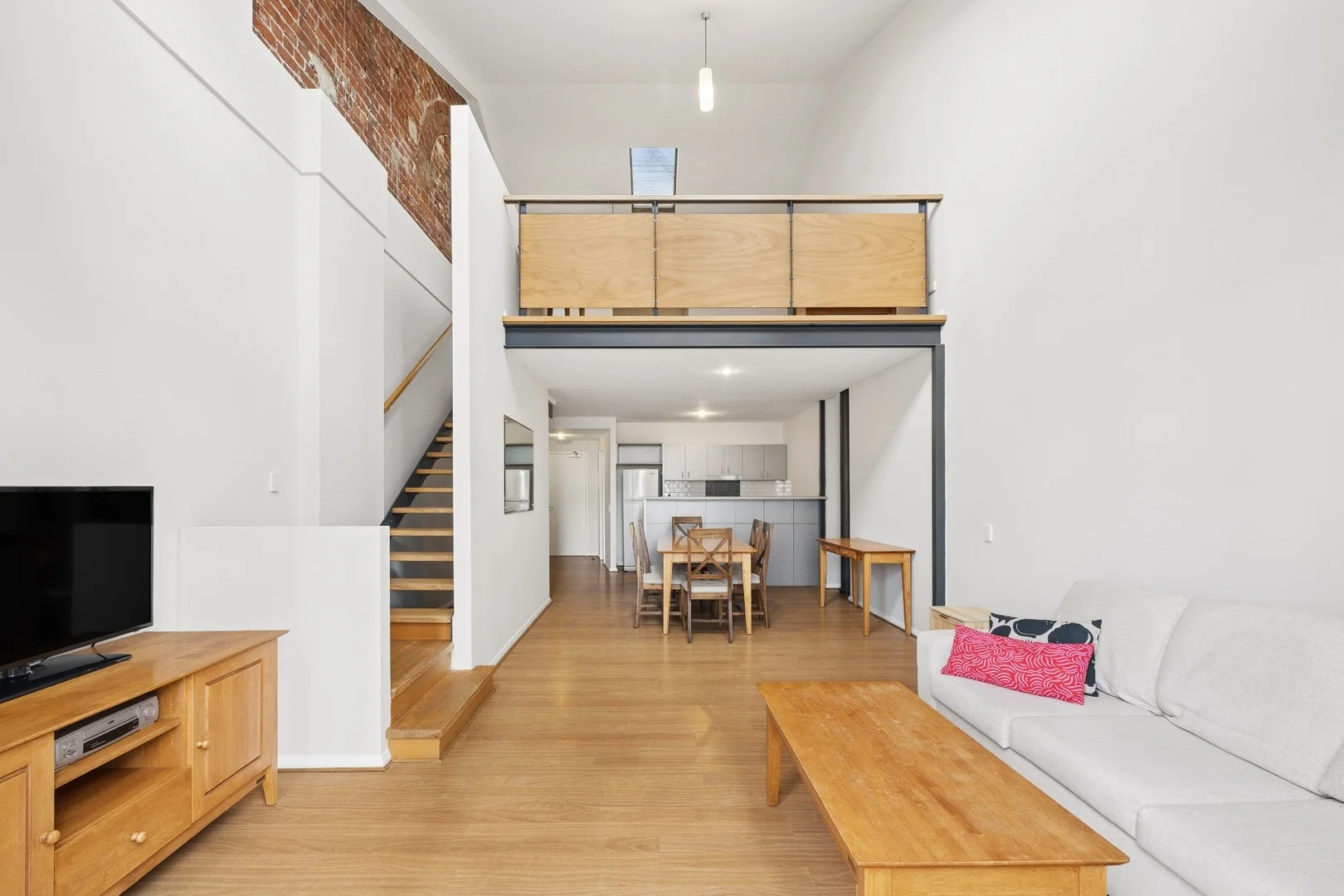 $549,000
Apartment / Unit / Flat
$549,000
Apartment / Unit / Flat
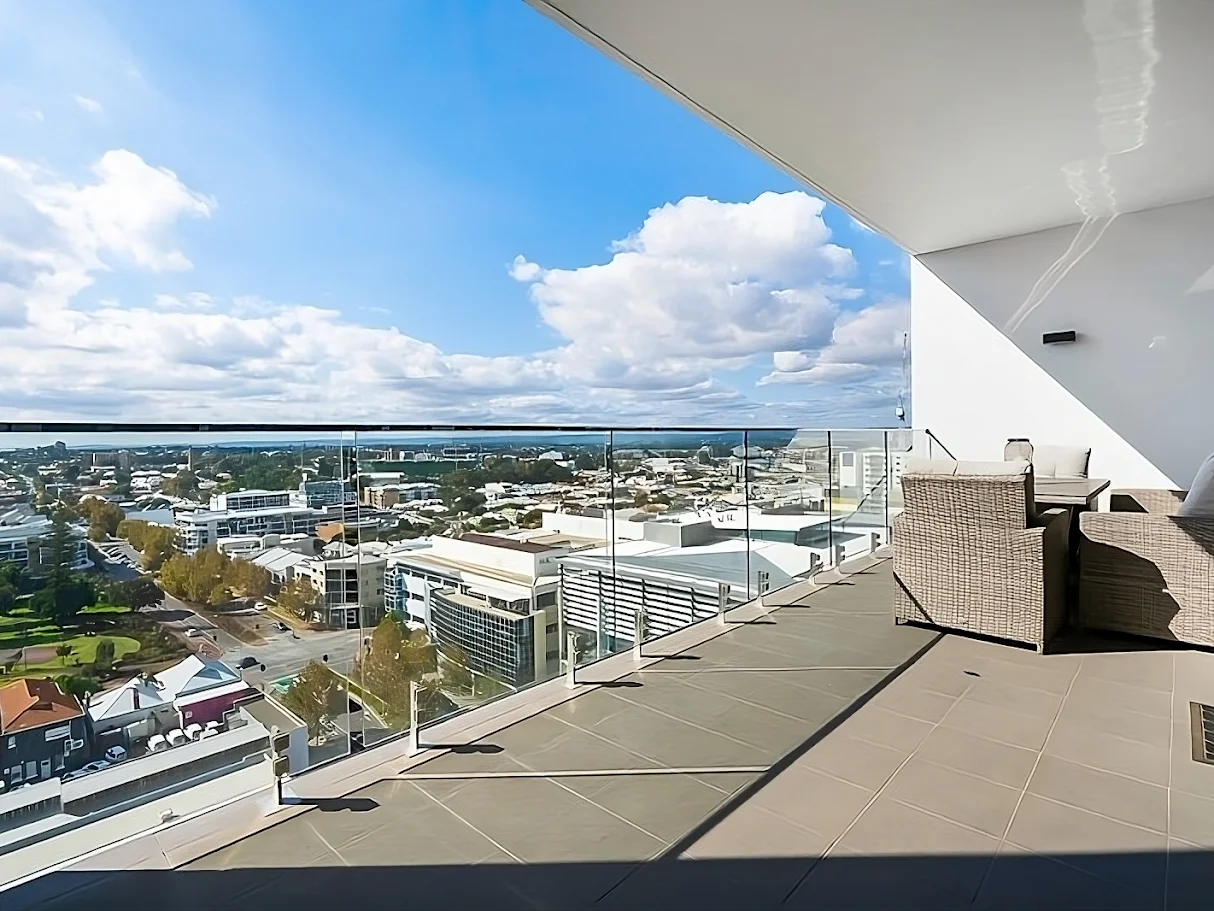 $580,000
Apartment / Unit / Flat
$580,000
Apartment / Unit / Flat
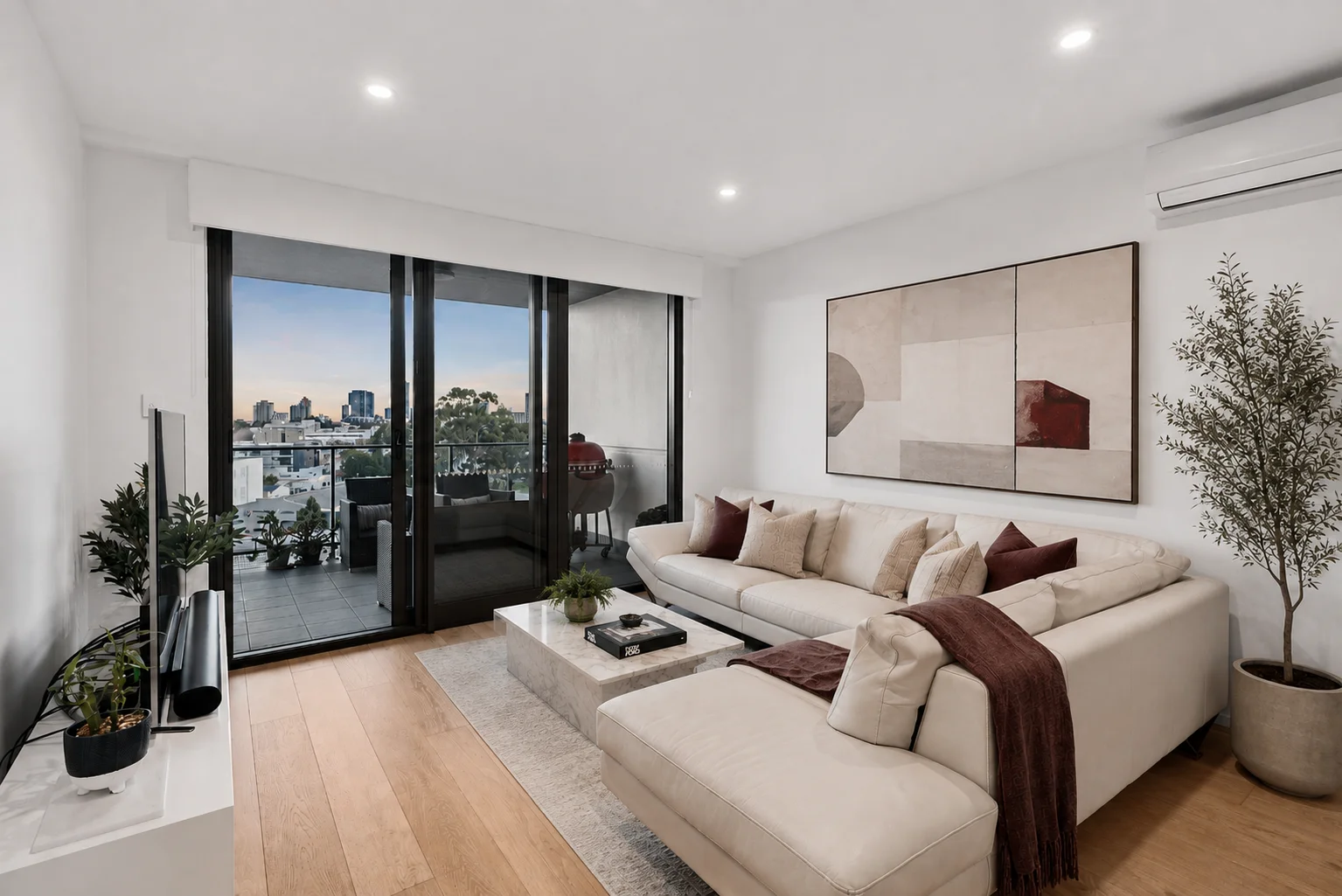 $700,000
Apartment / Unit / Flat
$700,000
Apartment / Unit / Flat
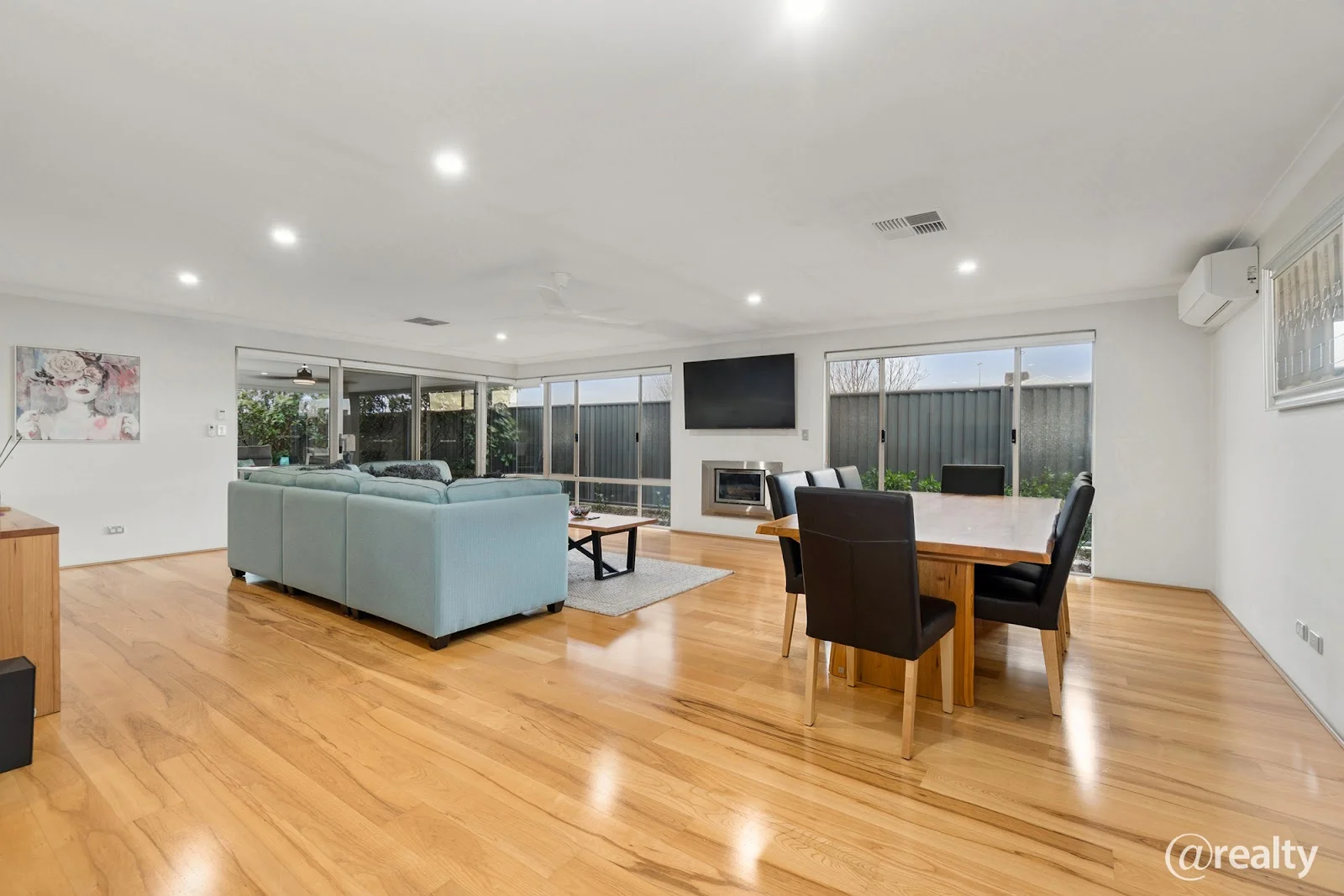 $1,030,000
House
$1,030,000
House